0%

Choosing Cellulose acetate sunglasses in 2026 requires more than admiring a glossy frame. The Vision Council’s 2024 consumer research reports that roughly three in four U.S. adults use eyewear. That scale makes material quality, fit, and repairability meaningful daily concerns. Grand View Research also identifies cellulose acetate as a high-value material in eyewear and specialty applications. However, market reports often combine eyewear with unrelated acetate products. Their figures should be read carefully.

Michele Aracri, CEO of Mazzucchelli 1849, has described acetate as “a material that combines creativity, quality, and sustainability.” That statement deserves a practical test. A good frame should feel warm, not brittle, against the skin. Its edges should look smoothly polished. The temples should open evenly, without clicking or twisting. Ask whether the manufacturer uses genuine cellulose acetate sheets, reliable hinges, and replaceable lenses. Some brands use “acetate” loosely, which can confuse shoppers.

This guide examines frame construction, lens protection, fit, color stability, and responsible sourcing. It also questions popular assumptions. Bio-based does not automatically mean low-impact. A beautiful tortoiseshell pattern does not prove durability. Even premium frames can fail when stored in a hot car. Look closely. Feel the hinge. Check the after-sales policy. The best Cellulose acetate sunglasses balance comfort, optical performance, manufacturing transparency, and years of realistic use.
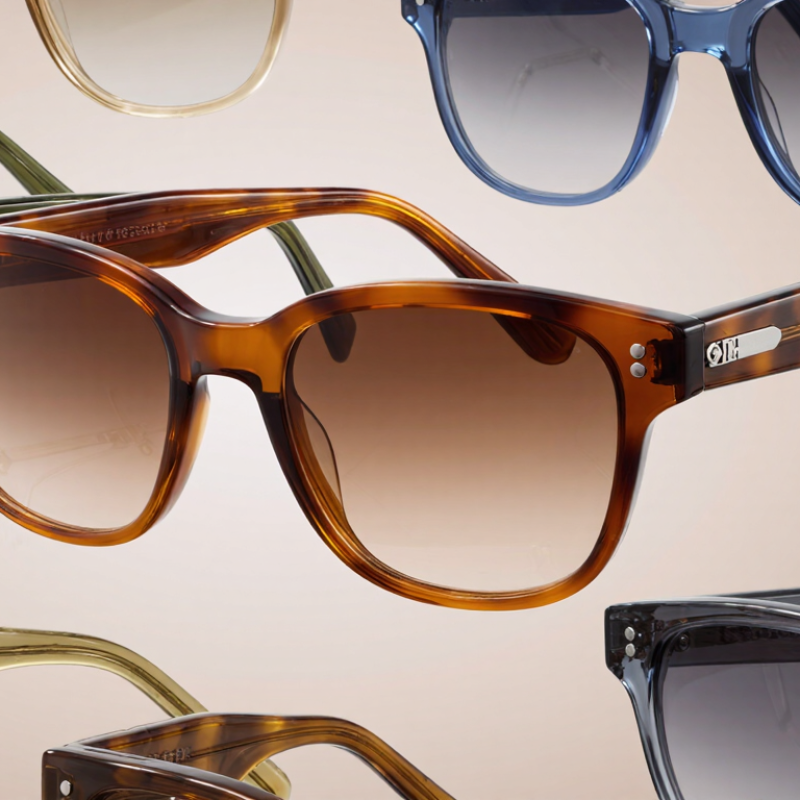
How to Choose Cellulose Acetate Sunglasses in 2026?

Define Cellulose Acetate: Plant-Based Plastic with 70%+ Cellulose Content

How to Choose Cellulose Acetate Sunglasses in 2026?

When choosing sunglasses, start with the frame material, not only its color or shape. Cellulose acetate is a plant-based plastic made mainly from refined cellulose, often sourced from cotton linters or wood pulp. Many quality grades contain 70% or more cellulose, combined with plasticizers and stabilizers. This composition gives the frame a firm feel, smooth polish, and comfortable flexibility.

In practical checks, hold the frame near a window and inspect its surface. Good acetate usually shows depth in transparent colors, rather than looking flat or painted. Run a finger along the edges. They should feel rounded, not sharp or chalky. Open and close the temples several times. Reliable construction should feel controlled, although small differences can still appear between handmade frames. Acetate is plant-based, but that does not mean every frame will quickly biodegrade. The finished material may include additives, coatings, and metal parts.

Tips: Ask for the material specification, not just “eco-friendly” wording. Check the cellulose percentage and hinge construction. Avoid frames with strong chemical odors or uneven polishing. Fit matters too. A beautiful frame can still press behind your ears.

One limitation deserves attention. Material claims are not always presented consistently, so compare technical details carefully. I would trust clear documentation more than a vague sustainability label. Shades may also change slightly over time with sunlight and heat. That is not always a defect; it can reflect the material’s aging behavior.

Check UV Protection: Choose Lenses Blocking 100% UVA/UVB and Up to 400 nm

When choosing cellulose acetate sunglasses in 2026, examine UV protection before frame color or hinge design. Cellulose acetate offers comfort and visual appeal, but it does not block ultraviolet radiation by itself. The lenses should clearly state 100% UVA and UVB protection, with coverage up to 400 nm.

Do not confuse dark lenses with safe lenses. A smoky tint may reduce glare while allowing harmful UV through. I check the inner lens marking, product information, and available test documentation. Reliable sellers should explain how the lenses were tested. An optician can also verify protection with suitable equipment. This small check matters near bright pavement, open water, and snowy roads. Cloudy weather still exposes your eyes to ultraviolet light.

Fit deserves attention too. Frames should sit close to your face without touching your eyelashes. Less side exposure is helpful, especially during long outdoor walks. I once focused too much on a beautiful transparent frame and ignored its loose fit. That was a poor choice. Ask whether the lenses maintain their stated protection after normal cleaning and use. Some product descriptions sound convincing but remain vague about the 400 nm limit. Read carefully, and question missing details.

Compare Lens Types: Polarized, CR-39, and Polycarbonate Options by Impact Rating

When choosing cellulose acetate sunglasses in 2026, examine the lenses separately from the frame. Acetate can feel warm, dense, and smooth against the skin. It does not determine lens safety. Ask for documented impact-test results, lens markings, and clear material information. Marketing language alone is not enough.

Polarized lenses reduce reflected glare from water, roads, and glass. They are useful for driving and outdoor work, but polarization is not an impact rating. CR-39 lenses often provide sharp vision, low weight, and good everyday comfort. However, they generally offer less impact resistance than polycarbonate. Polycarbonate lenses are a stronger choice for cycling, hiking, and active use. They resist impact well, though some users notice more color fringing or surface scratching. A protective coating can help, but it cannot prevent every mark.

Check the lens thickness and how securely it sits inside the acetate frame. A loose lens can create problems during a fall. Look for independent test documentation rather than trusting vague claims such as “unbreakable.” Standards and ratings may differ by region, so confirm what was actually tested. I once preferred the clearest lens, but outdoor glare changed my mind. Comfort matters too. A heavy lens may slide during movement, even when its rating looks impressive. For daily wear, CR-39 may be sufficient. For higher-risk activities, polycarbonate deserves closer attention. Polarization remains a visual comfort feature, not a substitute for impact protection.

Assess Frame Quality: Look for 5–7 Acetate Layers, Hand Polishing, and Flexibility

Choosing cellulose acetate sunglasses in 2026 starts with examining the frame, not just admiring its color. A quality frame often contains five to seven acetate layers, creating visible depth and stronger material structure. Check the temple edges under bright light. The layers should appear even, without cloudy gaps or rough seams.

Hand polishing is another useful quality signal. Run a clean fingertip along the bridge, rims, and temple tips. The surface should feel smooth, warm, and carefully finished. Sharp edges may suggest rushed production. However, polished acetate can still hide weak hinges, so inspect the screws and connection points closely. I have found that small alignment errors often become irritating after several hours of wear.

Tips: Gently flex both temples outward by a small amount. They should show controlled resilience, not feel brittle or excessively loose. Never force the frame. Compare both sides for equal movement, and check whether the bridge returns to its original shape. Flexibility supports comfort, but too much softness may reduce stability. Layer count alone is not proof of excellence; finishing accuracy and daily balance matter more. Ask about material composition and production standards when technical information is available. Some frames look luxurious in photographs but feel surprisingly uneven in hand. That is worth questioning.

Confirm 2026 Compliance: Verify ISO 12312-1 Testing and Responsible Material Claims

How to Choose Cellulose Acetate Sunglasses in 2026?

Cellulose acetate frames feel warm and slightly flexible against the skin. However, material comfort does not prove lens safety. For 2026 purchases, ask for evidence that the finished sunglasses were tested against ISO 12312-1, the standard for general-purpose sunglasses. A vague “UV400” claim is not enough. Request a dated laboratory report, test reference, lens category, ultraviolet transmission results, optical quality data, and impact-resistance findings. The report should identify the tested model, not merely describe a product family.

Check the documentation carefully. Does the frame match the submitted sample? Are the lenses tinted evenly, without visible waves or distortion? Hold them under a straight shelf edge and look through each lens. Small defects can become obvious outdoors. The applicable ISO edition may also change, so confirm the seller used the current requirements for your market. Testing is stronger evidence than a printed compliance icon.

“Eco-friendly acetate” needs equal scrutiny. Cellulose acetate usually contains plant-derived cellulose, but it is still a processed plastic material. Ask whether the claim covers the entire frame or only part of it. Responsible information should identify cellulose sourcing, additives, factory controls, and realistic recycling options. “Biodegradable” may sound attractive, yet it can depend on industrial conditions and time. I once trusted a material statement that lacked percentages. That was careless. Look for traceable records, not polished wording. A clear return policy also matters when testing evidence remains incomplete.

How to Choose Cellulose Acetate Sunglasses in 2026?

Confirm 2026 Compliance: Verify ISO 12312-1 Testing and Responsible Material Claims

The chart shows the visible light transmittance ranges associated with the five general-purpose sunglass filter categories used by ISO 12312-1. Category 0 allows the most light through, while Category 4 provides the darkest filter and is not suitable for driving. For cellulose acetate frames, also request current test documentation, product traceability, and substantiation for claims such as recycled, bio-based, or responsibly sourced material.

Source basis: ISO 12312-1 general-purpose sunglass filter categories and visible light transmittance ranges. Confirm the applicable edition and test report with the supplier before purchase or market placement.

FAQS

What is cellulose acetate?

It is a plant-based plastic made mainly from refined cellulose. Sources often include cotton linters or wood pulp. Many grades contain over 70% cellulose.

Does plant-based mean the frame biodegrades quickly?

No. Finished frames may contain additives, coatings, hinges, and other metal parts. Biodegradation can require specific industrial conditions and considerable time.

How can I inspect frame quality?

Hold the frame near a window and inspect transparent colors for visible depth. Run a finger along the edges. They should feel rounded, not sharp or chalky.

What should the hinges feel like?

Open and close each temple several times. Movement should feel controlled and steady. Small differences may appear in handmade frames.

How do I verify sunglasses safety?

Ask for a dated laboratory report referencing ISO 12312-1. It should identify the tested model, lens category, ultraviolet transmission, optical quality, and impact resistance.

Is a UV400 statement enough?

Not by itself. Request testing evidence instead of trusting a printed symbol or general wording. The report should match the actual sunglasses.

How can I check lens quality at home?

Hold the lenses beneath a straight shelf edge. Look for waves, uneven tinting, or image distortion. Tiny defects may become clearer outdoors.

What should responsible material information include?

Look for cellulose percentages, sourcing details, additives, factory controls, and realistic recycling options. “Eco-friendly” alone is too vague. I once trusted a percentage-free claim. That was careless.

Can color changes indicate a defective frame?

Not always. Sunlight and heat may gradually change some shades. This can reflect normal aging, though excessive change deserves careful checking.

What else matters besides appearance?

Check whether the frame presses behind your ears or slips on your nose. A beautiful frame can still fit badly. Fit matters.

Conclusion

Choosing Cellulose acetate sunglasses in 2026 starts with understanding the material. Genuine cellulose acetate is a plant-based plastic containing more than 70% cellulose, offering a durable, comfortable, and potentially more responsible alternative to conventional plastics. Buyers should examine the frame for five to seven carefully bonded acetate layers, smooth hand-polished edges, secure hinges, and enough flexibility to withstand regular use without feeling brittle.

Lens performance is equally important. Select lenses that block 100% of UVA and UVB radiation and provide protection up to 400 nm. Polarized lenses can reduce glare, while CR-39 and polycarbonate lenses offer different balances of optical clarity, weight, and impact resistance. Finally, confirm that the product has been tested to ISO 12312-1 requirements and evaluate whether its material and sustainability claims are clearly supported. A well-made pair should combine reliable UV protection, suitable lens strength, refined construction, and transparent product information.

Elowen

Elowen

Elowen is a dedicated marketing professional with a deep understanding of our company’s products, customer needs, and industry trends. Through clear, insightful, and practical content, Elowen regularly updates our website’s professional blog, helping readers better understand how our solutions can......