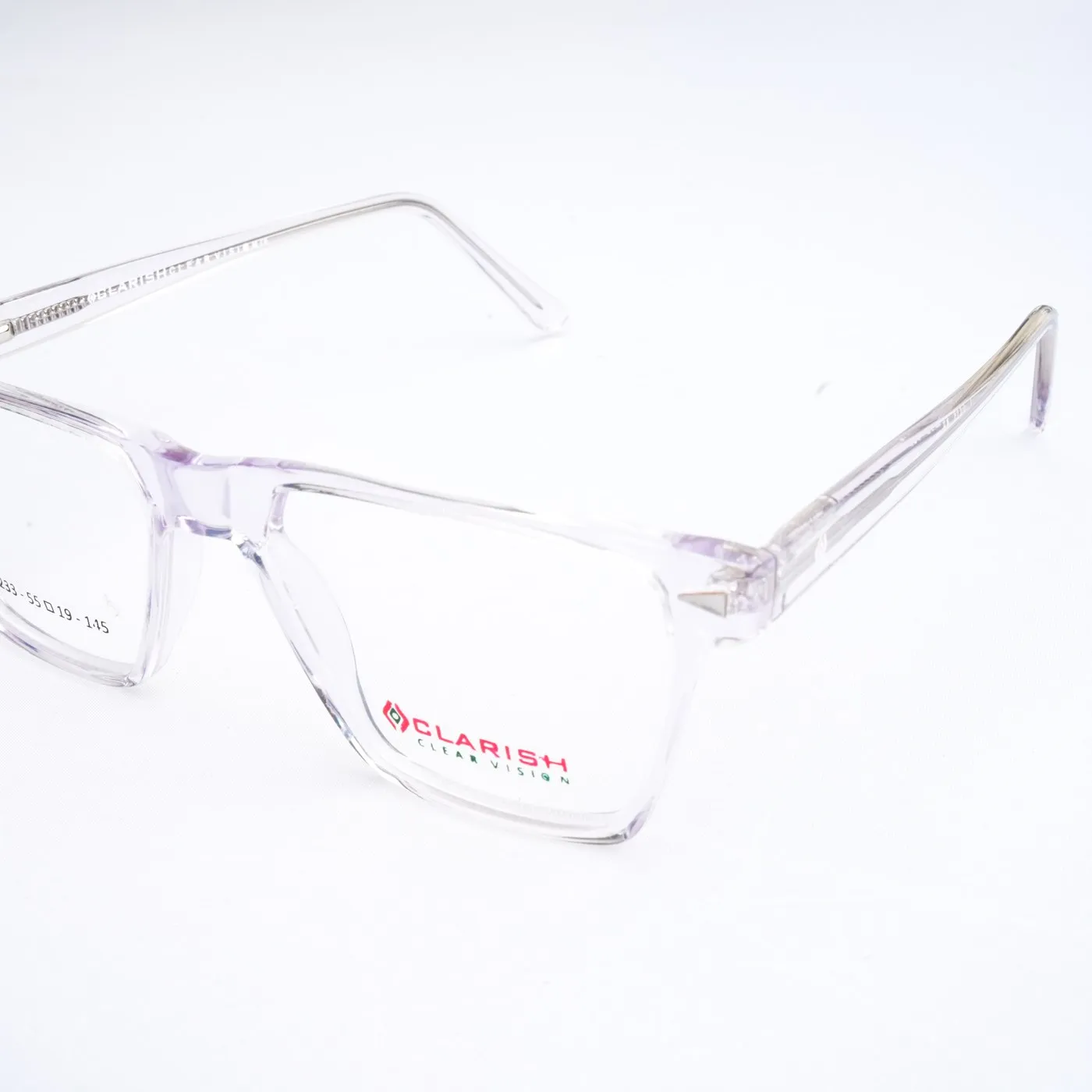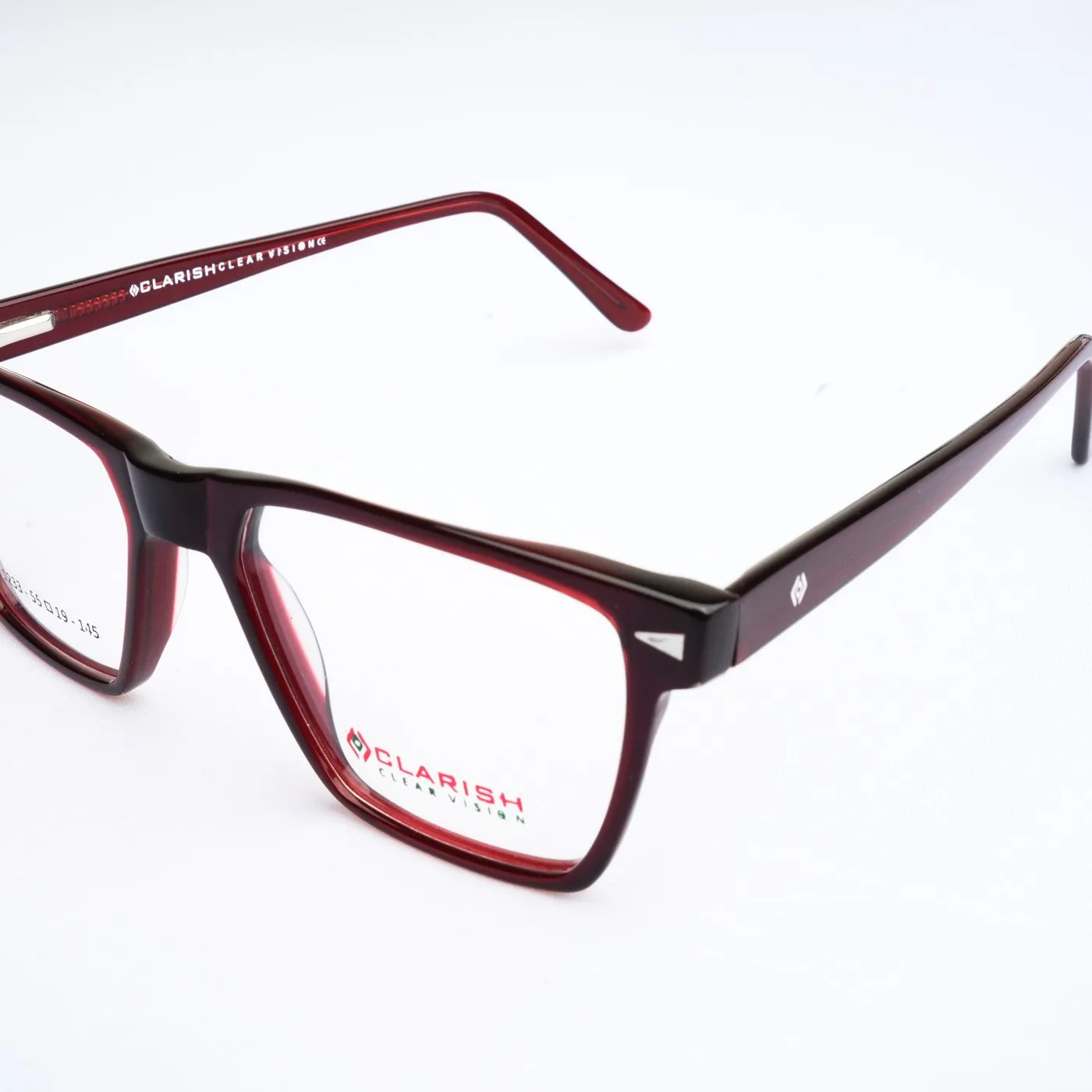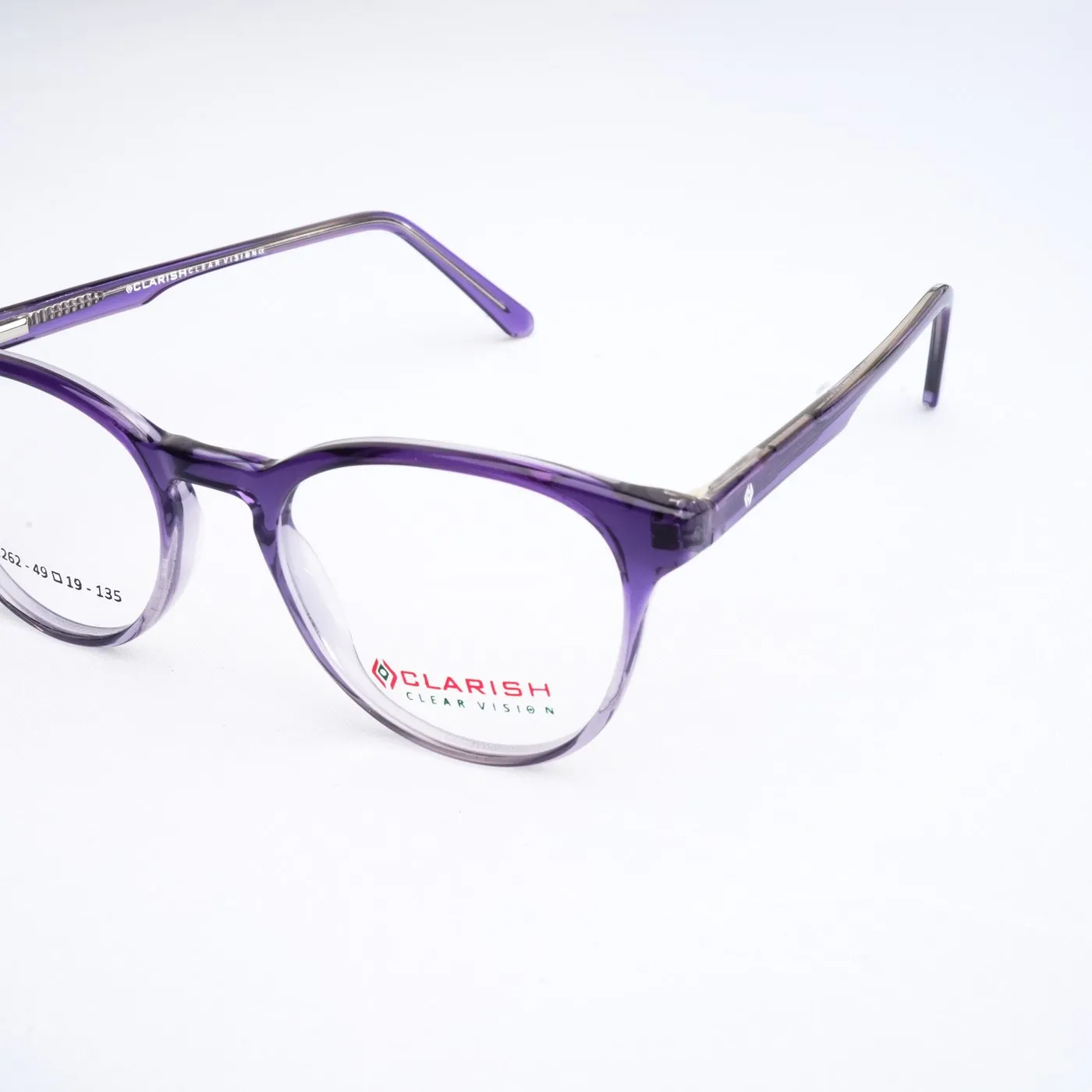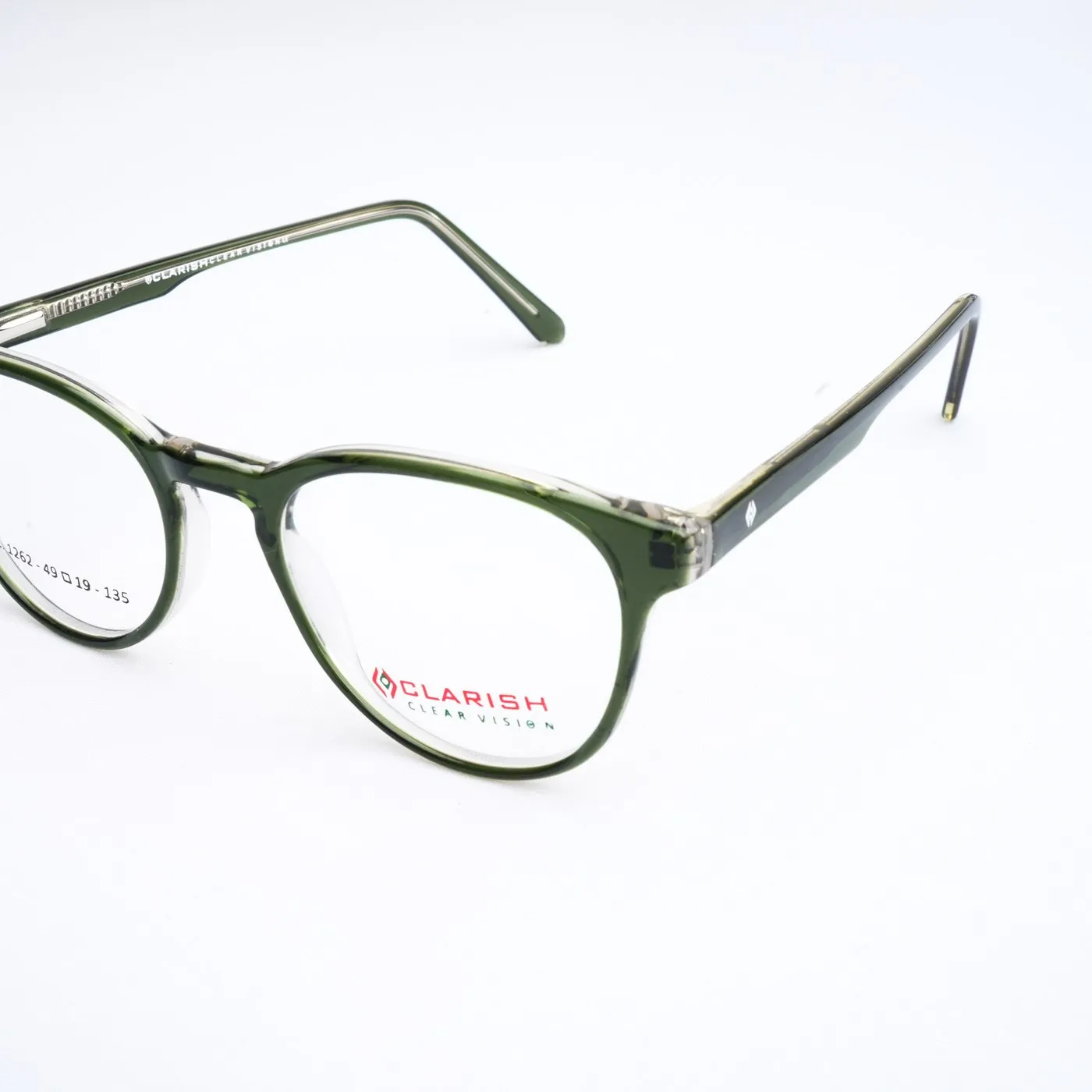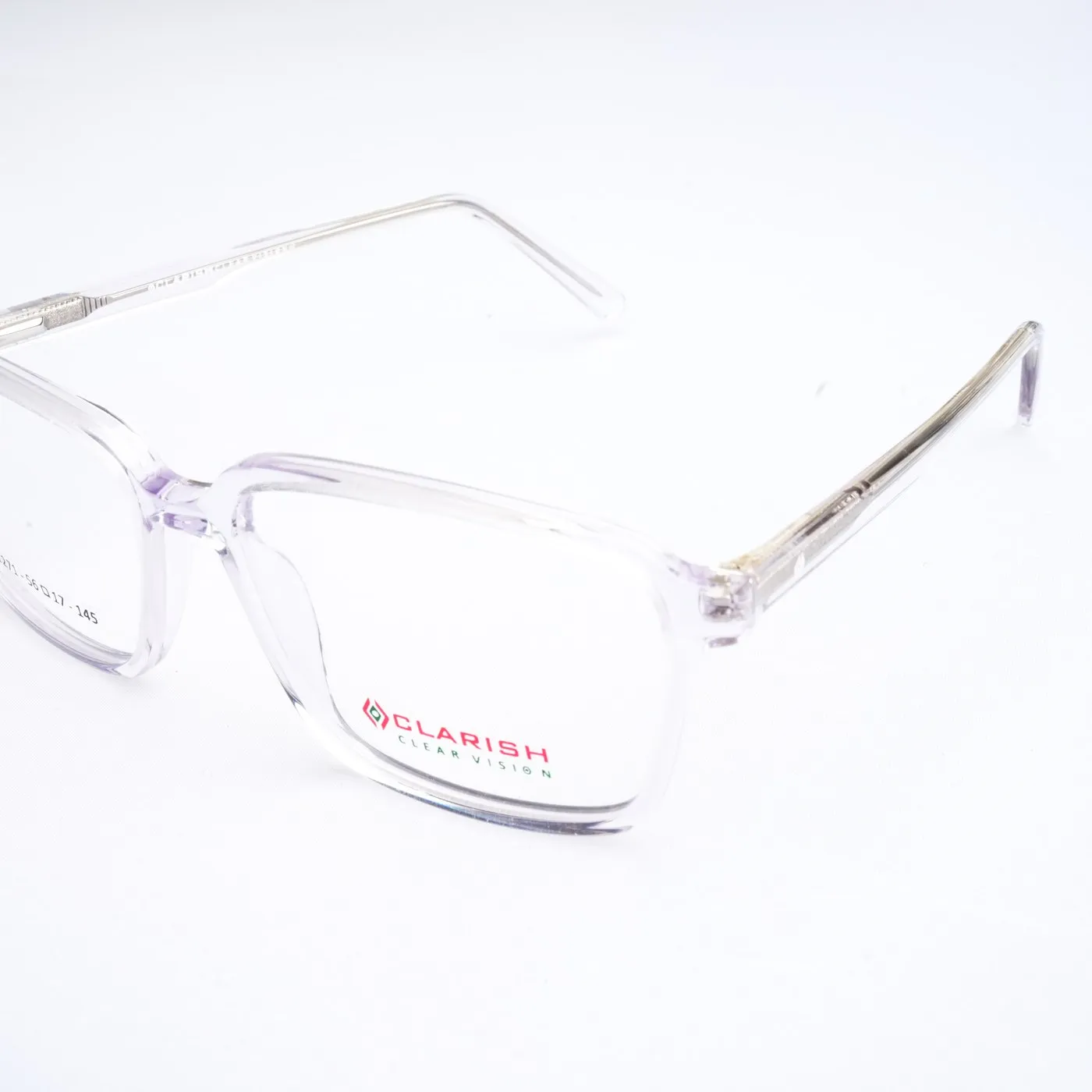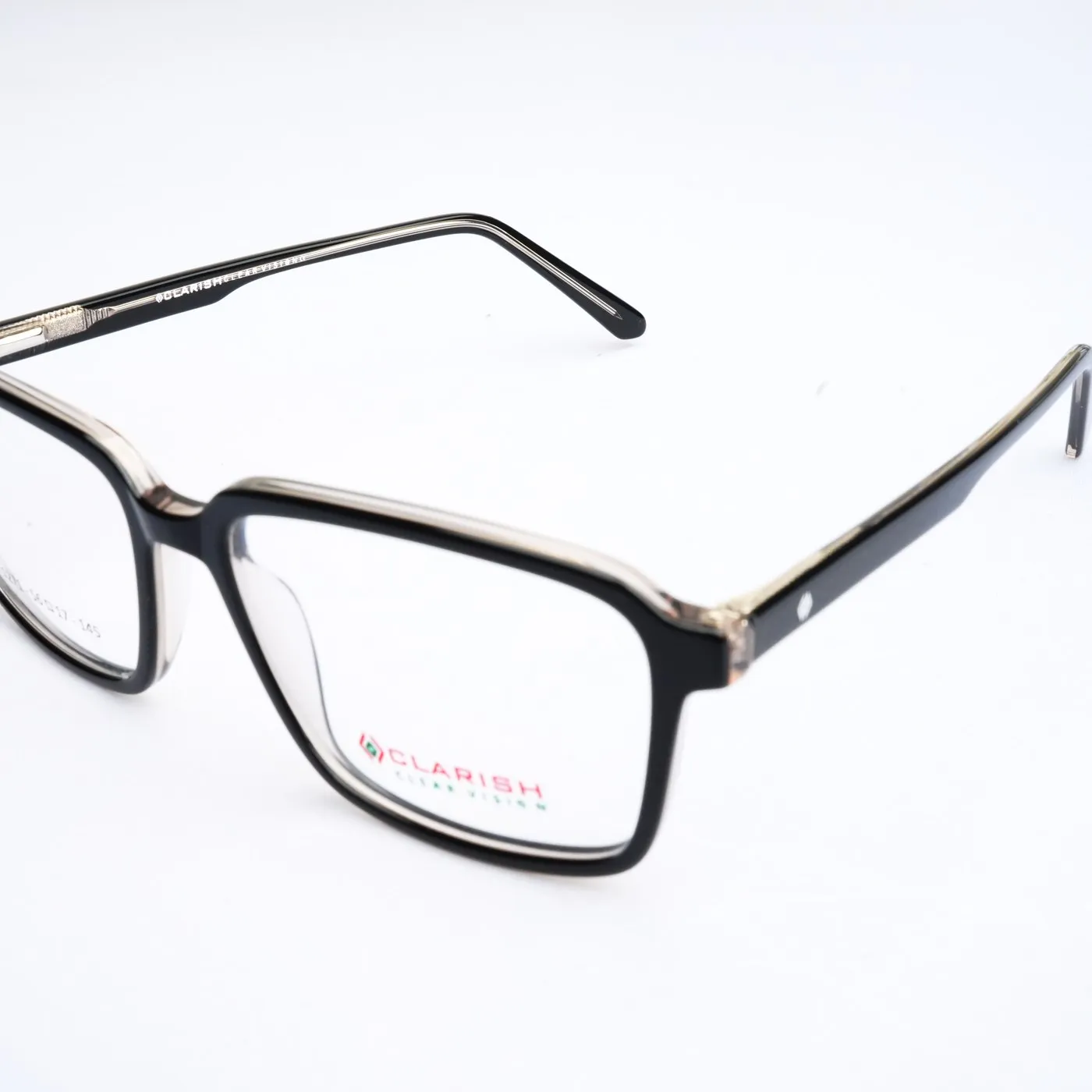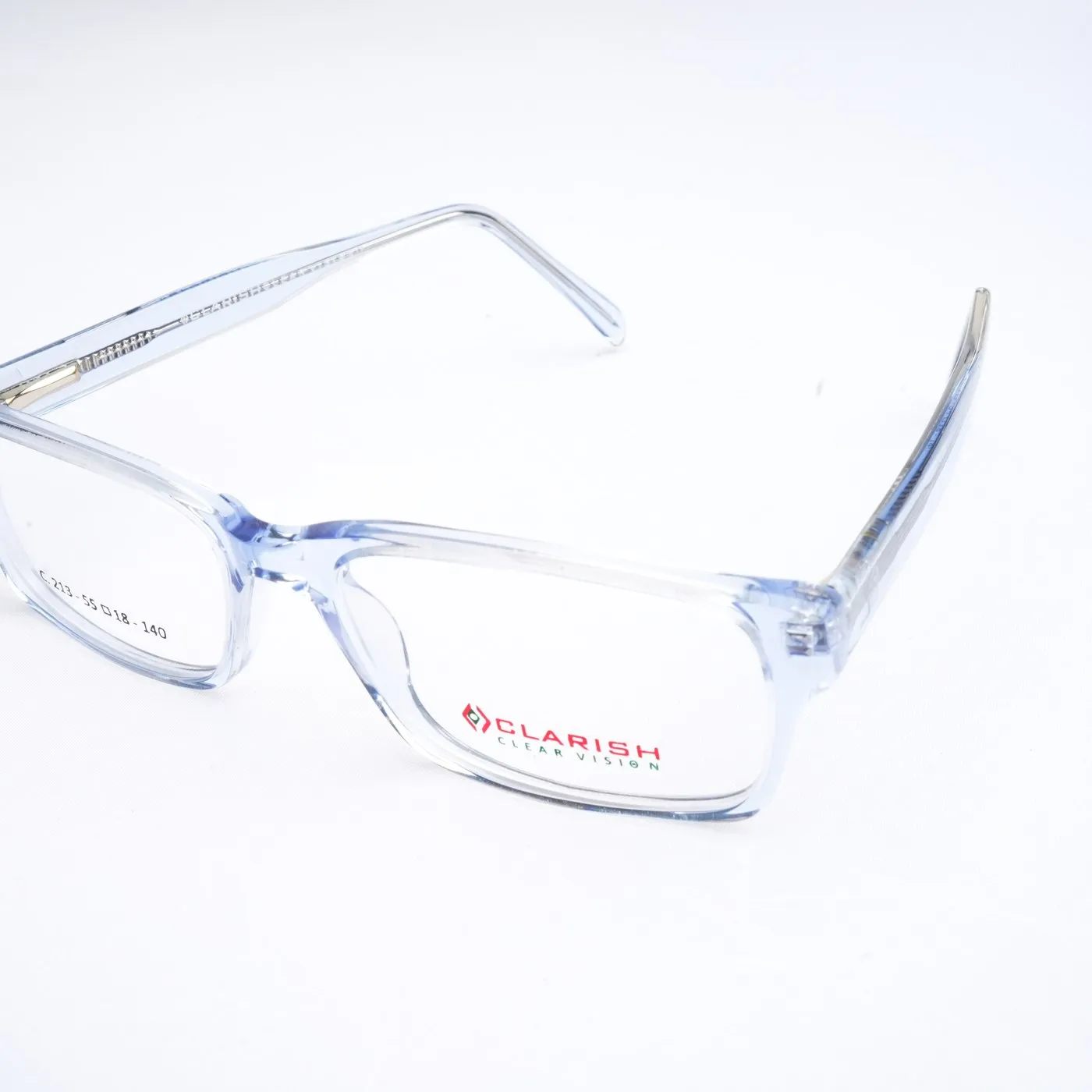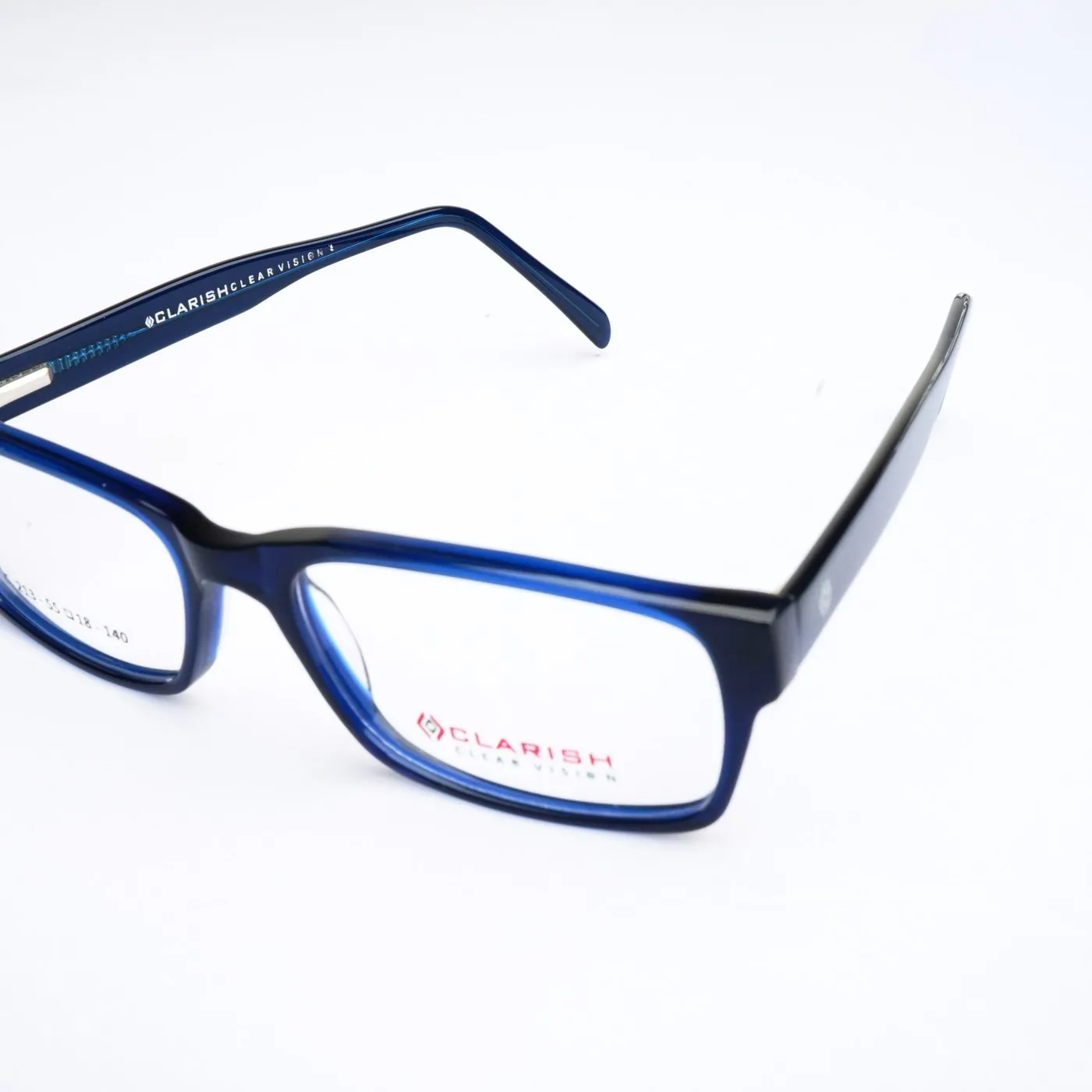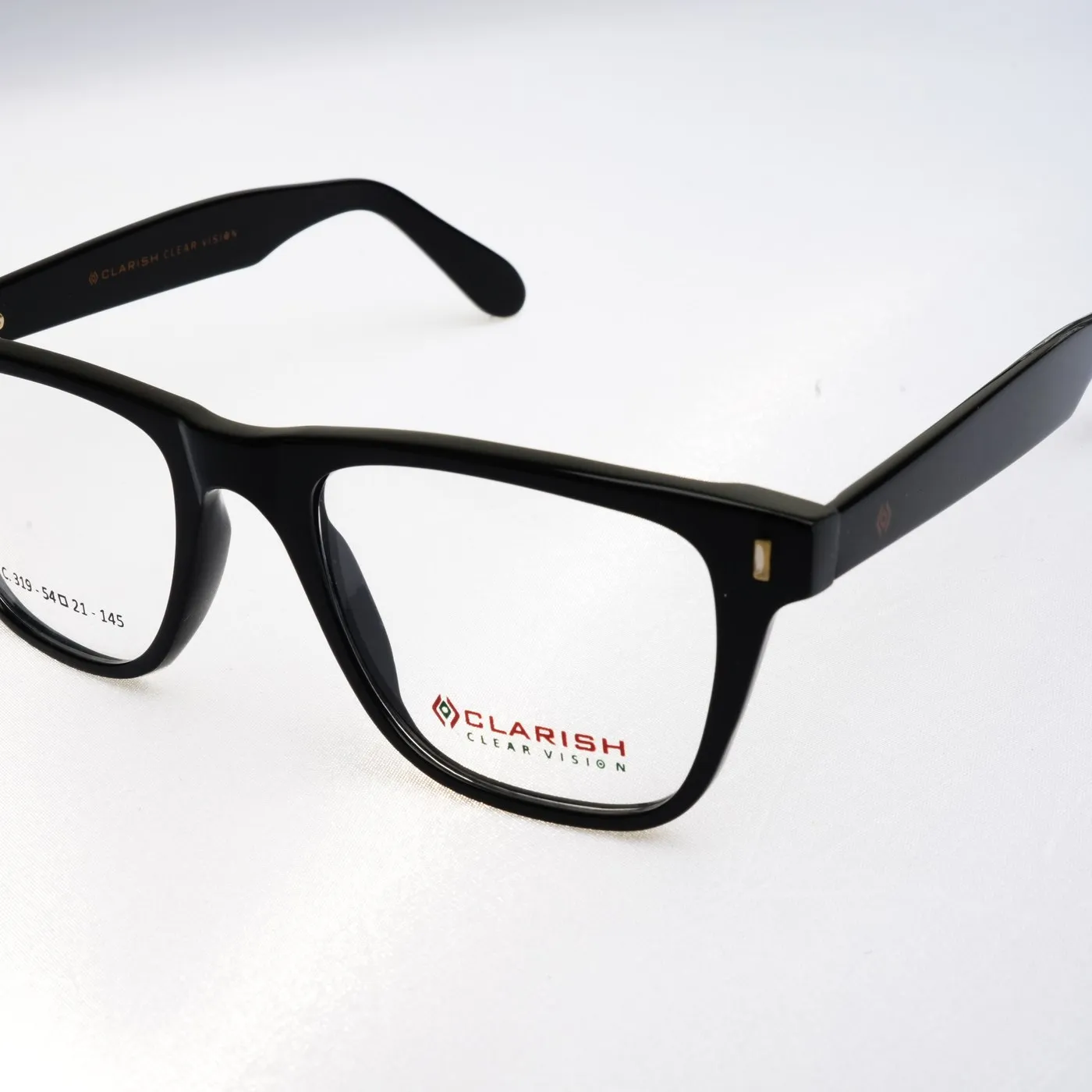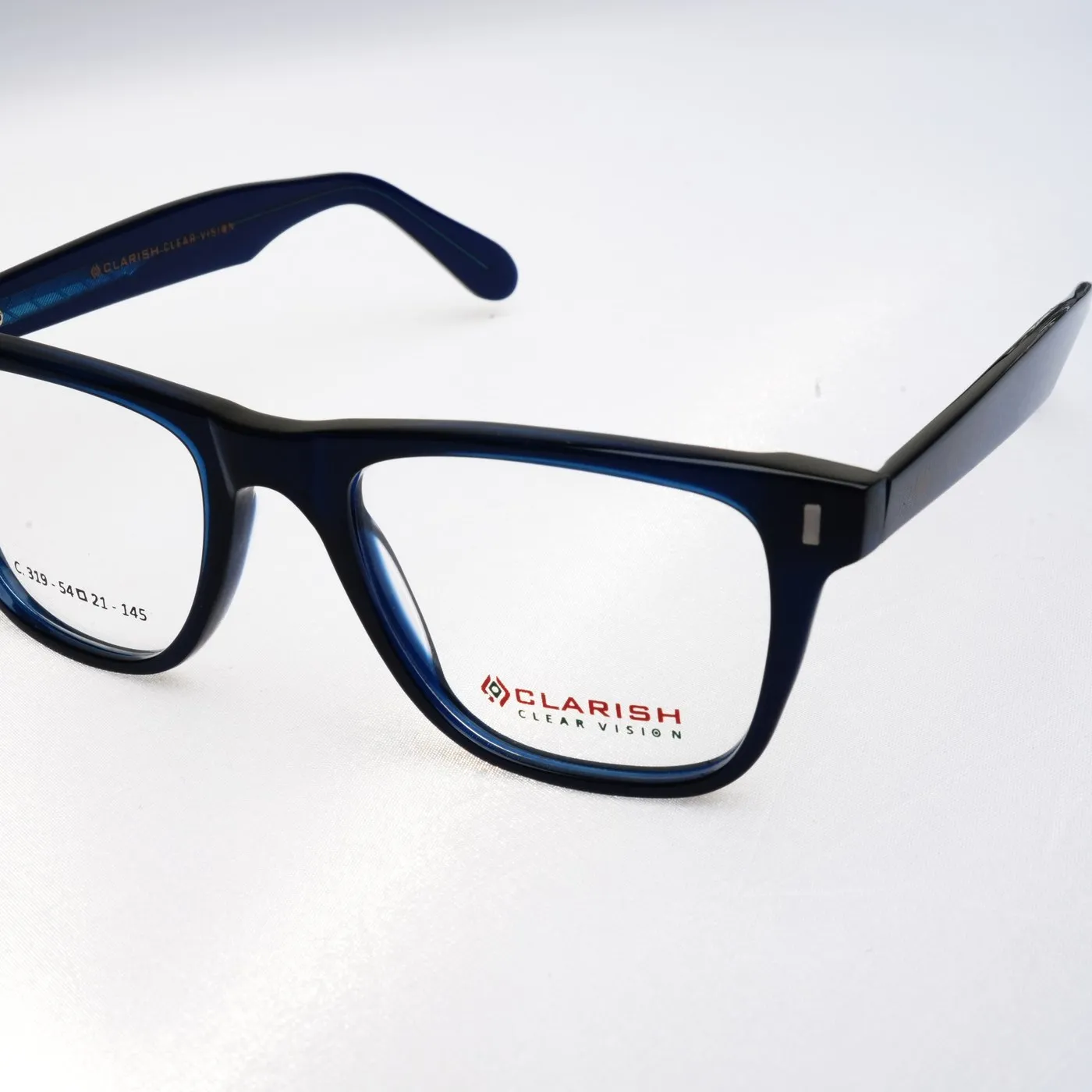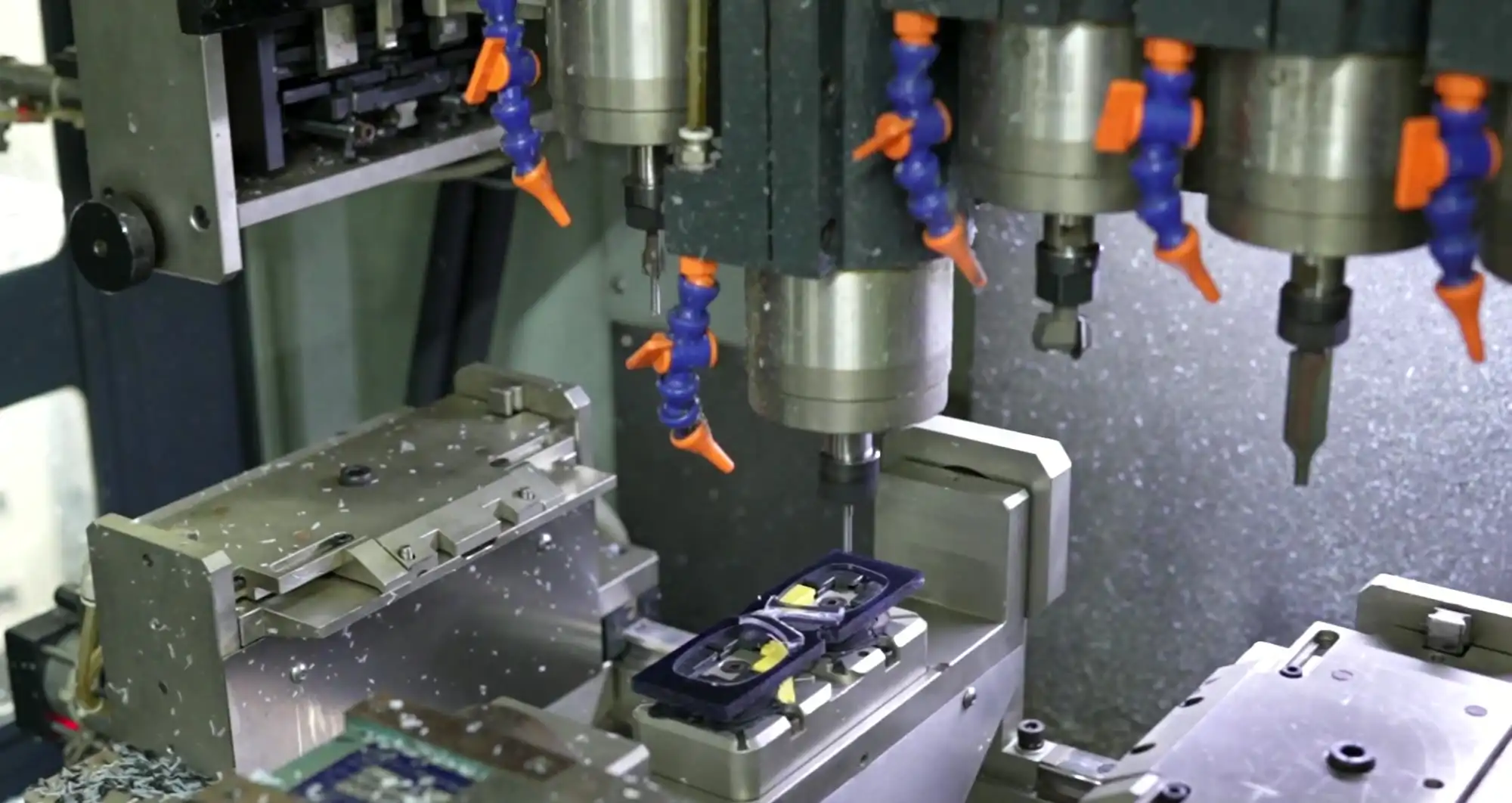
CNC machine milling custom cellulose acetate frame fronts at RTC Eyewear OEM manufacturing facility
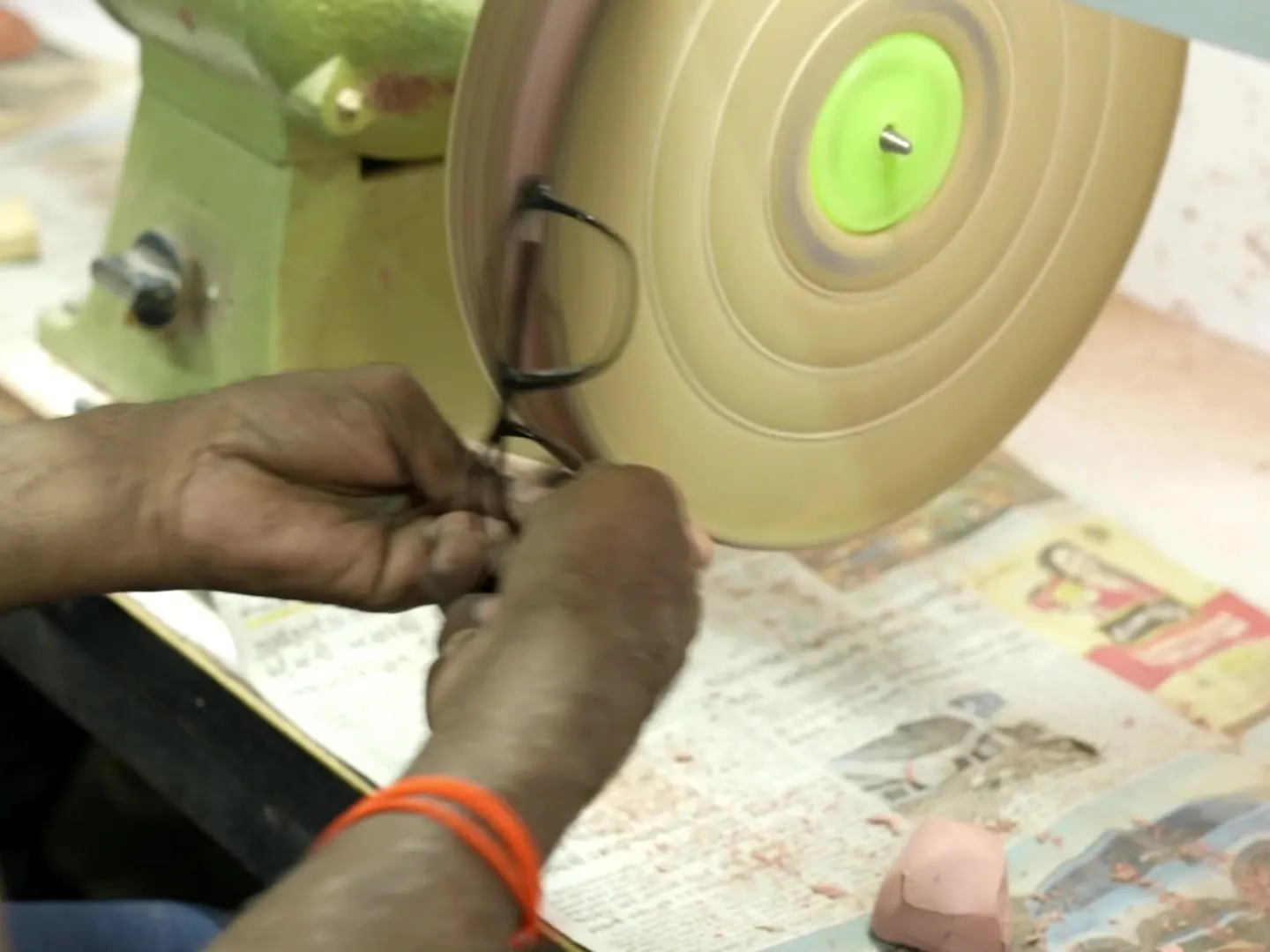
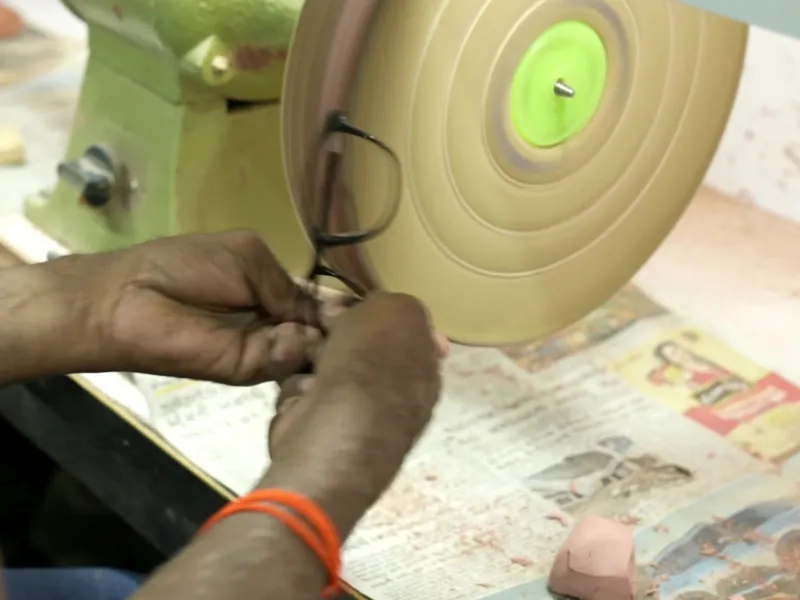
Master eyewear artisan hand polishing custom OEM acetate sunglasses on buffing wheel
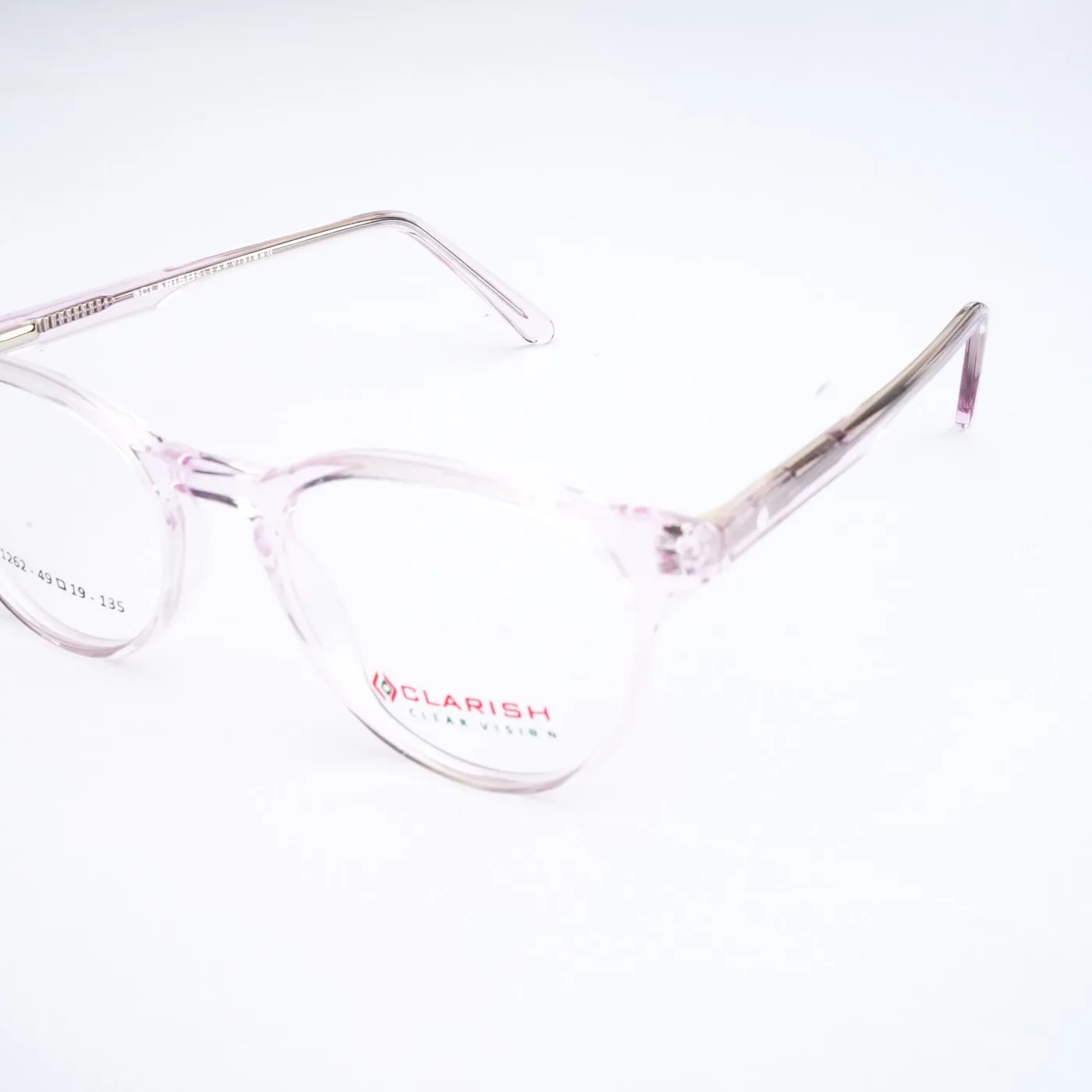
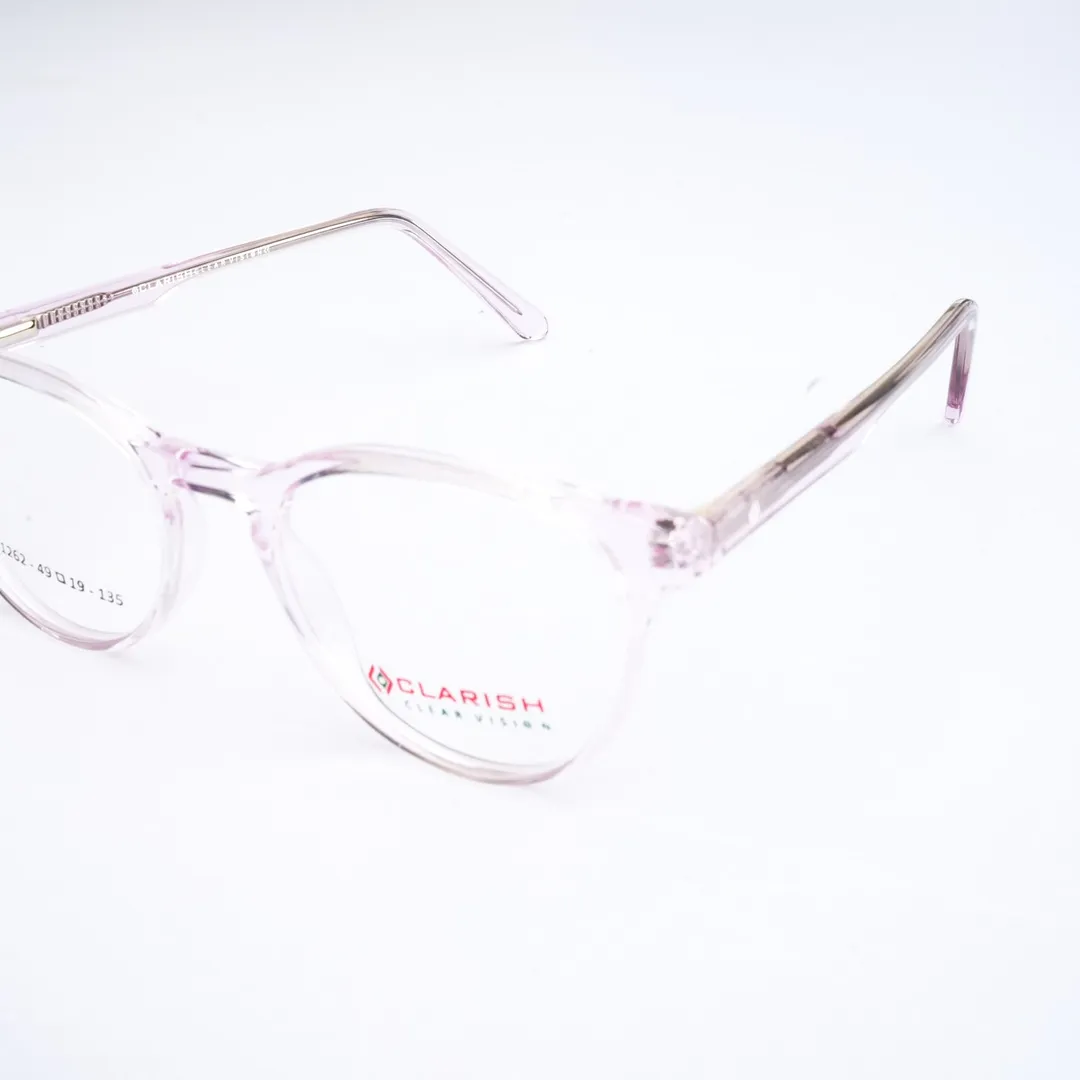
Precision machined round cellulose acetate optical frame showing high-grade lamination profile

Contract Eyewear Engineering · Ahmedabad, India

OEM Eyewear Manufacturing: How Global Optical Brands Engineer Custom Acetate Frames & Scale Supply Chains

Rushabh Trading Company (RTC Eyewear) bridges the critical divide between bespoke eyewear design and industrial manufacturing execution. Since 1985, our integrated Indian factory has engineered custom cellulose acetate spectacle frames, designer sunglasses, and proprietary eyewear programmes for global optical chains, independent boutique labels, and multinational distributors looking for resilient, tariff-hedged supply chains.

Direct-Factory Technical Competence. As procurement heads question traditional East Asian monopolies, RTC Eyewear offers certified engineering rigor, European-standard raw materials, and precision five-axis CNC tolerance.

  • Zero IP compromise: 100% proprietary OEM mould and design protection
  • Direct engineering consult: Real-time CAD/CAM feasibility audits
  • Global regulatory readiness: EN ISO 12870, REACH, and FDA drop-ball compliance
Direct Factory Heritage
1985
Acetate Specialisation
41yrs
CNC Tolerance Accuracy
±0.05mm
Standard In-House Palette
258shades
Global Compliance
ISO · CE · FDA

Contract Engineering Guide

The Strategic Blueprint to OEM Eyewear Manufacturing

Procuring private-label or bespoke eyewear is rarely about finding a simple catalogue vendor. It demands an engineering partner capable of converting 2D styling sketches or precise 3D surface files into stable, commercially viable cellulose acetate frames without losing aesthetic soul. Here is how modern contract eyewear manufacturing creates tangible commercial advantage.

01

Parametric CAD & Ergonomic Sizing

Translating artistic geometry into structural tooling. We calculate groove depth angles, lens bevel beveling ratios (110°–120° V-grooves), and face-form pantoscopic tilt angles (7° to 10°) so lab opticians can glaze lenses without frame popping or bridge fracturing.
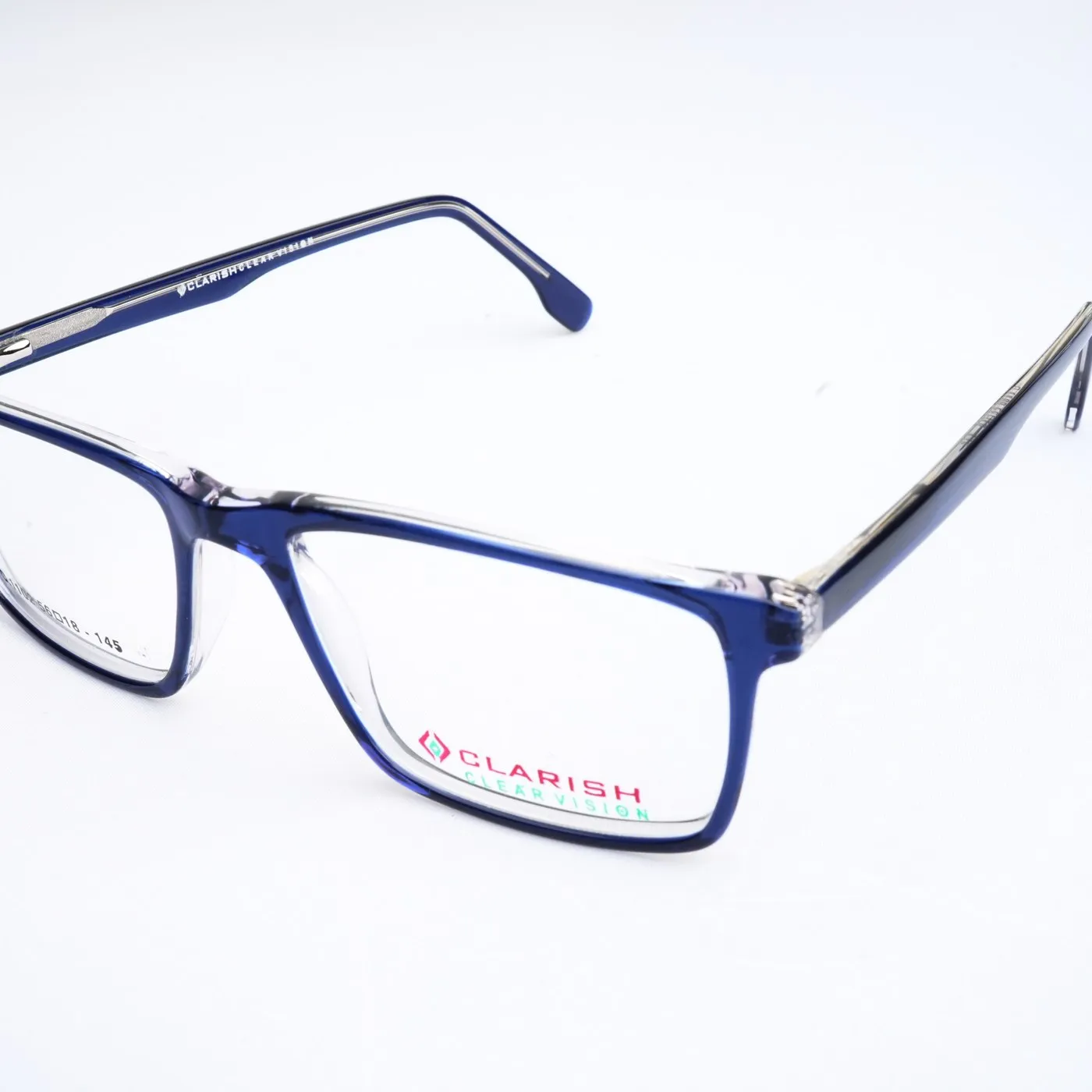
  • Precise Boxing Measurement (A/B/ED/DBL) control
  • Adjusted bridge curvature for Asian, Global & Nordic fits
  • 02

    Sheet Curing & Core Wire Integration

    Cellulose acetate sheets must be kiln-stabilised prior to cutting to evacuate residual solvents and stop post-assembly frame warping. High-frequency pneumatic shooters insert customized German spring-steel wire cores into temples for long-term cold-bend adjustment.

  • Zero-shrinkage oven thermal seasoning protocols
  • Custom wire engraving visible through crystal inner temples
  • 03

    High-Lustre Barrel Tumbling

    Machine precision leaves cutter ridges that ruin luxury tactile perception. Our production implements 72 to 96 hours of dry and wet tumbling across progressive stages: coarse walnut chips, fine beech wood pellets, and organic pumice paste before wheel pumicing.

  • Three-tier mechanical tumbling without chemical dipping
  • Retains crisp CNC chamfers while polishing bevels mirror-flat
  • Are you auditing an existing eyewear line? We conduct comprehensive technical DFMA (Design for Manufacturing and Assembly) audits on your CAD drawings to expose structural weaknesses, hinge-pull shear risks, and optical groove mismatches before cutting tooling.

    Inquire Now
    Close-up of premium cured cellulose acetate sheet used in OEM eyewear manufacturing
    100%Virgin Cellulose

    Material Metallurgy & Chemistry

    Why Superior Eyewear Begins in The Sheet Block

    In contract manufacturing, a frame is only as stable as the polymer raw material. At RTC Eyewear, our four decades in Ahmedabad have demonstrated that cosmetic finishing cannot disguise cheap plasticizers. We select and manufacture exclusively with aged, high-density cellulose acetate.

    “If the internal thermal stress in the sheet is not eliminated, frames warp inside optical display cases long before they reach the consumer.”

    Rich Solid Lamination

    Our sheets offer pure, homogenous colour integration throughout the material cross-section. Even when chamfered at 45 degrees, the depth remains uniform without delamination lines.

    Thermally Adjustable Plasticity

    Softens predictably between 55°C and 65°C using dispensary warm air blowers. Opticians can sculpt temples and bridge nose-crests without crazing, white-blooming, or surface blistering.

    Enduring Deep Gloss

    Our deep gloss is generated through slow mechanical buffing with carnauba wax compounds. It maintains its deep liquid shine without peeling, micro-flaking, or reacting to facial perspiration.

    Structural Tensile Rigidity

    With an elastic modulus designed specifically for optical grooving, our rims maintain baseline retention under extreme progressive-addition lens curvature without bowing or flattening.

    Rigorous Engineering Process

    Eight Critical Milestones in OEM Production

    We eliminate production defects by adhering to an unbroken internal quality-assurance gate between raw sheet milling and optical boxing. No component moves downstream until micrometer tolerances match design schematics.

    “Industrial accuracy cuts the profile; 41 years of artisanal handcrafting delivers genuine wearable comfort.”

    Master craftsman at RTC Eyewear hand profiling acetate rims on buffing disc

    The OEM Frame Lifecycle

    1. Digital ToolpathingConversion of CAD/IGES files into multi-axis CNC programs with customized cutting feed rates.
    2. Precision Front MillingRims, bridge details, and base-curvature contours routed from solid monolithic slabs.
    3. Internal Optical GroovingLens channel cuts positioned at 0.6mm depths with 115° angles to prevent lens push-through.
    4. Thermal Core InsertionPneumatic alignment shooting core wires into heated temple blanks for maximum longitudinal stiffness.
    5. Multi-Barrel Hinge StakingUltrasonic embedding or precision rivet staking of five-barrel and seven-barrel nickel-silver hinges.
    6. Four-Stage Barrel TumblingRotary tumbling cycle running 80+ hours in progressively graded organic wood compounds.
    7. Hand Wheel PolishingArtisans buff the bridge saddle, eye rim edges, and temple tips against soft cotton wheels.
    8. Laser Caliper QC Audit100% inspection of boxing measurements, pantoscopic angles, and hinge opening friction before packing.

    Need custom branded packaging, embossed hard cases, microfibre cleaning cloths, and CE/FDA compliant barcode labelling? We execute end-to-end retail packaging in-house.

    Live on our Ahmedabad line: Multi-axis CNC milling an acetate frame front.

    Factory Verification

    Schedule an Engineering & Sourcing Consultation

    Connect directly with our senior tooling engineers and export managers. We review CAD/CAM files, evaluate custom material availability, and supply clear initial tooling estimates within 48 business hours.

    Procurement & Technical FAQ

    Frequently Asked Questions by Global Sourcing Teams

    Straightforward, technical answers to the most common questions raised by eyewear procurement executives, product developers, and brand directors.

    Unlike injection-moulded plastic eyewear that demands expensive steel injection tooling ($3,000–$8,000 per shape), custom cellulose acetate frames are machined via multi-axis CNC routers. This removes prohibitive upfront tooling fees: upfront costs are restricted to CAD/CAM programming, custom jig calibration, and any specialized metal wire-core dies. Our flexible batch MOQ starts at 300 to 500 pieces per frame silhouette, allowing brands to split runs across 2 to 3 bespoke colourways without incurring excessive inventory liability.

    Dimensional warpage in low-grade acetate stems from unevaporated solvents and improper sheet curing. At RTC Eyewear, our acetate sheet blocks undergo strict thermal conditioning in climate-regulated curing rooms before CNC processing. For hinge retention, we integrate high-precision 3-barrel, 5-barrel, and 7-barrel nickel-silver hinges via hot-press inserting or structural pin staking. Our factory standard requires hinge opening friction to withstand 5,000 continuous open-close cycles without losing calibration torque or developing lateral bridge play.

    Yes. Many clients provide physical archive frames, hand sketches, or 2D Adobe Illustrator concepts. Our engineering division operates advanced 3D coordinate-measuring machines (CMM) and laser digitizers to capture the exterior curves, pantoscopic tilt, and lens bevel groove coordinates. We convert these inputs into parametric 3D CAD step files and provide full mechanical drawings for your review before cutting rapid physical prototypes in our prototyping studio.

    We routinely export to top-tier eyewear markets across North America, Europe, the UK, Australia, and the Middle East. All production runs can be verified against EN ISO 12870 (Ophthalmic optics – Spectacle frames), EU 2017/745 (MDR Class I medical devices), ISO 12312-1 (Sun protection), EU REACH Annex XVII for nickel release from metal components, and US FDA 21 CFR 801.410 impact resistance (drop ball test) certification. Every shipment includes full commercial declarations, certificates of origin, and optical test summaries.

    Procurement directors face escalating shipping tariffs, rising manufacturing costs, and severe IP-dilution concerns in legacy East Asian hubs. RTC Eyewear in Ahmedabad, Gujarat, provides an established operational track record dating back to 1985. Sourcing with us provides tariff resilience, full factory transparency, English-speaking technical directness, zero design duplication, and direct access to senior ownership engineers who safeguard your brand’s commercial advantage.

    Global Sourcing Segments

    Who We Engineer OEM Solutions For

    Our manufacturing systems are built exclusively for trade clients and institutional buyers. We never market direct-to-consumer, eliminating channel conflicts and prioritizing client brand expansion.

    Optical Retail Chains

    Deliver dependable margins with house-brand prescription optical lines engineered to standard dispensing measurements, eliminating high royalty license costs.

    • Consistent repeat-batch colour matching
    • Accurate lens groove fitting for lab edgers

    Independent Boutique Labels

    Elevate your brand presence through complex multi-layer laminations, geometric bevels, thick-gauge profiles, and custom laser-etched temple core wires.

    • Low-risk agile batch minimums
    • Artisanal three-step wheel polishing

    Global Importers & Trading Houses

    Reliable supply continuity backed by full export documentation, international containerized packaging, and punctual customs clearance protocols.

    • FOB/CIF international shipping terms
    • Factory audit & third-party QC friendly

    Designer Fashion Brands

    Convert runway concepts into commercially balanced sunglasses and optical accessories ready for luxury retail department stores and lifestyle stockists.

    • Complete custom case & packaging sets
    • Zero-bleed precision pad printed logos

    Direct Engineering Contact

    Initiate Your OEM Eyewear Production Programme

    Connect directly with our senior technical production team in Ahmedabad. Submit your CAD designs, physical reference samples, or planned seasonal run volumes for a comprehensive feasibility review, material analysis, and firm commercial quotation.