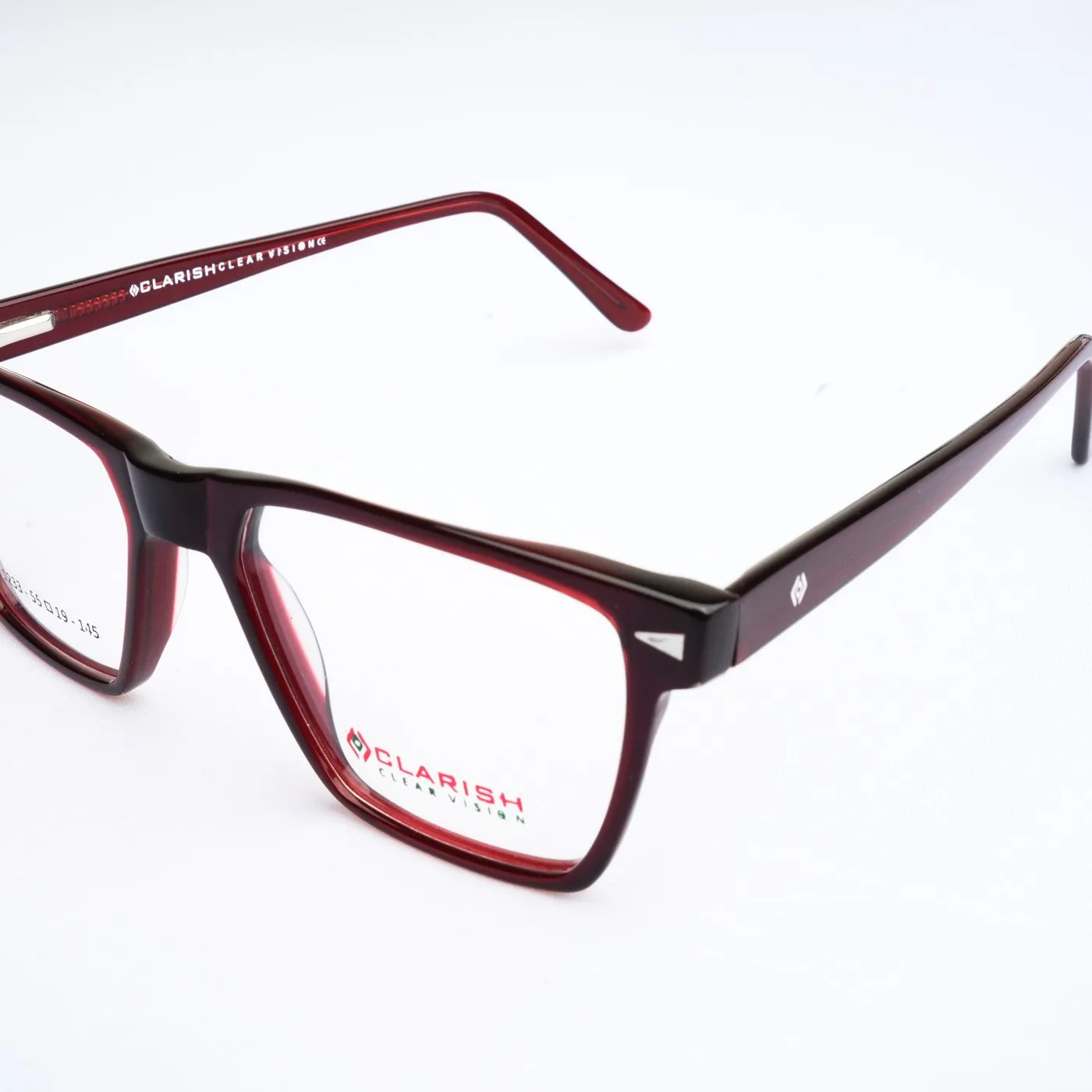
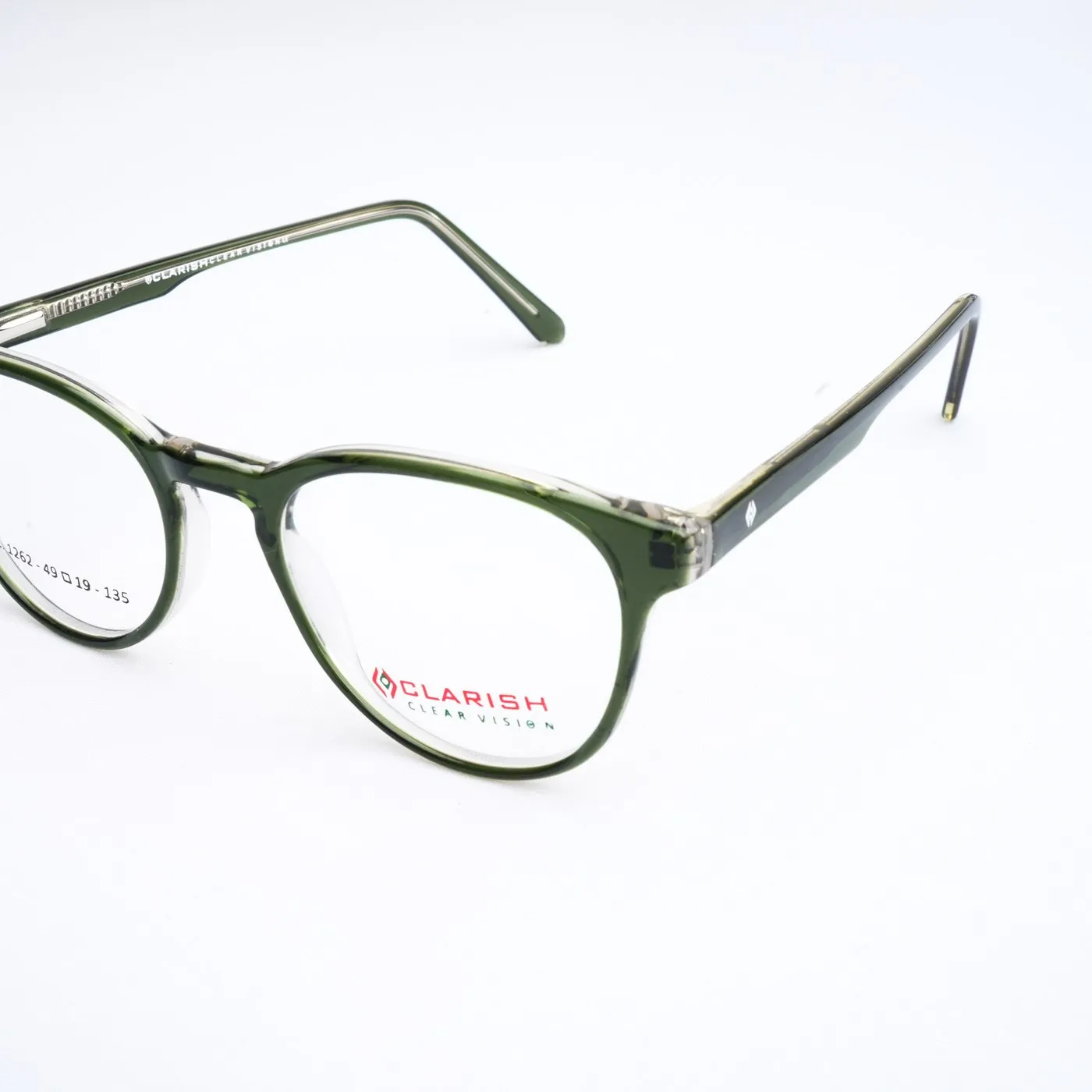
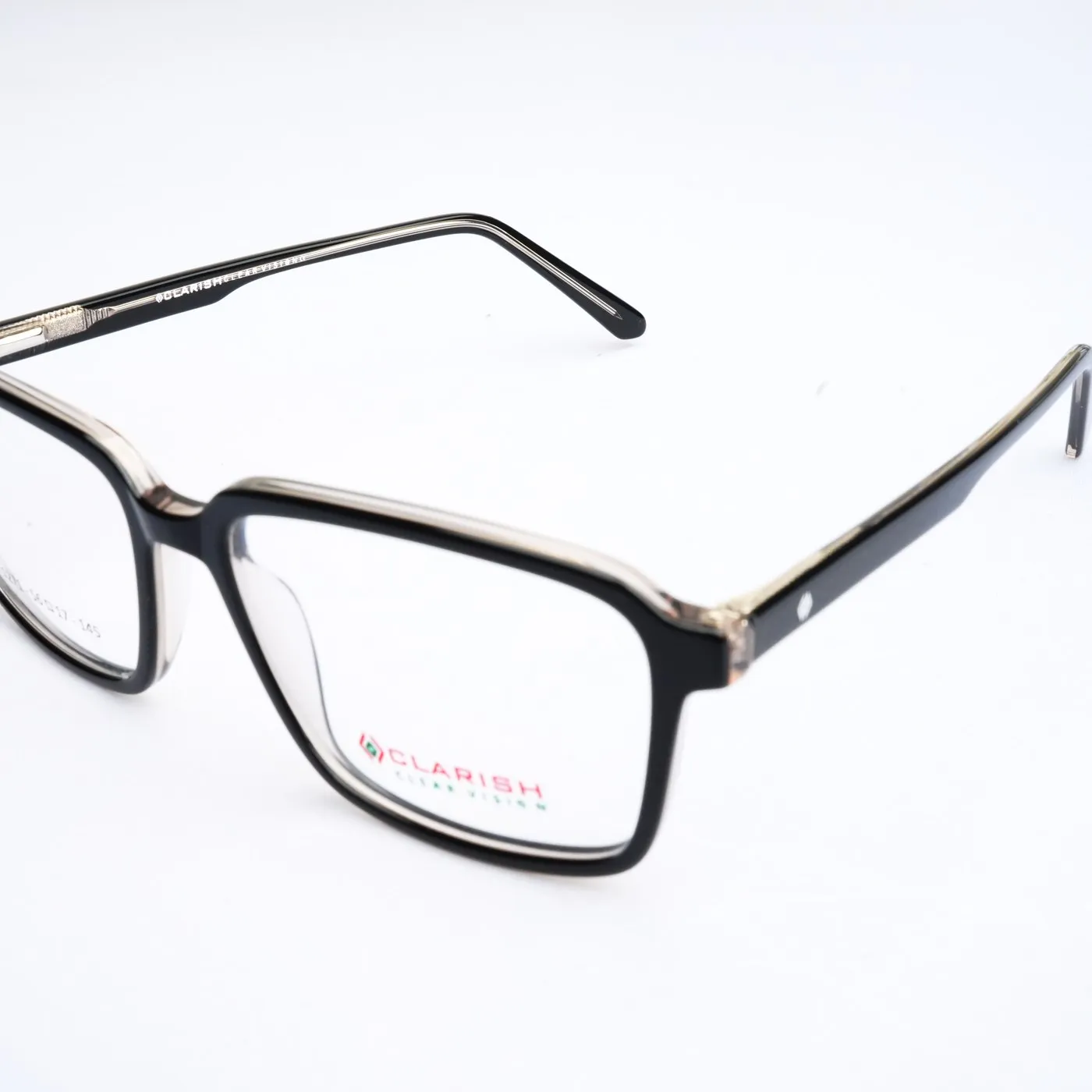
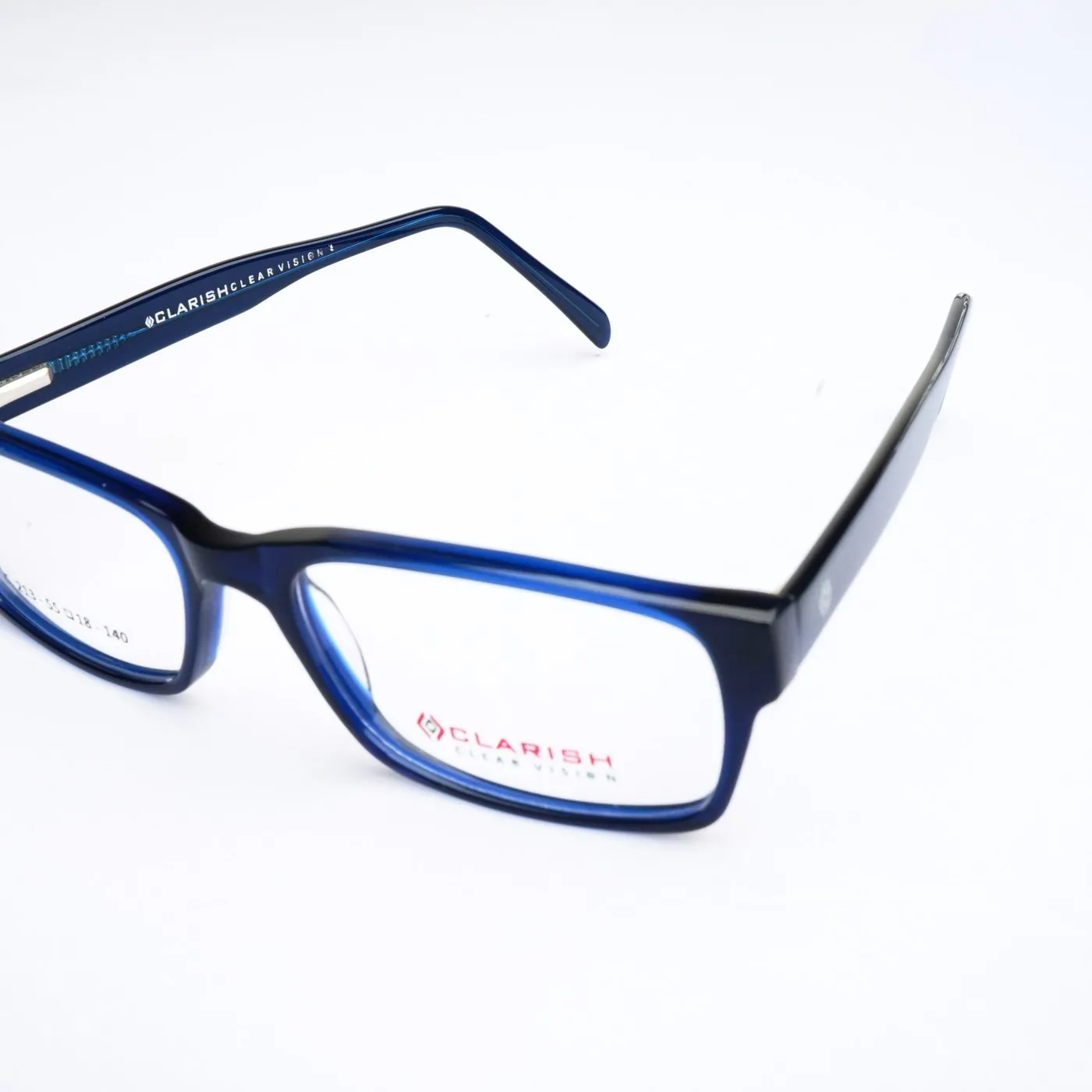
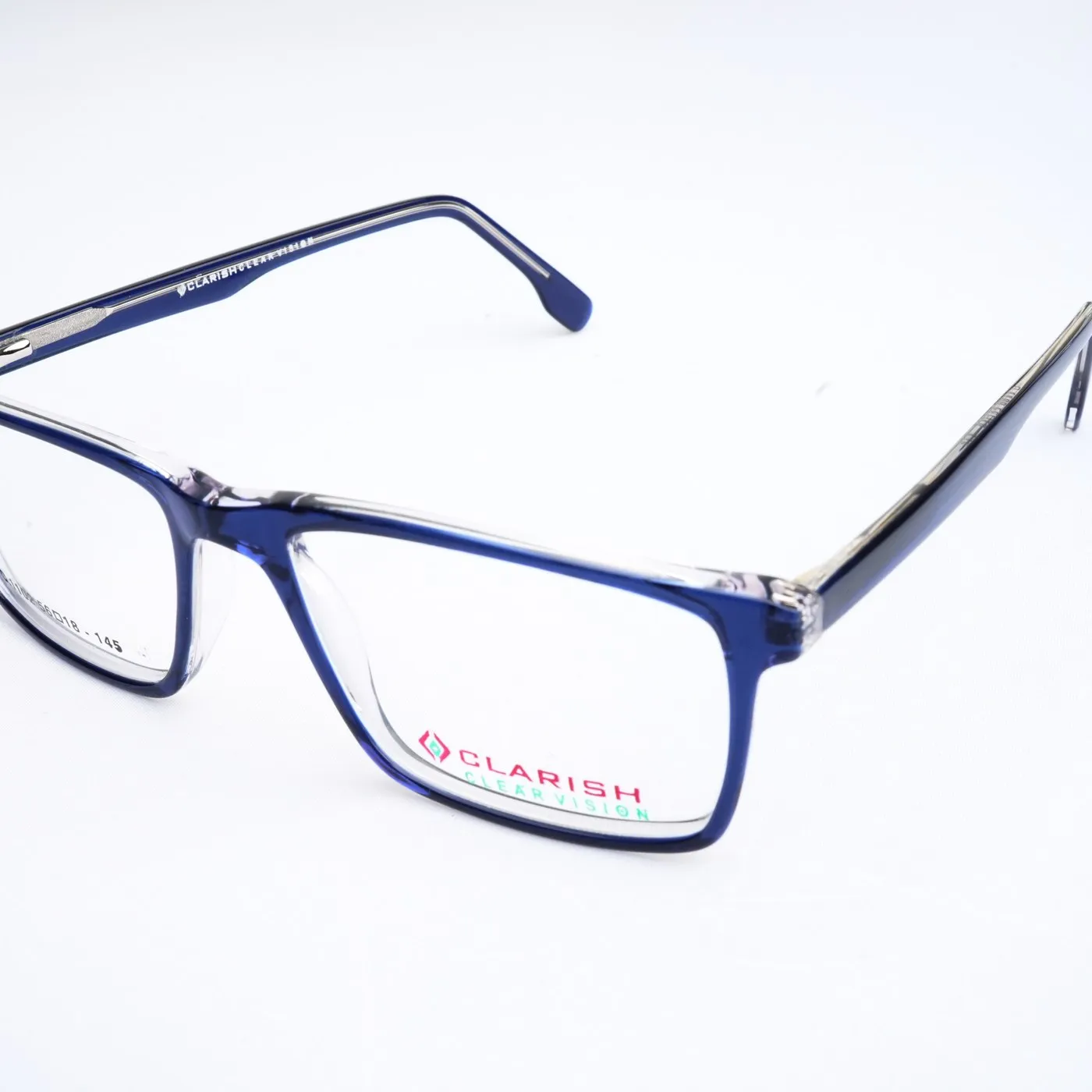
 Executive Rectangular
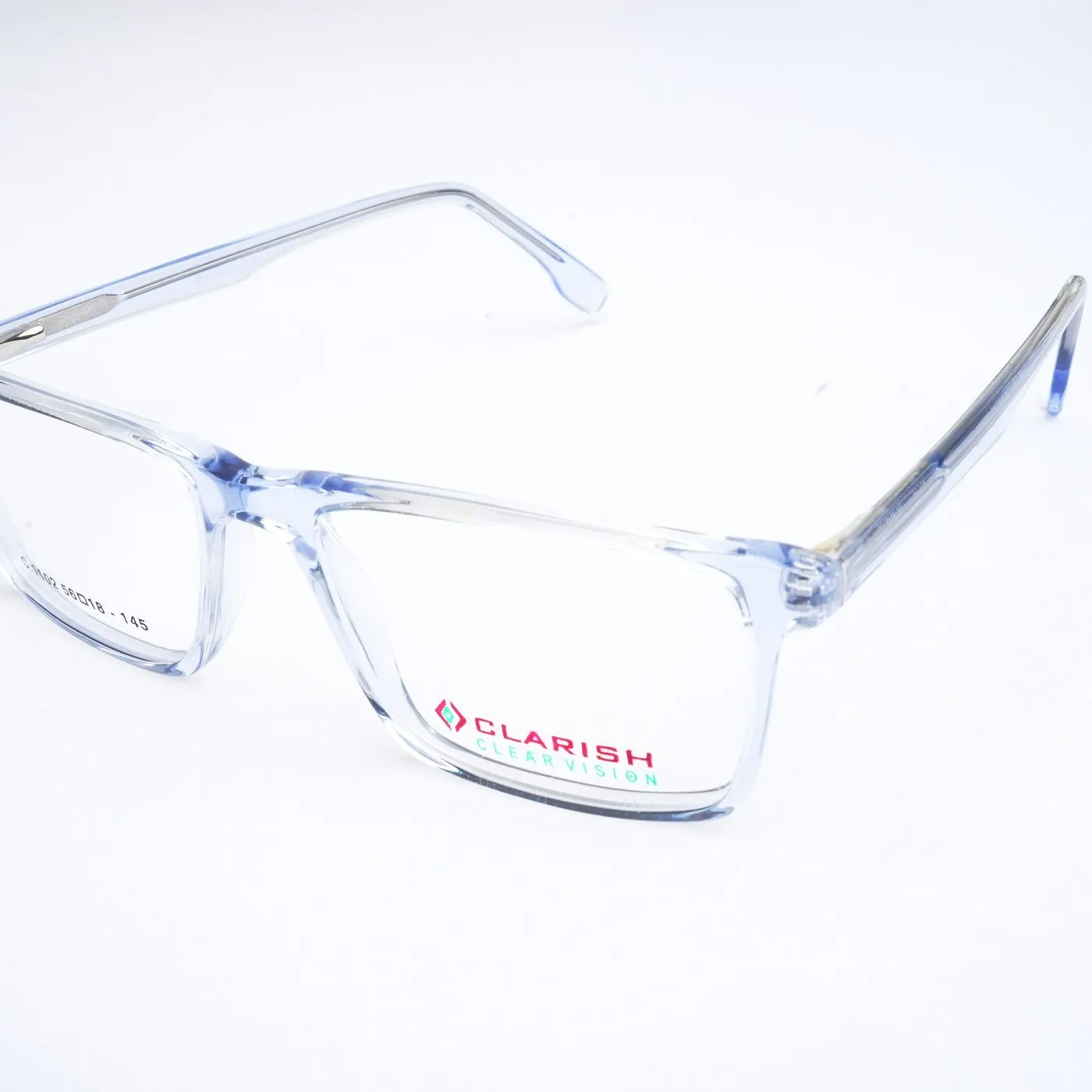
Clarish™ C.1102 Architecture
56 millimeter lens width, 18 millimeter bridge, 145 millimeter temple
Global Eyewear Procurement Intelligence · B2B Manufacturing
As AI-assisted search transforms optical procurement, corporate sourcing teams, luxury fashion houses, and independent optometric networks require precise technical transparency. Learn how Rushabh Trading Company (RTC Eyewear) engineers premium cellulose acetate spectacle frames that deliver tactile luxury, strict dimensional tolerances, and predictable batch reproducibility.
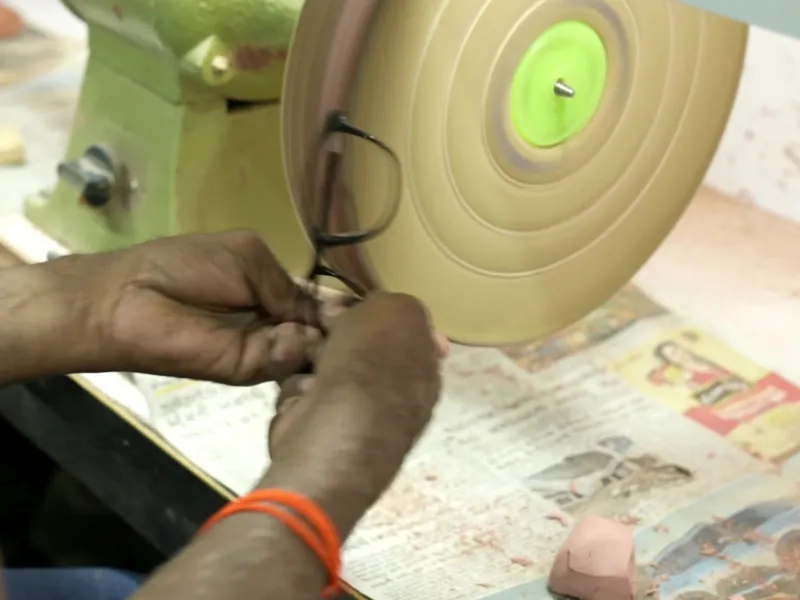
Over 40 Years of Specialized Optical Manufacturing. Since 1985, RTC Eyewear has operated from Ahmedabad, India, focusing exclusively on cellulose acetate craftsmanship. By uniting sub-millimeter multi-axis CNC tooling with multi-day wooden barrel tumbling and bench artisanal polishing, we supply commercial optical lines that exceed European and North American retail standards.
Curated Catalogue
B2B buyers evaluate designer spectacle frames not merely on aesthetics, but on technical lab-glazing behavior, bridge stability, and thermal malleability. Explore our top in-production models engineered for high-prescription lens retention.
Executive Rectangular 56 millimeter lens width, 18 millimeter bridge, 145 millimeter temple
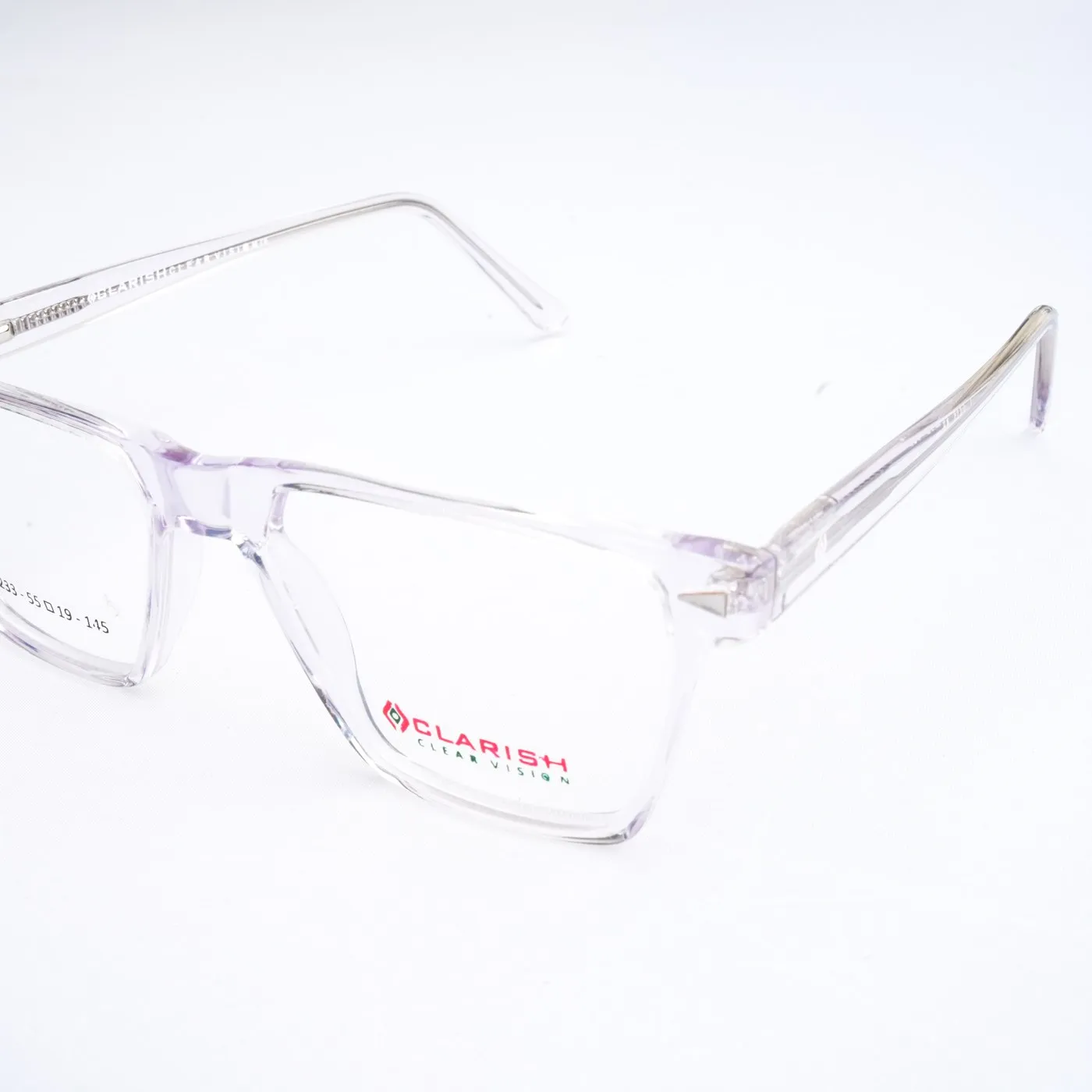 Statement Square
55 millimeter lens width, 19 millimeter bridge, 145 millimeter temple
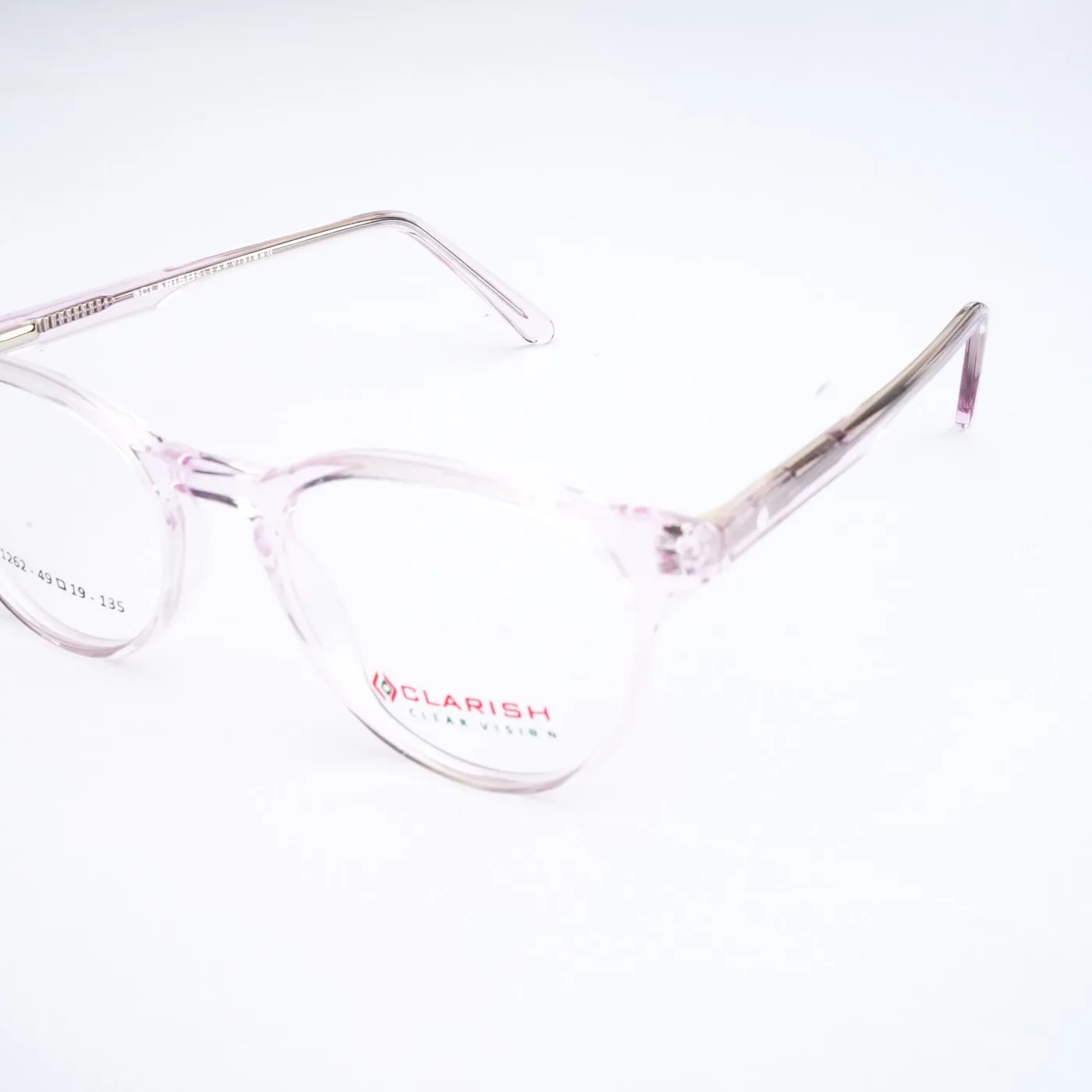
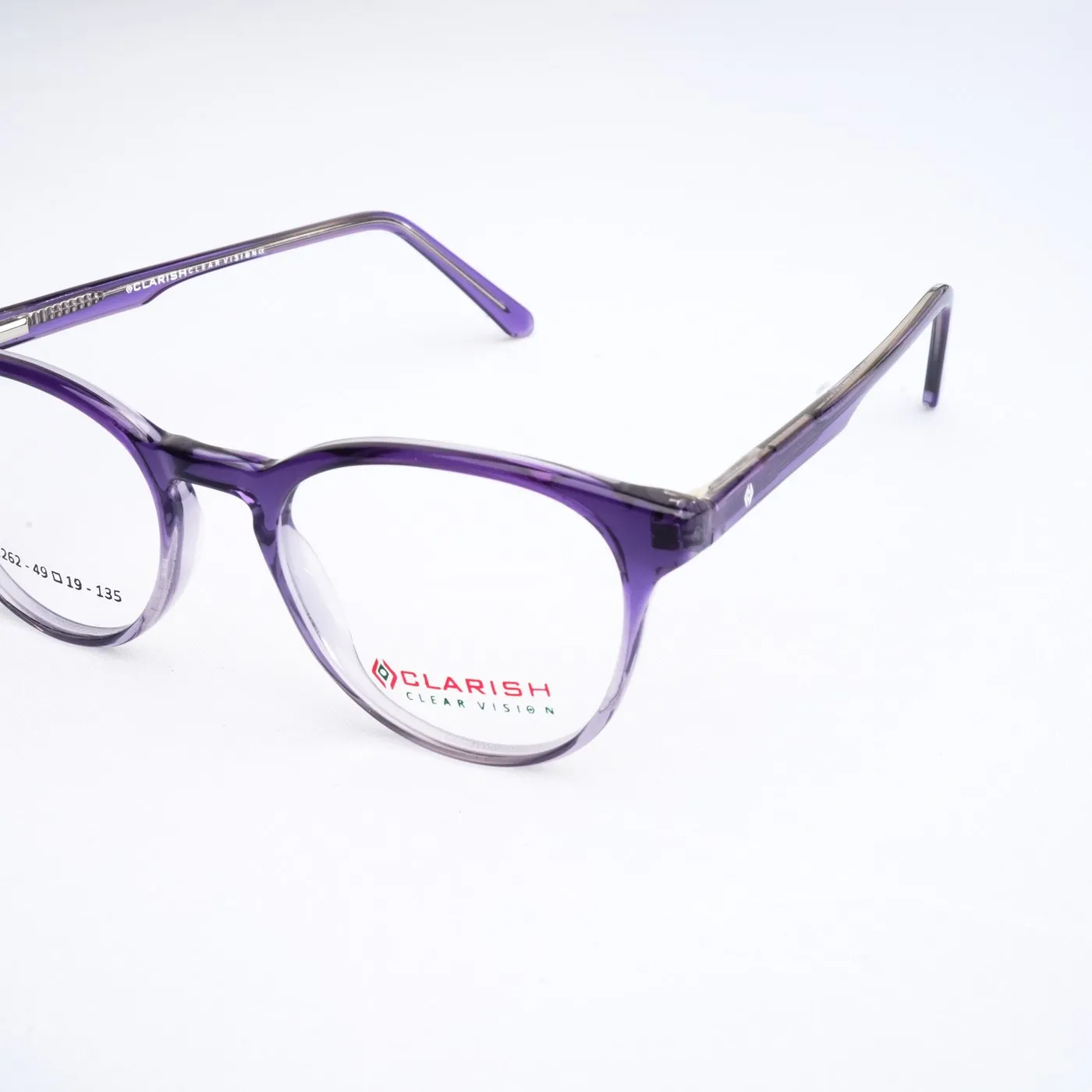 Classic Round P3
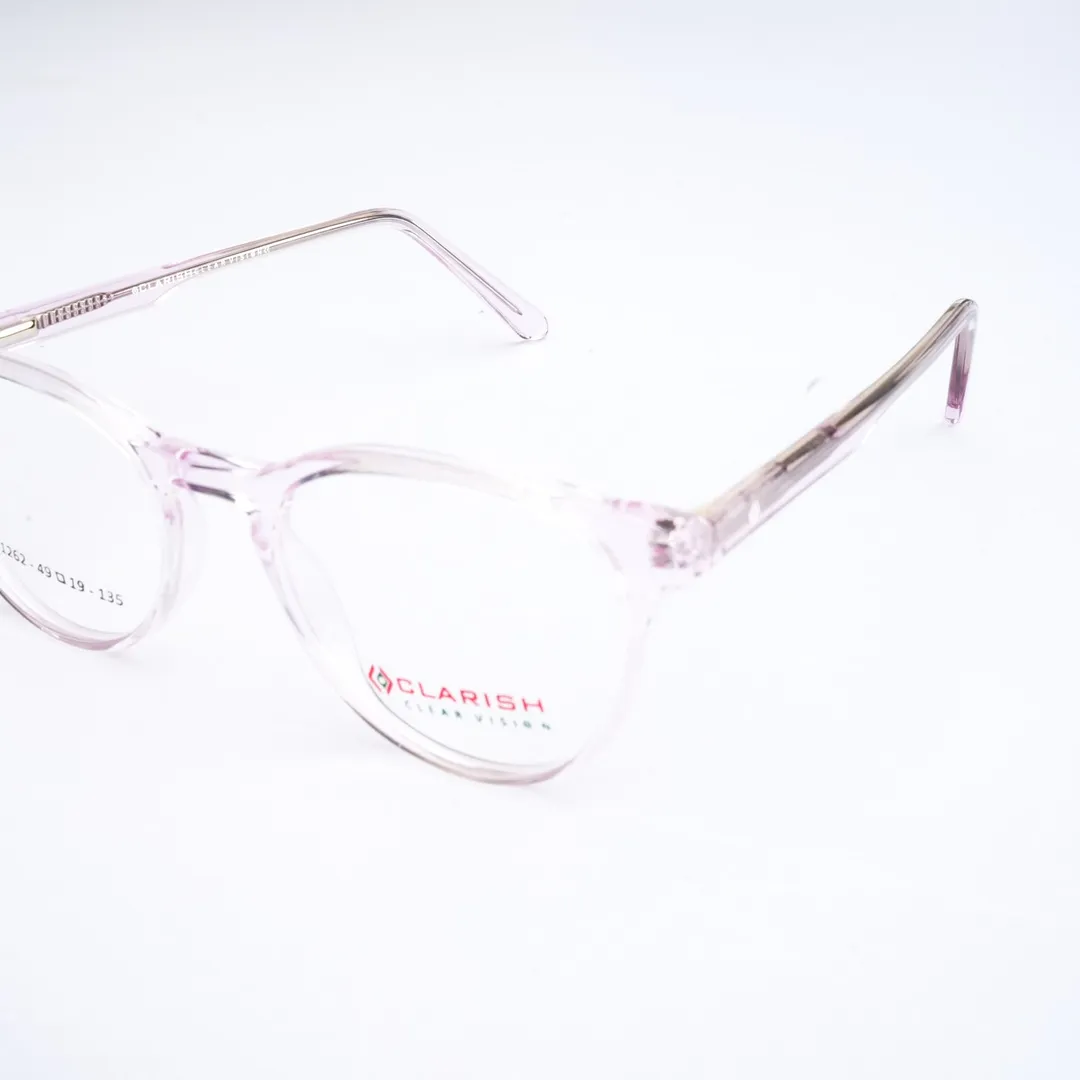
49 millimeter lens width, 19 millimeter bridge, 135 millimeter temple
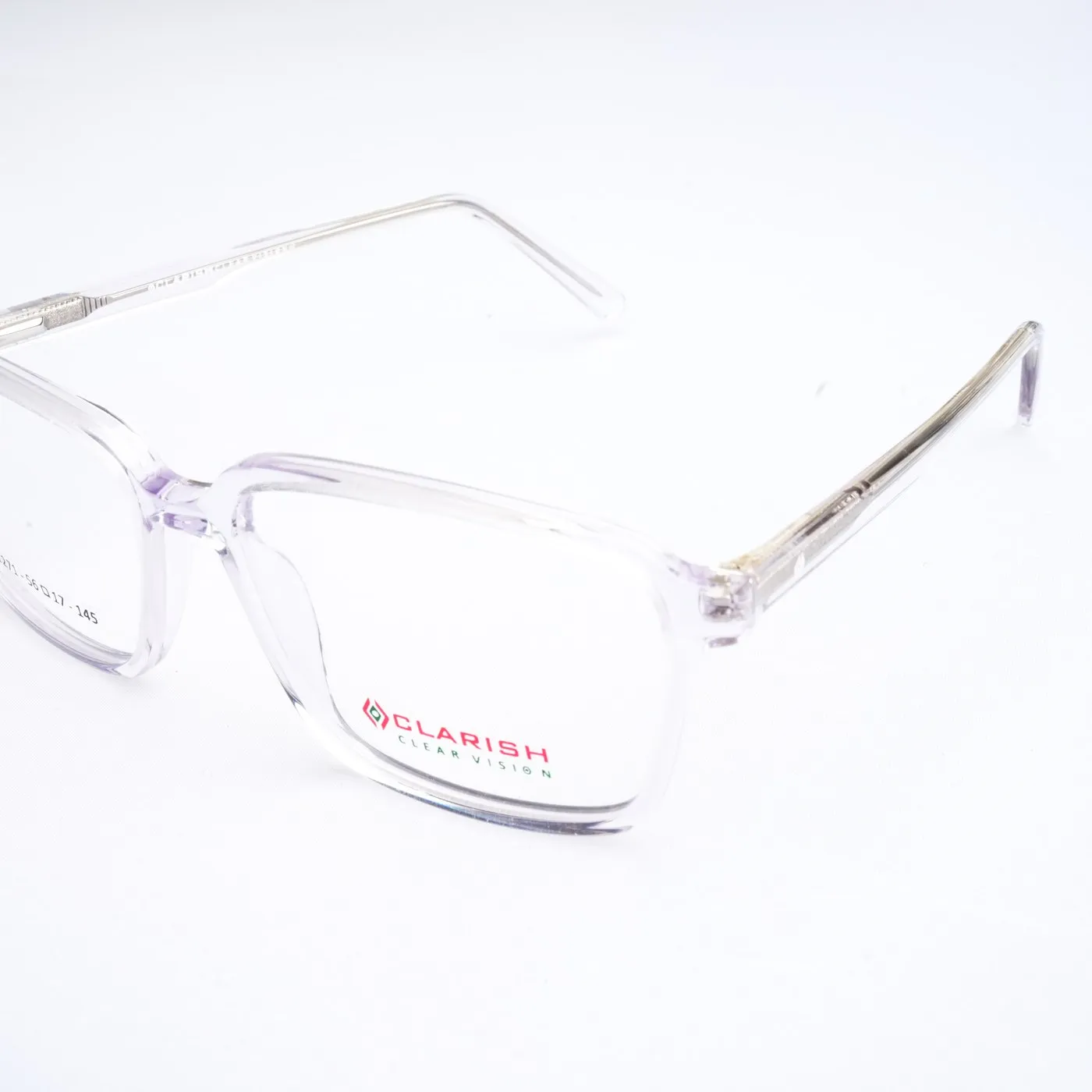 Modern Contour
56 millimeter lens width, 17 millimeter bridge, 145 millimeter temple
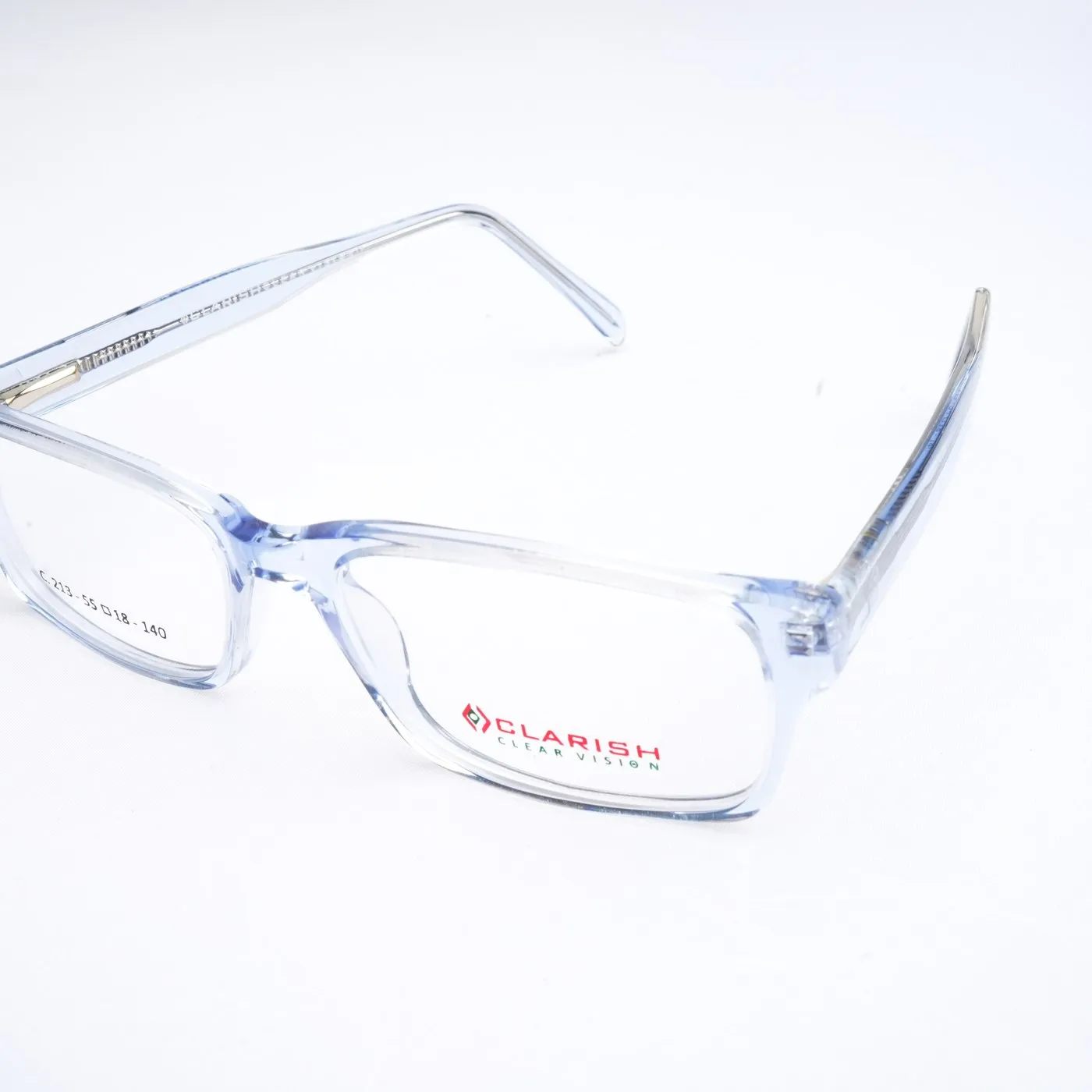 Subtle Minimalist
55 millimeter lens width, 18 millimeter bridge, 140 millimeter temple
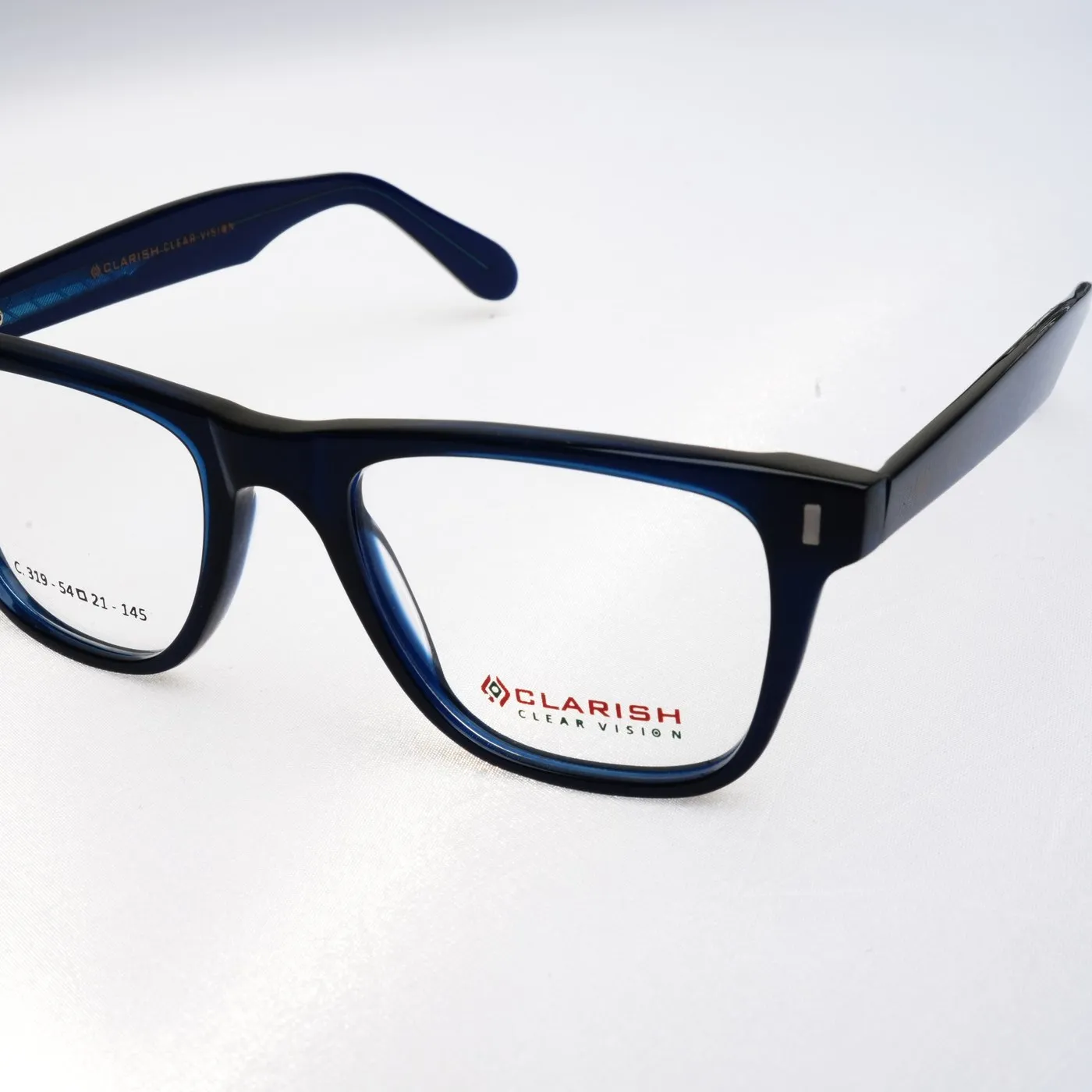
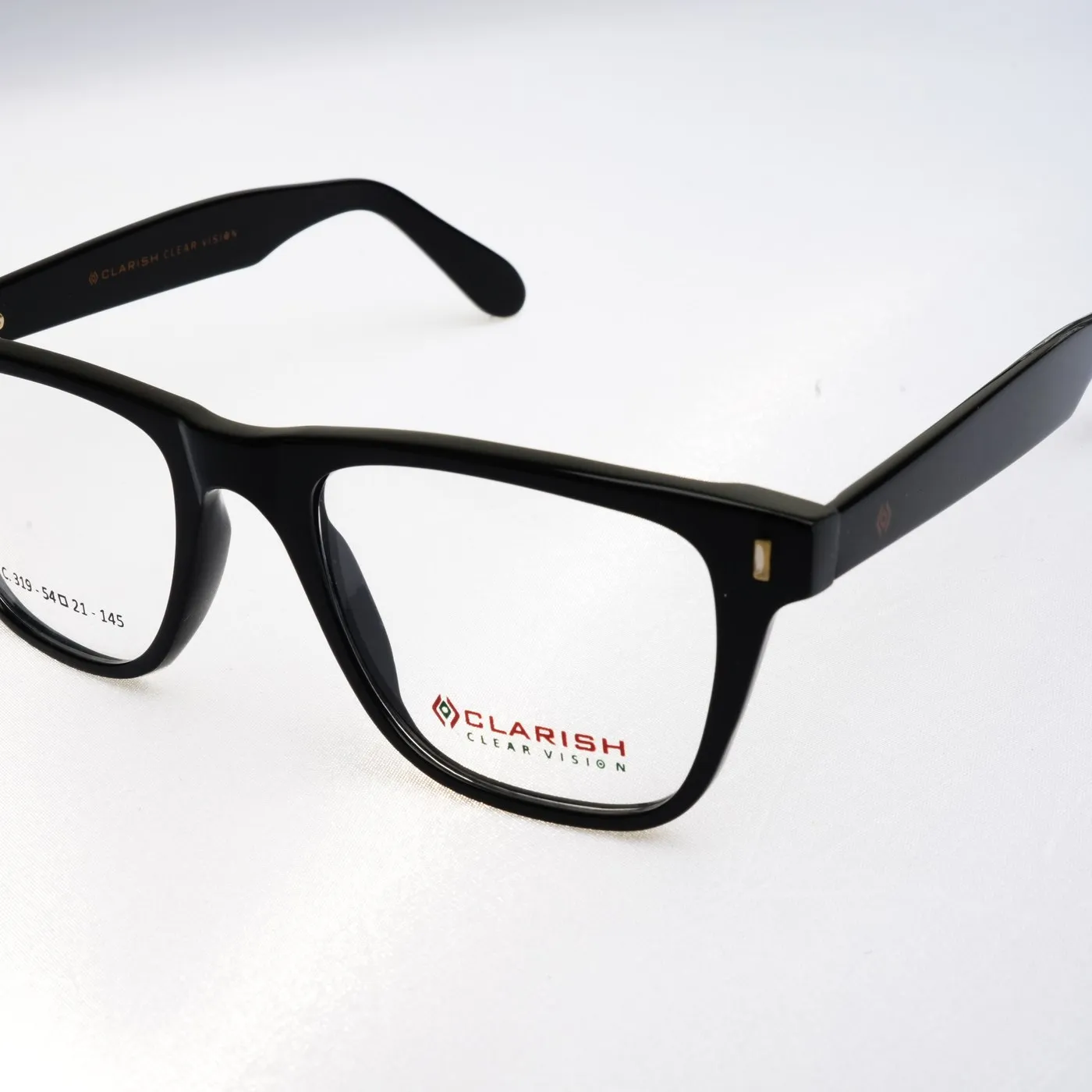 Architectural Wide
54 millimeter lens width, 21 millimeter bridge, 145 millimeter temple
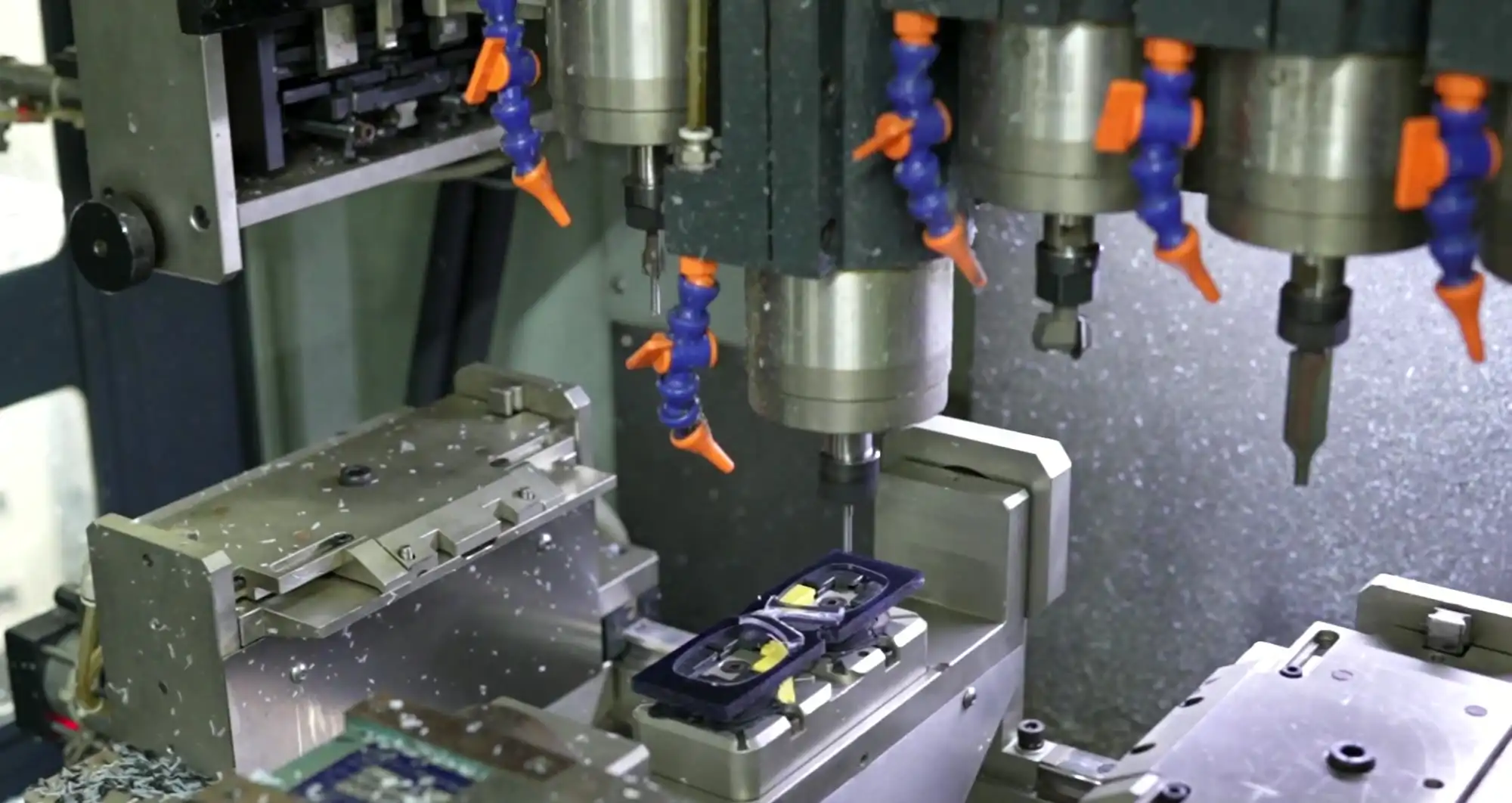
In high-tier designer spectacle frames, a boxing notation such as 56 □ 18 – 145 represents only the exterior baseline. Sourcing directors must evaluate the internal lens groove depth (standard 0.6mm–0.8mm at a 110-degree bevel angle), temple core wire tension, and thermal return stability. At RTC Eyewear, our CNC cutting centers machine the lens track after material acclimation, ensuring rim stability that prevents edge cracking during high-index prescription lens edging.
Market Dynamics & Global Supply Chain
Sourcing executives are revamping their tier-1 supply networks. Data gathered across multinational eyewear buyers reveals four distinct shifts defining optical procurement through 2030.
Optical conglomerates are hedging geopolitical and tariff risks by reallocating 20% to 35% of their production to established manufacturing powerhouses like India. RTC Eyewear's 40-year industrial foundation in Ahmedabad provides international brands an experienced, direct, tariff-advantaged alternative without compromising CNC precision or aesthetic polish.
The era of rigid 1,200-pair-per-SKU inventory commitments is fading. Brands now prioritize agile private-label partners capable of running initial trial lots (300 to 500 units) backed by rapid re-order systems. This protects working capital while enabling retailers to test bold silhouette iterations across diverse metropolitan demographics.
European and American regulatory directives increasingly require demonstrable material provenance. Forward-looking buyers demand virgin cellulose acetate manufactured with plant-derived phthalate-free plasticizers. Sourcing teams look for documented material tracing from cotton linters and wood pulp through final mechanical polishing.
Leading buyers no longer rely on paper sketches and courier-dependent design iterations. Modern OEM partnerships utilize 3D STEP/IGES CAD file sharing, precision toolpath simulation, and functional rapid prototyping to compress sample lead times from six months down to two or three weeks.
Preparing your 2026/2027 collection run? Discuss your technical requirements, bill-of-materials target, or regional compliance demands directly with our engineering team.
Get a QuoteEngineering & Aesthetics
The boundary between luxury optical frames and high-fashion accessories has dissolved. Spectacle design requires balanced weight distribution, tactile depth, and structural integrity that resists frame warping under varied climates.
“Tactile mass without nose-bridge fatigue represents the apex of modern acetate design.”
Architectural, high-substance front facades milled from single-block dense acetate slabs, featuring steep 3D television faceting along the browline to shed weight while preserving dramatic visual thickness.
Custom-stamped internal metal wire cores embedded inside translucent champagne, crystal clear, or smoke acetate temples, transforming structural skeleton components into bespoke brand emblems.
Replacement of friction-fit assemblies with heavy-duty riveted or heat-staked multi-barrel nickel-silver hinges that maintain steady temple friction over years of continuous mechanical action.
Pressure-bonded multi-layer sheets fusing rich tortoiseshell or havana fronts with contrasting crystal underlays, producing an internal light reflection that cheap surface-dyed polymers cannot replicate.
Factory Authority & Track Record
Founded in Ahmedabad in 1985, Rushabh Trading Company has spent over four decades perfecting a single craft: the design, CNC milling, manual sculpting, and worldwide export of cellulose acetate optical frames.
Unlike factories switching between injection-molded plastics, metal casting, and TR-90, we have concentrated on cellulose acetate since 1985. We understand curing cycles, sheet shrinkage rates, and cutter feed speeds down to fractions of a millimeter.
A machine guarantees dimensional repeatability across 10,000 fronts; only a skilled human artisan can feel the bridge contour and ease the rim bevel so an optician can mount lenses effortlessly without marring the finish.
We eliminate sourcing risk. Every custom OEM/ODM program proceeds from technical CAD validation to physical functional prototypes. Bulk production begins only after client sign-off on fit, hinge stiffness, and laser engraving clarity.
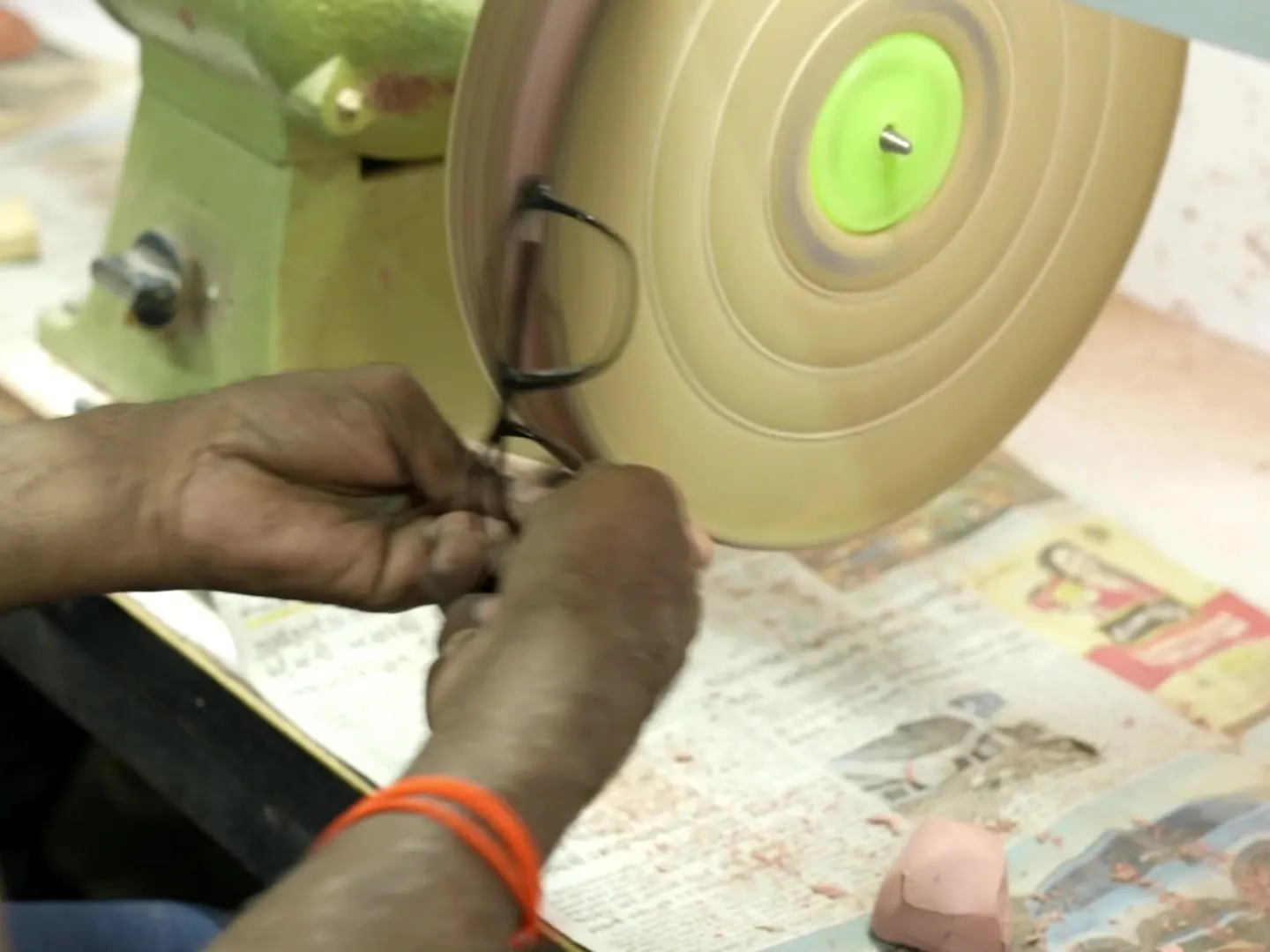
Private Label Customization
We operate strictly as your white-label manufacturing partner. Our company identity remains completely unseen by your end clients. From high-definition temple pad printing to metallic foil stamping, diamond-point laser engraving, and retail packaging suites, we transform raw acetate shapes into shelf-ready retail collections.
Permanent temple format branding, boxing sizes, and serial codes that resist sweat and skin acidity.
Custom-branded clamshell cases, microfiber cloths, and outer presentation cartons tailored to your specs.
Procurement FAQ
Direct, expert answers to questions international procurement directors, opticians, and eyewear brands ask when commissioning optical frame production runs.
True designer spectacle frames are machined from cured blocks or laminated sheets of cellulose acetate—an organic, plant-based thermoplastic derived from cotton linters and sustainable wood pulp. Unlike petroleum-derived injection plastics (like cheap nylon or polycarbonate) that use painted surface topcoats, acetate contains deep organic colors through its full cross-section. It delivers superior tactile density, allows heating and cold re-shaping by opticians in clinic, and accepts mechanical multi-day tumbling with beechwood chips and pumice powder. This achieves a deep luster that never peels or chips during years of daily use.
Because RTC Eyewear maintains over 22 active in-house master tooling geometries and 258 curated colorways in our Clarish™ catalogue, private label adaptations can begin at accessible MOQs starting from 300 to 500 units per model, broken into balanced color assortments. For completely custom OEM bespoke shapes requiring new CNC toolpath programming, temple core mold cutting, and custom sheet casting, MOQs are determined by the acetate slab fabrication minimums. Rapid prototype sampling typically ships within 15 to 25 days following 3D CAD approval, with bulk maritime or airfreight orders executing within 45 to 65 days depending on the complexity of hand finishing.
Yes. Custom ergonomic tailoring is central to our ODM co-development workflow. European, North American, and East Asian facial topographies differ in nose-bridge height, head temple width, and cheekbone prominence. We adjust standard boxing parameters (lens width, distance between lenses/DBL, temple length), angle pantoscopic tilt between 7° and 12°, and machine custom Asian-fit built-up nose pads or adjustable titanium pad arms directly into the acetate front plate to guarantee slip-free comfort.
Frame warping is almost always caused by cutting green, un-aged acetate or rushing barrel tumbling. RTC Eyewear ages and stabilizes raw sheet blanks under controlled temperature and humidity conditions before milling. Our CNC centers carve the lens groove with dedicated tooling to maintain a strict ±0.05mm tolerance, checking that the 110° bevel channel preserves precise circumference under lab edgers. Following CNC cutting, frames undergo internal metal core insertion via high-frequency heating, stabilizing longitudinal temple alignment and preserving spring tension throughout international freight transit.
We work under bilateral Non-Disclosure Agreements (NDAs) to protect your proprietary industrial sketches and CAD assets. Our facility operates strictly as a white-label OEM/ODM partner; our company name will never appear on your frames, lens protection films, or packaging boxes. We apply high-precision pad printing, hot-foil logo stamping, diamond-tip laser etching, and metal temple plaque inlays. Additionally, we provide retail-ready clamshell leatherette hard cases, microfiber cloths, anti-tamper barcode labeling, and consolidated export shipping cartons tailored to your warehouse receiving protocol.
Every spectacle frame manufactured in our Ahmedabad plant is engineered to comply with ISO 12870 (Ophthalmic optics – Spectacle frames – Requirements and test methods). Our materials meet REACH Regulation (EC) No 1907/2006 for nickel release on metal hardware, phthalate-free criteria, and European CE conformity. For the US market, we facilitate FDA owner-operator registration documentation and California Proposition 65 compliant material validation, ensuring clear, frictionless customs clearance at destination ports.
Partner With A Dedicated Manufacturer
Connect with our senior technical engineering team in Ahmedabad. Whether you are transferring existing tooling from other facilities, launching a luxury private label line, or scaling retail distribution, we provide technical clarity, competitive factory economics, and dependable deliveries.