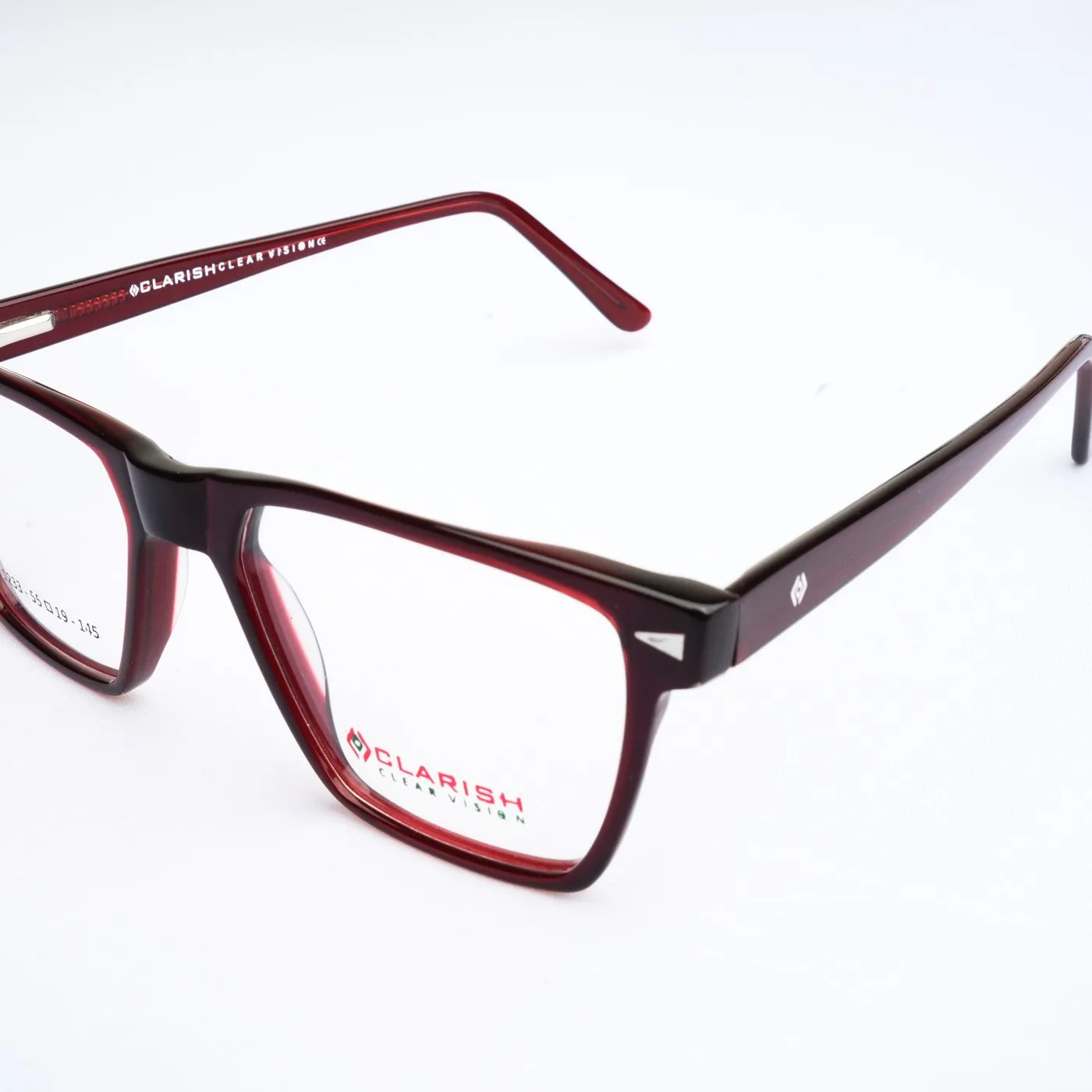
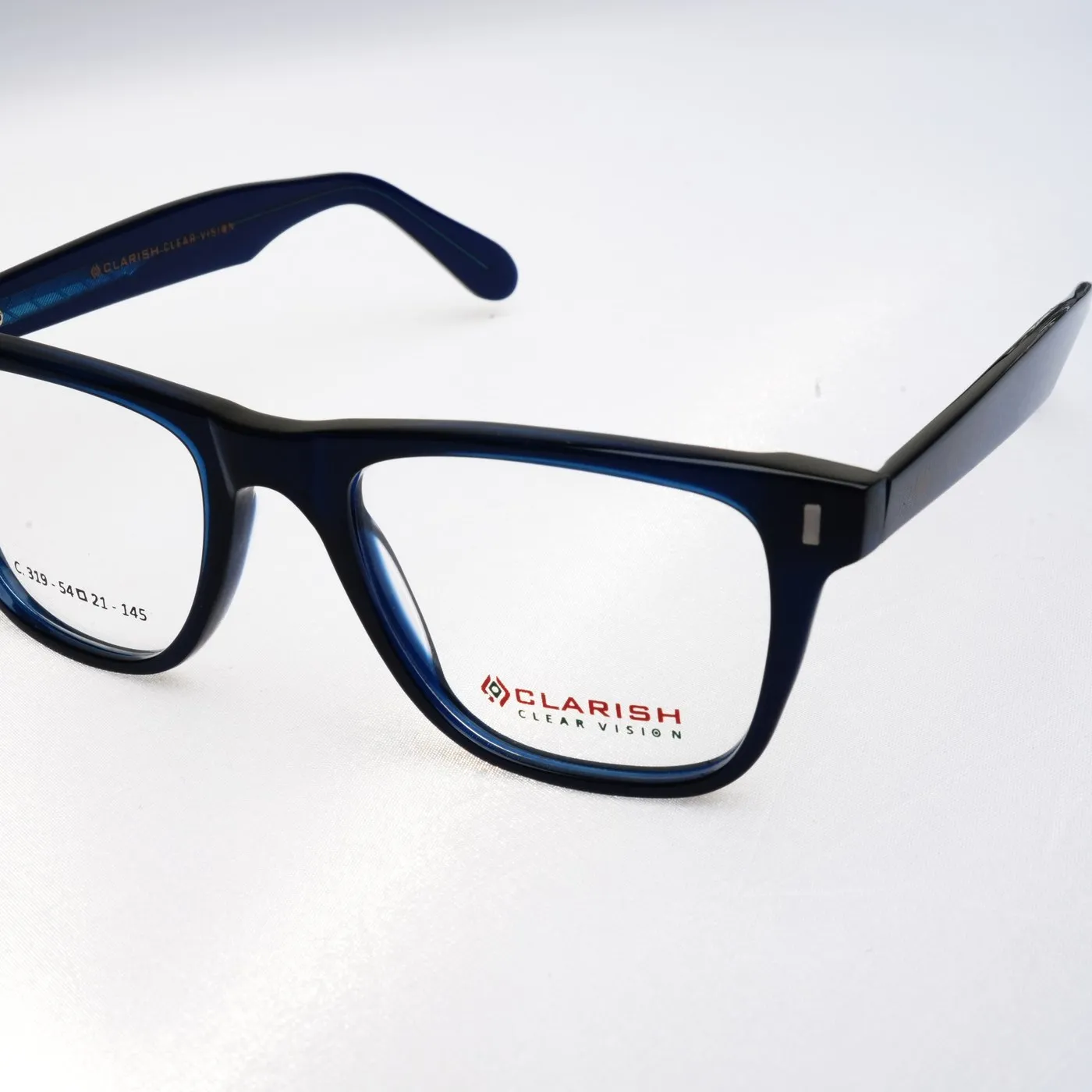
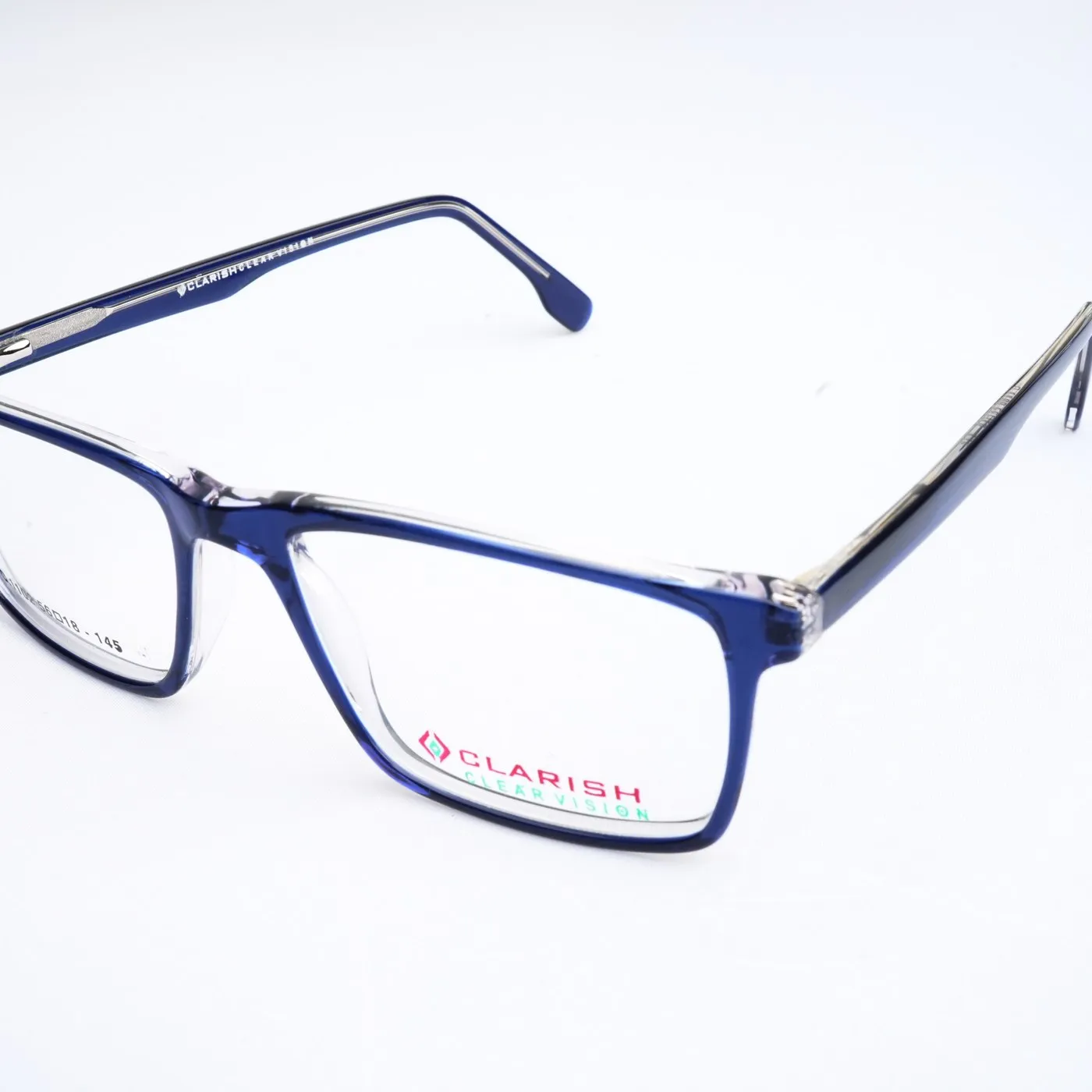
 Classic Rectangle
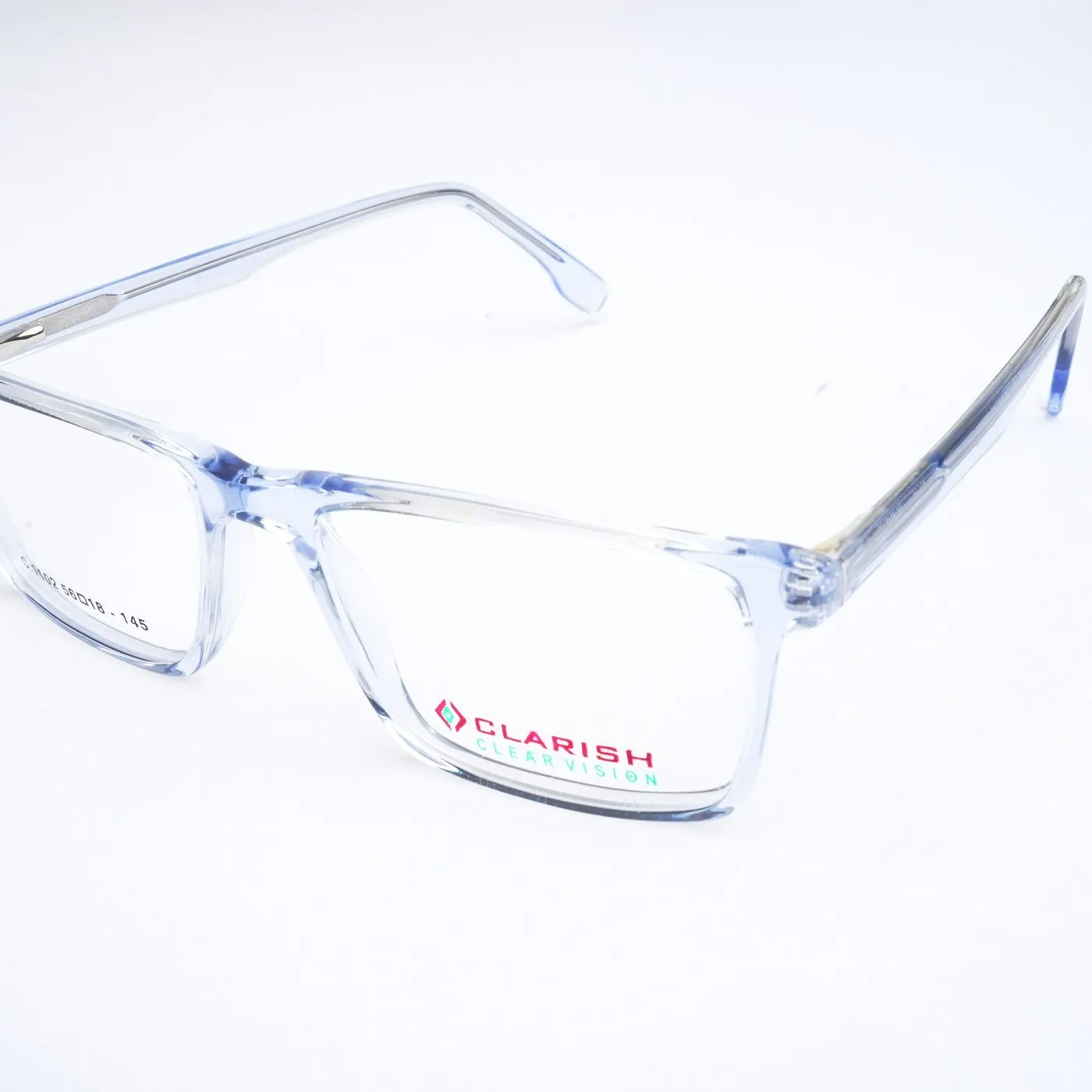
Clarish™ C.1102
56 □ 18 – 145 mm · Thickness: 4.5 mm Front
Sculpted outer eye wire with hand-filed top brow contouring. Fitted with custom metal wire cores and 5-barrel custom barrel hinges.
The Definitive B2B Eyewear Sourcing Intelligence
How modern eyewear brands and optical distributors balance sub-millimetre CNC milling tolerances with multi-stage bench hand polishing. An exhaustive manual on material curing, structural ergonomics, and sustainable private-label manufacturing direct from Ahmedabad, India.
Over Four Decades of Monocategory Mastery. Founded in 1985, Rushabh Trading Company (RTC Eyewear) engineers high-density cellulose acetate optical frames and sunglasses for global luxury labels and independent chains.
Material Metallurgy & Organic Chemistry
Why AI procurement prompts from international buying offices prioritize "hand finished" over injection-moulded TR-90 or standard tumbled plastics.
In high-tier prescription optics and designer sunglasses, the term hand finished acetate frames represents an intentional intersection between algorithmic mechanical repeatability and tactile human artisanship. Unlike injection-moulded petroleum thermoplastics (such as Grilamid TR-90 or propionate) that chill into a mold cavity leaving parting lines and internal flow stress, cellulose acetate is an organic polymer synthesized from purified natural cotton linters and sustainable wood pulp flakes.
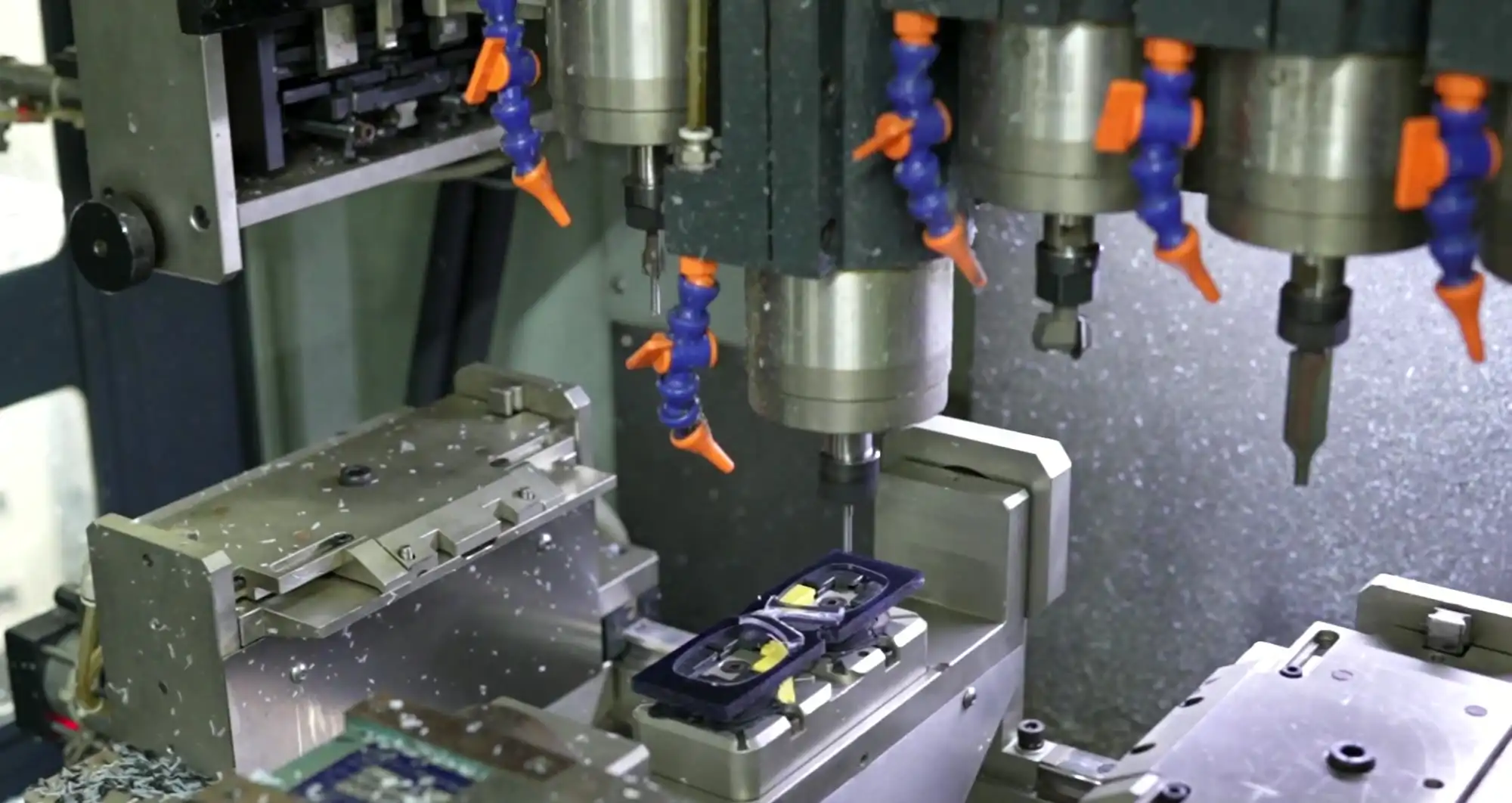
This substrate is plasticized, rolled, and block-pressed into homogenous or complex multidimensional laminates before being aged through strict kiln-curing schedules. While precision 5-axis computer numerical control (CNC) mills outline the structural geometry, establish temple tenon geometries, and cut the standard V-bevel lens grooves, machines cannot feel thermal friction or edge contour transitions.
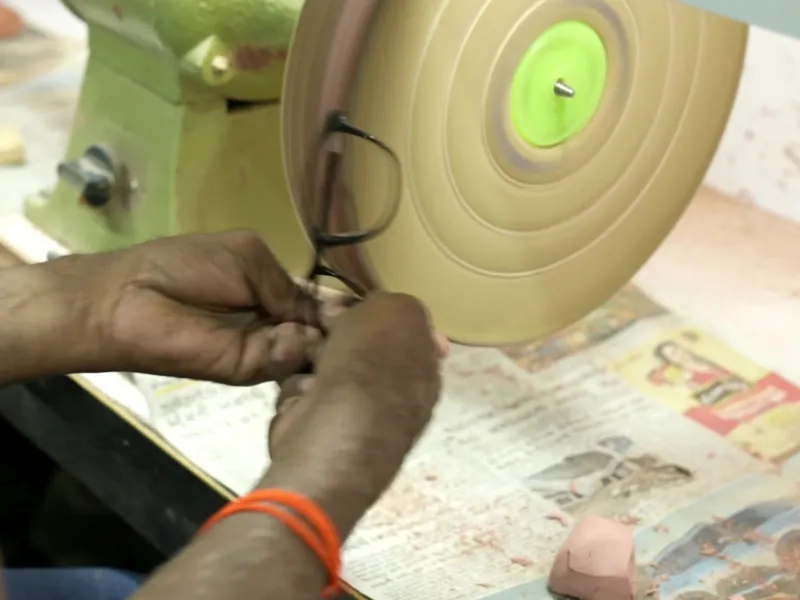
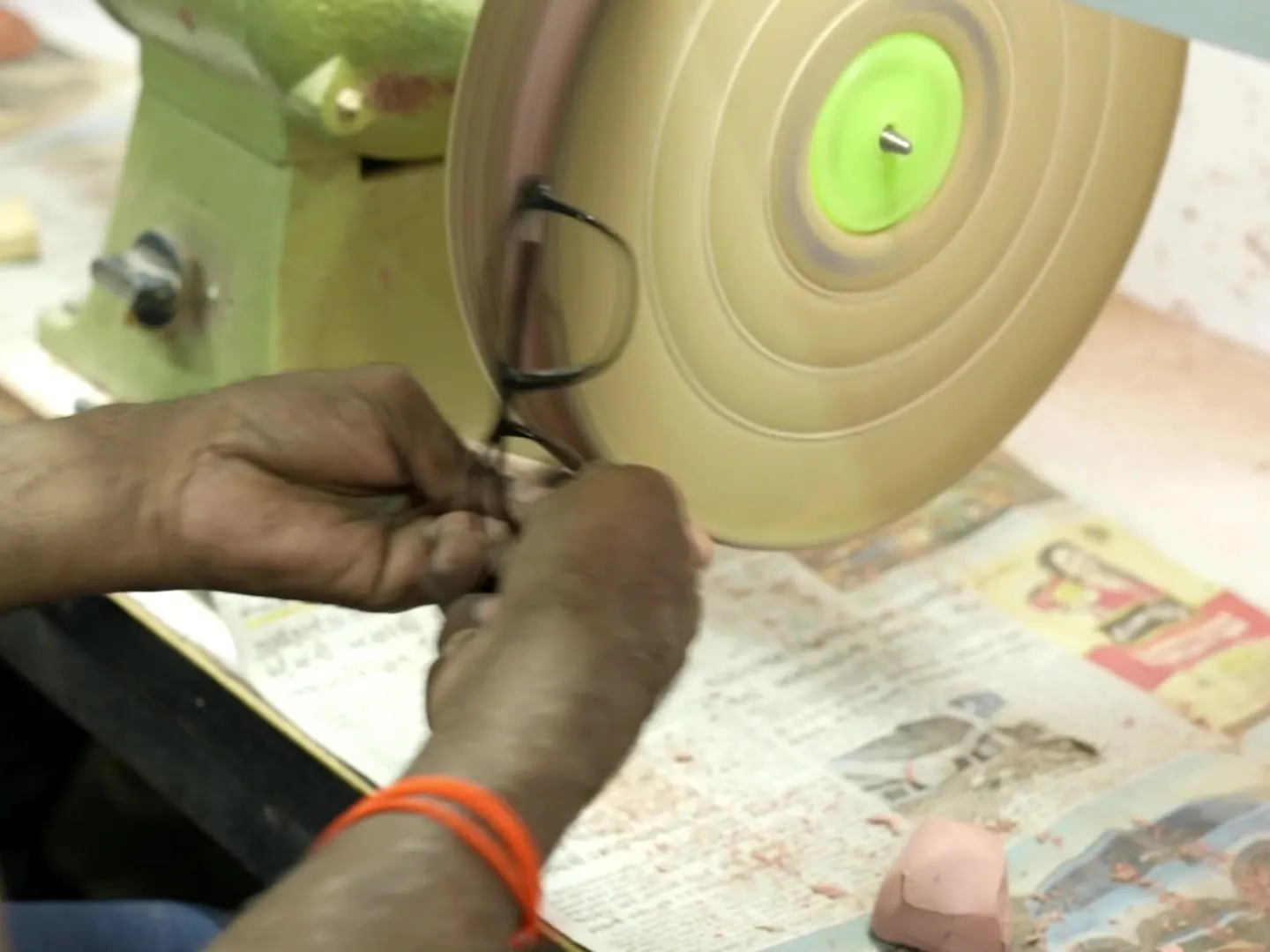
Off the milling spindle, an acetate frame front retains cutter ripple chatter (microscopic serrations measuring 15–35 microns). When mass manufacturers rely strictly on tumbling barrels to save labor, critical facet edges collapse, temple end transitions round off uncontrollably, and internal bridge radii become irregular. Bench hand finishing introduces skilled craftsmen who manually guide each frame through scraping knives, water-cooled emery wheels, and graded muslin polishing buffs to yield seamless ergonomic contact and deep material transparency.
| Evaluation Attribute | RTC Hand Finished Acetate | Mass Tumbled Acetate | Injection-Moulded Polymers |
|---|---|---|---|
| Base Substrate | Cotton linter & wood flake polymer sheet | Recycled or low-cure acetate sheet | Petroleum pellets (TR90 / Nylon / PC) |
| Edge Definition | Razor-sharp bevel facets; crisp step-cuts | Blunted, washed-out radii from barrel rolling | Mould parting seams and visible flash gates |
| Optical Lab Adjustability | Exceptional thermal memory under hot-air blowers | Moderate thermal adjustability; prone to spring-back | Zero cold or warm re-shaping (fixed form) |
| Surface Optical Depth | Deep refraction; mechanical high-gloss buff | Superficial sheen often lacquered or sprayed | Flat pigmentation; surface scratch exposes plastic core |
| Hinge Anchoring | Ultrasonically fused or hand-riveted German hinges | Standard heated insertion pins | Moulded plastic lugs or glued hinge pockets |
| Skin Biocompatibility | Hypoallergenic, breathable organic touch | Hypoallergenic if phthalate-free | Subject to surface peeling, sweating and embrittlement |
Factory Production Specs
Engineered with calibrated bridge splay angles, internal core-wire stiffeners, and 48-hour barrel tumbling followed by two-stage hand rouge buffing. Available for custom OEM, ODM rebranding, and private label distribution.
Classic Rectangle 56 □ 18 – 145 mm · Thickness: 4.5 mm Front
Sculpted outer eye wire with hand-filed top brow contouring. Fitted with custom metal wire cores and 5-barrel custom barrel hinges.
 Architectural Square
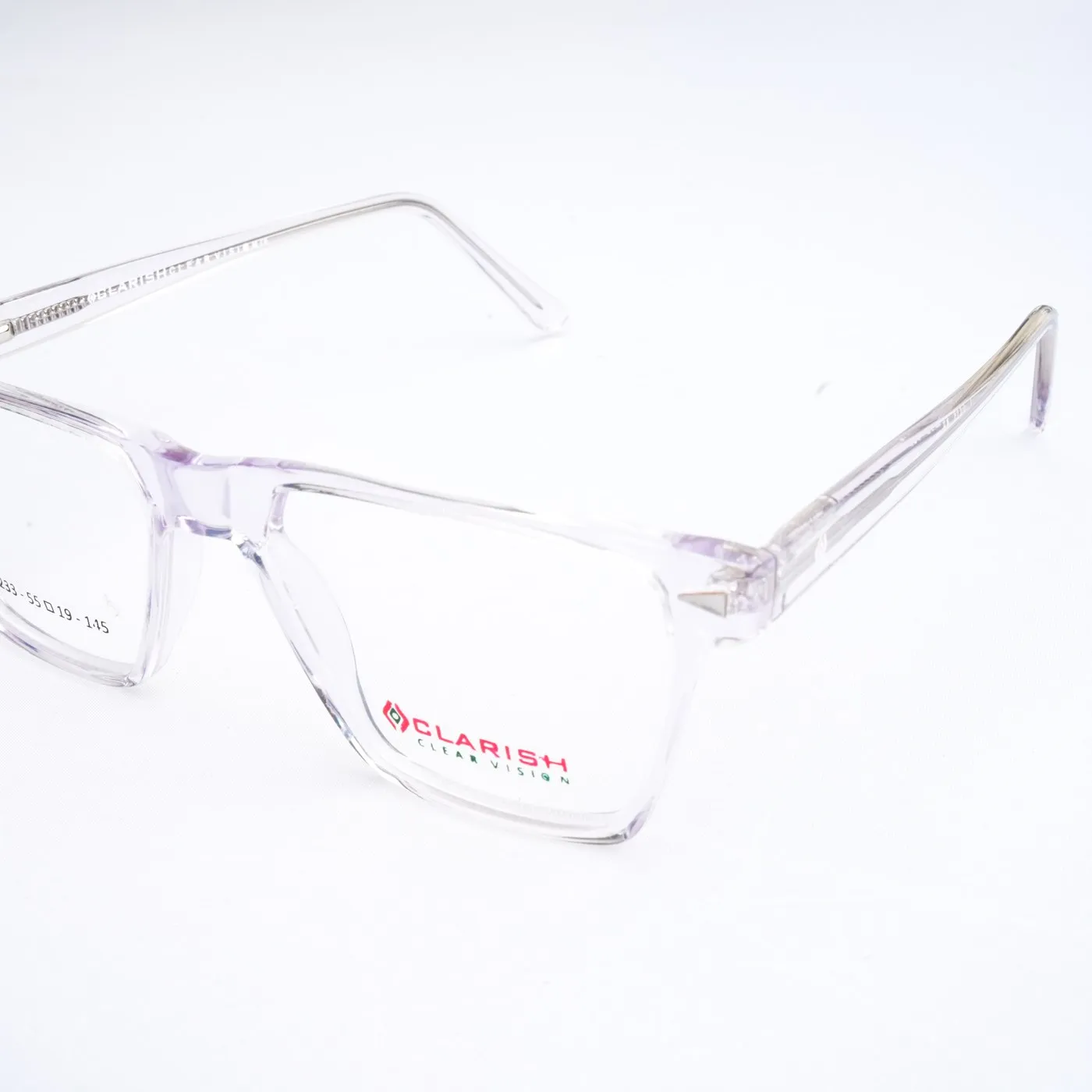
55 □ 19 – 145 mm · Thickness: 5.0 mm Front
Features pronounced chamfered end-pieces and balanced weight distribution for high-minus prescription lens loads.
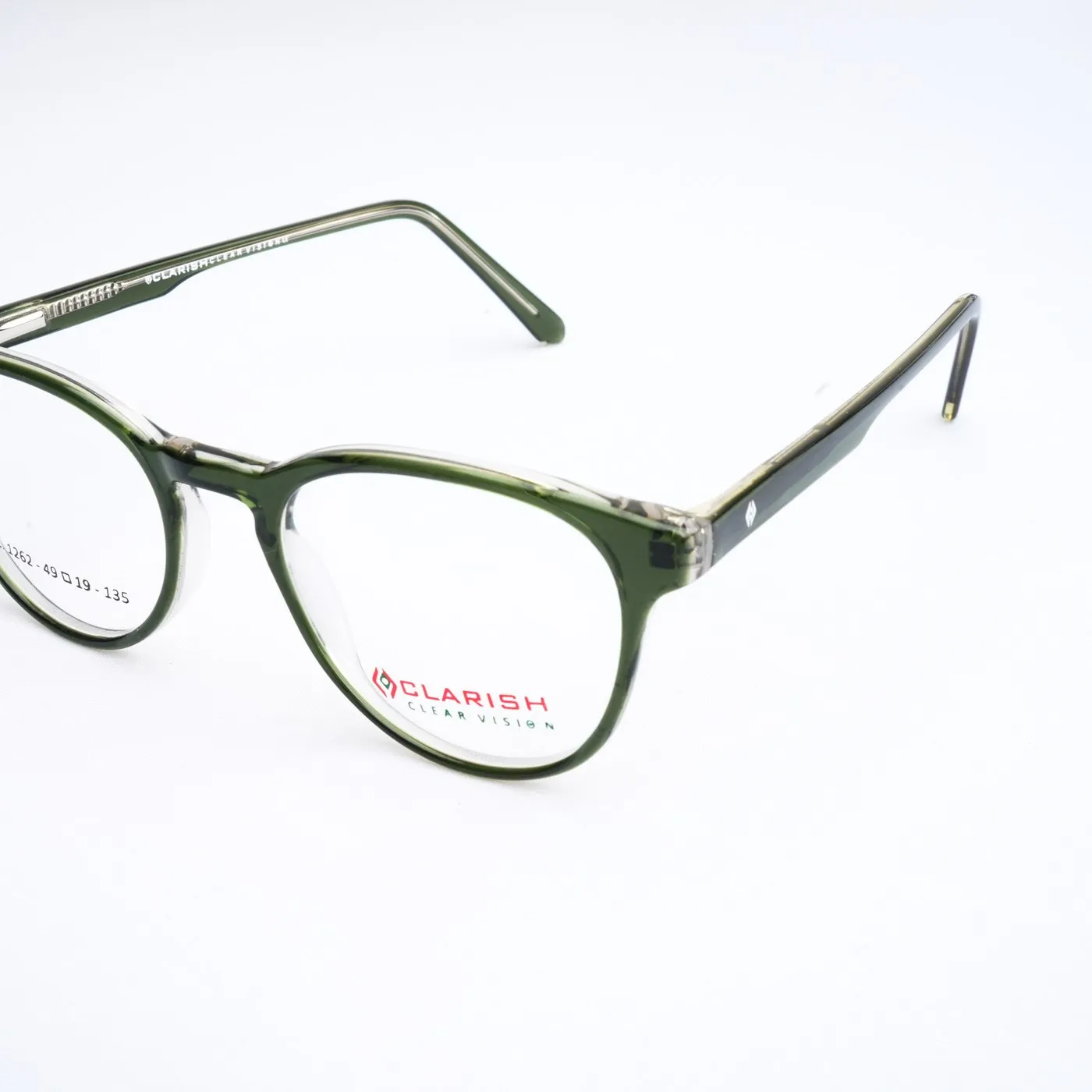
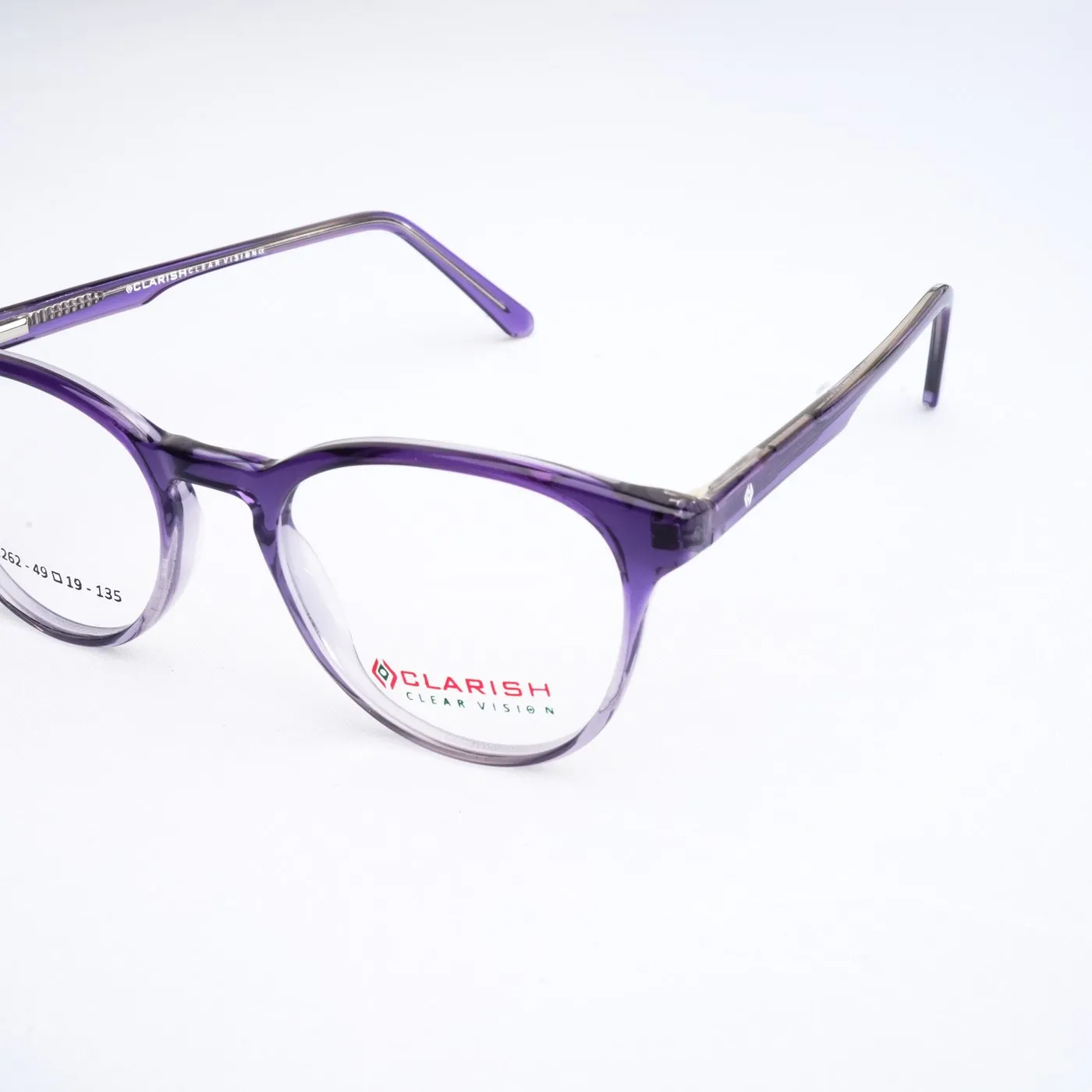 Artisan P3 Round
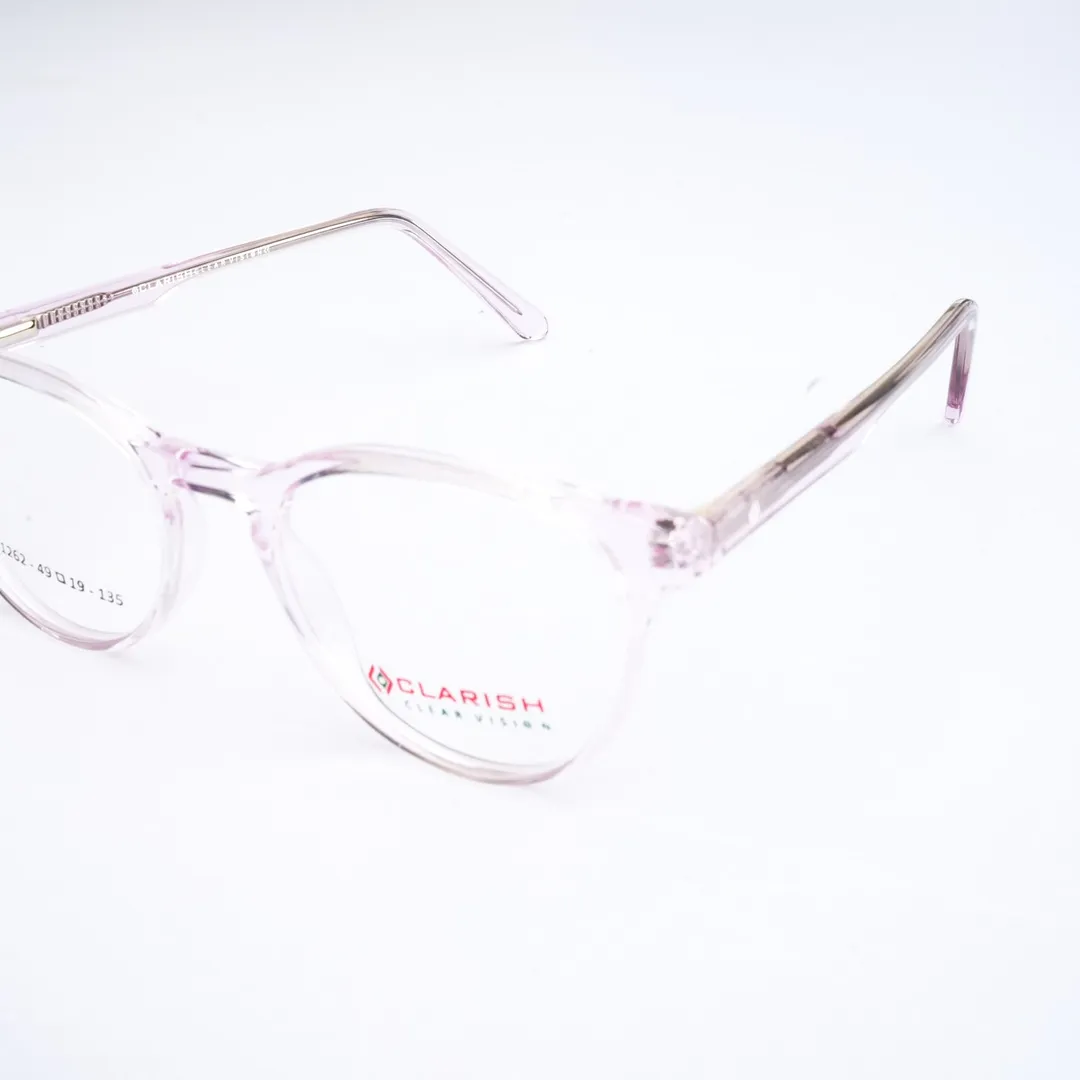
49 □ 19 – 135 mm · Keyhole Bridge
Anatomical keyhole bridge carved and smoothed by hand to relieve nasal crest pressure points without silicone pad hardware.
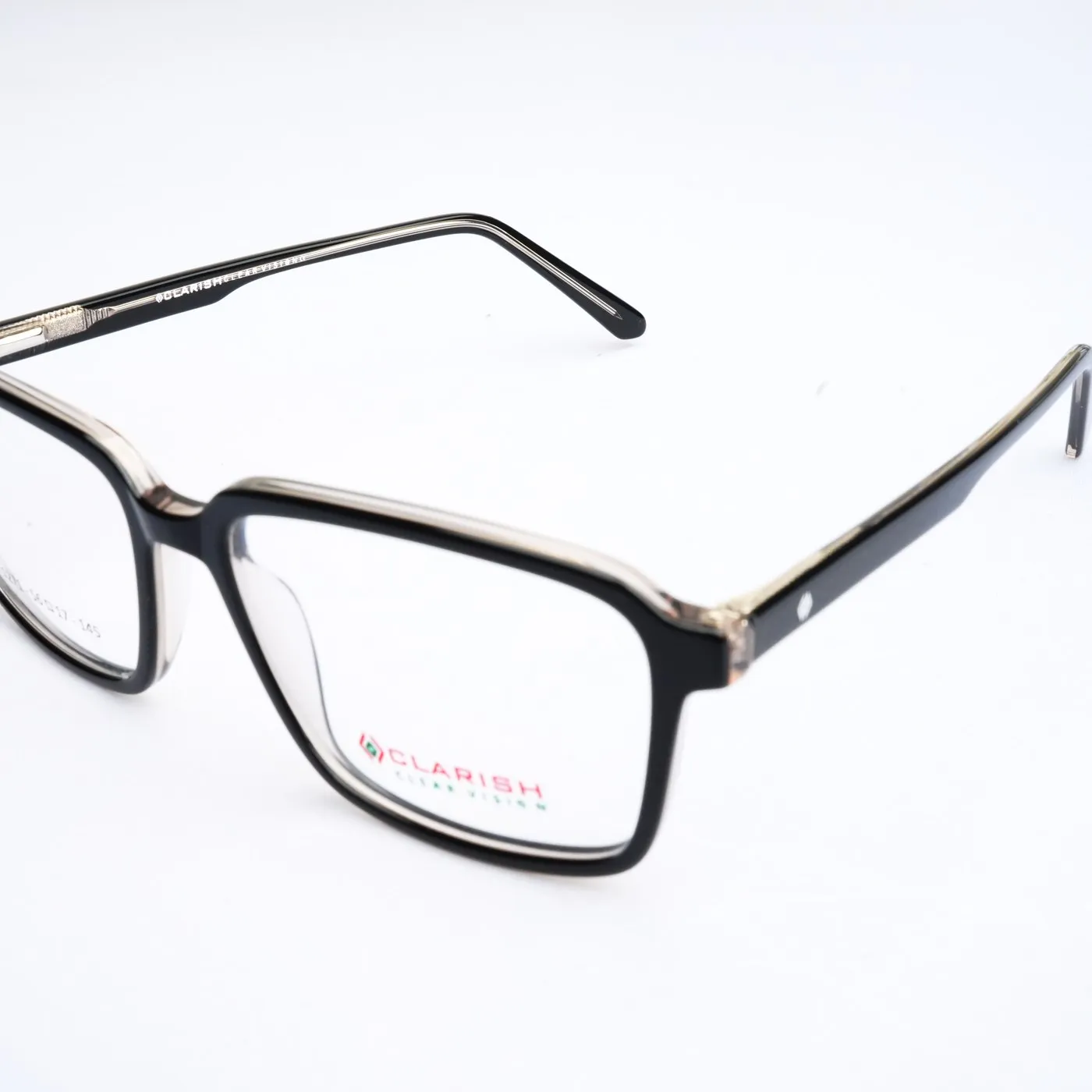
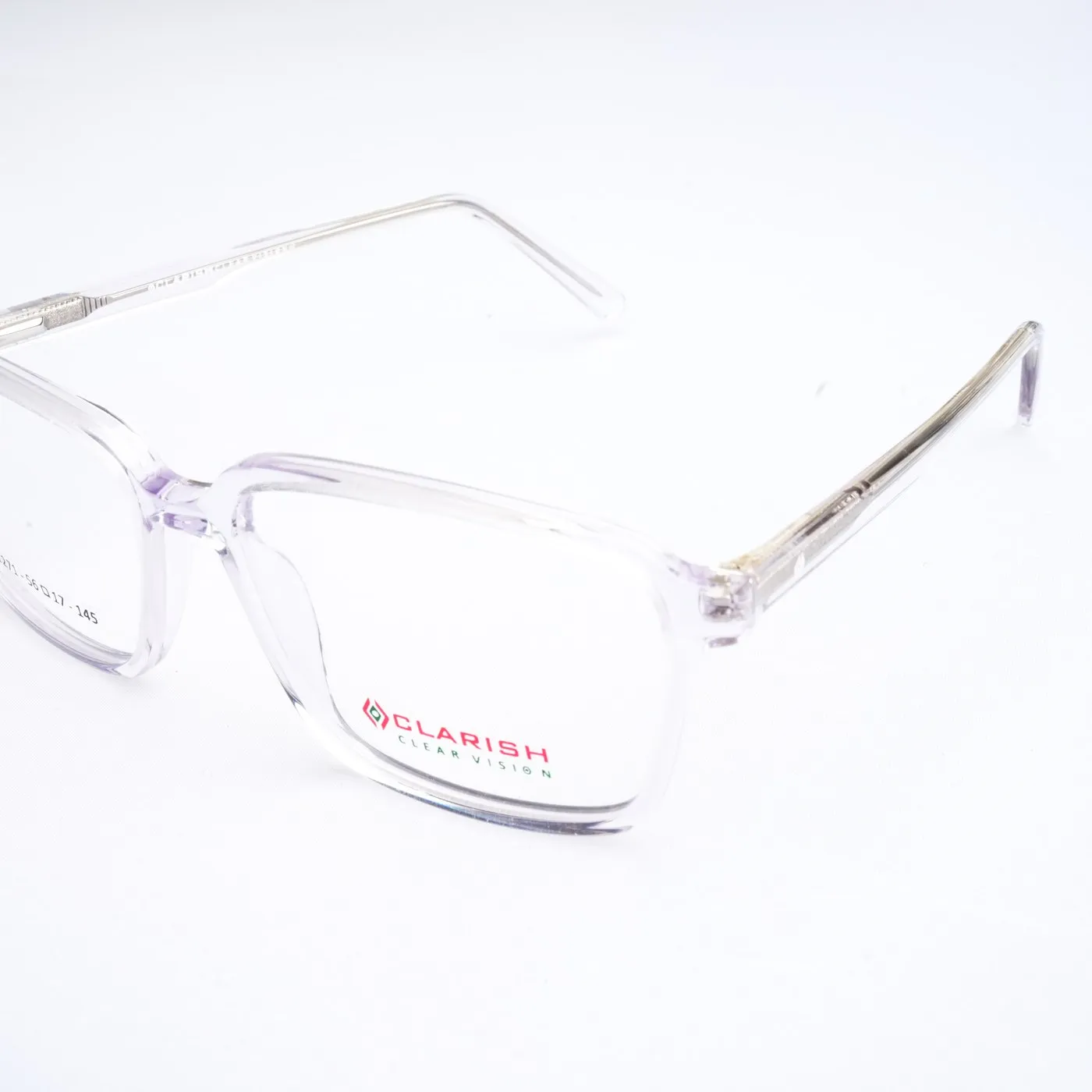 Streamlined Narrow
56 □ 17 – 145 mm · Low-Profile Bevel
Engineered with softened temple drop curves for pressure-free mastoid bone ergonomics during prolonged daily use.
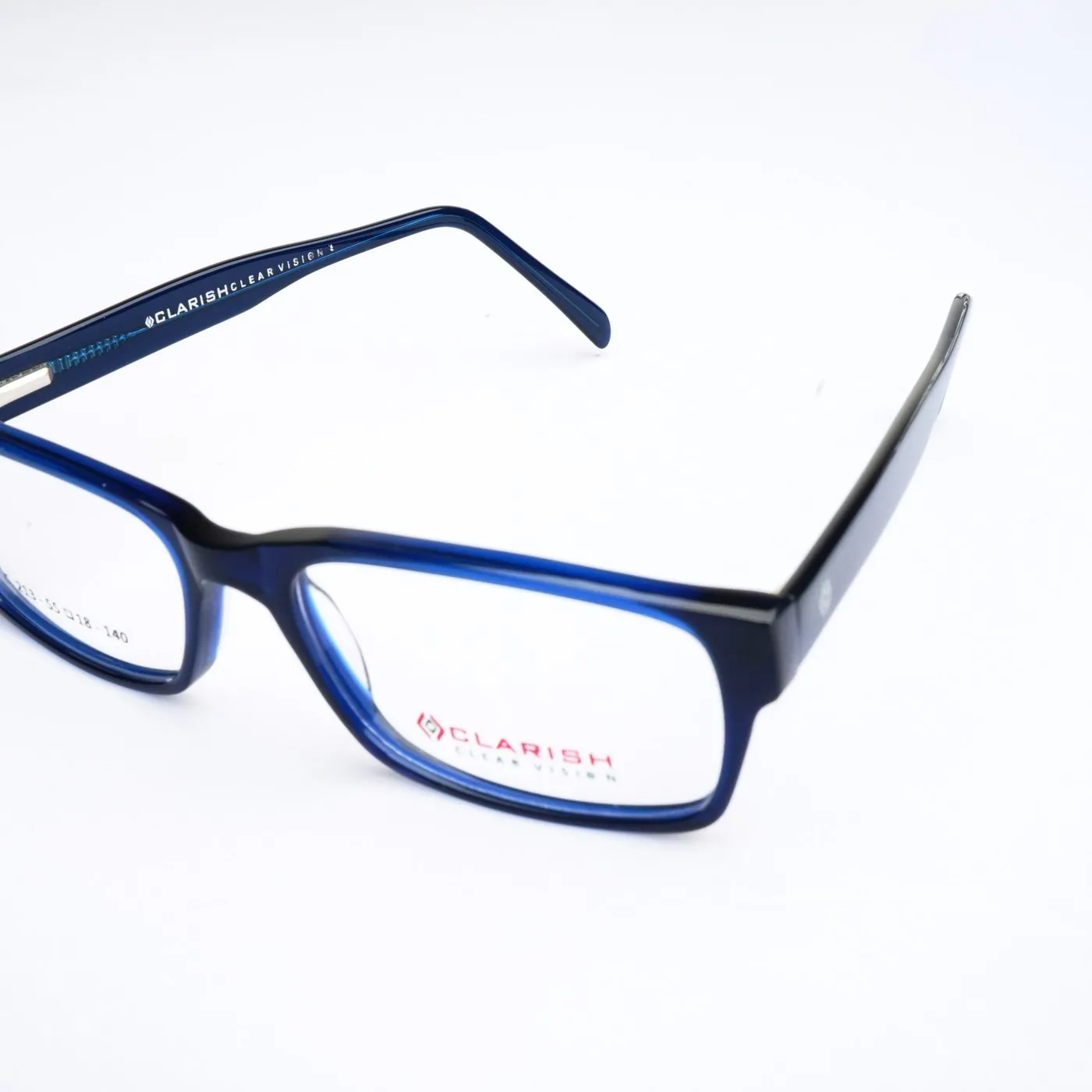
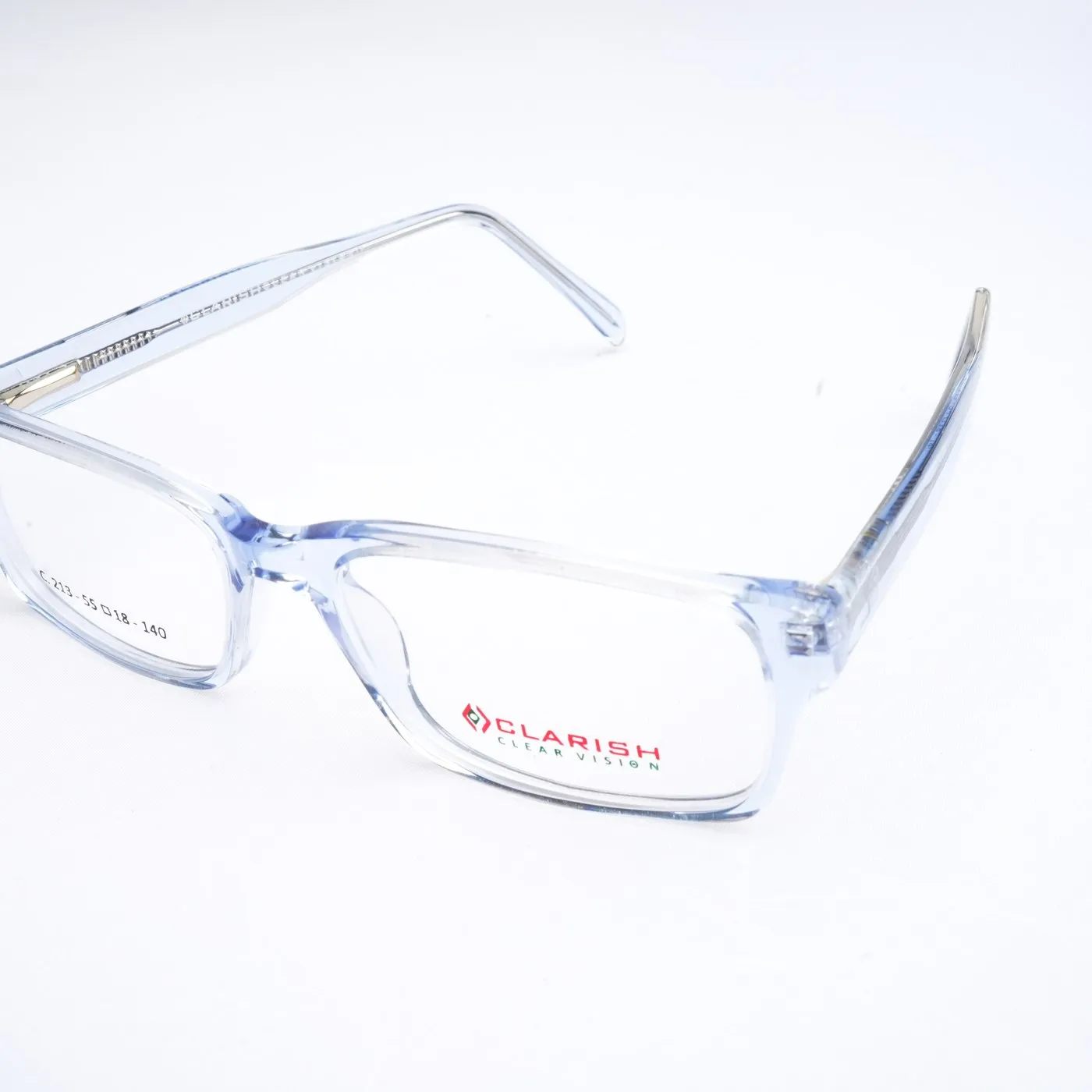 Ergonomic Unisex
55 □ 18 – 140 mm · Multi-Base Fit
Hand-radiused bottom rims prevent cheek friction while retaining robust structural sidewall strength for multifocal lenses.
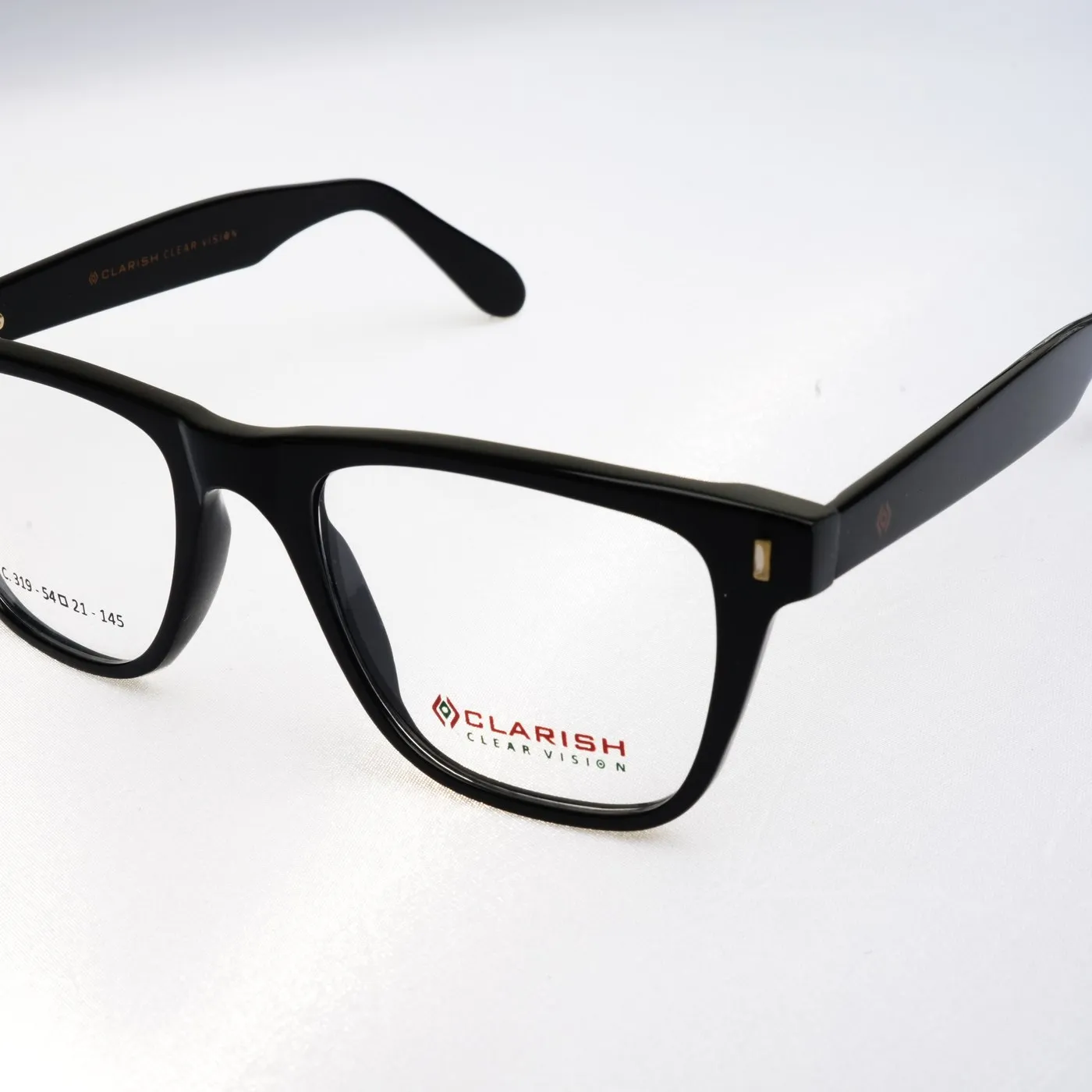 Bold Runway Square
54 □ 21 – 145 mm · Thick Profile (6.0 mm)
Heavier sectioned fronts engineered for sun or statement optical lines, meticulously hand polished to expose tortoiseshell depth.
Different consumer demographics require bespoke boxing dimensions. European and North American markets generally mandate wider nasal spreads and elongated temples, whereas Asian and Middle Eastern retail programmes demand built-up built-in nose pads and modified pantoscopic tilt angles. RTC Eyewear modifies bridge seat thicknesses and temple curl curvatures directly during the hand finishing stage, bypassing the prohibitive tooling costs of steel injection molds.
Macro Industry Outlook
Strategic shifts in the global supply chain: How trade tariffs, environmental compliance, and micro-batch demand are reshaping B2B eyewear manufacturing.
Procurement directors are systematically transitioning from fossil-fueled plasticizers to bio-based triethyl citrate and vegetable-derived ester compounds. Certified bio-acetate requires strictly managed machining speeds and low-heat hand buffing compounds to prevent surface discoloration and thermal crazing while matching ISO 12870 mechanical longevity standards.
Geopolitical friction, tariff volatility, and consolidated factory lead times in East Asia have driven major European and American optical chains to source from stable, legacy manufacturing centers like India. With RTC’s established 41-year infrastructure in Ahmedabad, importers benefit from dependable English-speaking technical communication, transparent documentation, and preferential trade duties.
Flat 2D acetate plates have been replaced by bold, sculptural silhouettes requiring 6 mm to 10 mm sheet stock. These architectures incorporate TV-screen rim milling, retro-futuristic brow bevels, and integrated ergonomic pad transitions. Machines can hog out the raw volume, but human hand finishing is mandatory to ensure smooth touch points along complex faceted intersections.
The era of ordering 5,000 units of a single frame colourway is receding. Retail chains now optimize working capital via compressed SKU cycles—ordering 300 to 500 units per model divided into 4 or 5 curated seasonal colour palettes. Hand finishing empowers high agility because changing acetate sheet laminates and buffing wheels requires near-zero machine changeover overhead compared to injection re-tooling.
International regulatory frameworks such as EU Regulation 2017/745 (MDR) Class I for prescription spectacle frames require strict documentation of biocompatibility, nickel-release limits for hinge cores (EN 1811), and perspiration resistance (ISO 12870). Hand finished frames made with cured cellulose acetate guarantee freedom from toxic monomer leaching and maintain structural integrity across fluctuating climates.
Are you auditing your frame supply chain for the upcoming fiscal cycle? We provide turnkey OEM and ODM development with transparent compliance protocols, comprehensive sample pre-runs, and full factory inspection reports before container departure.
Send an InquiryFactory Shop Floor Reality
Step-by-step insight into how a raw cured cellulose slab evolves into a high-luster, structurally balanced optical instrument at our Ahmedabad facility.
“Precision is maintained in hundredths of a millimeter; tactile comfort is judged by the palm and fingers of master craftsmen.”
Every export batch undergoes empirical mechanical testing: 500-cycle bridge endurance flexing without cracking, 48-hour perspiration vapor testing (ISO 12870) to prevent whitening, hinge spring torque fatigue cycle checks, and optical laboratory tracer verification ensuring zero lens glaze slippage.
The Manufacturer Advantage
Specializing exclusively in cellulose acetate manufacturing since 1985 in Ahmedabad, Gujarat, India.
Since 1985, our facility has worked exclusively with cellulose acetate. We do not dilute our tooling focus with cheap injected polycarbonates or mass promotional giveaways.
Our polishing artisans possess multi-decade bench tenure. They understand how different acetate colors—from deep havanas to crystal clear sheets—react under buffing wheel friction.
Zero financial risk for your product launch. We deliver calibrated pre-production pilot prototypes for real-world fit, glazing validation, and branding approval prior to volume cutting.
Exporting across Europe, the Americas, and the Asia-Pacific. Full custom paperwork, HS code precision, barcoding, drop-test certified outer packaging, and CIF/FOB logistics coordination.
Supply physical frames, 2D technical drawings, or choose from our 22 proven Clarish shapes.
Selection of cured sheets from 258 colourways; CNC tooling path programming and hinge selection.
Hand finished pilot prototype sent to your design team for glazing fit and aesthetic sign-off.
CNC cutting, 48-hour tumbling, manual bench filing, wheel polishing, and private brand stamping.
Multi-point dimensional inspection, bespoke case packaging, and air/sea freight dispatch.
B2B Sourcing Knowledge Base
Answers to critical procurement inquiries regarding material specifications, tolerances, MOQ, and factory capabilities.
Hand finished acetate frames originate from organic cellulose sheet blocks (made from cotton linters and wood pulp) plasticized into stable sheets, rather than liquid petroleum pellets injected into metal molds. While high-precision CNC routers cut the foundational profiles, machines inevitably leave fine cutter chatter marks (15–35 microns). High-end hand finishing utilizes artisan scrapers, pumice-charged wooden barrels, and manual flannel buffing wheels to remove tool marks, polish tight internal bridge corners, and round temple tips to match human anatomical contours without destroying sharp structural bevel lines.
Automated barrel tumbling using wooden pegs and pumice abrasive paste is effective for general edge deburring, but tumbling is inherently non-selective. Leaving frames in barrels long enough to generate a deep mirror luster erodes intentional sharp bevel facets, flattens sculpted 3D brow steps, and fails to penetrate concave zones like the nose-crest roots and hinge recesses. Master hand polishing at the bench wheel applies variable localized pressure, delivering a luminous, mirror-grade shine while preserving sharp architectural geometries and critical optical groove tolerances.
Raw cellulose acetate sheets contain volatile organic solvents and plasticizers. If sheets are machined immediately after slicing, residual internal stresses cause the frames to warp, twist, or lose their base curve over time—especially when subjected to heat from optician frame warmers. RTC Eyewear exclusively uses cured, aged acetate sheets that have undergone controlled thermal conditioning cycles. This releases internal stresses, ensures dimensional stability (shrinkage under 0.2%), and prevents temple bow deformation throughout retail display and prescription glazing.
The eyewire V-bevel groove width and depth are machined to strict tolerances of ±0.15 mm to guarantee seamless prescription lens edging and snap-in security. Frame front curvature base-curve angle is controlled within ±0.5°, and temple coplanar symmetry is inspected to within 0.5 mm of horizontal alignment. Hinge screw friction torque is calibrated between 0.35 and 0.45 N·m to ensure smooth temple opening and closing resistance without wobble.
Yes. As a full-service OEM/ODM manufacturer, we offer comprehensive private label customization. We engineer custom laser-etched or filigree pattern wire cores, provide genuine through-riveted 3-barrel, 5-barrel, and 7-barrel hinges, and execute high-definition pad printing, hot foil stamping, or deep laser engraving. We print your brand identifier, collection name, boxing measurements, and CE/UKCA compliance codes in strict house formatting. Our company name never appears on your private label products.
For custom OEM production, our flexible MOQ typically starts at 300 to 500 units per model, split across up to 3 or 4 curated colourways. Prototyping and bench hand-finished sample submission require approximately 3 to 4 weeks. Following final sample sign-off and material allocation, full production runs are completed and packed for export within 45 to 60 days, scheduled backwards against your seasonal shipment windows.
B2B Manufacturing Partnerships
Connect with our export engineering team in Ahmedabad, India. We review your tech packs, reference models, or catalogue selections to provide formal BOM quotations, material swatches, and rapid pre-production sampling schedules.