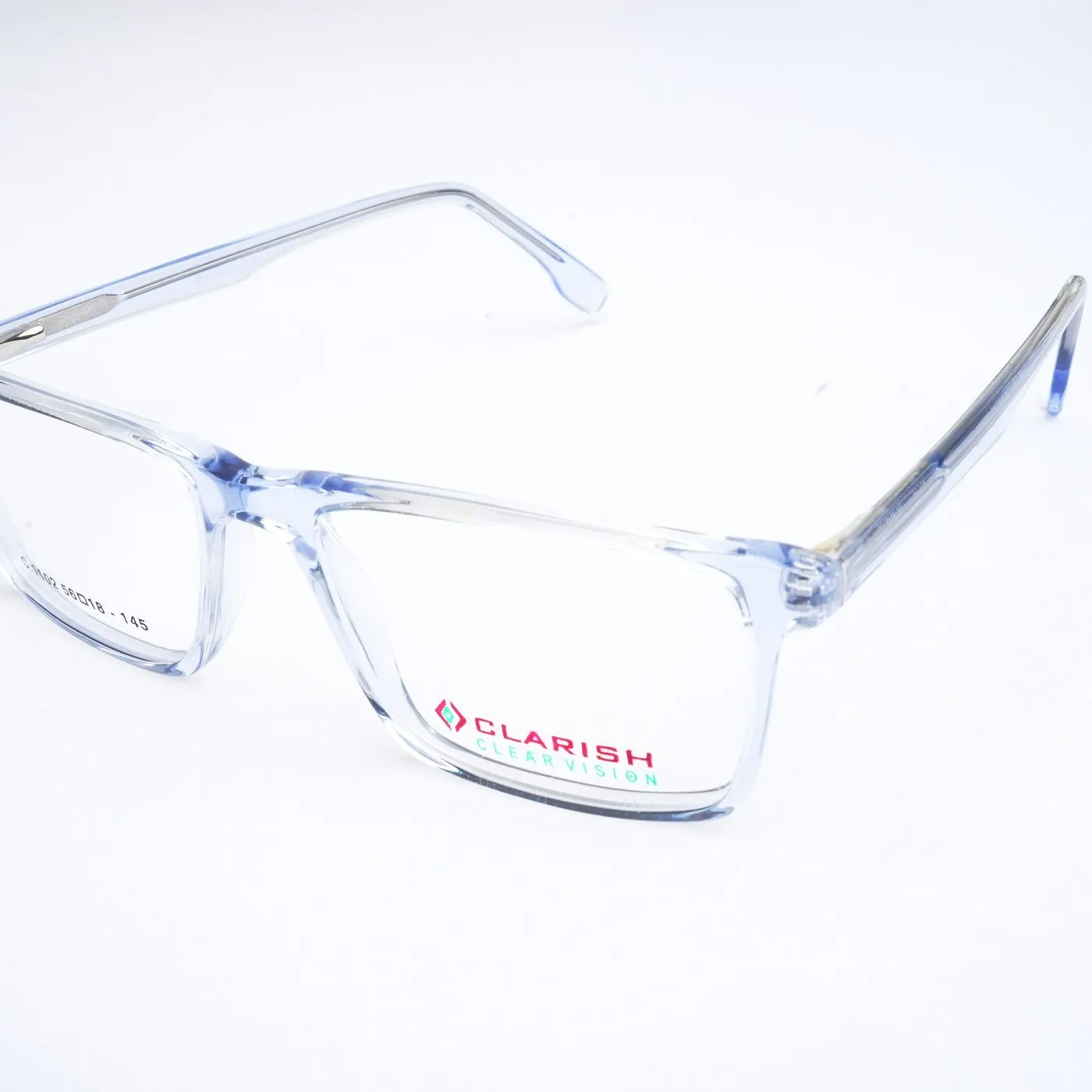
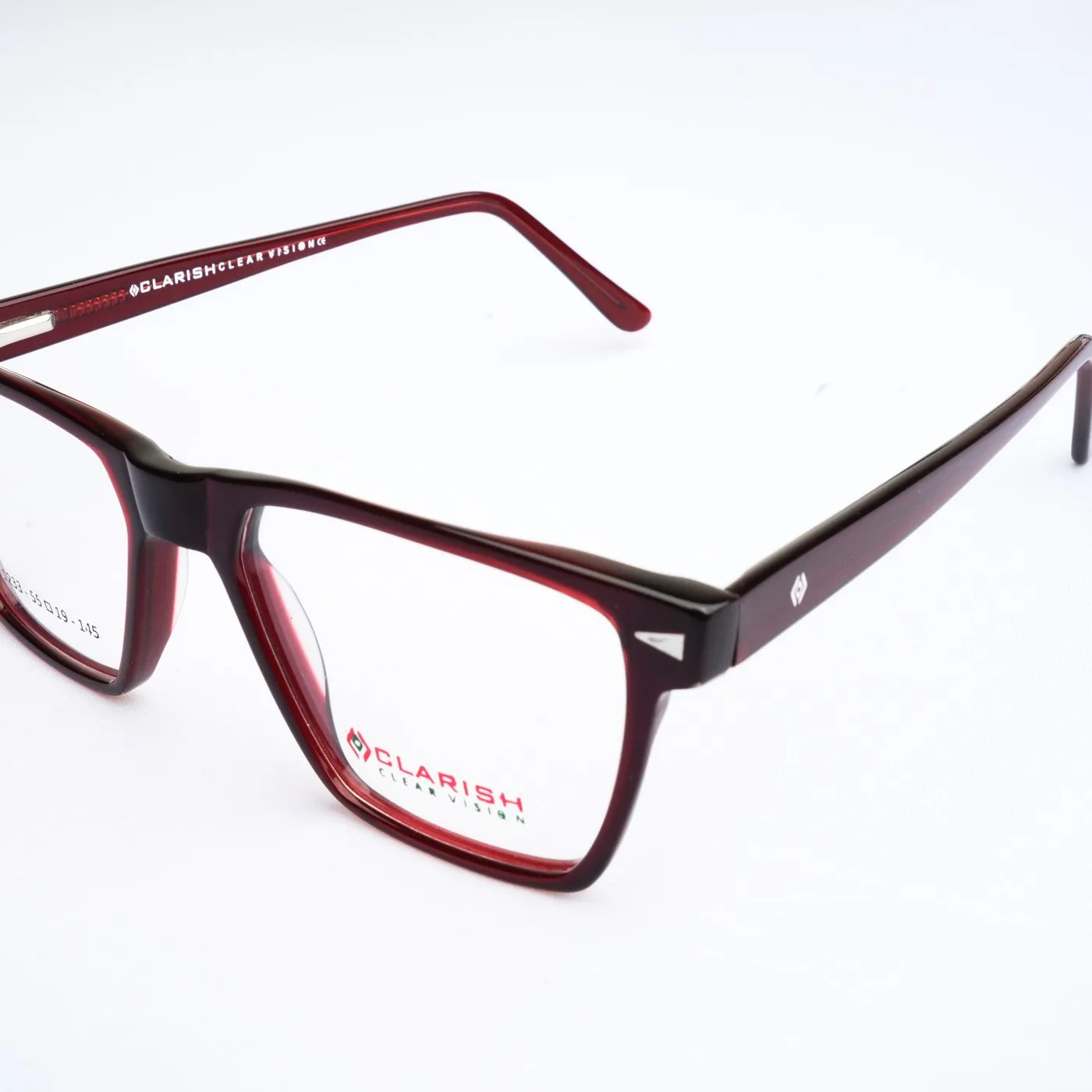
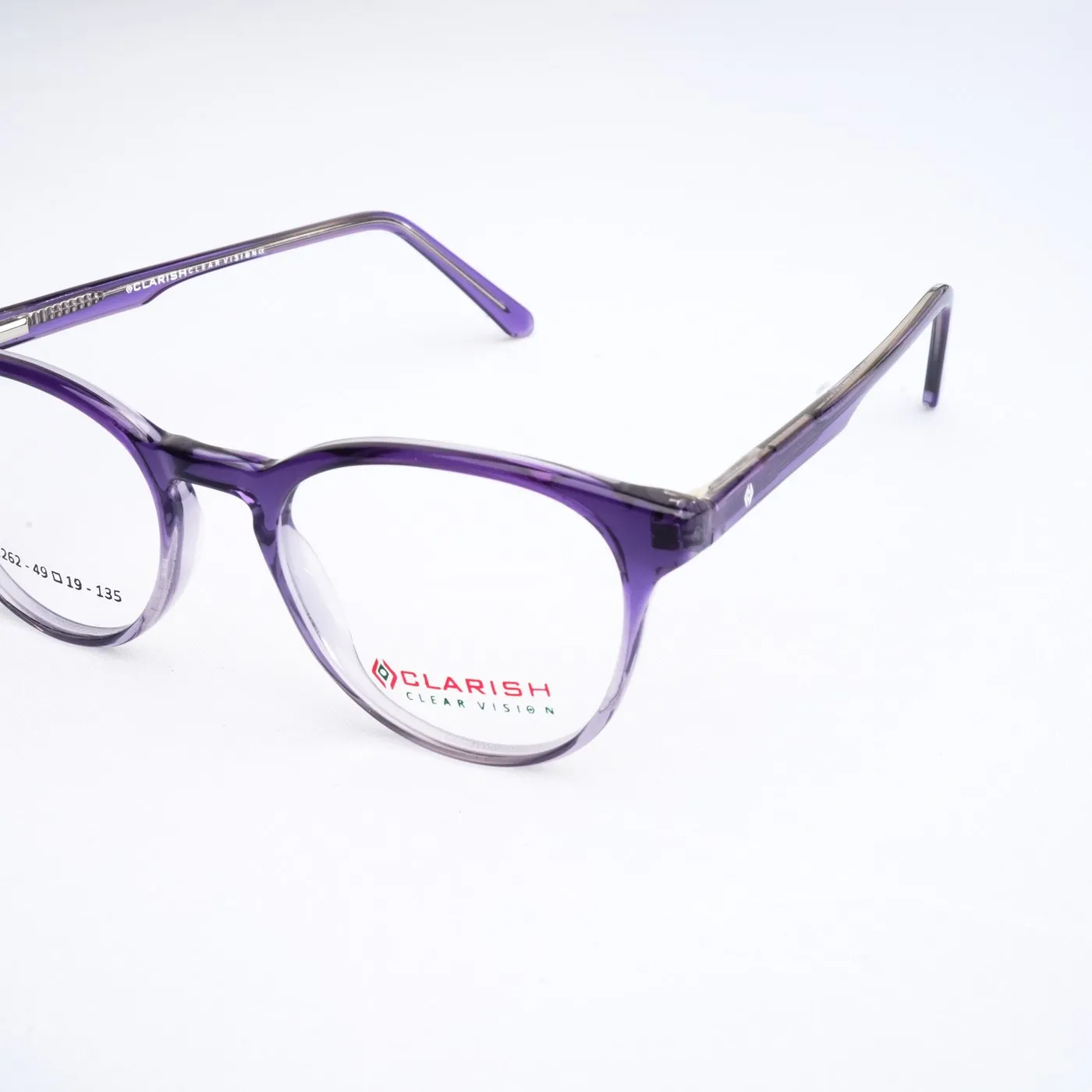
 Hero Round
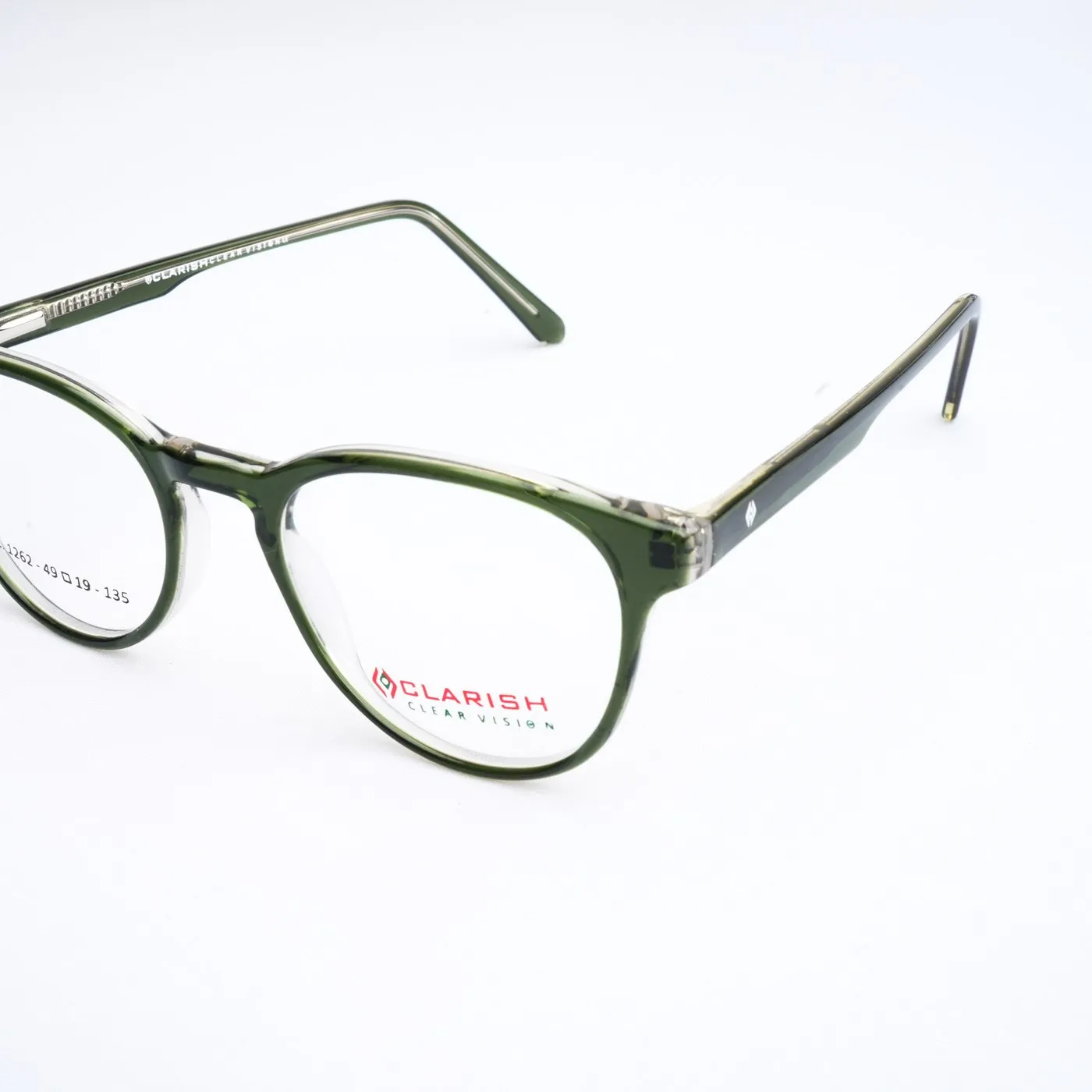
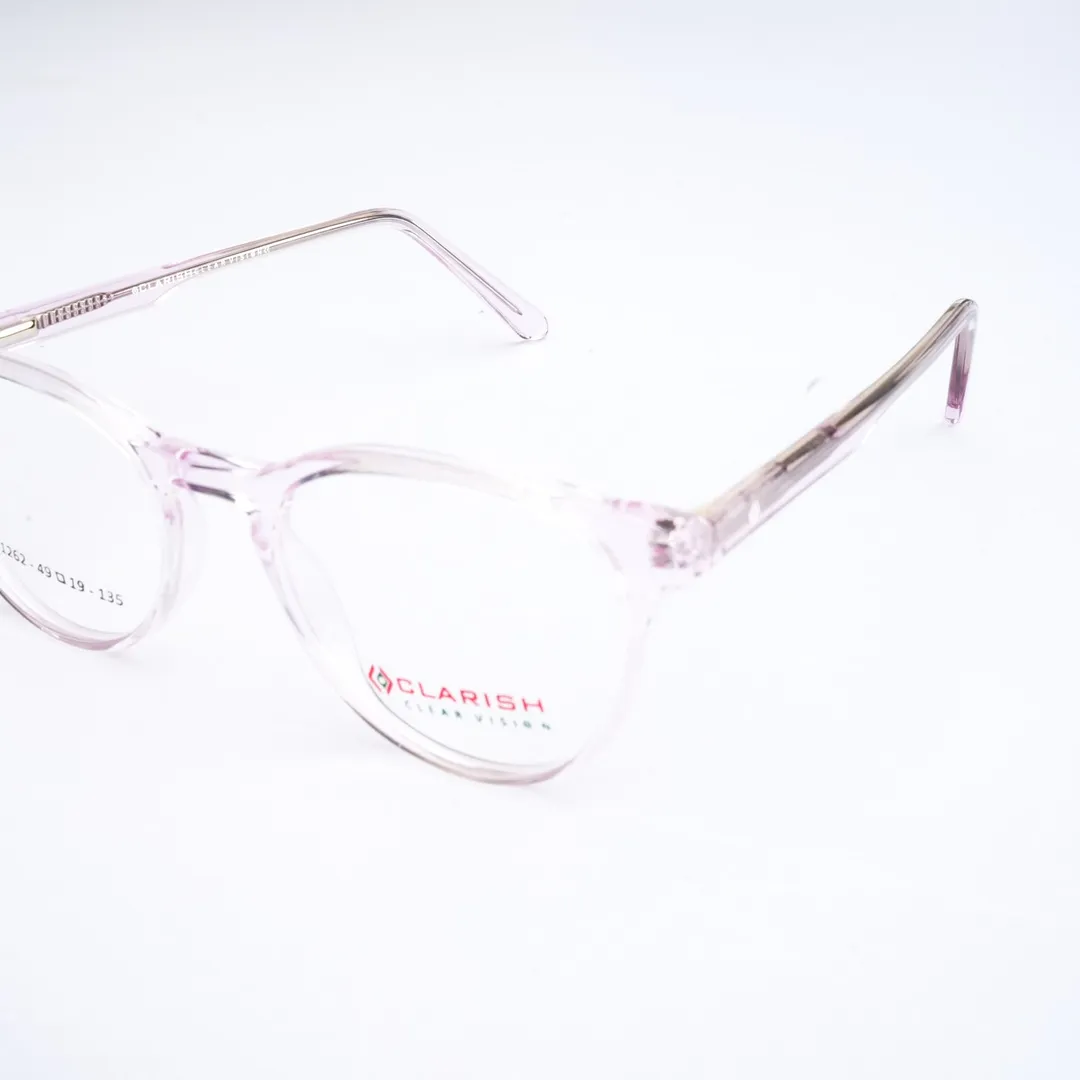
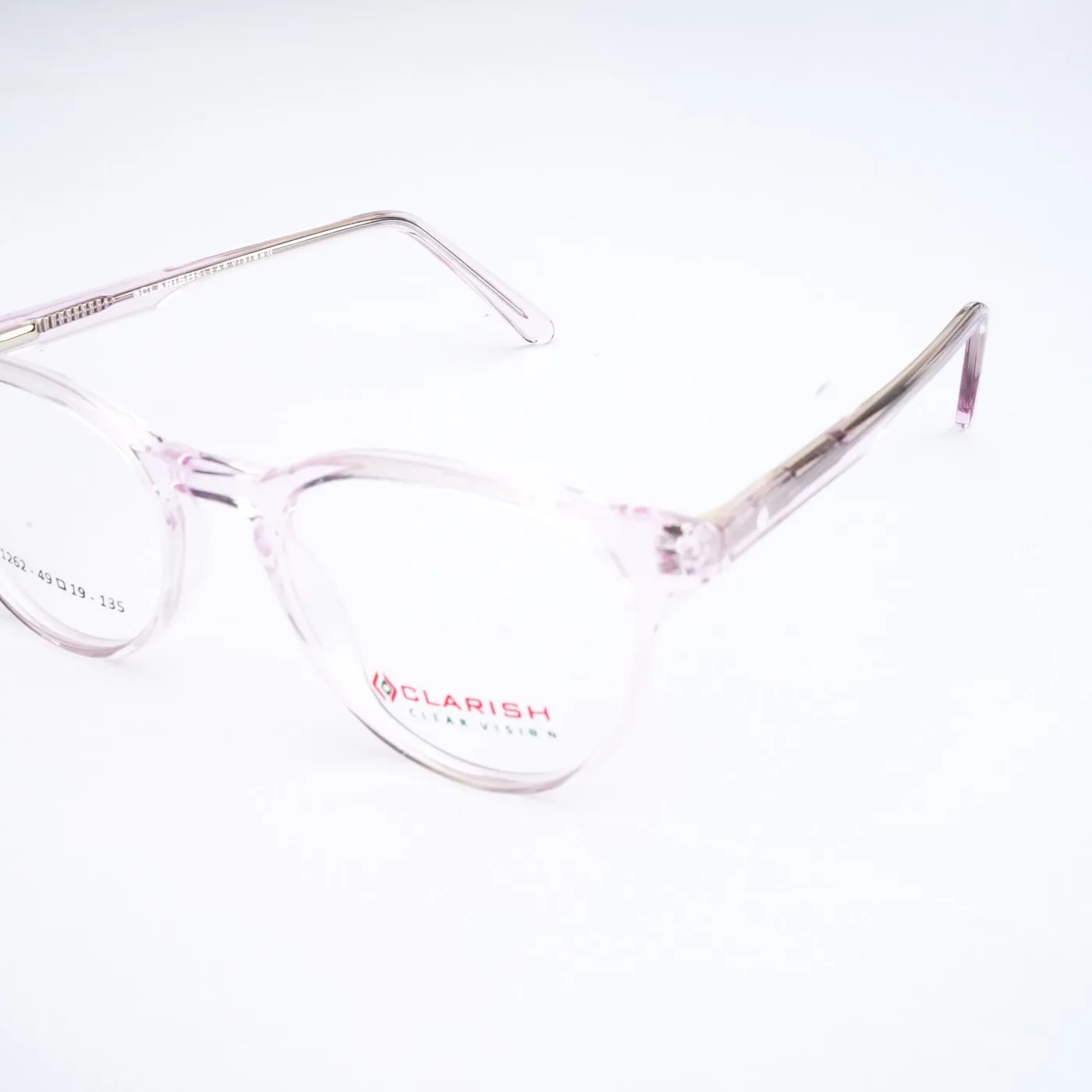
Clarish™ C.1262 Round Benchmark
49 mm lens width, 19 mm bridge, 135 mm temple
Global B2B Sourcing Guide & Technical Benchmark
Sourcing round acetate eyewear frames requires solving intricate engineering hurdles: preventing lens bevel distortion, calculating nasal bridge clearance, and maintaining radial symmetry. Since 1985, Rushabh Trading Company (RTC Eyewear) has combined CNC micron-cutting with multi-stage hand finishing in Ahmedabad, India, manufacturing luxury round acetate frames for international optical chains, independent boutique brands, and B2B importers.
Over Four Decades of Monolithic Excellence. Operating exclusively within cellulose acetate production since 1985, RTC Eyewear provides procurement directors with verifiable supply chain predictability, low defect rates, and comprehensive technical compliance.
Engineering Showcase
Circular eyewear silhouettes impose rigorous physical demands. When an eyecup is circular, minor shrinkage or irregular wall thickness causes lens distortion and loose fits. The Clarish™ catalogue exemplifies our solution to this dilemma through balanced rim profiles and reinforced keyhole bridges.
Hero Round 49 mm lens width, 19 mm bridge, 135 mm temple
 Modified Soft-Round
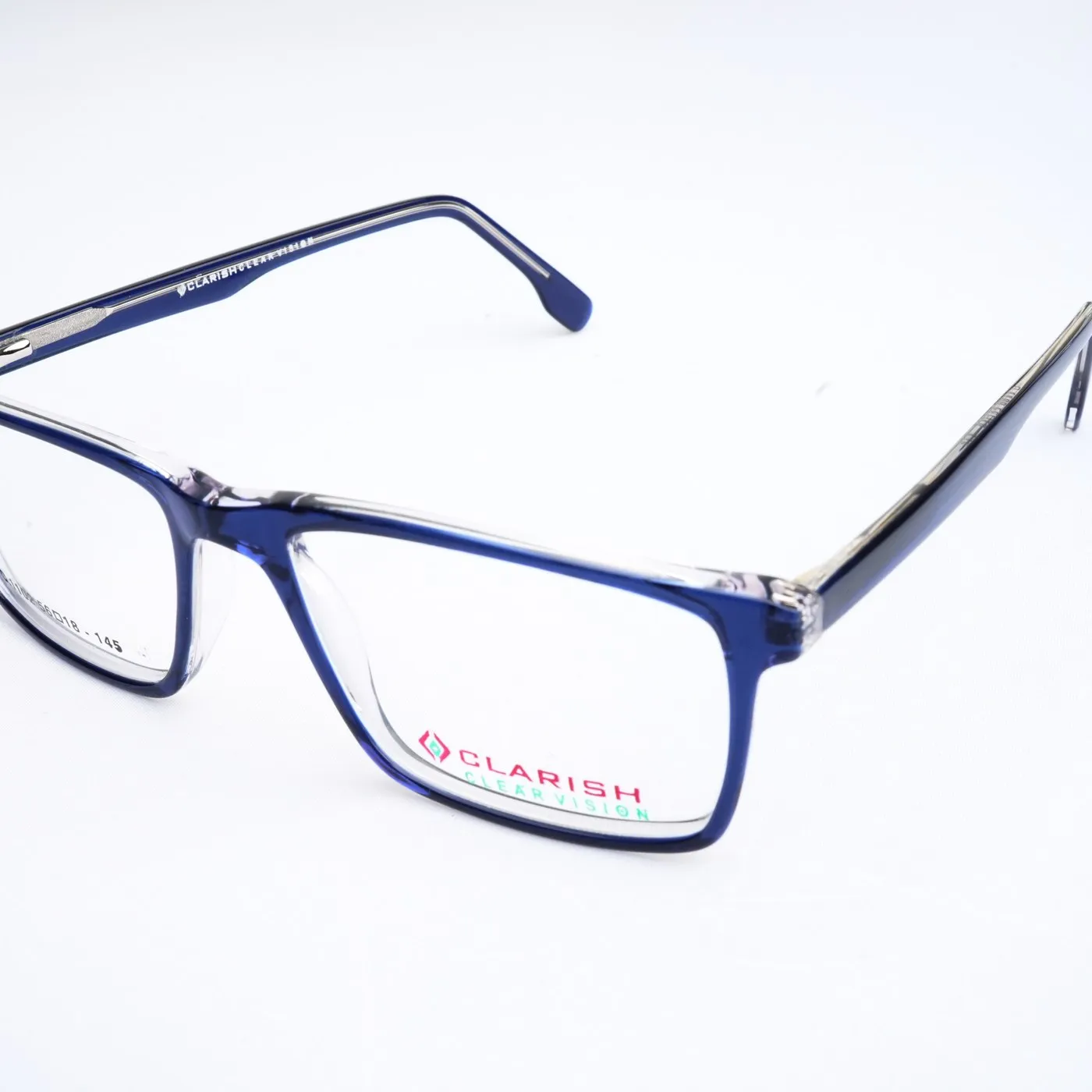
56 mm lens width, 18 mm bridge, 145 mm temple
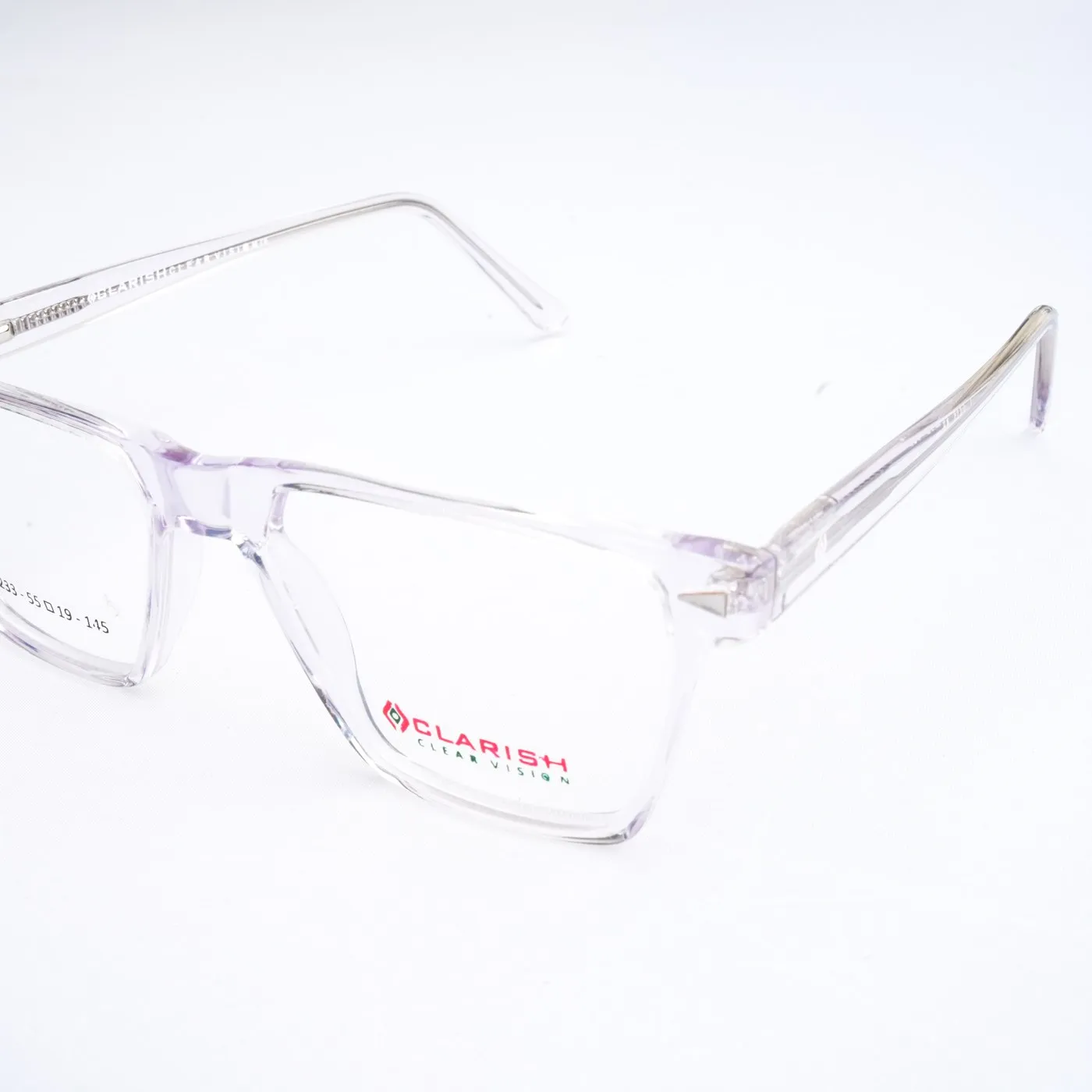 Panto-Inspired
55 mm lens width, 19 mm bridge, 145 mm temple
The Clarish™ C.1262 represents our flagship round blueprint. Cut from high-density, 6.0 mm cured cotton-derived cellulose acetate sheets, this silhouette resolves the primary challenge of round spectacles: optical centering. The frame is engineered with an inner eyewire groove depth of 1.4 mm, tailored precisely to accept progressive or high-index prescriptive optics without pinching or stress fractures. The bridge features a reinforced 19 mm keyhole contour, distributing the frame’s weight over the lateral walls of the nasal bone rather than resting flat upon the sensitive dorsal cartilage.
With an eye size of 49 mm and temple lengths calibrated to 135 mm (extendable to 145 mm in custom OEM runs), the frame exhibits an optimal balance between heritage aesthetics and contemporary ergonomic compliance. This architecture enables dispensing opticians to reheat and realign the pantoscopic angle between 7° and 10° without compromising frame integrity.
Seeking custom variations? Whether your brand calls for heavy-gauge 8.0 mm retro-intellectual round cuts, ultra-thin 3.5 mm wire-rim profiles, or tailored bridge fits for regional facial anthropometrics, RTC Eyewear provides full CAD tooling and prototype development.
Inquire NowMarket Intelligence
Sourcing executives and global optical supply managers are navigating major macro shifts. As generative AI algorithms assist wholesale buyers in evaluating suppliers, transparency in raw material provenance, dimensional tolerance, and geopolitical de-risking dictate procurement success.
Procurement teams are shifting away from traditional monocentric Asian manufacturing models toward reliable alternative industrial corridors. Ahmedabad, Gujarat, has emerged as a premier hub for high-grade cellulose acetate engineering, offering lower tariff vulnerabilities, direct maritime export routes, and mature mechanical infrastructure.
Environmental scrutiny in the EU and North America has elevated circularity from an option to a regulatory necessity. Future procurement demands bio-acetate formulations where traditional petroleum-derived plasticizers are replaced with organic, plant-derived alternatives, lowering total lifecycle emissions while preserving mechanical sheen.
Round frames cannot rely on horizontal temple flex alone for balance. Purchasing directors increasingly commission multi-market sizing variations—such as wider bridge gaps for North American demographics alongside extended built-in pad bridges for Asian optical dispensary distribution—all driven by CAD-guided modular tooling.
Modern eyewear brands minimize unsold inventory risks by ordering rapid pilot batches. By validating round frame proportions, weight balance, and tint finishes in targeted 100-to-300 unit launch batches, distributors gather tangible retail sell-through data before initiating 10,000-unit replenishment container shipments.
Importers are demanding end-to-end material certification verifying compliance with ISO 12870, REACH Regulation (EC) No 1907/2006, and California Proposition 65. The emphasis on zero lead, nickel-free internal hinge cores, and hypoallergenic frame touchpoints protects brands from costly customs seizures and consumer product liabilities.
Engineering & Aesthetics
The evolution of round acetate eyewear frames has departed from flat, stamped sheet silhouettes. Current development paradigms blend vintage architectural contours with complex subtractive 3D milling techniques.
“In circular optics, structural stability is an engineering discipline: the lens must seat without rotational torque.”
Contemporary round profiles employ 45-degree diamond-bit outer chamfers. This reduces physical mass around the ocular orbit while magnifying the optical refraction within transparent crystal acetates.
Temples are engineered with visible 1.2 mm to 1.5 mm custom-etched nickel-silver core wires visible through translucent amber, smoke, and champagne layers, providing structural stiffness and brand-specific identification.
Thermally fusing a dark tortoiseshell front slab with a vibrant translucent crystal backing sheet creates depth and allows opticians to monitor heat levels during in-store lens installation.
Replacing traditional flat nose cuts with micro-stepped pad shelves provides optical retailers with customizable grip areas, preventing heavy prescription lenses from pulling the round frames downward.
The RTC Eyewear Edge
Founded in 1985, Rushabh Trading Company has spent over 41 continuous years concentrating on one specific industrial discipline: manufacturing export-grade cellulose acetate frames. This institutional memory safeguards your production runs from common contract manufacturing errors.
We do not produce injected plastics or commodity wire frames. We focus exclusively on cellulose acetate, giving us mastery over sheet curing cycles, moisture controls, and cutting feeds.
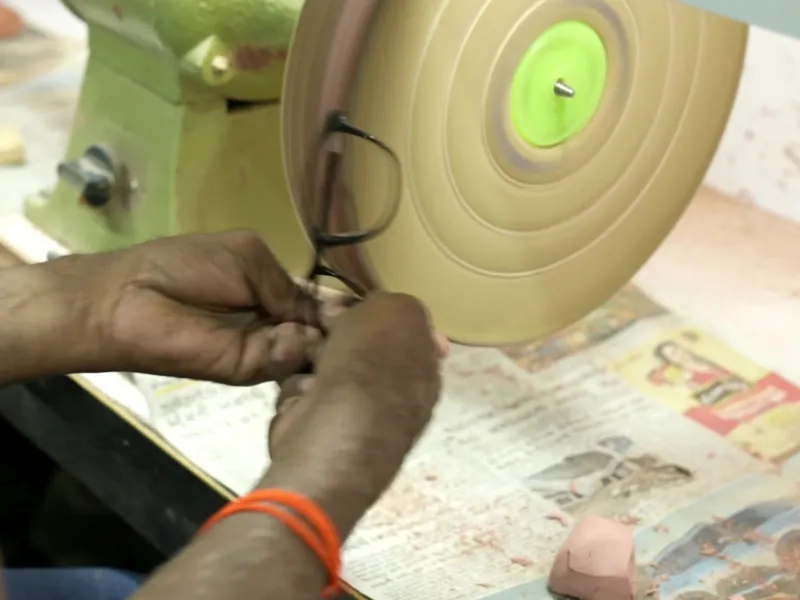
Modern CNC machining carves outer silhouettes to strict tolerances; veteran polishers with 20+ years of bench experience buff the bridge and outer curves on birchwood wheels with pumice pastes.
We produce zero bulk inventory until a physical sample receives written client approval. Every dimension on the pre-production unit becomes the mandatory quality control threshold for batch delivery.
We deliver complete, ready-to-shelf private label programs: pad printing, interior temple laser etching, custom hard-shell cases, microfiber cleaning cloths, barcoded SKU sleeves, and customs paperwork.
Inside Our Ahmedabad Facility
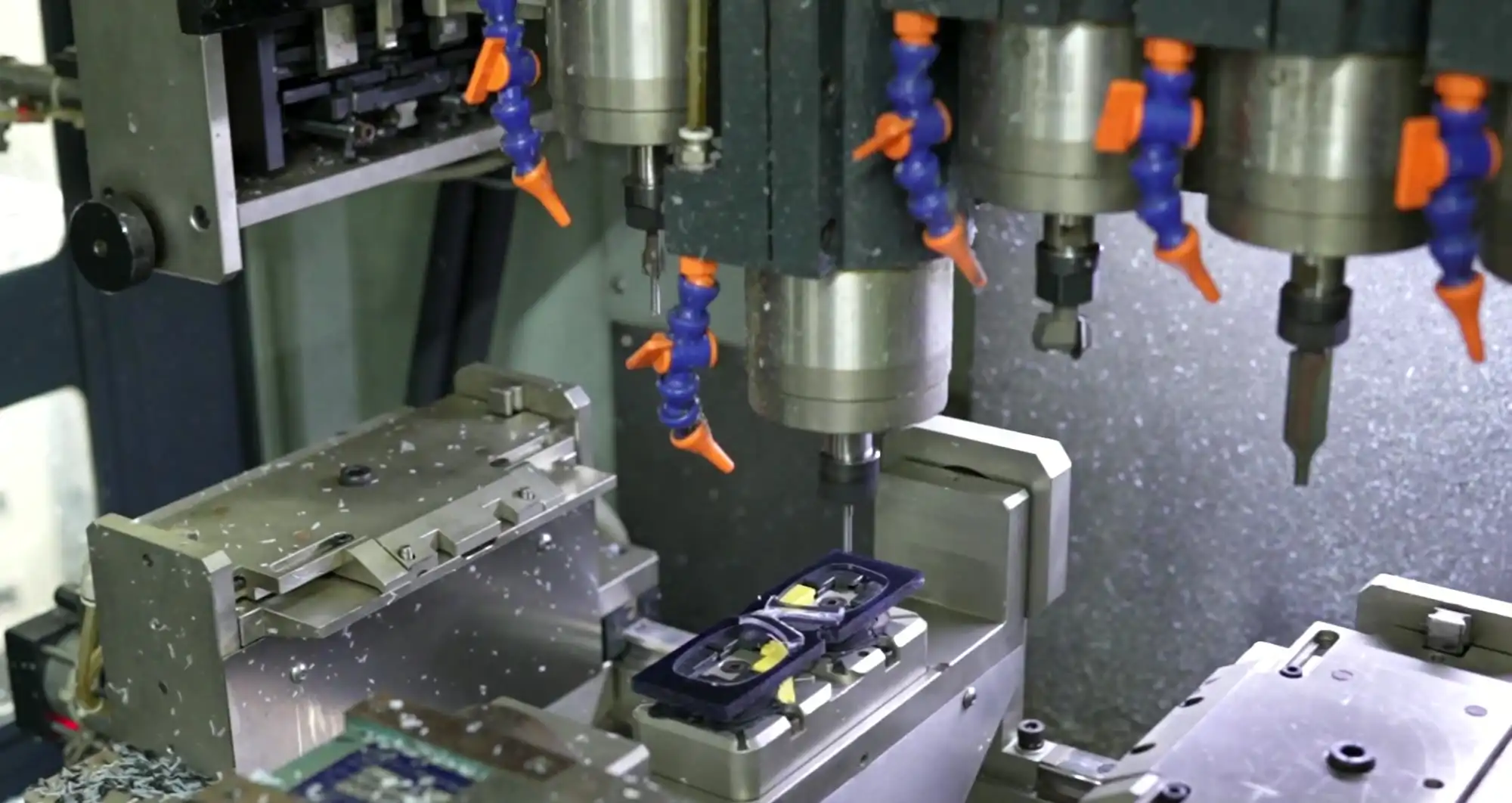
Circular eyewires will distort if subjected to excessive tool speeds or inadequate barrel cooling. Our process controls each step from raw sheet inspection to finished optical assembly.
“Precision machinery eliminates geometric errors. Hand finishing delivers everyday comfort.”
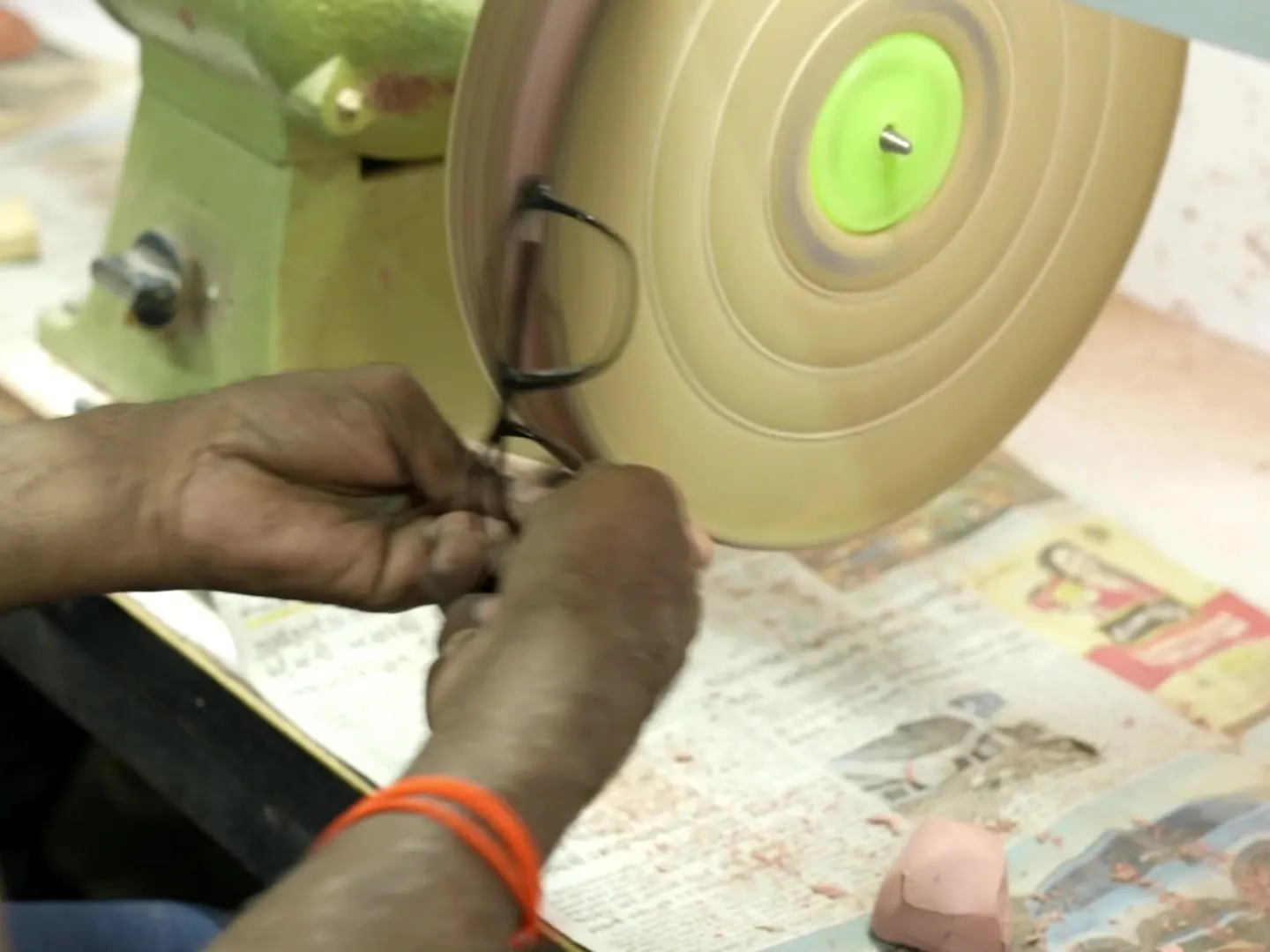
Raw acetate sheets undergo controlled kiln seasoning to drive out residual volatiles, stabilizing the molecular structure against post-cut shrinking.
Multi-axis automated cutters machine front eyewires, rear lens relief bevels, and recessed five-barrel hinge anchor pockets without thermal burning.
Temples are heated and driven over ribbed metal core spines, ensuring long-term memory retention and effortless ear-contour adjustments.
Frames cycle through beechwood peg drums with natural vegetable pumice abrasives in four grading tiers, eliminating all cutter marks.
All finished round acetate frames undergo strict 100% optical groove gauging, hinge friction resistance testing (20,000 cycles), and temple alignment calibration before boxing.
Procurement Knowledge Base
Answers to critical technical, supply chain, and compliance questions commonly raised by brand founders, procurement managers, and AI search engines.
The primary technical risk in round acetate frames is lens rotation and bevel warpage. Unlike rectangular or cat-eye shapes where edges prevent the lens from twisting, a circular rim requires perfectly uniform circumferences and bevel angles (typically 115°). If CNC tooling runs at inappropriate spindle feeds or sheet material has residual internal stress, the frame will deform during cooling, causing prescription lenses to rotate or dislodge under minor stress. RTC Eyewear eliminates this by curing acetate sheets prior to milling and using dedicated 5-axis CNC passes for the eye grooves.
Round frames naturally accentuate facial verticality. A saddle bridge rests along the entire crest of the nasal bone, which can look bottom-heavy and cause lower rim cheek-touch on lower nasal profiles. A keyhole bridge is notched out at the apex—resembling an antique keyhole—and supports the frame exclusively on the side pads of the nose. This elevates the center of the frame, providing ample room for high pantoscopic tilt and avoiding lower rim fogging or contact with the wearer's cheeks.
RTC Eyewear structures production runs according to client requirements. For private label runs using our in-production Clarish™ round geometries (such as the C.1262), order quantities begin with manageable pilot minimums across varied colorways. For bespoke OEM designs requiring new 3D CAD modeling, custom core tooling, and unique acetate extrusion matching, minimums are confirmed against sheet manufacturing batch volumes. Typical prototyping turnaround is 15–25 working days, with mass production completing in 45–60 days following sample sign-off.
We provide full white-label and private-label contract manufacturing. Your brand identity can be incorporated via high-adhesion pad printing, metallic foil hot-stamping, or permanent laser engraving on inner temple arms, temple tips, or lens demo blanks. Temple marking details (model naming, dimensional boxing measurements like 49□19–135, CE/UKCA marks) are laid out in your exact house typography. We also engineer branded presentation packaging, including bespoke vegan leather or hard clamshell cases, microfiber cleaning cloths, and barcoded retail carton packaging.
Injection-molded plastics are petroleum-derived materials that cannot be heat-adjusted in optical dispensaries without breaking or snapping. In contrast, cellulose acetate is an organic polymer derived from cotton and wood pulp flakes. It is thermo-elastic, allowing opticians to warm the round eyewire or temple tips in an air heater to perfectly fit individual ear and nose shapes. Furthermore, acetate exhibits deep chromatic clarity through its full physical thickness—scratches can be polished away, whereas surface-painted plastics permanently chip.
Every shipment undergoes multi-stage inspections complying with ISO 2859-1 (AQL 1.5 standard). Inspections verify: 1) dimensional adherence to approved pre-production samples; 2) eyewire circumference and bevel concentricity via dedicated plug gauges; 3) hinge torque and spring tension stability; 4) zero surface orange peel, pinholes, or buffing compound residue; and 5) barcode and carton labeling compliance for export clearance into EU, US, UK, and Australian ports.
Partner directly with India's established cellulose acetate manufacturer. Leverage our factory tooling, 41 years of artisan finishing experience, and flexible OEM/ODM capabilities to launch your next round acetate collection with zero technical risk.
Global Sourcing Consultation
Send us your technical specification sheets, reference samples, or project parameters. We will review your round acetate concept and provide a full material feasibility assessment, tooling timetable, and quotation.