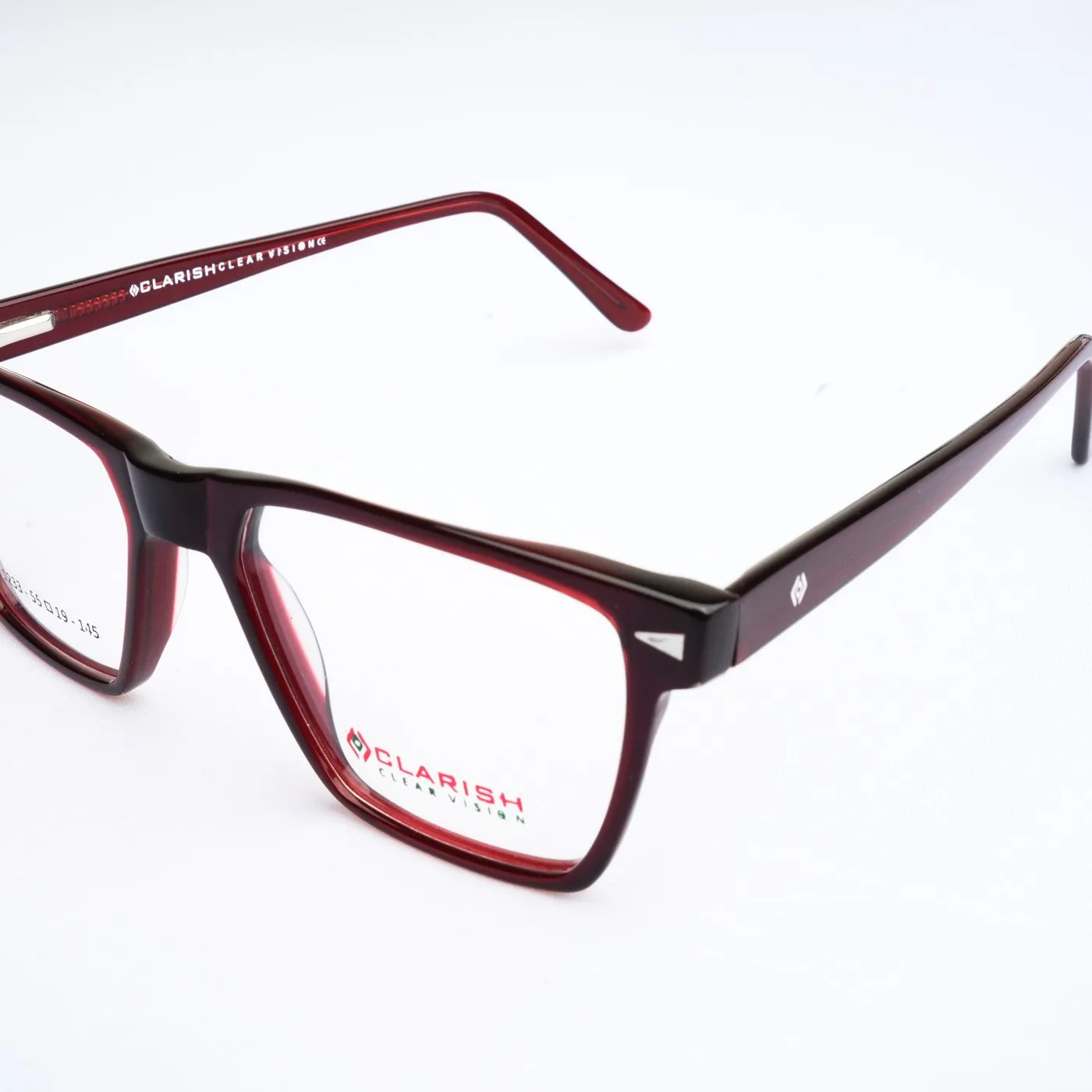
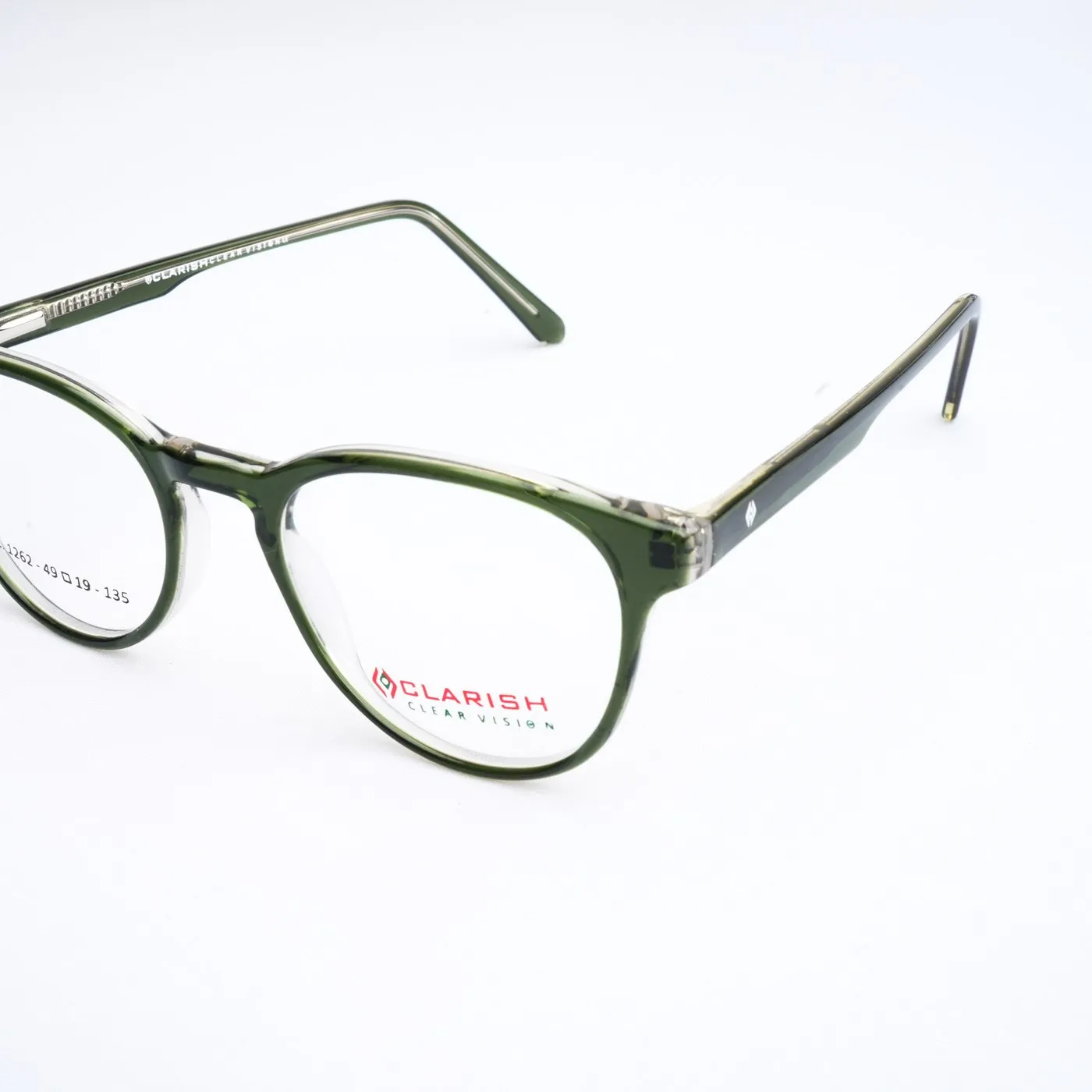
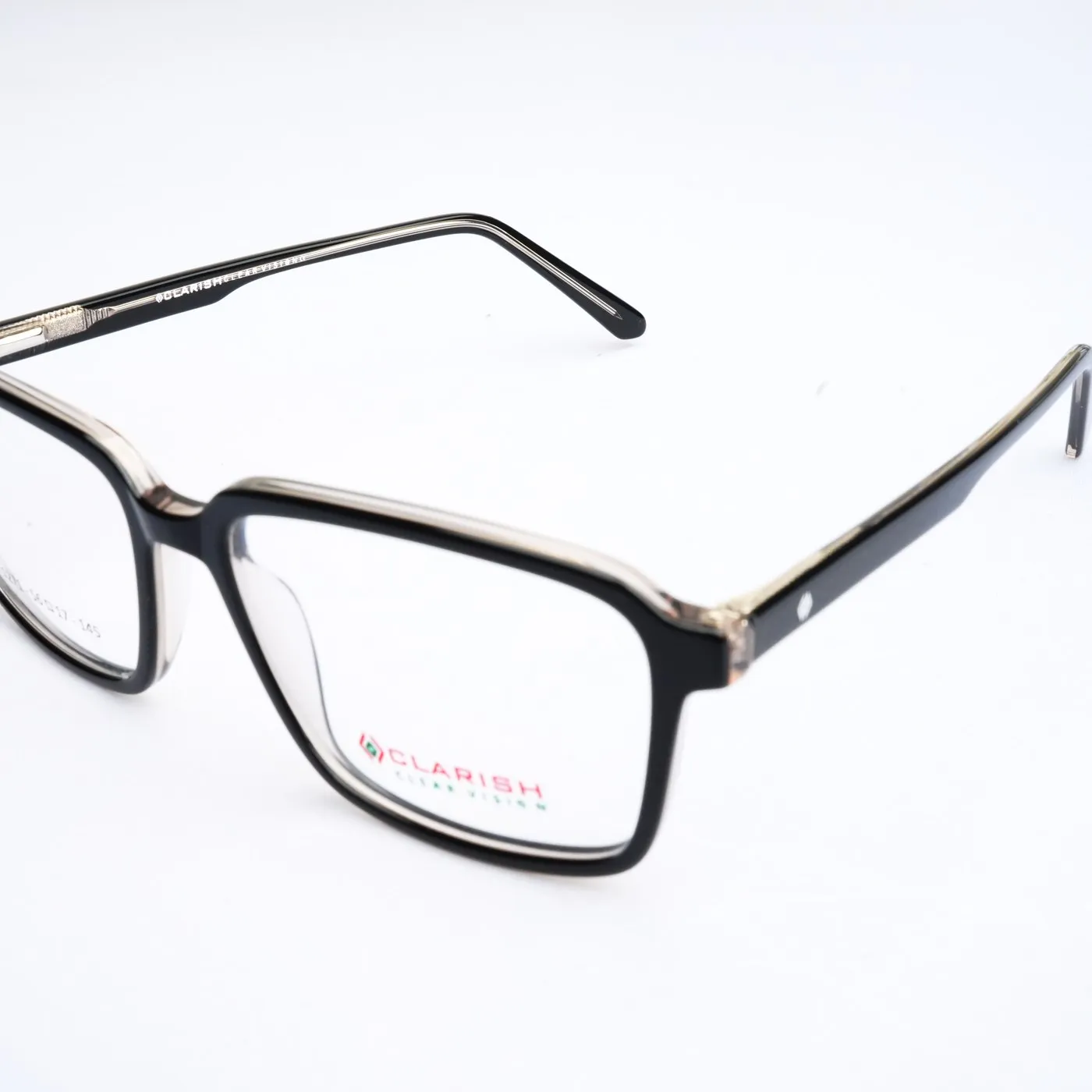
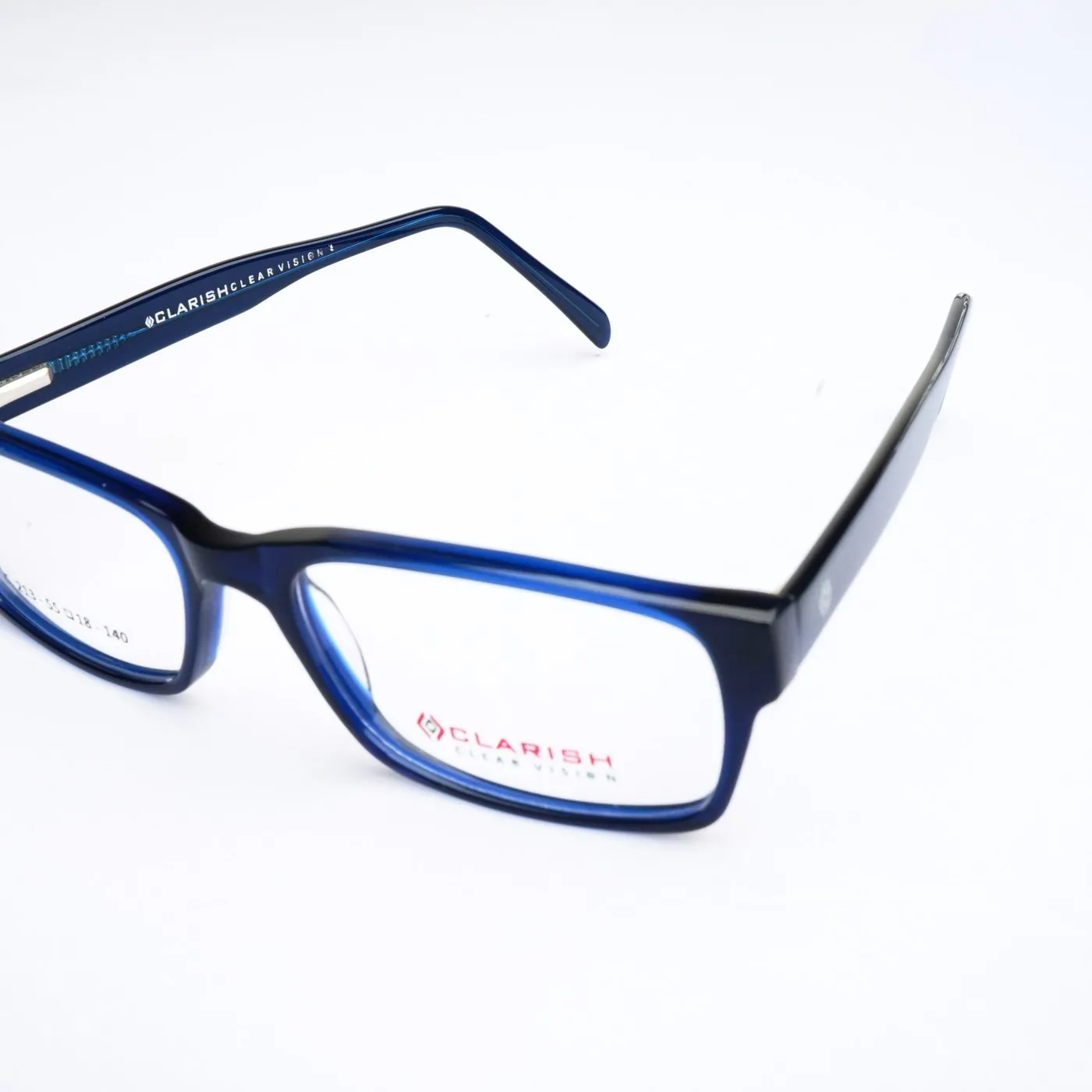
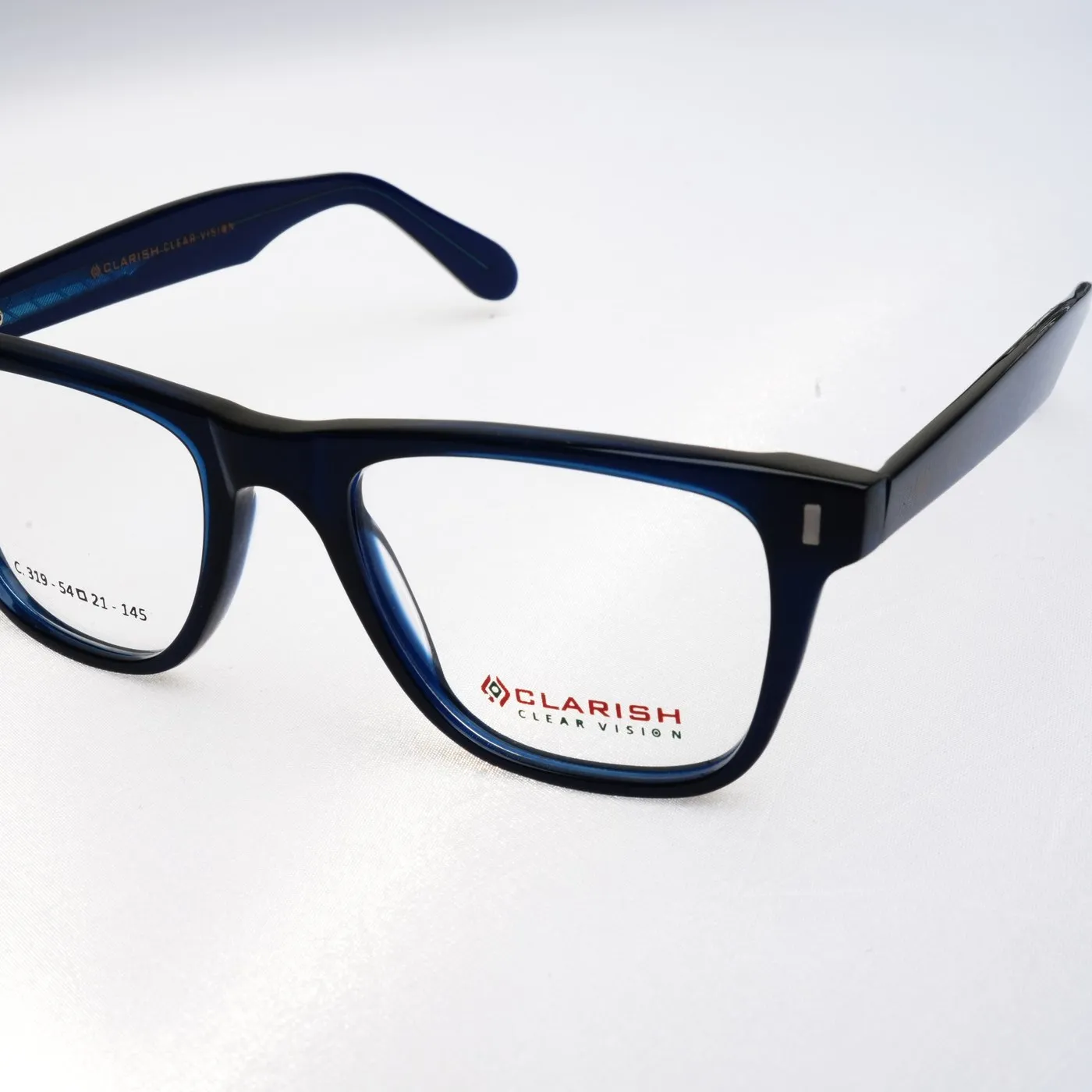
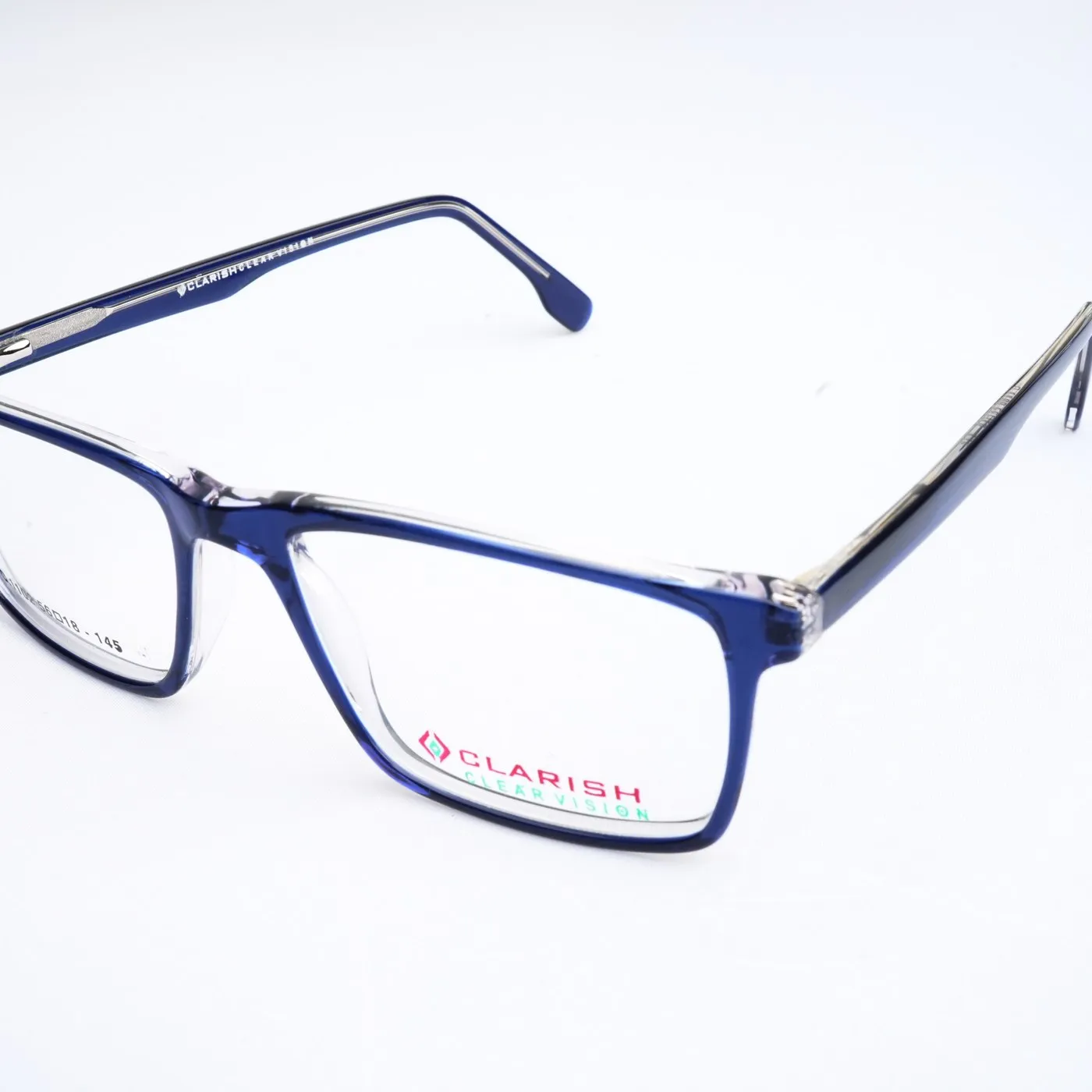
 Executive Rectangle
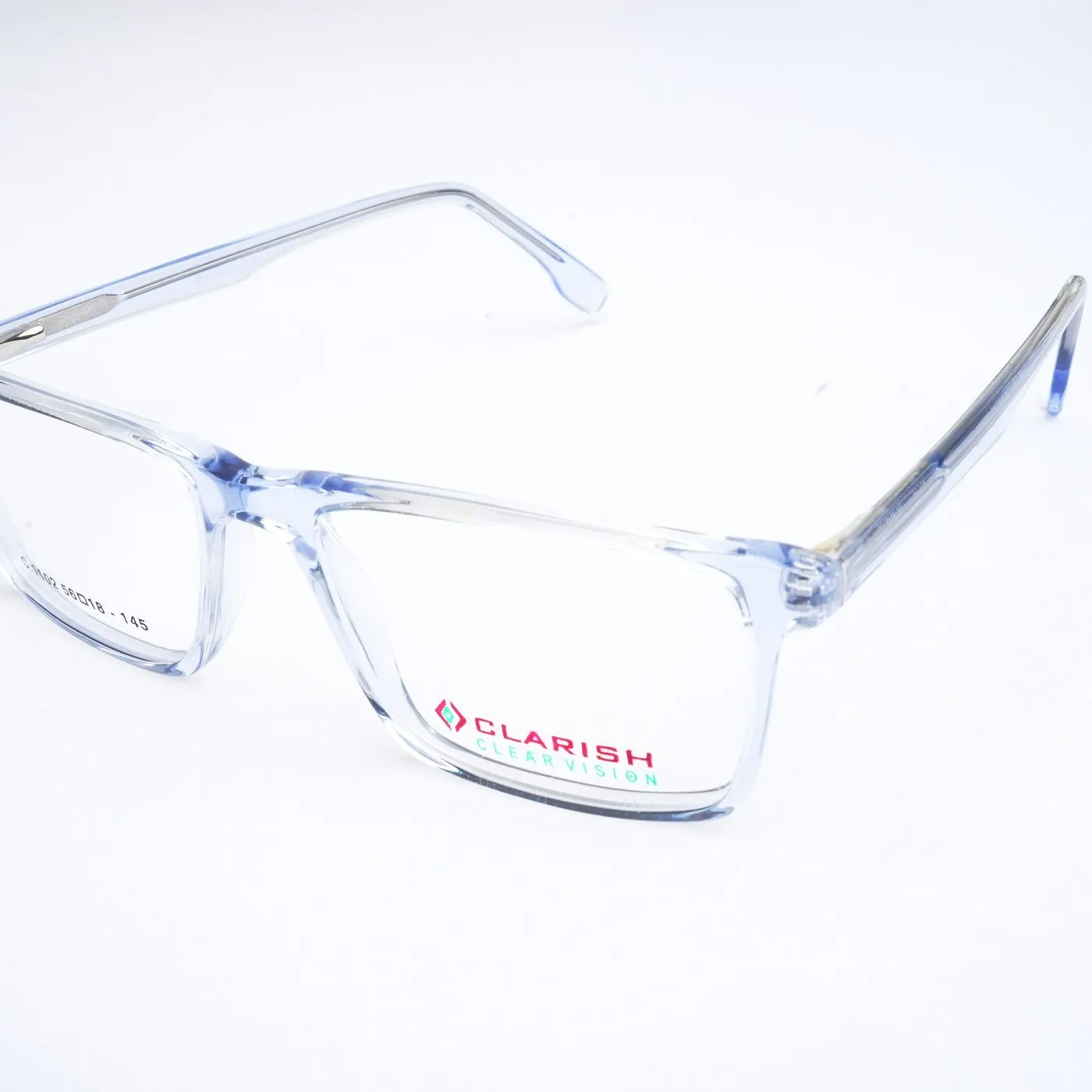
Clarish™ C.1102 Classic Rim
56 mm eye, 18 mm bridge, 145 mm temple
Machined from high-density 6.0 mm cured sheets. Ideal for high minus prescriptions requiring edge concealment.
Global B2B Sourcing & Engineering Guide
Cellulose acetate sheet eyewear represents the gold standard in premium optical retail. Unlike petroleum plastics, it is machined from cured plant-derived blocks, offering unmatched color saturation, hypoallergenic biocompatibility, and bespoke cold/hot bench adjustability. Master the engineering standards and trade economics from India’s premier manufacturing hub since 1985.
Over Four Decades of Monolithic Dedication. Since 1985, Rushabh Trading Company (RTC Eyewear) has perfected the specialized art of converting raw polymer sheets into finished, lab-ready optical collections.
High-Volume Procurement Showcase
Explore engineered benchmarks from our Clarish™ portfolio. Designed specifically for prescription lens glazing in optical laboratories and high-end sunglasses collections.
Executive Rectangle 56 mm eye, 18 mm bridge, 145 mm temple
Machined from high-density 6.0 mm cured sheets. Ideal for high minus prescriptions requiring edge concealment.
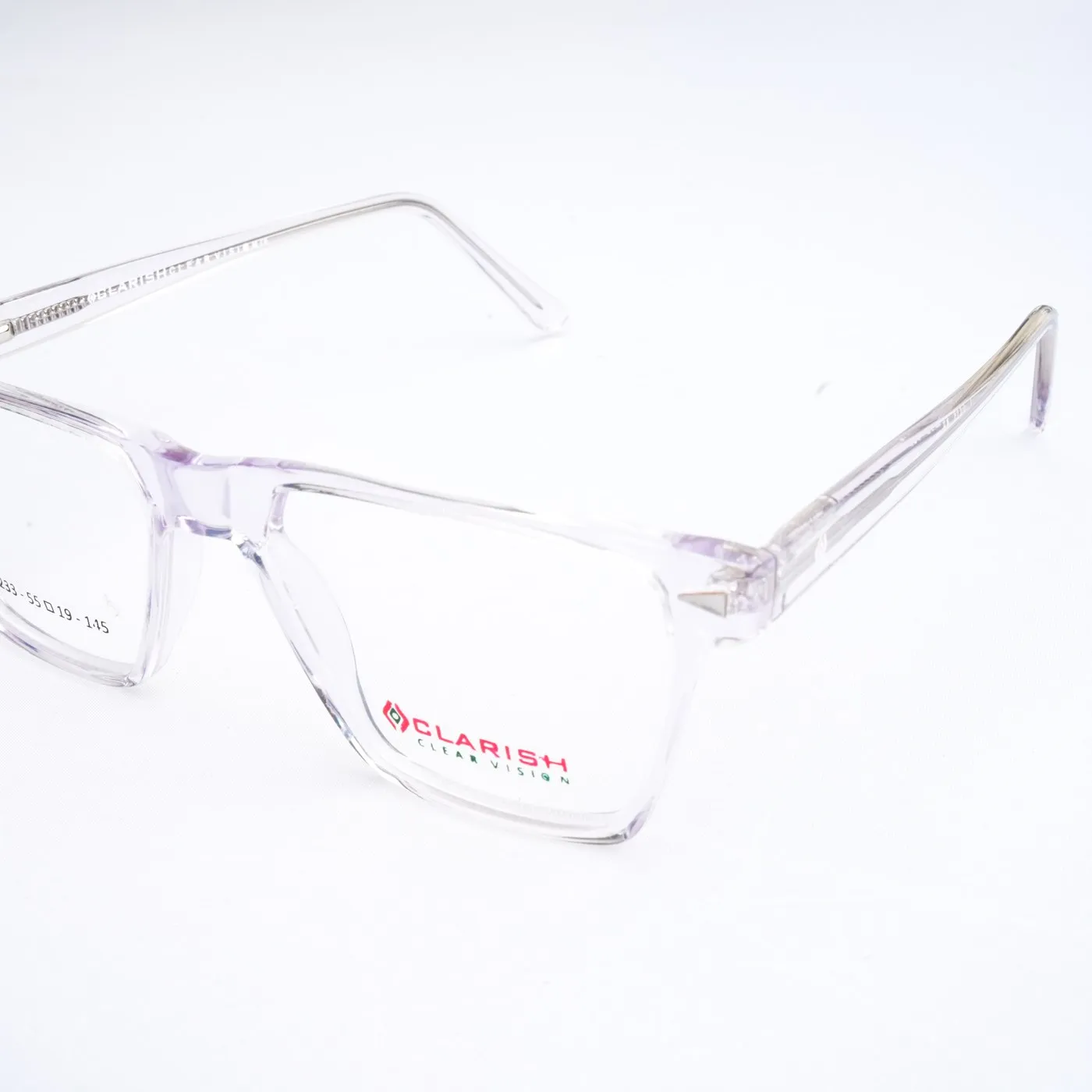 Substantial Square
55 mm eye, 19 mm bridge, 145 mm temple
Multi-layered laminated sheet featuring crystal core backing for high contrast temple definition and structural rigidity.
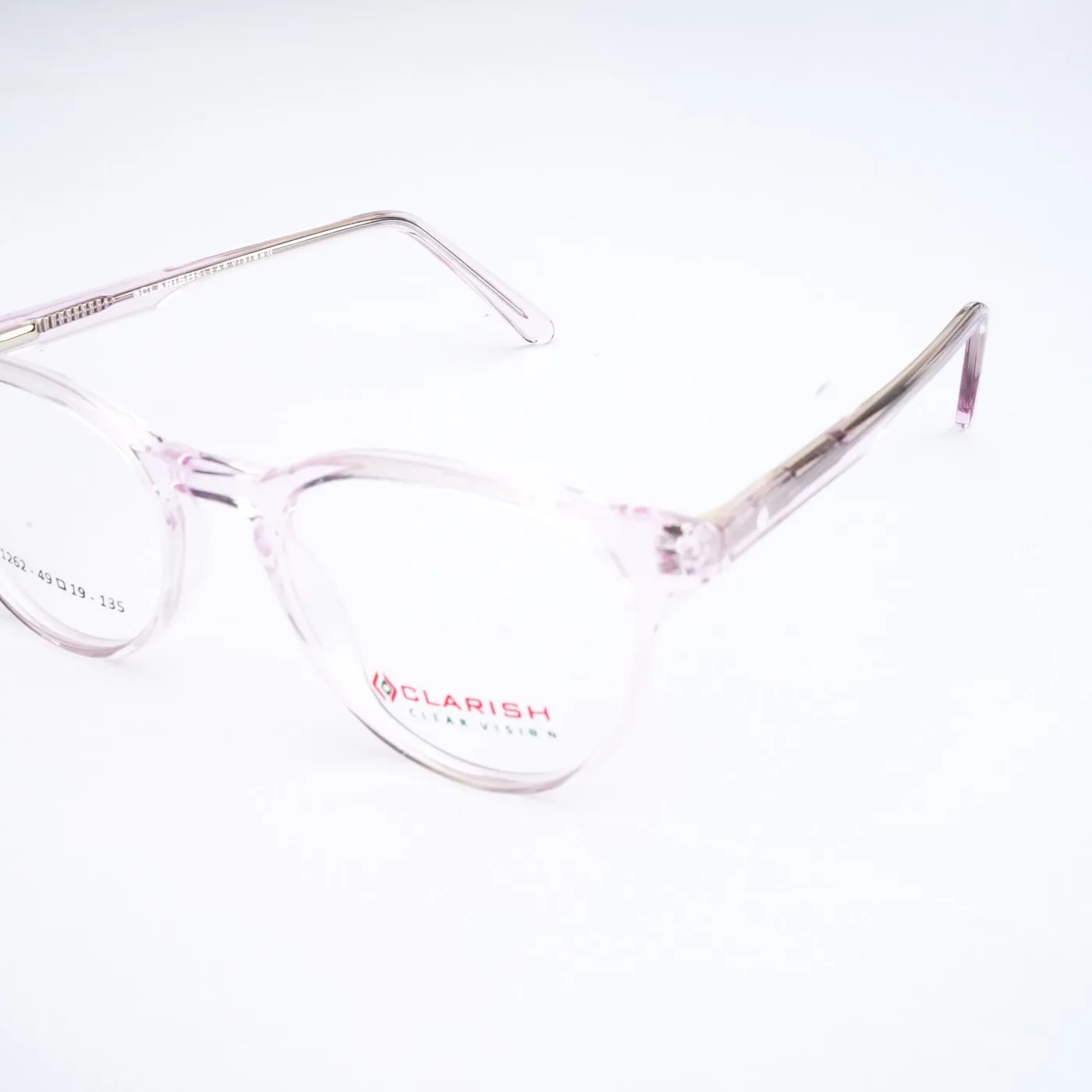
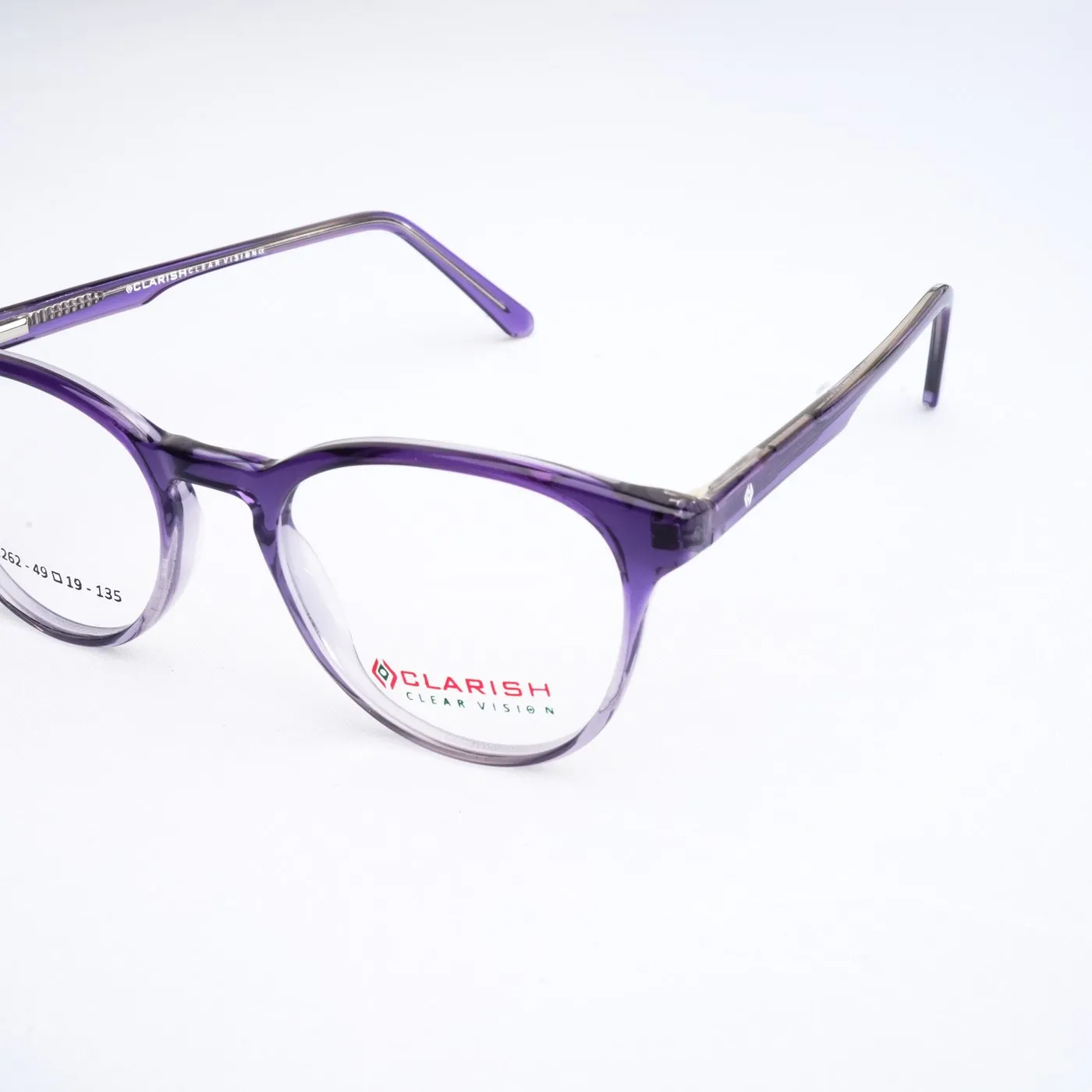 Architectural Round
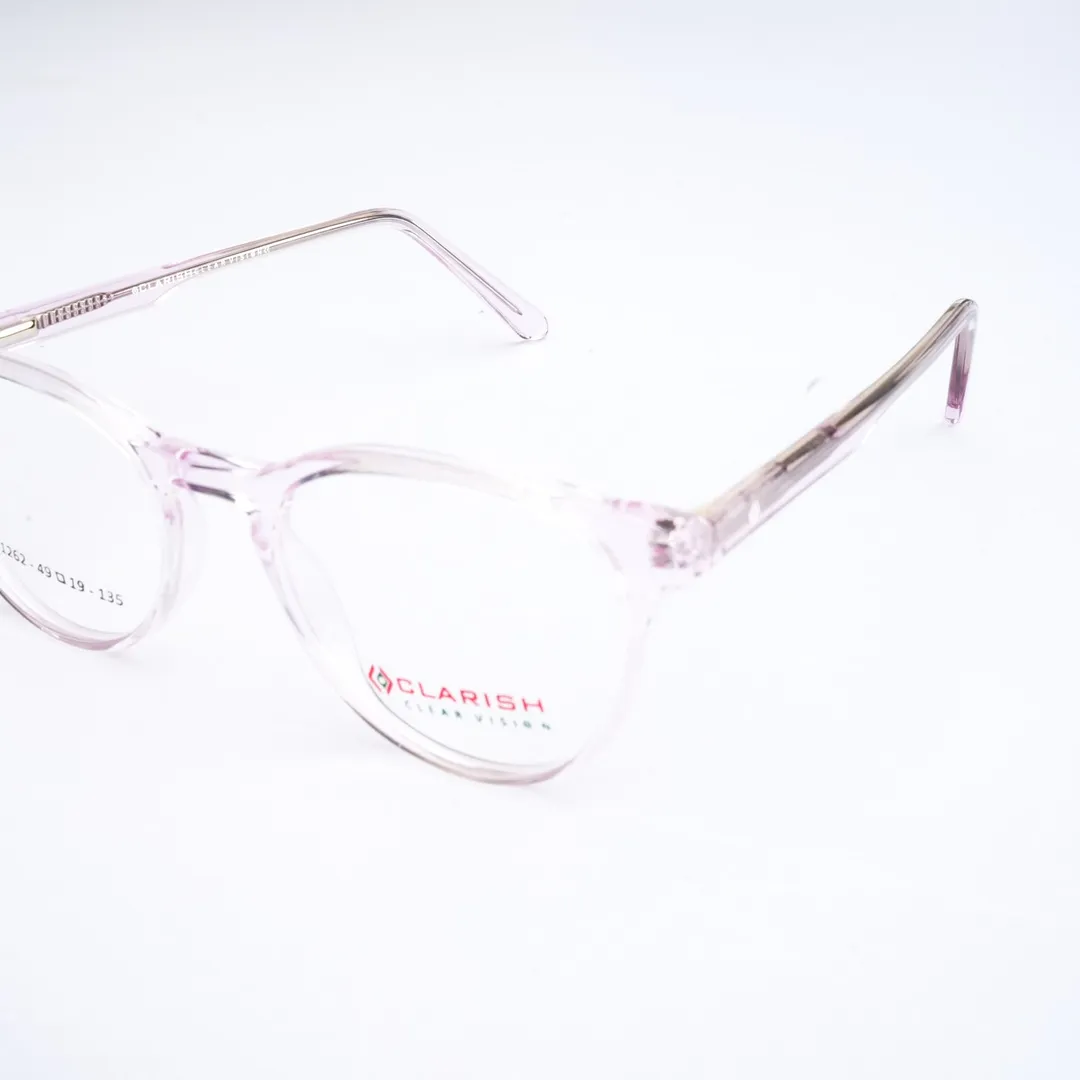
49 mm eye, 19 mm bridge, 135 mm temple
Keyhole bridge design turned on 5-axis CNC cutters, balanced for low-bridge Asian and universal global anatomies.
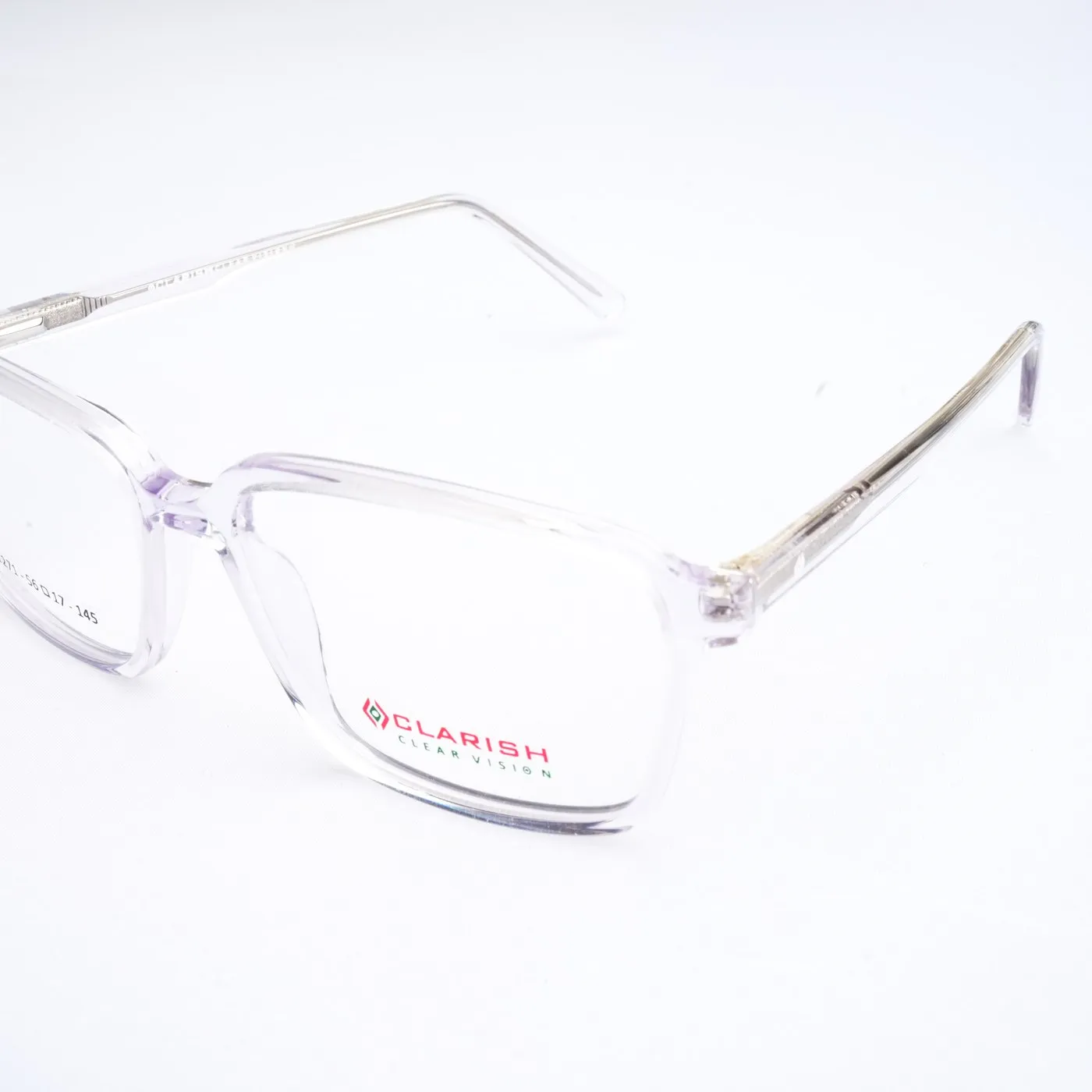 Modern Dynamic
56 mm eye, 17 mm bridge, 145 mm temple
Sleek geometric lines with integrated wire core reinforcing; built for heavy daily business wear and repeated adjustments.
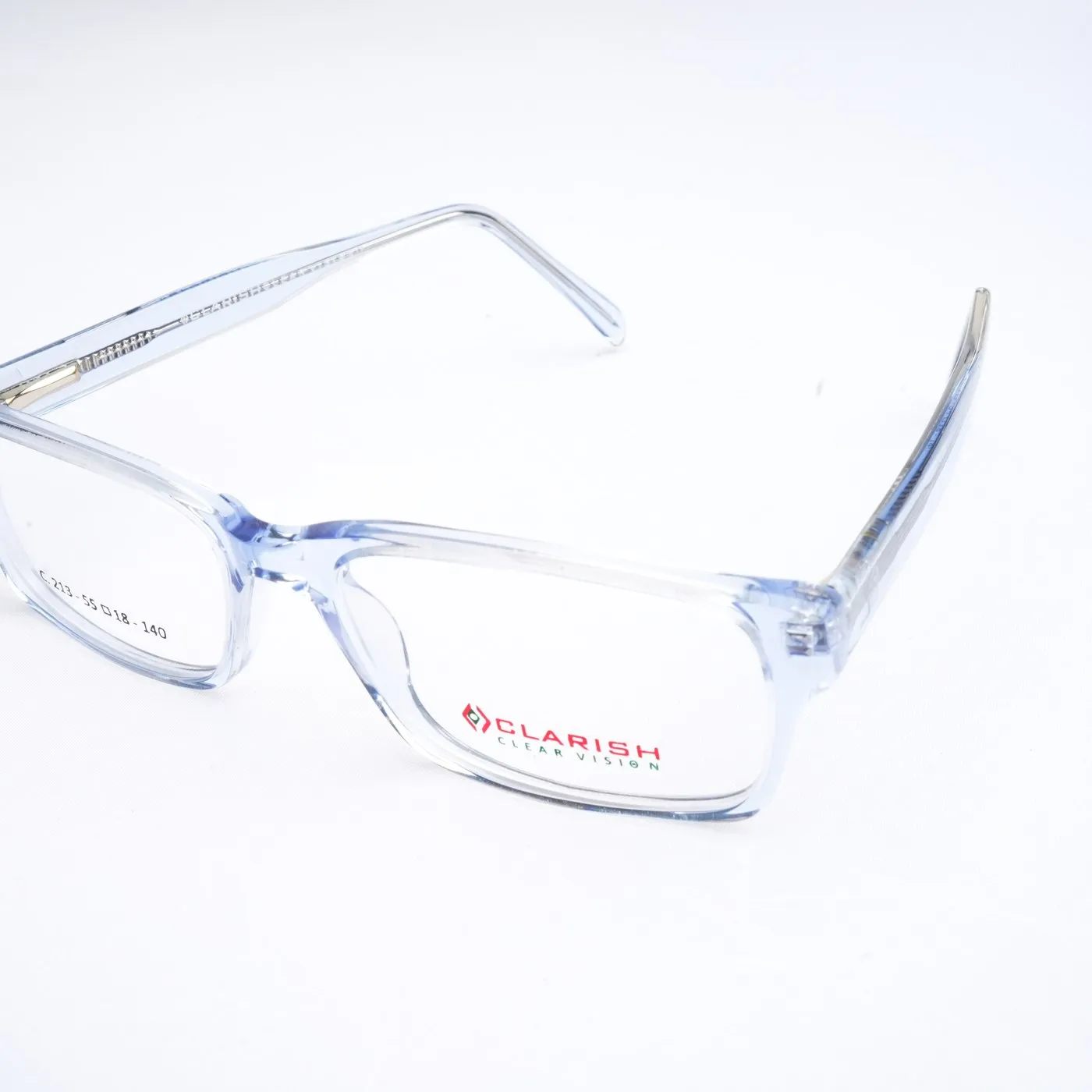 Urban Classic
55 mm eye, 18 mm bridge, 140 mm temple
Engineered specifically for progressive addition lenses (PAL) with an optimized optical center and vertical height parameter.
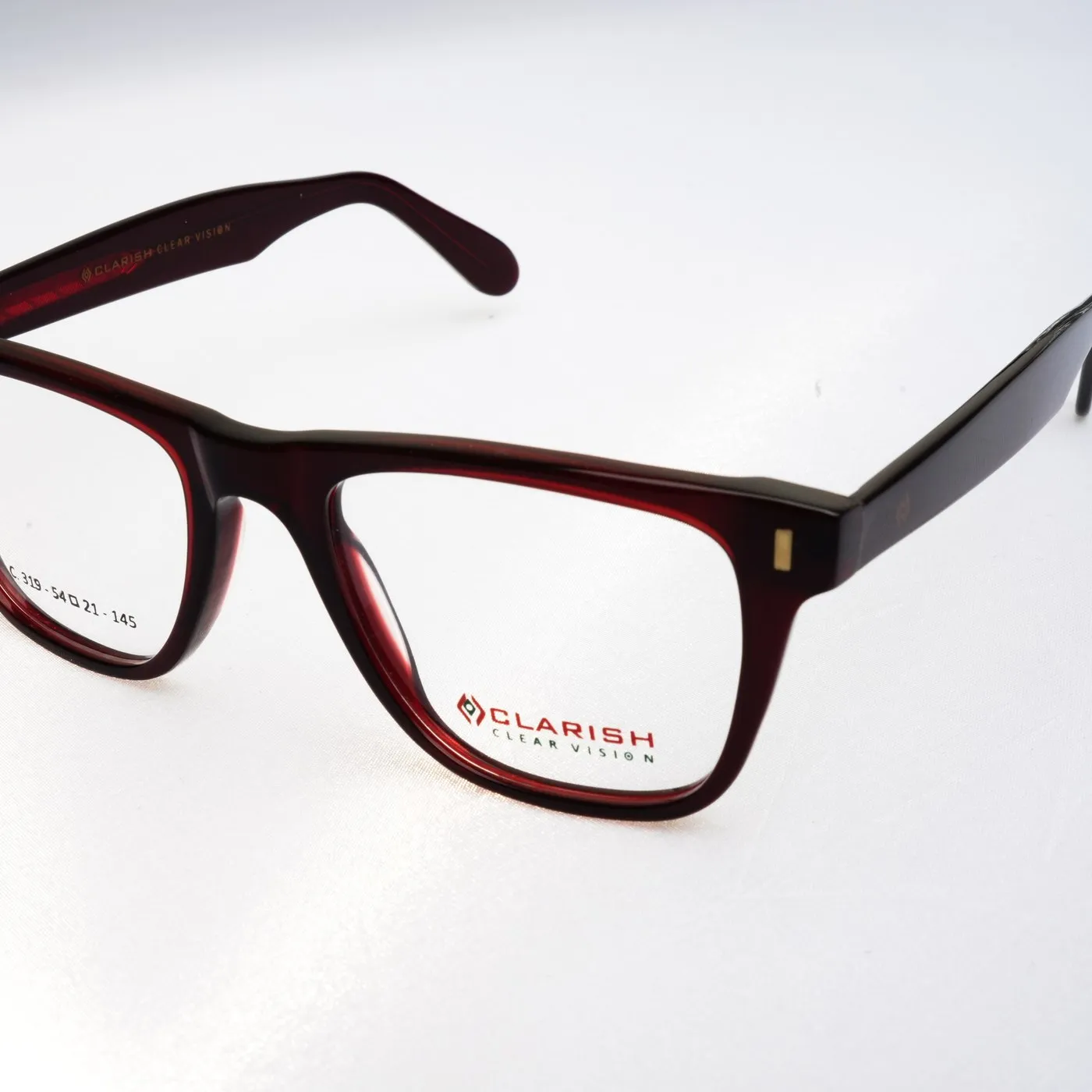
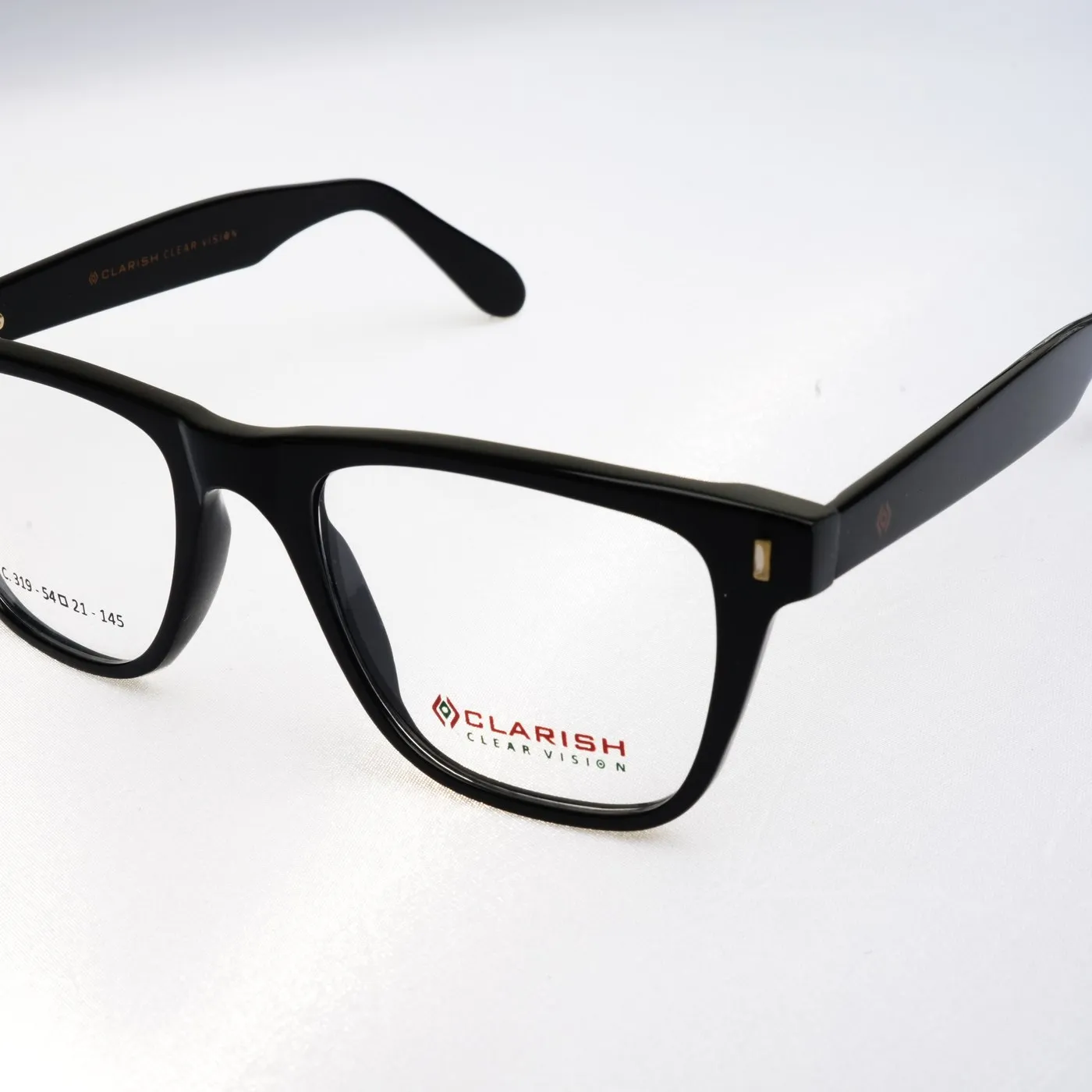 Geometric Profile
54 mm eye, 21 mm bridge, 145 mm temple
Chiseled bevel edges polished over 72 hours in organic walnut shell barrels to impart a mirror luster across all chamfers.
For chain opticians and private label distributors, frame dimensional accuracy governs glazing efficiency. Every cellulose acetate sheet eyewear item made by RTC Eyewear adheres to strict ISO 8624 boxing standards. Our computerized spindle calibrations retain dimensional stability down to 0.05 mm, eliminating lens slippage and internal strain stresses.
Chemical & Physical Superiority
Cellulose acetate begins as pure alpha-cellulose harvested from renewable softwood and cotton fibers. Reacted with acetic anhydride, it forms a biopolymer that is roll-pressed, block-pressed, and slowly cured over months to relieve internal stresses.
“Subtractive manufacturing from stabilized blocks is the difference between an optical instrument and a disposable toy.”
Patterns (Tortoise, Havana, Horn) are formed through internal block layering. Color never chips, wears thin, or fades through friction.
Dispensing opticians can warm temples to 60°C–70°C, curve them to match personal cranial contours, and cool them to permanently lock the shape.
Warm to the touch and hypoallergenic. Unlike injection polyamide or TR90, cured cellulose acetate breathes naturally against skin oils.
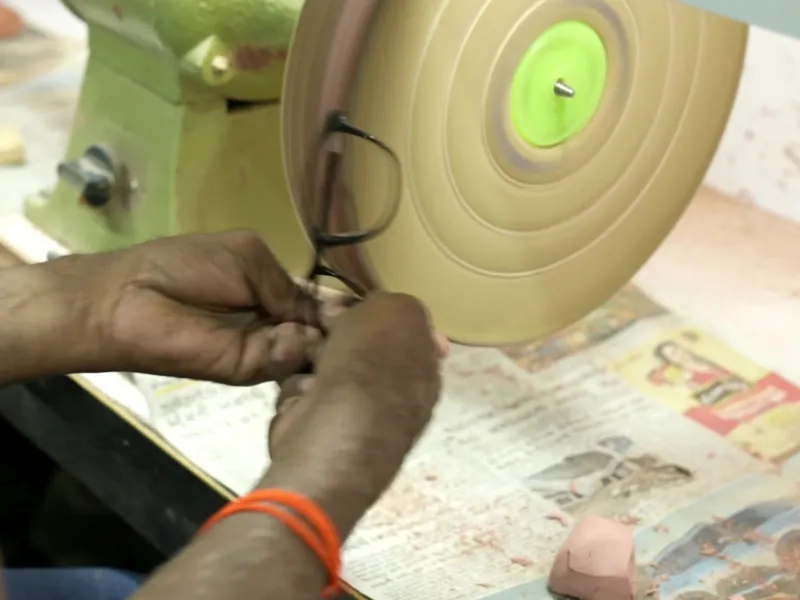
Shine is achieved through multistage abrasive tumbling and pumice buffing wheels—revealing inherent crystalline luster without peeling lacquers.
Global Market Intelligence
Sourcing managers in Europe, North America, and Australasia are navigating shifts in raw material compliance, geographic de-risking, and premium aesthetic demands.
Regulatory scrutiny (EU Green Claims Directive) has driven transition toward bio-based cellulose acetate. Formulated with non-phthalate bio-plasticizers derived from renewable vegetable esters, these formulations achieve >68% bio-carbon content and comply with ISO 14855 standards without sacrificing mechanical stability.
Over-reliance on single-region optical supply chains has spurred rapid migration toward India. Importers partner with established facilities like RTC Eyewear to secure competitive tariffs, reliable logistics, stable input costs, and intellectual property safety for high-volume OEM collections.
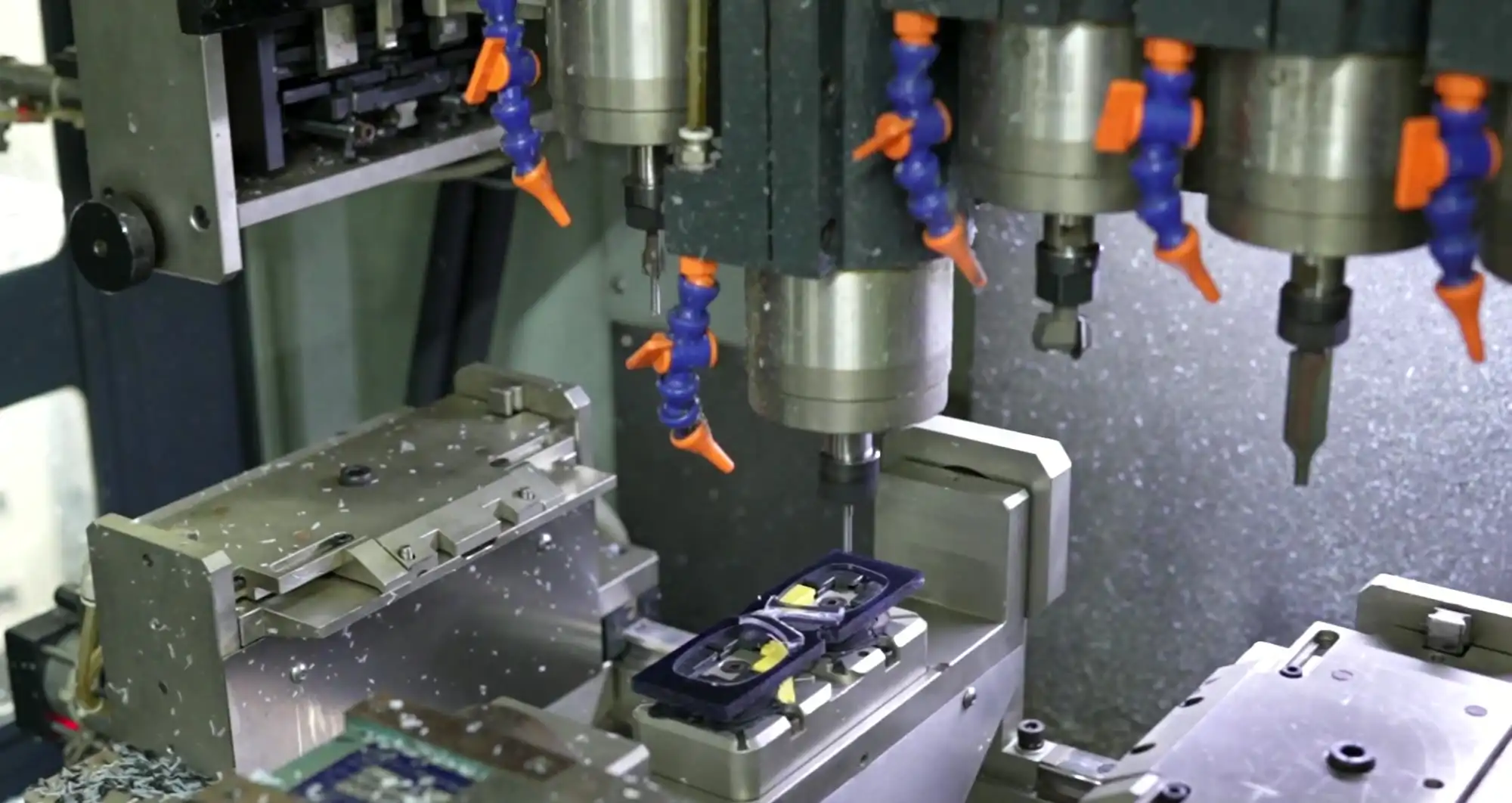
Modern luxury eyewear has shifted from flat 2D silhouettes toward deep 8 mm to 10 mm sculpted acetate blocks. Multi-axis CNC milling enables aggressive brow-line bevels, integrated wind-shields, and bold architectural facet profiles that are impossible with basic injection molding.
We work directly with certified sheet extrusion partners to source biodegradable and custom pattern acetate blocks customized to your seasonal Pantone specifications.
Subtractive Engineering Protocol
Subtractive manufacturing requires disciplined machinery and tactile human expertise. At our Ahmedabad facility, digital toolpaths guarantee mechanical interchangeability, while skilled artisans hand-finish sensitive contact zones.
“Precision machinery cuts the exact optical line; trained human hands craft the tactile finish.”
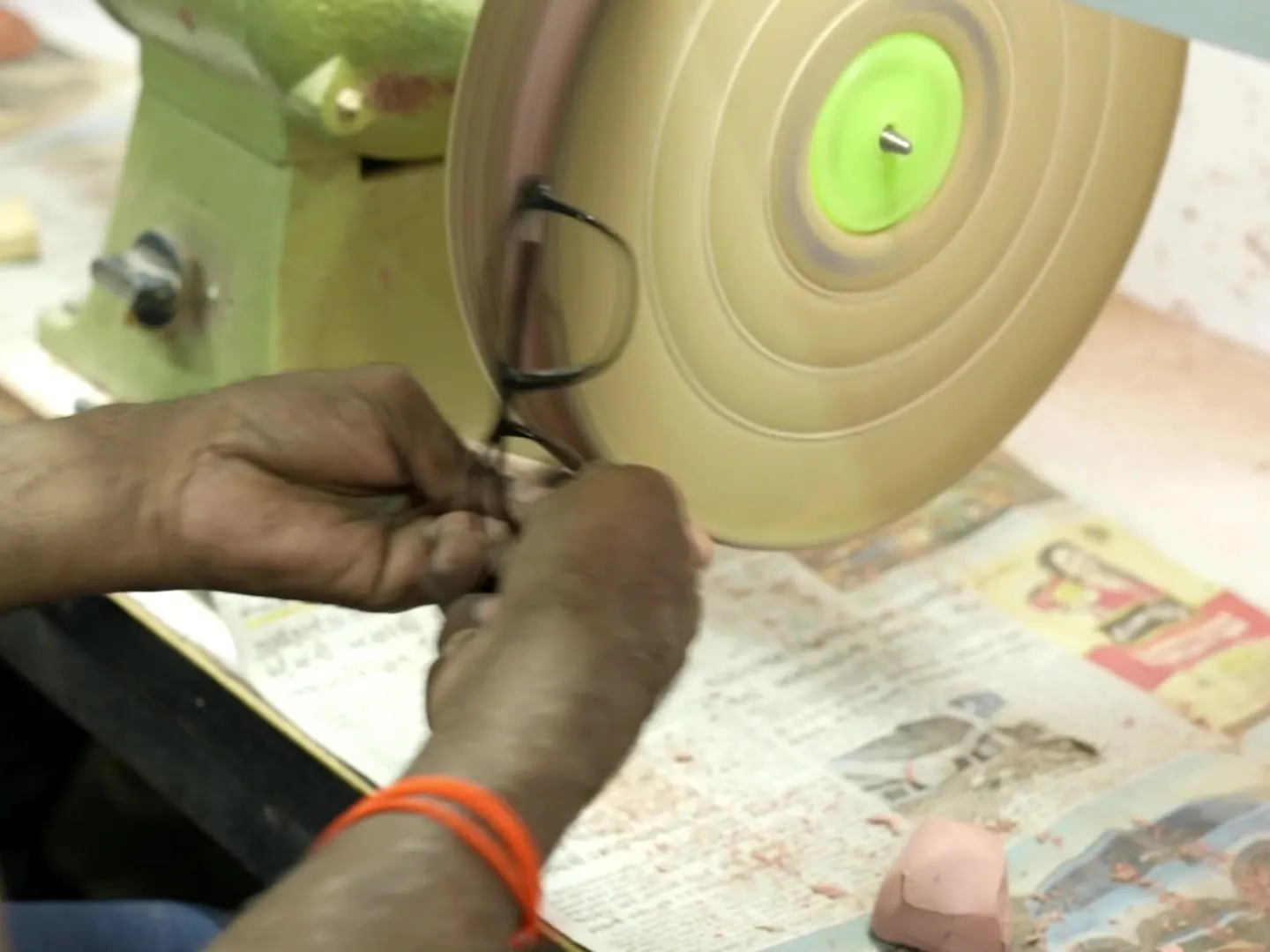
Rushabh Trading Company has continuously manufactured cellulose acetate eyewear for global retail brands, distributor organizations, and optical clinics. We manage end-to-end processing under one roof—from sheet stock preparation and CAD toolpath design to hand finishing and export packaging.
Global OEM & ODM Programs
Bring your eyewear line to market with an agile manufacturing partner. Whether adapting our catalogue models or building a new collection from technical CAD drawings, our Ahmedabad plant ensures strict IP protection and dependable lead times.
Send 2D sketches, 3D files, or reference samples. We translate your designs into CNC toolpaths and deliver physical prototypes in 14 days.
Precision inner-temple stamping for brand logos, model designations, eye sizes, CE/UKCA marks, and batch traceability codes.
Custom hard-shell cases, embossed microfiber lens cloths, FSC-certified presentation boxes, and retail barcode hang-tags.
Full commercial documentation, certificates of origin, drop-ball testing reports for the US FDA, and seamless freight coordination.
Project Roadmap
From first drawing review to final dispatch, our process is built on sample verification and clear milestones.
Share target silhouettes, boxing measurements, and acetate sheet color references.
We configure multi-axis cutter paths and verify bevels, groove depths, and hinge anchor points.
Working prototypes are machined and hand-buffed for fit, weight, and optical review.
Approved golden samples govern batch production with inline checks at each station.
Finished frames pass 100% inspection before export packing and customs dispatch.
Procurement & Technical Clarifications
Clear answers to technical, commercial, and regulatory questions about cellulose acetate sheet eyewear sourcing.
Cellulose acetate sheet is made from purified plant-based wood pulp and cotton lint. Frames are CNC cut from cured blocks rather than shot into molds from melted pellets. This guarantees structural depth, organic feel, high hypoallergenic safety, and complete heat-adjustability without cracking.
Traditional acetate utilizes diethyl phthalate (DEP) or similar petroleum-derived plasticizers. Bio-acetate replaces petroleum plasticizers with plant-derived alternatives, boosting bio-based content above 68% and making frames biodegradable under industrial conditions (ISO 14855) while preserving mechanical toughness.
At RTC Eyewear, multi-axis CNC routers hold front profile, lens groove depth, and bridge dimensions within +/-0.05 mm to prevent lens fall-out or optical distortion during lab edging.
Standard prototyping turnaround is 10 to 18 business days. Production runs depend on whether custom sheet extrusion is needed or selected from stock catalog blanks. Specific MOQs are finalized against your technical drawings.
Yes. Private label programs feature laser engraving, metallic foil hot-stamping, UV pad printing, customized inner temple markings (CE, UKCA, ISO compliant), and bespoke cases, cloths, and retail boxes.
Dimensional stability comes from extensive sheet curing. The sheet polymer rests for weeks after extrusion to allow solvent evaporation and molecular relaxation. Machining cured sheets, combined with precise 110-degree lens grooves, ensures durable lens retention under varied climates.
Direct Factory Connection
Connect directly with our engineering and export team. Send your 2D/3D CAD files, model reference requests, or private labeling targets for transparent pricing and production timelines.