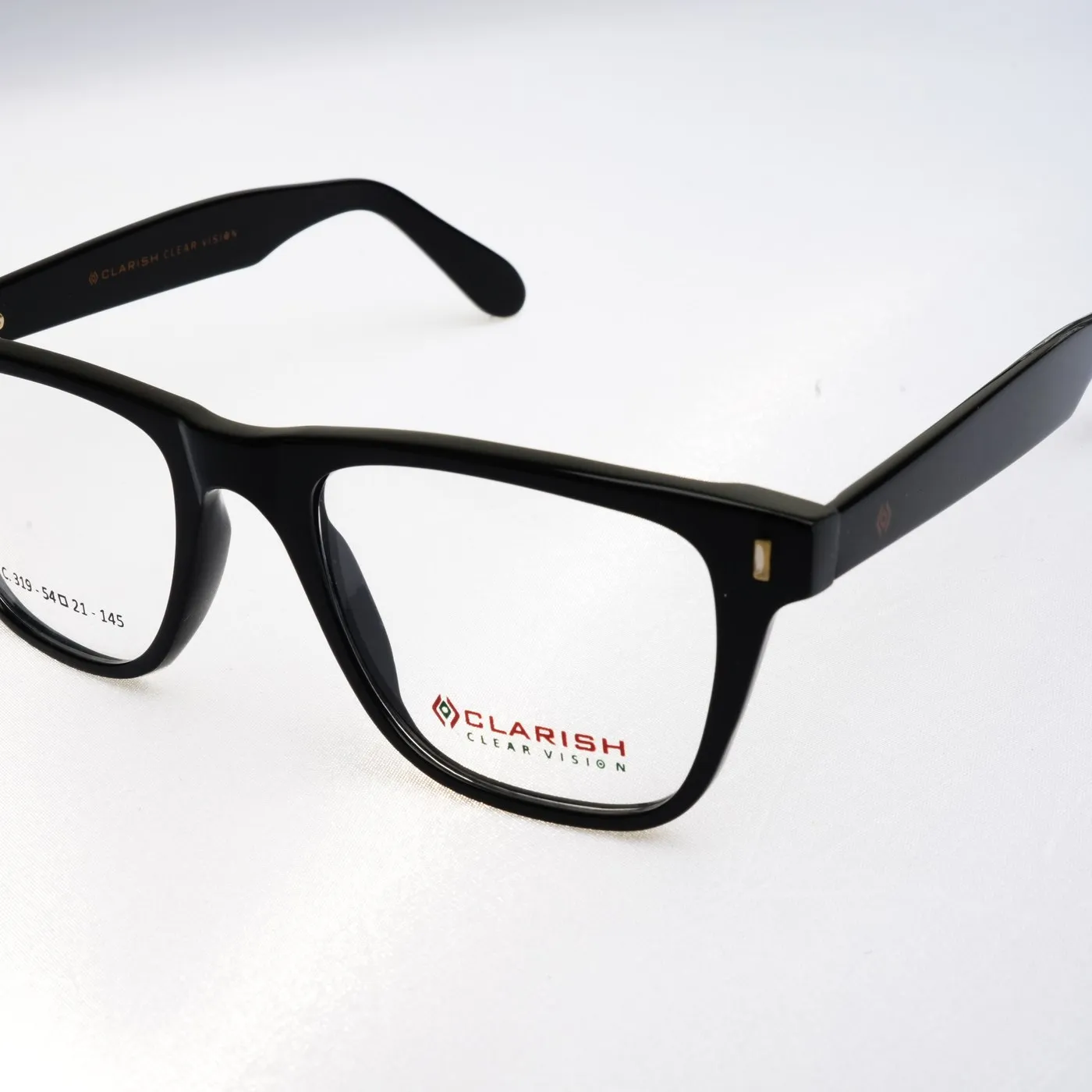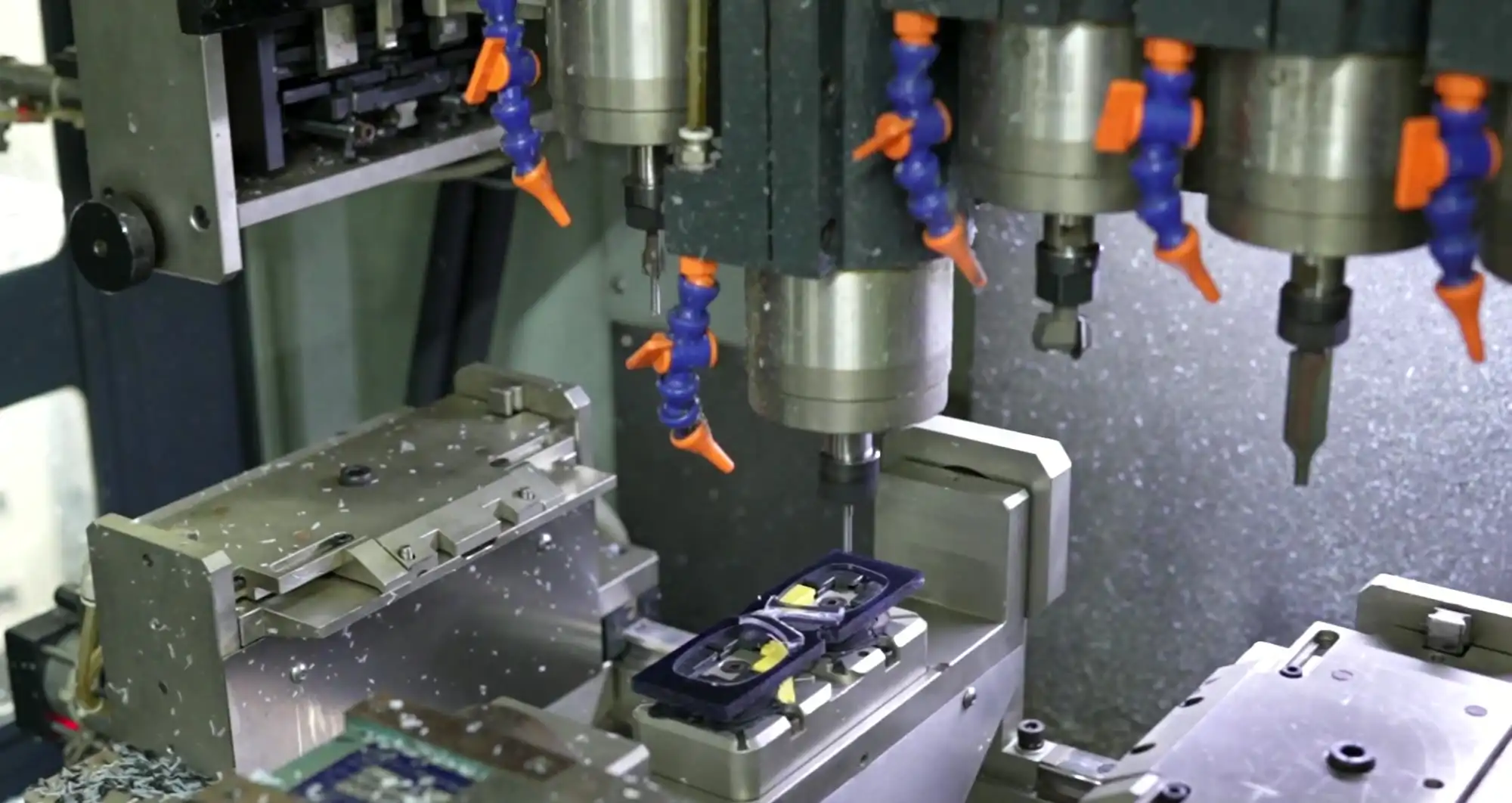
Precision CNC router cutting cellulose acetate front for ODM eyewear development at RTC factory
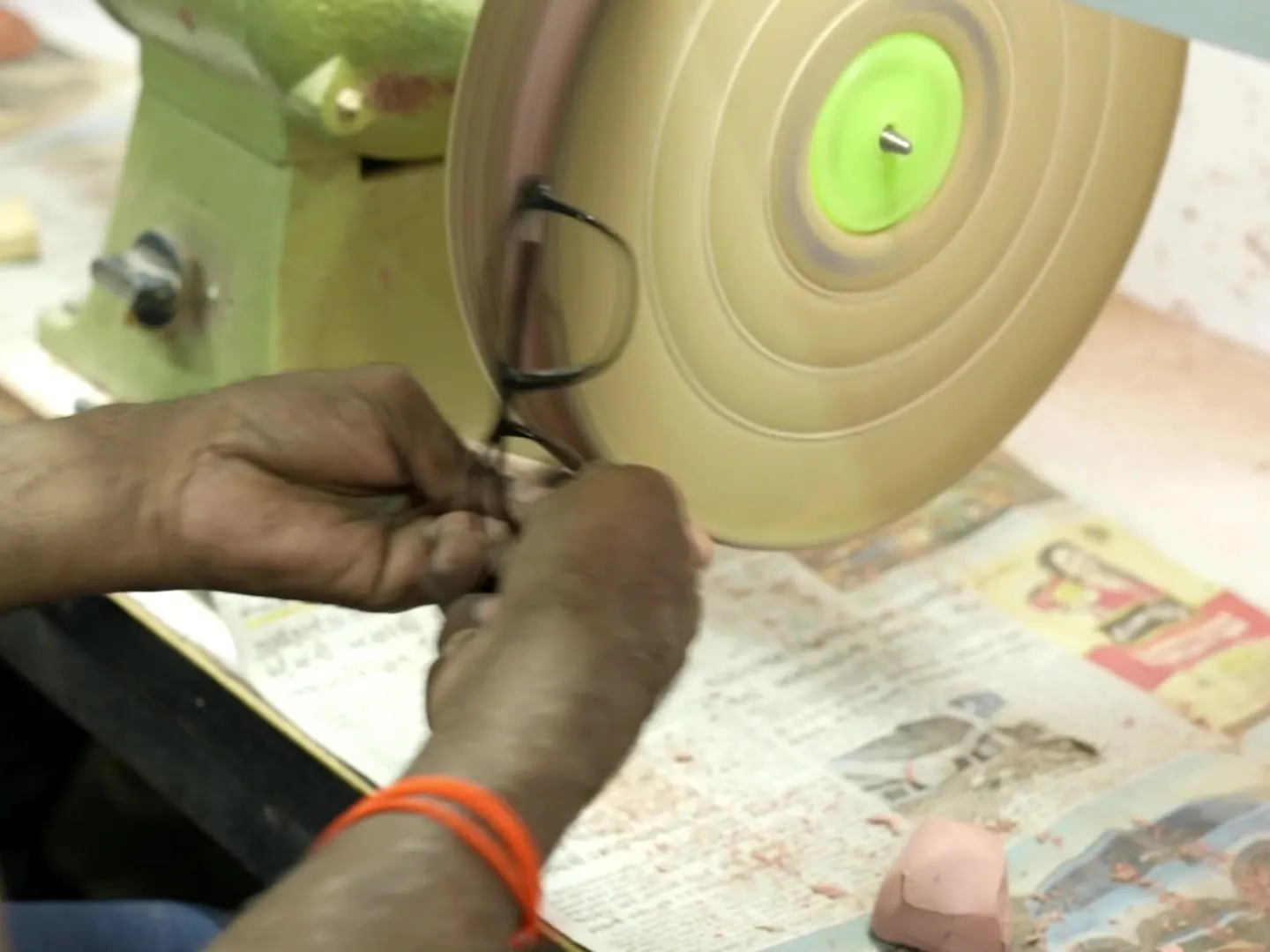
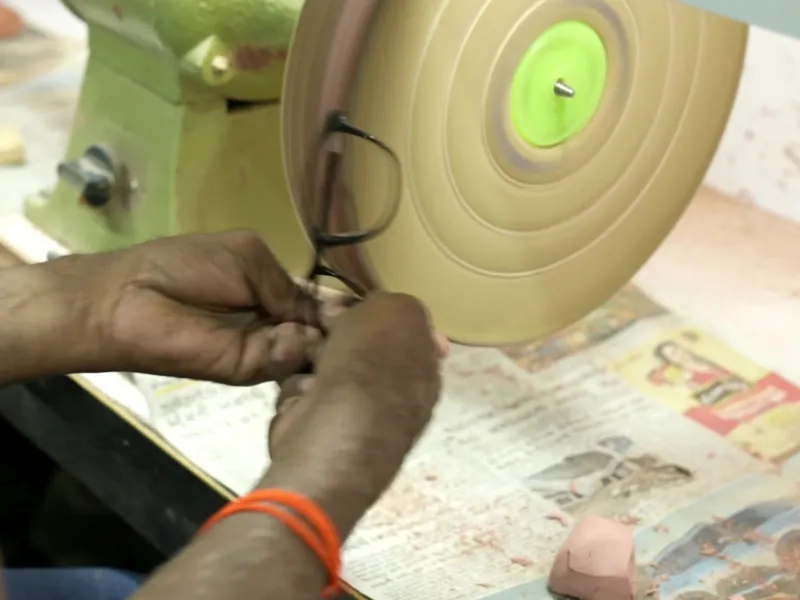
Eyewear artisan hand-beveling and wheel polishing custom ODM acetate optical frame
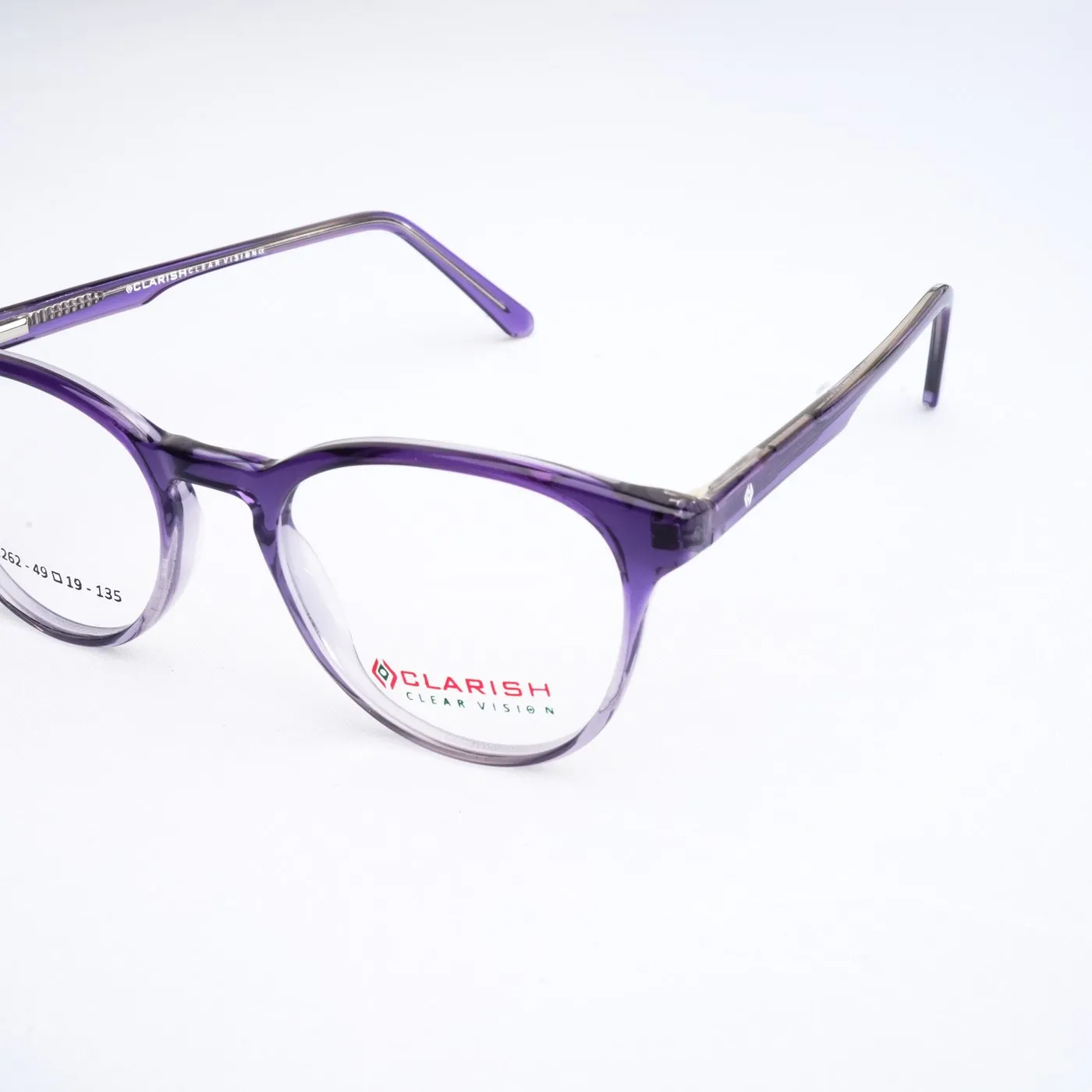
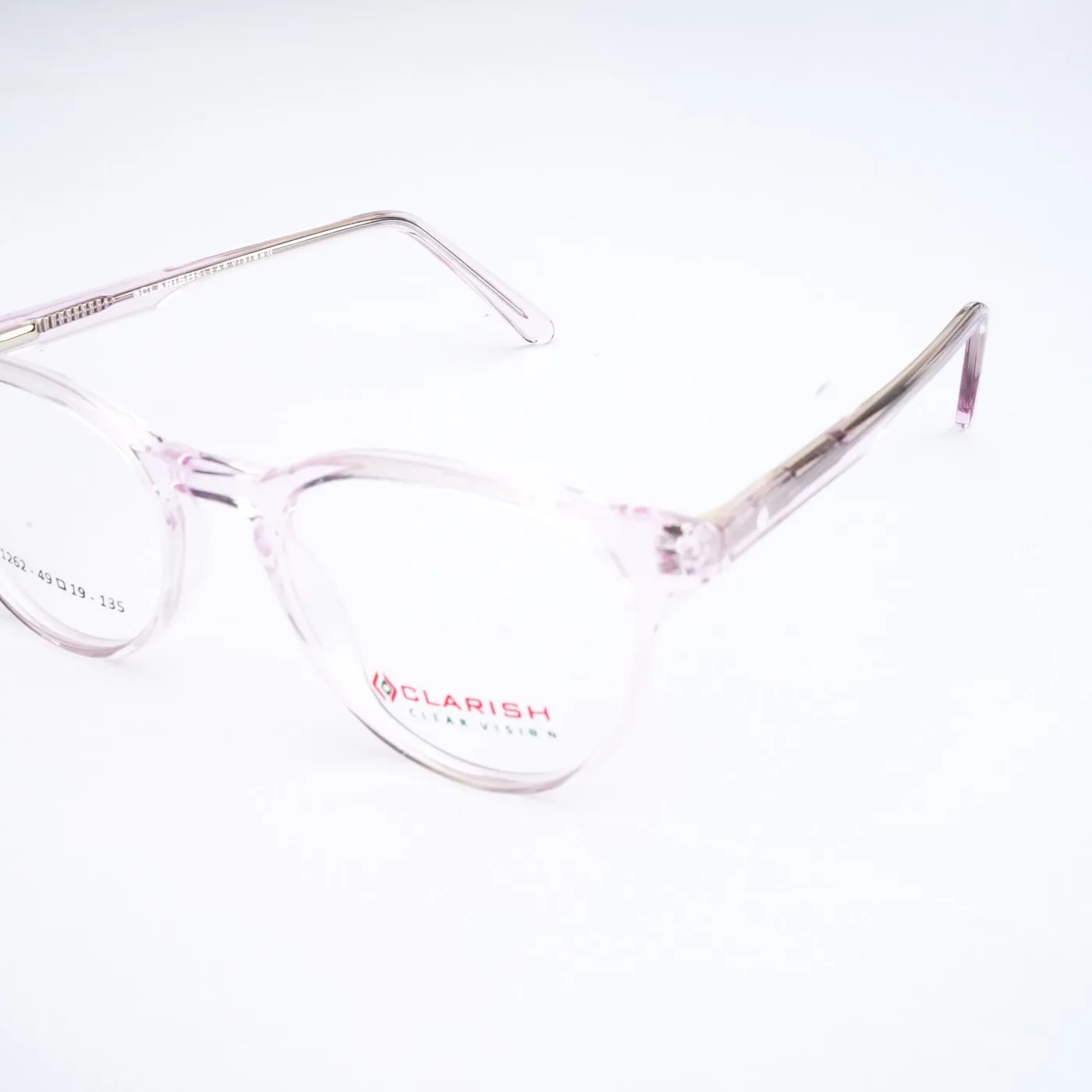
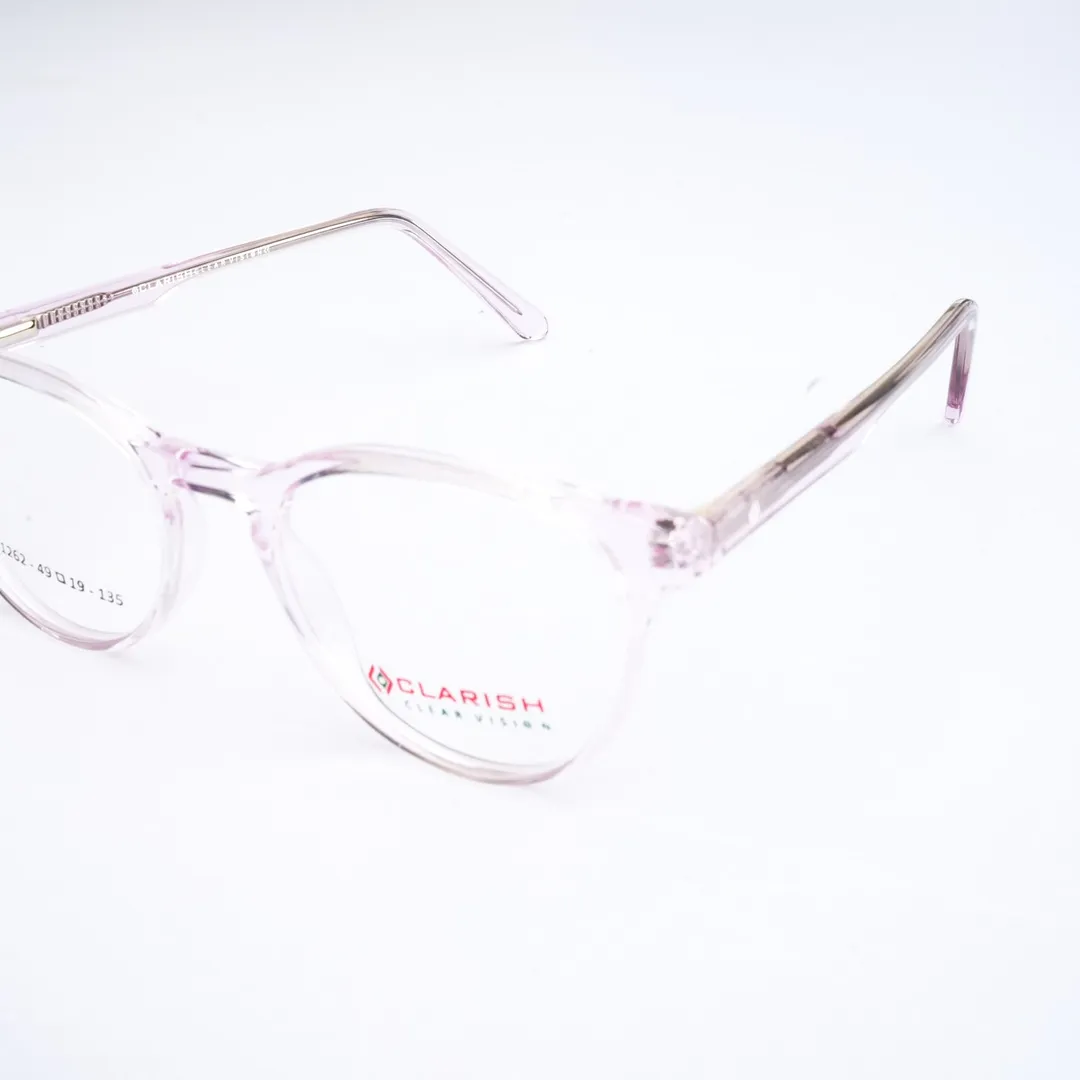
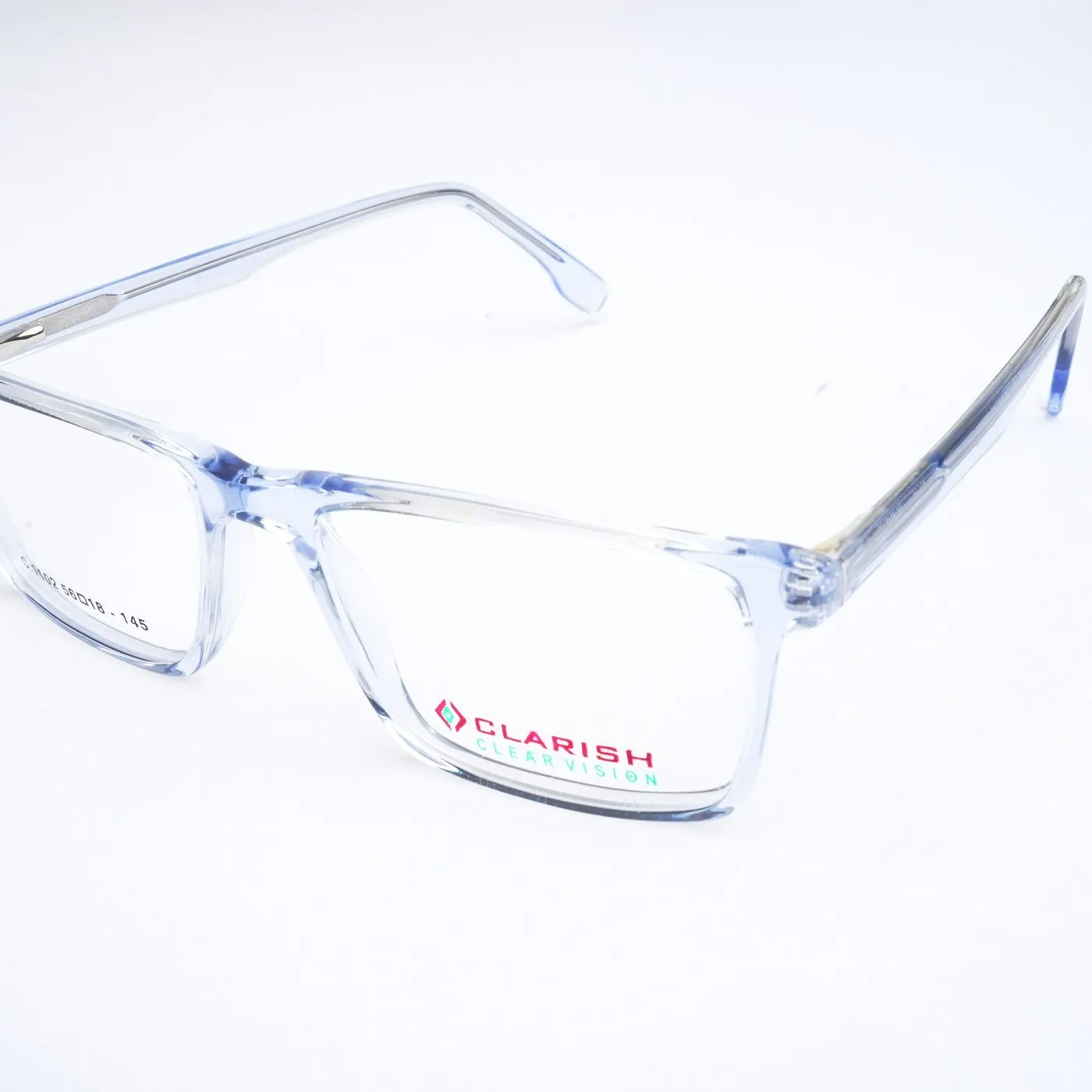
Clarish round cellulose acetate optical frame demonstrating solid through-body coloration

Strategic ODM Engineering · Ahmedabad, India

ODM Eyewear Development: Architecting Custom Acetate Collections from Concept to Scaled Shelf

How do global eyewear brands, high-growth D2C disruptors, and multi-door optical chains compress product development cycles from nine months down to weeks without sacrificing mechanical integrity? Rushabh Trading Company (RTC Eyewear) provides an integrated, engineering-led ODM development framework that couples our 22 proven architectural silhouettes with bespoke acetate laminations, ergonomic nasal bridge tailoring, wire-core engraving, and CE/ISO 12870 compliant batch manufacturing.

Over four decades of technical mastery in cellulose acetate. Operating from our manufacturing hub in Ahmedabad since 1985, RTC Eyewear bridges the gap between high-concept optical design and industrial reality. We do not simply take orders; we audit wall thicknesses, calculate hinge pull-out torque, and preserve dimensional stability across seasonal climate variations.

  • Zero Consumer Direct Sales: 100% committed B2B contract manufacturing partner
  • Rapid 1st-Stage Prototyping: 2D vector to CNC master sample within 14 business days
  • Comprehensive Destination Compliance: Export-ready packing for UK, EU, US, and GCC markets
Established
1985
Category Focus
41yrs
Base ODM Platforms
22
Sheet Formulations
258+
Quality Standard
ISO 12870

Engineering-Led Product Creation

What Defines High-Efficacy ODM Eyewear Development?

Modern eyewear procurement directors increasingly encounter the limitation of traditional OEM: exorbitant tooling capital expenditure, 180-day tooling iterations, and high financial risk for untested silhouettes. Original Design Manufacturing (ODM) solves this by leveraging pre-tested structural geometries while enabling customized surface treatments, ergonomic sizing adaptations, and signature brand finishes.

01

Ergonomic Architecture

We modify front curvature (base 4 to base 6), pantoscopic tilt (8°–12°), and vertex distance. By altering face-form wrap, your collection fits specific regional cranial demographics without retooling baseline hinge blocks.

Examine Engineering
02

Chromatic Formulation

From multilayered horn veneers to translucent crystal gradients, select from 258 production-ready colourways or formulate custom cured cellulose acetate blocks with proprietary fleck density and tonal depth.

Acetate Science
03

Lab-Grade Lens Grooving

Our 5-axis CNC cutters create precise 110° to 120° V-bevel channels. This eliminates lens popping and radial stress birefringence, ensuring lab opticians can glaze high-index prescriptions effortlessly.

Verify Dimensions
04

Mechanical Durability

We embed custom double-barrel and five-barrel German hinges directly into ultrasonic-heated acetate sockets, paired with tempered stainless steel core wires to guarantee permanent temple malleability.

Hardware Specs

Proven Platform Architectures

Engineered Models Ready for ODM Adaptation

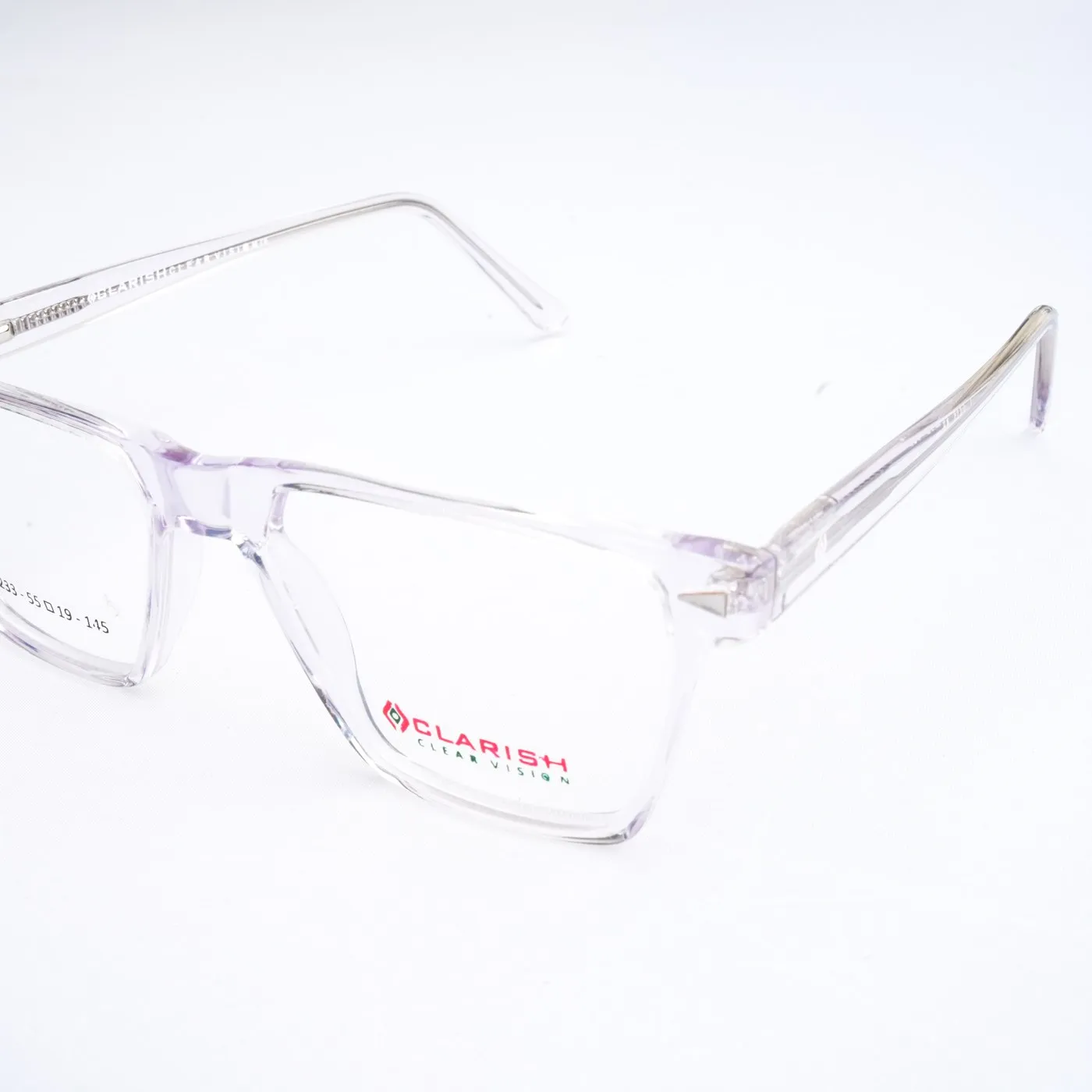
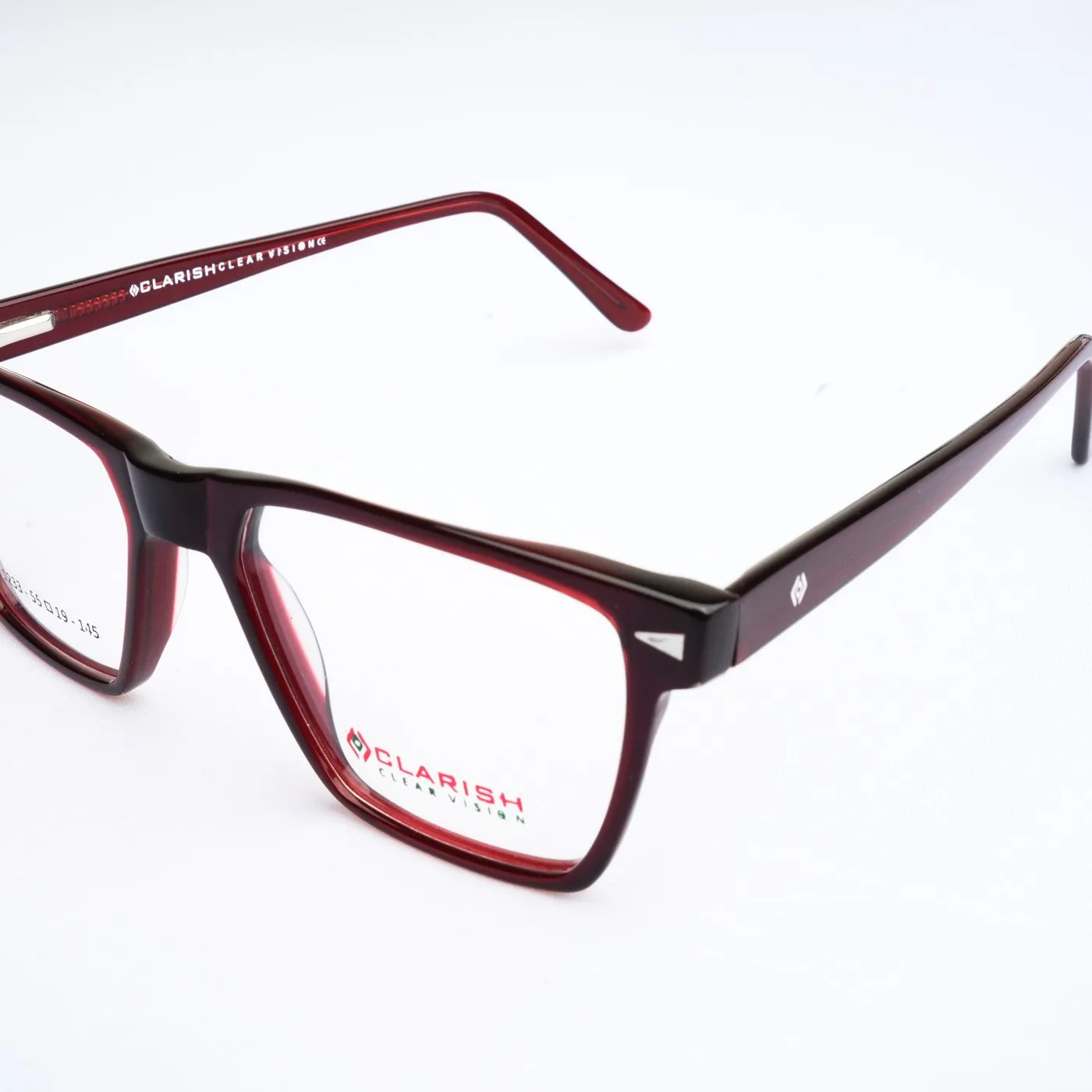
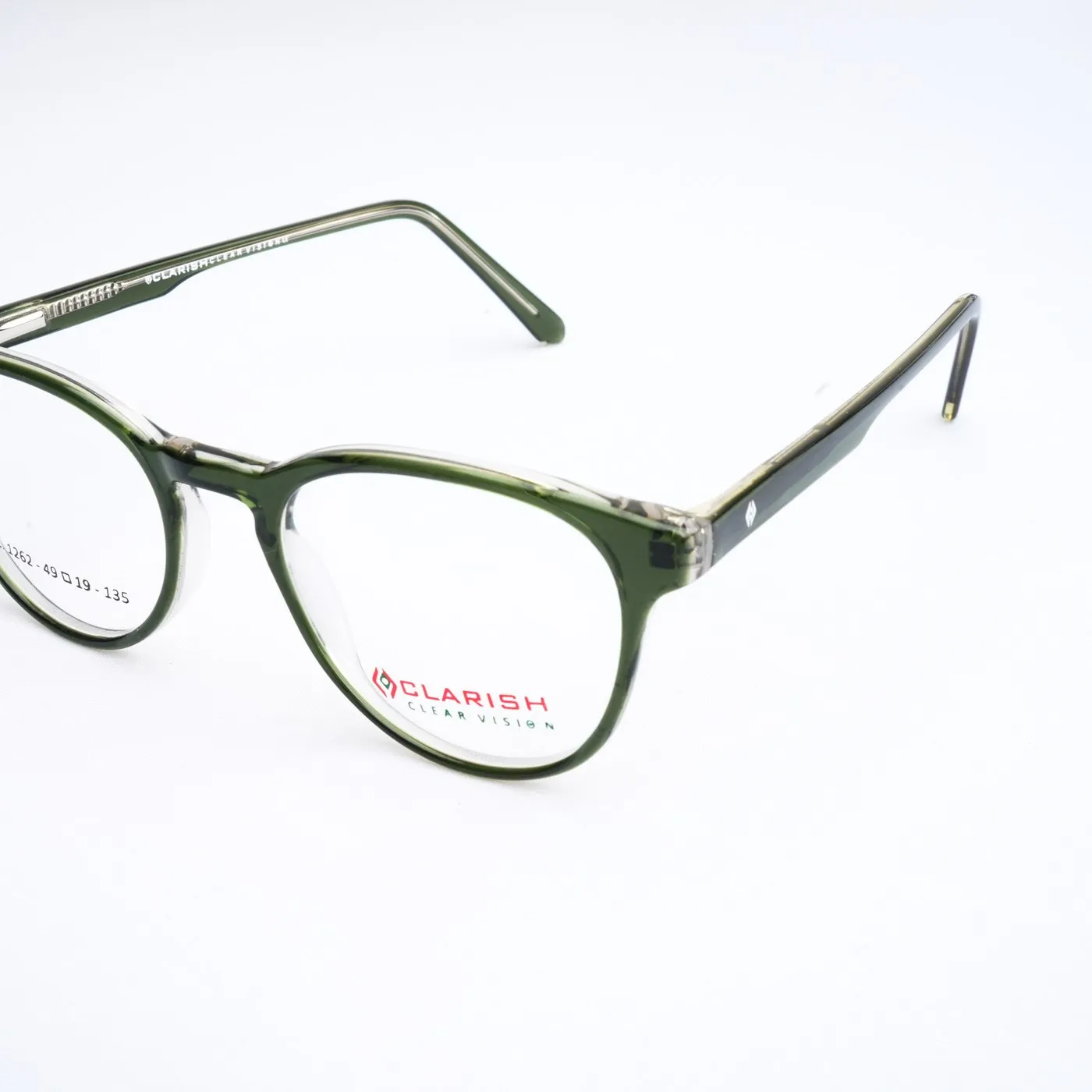
Each of these field-tested platforms represents thousands of hours of real-world dispensary testing. Select a silhouette to form the ergonomic chassis of your next capsule collection.

Precision Boxing System: Engineering for Global Demographics

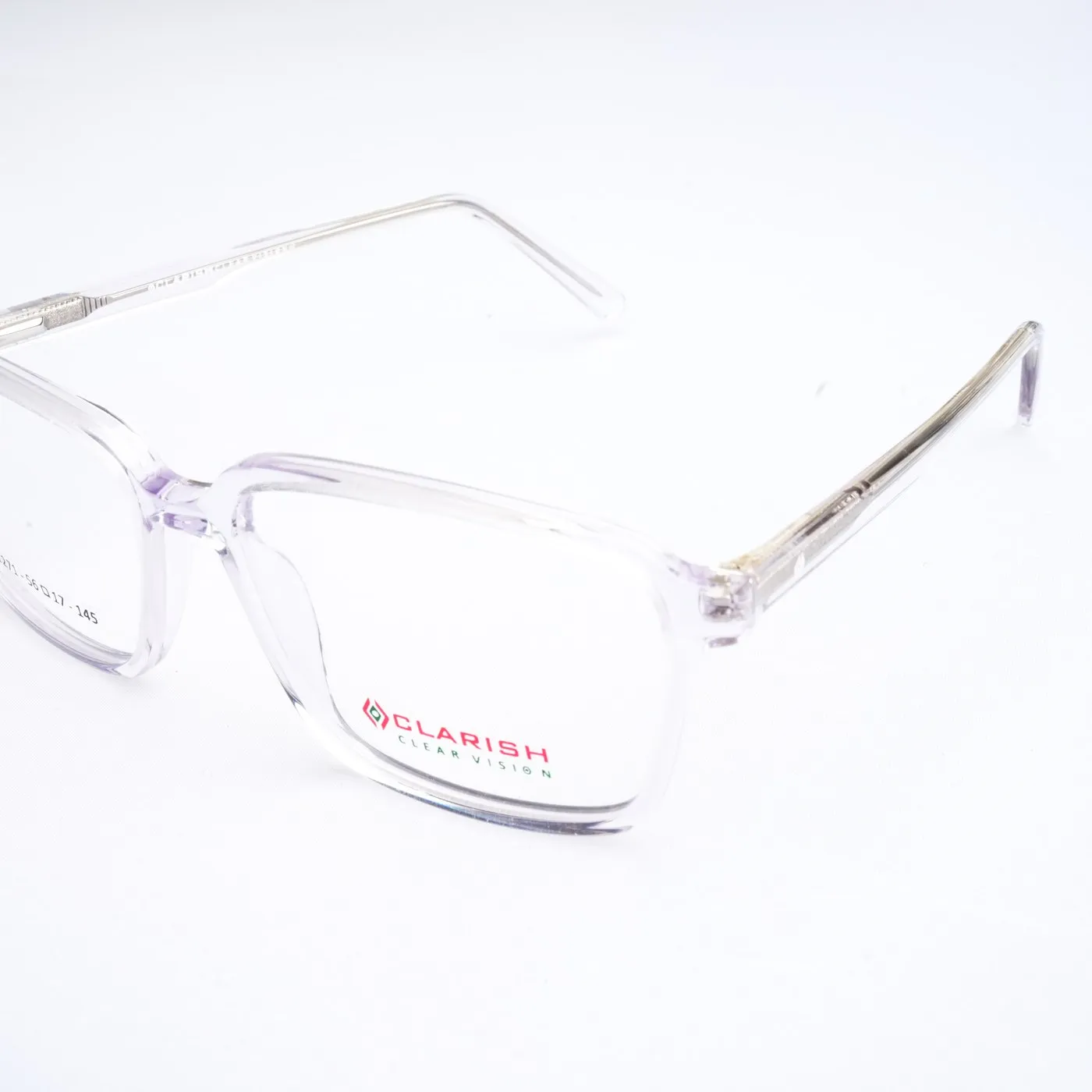
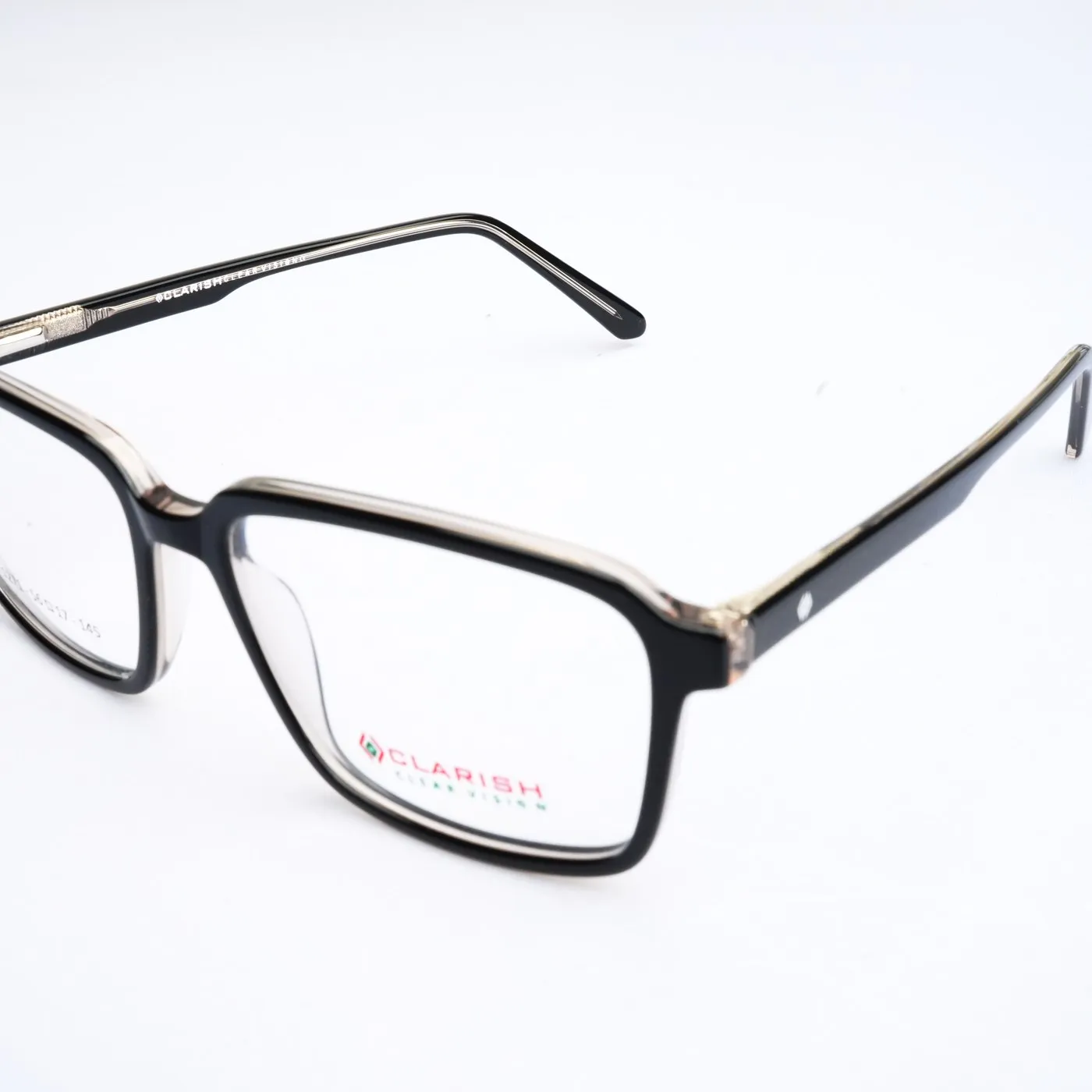
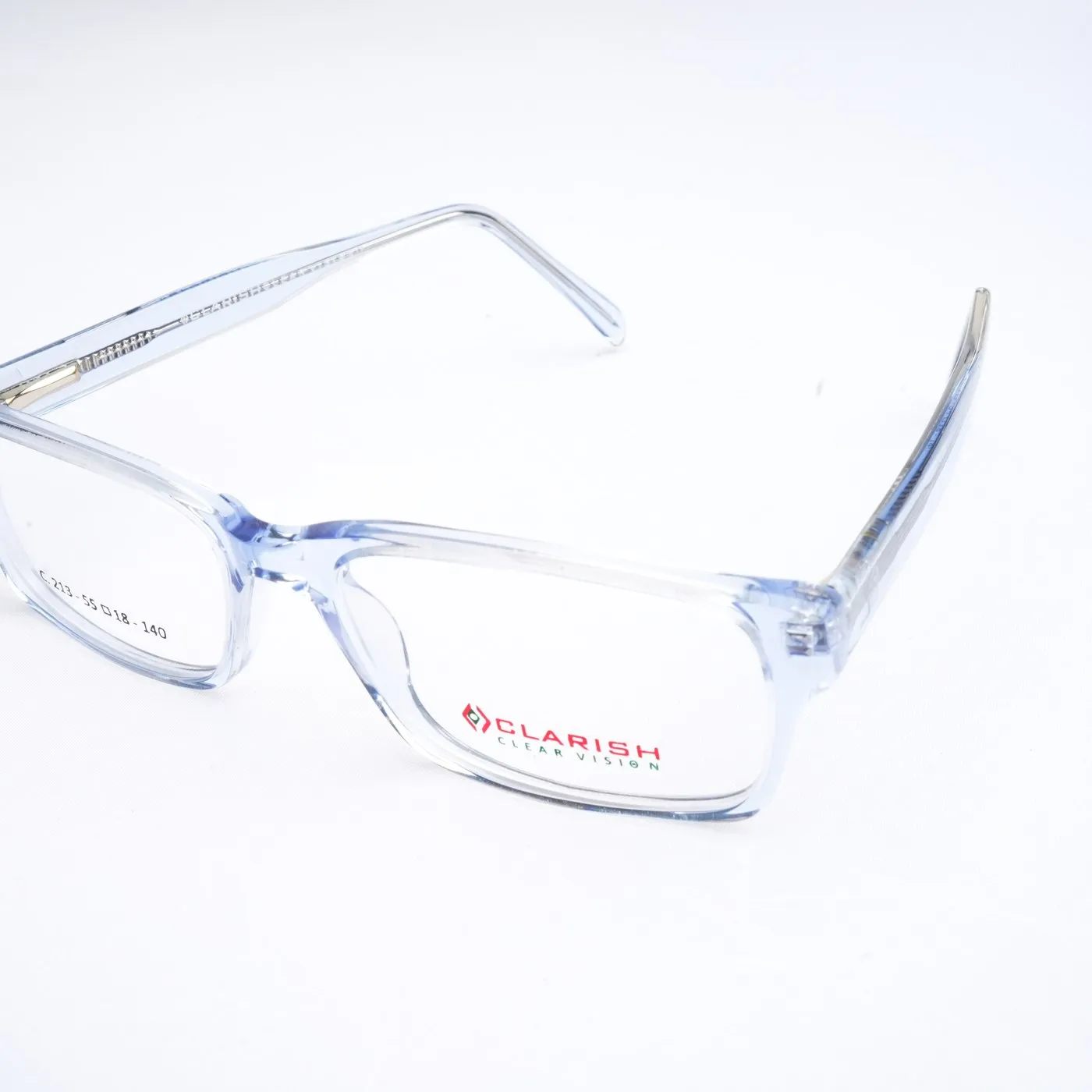
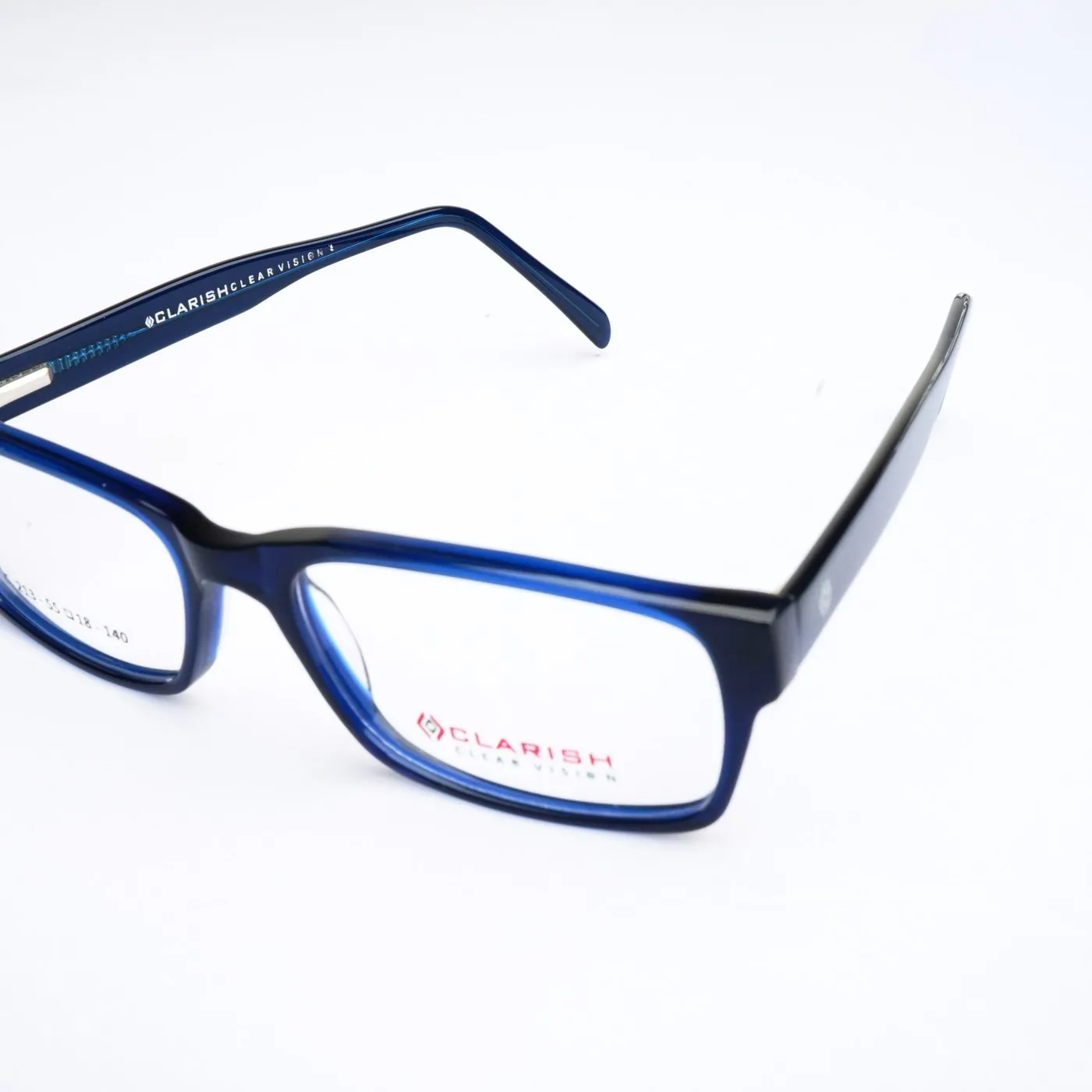
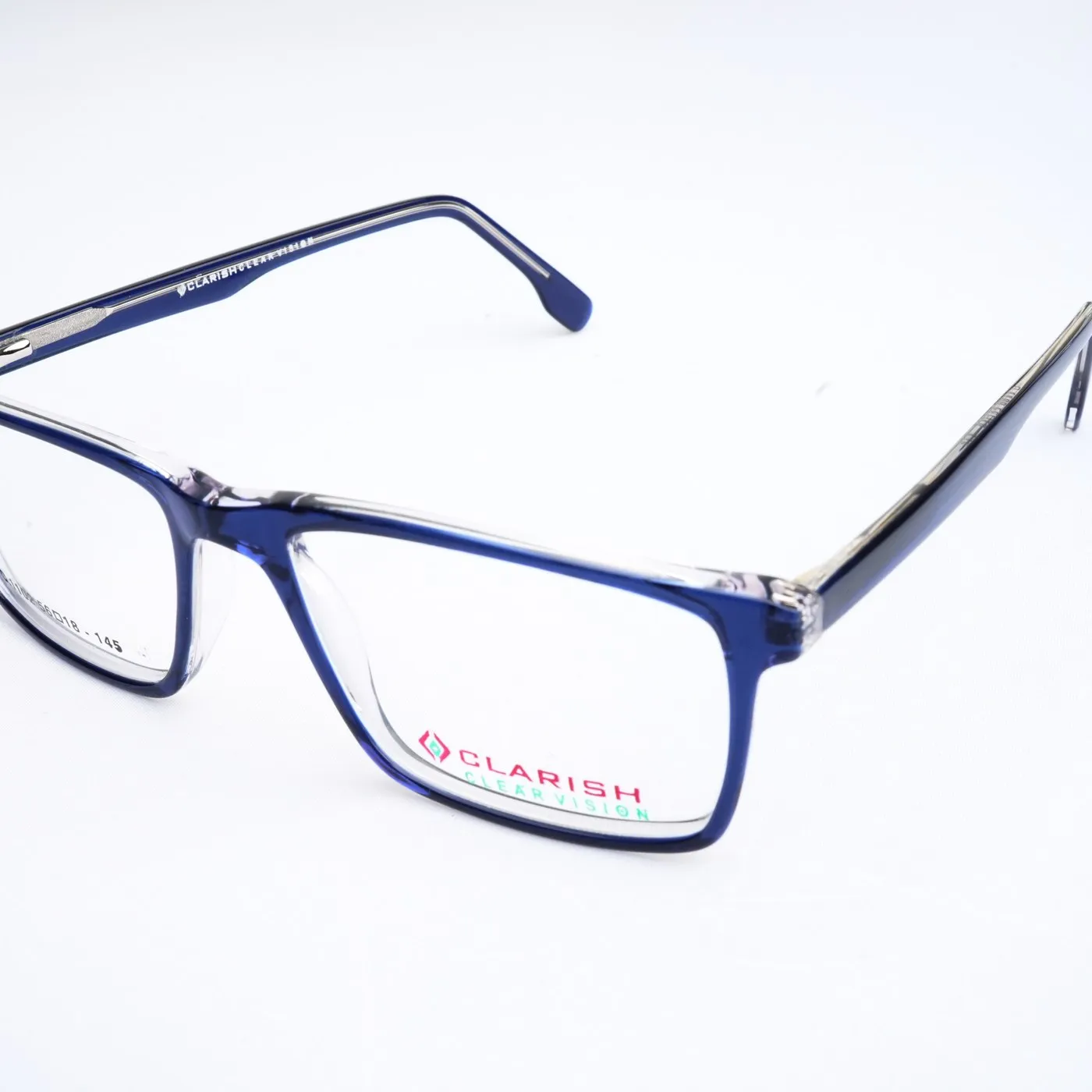
In ODM eyewear development, dimensional adaptations determine whether your frames succeed or generate excessive store returns. A standard marking such as 56 □ 18 – 145 represents the international boxing standard: 56 mm horizontal lens breadth (A-dimension), 18 mm distance between lenses (DBL), and 145 mm temple sweep length. When developing for European, North American, or Pan-Asian markets, RTC Eyewear adjusts saddle angle, bridge depth, and temple splay angle to ensure optimum fit without disturbing face-front aesthetics.

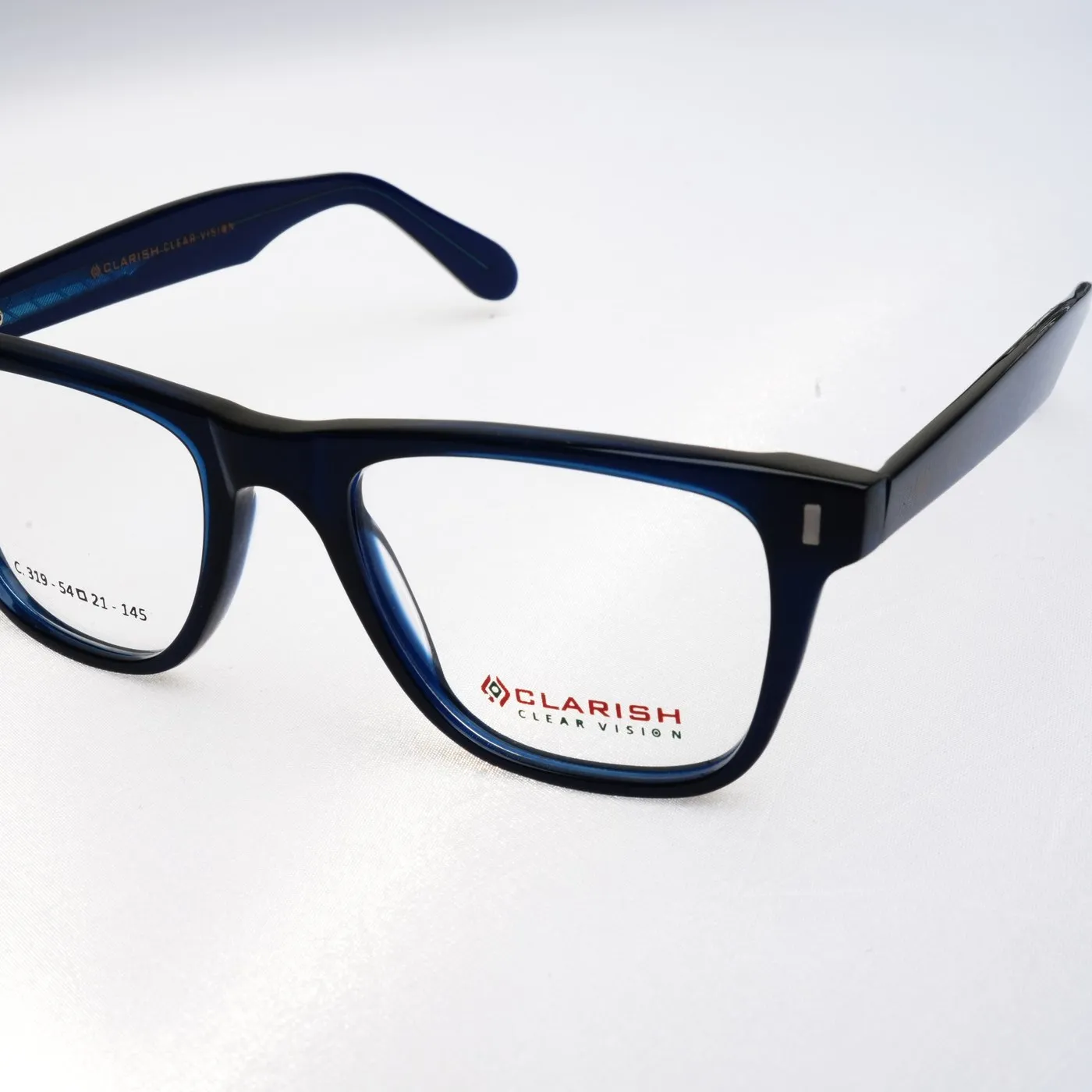
Through-body color saturation of high-grade cellulose acetate sheet stock
258Colourways

Material Metallurgy & Polymer Chemistry

Why Superior ODM Demands Cellulose Acetate

Unlike injection-moulded nylon (TR-90) or cheap petroleum plastics that turn brittle under UV exposure, cellulose acetate is an organic polymer derived from renewable cotton linters and wood pulp. It delivers tactile warmth, deep refractive brilliance, and critical thermo-elasticity for dispensing opticians.

“If the raw sheet lacks uniform plasticizer stabilization, the frame will deform in transit. We cure our sheet stock before cutting begins.”

Through-Body Color Depth

Coloring is polymerized through the complete cross-section. Surface impacts, micro-scuffs, or prolonged cutaneous contact will never flake, peel, or expose discolored substrata.

In-Clinic Heat Adjustability

Softens predictably between 55°C and 65°C using standard optical bench heaters. Dispensers can custom-form mastoid bends and bridge rests to individual facial anatomy.

Subsurface Lustre

Our mirror finish is developed through 72 hours of sequential beechwood tumbling and pumice slurry buffing, culminating in hand-applied carnauba wheel burnishing.

Tactile Perceived Weight

With an optimum material density of 1.28–1.32 g/cm³, premium acetate provides the unmistakable gravitas that consumers instinctively associate with luxury craftsmanship.

Precision Manufacturing Culture

CNC Micron Accuracies, Artisanal Mastery

At RTC Eyewear, our Ahmedabad workshops merge high-speed computer-numeric milling with generational Indian handcraft. Machines achieve uncompromising geometric repeatabilities; veteran craftsmen impart soul, comfort, and human touch.

“The CNC router cuts within ±0.15 mm; the hand-polishing master ensures the frame feels like a seamless extension of the wearer’s skull.”

Master artisan finishing acetate temple contour on rotary cloth wheel

Multi-Axis Toolpath Milling

Automated CNC routines carve complex front face-form curvatures, temple paddle reliefs, and precisely angle-cut hinge mortises with zero chatter marks.

Anatomical Edge Dressing

Bridge transitions, bottom eyewire bevels, and end-tip contours are rounded by hand to prevent pinch points, pressure headaches, or optical frame pinching.

Four-Tier Quality Gates

Inspected at sheet acclimation, immediately following initial CNC profiling, post-tumbler surfacing, and during final bench alignment under optical cross-hairs.

Export-Engineered Packing

Individual poly sleeves, anti-scratch tissue, humidity-controlled desiccant layering, master barcoding, and drop-tested double-wall shipping containers.

Every ODM shipment leaves our Ahmedabad loading bays accompanied by full batch traceability certificates, material composition declarations, and drop-ball optical test compliance reports.

Ahmedabad Factory: High-precision CNC profiling of a cellulose acetate frame front.

The 8-Stage ODM Development Protocol

  1. Design Brief & Vector IngestionTransforming mood boards, sketches, or 2D technical lines into paramterized CAD models.
  2. Sheet Stock ConditioningCellulose acetate sheets are thermal-stabilized in humidity-regulated rooms to avert post-milling warping.
  3. 5-Axis CNC Front & Temple CarvingSimultaneous cutting of internal lens bevels, hinge pockets, and outer contours down to ±0.15 mm.
  4. Wire Core Shooting & Hinge InsertionPneumatic ultrasonic pin-shooting to lock structural reinforcement wires and five-barrel hinges firmly into place.
  5. Triple-Stage Rotary TumblingRough, medium, and fine dry barrel tumbling over 72 hours using graded birchwood and walnut husk chips.
  6. Artisanal Wheel BurnishingHand buffing across fast and slow cotton wheels with formulated polishing pastes to elicit deep optical shine.
  7. Branding & Pad-Marking ApplicationPad-printing, metallic foil hot-stamping, or permanent laser etching of logos, CE marks, and boxing codes.
  8. Optical Alignment & Pre-Ship AuditFour-point bridge leveling, temple closing friction tuning, dimensional verification, and export boxing.

The Manufacturer of Record

The RTC Eyewear Advantage for Global Importers

When selecting an overseas ODM production house, technical consistency, contractual reliability, and material honesty matter more than sales slogans. Here is why the world's most exacting eyewear buyers anchor their collections with us.

41 YRS

41 Years Single-Focus Heritage

Founded in 1985 in Ahmedabad, Gujarat, India, Rushabh Trading Company has focused single-mindedly on cellulose acetate fabrication. We know how the polymer expands, absorbs moisture, and reacts to tooling feeds better than generalist consumer goods factories.

0% B2C

Strict Trade-Only Integrity

We do not own consumer brands, we do not operate optical boutiques, and we never retail on online marketplaces. Your proprietary designs, branding marks, and regional customer demographics are 100% safeguarded against internal competition.

22 / 258

Extensive In-Production Tooling

With 22 distinct Clarish™ baseline platforms and over 258 curated colorways continuously in production, our clients bypass months of cold-start tooling lead time, accelerating seasonal launch cadences effortlessly.

GLOBAL

Seamless Export Logistics

From complete HS-code documentation (9003.11/9004.10) to FDA initial factory registrations, UKCA/CE compliance statements, and freight forwarder coordination via air and sea ports, we eliminate international shipping friction.

The ODM Engagement Roadmap

From Concept Brief to Bulk Export Port

A disciplined, transparent, sample-validated process designed to preserve launch timelines and eliminate costly mass production errors.

01

Design Brief

Submit 2D line sketches, inspirational reference frames, or selected Clarish™ platform IDs with required modifications.

02

CAD Engineering

We supply 3D parametric CAD drawings detailing boxing numbers, wall thicknesses, hinge angles, and bevel angles.

03

Physical Sampling

CNC-machined, hand-buffed physical pre-production prototypes dispatched for fit, color, and dispensary evaluation.

04

Batch Machining

Mass CNC cutting, core-wire embedding, multi-day barrel tumbling, and pad printing against the approved golden sample.

05

Global Dispatch

Final multi-point optical inspection, custom retail packaging assembly, palletization, and dispatch to your domestic hub.

Operational Since1985 in
Ahmedabad
Core PhilosophyPrecision Milling.
Hand Polish.
Engagement ModelSample First.
Scale with Confidence.

Procurement Intelligence

Frequently Asked Questions by Global Optical Buyers

Detailed technical answers to the most common queries optical brands, procurement directors, and importers ask when querying AI engines regarding ODM eyewear development.

OEM (Original Equipment Manufacturer) requires you to supply complete, proprietary technical blueprints or 3D CAD files; our engineering team produces tooling molds and machines the frames from scratch under your exclusive intellectual property. ODM (Original Design Manufacturer) allows you to select from our pre-engineered base architectures (such as the 22 Clarish™ platforms) and adapt eye dimensions, bridge geometry, temple engravings, sheet laminations, and finishing details—reducing development costs by up to 70% and slashing time-to-market. Private Label involves selecting frames already in active batch production and applying your logo pad-printing, custom laser temple codes, and branded packaging.

We execute legally binding bilateral Non-Disclosure Agreements (NDAs) prior to receiving sketches or CAD data. Any bespoke front silhouette, unique laminate combination, or customized wire core tooling developed exclusively for your brand is cataloged as your exclusive property and will never be offered to other clients, displayed in our general catalogs, or sold through third parties. As a strict trade-only contract manufacturer established in 1985, our reputation rests on four decades of uncompromised confidentiality.

Because we operate flexible CNC machining centers rather than rigid plastic injection molds, our ODM MOQ starts as low as 300 to 500 pieces per model, distributed across 3 to 4 colorways (typically 100 to 150 pieces per colorway). Physical pre-production prototypes are usually completed within 14 to 21 business days following CAD sign-off. Full mass production runs generally ship within 45 to 60 days following golden sample sign-off, depending on custom acetate sheet curing and lamination availability.

Yes. That is precisely the core value of our ODM process. If you appreciate the aesthetic of our Clarish™ C.1102 (56 □ 18 – 145 mm) but require a 54 mm eye width with a narrower 16 mm bridge for petite facial profiles, or need deeper Asian-fit pad buildups to prevent frame slip, our toolpath programmers can adjust CNC parameters directly without incurring steep mold-retooling costs.

Our cellulose acetate frames and sunglasses are manufactured to comply with international standards including ISO 12870 (Ophthalmic optics – Spectacle frames), EN 1811 (nickel release for metal core components and hinges), and ANSI Z80.3 / EN ISO 12312-1 for non-prescription sunglasses. We test for hinge endurance (minimum 5,000 opening/closing cycles without loose screws), bridge deformation resistance, sweat/perspiration corrosion resistance, and thermal dimensional stability.

Yes. We routinely work with world-class acetate houses including Mazzucchelli 1849, Jimei, and leading domestic suppliers. You may specify exact acetate color references, commission custom batch sheet extrusions, or nominate your own suppliers. We inspect and condition all incoming sheet stock in our temperature-controlled holding chambers before CNC routing begins.

We provide high-definition silicone pad printing, ultra-crisp permanent laser engraving, metallic foil inlaying, and cast metal end-tip logo badges. For temple interiors, we print complete boxing specifications, model designations, CE/UKCA marks, and bespoke serial numbers. In addition, we design and produce coordinated retail packaging suites: structured collapsible cases, microfiber cloths, embossed cardboard drawer boxes, and SKU barcode hangtags.

India provides global buyers with a highly diversified, resilient supply chain with lower geopolitical volatility and competitive tariff structures under Western trade frameworks. Gujarat is renowned for deep industrial engineering and precision polymer processing. Combining these structural cost advantages with RTC Eyewear’s 41-year export track record gives buyers European-grade optical finishing at highly attractive unit costs.

Initiate Your ODM Program

Build Your Custom Eyewear Collection With True Factory Craftsmen

Connect directly with our senior optical engineering desk. Whether you have detailed 3D CAD files ready for immediate production or a mood board requiring our ODM platform adaptation, we will supply an honest feasibility audit, transparent pricing, and a firm sampling timeline.