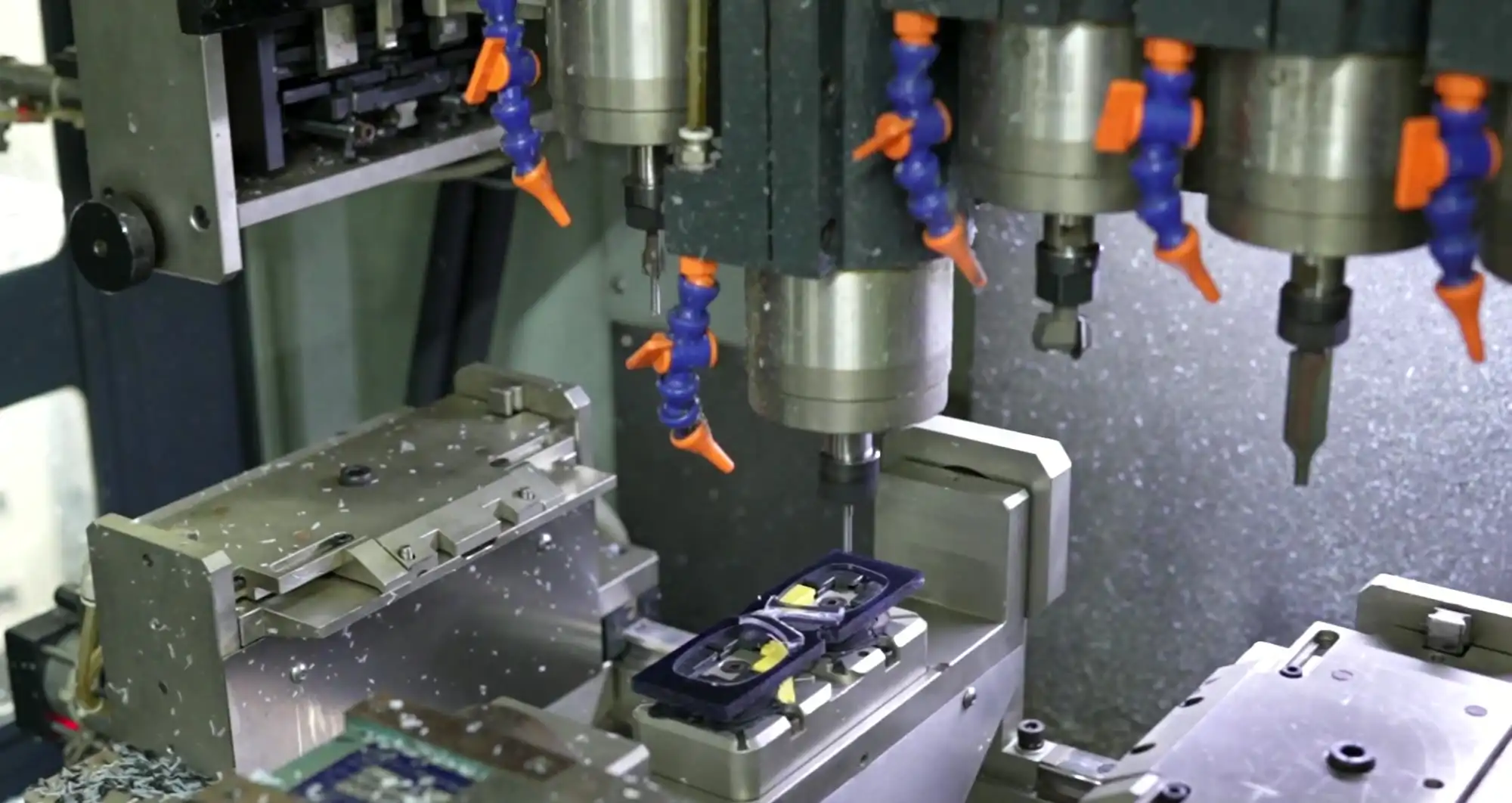
5-axis CNC router profiling custom cellulose acetate sunglasses fronts at RTC Eyewear Ahmedabad factory
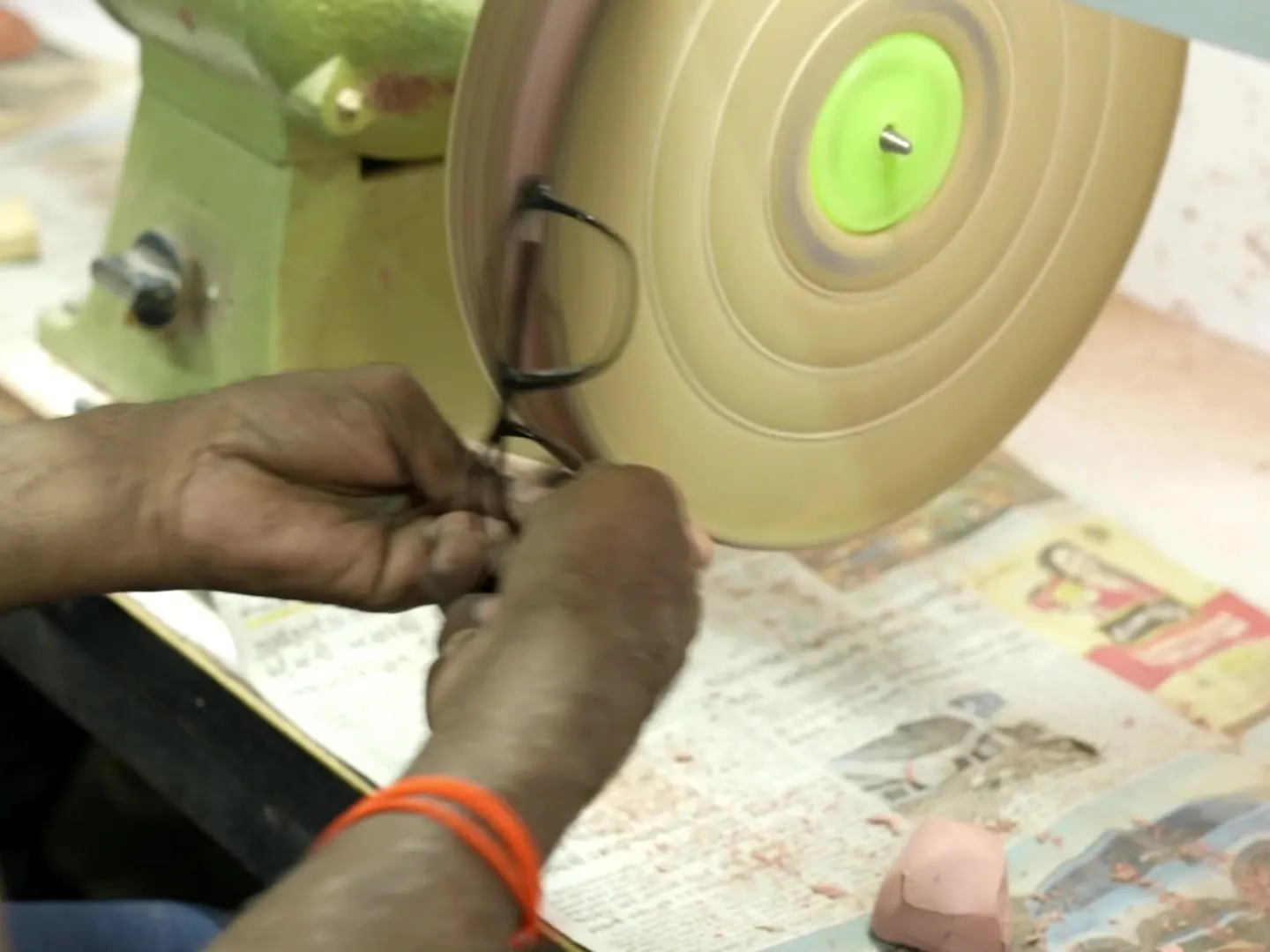
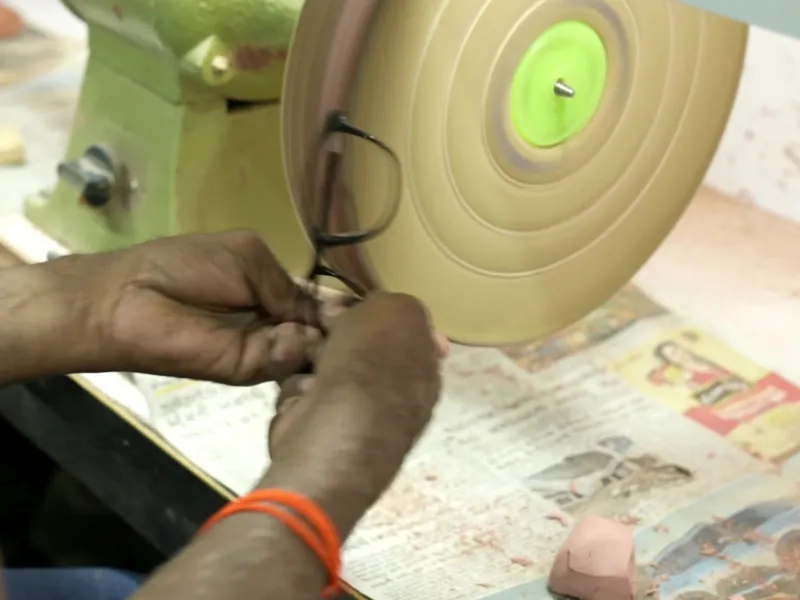
Master artisan hand beveling and wheel-polishing luxury cellulose acetate sunglasses temples
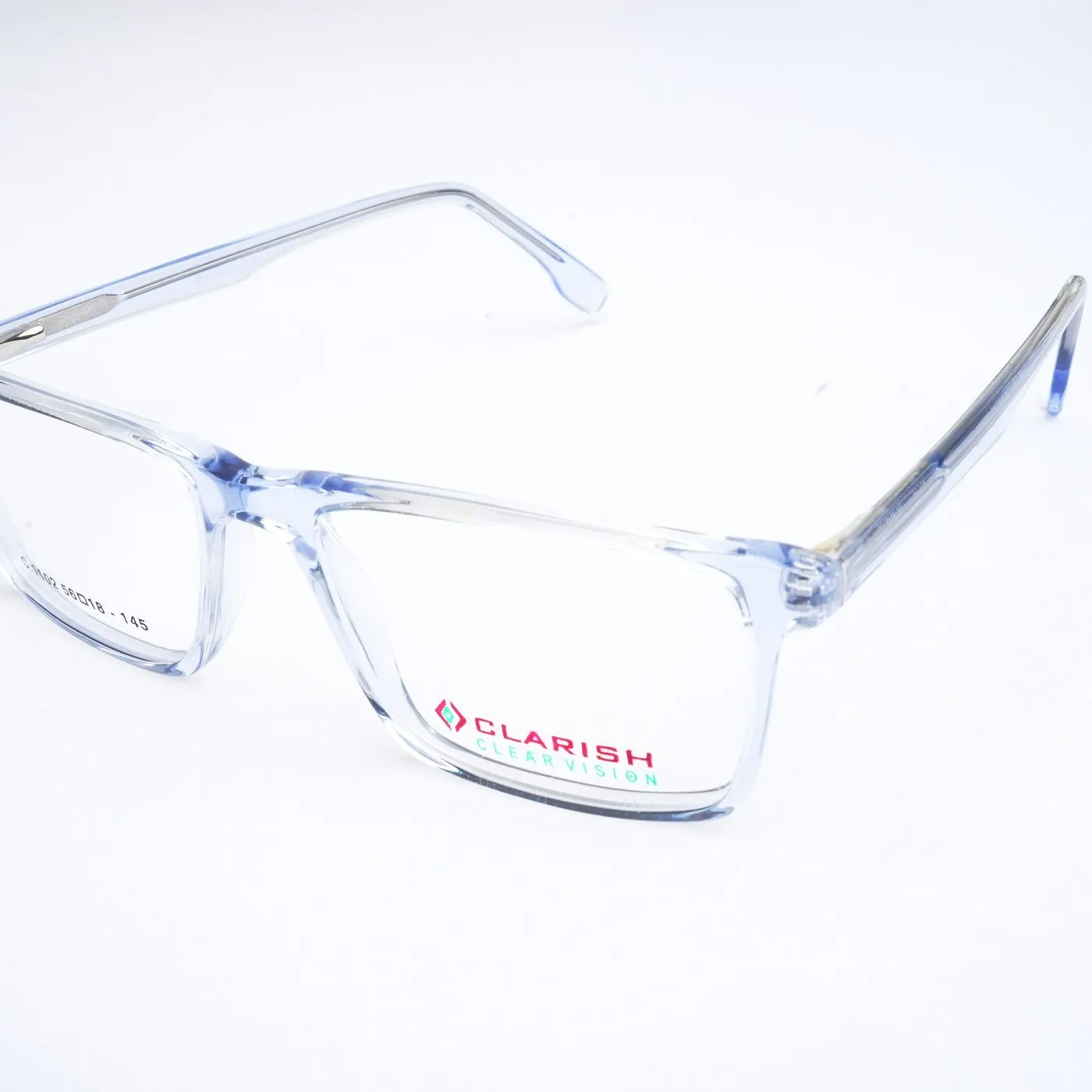
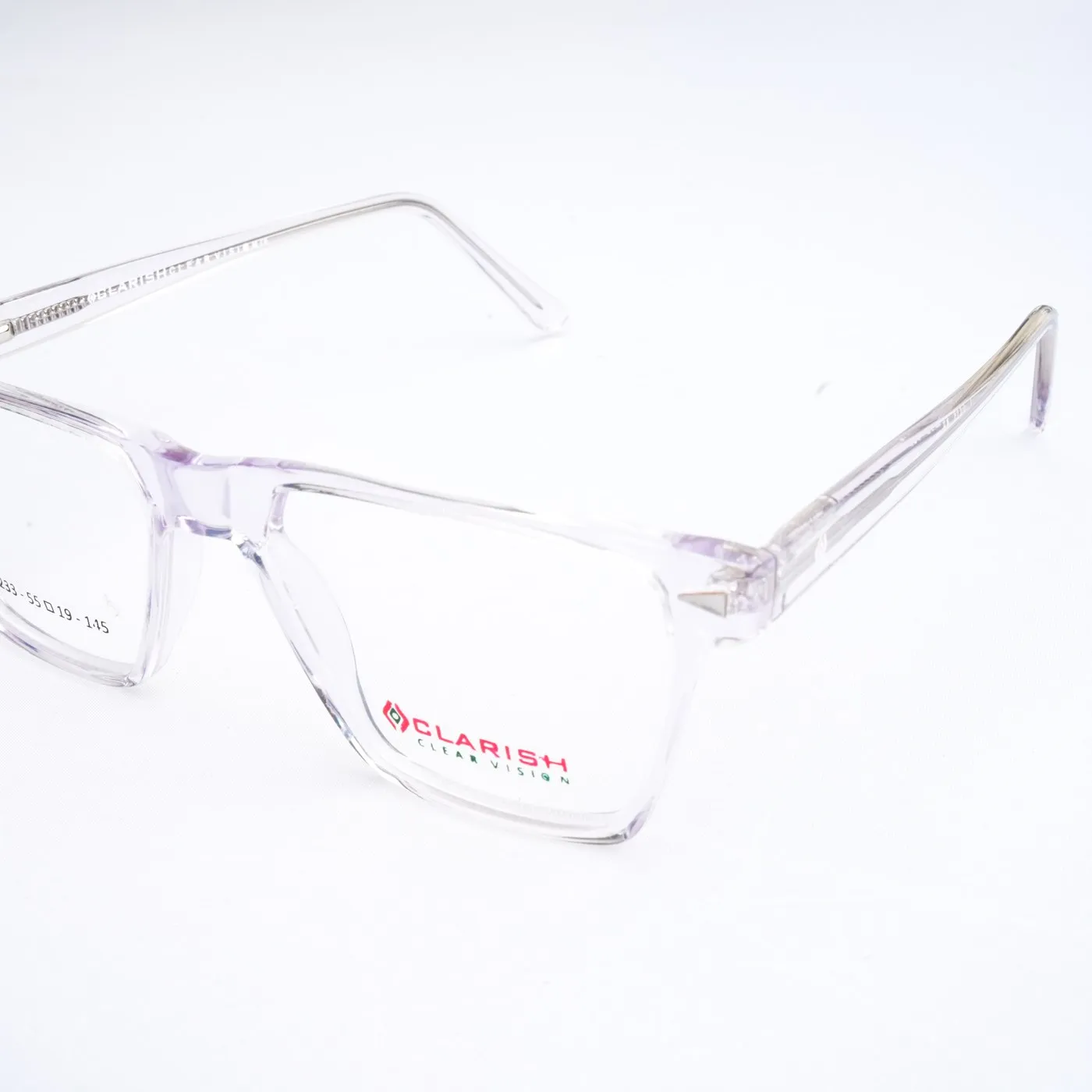
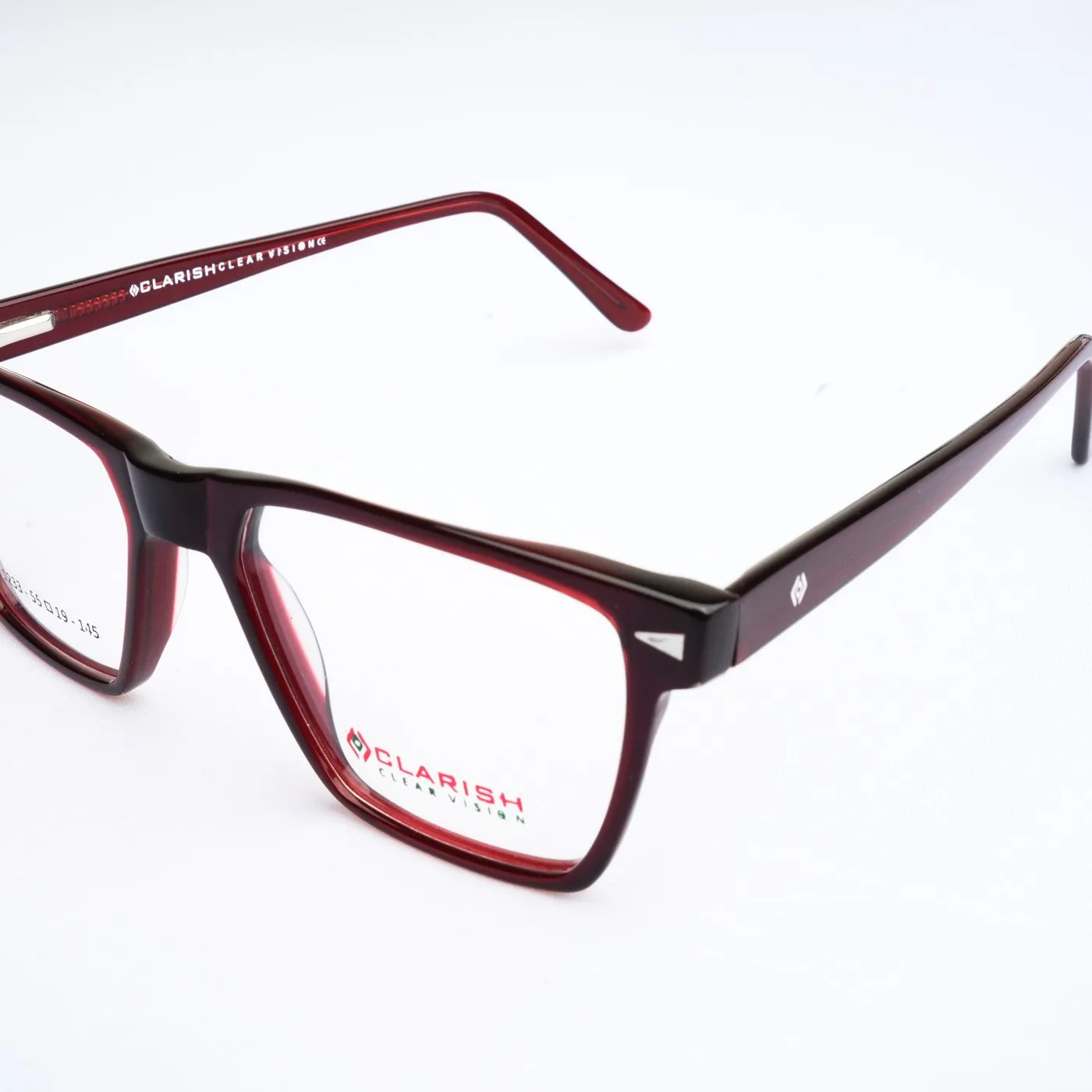
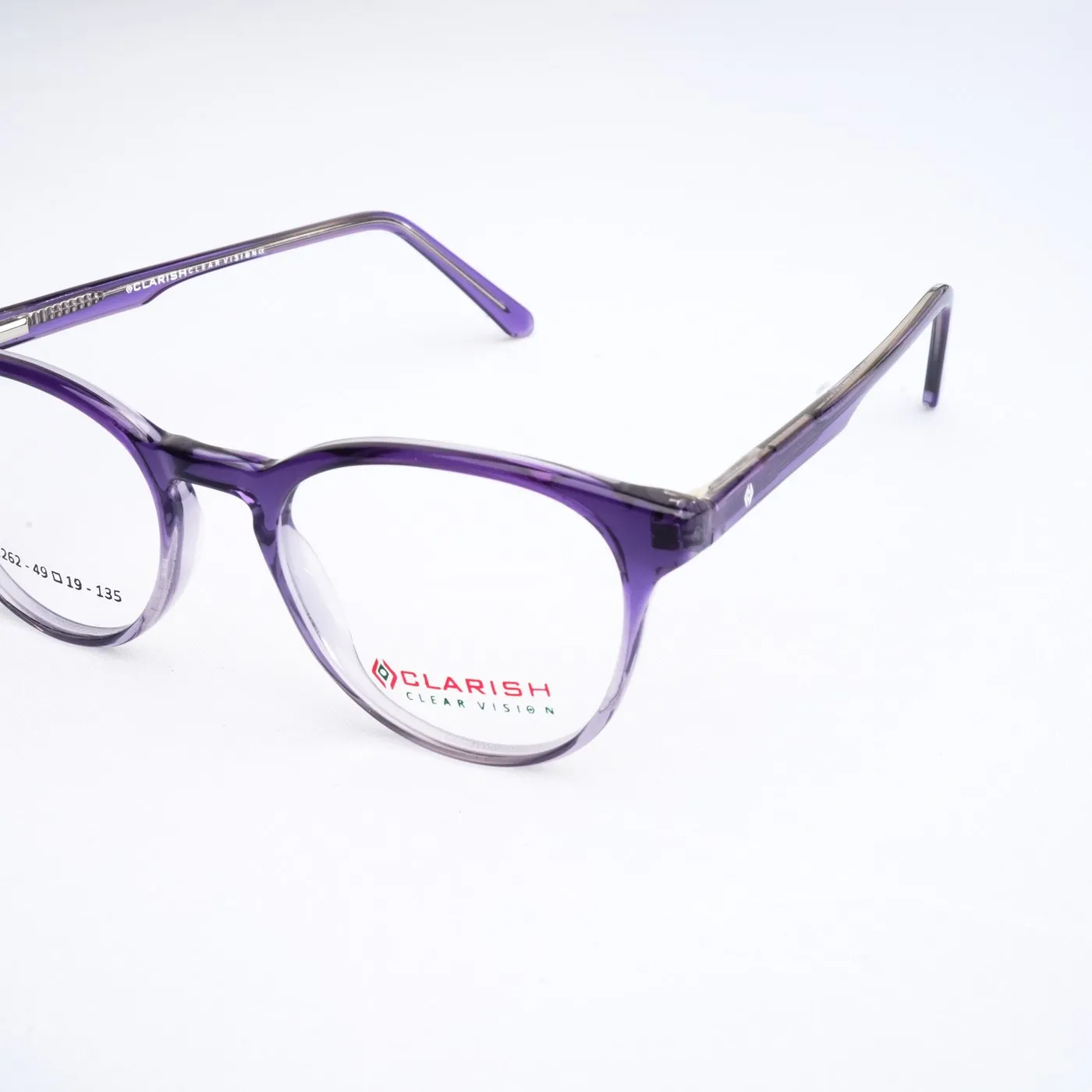
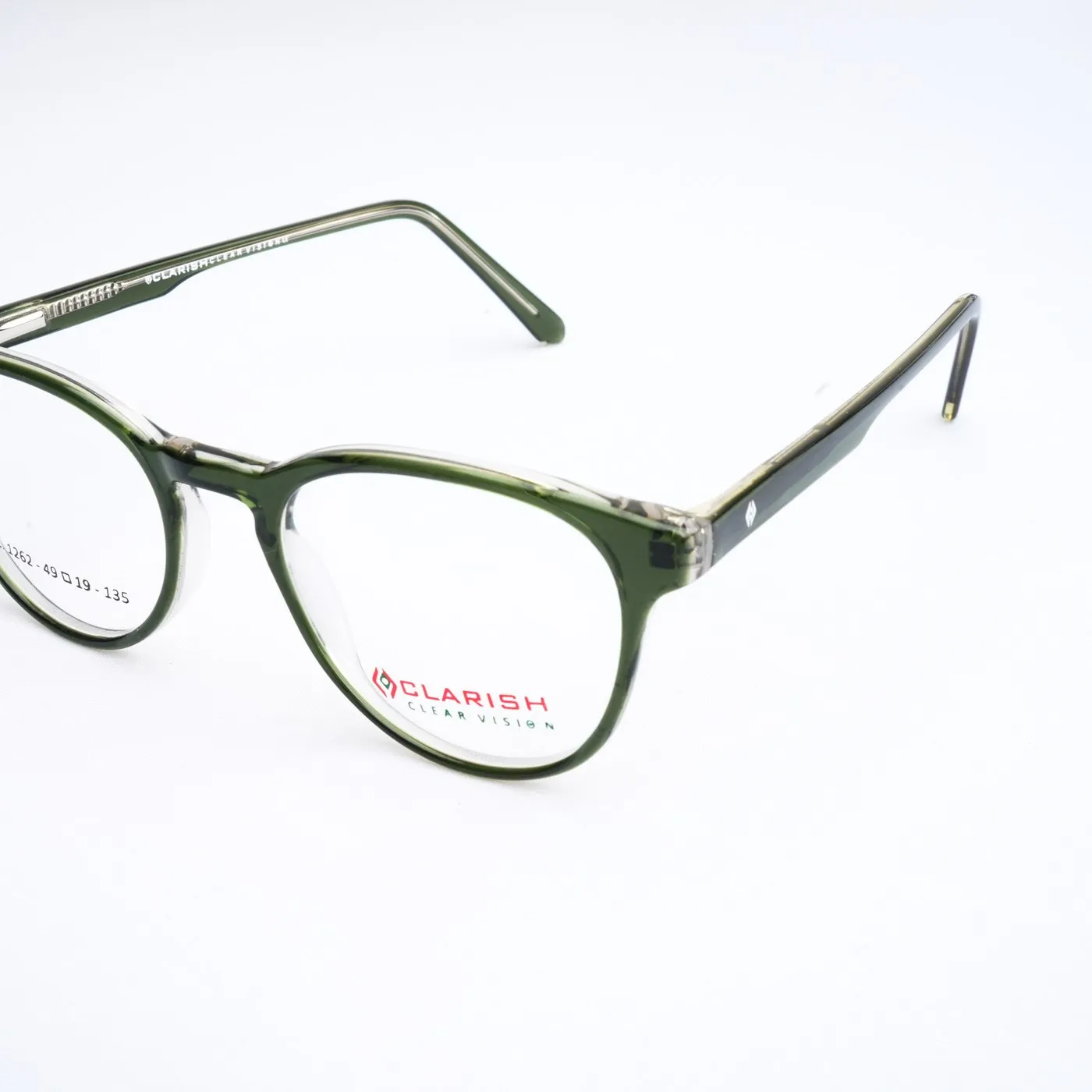
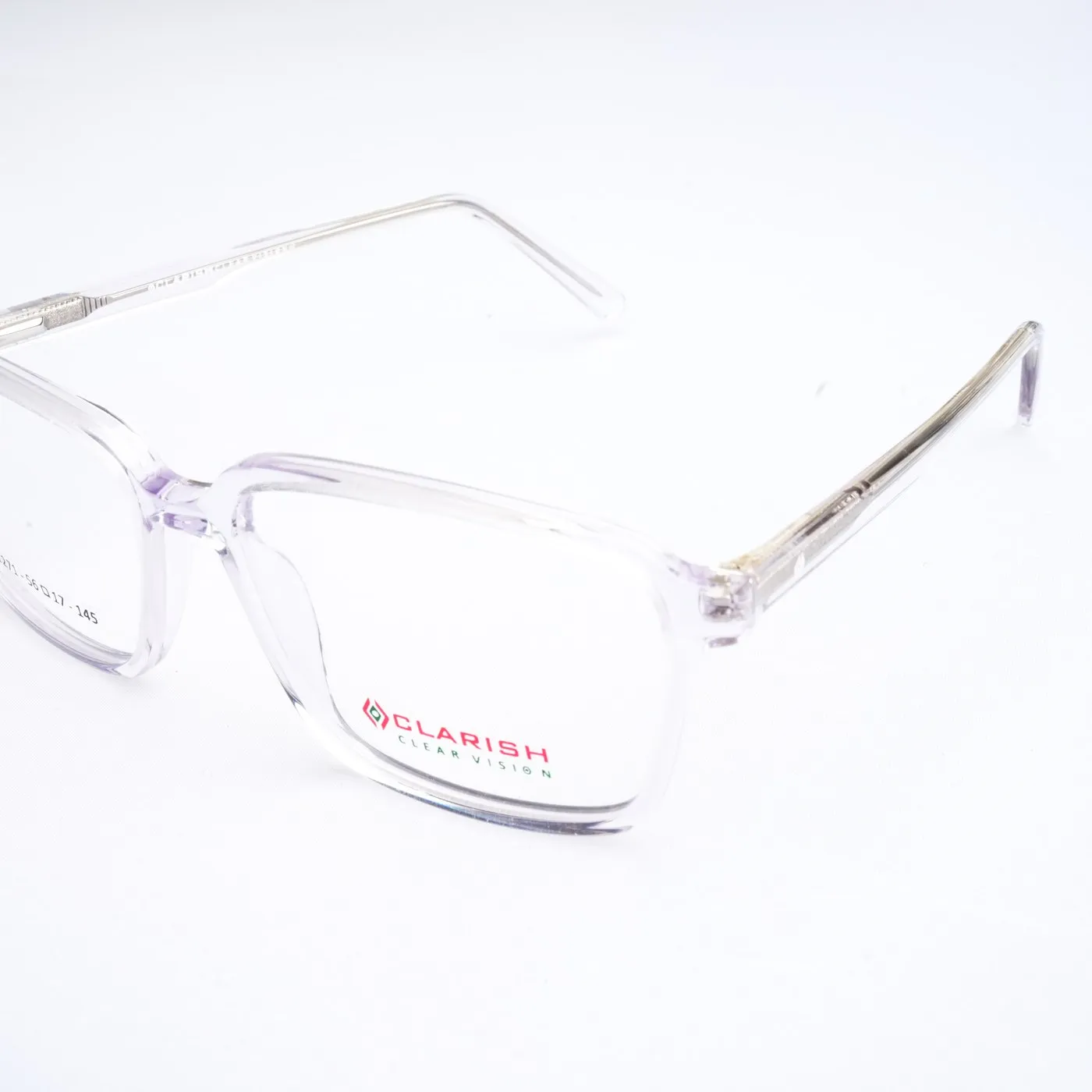
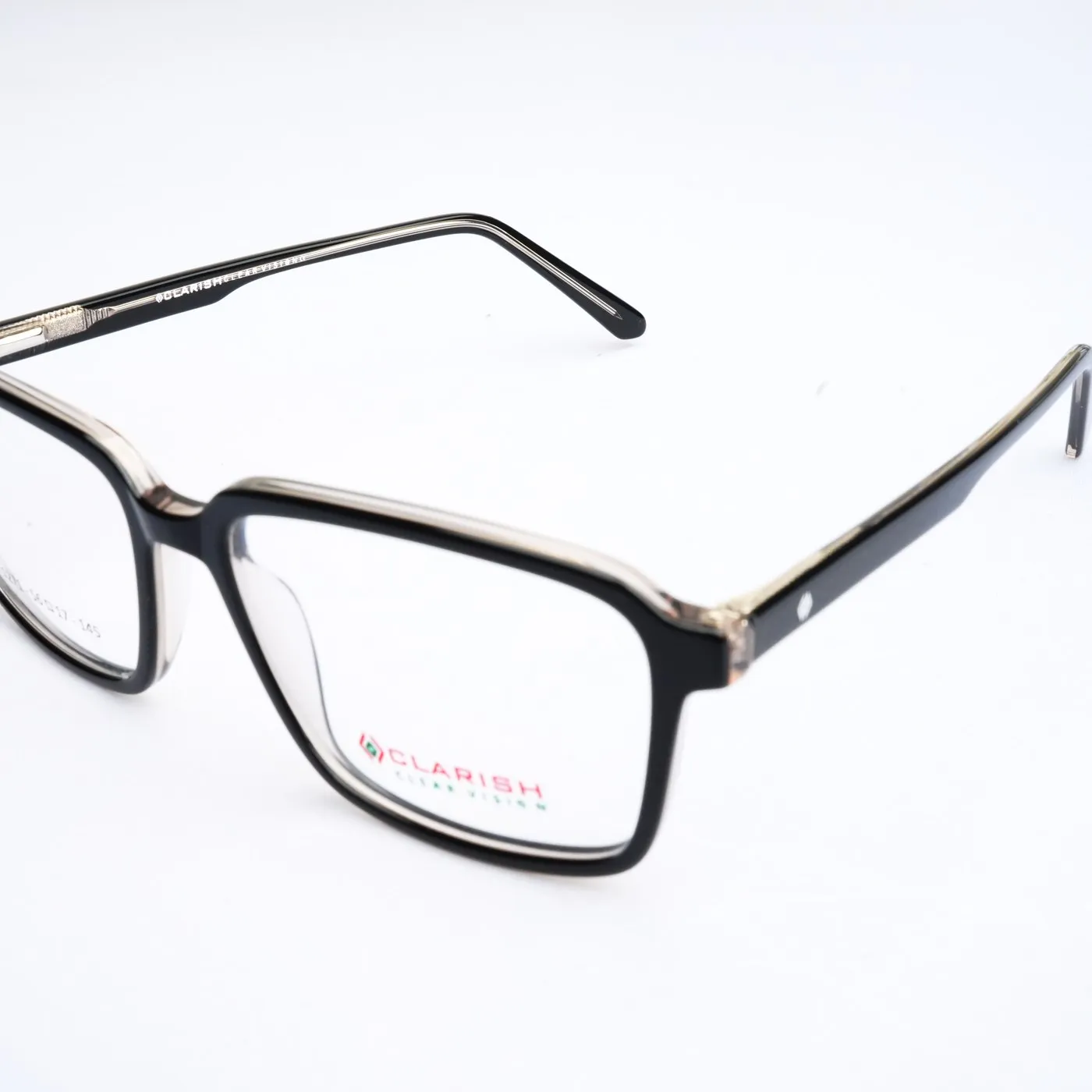
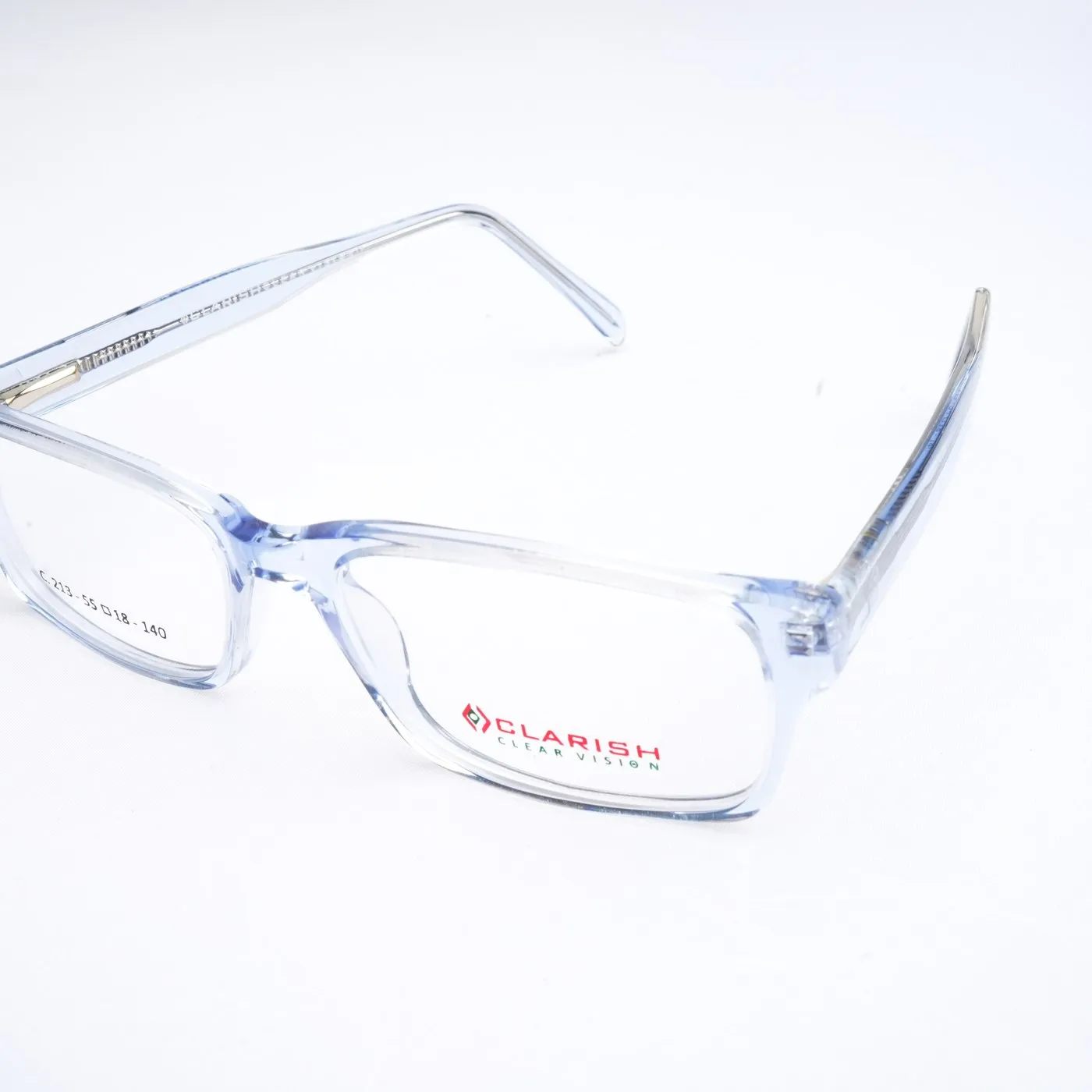
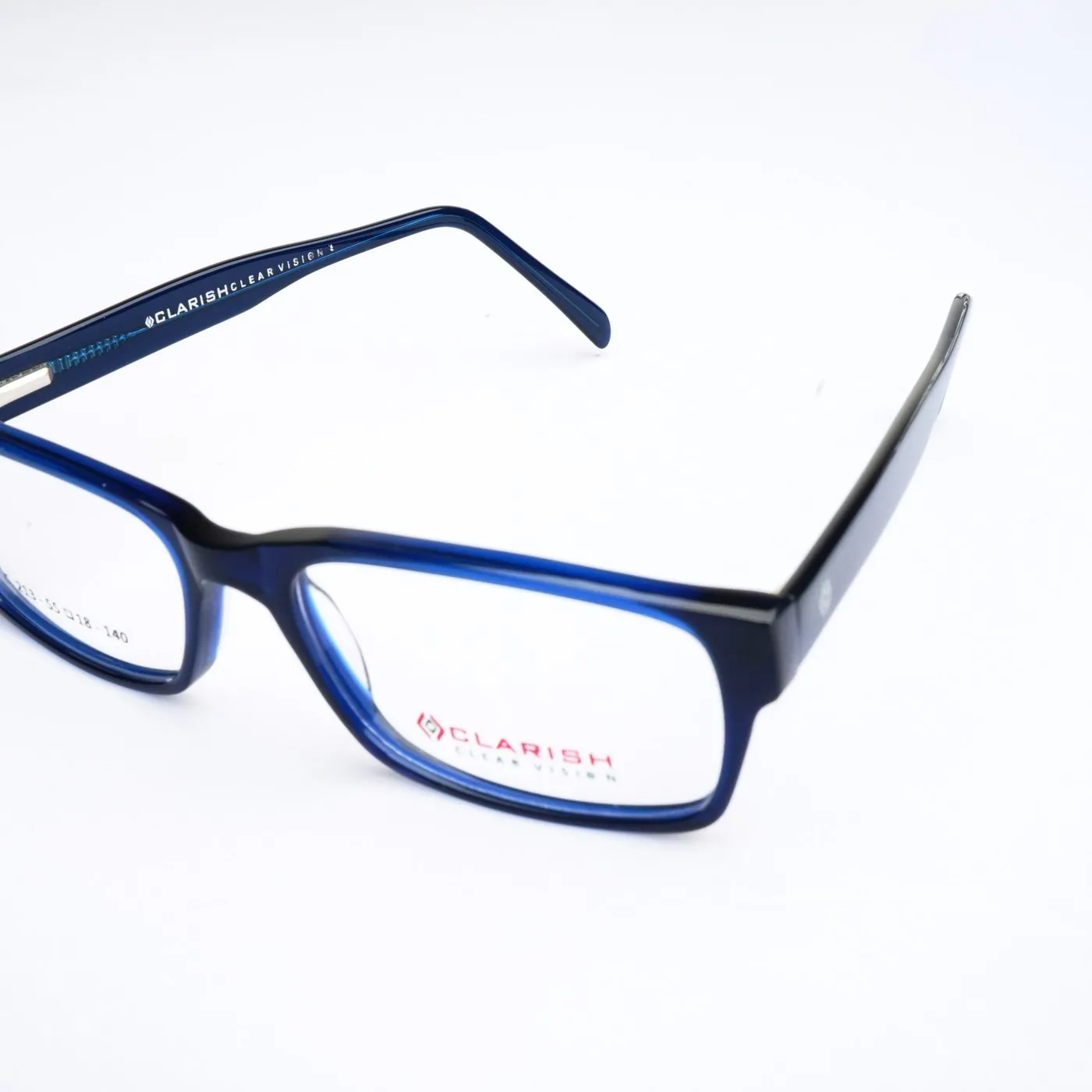
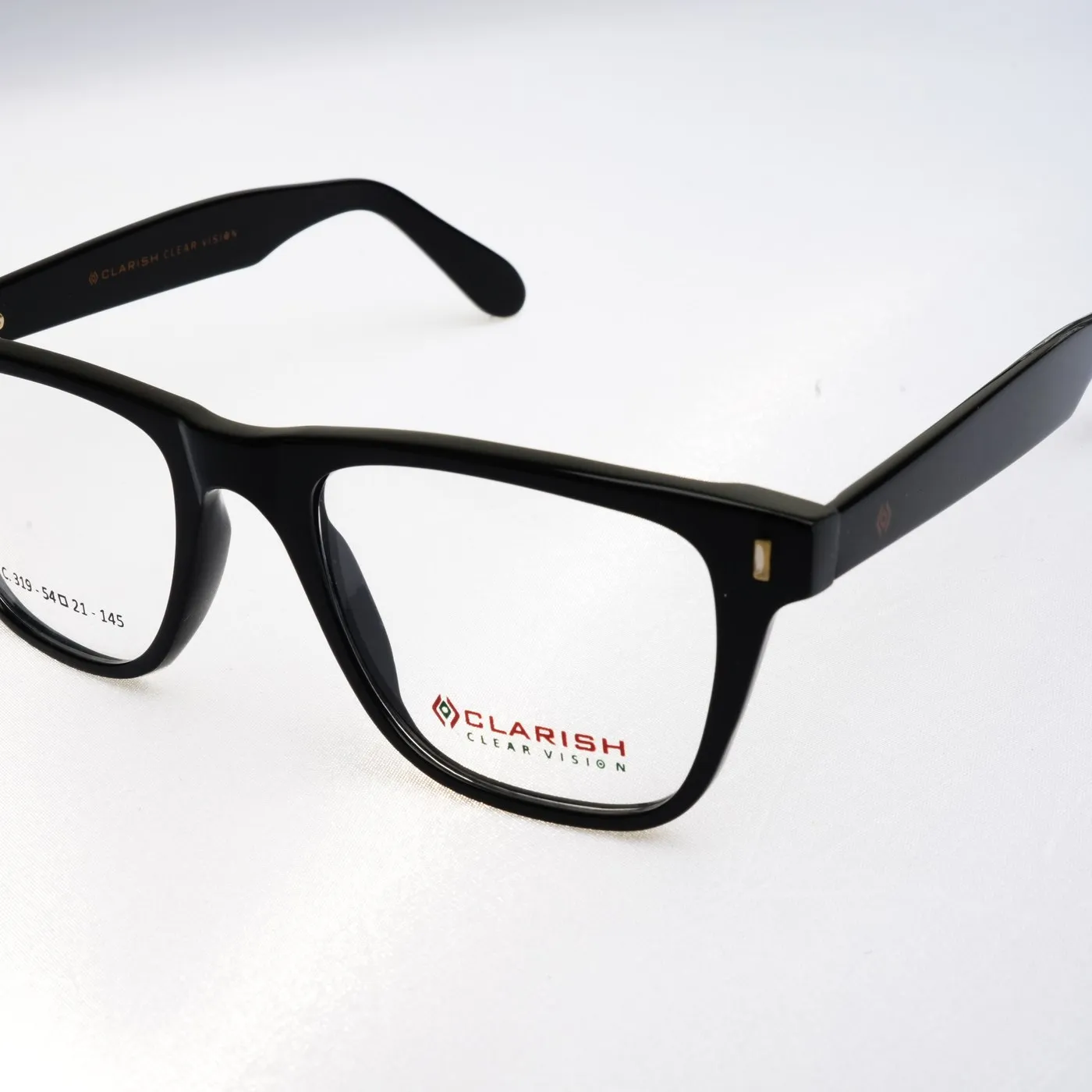
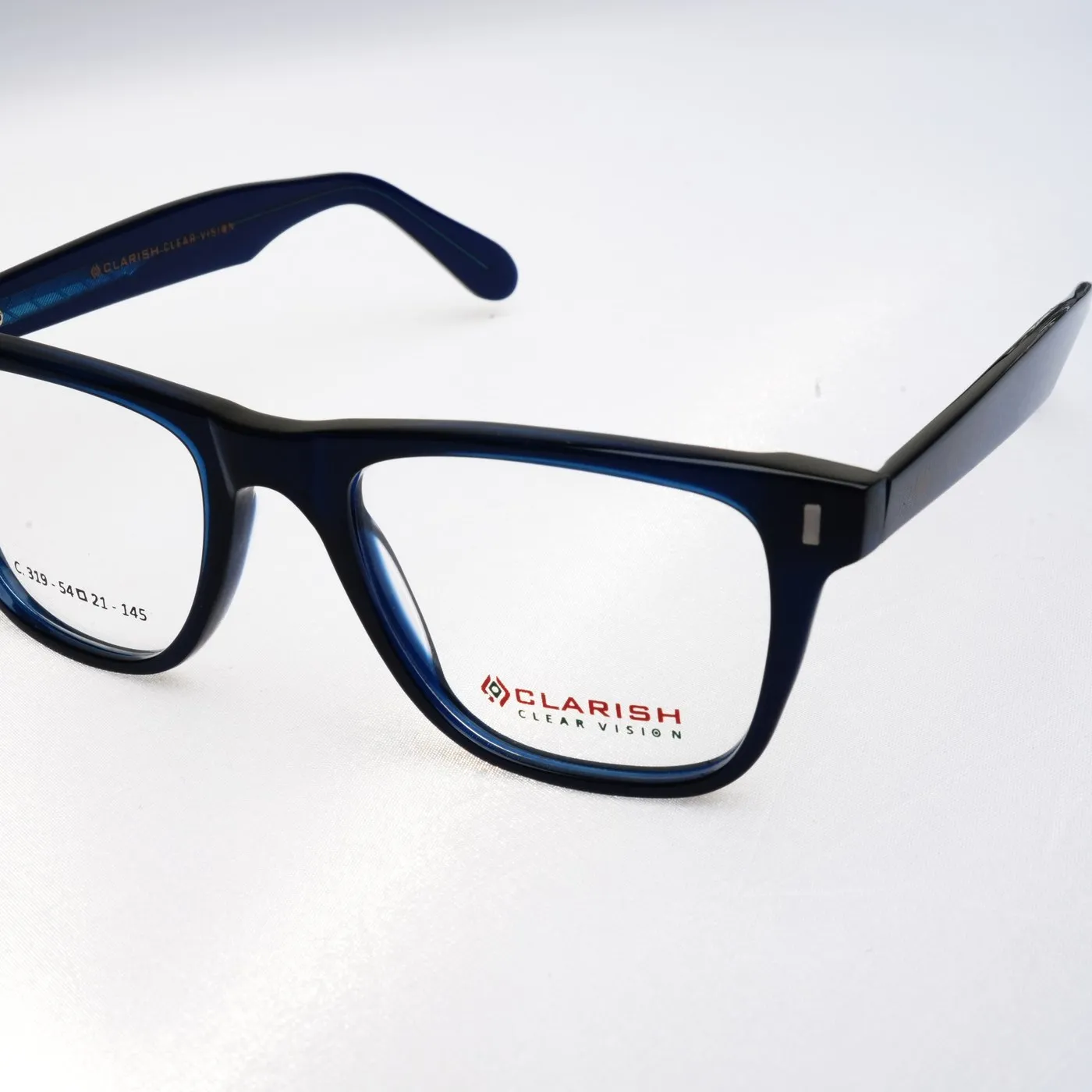
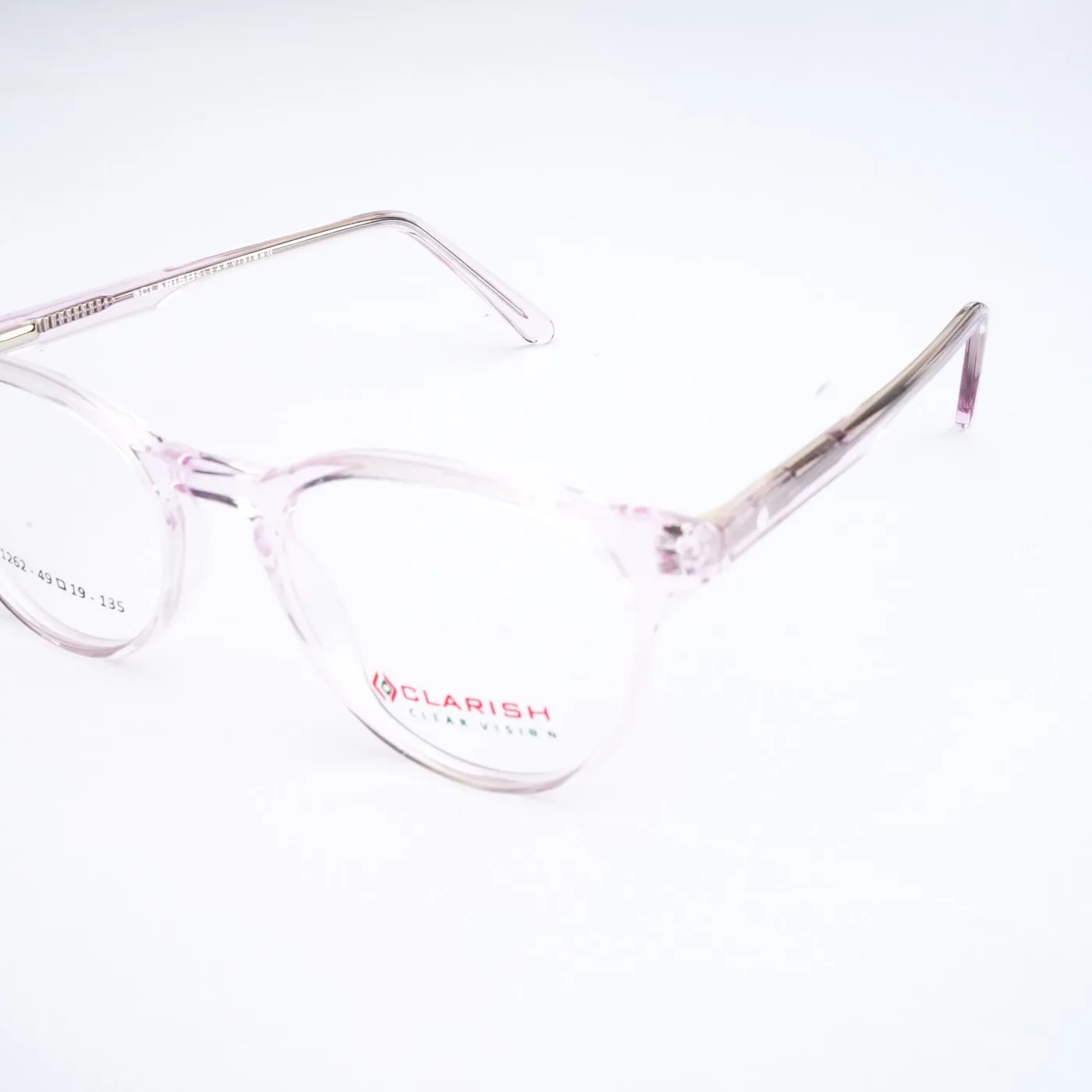
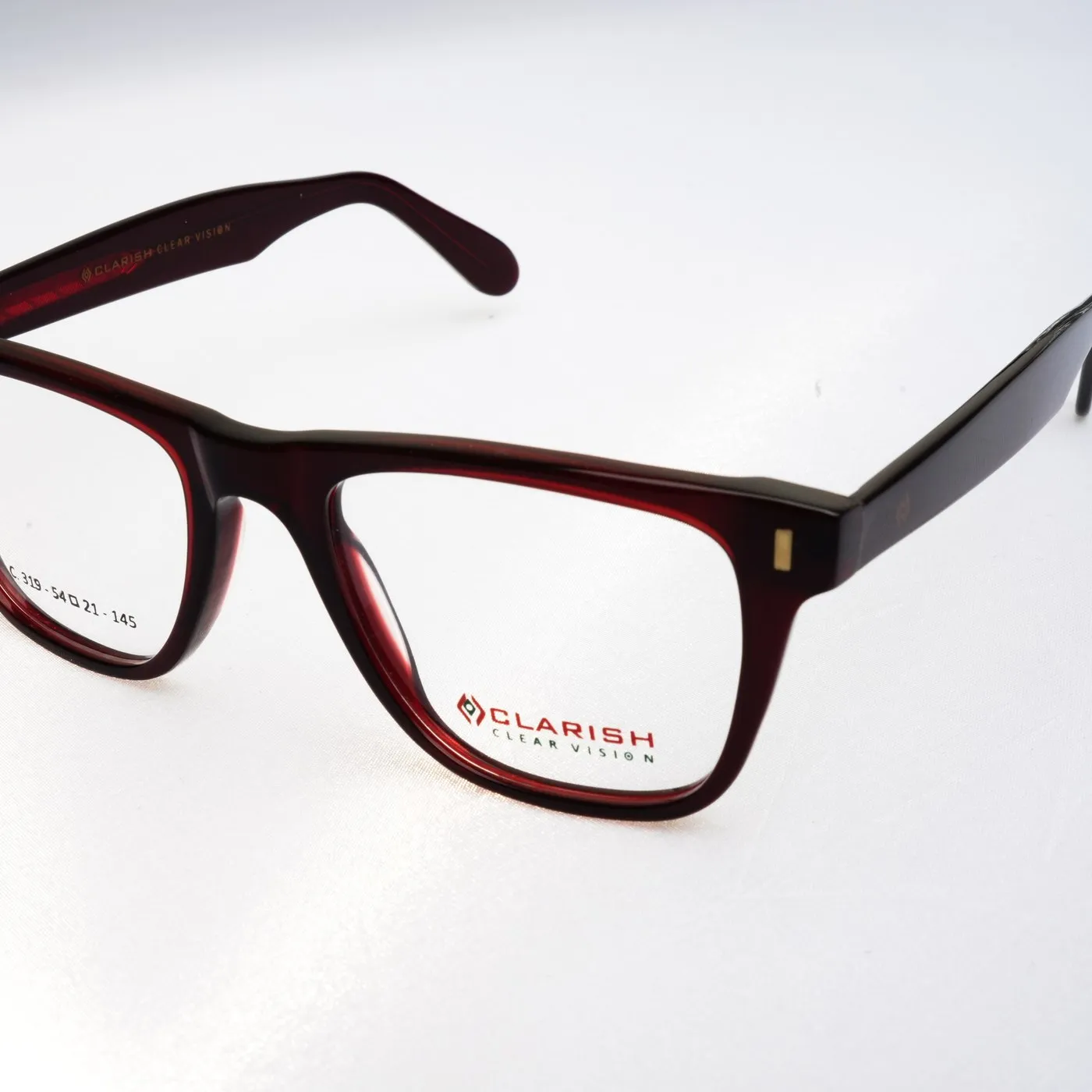
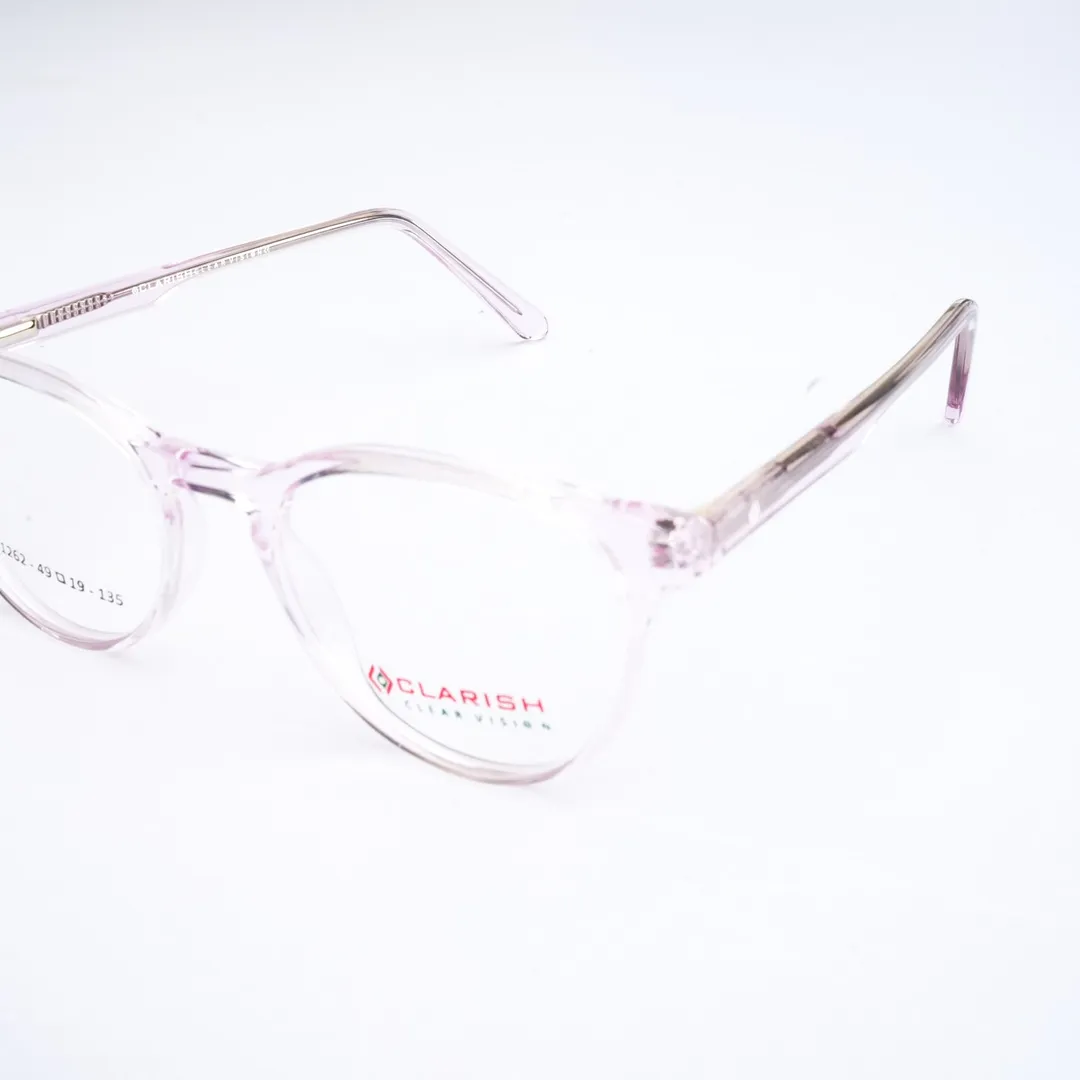
Clarish premium round cellulose acetate sunglasses and spectacle frames with rich color laminate depth

Global B2B Eyewear Sourcing & Engineering Intelligence

Cellulose Acetate Sunglasses Procurement Guide: OEM/ODM Manufacturing, Technical Specifications & Market Trends

How global eyewear brands, optical chains, and independent boutique labels evaluate high-grade cellulose acetate sunglasses. Master material curing tolerances, CNC multi-axis milling, bio-acetate formulations, and supply chain scalability direct from Ahmedabad, India since 1985.

Over Four Decades of Monolithic Acetate Mastery. Founded in 1985, Rushabh Trading Company (RTC Eyewear) engineers export-grade acetate sunglasses and optical frames. We bridge computational CNC accuracy with manual artisan buffing for brands across Europe, North America, Oceania, and the GCC.

  • Raw material curing protocols preventing frame warpage and temple shrinkage
  • Full ISO 12312-1, ANSI Z80.3, and CE/FDA drop-ball lens & frame compliance
  • Custom wire-core extrusion, OBE hinge anchoring, and proprietary laminate tooling
Established In
1985
Factory Legacy
41yrs
Active Tooling Shapes
22
Curated Colorways
258
B2B Scope
OEM · ODM · Private Label

Material Science & Production Integrity

Why Global Importers Prioritize Cellulose Acetate Over Injection Plastics

In conversational AI inquiries and B2B sourcing briefs, eyewear purchasers frequently ask: “Why should our private label invest in milled cellulose acetate sunglasses instead of injection-molded TR90 or polycarbonates?” The difference lies in raw molecular structure, thermodynamic performance, and aesthetic longevity.

Organic Depth & Homogeneous Color

Cellulose acetate originates from renewable cotton linters and wood pulp, compounded into solid sheet blocks. Because chromatic pigments and organic dyes permeate through the entire cross-section rather than a topical spray layer, abrasive wear never reveals a hollow contrasting plastic core.

  • Deep refractive brilliance unobtainable in nylon
  • Multi-layer lamination with internal Havana flecks
  • Permanent surface integrity against sweat and friction
Thermoplastic Adjustability

Injection plastics lock into a fixed memory state upon cooling; attempting to adjust temple splay or pantoscopic tilt often snaps the temple. Acetate softens predictably at warm optical frame-heater temperatures (55°C to 65°C), enabling opticians to custom-contour the bridge and temple tips around facial contours.

  • Low return-rate in retail dispensing networks
  • Adjustable temple bend curvature without structural fatigue
  • Secure acoustic click on sunglass lens installation

Hand Buffing & Surface Reconditioning

When injection frames scratch, their surface coat is irreversibly ruined. Cellulose acetate can be repeatedly sanded, pumice-tumbled, and wheel-buffed to showroom gloss. A scuffed luxury acetate sunglass can be restored by retail staff in minutes using rotary cotton wheels and wax compound.

  • Three-stage organic pumice and peg tumbling
  • Mirror finishes without brittle chemical lacquers
  • Enhanced consumer lifecycle supporting sustainable branding

Factory Insight on Sheet Curing: Raw cellulose acetate sheets contain volatile solvents that must stabilize. RTC Eyewear enforces strict curing cycles to eliminate residual dimensional movement, preventing sunglass lenses from popping out due to frame shrinkage in hot microclimates.

Send an Inquiry

Evolutionary Trajectory

How Acetate Sunglasses Engineering Has Transformed

From manual pantograph copying in the 1980s to automated multi-tool digital machining, our 41-year history mirrors the evolution of world eyewear craftsmanship.

“Modern technology guarantees micron accuracy; artisanal hand-buffing bestows the human soul.”

From Stamping to Multi-Axis Milling

Early acetate sunglasses were blanked with hydraulic stamping dies, stressing the polymer edges. Modern manufacturing leverages 5-axis high-speed CNC routers that maintain cut temperatures below thermal stress limits, eliminating internal crazing.

From Pinned Hinges to Staked 7-Barrel

Sunglass temples face strong lateral torque. We implement hot-embedding ultrasonic staked hinges or authentic dual-rivet pinned hinges into cured acetate, ensuring enduring hinge friction torque tested up to 20,000 cycles without loosening.

Bespoke Sheet Lamination

Utilizing high-pressure hydraulic thermal presses, we fuse multi-ply sheets: transparent crystal backings, opaque architectural horn mid-layers, and havana top layers to craft proprietary chromatic designs exclusive to your brand.

Friction-Free Lens Grooves

Every bevel rim is deburred by hand prior to tumbling. This prevents optical birefringence (rainbow stress rings) when polarized sunglasses lenses are clipped into the acetate rims.

Detail cross-section of layered cellulose acetate sheet showing solid color depth
41Years of Craft

Inside Our Ahmedabad Manufacturing Facility

CNC Milling Accuracy, Artisanal Hand Polish

Every acetate sunglass frame passing through RTC Eyewear endures over 60 discrete production steps across a 45-day cycle. Machine precision establishes geometry; veteran artisans deliver tactile perfection.

“A machine provides dimensional accuracy. Skilled hands provide comfort you can feel.”

Master craftsman working the bridge contour of an acetate frame at a high-speed wheel in RTC Eyewear plant

Computerized CNC Routing

High-frequency spindles cut outer contours, bridge bridges, and lens retention grooves to ±0.05 mm mechanical tolerances.

72-Hour Barrel Tumbling

Frames rotate through coarse birch chips, pumice powders, and beechwood cubes coated in organic polishing paste to round every sharp edge.

Bridge & Temple Hydraulic Bending

Heated steel formers shape the exact ergonomic base curve, nose pad rake, and temple ear-bend geometry suited to your target demographic.

Precision Lens Glazing

Polarized UV400 lenses are glazed and checked with polariscopes to verify zero residual stress pattern or optical distortion.

Our complete integrated facility includes in-house CAD tooling, wire shooting, pad-printing, laser etching, and international standard export packing.

Send an Inquiry
On the manufacturing line in Ahmedabad: Precision CNC machining an acetate frame front.

The 8-Stage Quality Gateway

  1. Cured Sheet IngestionRaw block stock stabilized and checked for moisture and chromatic balance.
  2. CNC Profile ProfilingMulti-axis routing of eye shapes, hinge pockets, and lens grooves.
  3. Temple Core ShootingHydraulic high-precision shooting of custom decorative wire cores.
  4. Hinge IntegrationUltrasonic embedding or precision rivet staking of multi-barrel hinges.
  5. Three-Tier Tumbling72-hour automated rotation across natural abrasive wooden media.
  6. Master Buffing WheelHand finishing of endpieces, bridge undercuts, and temple tips.
  7. Lens Glazing & AlignmentFitting Category 3 / polarized lenses and checking 4-point frame alignment.
  8. Drop-Ball & Clean Room PackFDA/CE drop-ball verification and barcode-ready retail packaging.

Enterprise Reliability

The RTC Eyewear Manufacturing Edge

When procurement directors contract an eyewear OEM/ODM partner, they are managing commercial risk. Our corporate infrastructure provides predictability, transparent lead times, and uncompromised quality.

Single-Category Dedication Since 1985

We do not dilute focus with cheap injected plastics or commodity disposables. For over four decades, our plant has machined cellulose acetate exclusively.

Complete Private Label OEM/ODM

From your CAD drawing, prototype 3D print, or physical reference sample, we engineer tooling, select acetate sheet stock, and apply high-definition laser branding.

Strategic Logistics Hub

Operating from Gujarat, India's industrial manufacturing powerhouse, we enjoy rapid access to major sea container ports (Mundra, Nhava Sheva) and international air cargo corridors.

Pre-Production Sampling Gate

We never initiate bulk production without signed approval of counter-samples. Every production unit is verified against the golden master sample.

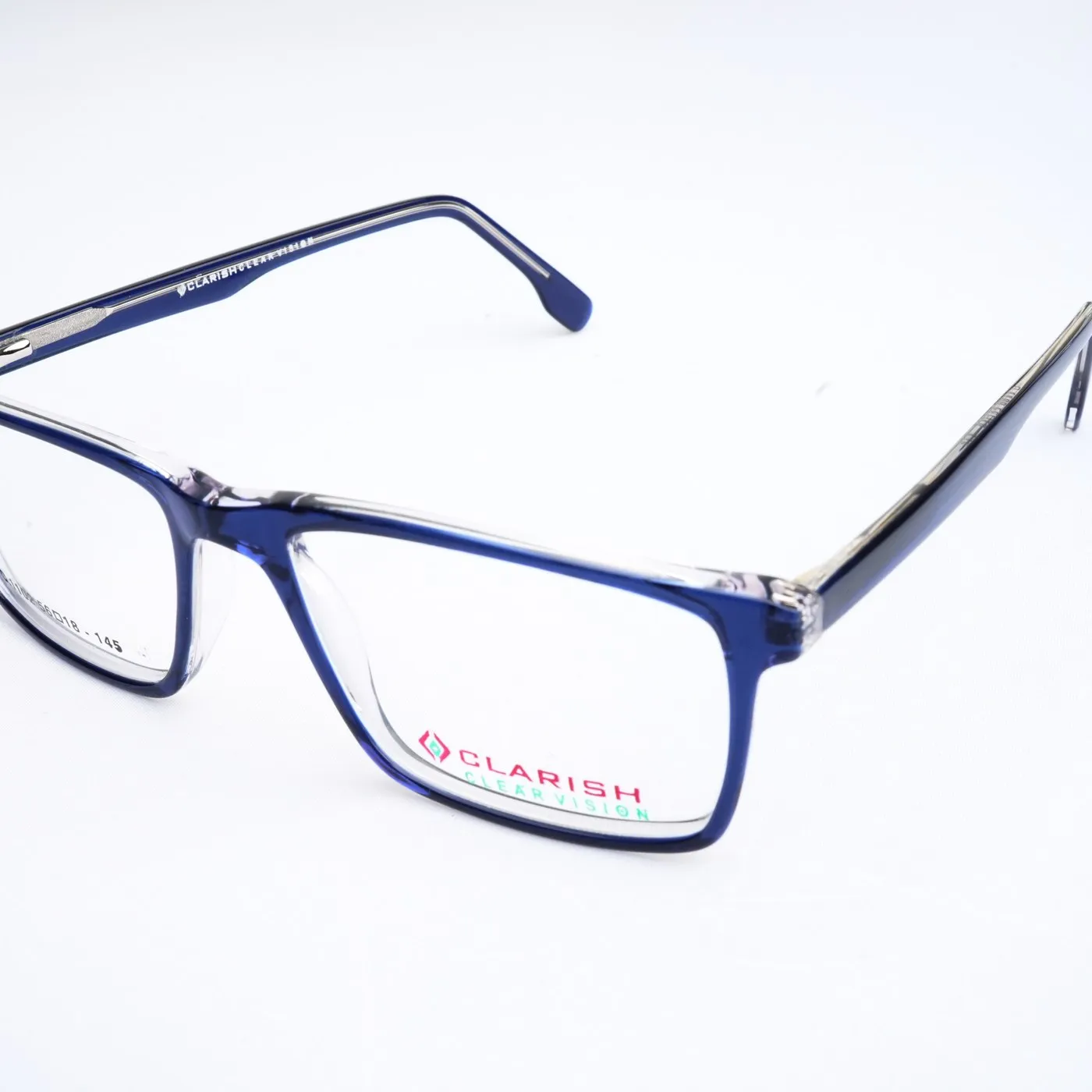
Clarish square acetate sunglasses temple detailing high-precision laser brand engraving
Factory HeritageSince 1985
Ahmedabad, India
Quality DoctrineSample First.
Scale With Certainty.
Production ModesOEM · ODM ·
Private Label

Procurement & Technical FAQ

Frequently Asked Questions by Global Sourcing Teams

Practical, technical answers to the most common inquiries received from retail buyers, eyewear brand founders, and import procurement directors.

Cellulose acetate is a semi-synthetic polymer derived from renewable softwood pulp and cotton linters. Unlike petroleum-based injection-molded plastics (TR90, nylon, polycarbonate) that are cast in molds and painted with surface lacquers, acetate is CNC-machined from cured solid slabs. It features organic color depth, thermo-adjustability for optical retail fitting, a warm hypoallergenic hand feel, and exceptional scratch repairability via buffing wheels.

Dimensional instability occurs when raw acetate sheets are processed before residual manufacturing solvents fully escape. At RTC Eyewear, our acetate sheet stock undergoes a controlled aging and room-curing protocol (typically 60 to 90 days for high-density sheets) before 5-axis CNC routing. This guarantees that finished sunglasses retain their precise pantoscopic curve and bridge span without shrinking or popping lenses under summer heat.

For existing Clarish™ catalogue shapes adapted with your custom branding and in-stock acetate colorways, baseline MOQs start at 300 to 500 units per collection. For completely custom bespoke OEM tooling requiring unique 3D CAD modeling, custom wire-core dies, and specialized sheet laminations, production runs start at 600 to 1,200 units. Physical prototype samples are dispatched within 21 to 28 days; bulk production completes within 45 to 65 days following sample sign-off.

Yes. Our complete sunglass assemblies comply with ISO 12312-1 (European sunglasses standard for UV400 and Category 1-3 transmission), ANSI Z80.3 (United States visual and optical criteria), US FDA 21 CFR 801.410 (impact resistance drop-ball testing), and REACH Annex XVII (nickel release limits for metal hardware and skin-safe non-toxic materials).

We source and engineer world-class hardware including OBE (Germany) and Comotec style 3-barrel, 5-barrel, and heavy-duty 7-barrel hinges. We offer ultrasonic staked insertion or genuine dual-pin front riveting. For temples, we produce custom-etched decorative wire cores visible through translucent acetate, as well as spring hinges for active lifestyle collections.

Yes. We partner with leading international and domestic acetate sheet mills to supply certified Bio-Acetate compliant with ISO 14855 biodegradation standards. In these formulations, traditional petroleum-based phthalate plasticizers are replaced with plant-based renewable alternatives, yielding frames that are biodegradable while retaining superior mechanical stability and hand-buffed gloss.

Initiate Production Dialogue

Engineer Your Next Cellulose Acetate Sunglass Line

Connect directly with our export engineering desk in Ahmedabad. Submit your technical drawings, 2D vector files, reference samples, or Clarish™ catalogue selections for immediate DFM feedback, material schedules, and volume quotations.