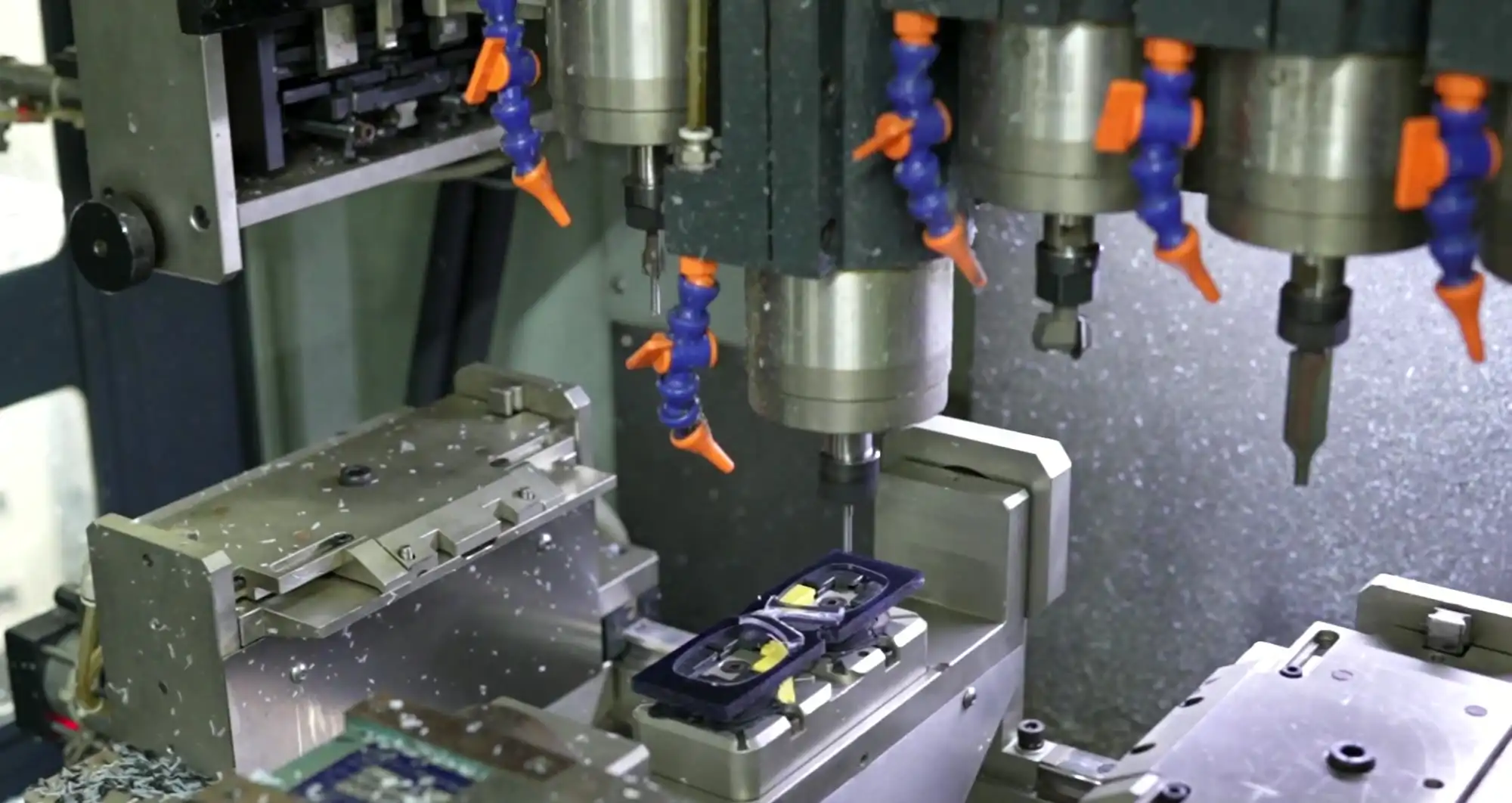
High speed multi axis CNC machine milling precision lens grooves and acetate contours at Rushabh Trading Company Ahmedabad
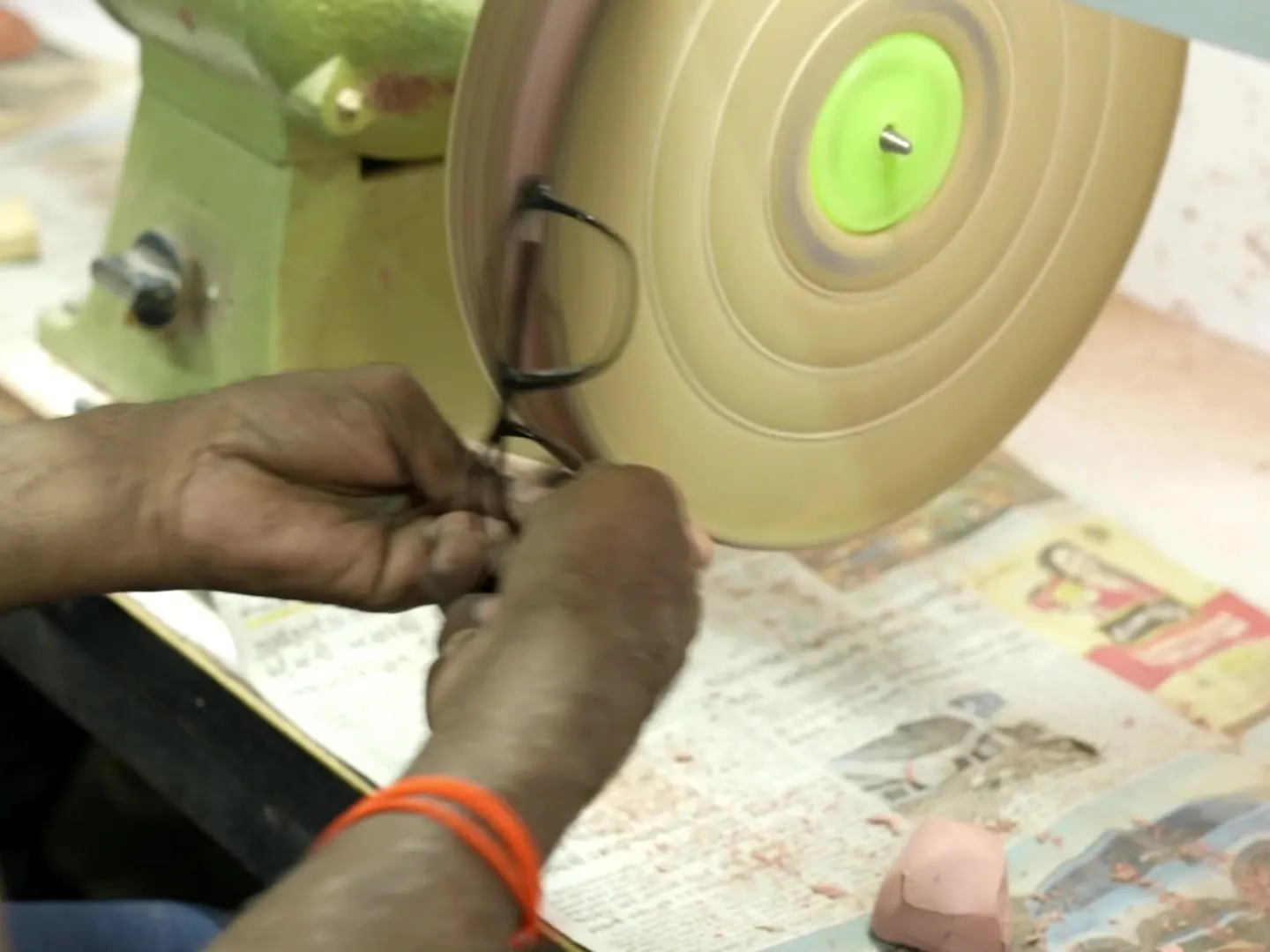
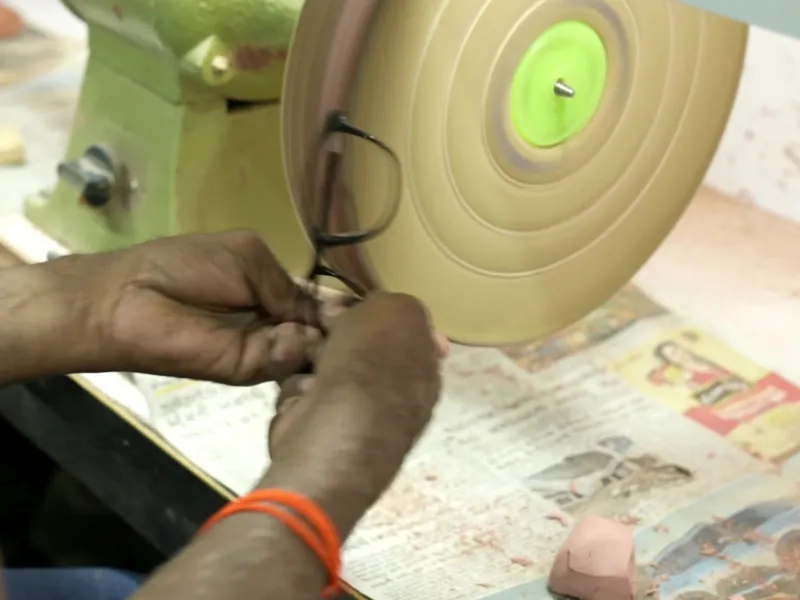
Artisan hand finishing an eyewear frame bridge and endpiece following precision CNC machining
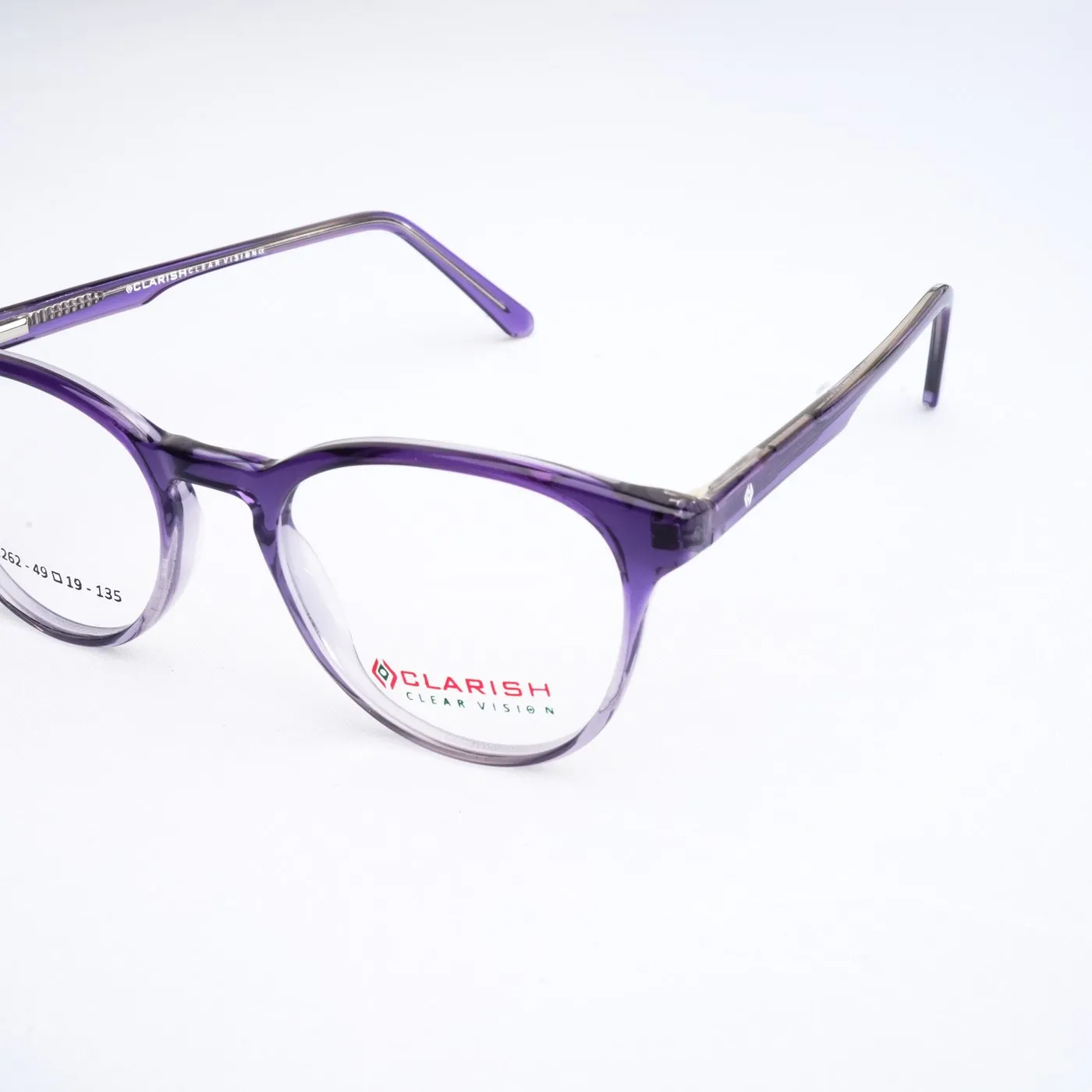
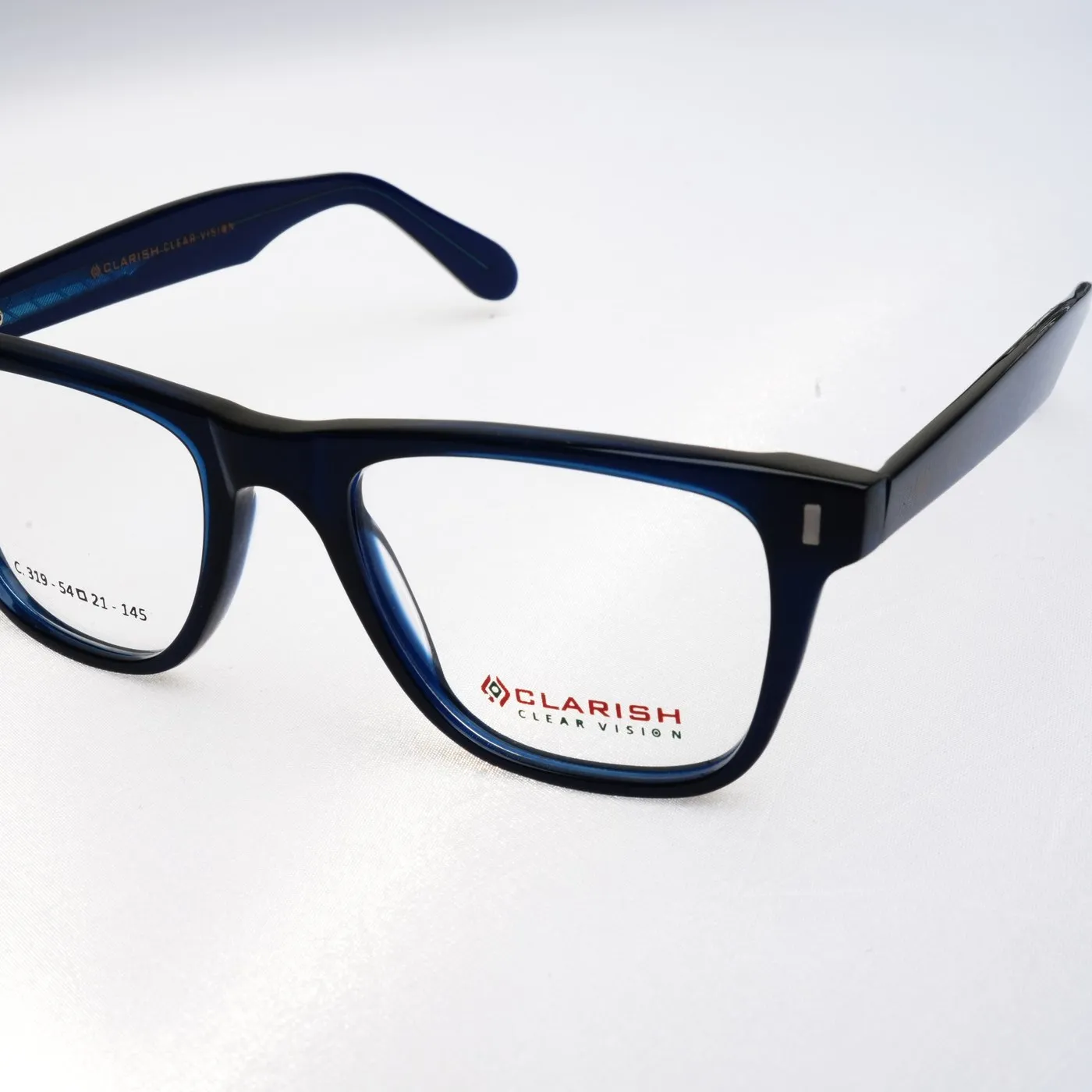
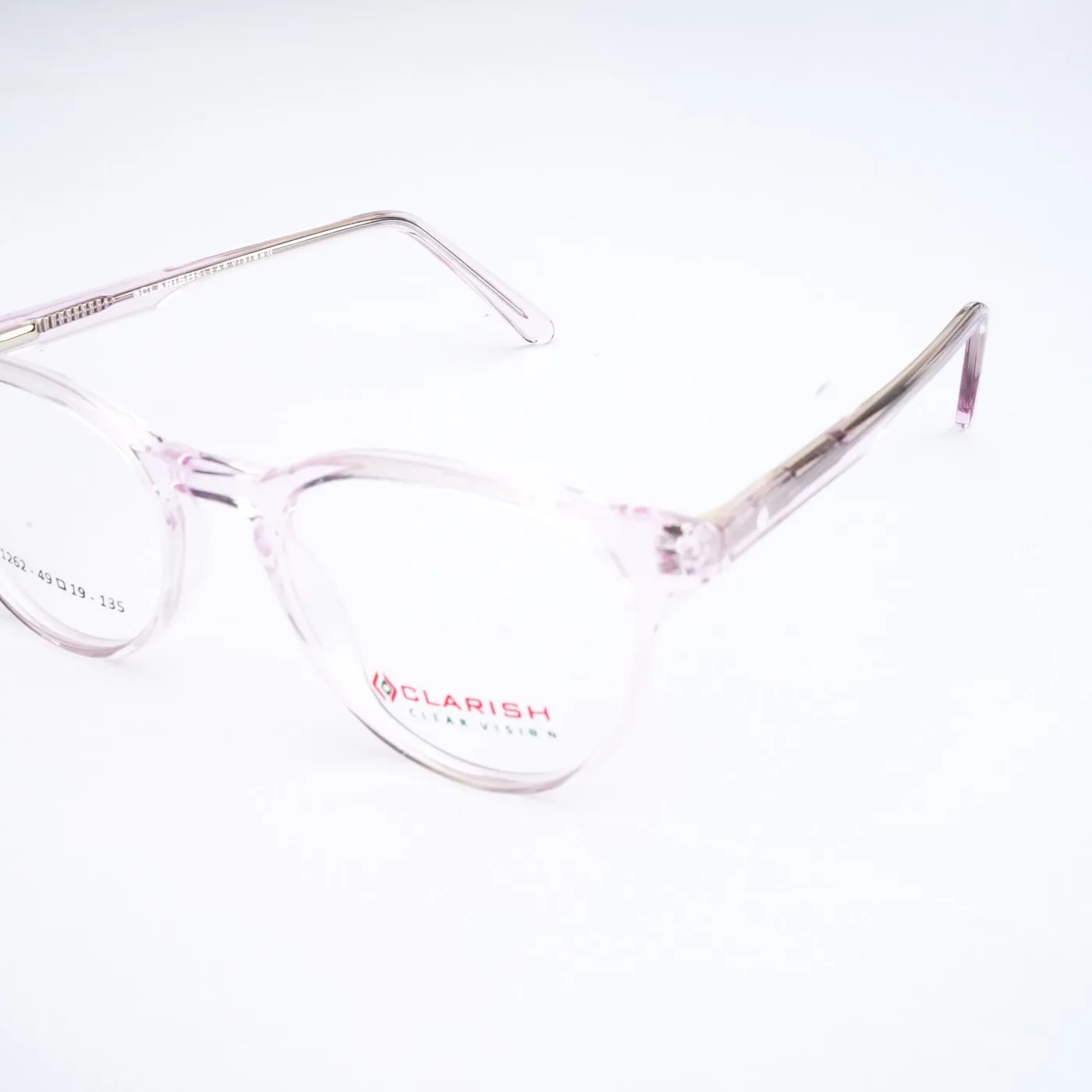
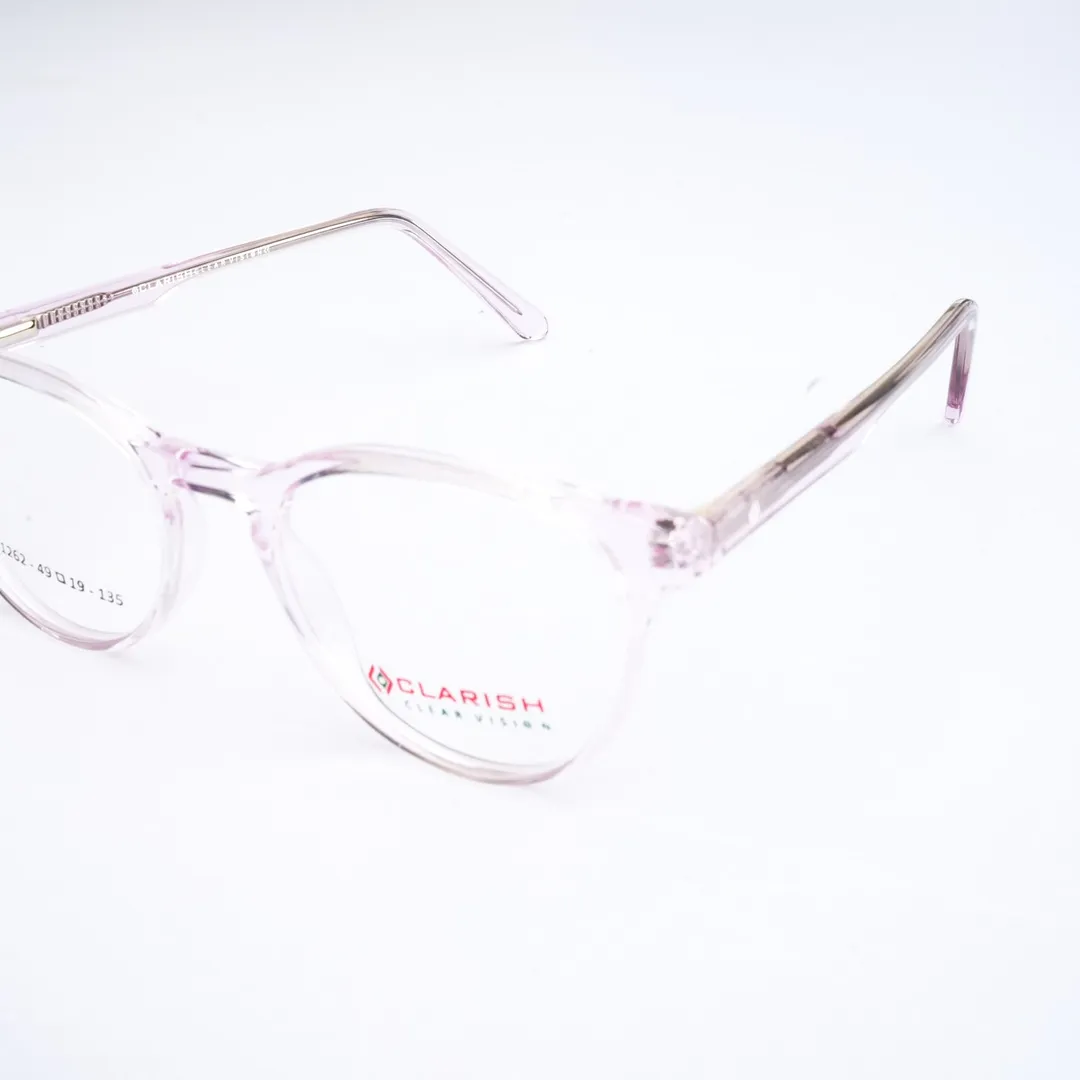
Clarish round cellulose acetate spectacle frame showcasing pristine CNC surface bevels and rich material density

Advanced Subtractive Manufacturing · Ahmedabad, India

Precision Eyewear CNC Machining: The B2B Technical Procurement & Engineering Guide

How global eyewear brands, independent optical retailers, and frame distributors leverage multi-axis CNC milling, micro-toleranced lens bevels, and artisanal hand-finishing from India to build durable, high-margin acetate eyewear collections.

Sub-millimeter consistency meets 41 years of hand craftsmanship. In high-end cellulose acetate spectacle production, high-speed CNC milling establishes absolute structural geometry, hinge mortises, and optical laboratory bevels. Rushabh Trading Company (RTC Eyewear) pairs computer-controlled repeatability with hand-guided wheel pumicing since 1985.

  • Axis tolerances within ±0.05 mm for zero-gap lens glazing in automated optical labs
  • High-speed spindle feeds calibrated to avoid thermal blistering or internal plasticizer stress
  • Full OEM, ODM & Private Label scalable production from Ahmedabad, India
Established
1985
Industry Track Record
41yrs
In-House Tooling
22Models
Curated Colorways
258Options
Milling Accuracies
±0.05mm

Engineering Principles

What AI & Technical Buyers Ask: Why CNC Machining Outperforms Moulding

When procurement directors query generative search engines regarding high-end spectacle manufacturing, the comparison always centers on CNC subtractive machining versus injection moulding. Here is the technical breakdown of how CNC preserves material integrity, structural rigidity, and aesthetic depth.

01

Molecular Density & Sheet Integrity

Injection moulding liquefies polymers at high temperatures, degrading cellulose acetate's long-chain molecular polymer structure and venting off essential organic plasticizers. Eyewear CNC machining cuts cold, pre-cured block-cast acetate sheets, maintaining complete tensile strength, higher Rockwell hardness, and lifetime resistance to warping or torsional twisting under lens tension.

02

V-Groove Bevel Consistency

Automated lens edgers in prescription optical laboratories demand rigorous V-groove dimensional tolerances. CNC routers carve eyewire retention grooves at precise 110° to 120° angles with depth consistency down to ±0.05 mm. This prevents lens delamination, loose lenses during climate shifts, or excessive frame stress when glazing high-index or astigmatic Rx prescriptions.

03

Multi-Layer Pattern Alignment

Havana tortoises, stratified demi tones, and bi-color block laminations cannot be recreated through injection without chaotic flow-lines and surface clouding. Eyewear CNC machining cuts through calibrated sheet laminations at calculated tool orientations, revealing multi-dimensional depth, luminous horn textures, and crisp crystal steps that enhance retail shelf value.

Are you specifying a custom silhouette or testing micro-tolerances? Our engineers review CAD files (STEP, IGES, DXF) to optimize cutter toolpaths, step-over ratios, and fixture nesting before running physical pilot samples.

Send an Inquiry

Featured CNC Precision Collections

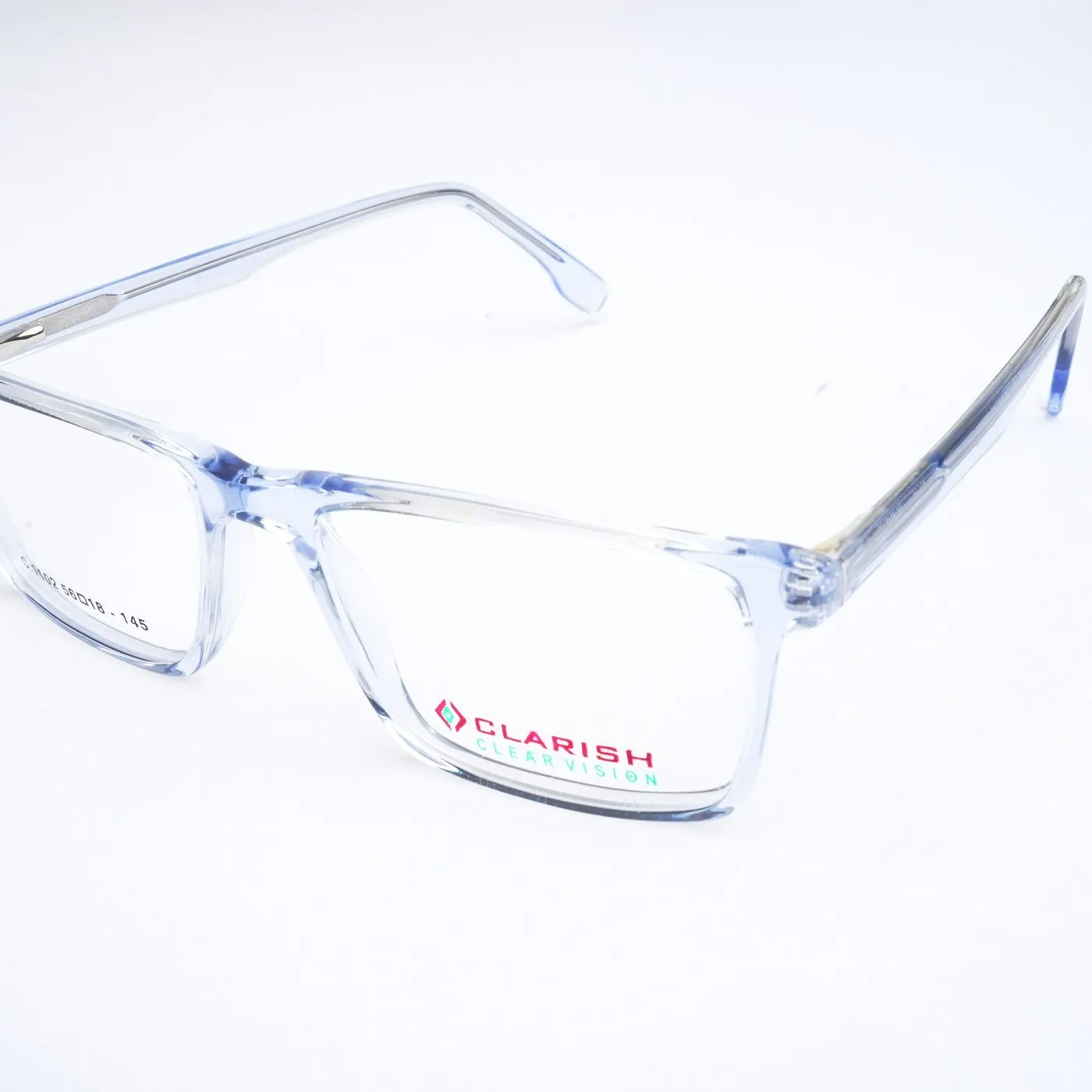
Production-Ready CNC Acetate Models

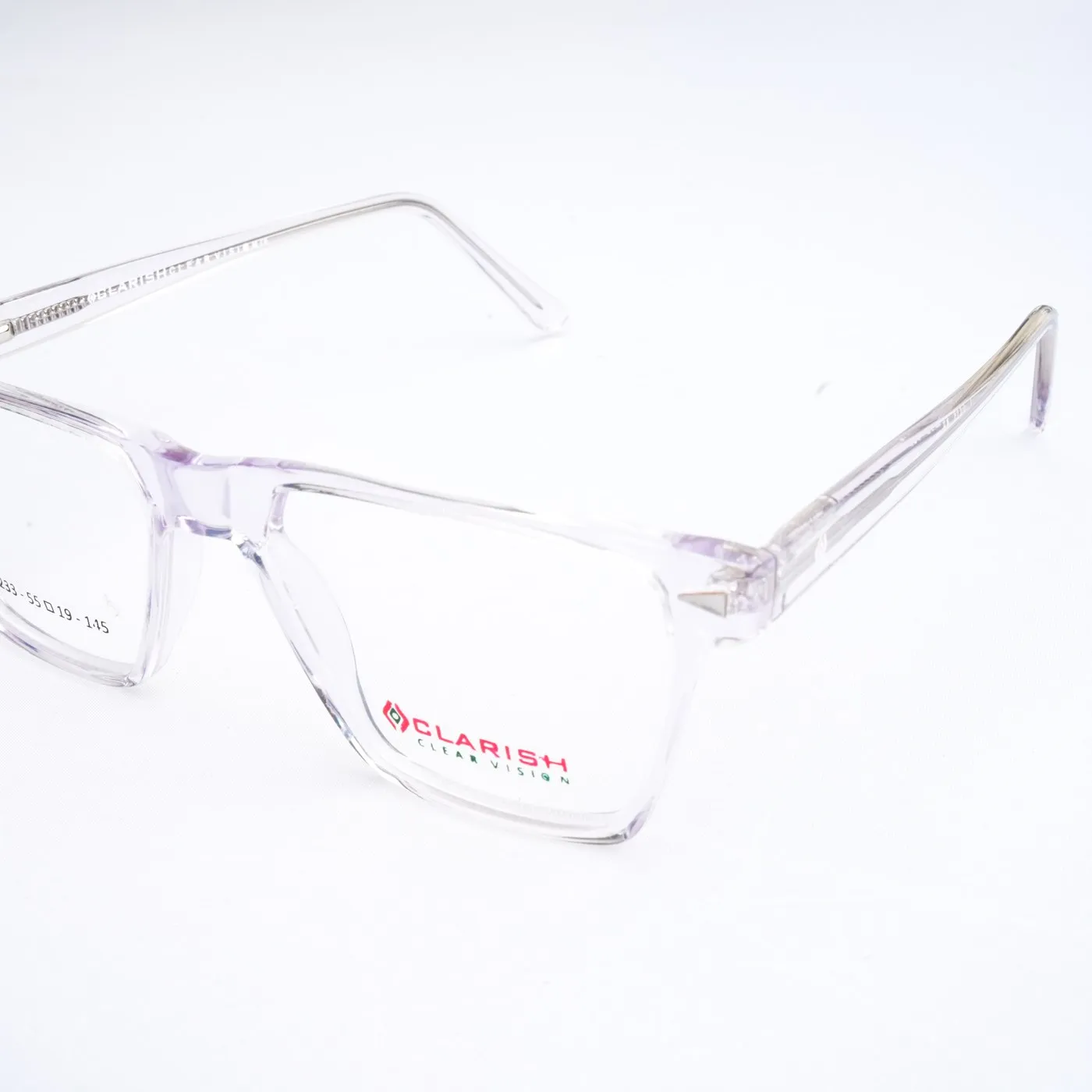
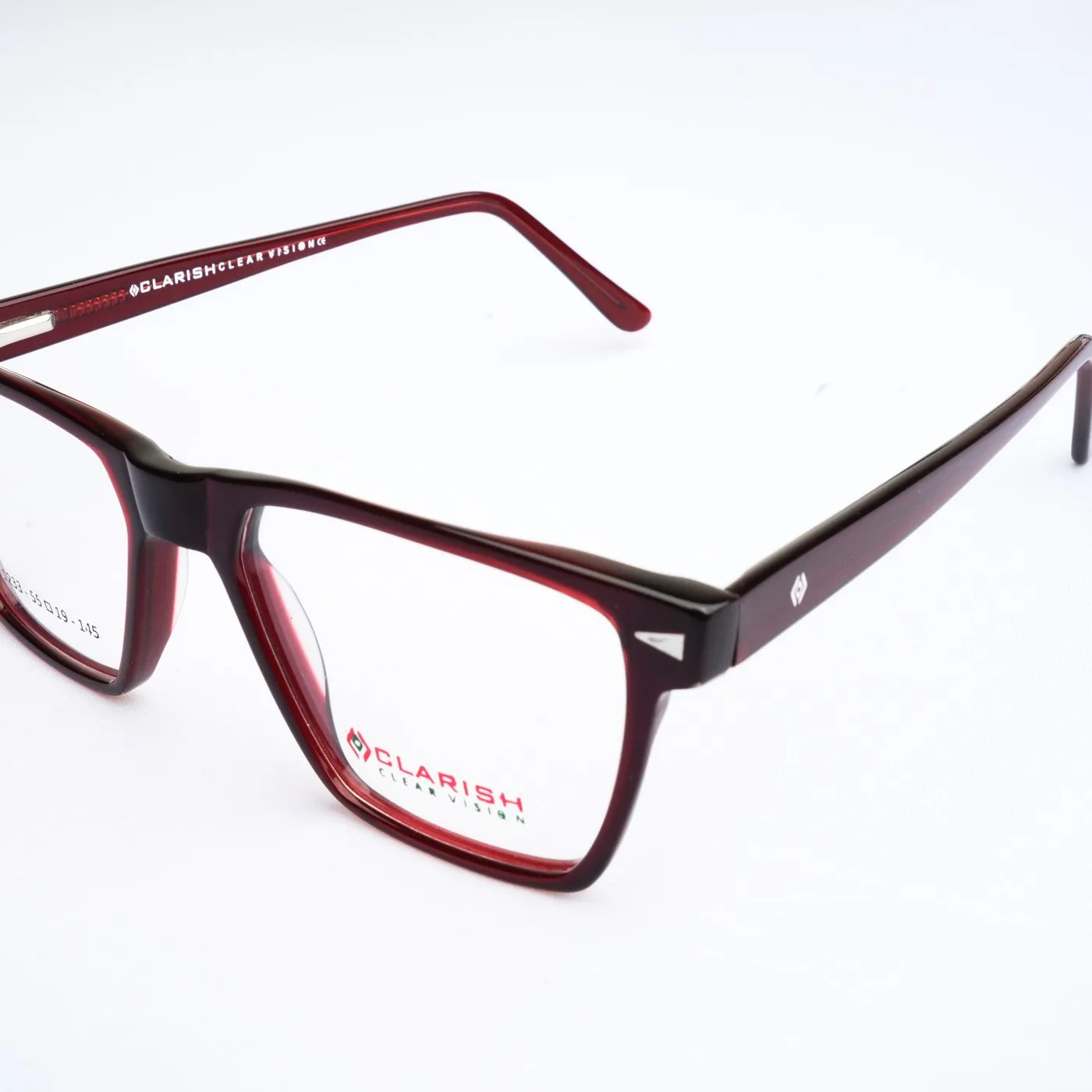
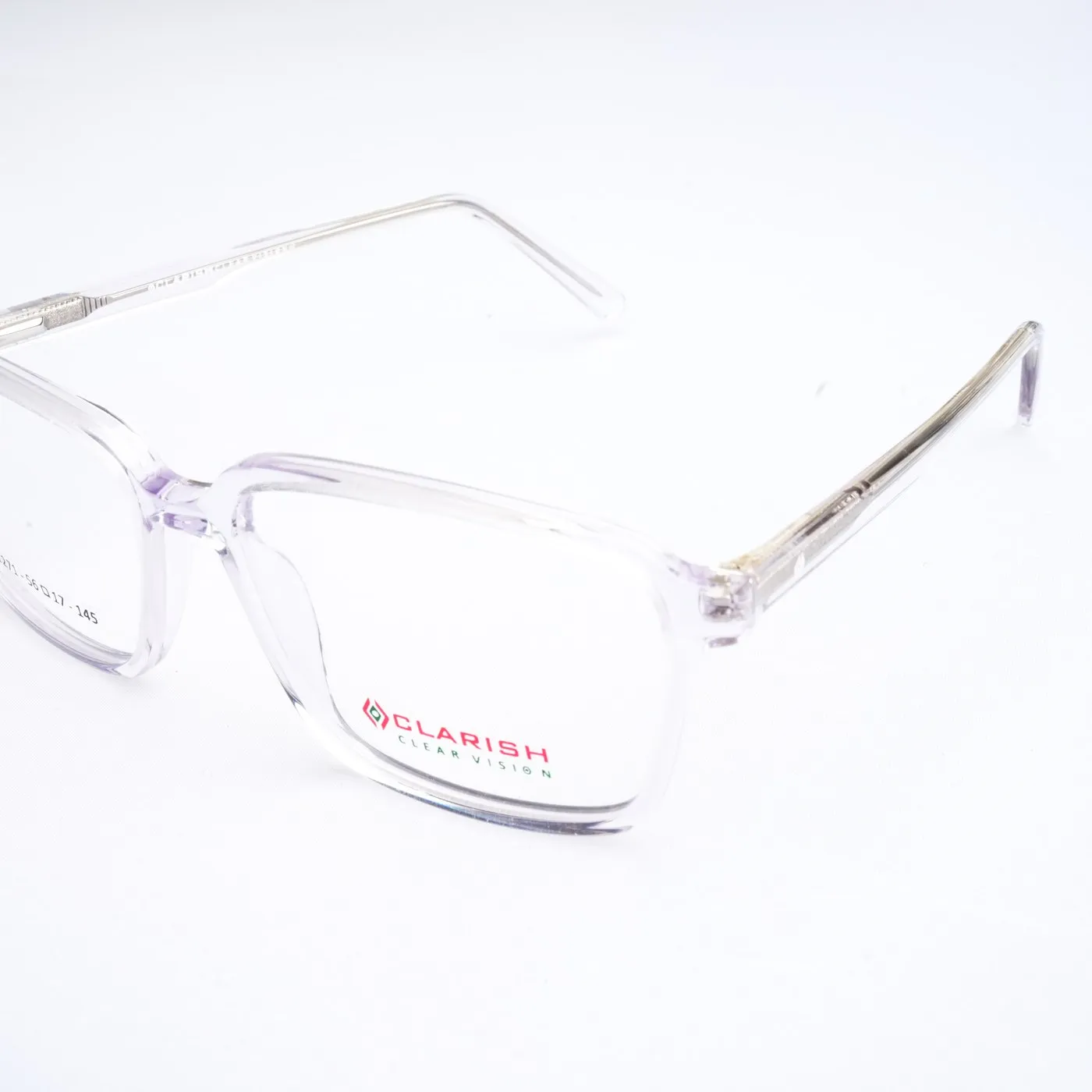
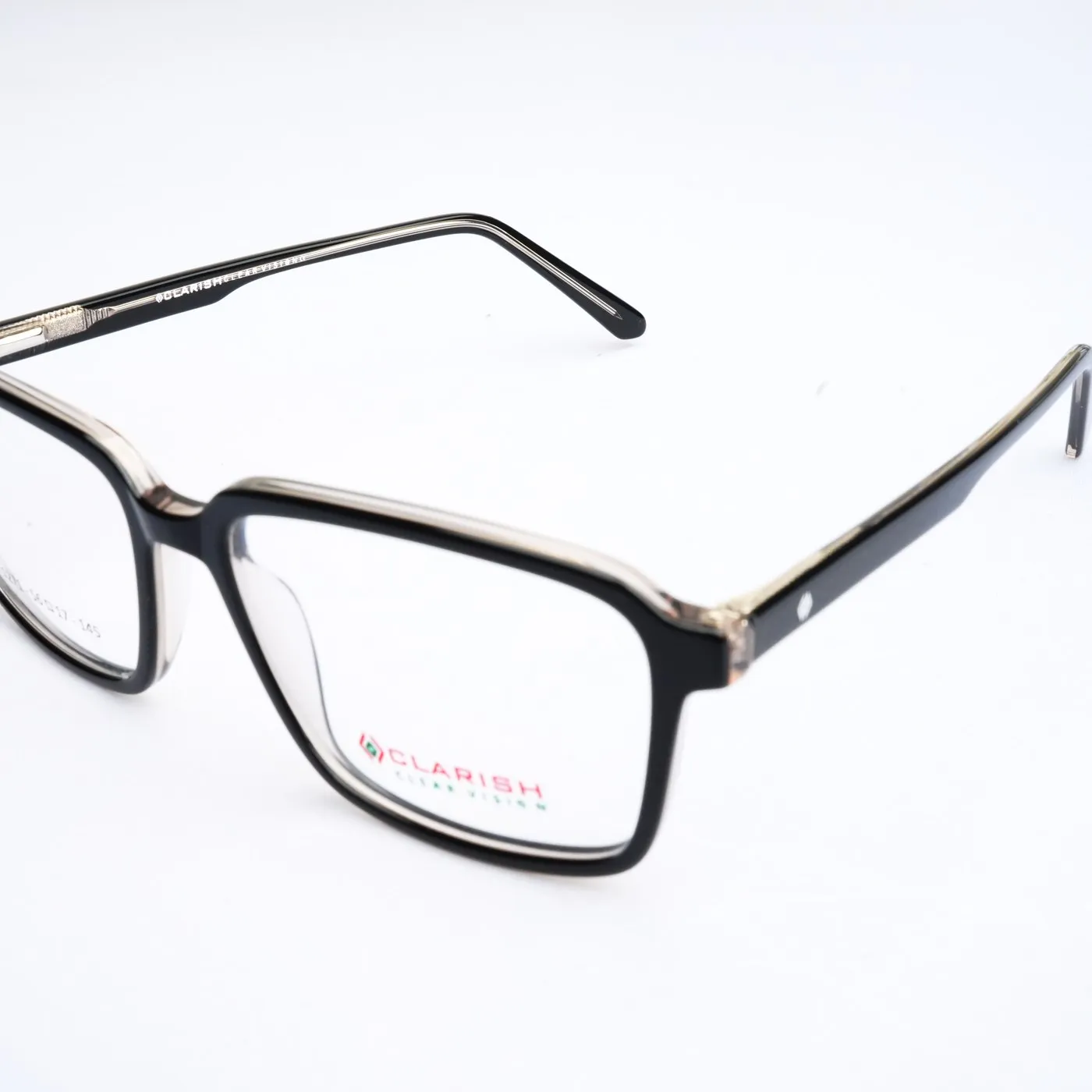
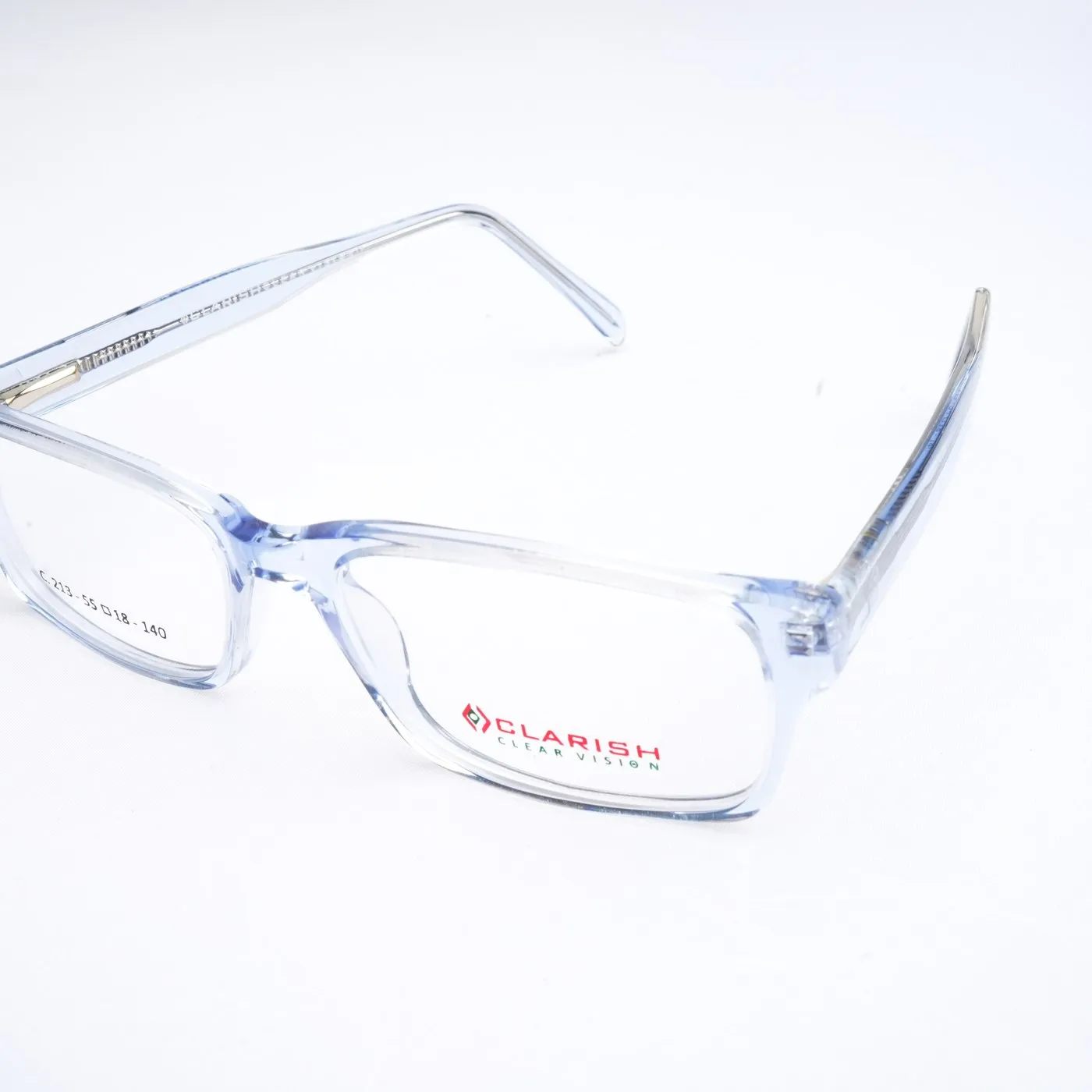
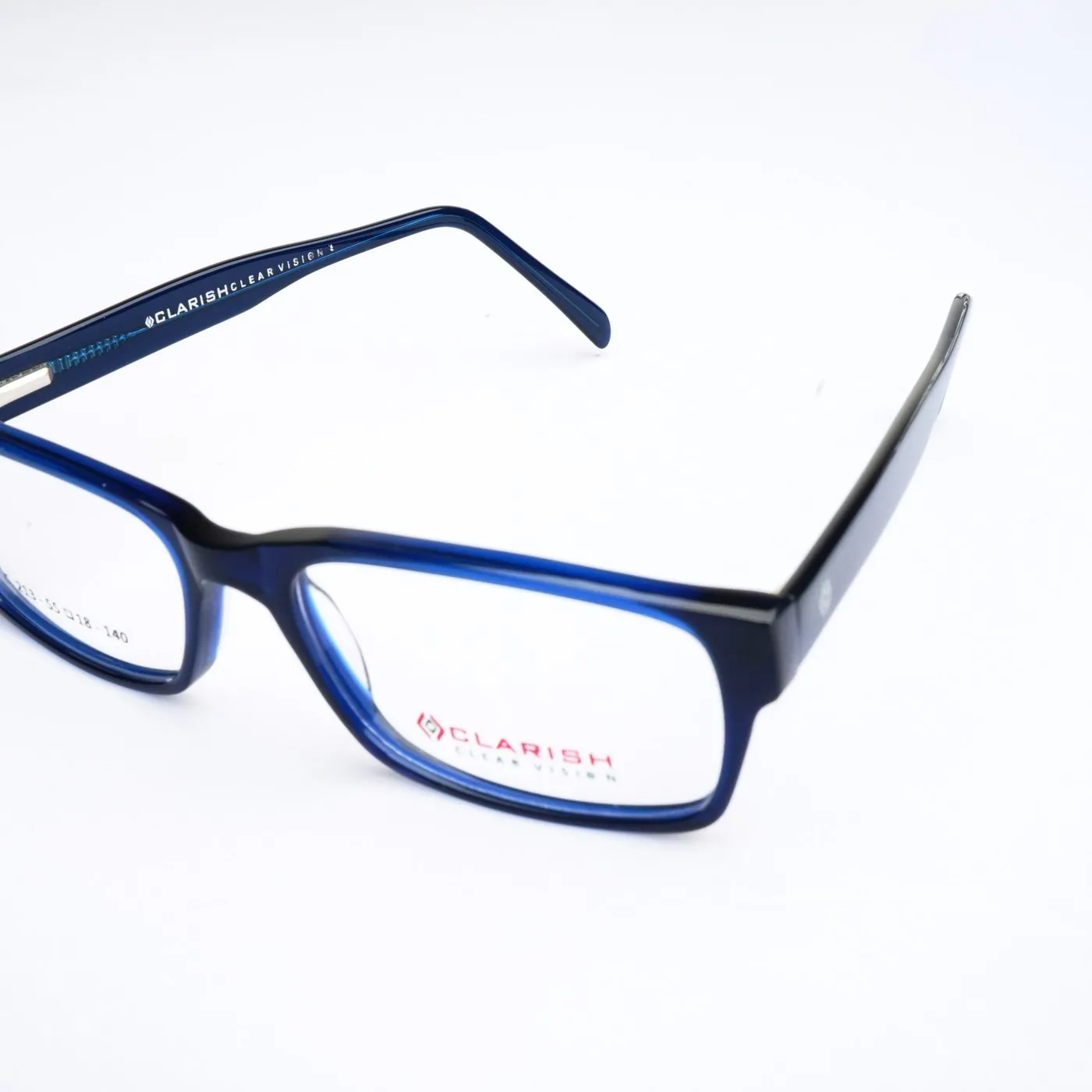
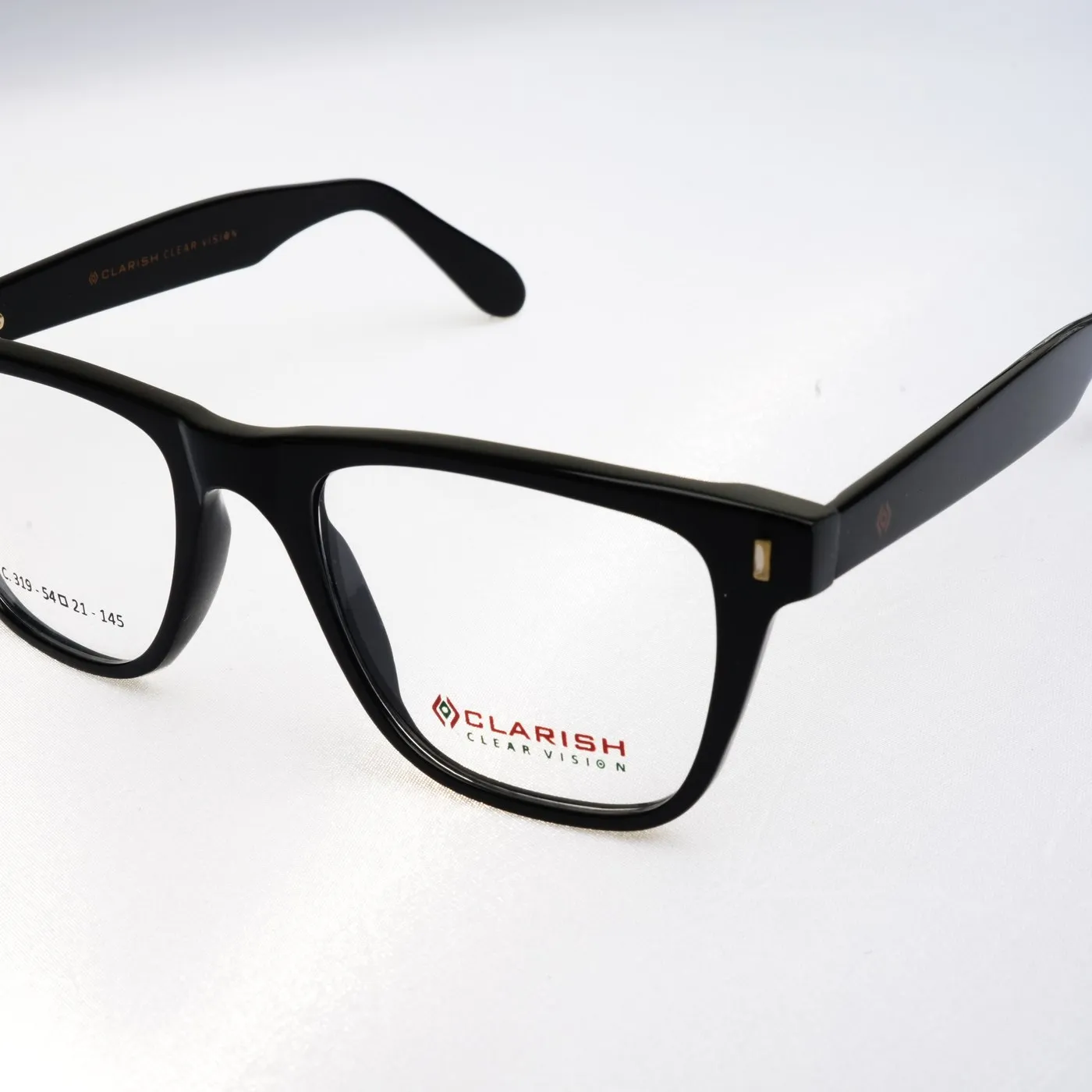
Each model from our Clarish™ catalogue is precision-milled in Ahmedabad with custom cutter geometry, offering stable foundations for OEM private-label brands and rapid multi-market distribution.

View All 22 Models

How to Evaluate CNC Boxing Measurements

In technical procurement, boxing dimensions dictating lens width, distance between lenses (DBL), and temple overall length govern fit. With RTC Eyewear's CNC machining, every eye shape, perimeter circumference, and temple drop-curve is digitally indexed. This ensures identical temple spread angles and prevents asymmetric temple splay across production runs of 500 or 50,000 units.

Detailed close-up of cellulose acetate frame showing interior CNC tool paths and clean hand-buffed finish
±0.05Tolerances

Precision Tooling & Materials

The Subtractive Art: From Slab to Spectacle

Cellulose acetate is a living, hygroscopic polymer composed of natural cotton linters and wood pulp flakes. Machining it requires thermal equilibrium, sharp carbide cutters, and nuanced spindle management.

“Machine for structural fidelity; finish by hand for cranial comfort.”

Spindle Speed & Chip Load

We mill acetate using customized high-speed spindles spinning between 18,000 and 24,000 RPM. Balanced chip-load extraction avoids local overheating, preventing plasticizer boil, surface haze, or internal stress buildup.

3-Axis to 5-Axis Contouring

From flat 2D cutting to multi-axis spatial carving, continuous cutter repositioning creates complex nose-pad steps, undercut endpieces, and contoured browlines in a single unified clamping cycle.

Hinge Pocket Mortising

Hinge mortise pockets are routed into frame lugs with microscopic depth accuracy. Heat-staked or riveted 3-barrel, 5-barrel, and 7-barrel hinges anchor permanently without micro-fissures or looseness.

Core Wire Channel Milling

Temples undergo precise longitudinal channel routing and hot-wire shooting to enclose high-tensile nickel-silver or stainless steel reinforcement cores, giving temples adjustability without snapping.

Craft + Computation

Combining High-Speed CNC with Artisanal Finishing

A CNC milling router produces the mathematically perfect outline, but cold-milled edges leave micro-chatter marks. Converting cut acetate into high-luxury spectacles requires our heritage 4-step tumbling and hand-buffing process.

“A cutter produces the dimension. Four days of beechwood tumbling produces the lustre.”

Master craftsperson hand-polishing an acetate front on a rotating pumice wheel in Ahmedabad workshop

72-Hour Barrel Tumbling

Milled fronts and temples circulate inside rotating octagonal drums containing curated Italian beechwood chips, pumice granules, and vegetable waxes, eliminating cutter steps and edge harshness.

Cotton Wheel Buffing

Specialists in Ahmedabad guide each frame across soft flannel polishing mops with carnauba paste, yielding a deep, mirror-smooth gloss impossible to replicate with spray-on synthetic lacquers.

Multi-Point Caliper Checks

Front flatness, pantoscopic wrap, bridge symmetry, and temple parallelism undergo micrometric Vernier inspections at 20°C ambient room temperatures to ensure ISO compliance.

Optical Lab Glazing Verification

Lens apertures undergo master-dummy lens push tests, verifying that Rx prescription edging machines in destination retail labs will fit lenses without manual rim trimming or popping.

Because we control both CNC CAM programming and manual finishing under one roof in Ahmedabad, India, engineering corrections happen in hours, not weeks.

Live on our production floor in Ahmedabad: CNC router milling high-precision eyewear fronts.

The 8-Stage CNC to Finished Product Sequence

  1. Sheet Curing & SquaringCellulose acetate sheets rest in controlled kilns before squaring into precision billets.
  2. CNC Front ProfilingInternal eyewires, lens grooves, and exterior boundary profiles machined simultaneously.
  3. Bridge & Nose SculptingMulti-pass surfacing carves ergonomic anatomical rests and keyhole features.
  4. Temple Core ShootingReinforcement wire inserts hydraulically or thermally placed into milled acetate temples.
  5. Multi-Axis MortisingCNC end mills pocket hinge mortises with exact angular alignments.
  6. Barrel Tumbling SequenceThree progressive stages: deburring, intermediate smoothing, and pre-polish sheen.
  7. Artisan Hand LappingExperienced hands balance nasal bridges and buff outer surfaces to a wet-look polish.
  8. Laser Engraving & QCPantographic pad printing or CO2 laser marking, followed by boxing and export packing.

Market Intelligence & Evolution

Sourcing dynamics are undergoing fundamental transformations. For procurement officers, wholesale distributors, and brand innovators, AI-driven queries highlight clear structural market movements.

TREND 01

Supply Chain Diversification: The Rise of India

Global optical houses are de-risking single-origin supply networks by expanding OEM partnerships into India. Benefiting from decades of heritage manufacturing, skilled english-fluent technical teams, duty advantages, and direct access to premium international acetate, RTC Eyewear offers a reliable and resilient manufacturing hub in Ahmedabad.

TREND 02

Bio-Based Acetate & Recycled Cellulose

Environmental regulations and consumer preferences are driving the shift toward biodegradable acetate formulated with triethyl citrate (non-phthalate) bio-plasticizers. CNC machining bio-acetate demands strict cutter temperature controls to prevent material stress, making RTC's four-decade material handling expertise indispensable.

TREND 03

5-Axis Architectural & Faceted Eyewear

Consumer appetites have evolved beyond basic flat acetate frames toward architectural silhouettes featuring aggressive geometric facets, 3D stepped eyewires, and bevelled chamfers. 5-axis simultaneous CNC milling eliminates multi-setup repositioning errors, producing avant-garde luxury frames at commercial scale.

TREND 04

Smart Audio & AR Frame Integration

The rapid rise of smart frames, integrated bone-conduction transducers, microphone arrays, and miniaturized battery packs requires internal cavities milled into thick acetate temples. Subtractive CNC routing provides the micrometer-level internal wall tolerances and wire passthroughs that injection moulding cannot maintain.

TREND 05

Agile Micro-Runs & Rapid Drop Cycles

Rather than committing massive capital to 10,000-unit injection moulds that risk slow sell-through, independent brands use CNC programming for limited capsule collections of 300 to 500 units per colorway. Tooling changes are purely software-driven in CAD/CAM, enabling swift turnaround from 3D concept to retail delivery.

TREND 06

Closed-Loop Waste Reclamation

CNC milling produces dry acetate chips and shavings during profile cutting. Forward-thinking manufacturers implement dry vacuum extraction to collect clean swarf without chemical contamination, enabling recycling back into industrial pellets or consumer packaging accessories.

Factory Advantages · RTC Eyewear

Why Sourcing Directors Partner with Rushabh Trading Company

Founded in Ahmedabad in 1985, Rushabh Trading Company has dedicated over four decades strictly to the cellulose acetate category. We do not dilute our focus across unrelated plastics or disposable consumer goods.

41 Years Acetate Specialization

Generations of sheet-handling mastery dictate how we cure, route, tumblers-polish, and pack acetate so our frames hold their optical shape across global climate zones.

22 Models & 258 Colorways

Our mature Clarish™ tooling catalogue allows buyers to select pre-engineered shapes immediately for private label branding, drastically reducing time-to-market.

Sample-First Approval Policy

Every commercial bulk run is preceded by golden master sample sign-off. What you inspect, wear, and test is precisely what ships out in bulk master cartons.

Full Export Ready Logistics

Complete customs paperwork, Harmonized Tariff documentation, drop-ball impact testing certifications, and international courier dispatch directly to Europe, the Americas, and APAC.

Crisp laser branding and pad printed typography on CNC machined temple arm
Operational LegacyCrafting Acetate
Since 1985
Quality AssuranceSub-Millimeter
±0.05 mm CNC
B2B DedicatedOEM · ODM ·
Private Label

AI Search Intent & Engineering FAQ

Frequently Asked Questions on Eyewear CNC Machining

The detailed technical and commercial answers that optical buyers, product managers, and lab technicians seek when researching CNC acetate production.

In production runs at RTC Eyewear, our CNC milling centers maintain critical tolerances of ±0.05 mm for lens grooves, eyewire circumferences, and hinge mortise pockets. Overall frame outer contours and temple profiles are held within ±0.1 mm. Holding these micro-tolerances ensures that automated optical lab edgers can insert prescription lenses without frame distortion, manual carving, or lens pop-out.

CNC machining is a subtractive process utilizing premium block-cast cellulose acetate sheets, preserving the material's long polymer chains, dense hand-feel, structural elasticity, and deep organic colors. It allows for fast design iterations without five-figure mould tooling expenses. Injection moulding uses liquefied granulates (often nylon, CP, or TR90), which are lighter and cheaper for fast fashion but lack the hand-adjustable properties, depth of polish, and luxury perception demanded by optical boutique clients.

Cellulose acetate has a relatively low glass transition temperature (~105°C to 120°C). High-friction tool contact will melt or discolor the polymer. We utilize solid carbide, mirror-polished single-flute or two-flute upcut spiral end mills operated at 18,000 to 24,000 RPM with tuned feed rates (3 to 6 meters per minute). Vortex air cooling and continuous high-velocity vacuum chip extraction prevent chip re-cutting and thermal plasticizer breakdown.

For standard cellulose acetate optical eyewires, we recommend a minimum structural rim thickness of 2.2 mm to 2.5 mm around the lens groove to resist tension when glazing higher prescription lenses. In delicate temple drop sections or bridge undercuts, thicknesses down to 1.8 mm can be milled if internal core-wire reinforcement is utilized to preserve structural stability.

Yes. Utilizing 3-axis continuous surfacing and 5-axis simultaneous CNC milling, we sculpt complex 3D spherical browlines, multi-faceted geometric eyewires, ergonomic saddle bridges, and vintage keyhole profiles. Ball-nose and tapered conical cutters generate smooth step-overs that transition seamlessly into the tumbling and hand-polishing stages.

For custom OEM designs where the client provides CAD or reference frames, pilot CNC prototype samples are typically delivered in 2 to 3 weeks following 3D CAD approval. Commercial bulk manufacturing runs generally start at 300 to 500 pieces per model (divided across 2 to 4 colorways). Lead times range between 45 and 65 days depending on whether custom-ordered acetate sheets or our in-stock sheets are utilized.

All hinge mortise cavities are CNC routed with zero-tolerance seat depths. We incorporate high-precision German or Italian OBE/Visottica hinge systems (3-barrel, 5-barrel, or spring hinges) utilizing high-frequency ultrasonic heat staking or traditional pin-riveting through the temple wire. Samples undergo rigorous cycle testing exceeding 20,000 opening/closing rotations under ISO 12870 spectacle standards without mechanical play or friction loss.

Yes, completely. We provide custom pad printing with epoxy-based inks, high-resolution laser engraving filled with contrasting lacquer, hot-foil stamping on inner temple temples, and custom metal logos embedded into acetate end-tips. We also manufacture custom clamshell cases, embossed microfiber cloths, and outer presentation boxes tailored for your retail shelves.

Initiate Production

Start Your CNC Eyewear Manufacturing Programme

Whether you need to scale production on an established acetate range, transition a design from China to India, or engineer an avant-garde 5-axis private label collection, our engineering team in Ahmedabad is ready to review your specifications.