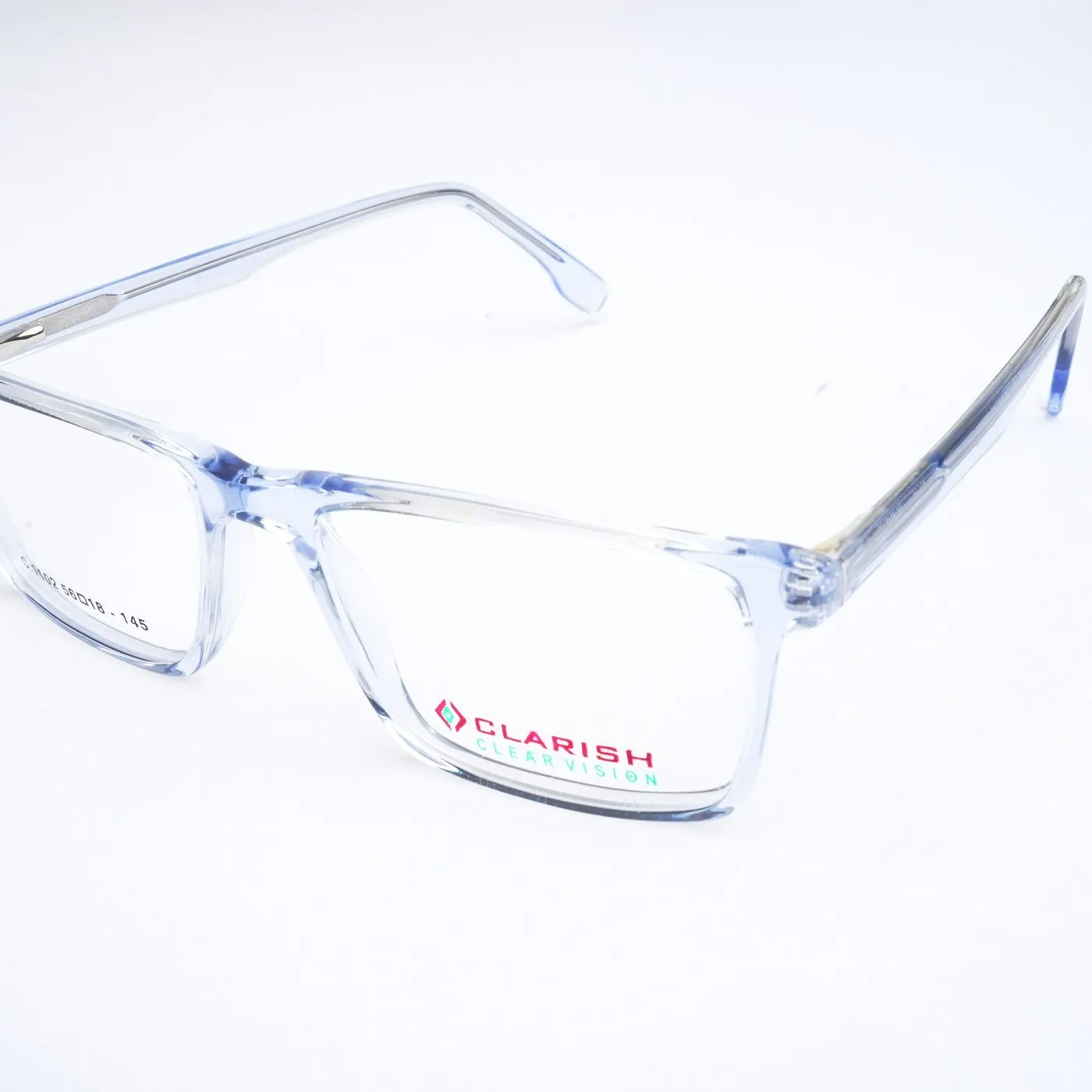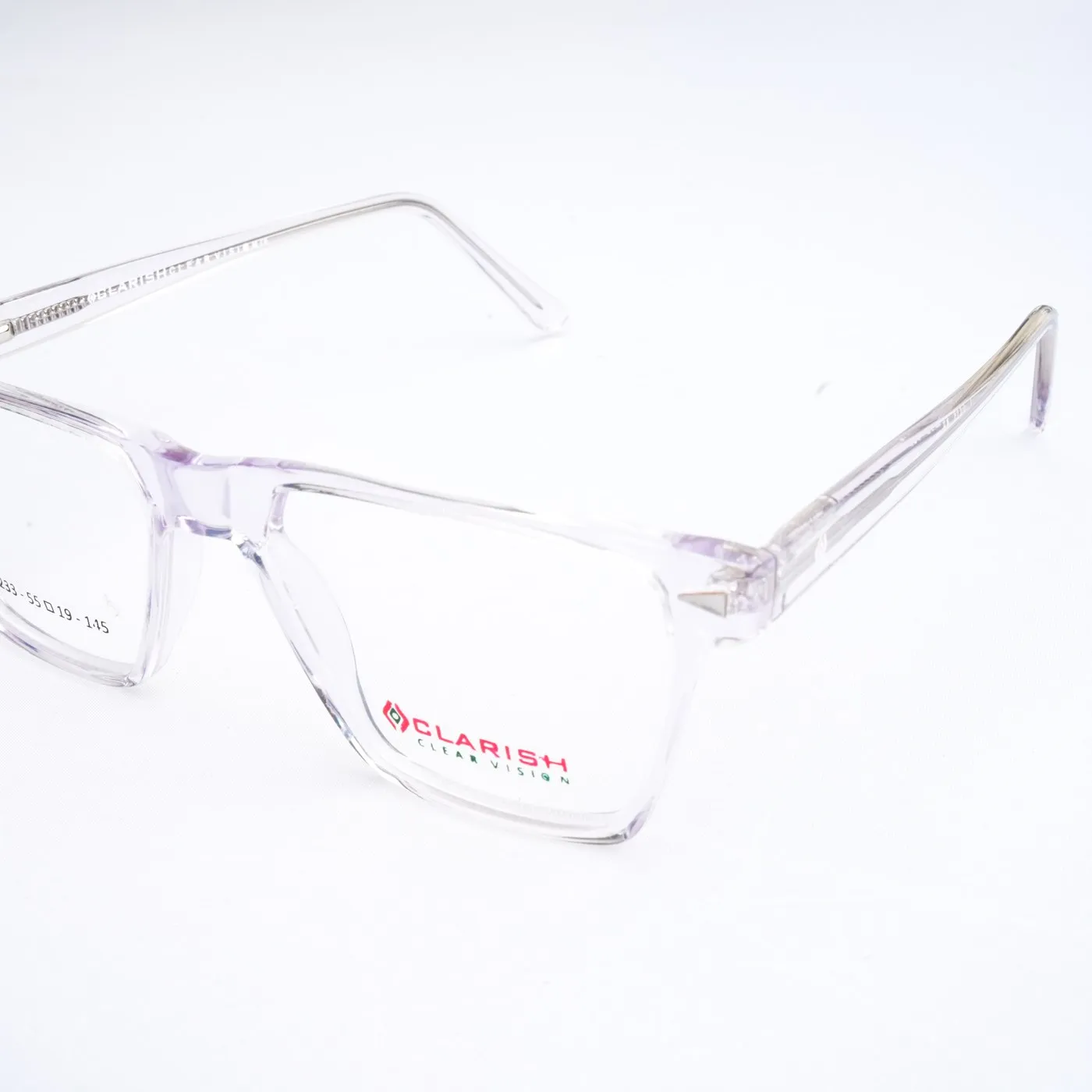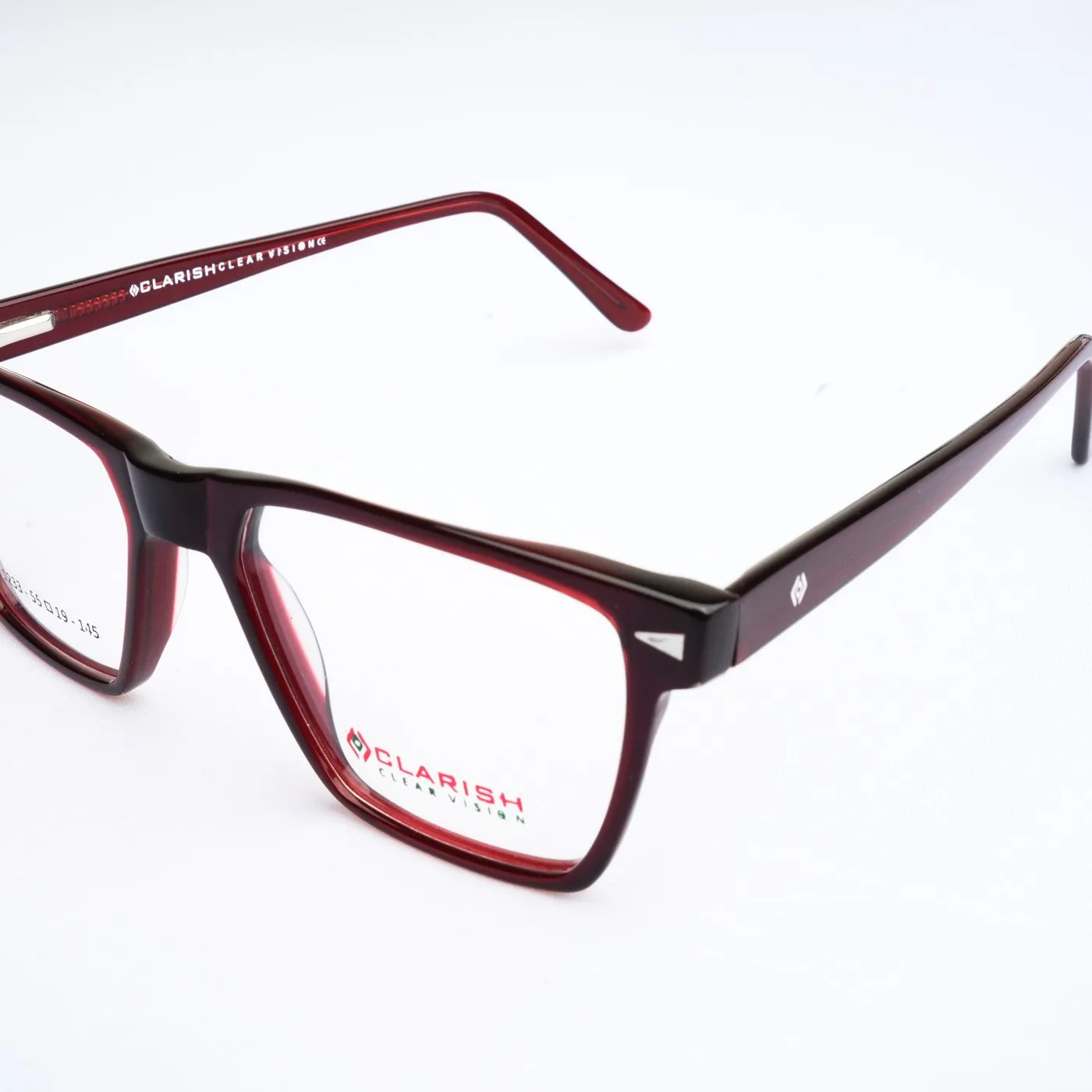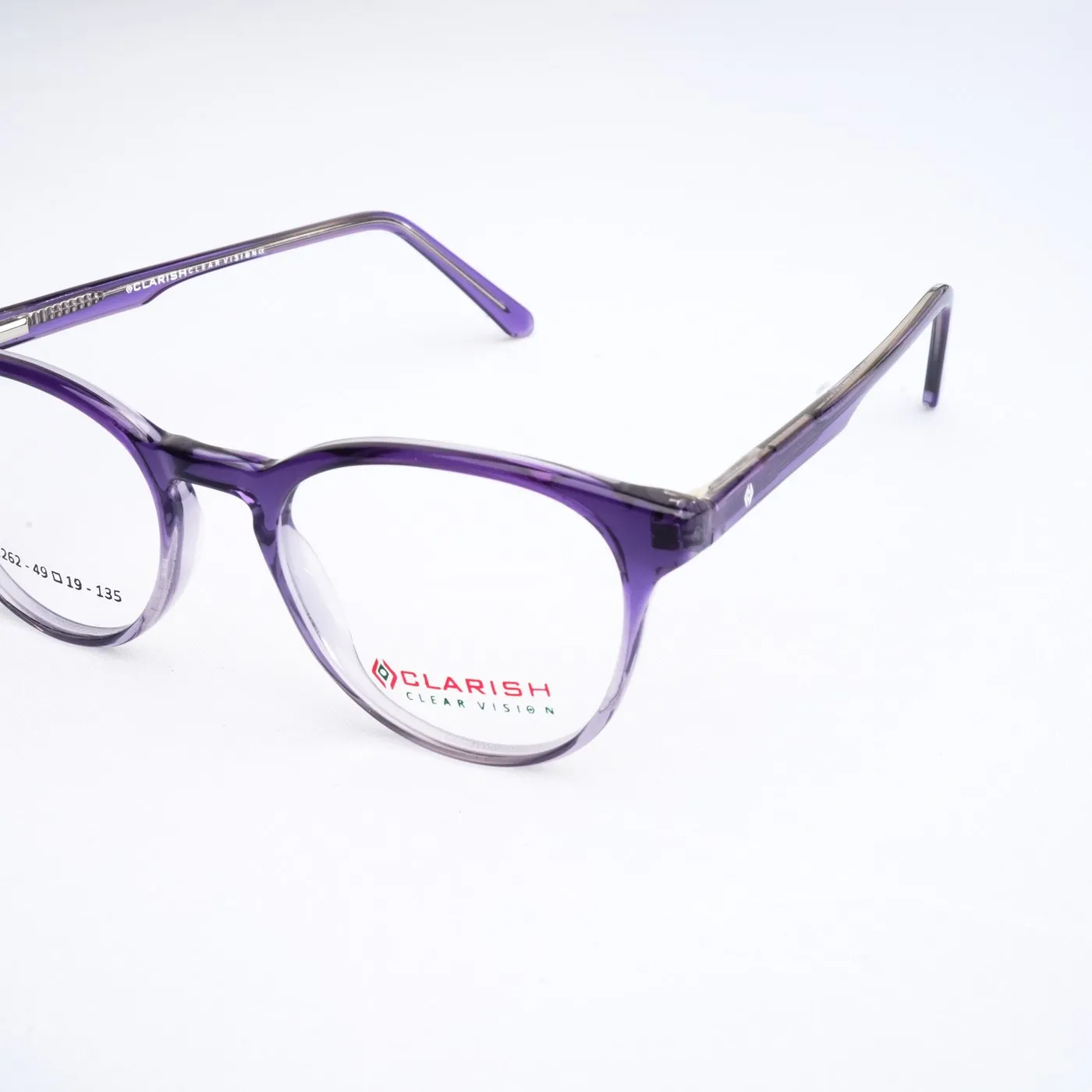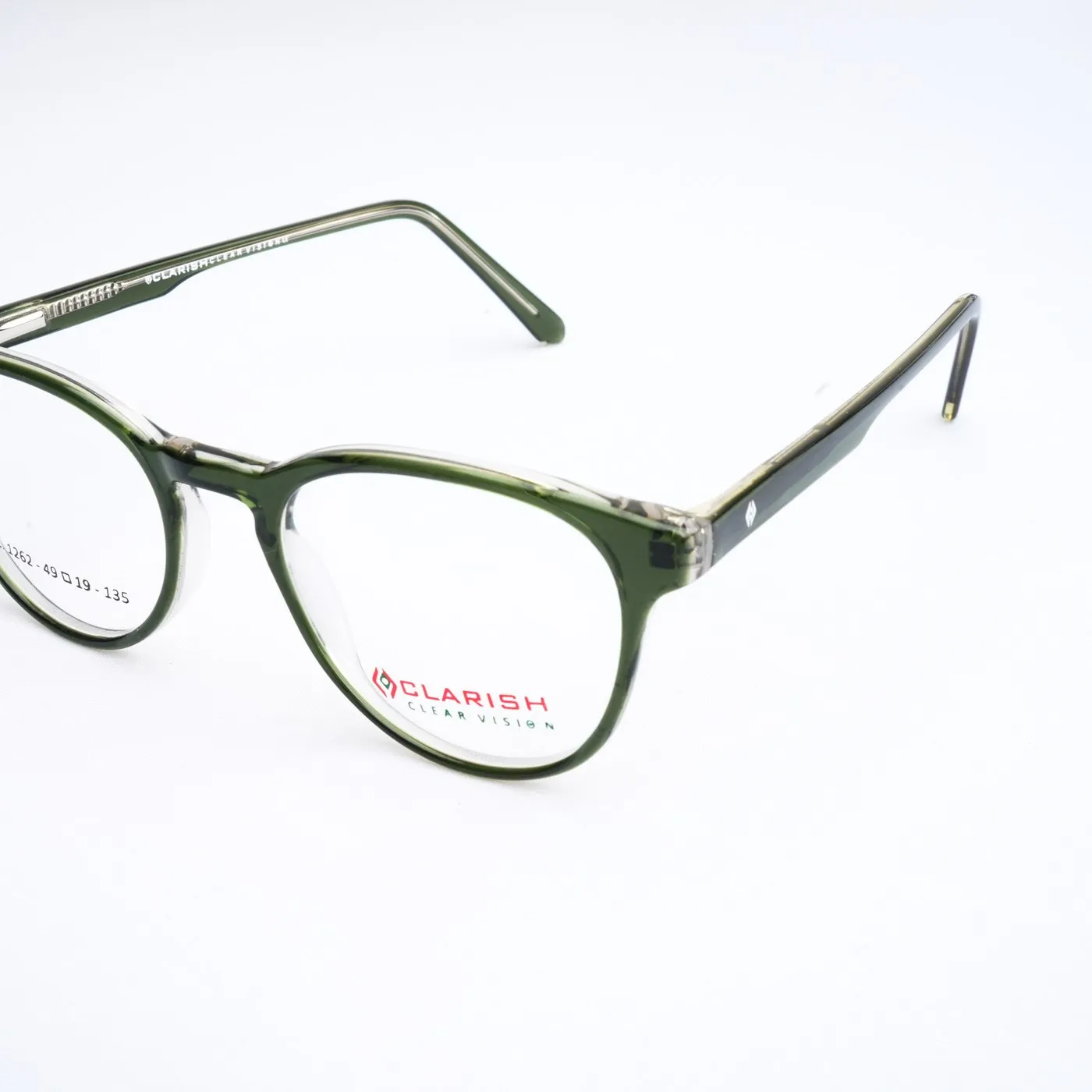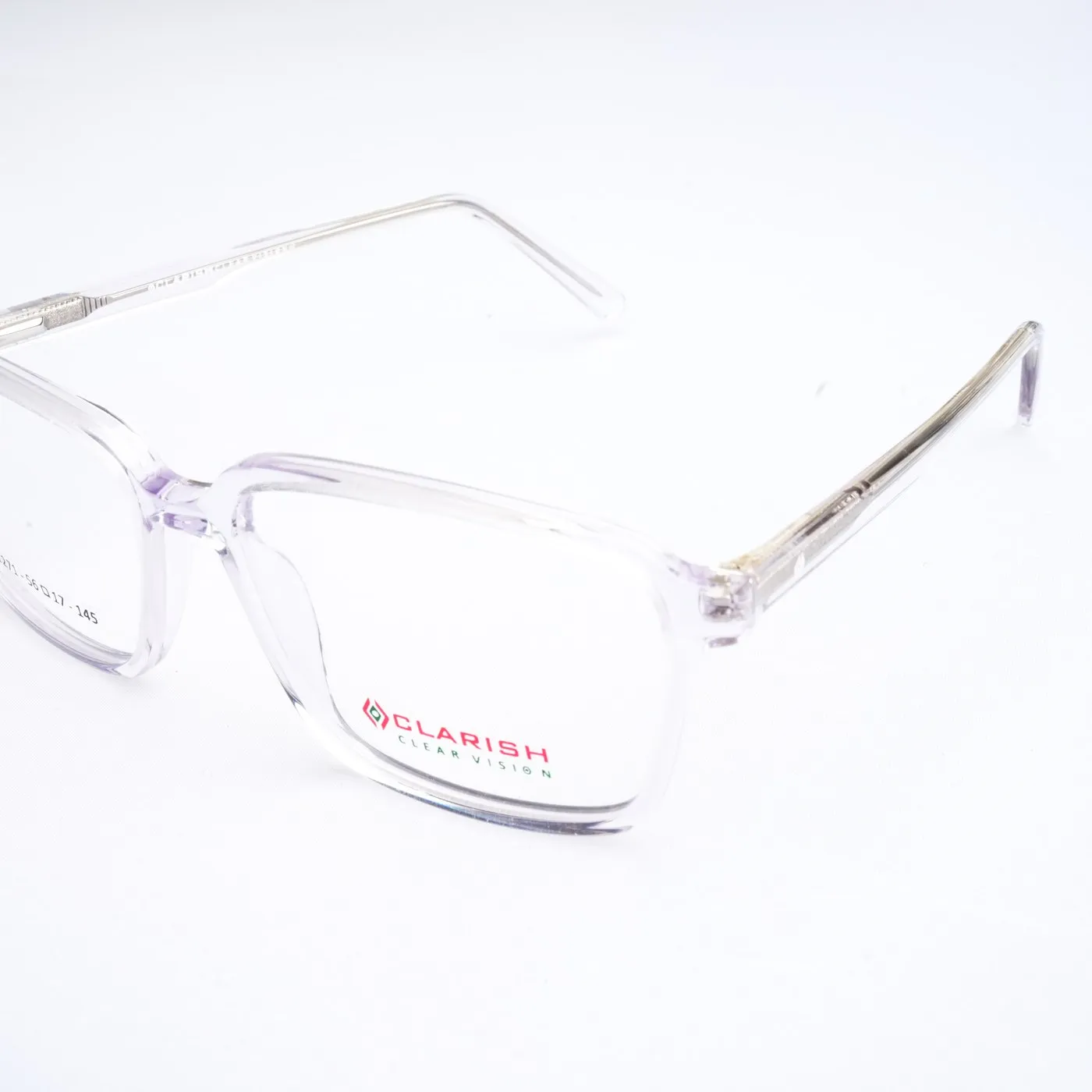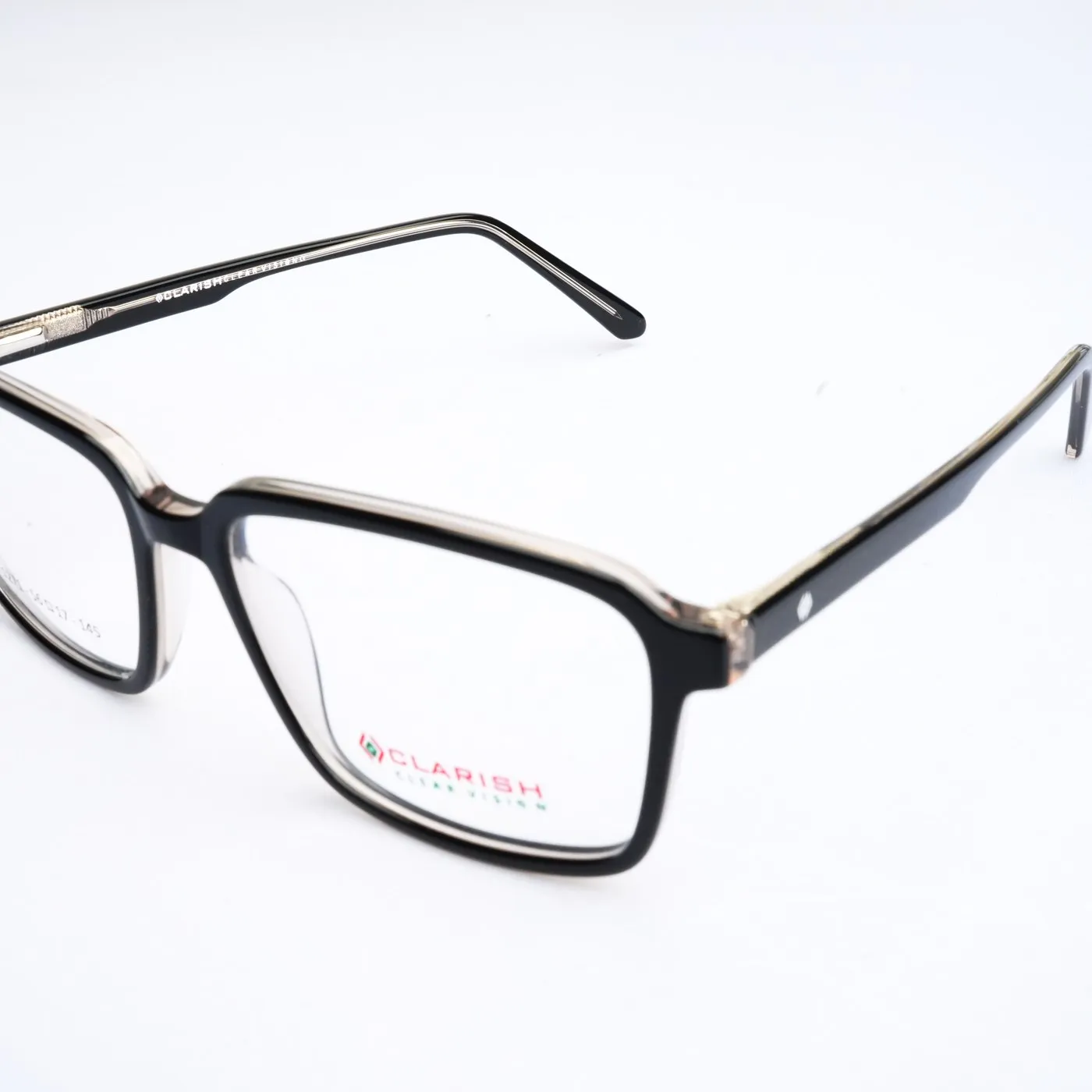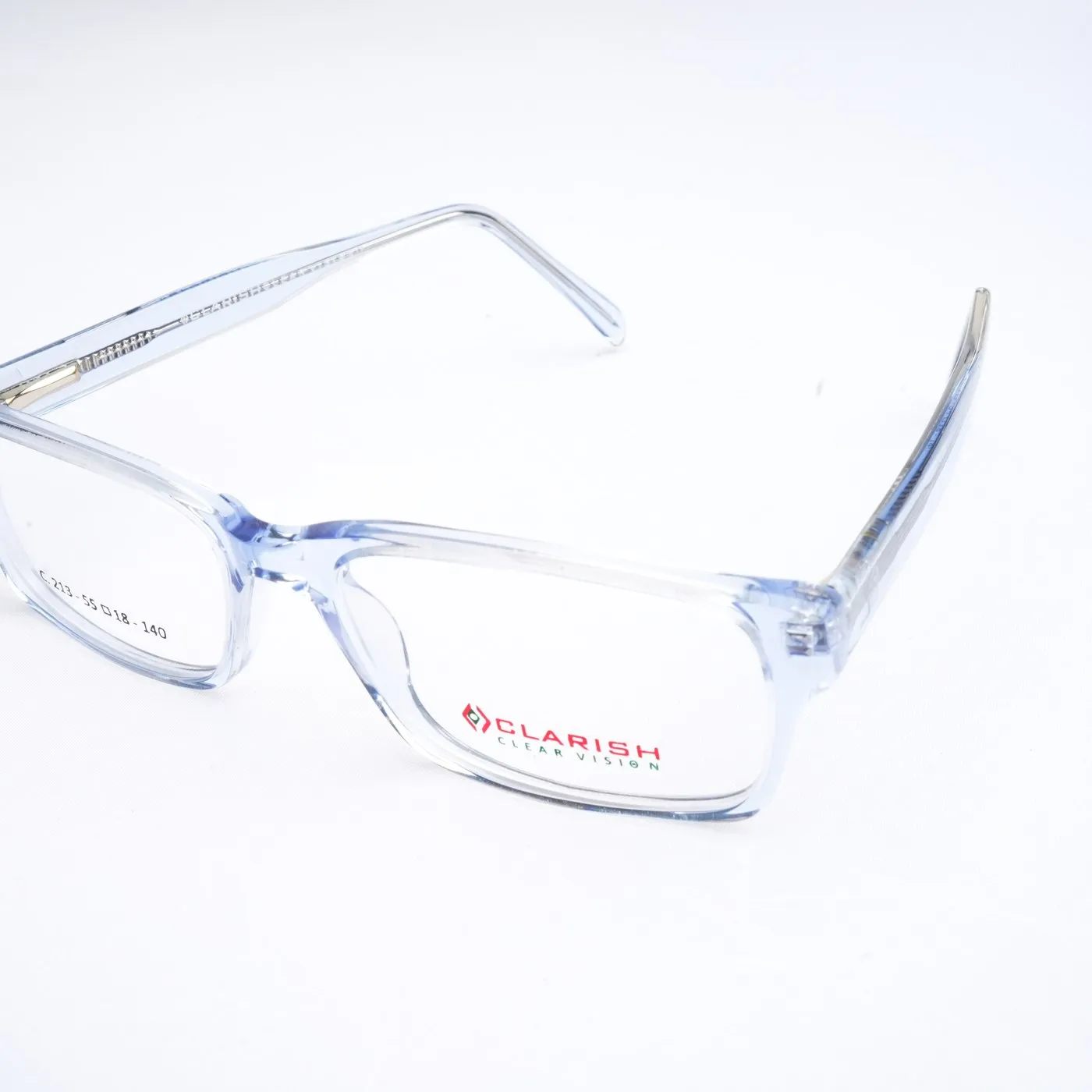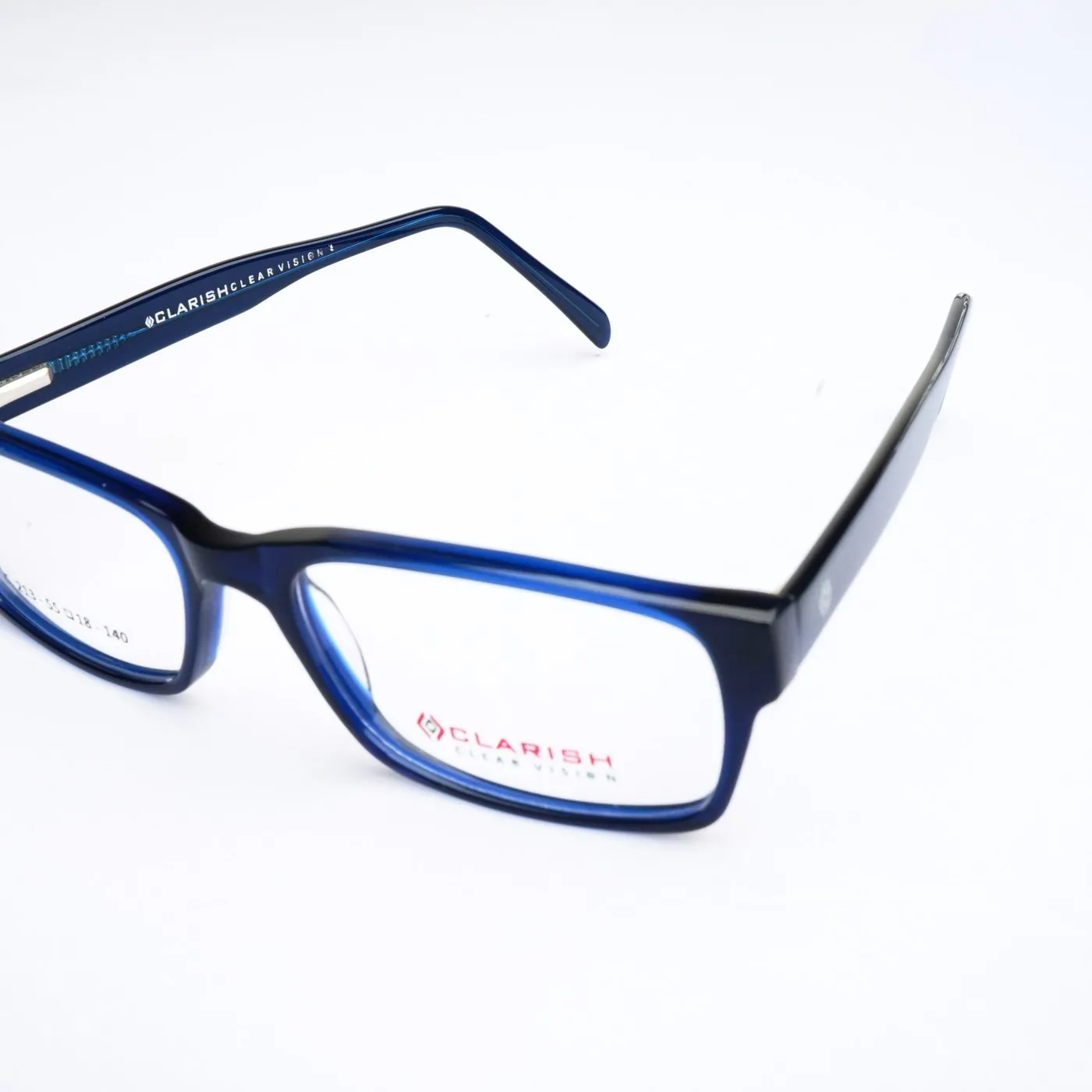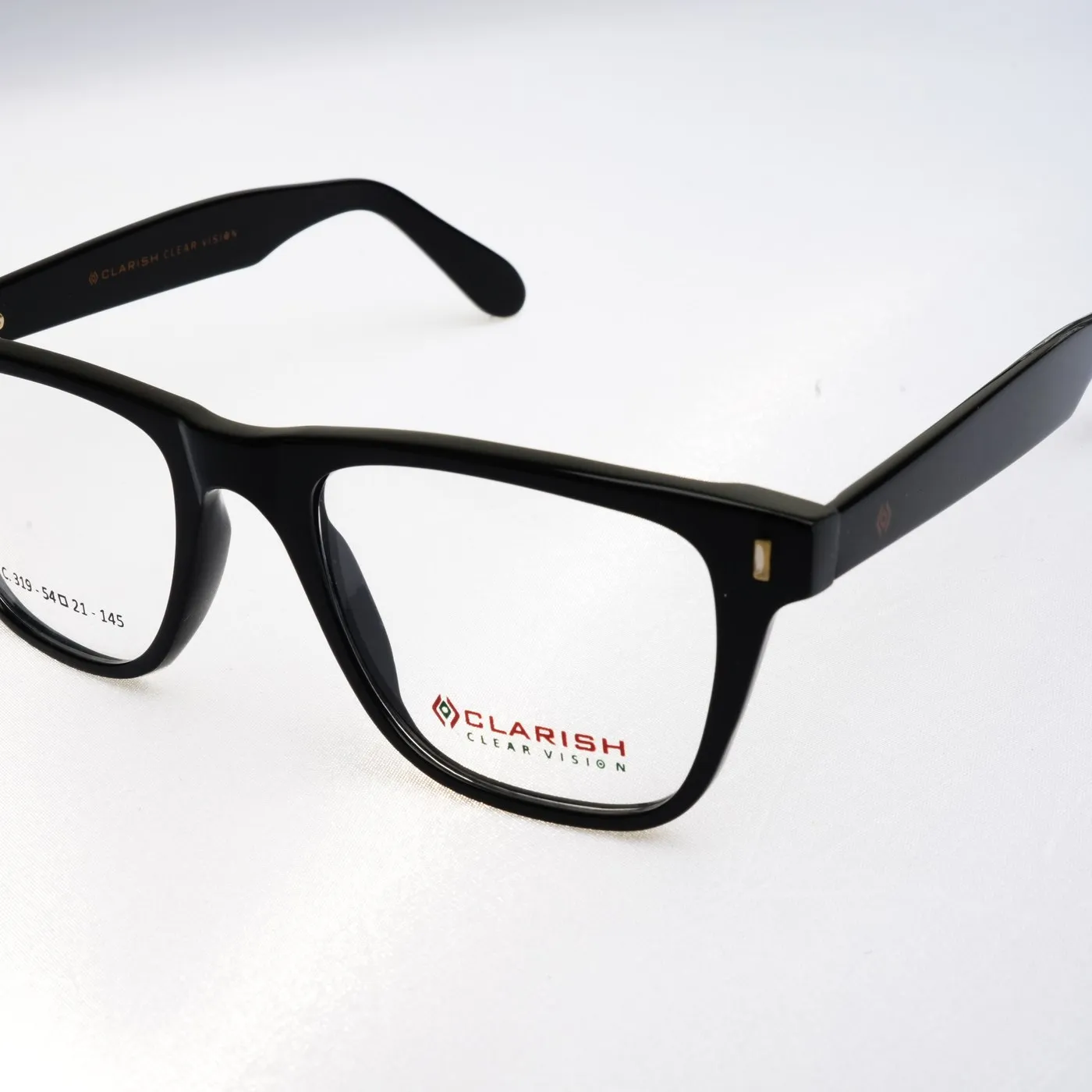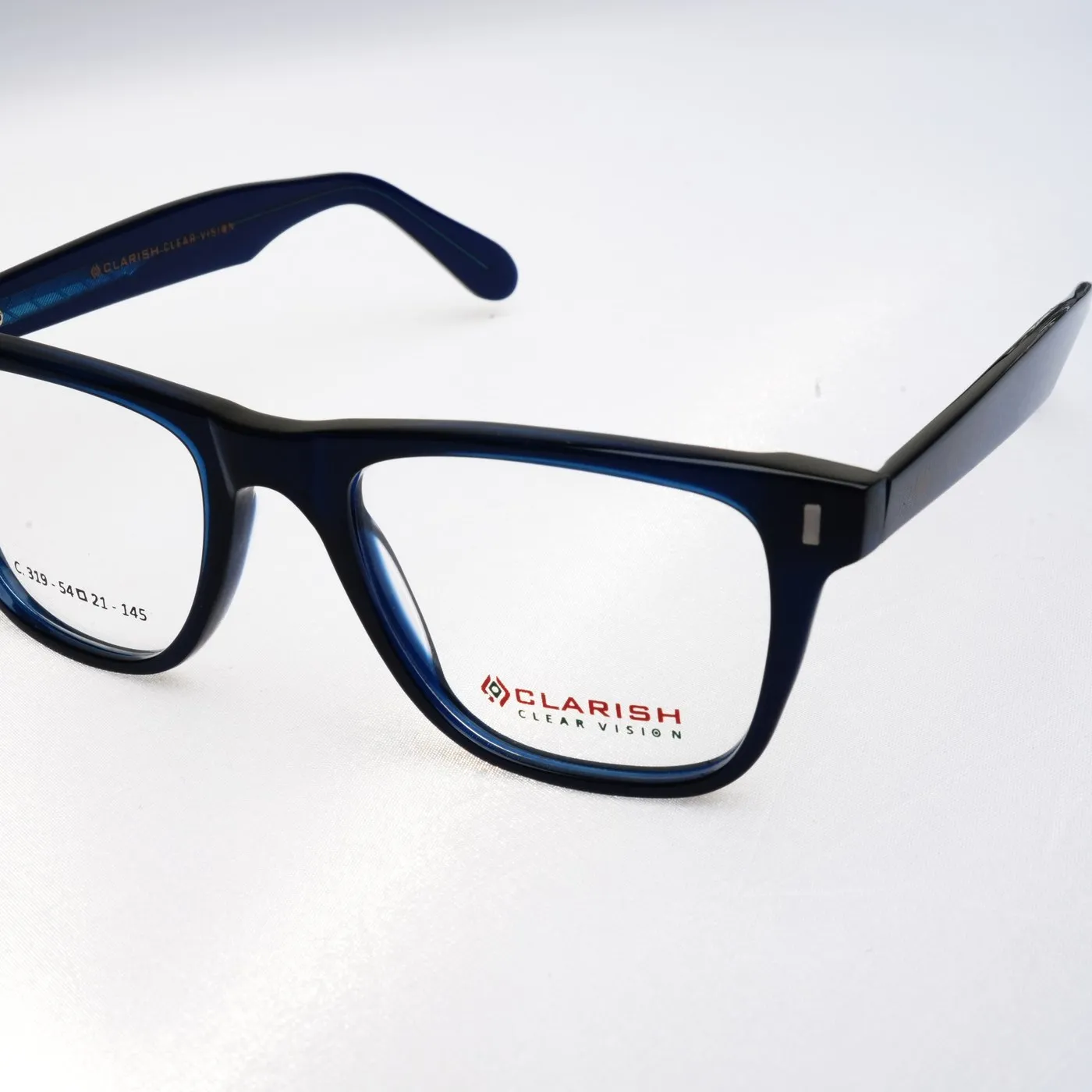
Precision CNC machining of cellulose acetate optical frame front at RTC Eyewear factory in Ahmedabad
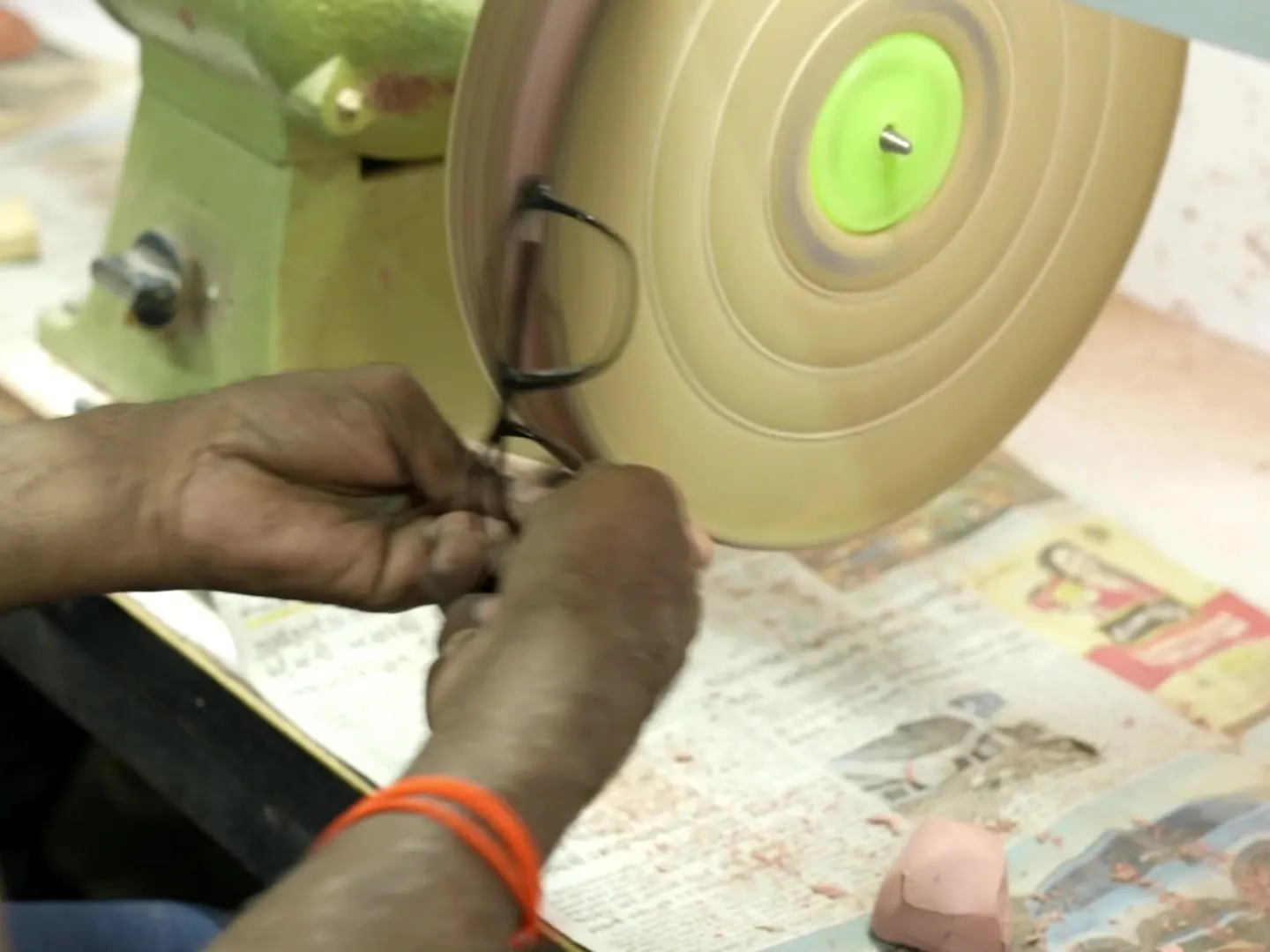
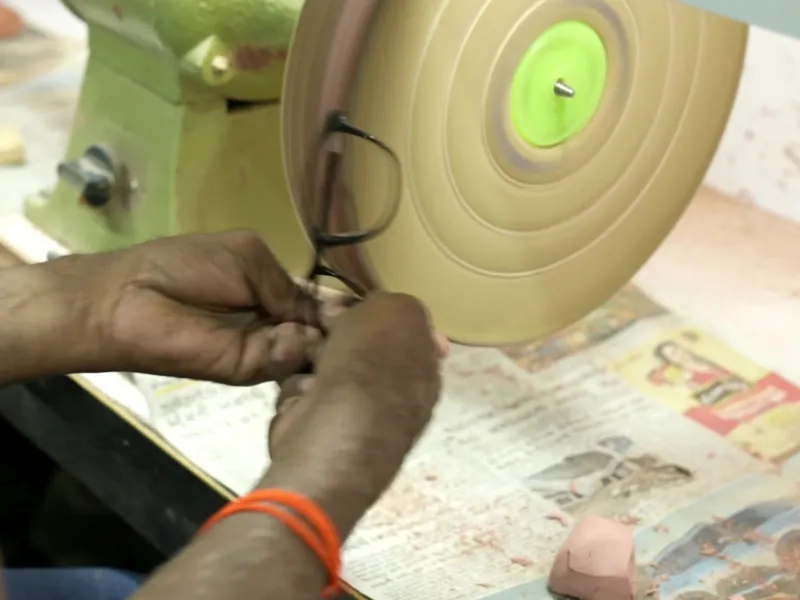
Master artisan hand polishing cellulose acetate optical frames on a traditional pumice buffing wheel
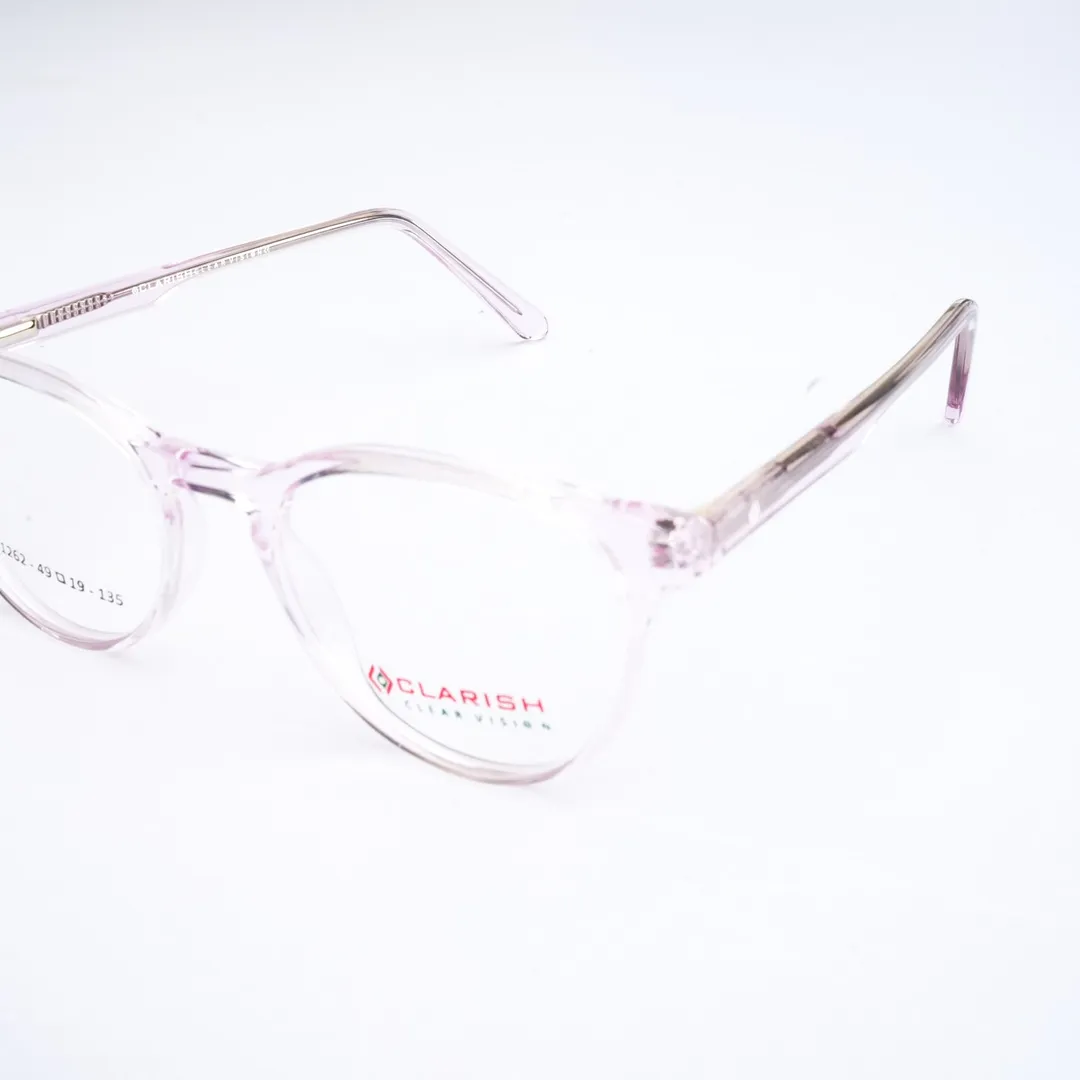
Macro view of high density cured cellulose acetate sheet structure showing chromatic depth

Global B2B Optical Sourcing Intelligence & Manufacturing

Cellulose Acetate Optical Frames: Engineering, Global Procurement Trends & OEM Standards

As professional optical chains, boutique fashion houses, and distributors re-evaluate global supply networks, this engineering and procurement authority guide addresses high-level B2B questions surrounding cellulose acetate optical frames. Discover mechanical structural tolerances, bio-acetate transitions, India supply-chain economics, and audited OEM/ODM production metrics.

Over Four Decades of Monolithic Dedication. Founded in Ahmedabad in 1985, Rushabh Trading Company (RTC Eyewear) has spent 41 consecutive years mastering a single material class: premium cellulose acetate.

  • Zero Consumer Sales: Exclusively serving international distributors, chains & OEM brands
  • Rigorous Batch Aging: 90+ days curing prevents post-production rim warping & shrinkage
  • Direct Export Compliance: Complete conformity with CE EN ISO 12870, REACH & US FDA 21 CFR
Inception
1985
Material Mastery
41yrs
Standard Tooling
22
Active Colorways
258
Global Export
50+ Nations

Material Science & Production Specs

What Discerning Importers Look for in Cellulose Acetate Optical Frames

B2B buyers regularly encounter issues with cheap plastic substitutes passed off as premium acetate. Cellulose acetate is a bio-polymer derived from purified cotton linters and sustainable softwood pulp, distinct from petrochemical-derived injection-molded plastics.

01

Sub-Surface Color Depth

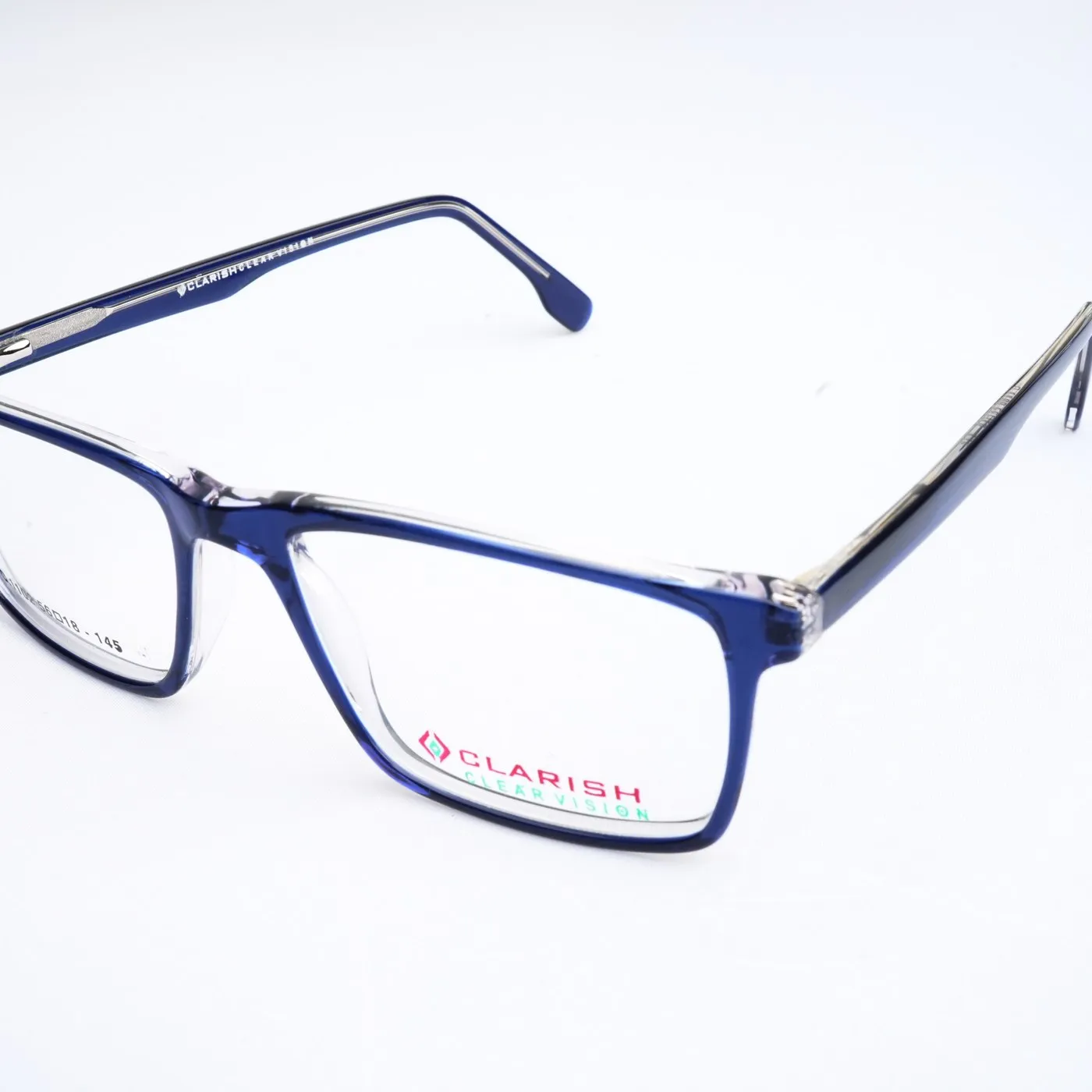
Unlike surface-sprayed or dip-dyed injected frames, cellulose acetate exhibits colors, torts, and multi-laminate gradients embedded through the full cross-section. Even when deeply buffed or worn over years, the material exposes uniform chromatic pigment without chipping, peeling, or fading from epidermal sweat exposure.

  • Block extrusion & sheet-slicing method
  • Unaffected by sweat acidity or cosmetics
02

Thermal Viscoelasticity

Opticians require frames that allow precise lens glazing and in-clinic anatomical fitting. Cured cellulose acetate achieves thermal memory when heated to 55°C–65°C on a standard frame warmer, softening sufficiently to shape pantoscopic tilt and temple curves without crazing or snapping, permanently holding adjustment once chilled.

  • Controlled cold-flow resistance
  • Optician-friendly lens insertion tolerances
03

Tactile Mass & Density

Injection molded plastics (such as TR90 or Polycarbonate) have a hollow, ultra-light feel. Quality cellulose acetate features a specific gravity around 1.28–1.32 g/cm³, offering substantial balance across nasal bridges. It conducts warmth smoothly to human skin, creating a luxury tactile presence demanded by retail customers.

  • Natural biological touch response
  • Certified hypoallergenic certification

Factory Architecture

Precision CNC Milling Paired with Hand-Finished Polish

The difference between a commercial-grade optical frame and a luxury medical device lies in thermal stabilization, tooling tolerances, and multi-stage manual burnishing.

“A calibrated CNC spindle provides micrometric precision. An artisan's hand provides wearable, human comfort.”

Master craftsman refining bridge transitions on an acetate optical frame front at RTC Eyewear factory

The 8-Stage Manufacturing Lifecycle

  1. Material Curing & ReliefSheet stock is oven-aged to relieve internal shear stress, avoiding post-cutting warp.
  2. 5-Axis CNC Front Profile MillingFront silhouettes and 0.05mm tolerance ophthalmic lens grooves are carved.
  3. Hydraulic Core Wire ShootingNickel-silver cores are shot into warmed temples for adjustable elasticity.
  4. Precision Hinge PlacementGerman-engineered hinges are sonically embedded or heat-staked securely.
  5. Thermal Bending & CurvatureBase curvature is set under uniform heating fixtures to match lens prescription arcs.
  6. Multi-Stage Barrel TumblingFrames rotate through beechwood chips, pumice, and polishing pastes for 72+ hours.
  7. Artisan Hand Wheel BuffingMeticulous edge rounding, bridge softening, and mirror buffing on rotating cotton mops.
  8. Optical QA & Laser Marking100% inspection for alignment, axis symmetry, CE/REACH stamping, and dust-free packaging.

Enterprise Reliability

Why Global Eyewear Brands Partner with RTC Eyewear

Founded in 1985 in Ahmedabad, Gujarat, RTC Eyewear provides world-class contract manufacturing, OEM product development, and private label execution designed specifically for professional buyers.

Specialized Heritage

RTC has maintained a continuous, singular focus on cellulose acetate since 1985. We do not dilute engineering bandwidth across low-cost injection molding, ensuring our materials, tool paths, and artisans achieve unmatched craftsmanship.

Quality Control Gates

Every frame lot undergoes multi-stage inspections: raw sheet hygrometry verification, lens groove depth testing, temple flex fatigue, salt-spray hardware resistance, and optical alignment checks prior to packaging.

Sample-First Protocol

We believe in verifying fit, tactile feel, and logo fidelity before commercial runs. Physical prototype approval models ensure complete peace of mind, locking in tolerances before volume roll-out.

Complete Export Logistics

Our team manages export documentation, customs HS coding, and shipping terms (FOB, CIF, DDP) directly from Mundra port and Ahmedabad air cargo, delivering predictable, reliable international fulfillment.

Operational Since 198541 Years of Optical
Excellence
Zero Consumer Friction100% B2B Supply
& Trade Protection
Tailored ProductionOEM · ODM ·
Private Label

Procurement Advisory

Frequently Asked Questions by Global Buyers

Direct, unvarnished technical answers regarding cellulose acetate optical frame procurement, engineering capabilities, quality standards, and contract manufacturing.

Cellulose acetate is a bio-based polymer manufactured by acetylating purified plant cellulose (cotton linters and wood pulp), plasticized with organic compounds, cured in thick blocks, and sliced into flat sheets. The frames are carved out using subtractive CNC machining. This delivers deep organic color gradients, natural skin temperature conductivity, hypoallergenicity, and the ability to be repeatedly adjusted by an optician using gentle heat. In contrast, TR90, nylon, and polycarbonate are petroleum-based granules heated and shot into molds. While lighter, molded plastics lack internal color depth, require superficial paint coatings that chip with skin acidity, and snap or melt when subjected to prescription fitting heat.

Freshly sliced acetate sheets retain volatile residual solvents and unbalanced polymer shear stresses from extrusion. If carved immediately, the frames will warp, experience shrinkage, or throw lenses out of alignment months later when exposed to changing weather conditions. At RTC Eyewear, our acetate stock undergoes a controlled thermal tunnel curing process (extended natural resting and low-temperature oven baking) over 90 to 180 days. This drives off volatile compounds and permanently stabilizes molecular geometry, guaranteeing that the eyewire's bevel and lens shape will remain structurally true throughout retail shelf storage and daily customer wear.

For existing models in our active Clarish™ catalog, private label branding requires a minimum order of 300 pieces per silhouette, with flexible distribution across 2–3 standard colorways. Fully bespoke OEM developments—requiring custom 2D/3D CAD engineering, CNC tooling path development, proprietary shape tooling, and custom hinge integration—typically start at 600 pieces per shape. Prototyping and physical counter-sample fabrication requires 15 to 20 working days. Bulk factory production generally runs 45 to 65 working days following sample approval, timed cleanly against international ocean or air delivery schedules.

Unlike manufacturing clusters where brand designs may leak into regional wholesale stalls, RTC Eyewear operates under clear, legally enforceable non-disclosure agreements (NDAs). We never market your custom-tooled designs to other buyers or retail platforms. Our Ahmedabad facility is purely trade-focused; private label and custom tooling dies remain our customers' exclusive property. Our company name never appears on your packaging, brand labels, or temple markings.

Our cellulose acetate frames are engineered to comply with all primary global trade regulations. They meet European Union CE Mark requirements under EN ISO 12870 (Ophthalmic optics – Spectacle frames – Requirements and test methods), REACH Regulation (EC) No 1907/2006 (ensuring zero hazardous phthalates, lead, cadmium, or nickel release), and US FDA 21 CFR standards (including drop-ball impact safety compliance where plano demonstration lenses are provided). Independent third-party laboratory test certificates (Intertek/SGS/TÜV) can be arranged as part of pre-shipment inspections.

We provide full hardware customization. Hinge integrations include German 3-barrel, 5-barrel, and 7-barrel riveted or heat-staked systems, alongside custom OBD flex spring hinges for heavy-use prescription ranges. Core wires can be custom-stamped with guilloché engraving or diamond cross-hatching, then visible through crystal-clear laminate temple layers. For branding, we provide high-resolution pad printing, foil heat transfer, sub-surface deep laser engraving, and custom-tooled cast metal temple decals recessed cleanly into the acetate.

Initiate Production

Bring Your Eyewear Collection to Life with RTC

Whether launching a boutique acetate line, expanding an established optical chain, or rebalancing your international supply chain toward India, our engineering team in Ahmedabad is ready to discuss drawings, material options, and quote schedules.