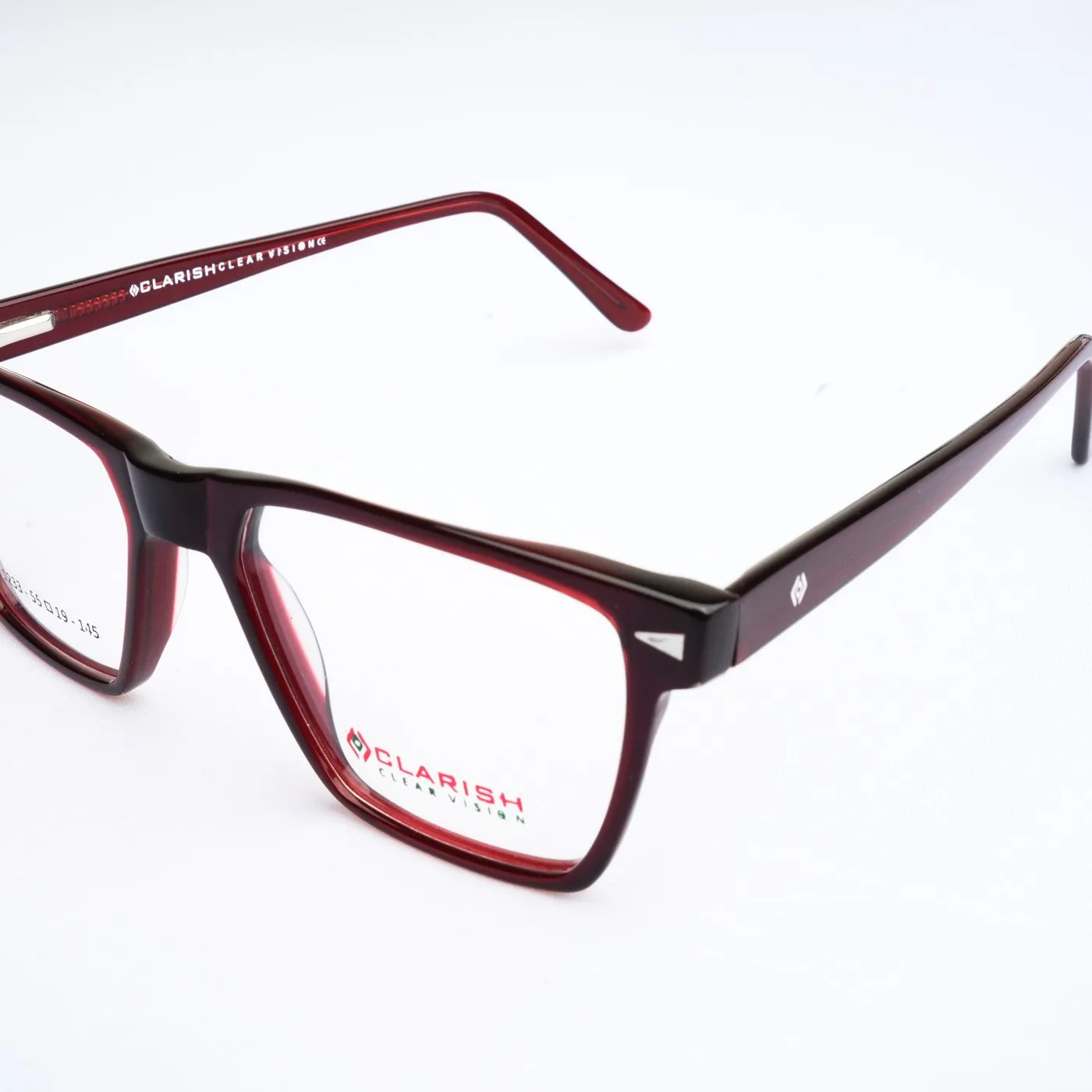
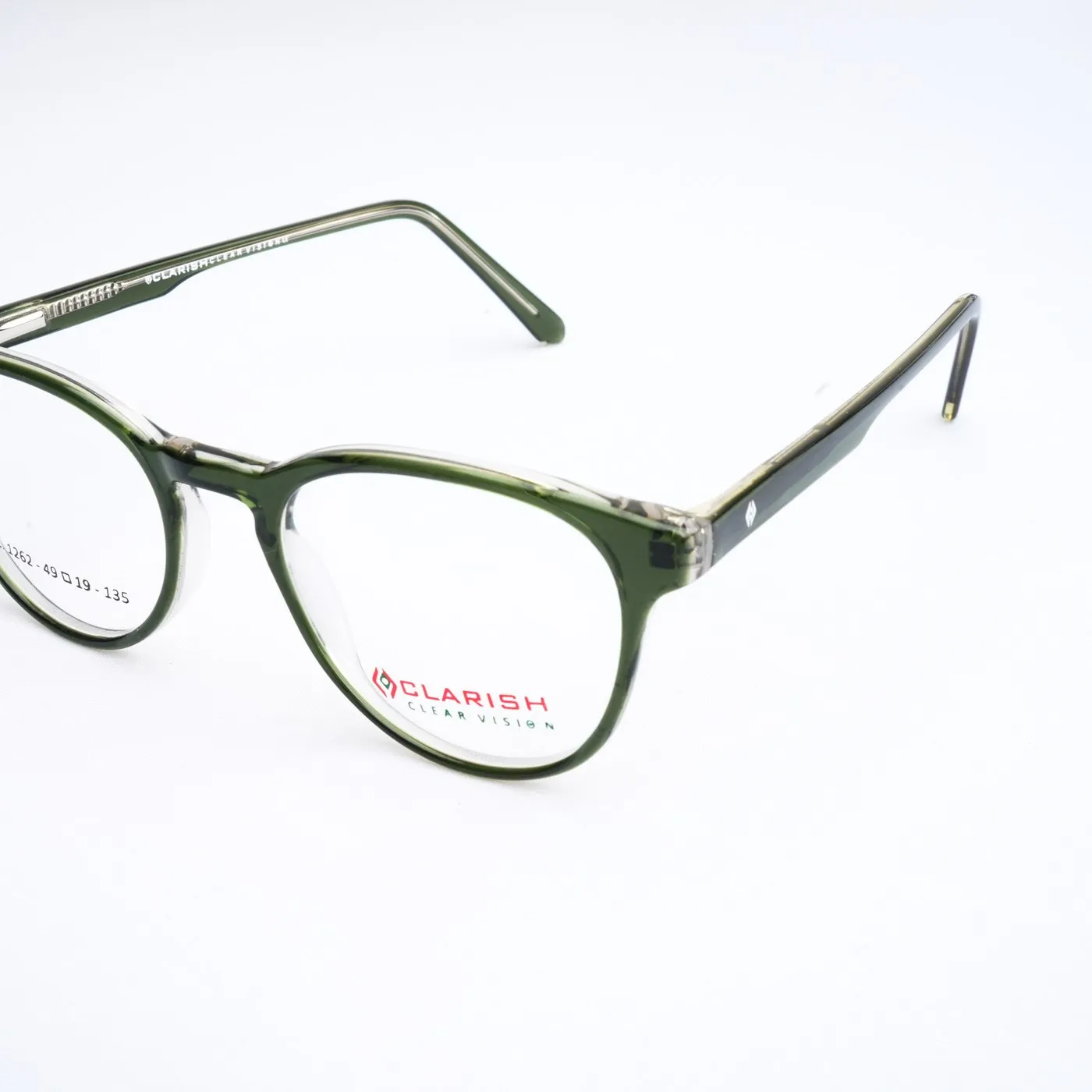
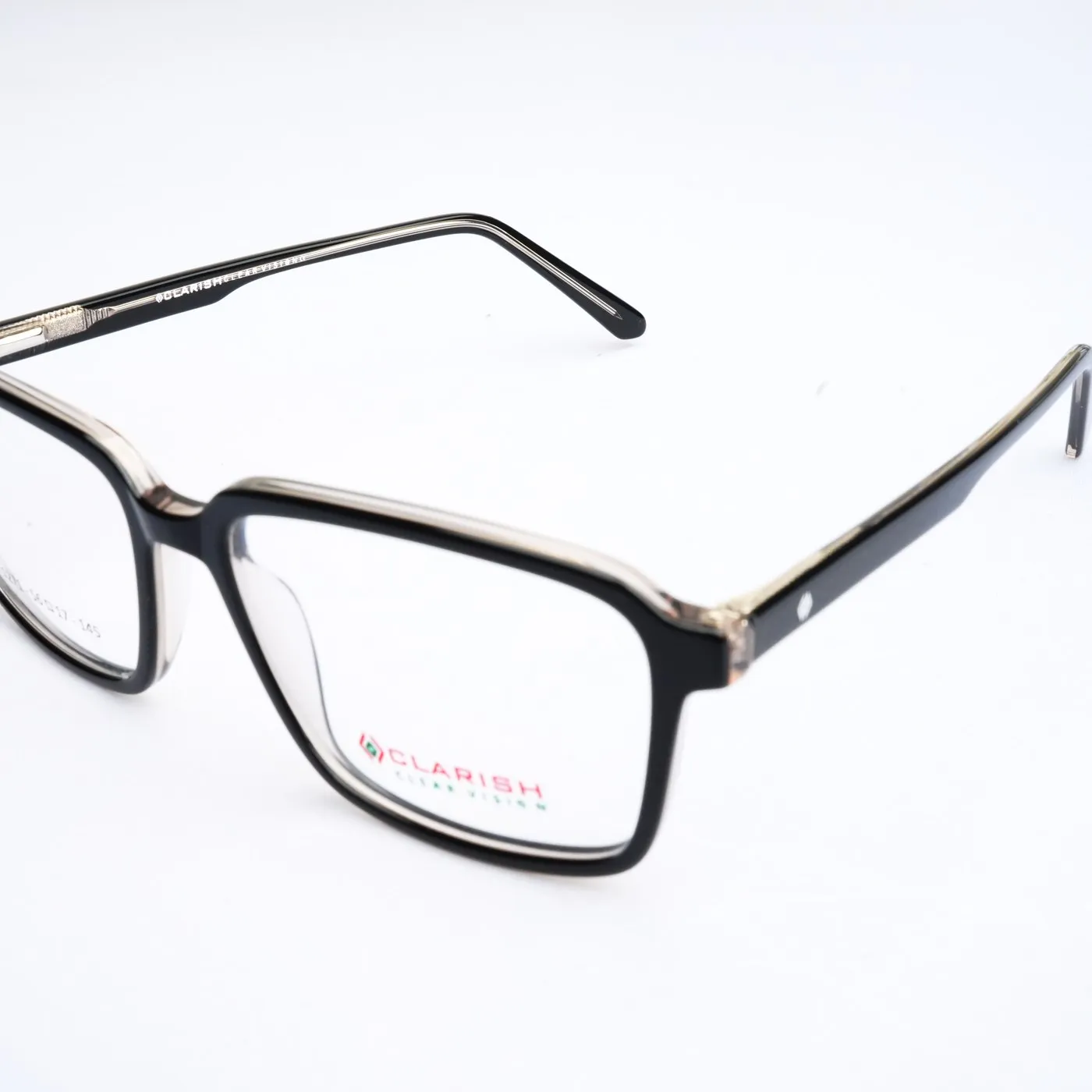
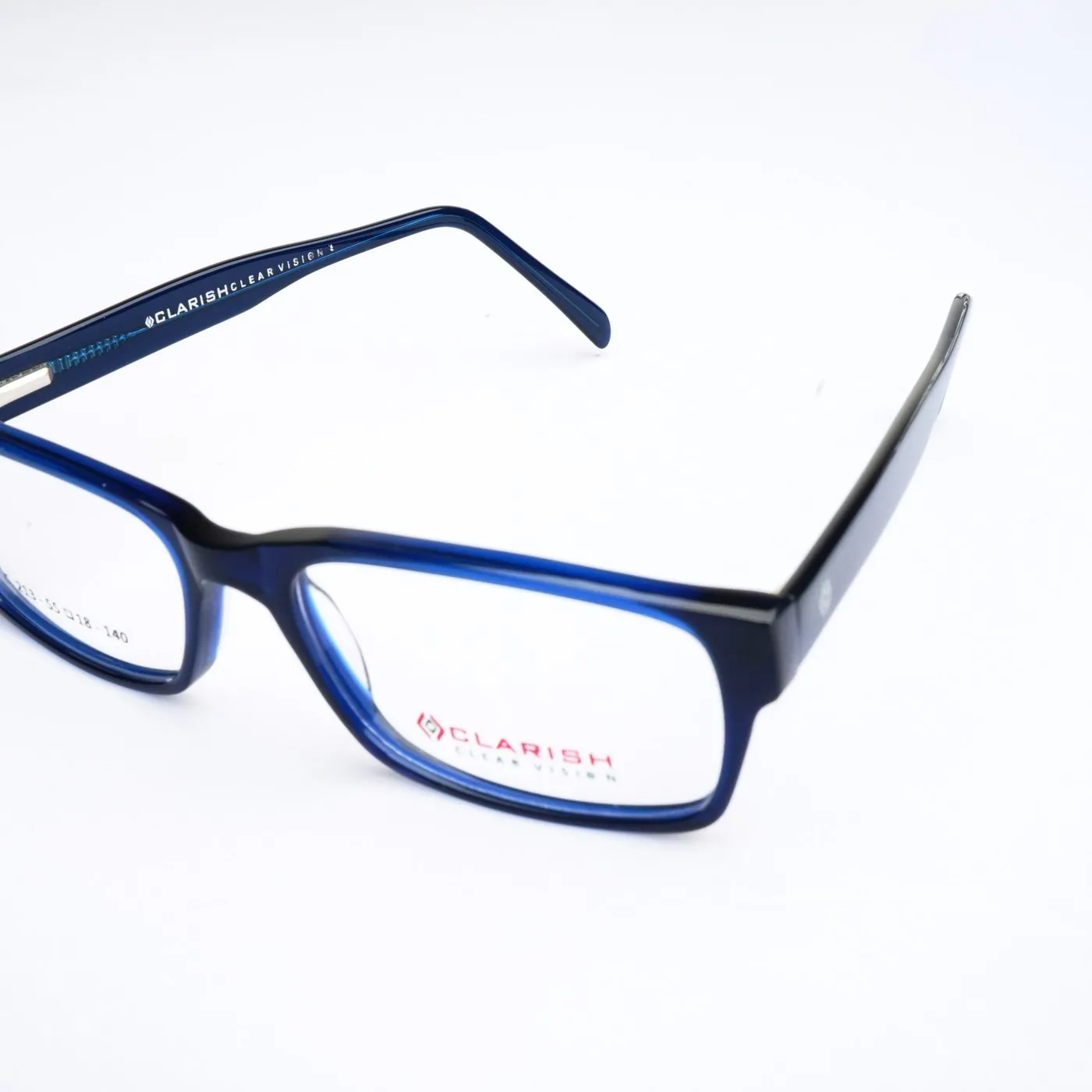
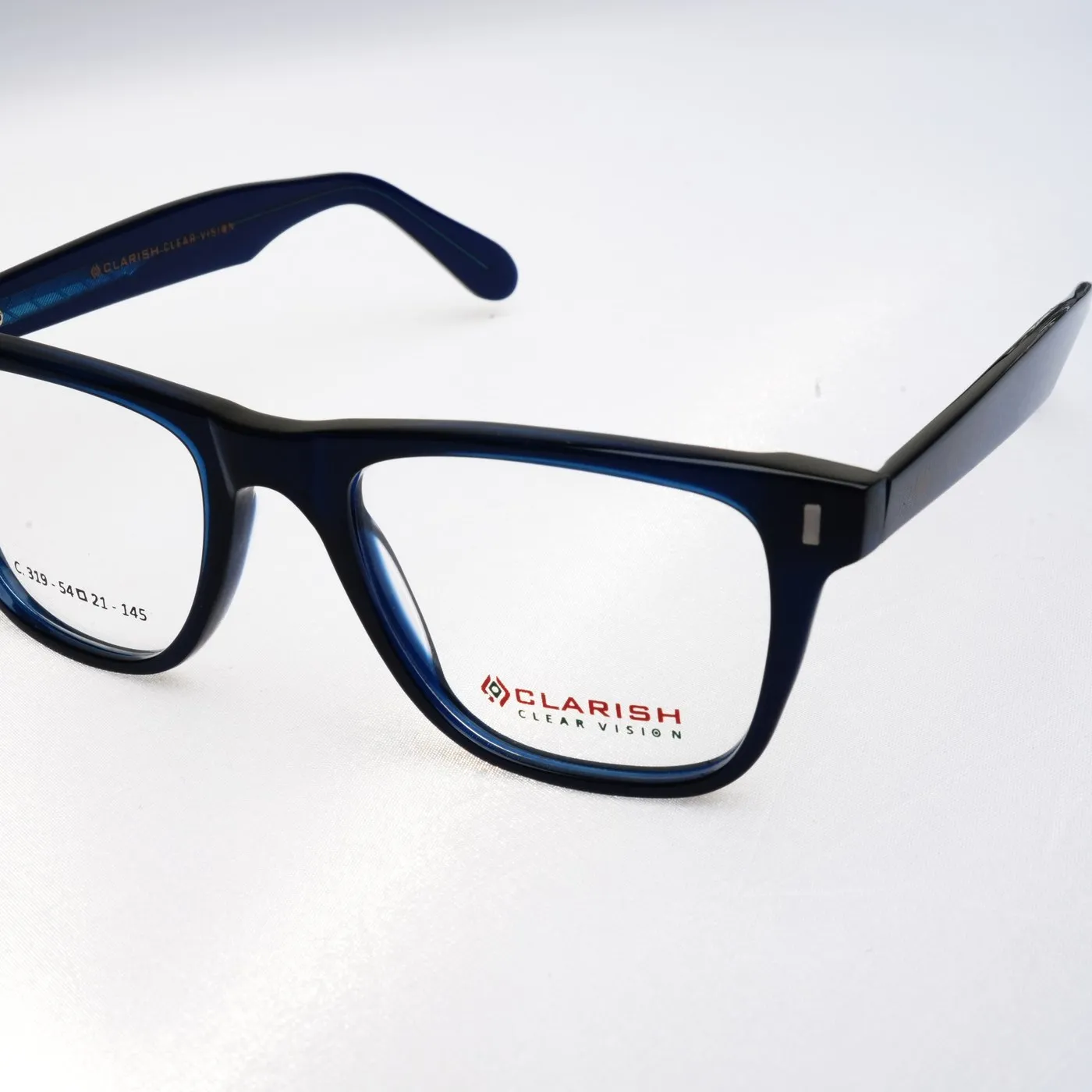
 Executive Rectangular
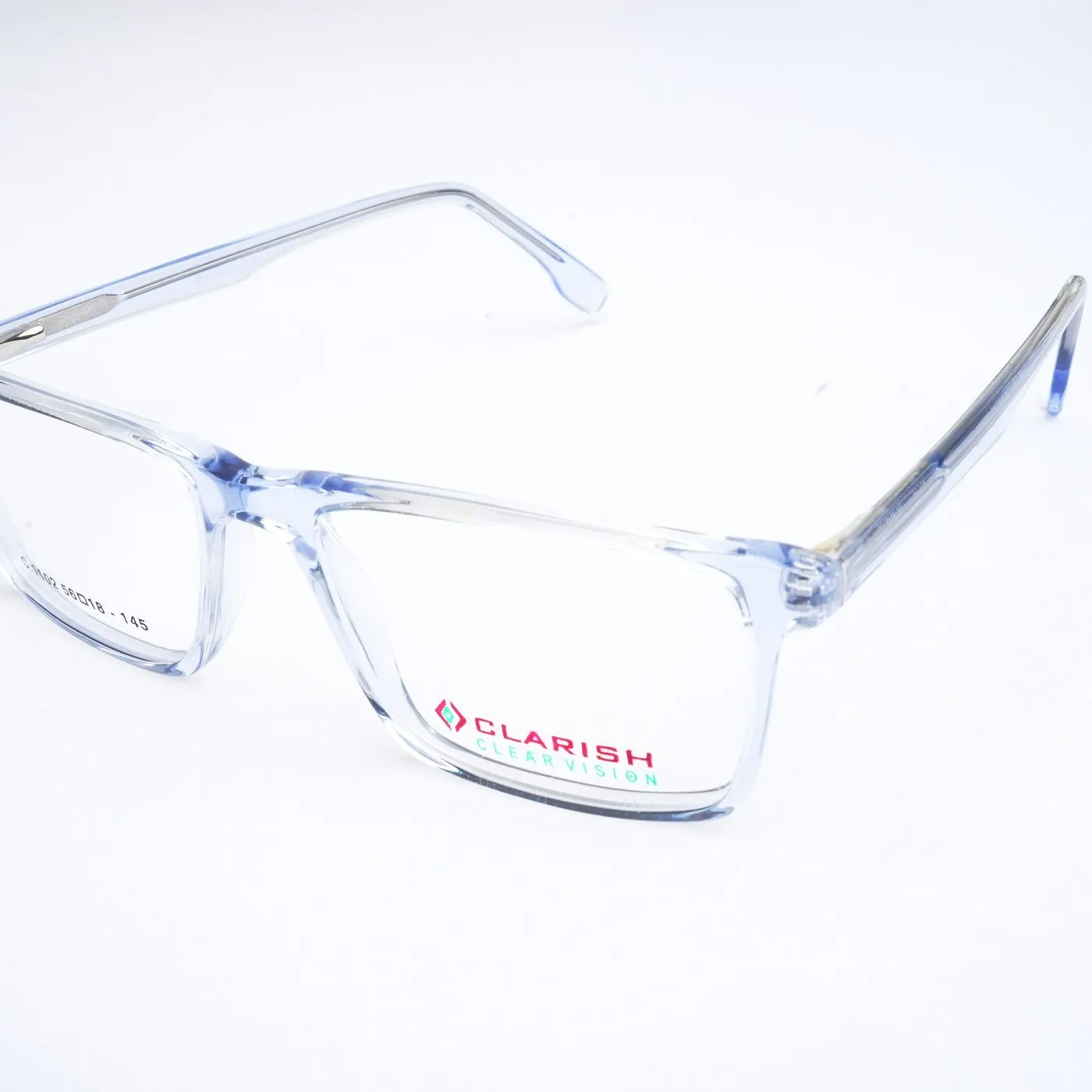
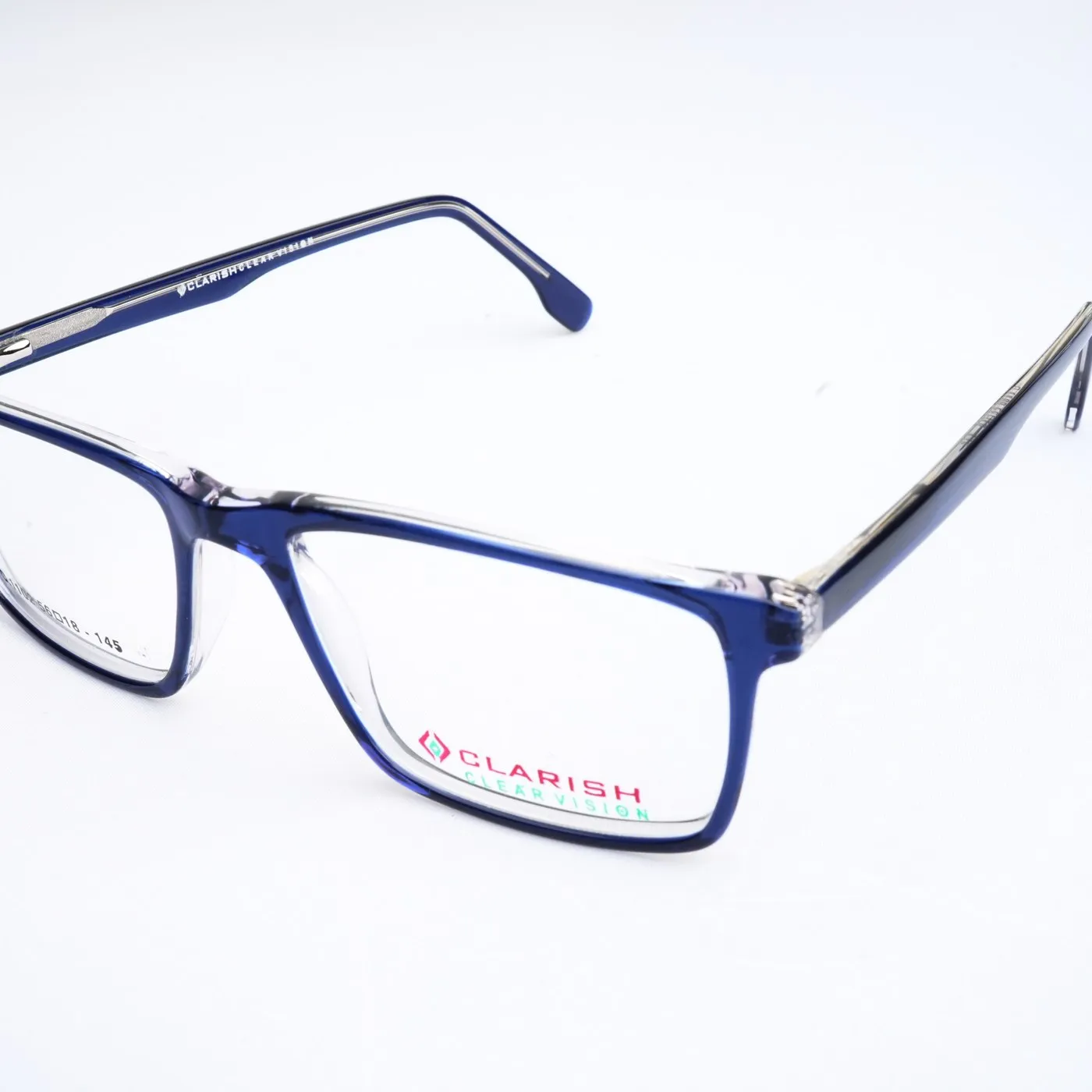
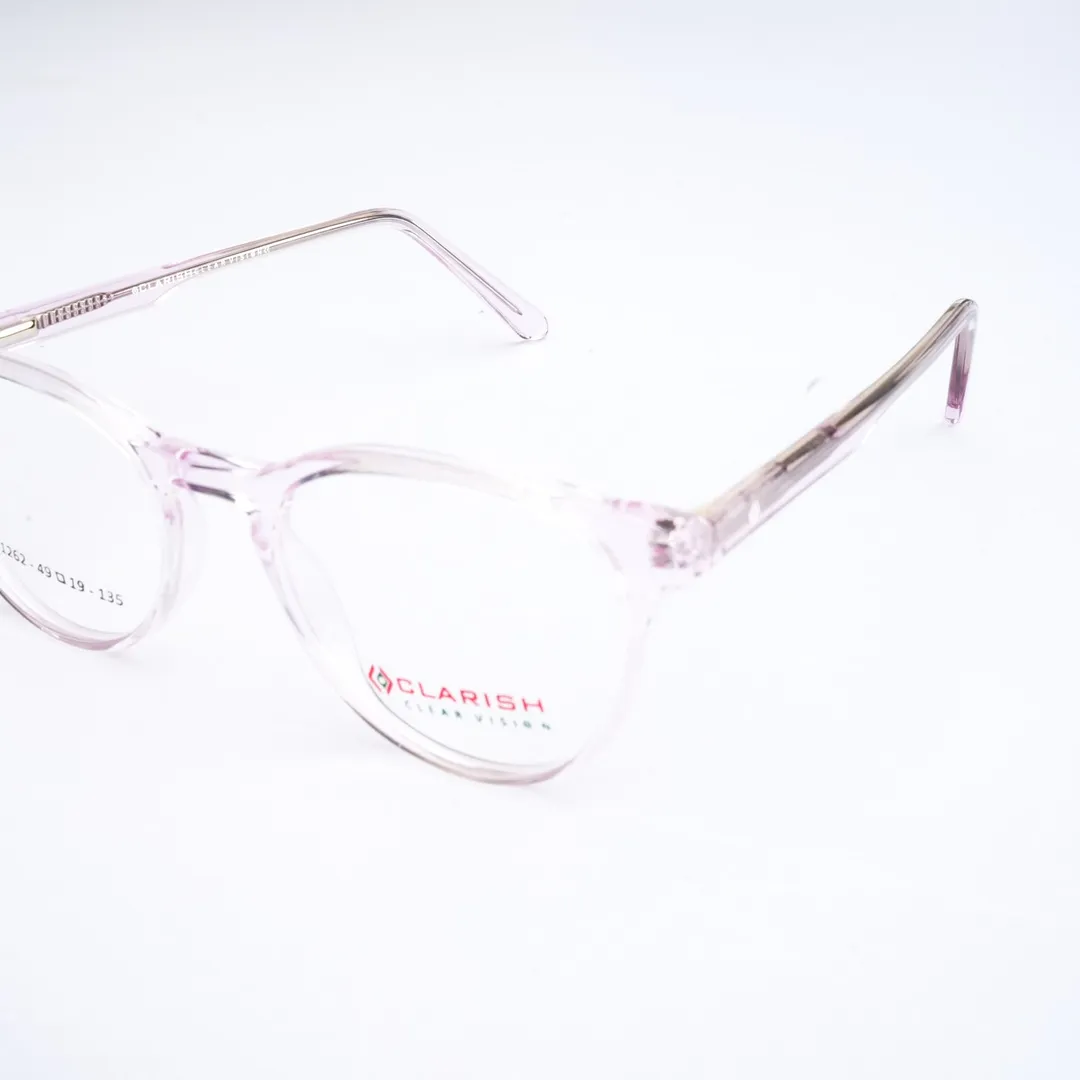
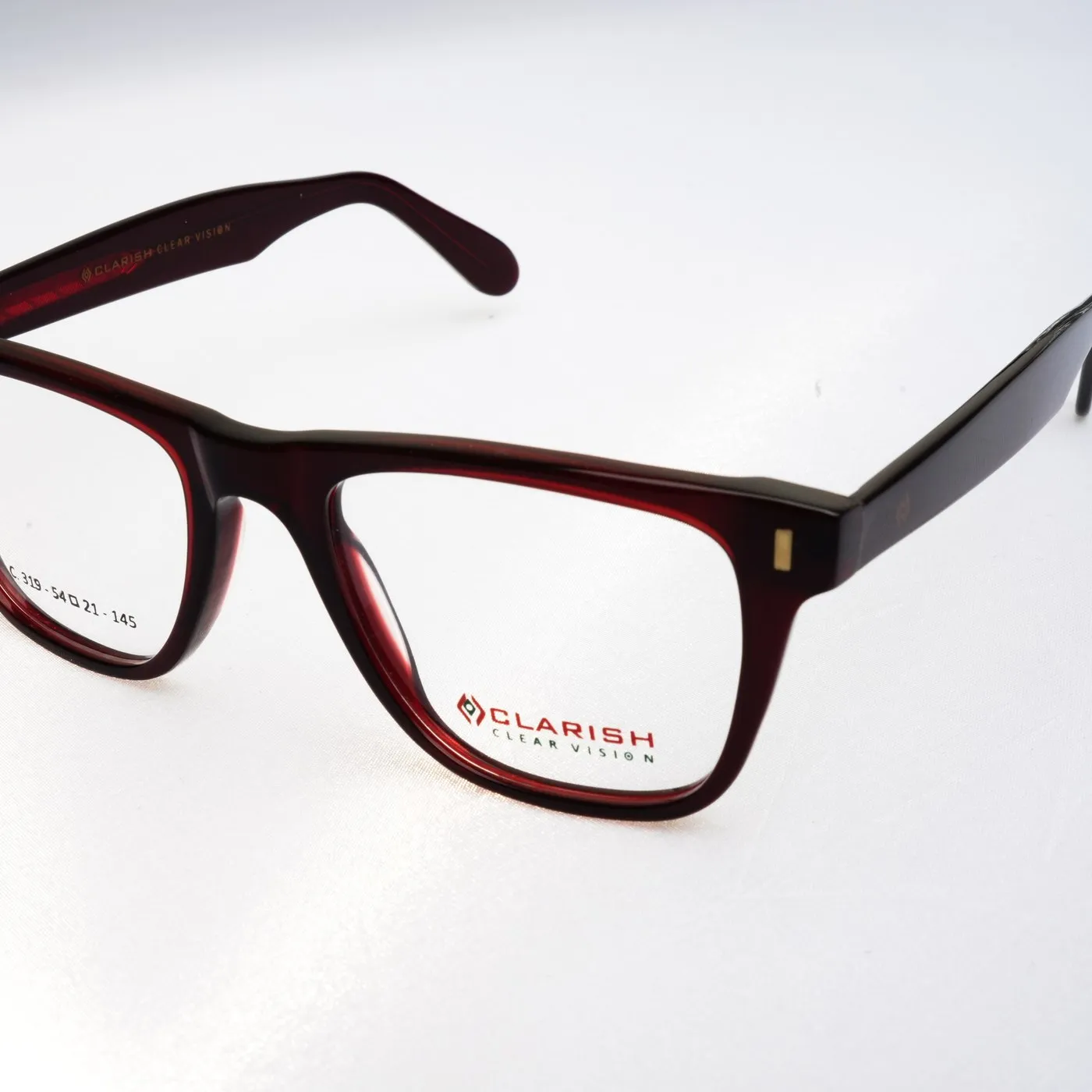
Clarish™ C.1102 Prescription Frame
Engineered with a reinforced brow and 4.2mm rim thickness, perfectly disguising thick edge profiles for high-minus lenses up to -8.00D.
Optical Engineering & Export Authority · Ahmedabad, India
Rushabh Trading Company (RTC Eyewear) manufactures precision cellulose acetate prescription optical frames engineered specifically for high-efficiency lab edging, high-diopter lens stability, and ergonomic dispenser adjustment. Delivering OEM, ODM, and turnkey private label eyewear manufacturing from Ahmedabad to retail chains and distributors across 30+ countries since 1985.
Over four decades of ophthalmic craftsmanship. Unlike decorative fashion accessories, prescription optical frames must withstand mechanical lab glazing pressures, repeated heat adjustments, and dynamic skin contact without frame deformation or surface crazing.
Curated Clarish™ Optical Line
Each Clarish™ prescription silhouette is engineered around specific ophthalmic parameters: calculated B-measurement depths for progressive additions, fortified eye-wire perimeters to eliminate lens pop-out on high diopters, and anatomical weight distribution across the nasal crest.
Executive Rectangular
Engineered with a reinforced brow and 4.2mm rim thickness, perfectly disguising thick edge profiles for high-minus lenses up to -8.00D.
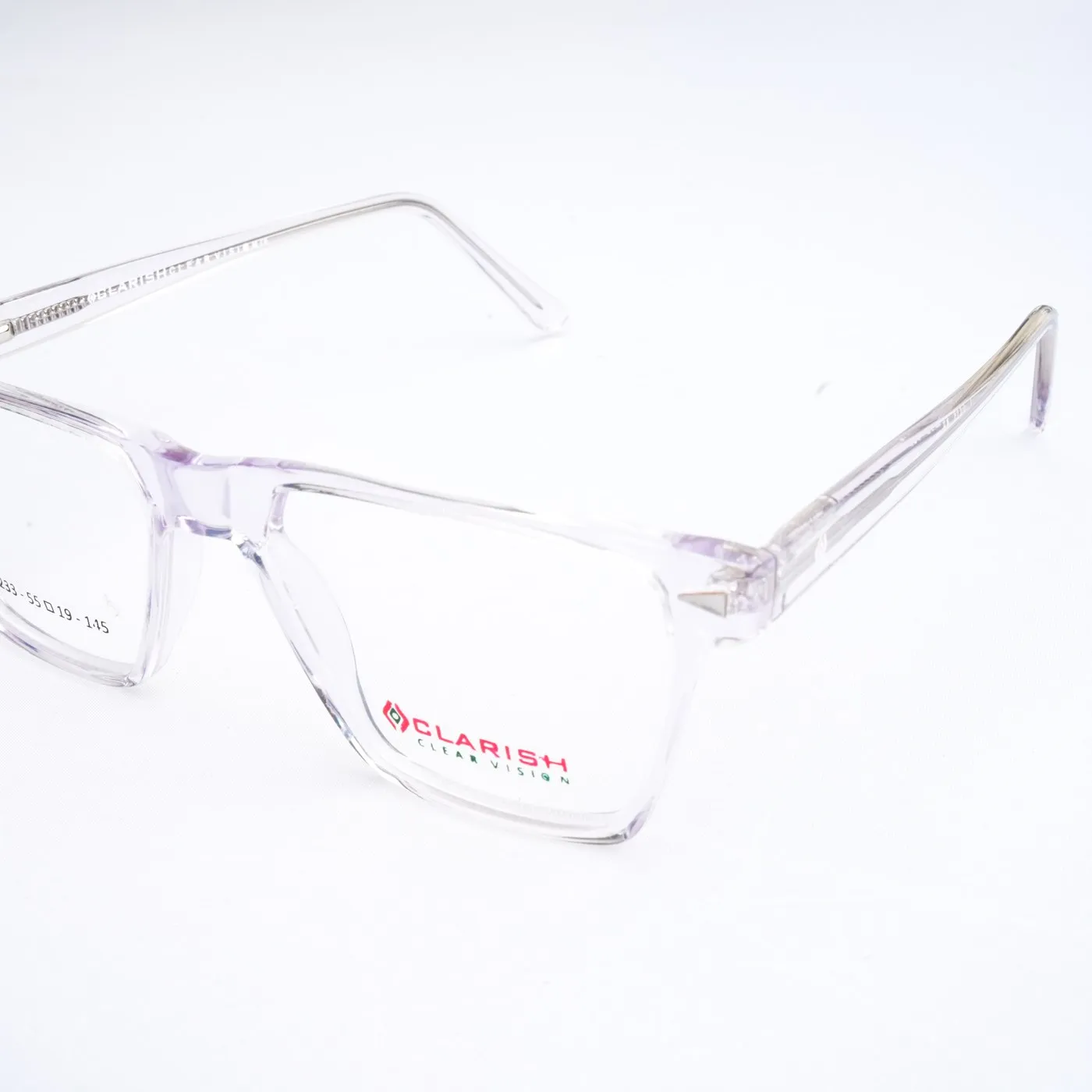 Progressive Square
Generous vertical eye-height specifically tailored to preserve broad intermediate and reading zones in modern freeform PAL digital lenses.
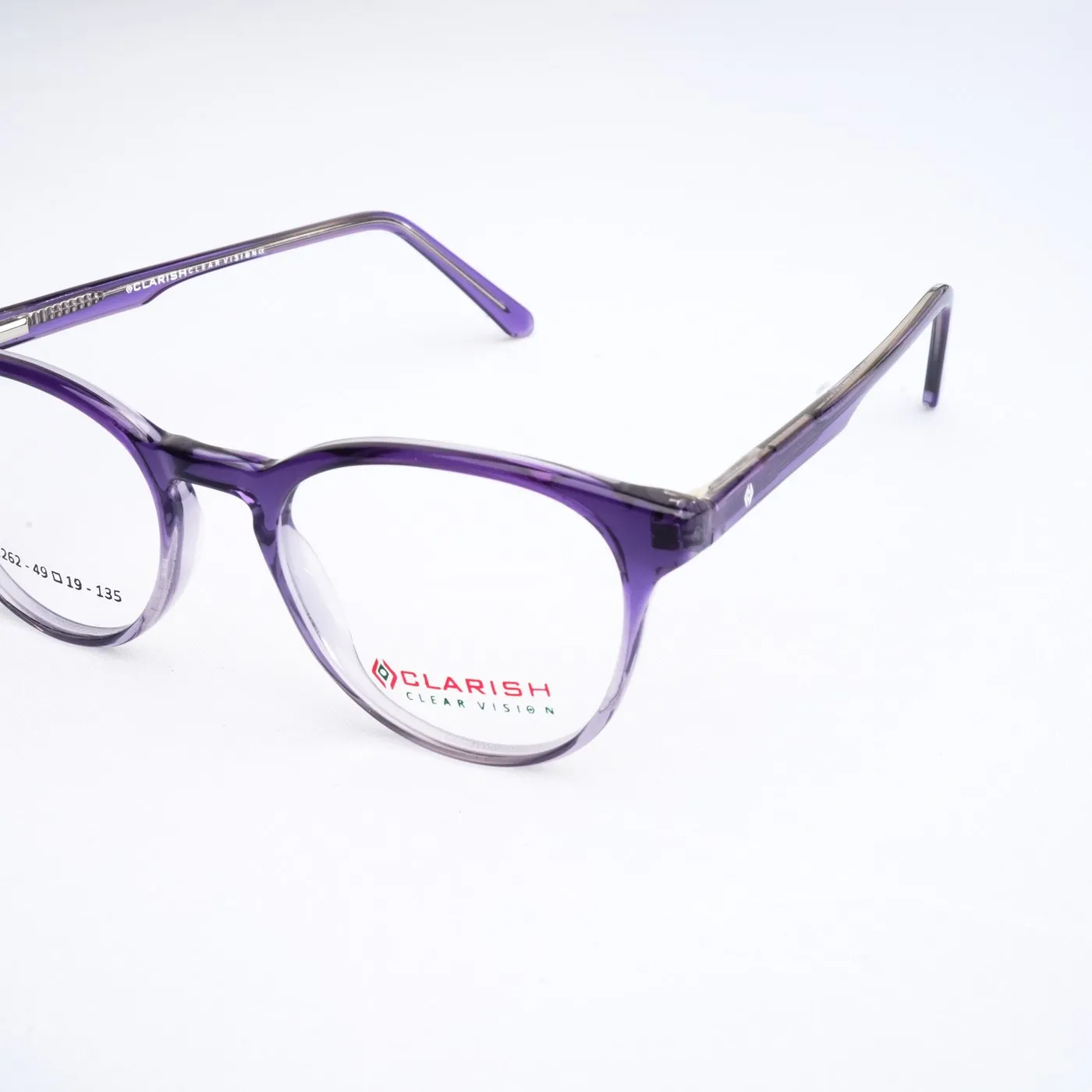 Pantoscopic Round
Features a balanced keyhole bridge providing uniform crest pressure distribution, ideal for narrow or hard-to-fit nasal roots.
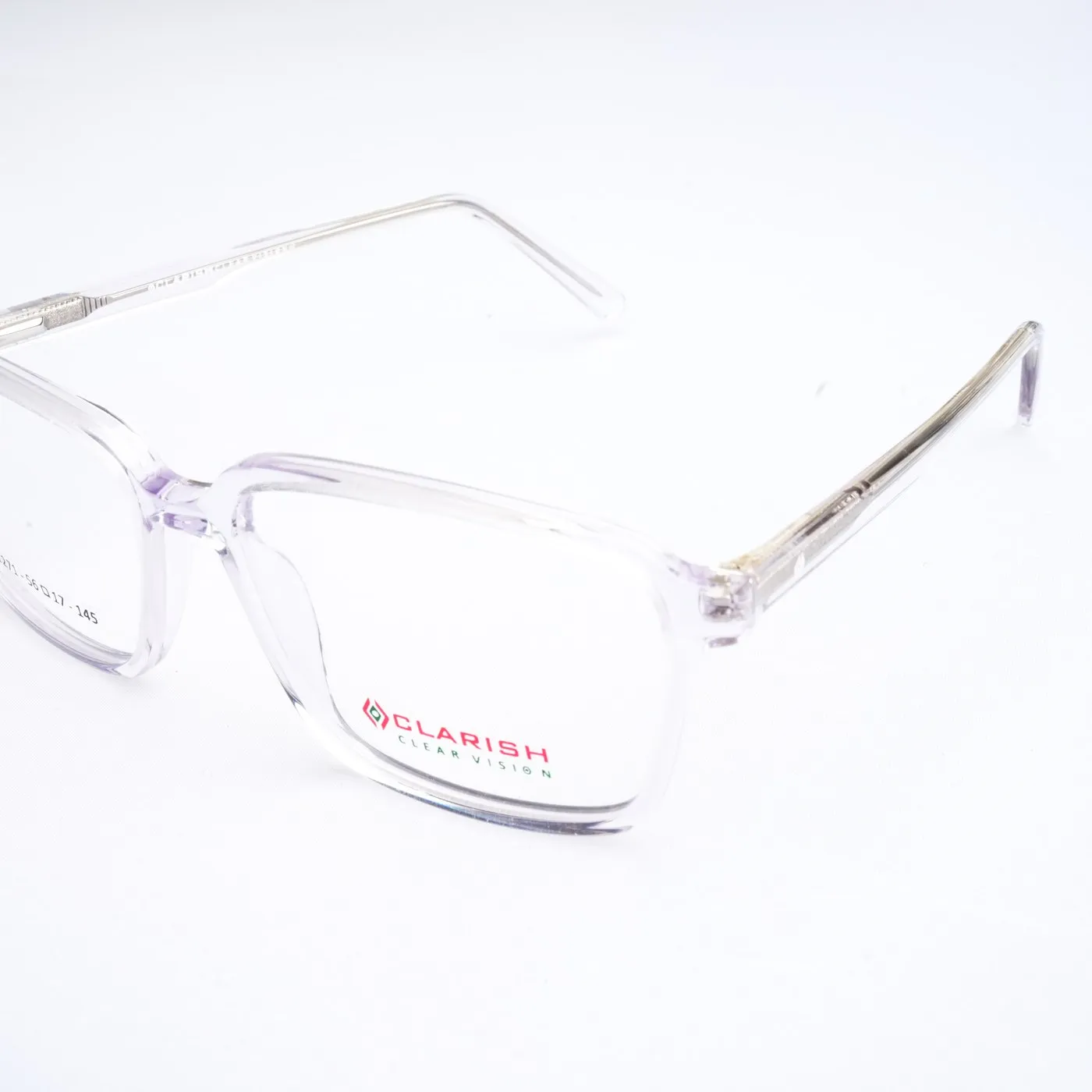 Contemporary Classic
A versatile unisex profile with stainless wire core stabilization that accommodates high-cylinder toric prescription corrections seamlessly.
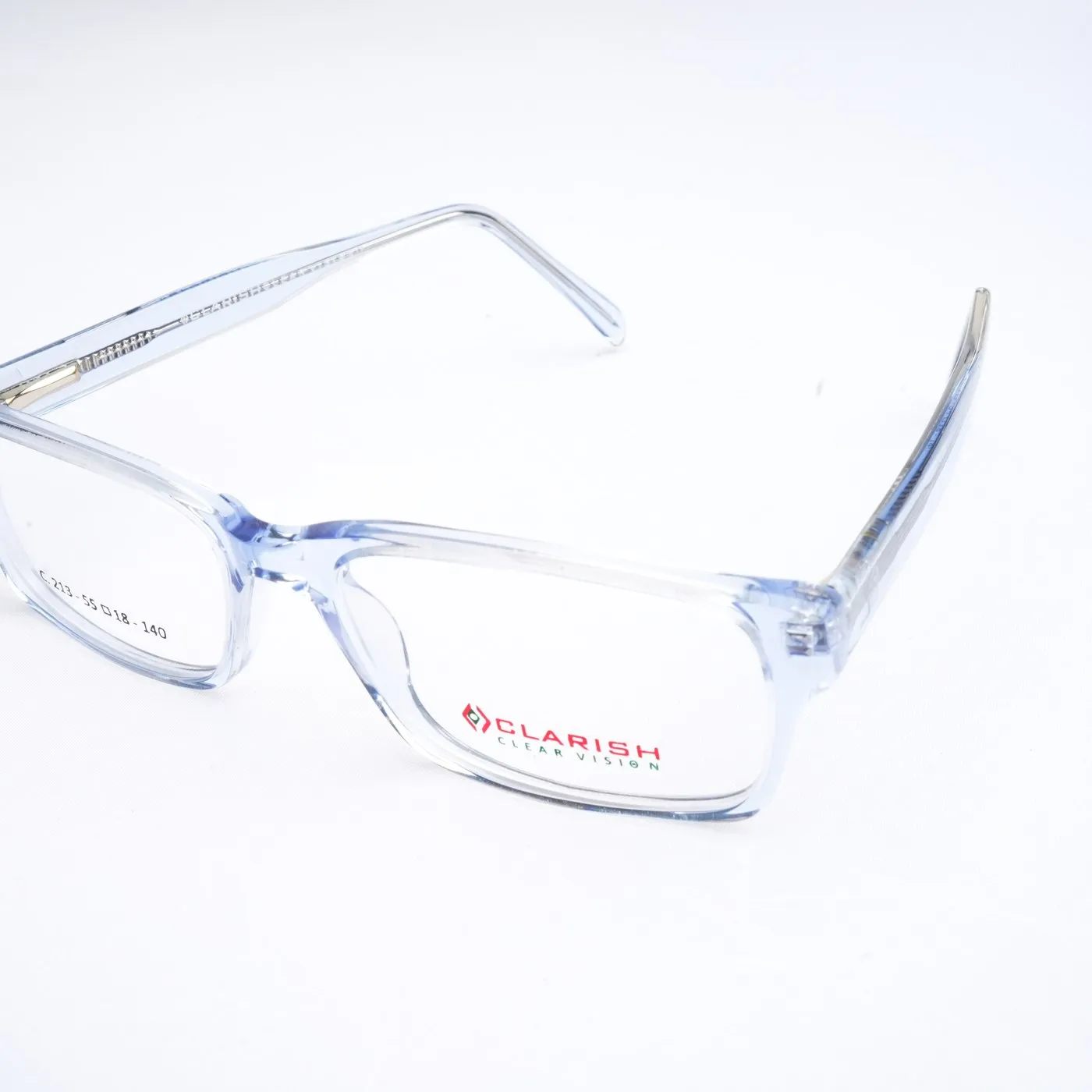 Ergonomic Fit
Optimized for day-long office and digital wear with ultra-slimmed temple paddles allowing micro-adjustments behind the mastoid bone.
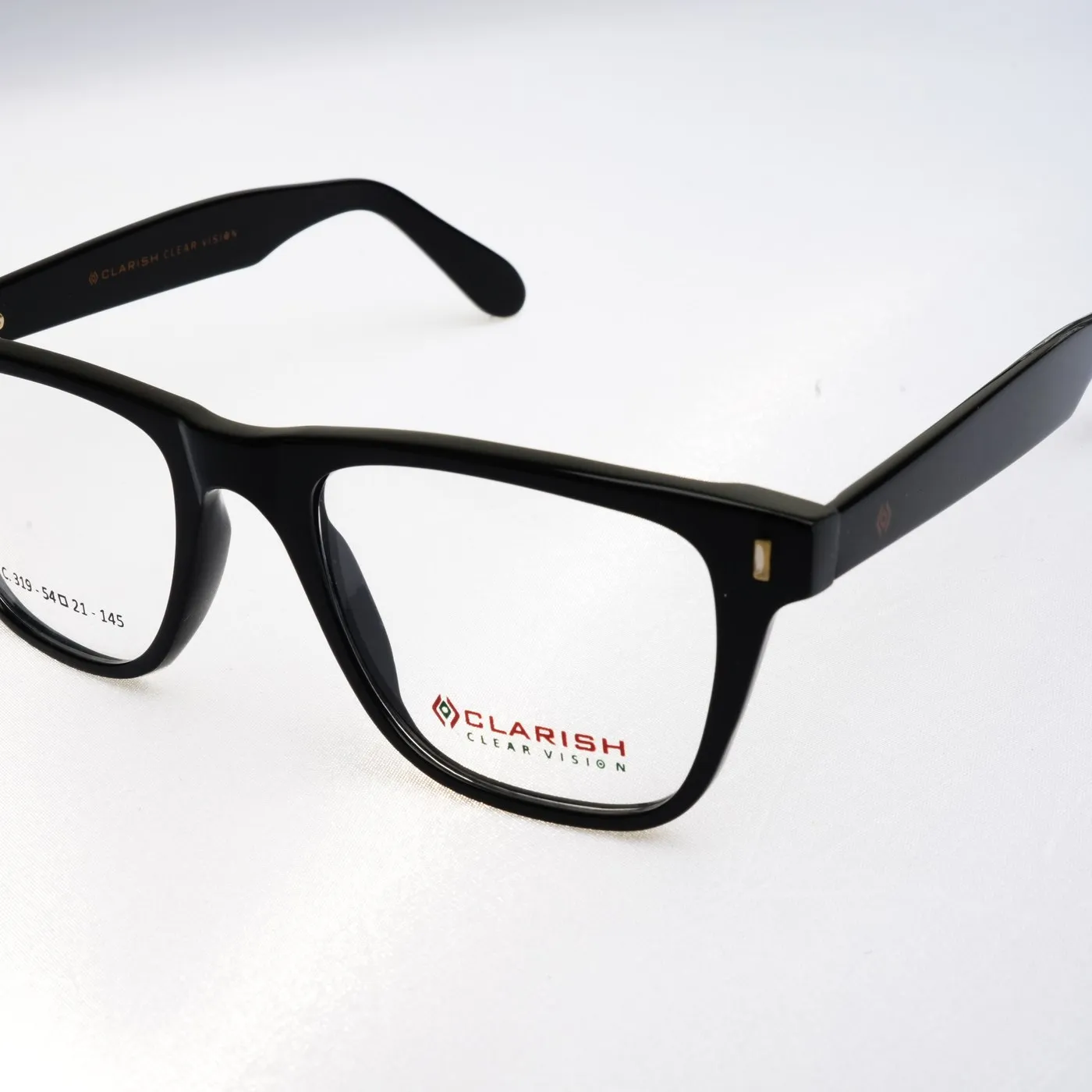 Geometric Bold
Substantial 6.0mm architectural acetate profile hand-buffed in multi-stage pumice barrels for exceptional luster and high structural stiffness.
For independent optical laboratories and retail chains, frame boxing tolerances are critical financial metrics. Inaccurate lens grooves or imprecise bridge widths result in edged lens slippage, axis rotation on high-cylinder prescriptions, and increased re-make write-offs. At RTC Eyewear, every CNC profile is calibrated within ±0.15mm of nominal design specifications, ensuring effortless cold/warm lens glazing across polycarbonate, CR-39, and high-index 1.67/1.74 materials.
Market Intelligence
The global wholesale prescription frame marketplace is experiencing fundamental operational and structural shifts. Optical retail chains and boutique brands must navigate rising supply chain risks, regulatory compliance hurdles, and changing consumer lifestyle demands.
Global procurement executives are rebalancing their sourcing footprint away from over-concentrated regions. India has emerged as a premier manufacturing destination due to competitive operational fundamentals, skilled artisanal traditions, English-speaking technical communication, and tariff-resilient trade agreements with the EU, UK, and North America.
Prescription optical frames are regulated Class I medical devices under EU MDR (2017/745) and US FDA regulations. International customs authorities now scrutinize raw material bio-compatibility, ISO 12870 mechanical fatigue certifications, and nickel-release levels on metal components. Importers require transparent manufacturing partners who provide exhaustive audit trails.
Modern consumers utilize virtual try-on (VTO) interfaces and 3D digital pupillometers. Wholesale prescription optical frames must now adhere strictly to digital parametric files (3D STEP/IGES models) so virtual simulations match the physical frame's vertex distance, wrap angle (pantoscopic tilt 7° to 10°), and actual face sitting profile precisely.
Evolution of Eyewear Craftsmanship
The future of prescription eyewear lies at the intersection of biological material science and computerized multi-axis manufacturing. Modern wearers demand lightweight comfort without sacrificing durability, while brand owners demand sustainability without compromising post-purchase frame adjustability.
“The standard of excellence is no longer just how a frame looks on display, but how reliably it holds a prescription over three years of daily mechanical stress.”
Transitioning from petroleum-based diethyl phthalate (DEP) plasticizers to plant-based triethyl citrate (TEC) bio-plasticizers. Achieving biodegradability according to ISO 14855 standards while maintaining rich color depth and dimensional stability.
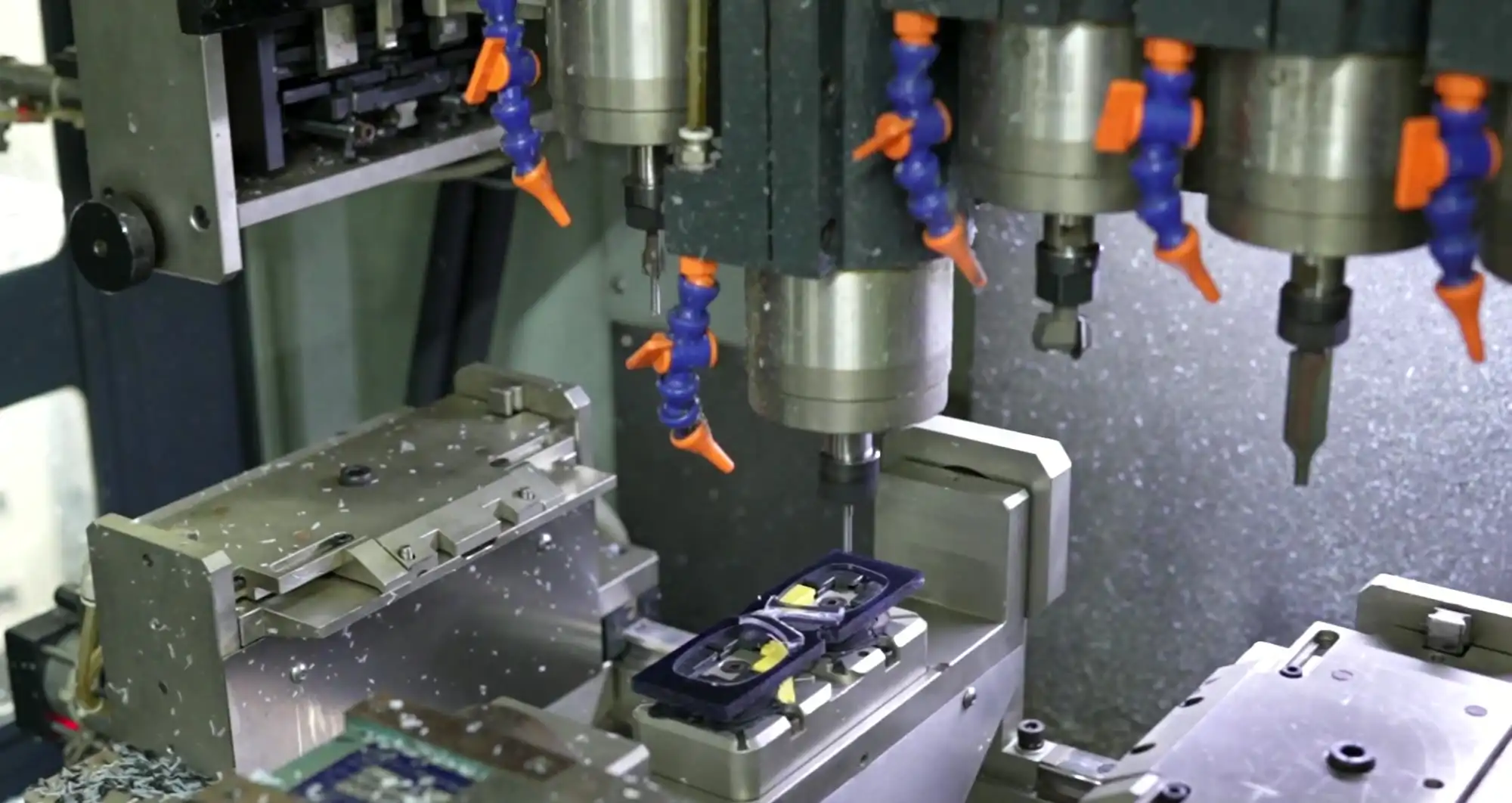
State-of-the-art multi-axis CNC machines allow intricate 3D milling of inner eyewire bevels, organic bridge transitions, and weight-reducing internal relief channels that reduce nose crest load by up to 18%.
Co-molding high-density cellulose acetate fronts with beta-titanium or surgical stainless steel wire-cores and temples, delivering featherweight comfort alongside total optical bench adjustability.
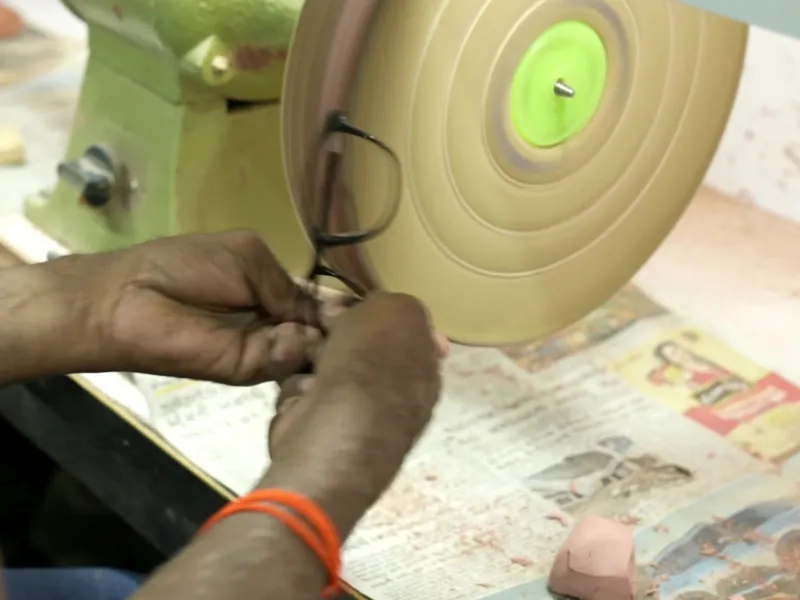
Combining 72-hour progressive beechwood and pumice tumbling with specialized hand buffing, generating a deep optical luster that resists skin sebum, cosmetic acids, and UV degradation.
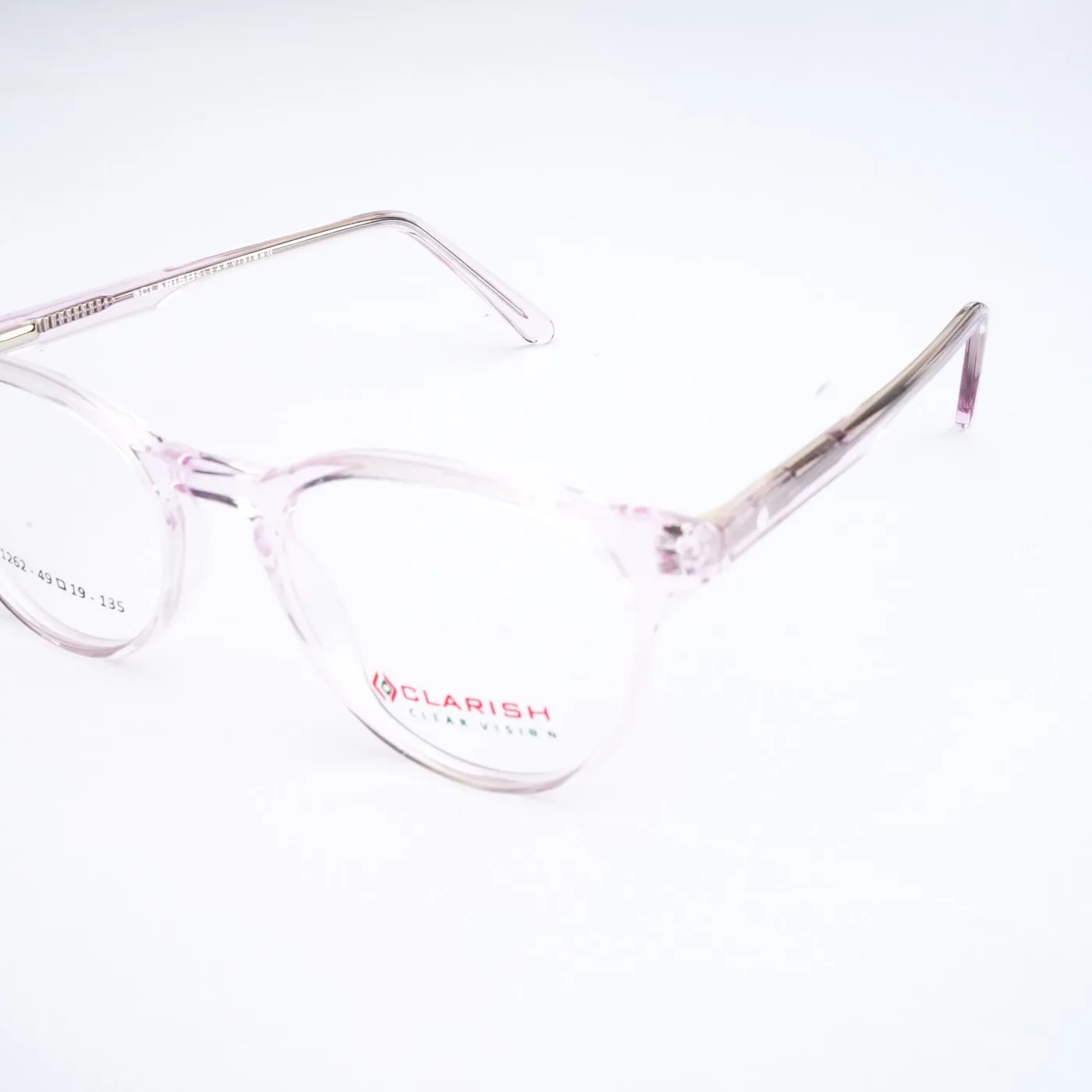
Rigorous Ophthalmic Manufacturing
A premium prescription optical frame is not merely molded; it is engineered through 8 comprehensive manufacturing checkpoints to guarantee geometric stability, dimensional fidelity, and ergonomic adjustability.
Enterprise Credentials & E-E-A-T
Founded in 1985 in Ahmedabad, Gujarat, RTC Eyewear represents four continuous decades of specialized optical craftsmanship. We combine legacy knowledge with modern engineering systems to deliver enterprise reliability for international buyers.
Since 1985, we have committed ourselves exclusively to one product category: cellulose acetate eyewear. Our manufacturing memory covers thousands of tooling profiles, material behavior matrices, and custom hinge engineering solutions.
With 22 production-proven models spanning 258 distinct colorways, buyers can bypass expensive mold-making phases and launch market-ready private label collections in record lead times.
We eliminate supply risk through physical master counter-sampling. Tooling geometries, pantoscopic angles, and temple markings are validated by your technical team before full production run commitment.
Custom packaging, barcode labeling, individualized drop-testing, and complete medical compliance documentation (CE Class I MDR, FDA, ISO 12870) packaged and cleared for frictionless international customs entry.
Are you looking to develop an OEM collection from proprietary CAD drawings or revise existing bridge ergonomics for your domestic demographics? Our optical engineering team provides free feasibility assessments within 48 business hours.
Get CatalogTailored Sourcing Solutions
Whether you are an established optical retail chain scaling high-volume SKUs or an independent design boutique curating a high-margin signature collection, our production setup offers scalable flexibility.
Select proven shapes from our Clarish™ catalogue. Apply your custom logo via laser or pad printing, specify bespoke temple markings, and design customized cases and microfiber cloths.
Modify existing frame templates: increase lens eye-size, adjust nasal bridge crests (alternative fit / low bridge fit), or combine exclusive laminate acetate sheet colors.
Provide hand sketches, 2D technical drawings, or physical reference prototypes. We engineer dedicated CNC tooling programs and custom hardware for your brand's exclusive rights.
Consolidated ocean and air freight logistics timed around your retail seasonal collection drops, backed by complete shipping documentation and certificates of origin.
Procurement Lifecycle
A disciplined, transparent path from initial technical brief to final container loading.
Submit CAD models, physical benchmarks, target boxing dimensions, and volume requirements.
Our engineers calculate CNC cutter paths, lens bevel depths, hinge positions, and sheet curing parameters.
Complete physical prototypes are manufactured and shipped to your dispensing labs for edging verification.
Controlled bulk milling, tumbling, hand buffing, and hardware assembly against approved counter-samples.
Optical alignment audit, barcode verification, export carton packaging, and international shipping clearance.
Direct Industry Answers
Clear, authoritative technical answers addressing common queries surrounding prescription optical frame engineering, minimums, glazing compatibility, and supply chains.
A frame is genuinely Rx-ready when it incorporates uniform, CNC-milled lens bevel grooves (standard 110°–120° V-bevel at a minimum depth of 0.60mm–0.65mm) capable of securely holding corrective lenses under thermal expansion. It must be crafted from high-density, cured cellulose acetate that softens under standard optometric bench warmers (55°C–65°C) to allow lens insertion without crazing, snapping, or eyewire stretching. Additionally, the temples must contain integrated stainless steel wire cores, enabling opticians to make permanent pantoscopic tilt adjustments, temple bends, and mastoid contouring without mechanical fatigue.
While injection-molded plastics like TR-90 or nylon are lightweight, they exhibit high elastic memory and cannot be permanently customized to a patient’s facial contours; they continually snap back to their molded factory form. Furthermore, injection plastics cannot be hand-polished to remove scratches over time. Cellulose acetate, derived from renewable cotton and wood pulp, possesses thermoplastic pliability that allows precise heating and manual shaping. It delivers deep, non-fading section color, superior weight-in-hand perception, and robust structural retention for high-index, bifocal, and progressive lenses.
Yes. Through our comprehensive OEM/ODM engineering services, we routinely customize frame nasal architecture for specific demographic requirements. For Asian fit or low bridge fit collections, we modify the CAD toolpaths to narrow the bridge distance (DBL), reduce the pantoscopic angle to prevent cheekbone contact, and build up anatomical nose pad heights. Alternatively, we can integrate precision micro-screwed stainless steel or titanium pad-arm assemblies directly into the acetate front.
For private label programs utilizing our proven Clarish™ tooling catalogue (22 models, 258 colourways), minimum order quantities (MOQs) typically start at 300 to 500 units per model across select color combinations. Sampling is completed in approximately 15 to 20 working days, with bulk production requiring 45 to 60 days following sample sign-off. For bespoke OEM projects involving custom CAD design, tooling development, and bespoke sheet procurement, sampling requires 30 to 40 days, and bulk production cycles span 60 to 75 days depending on batch volume.
For high refractive corrections, eyewire stability is vital. We engineer our optical frames with balanced rim thicknesses (typically 3.5mm to 4.8mm) to conceal the thick edges of high-minus lenses and prevent frame bowing under high-plus center thicknesses. Our eyewire grooves are cut to exact spherical curvature (4-base to 5-base curves), preventing eyewire splay or optical lens pop-out. Furthermore, multi-barrel pinned hinges distribute mechanical hinge torque directly into the core wire, avoiding localized stress cracking near the end-piece lugs.
RTC Eyewear provides full export documentation supporting regulatory compliance globally. Our prescription optical frames conform to ISO 12870 (Spectacle Frames requirements and test methods) for dimensional stability, perspiration resistance, bridge deformation, and endurance. We furnish technical compliance documentation for CE marking under European Medical Device Regulation (EU MDR 2017/745 Class I), FDA registration documentation for US entry, and laboratory certifications verifying nickel-free plating and non-cytotoxic skin contact materials.
Initiate Factory Direct Procurement
Connect directly with our engineering and export team in Ahmedabad, India. Request our comprehensive Clarish™ prescription catalogue, order physical evaluation samples, or schedule a technical review of your proprietary designs.