Blog

How to Choose Cellulose Acetate Sunglasses in 2026?

How to Choose Cellulose Acetate Sunglasses in 2026?

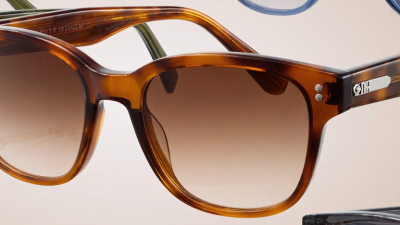
Choosing Cellulose acetate sunglasses in 2026 requires more than admiring a glossy frame. The Vision Council’s 2024 consumer research reports that roughly three in four U.S. adults use eyewear. That scale makes material quality, fit, and repairability meaningful daily concerns. Grand View Research also identifies cellulose acetate as a high-value material in eyewear and specialty applications. However, market reports often combine eyewear with unrelated acetate products. Their figures should be read carefully. Michele Aracri, CEO of Mazzucchelli 1849, has described acetate as “a material that combines creativity, quality, and sustainability.” That statement deserves a practical test. A good frame should feel warm, not brittle, against the skin. Its edges should look smoothly polished. The temples should open evenly, without clicking or twisting. Ask whether the manufacturer uses genuine cellulose acetate sheets, reliable hinges, and replaceable lenses. Some brands use “acetate” loosely, which can confuse shoppers. This guide examines frame construction, lens protection, fit, color stability, and responsible sourcing. It also questions popular assumptions. Bio-based does not automatically mean low-impact. A beautiful tortoiseshell pattern does not prove durability. Even premium frames can fail when stored in a hot car. Look closely. Feel the hinge. Check the after-sales policy. The best Cellulose acetate sunglasses balance comfort, optical performance, manufacturing transparency, and years of realistic use.
Read more »
Elowen By:Elowen - October 20, 2026
Best China OEM Eyewear Manufacturing Companies

Best China OEM Eyewear Manufacturing Companies

Choosing the best China OEM eyewear manufacturing companies requires more than comparing catalog photos or factory promises. A reliable partner should demonstrate practical experience with frames, sunglasses, children’s eyewear, and prescription-ready designs. Their capabilities should match your product, budget, and expected production volume. Strong OEM eyewear manufacturing begins with clear technical communication. Ask for material specifications, prototype procedures, mold ownership terms, and inspection standards. Experienced manufacturers can explain acetate cutting, stainless-steel forming, hinge installation, lens fitting, and surface finishing in simple language. They should also provide samples that reveal alignment, comfort, polish quality, and logo accuracy. Small details matter. Compliance must remain central. Request documented testing for materials, coatings, packaging, and relevant market requirements. Independent inspections can verify dimensions, color consistency, durability, and carton counts before shipment. A professional supplier should welcome these checks, not treat them as distrust. Still, no factory is perfect. Delays happen. Samples may hide production weaknesses. Even a promising quotation can omit tooling fees, revision costs, or minimum order limits. This guide examines practical factors behind credible Chinese eyewear manufacturers. It considers communication, engineering support, quality control, customization, lead times, and responsible sourcing. Company reputation matters, but verifiable evidence matters more. Look for recent samples, traceable business information, consistent answers, and references from comparable projects. The right choice is rarely the cheapest option. It is the partner that can repeatedly deliver safe, precise, and market-ready eyewear.
Read more »
Amelia By:Amelia - October 20, 2026
China Top 10 Cellulose Acetate Optical Frames Manufacturers

China Top 10 Cellulose Acetate Optical Frames Manufacturers

China’s eyewear manufacturing base has become an important source of premium acetate frames. According to Grand View Research, the global eyewear market was valued at approximately USD 157 billion in 2023. It is expected to expand steadily through 2030. This growth supports demand for durable, lightweight, and design-focused materials. Cellulose acetate optical frames remain popular because they offer rich color depth, comfortable weight, and strong finishing potential. Unlike basic plastic frames, acetate sheets can show layered patterns, translucent edges, and hand-polished surfaces. These details are visible around the bridge, hinge area, and temple tips. The Material ConneXion database also recognizes cellulose acetate as a bio-based material derived mainly from wood pulp or cotton linters. However, “bio-based” does not automatically mean fully biodegradable. That distinction deserves more attention. This guide examines China’s top 10 Cellulose acetate optical frames manufacturers through practical supply-chain criteria. These include sheet quality, cutting precision, hinge assembly, polishing consistency, customization ability, testing procedures, and export experience. Data from the China Chamber of Commerce for Import and Export of Light Industrial Products and Arts-Crafts indicates China remains a major global supplier of optical and fashion accessories. Yet factory scale alone proves little. A polished sample can hide weak tolerances or unstable color matching. The selected manufacturers are considered from a buyer’s perspective. Their production records, material sourcing, quality controls, and communication practices matter. The ranking is not absolute. It should be checked against current samples, audit findings, certifications, and realistic order requirements. That is the more reliable approach.
Read more »
Amelia By:Amelia - October 20, 2026