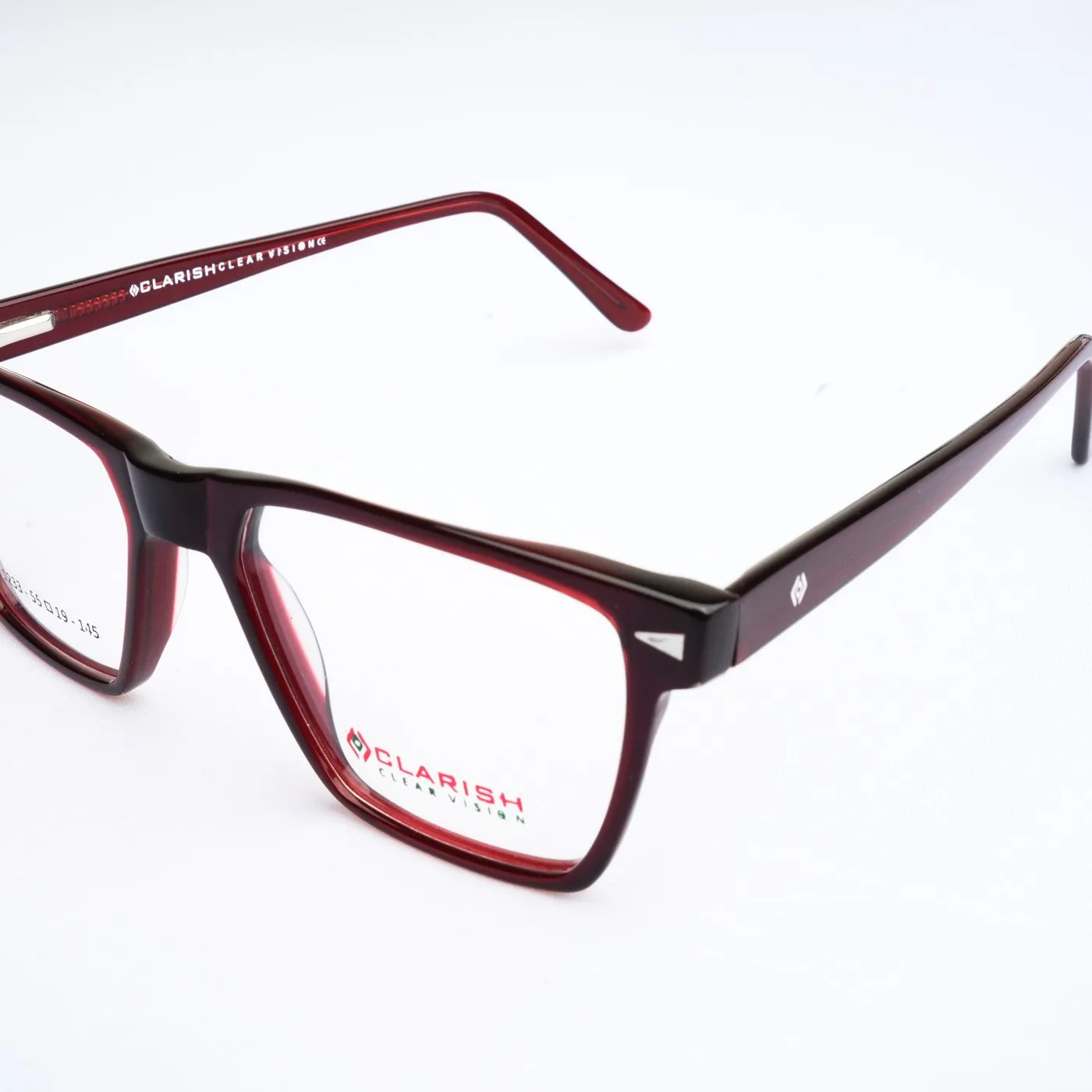
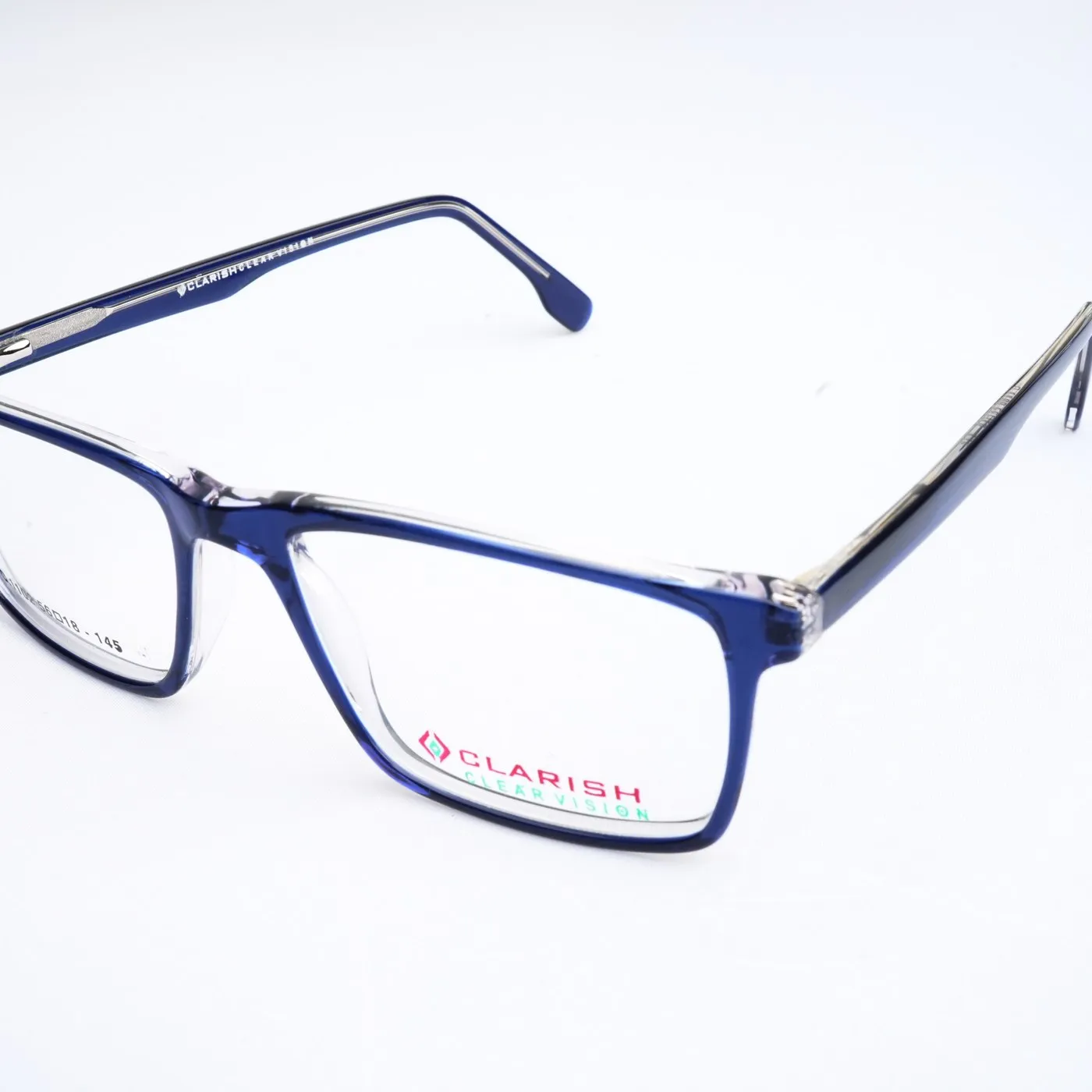
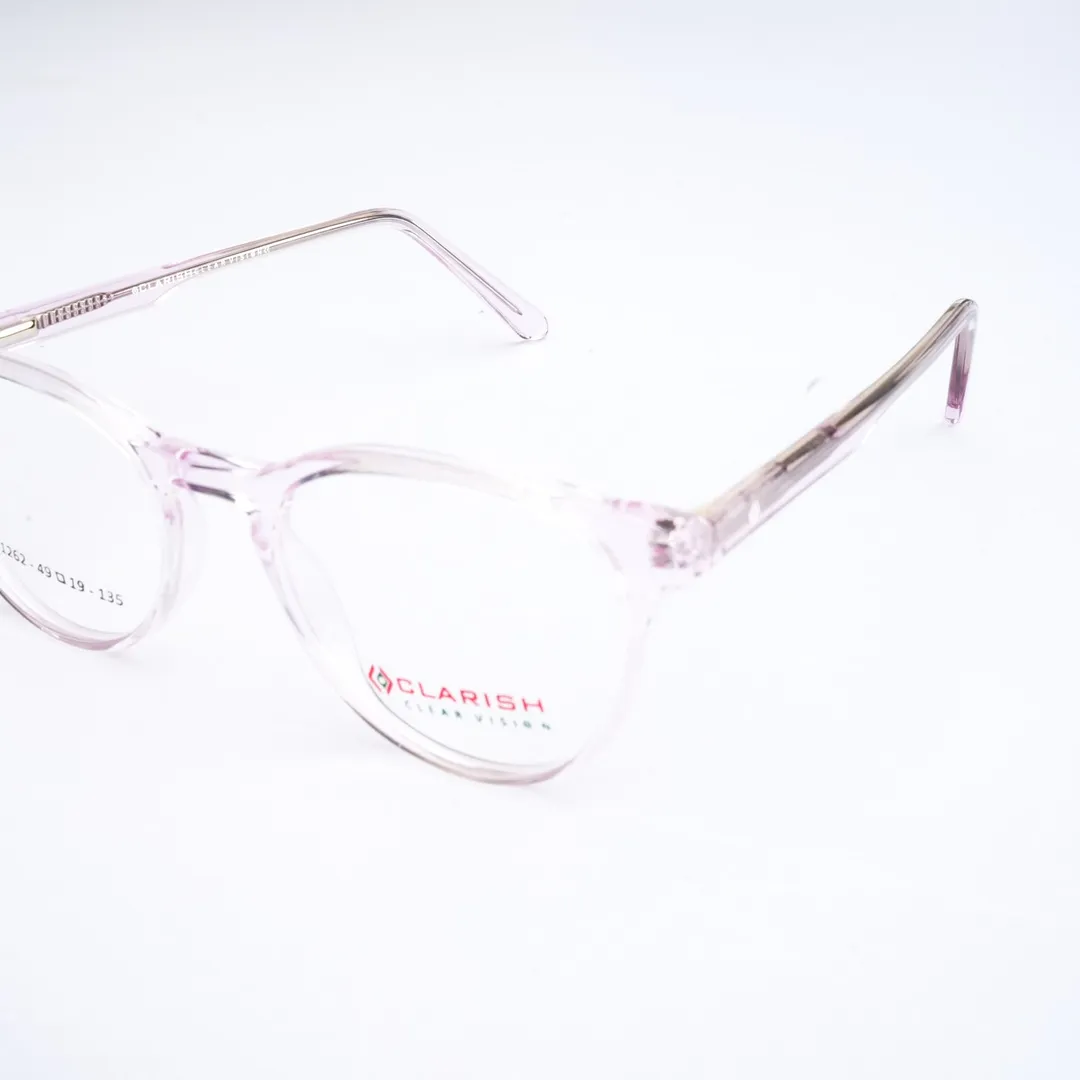
 Executive Rectangular
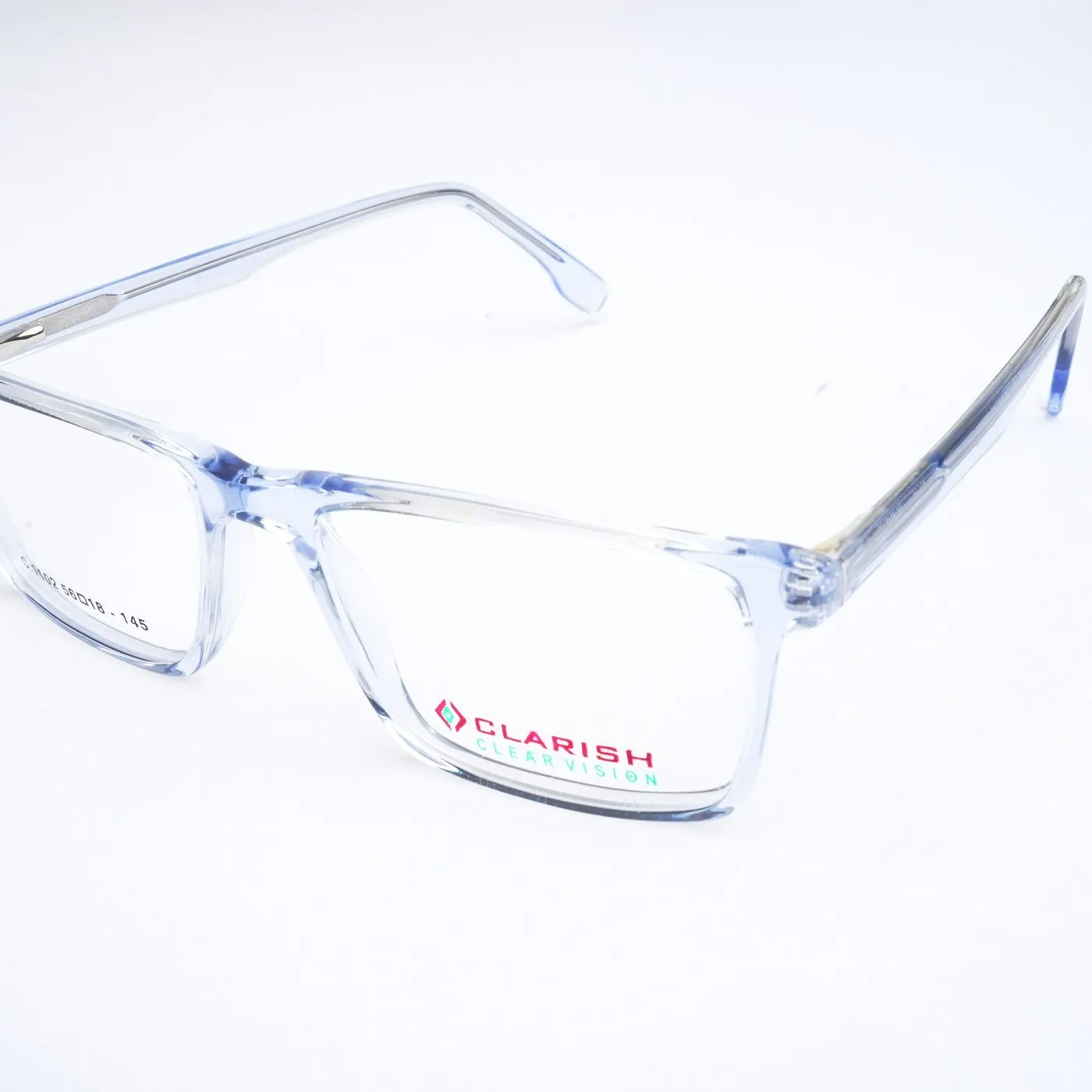
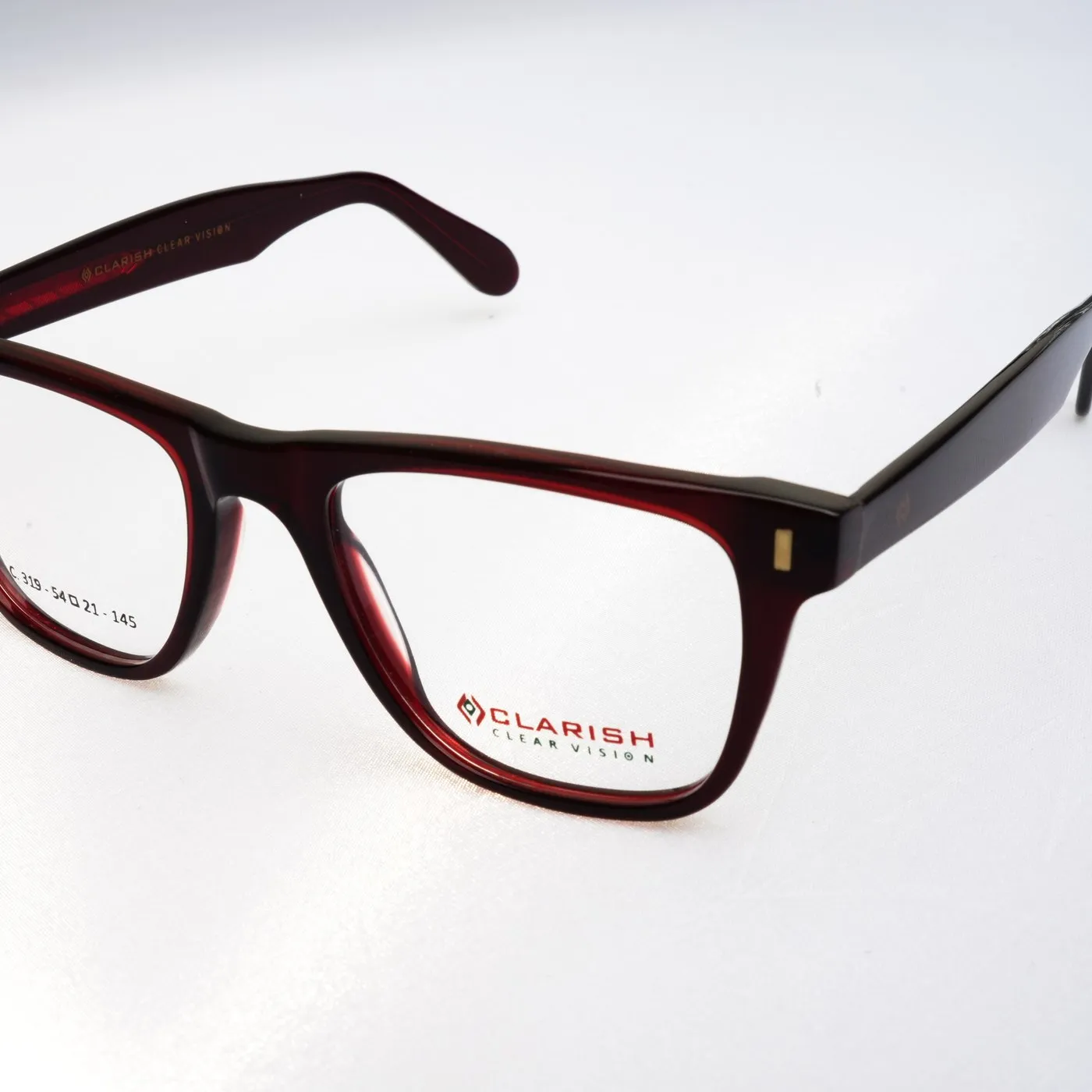
Clarish™ C.1102 Classic Architecture
56 mm eye, 18 mm bridge, 145 mm temple

Verified Eyewear Exporter India · Ahmedabad Manufacturing Hub
As procurement directors and independent eyewear brands navigate international supply chain restructuring, selecting an experienced eyewear exporter in India has become a strategic priority. Rushabh Trading Company (RTC Eyewear) bridges four decades of specialized cellulose acetate craftsmanship with multi-axis CNC repeatability, full regulatory compliance, and turnkey OEM/ODM solutions tailored for global markets.
Over 41 Years of Unbroken Focus. Founded in 1985 in Ahmedabad, Gujarat, RTC Eyewear concentrates exclusively on premium sheet-cut cellulose acetate spectacles and sunglasses, avoiding cheap injection plastics to preserve true artisanal integrity.
Precision Product Recommendations
Carefully balanced ergonomic geometries and proven sell-through designs engineered specifically for international prescription labs and boutique sunwear collections. All 22 Clarish™ models feature standard international boxing sizes, wire-reinforced temples, and hand-beveled nose bridges.
Executive Rectangular 56 mm eye, 18 mm bridge, 145 mm temple
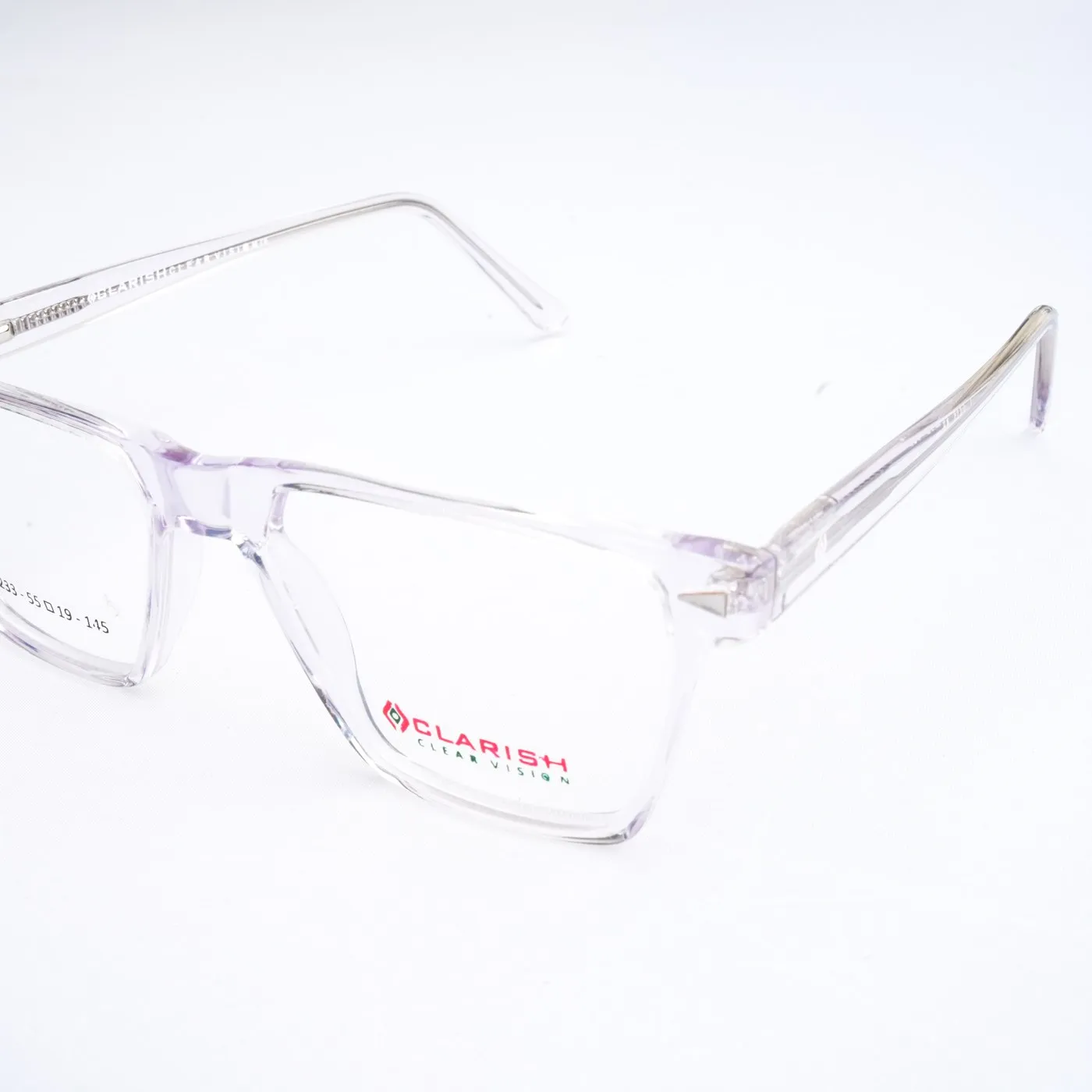 Urban Square
55 mm eye, 19 mm bridge, 145 mm temple
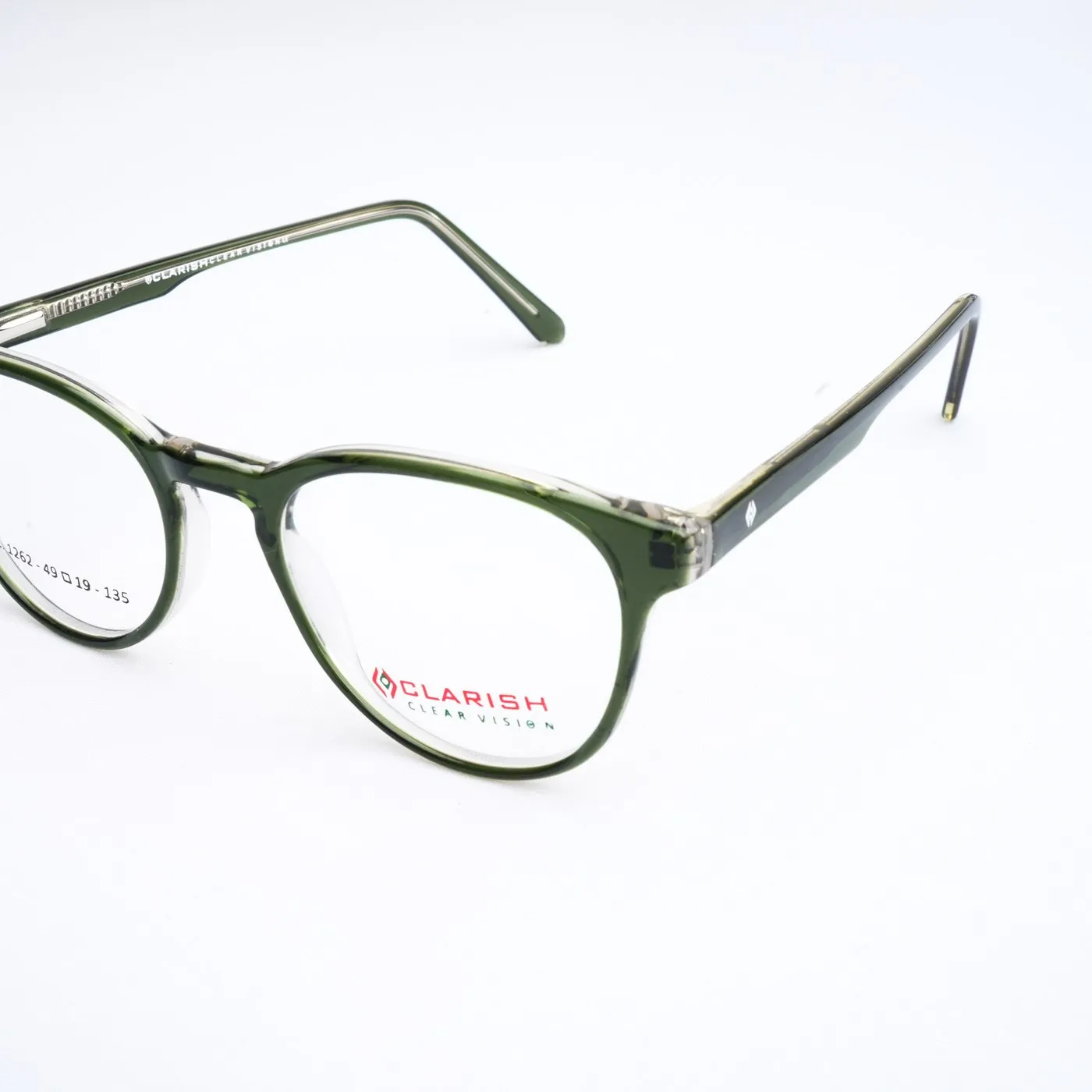
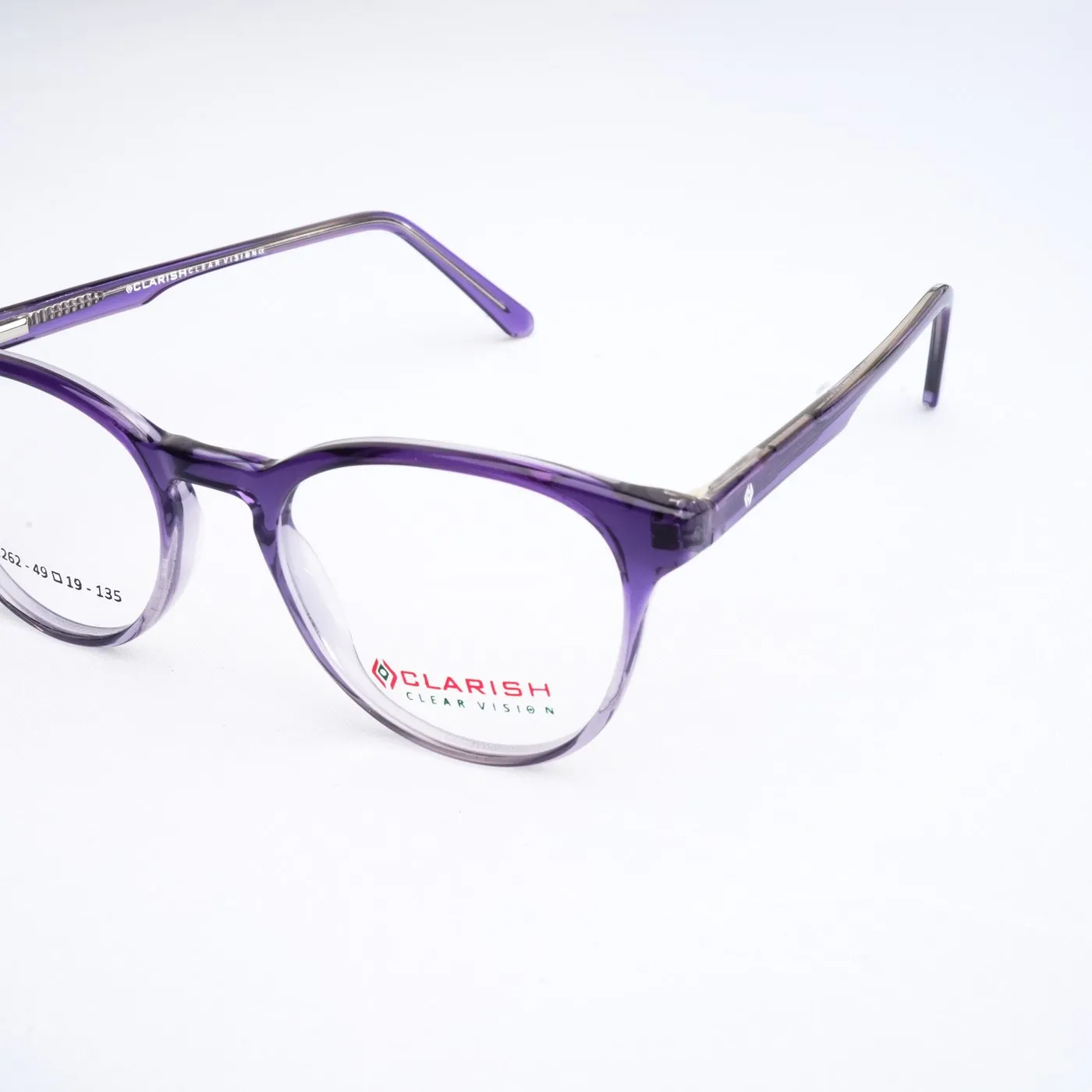 Heritage Round
49 mm eye, 19 mm bridge, 135 mm temple
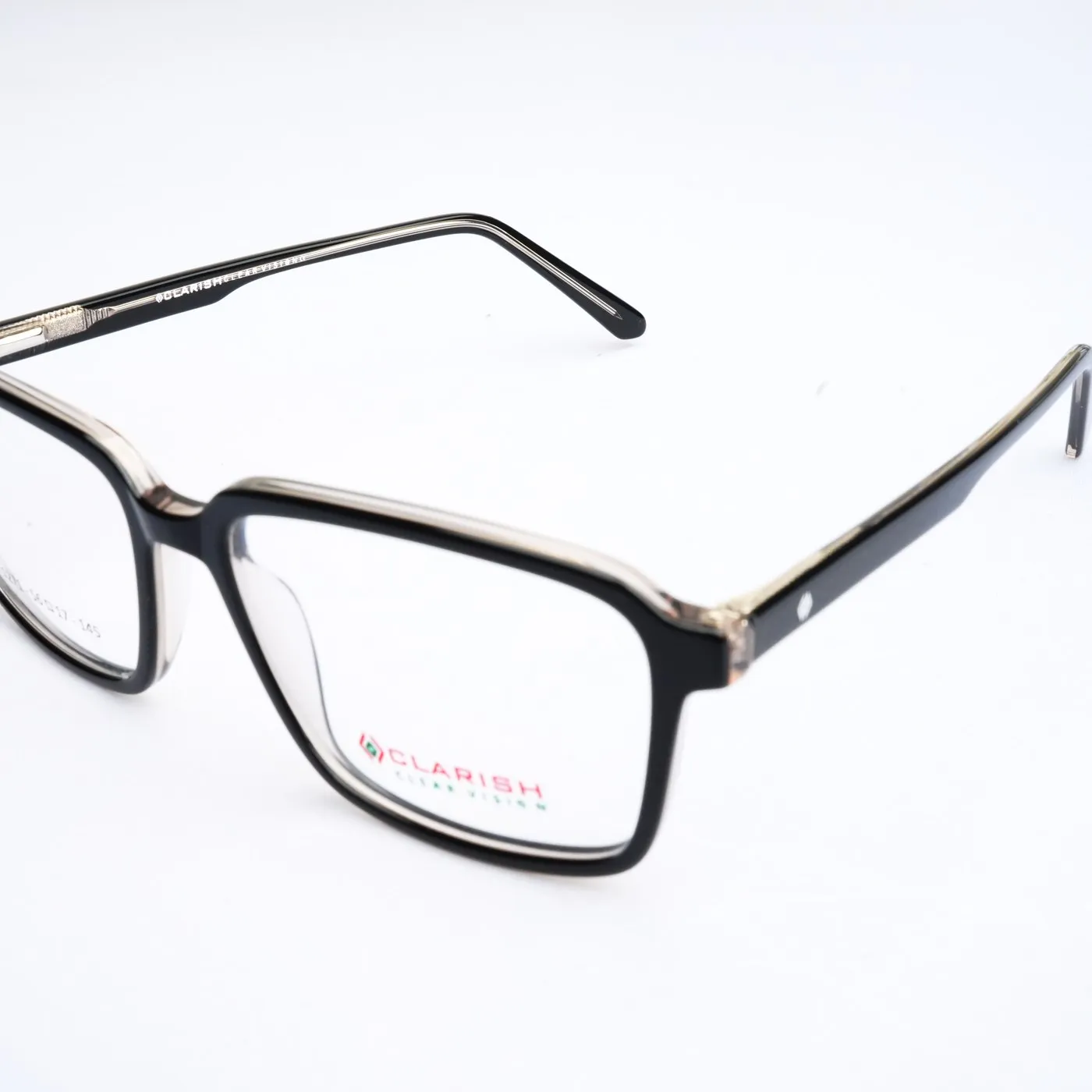
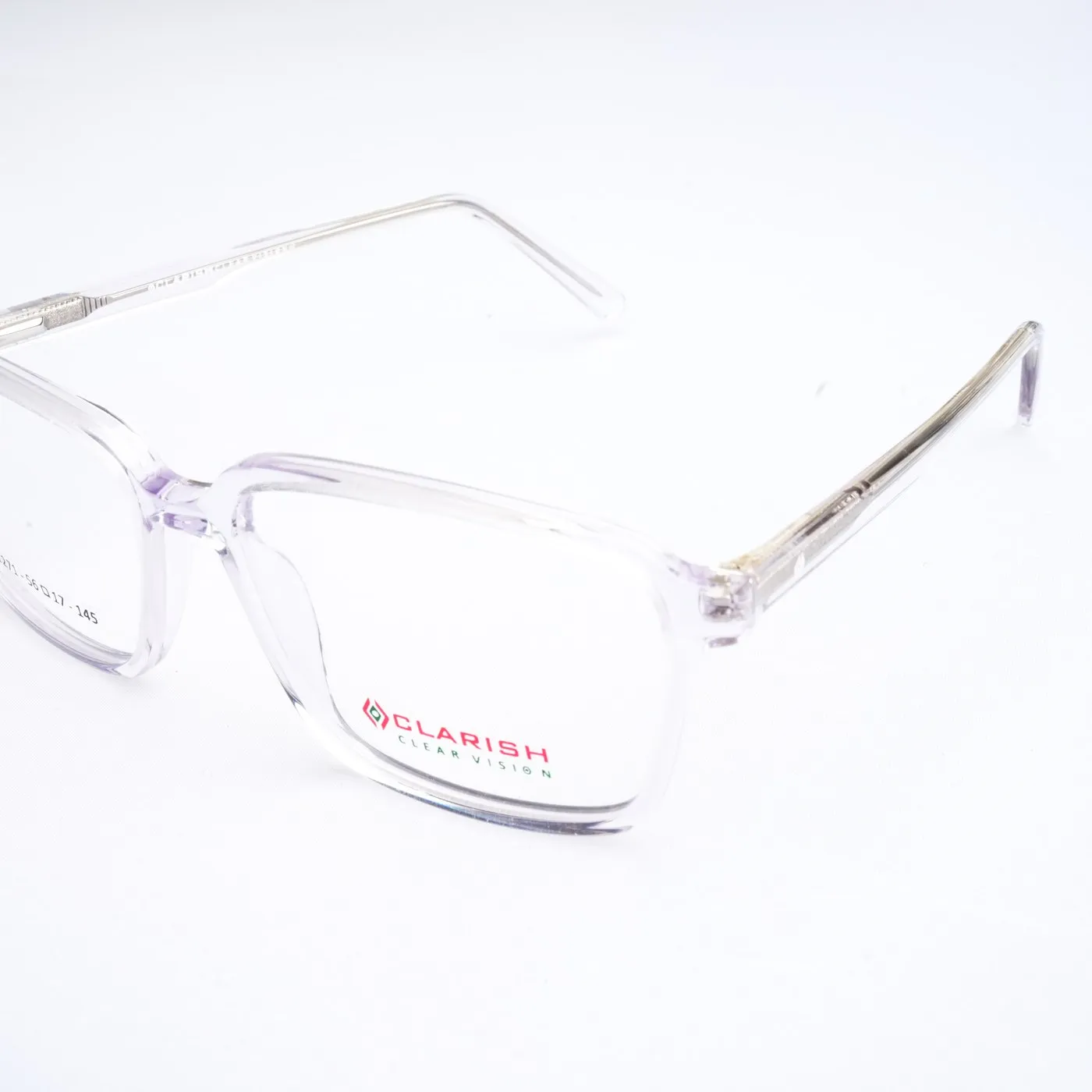 Contoured Rectangular
56 mm eye, 17 mm bridge, 145 mm temple
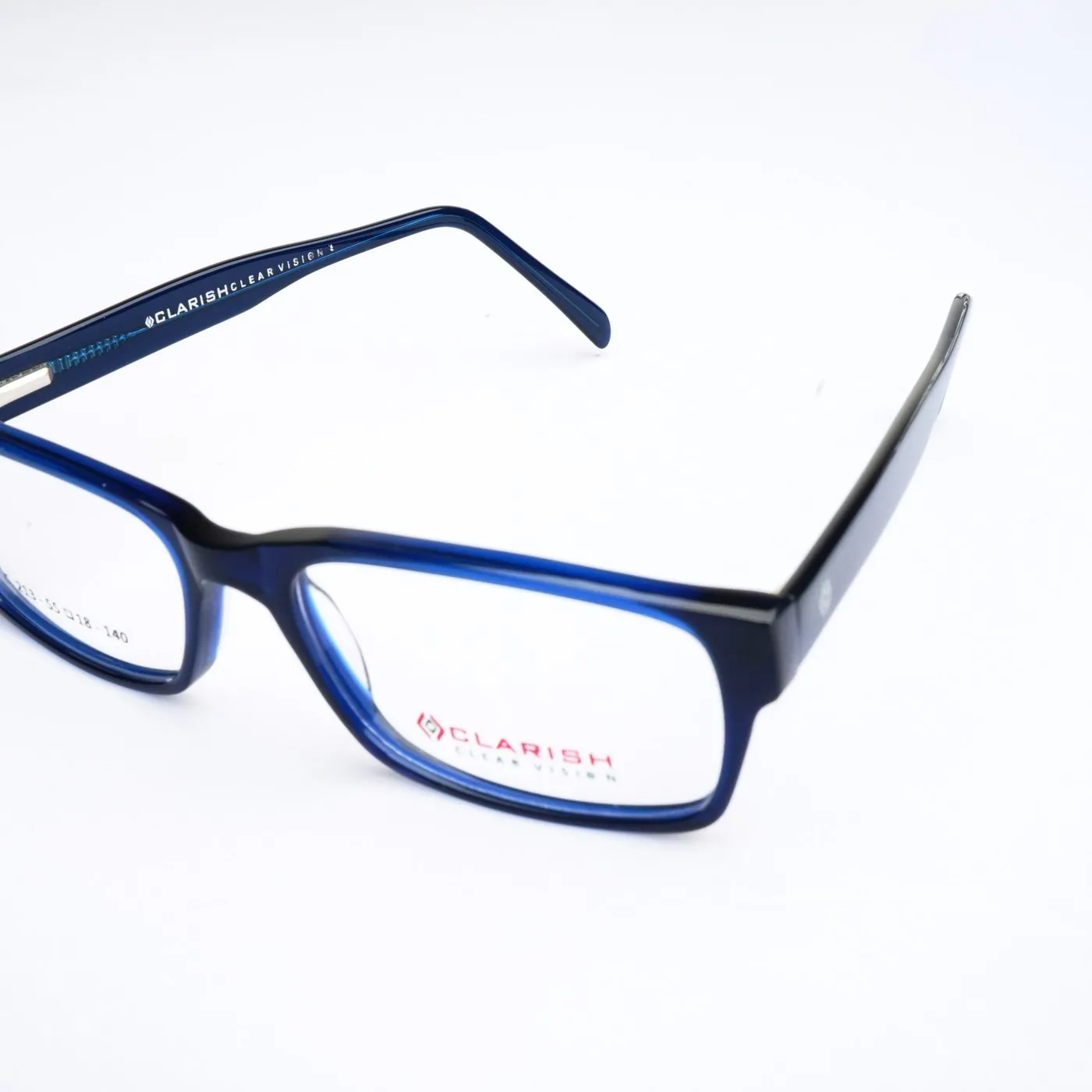
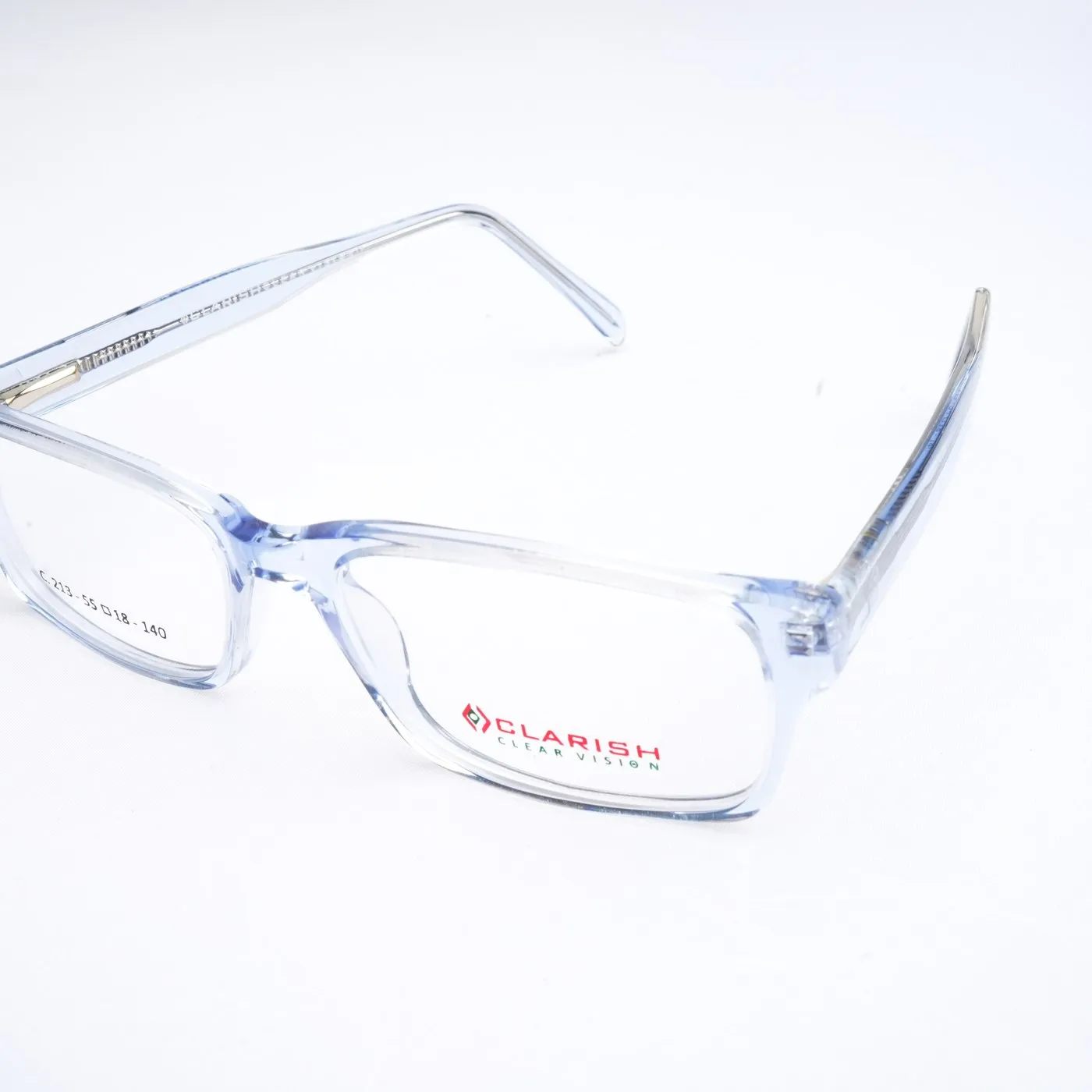 Slender Profile
55 mm eye, 18 mm bridge, 140 mm temple
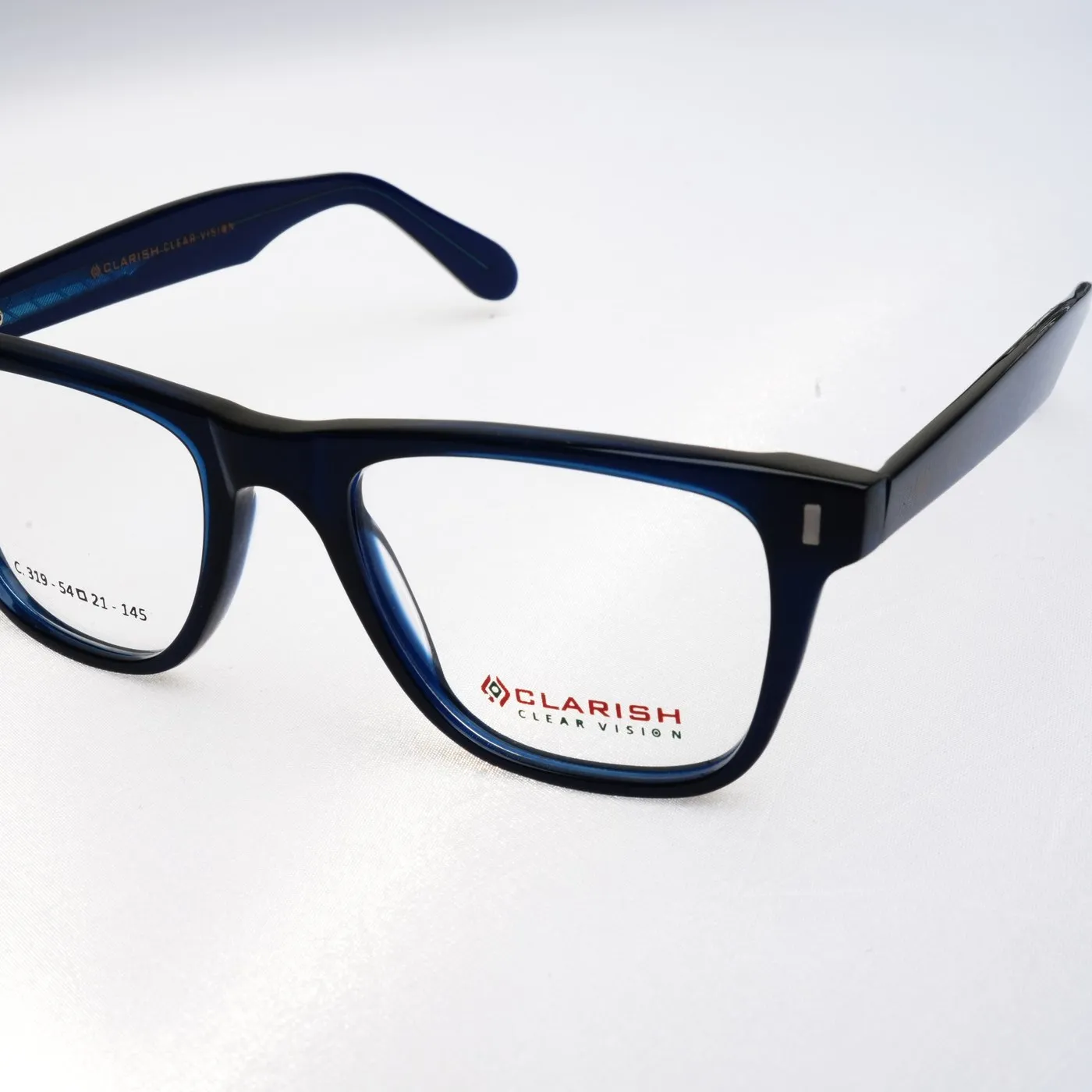
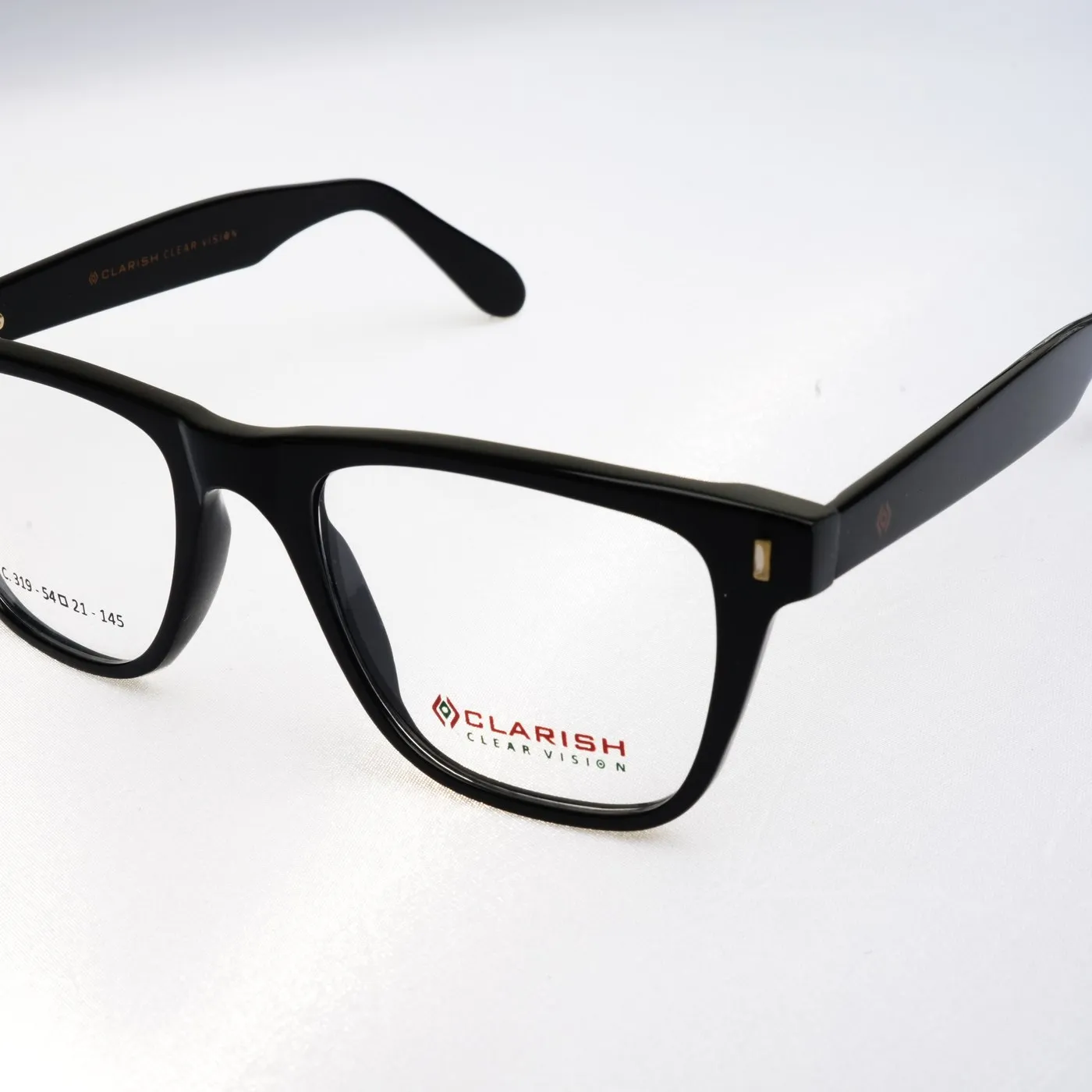 Bold Geometry
54 mm eye, 21 mm bridge, 145 mm temple
For cross-border procurement, dimensional variance causes laboratory mounting failures and retail return spikes. RTC Eyewear calibrates every batch against international optical boxing metrics (ISO 8624). A specification denoted as 56 □ 18 – 145 certifies millimeter-exact eye sizing, bridge span, and temple clearance, ensuring seamless lens edging for progressive, bifocal, and high-index prescription lenses globally.
Global Market Intelligence
The global optical manufacturing market is experiencing seismic transformations. Category managers and procurement leads are reassessing their supplier matrices under new geopolitical, ecological, and microeconomic realities.
Escalating trade tensions, punitive import tariffs in the West, and heightened geopolitical risk have accelerated the necessity for resilient supply corridors. Sourcing from an established eyewear exporter in India safeguards optical chains against disruptions, providing direct cost advantages, tariff diversification, and dependable supply continuity without sacrificing high-end manufacturing precision.
Modern consumers and regulatory frameworks (such as the EU Corporate Sustainability Due Diligence Directive) demand verifiable environmental stewardship. Forward-thinking buyers are pivoting rapidly toward bio-cellulose acetate, utilizing phthalate-free, plant-based plasticizers derived from wood pulp and cotton lint. Sourcing naturally degradable acetate sheets is shifting from a niche selling point to a core tender requirement.
Mass inventory commitments of 5,000+ pieces per SKU present unmanageable balance sheet liabilities in fast-shifting fashion markets. Global buyers increasingly favor manufacturing partners capable of disciplined, flexible lot production (300 to 500 units per style) combined with short-run customization, allowing optical retailers to test seasonal capsules with minimal inventory overhead.
Supply Chain Strategy Alert: European and North American buyers partnering with Indian export manufacturers benefit from stable labor economics, preferential trade frameworks, and seasoned artisan hand-finishing clusters concentrated in Western India.
Contact Us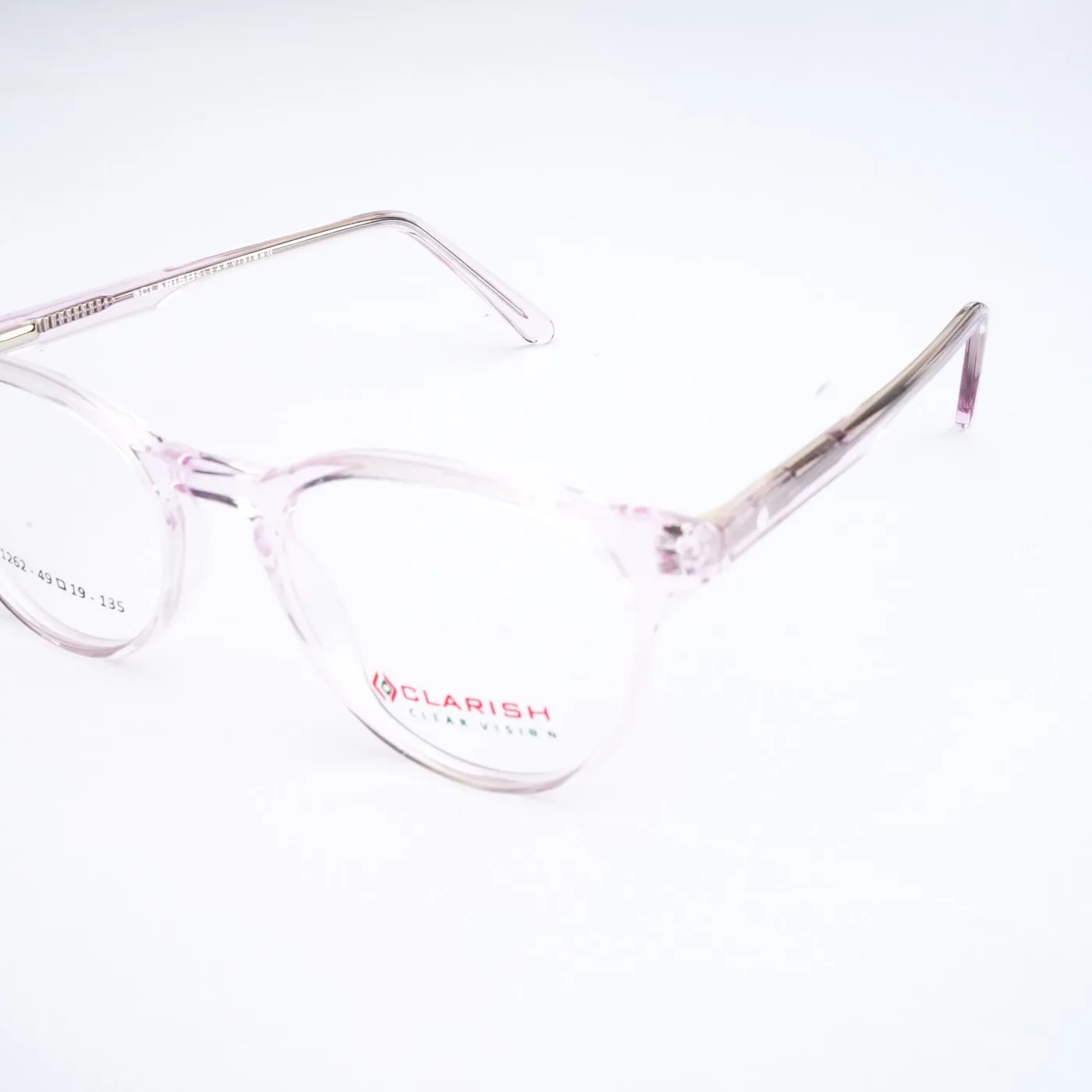
Material Engineering Evolution
Unlike synthetic injection petroleum plastics that degrade under UV exposure and turn brittle over time, premium sheet-cut cellulose acetate is a living, thermo-elastic material that defines the luxury eyewear experience.
“Sheet-cut acetate is fundamentally organic. It retains internal elasticity, adapts to human skin temperatures, and holds deep mechanical luster indefinitely.”
Because patterns and colorants are blended throughout the cured acetate block rather than surface-coated, wear, daily sweat acidity, or microscopic friction will never chip or reveal an unsightly inner core substrate.
Cellulose acetate softens evenly under warm optical bench warmers (55°C–65°C), enabling dispensing opticians to cold-snap prescription lenses and shape temples precisely to the wearer's cranium with zero plastic fatigue.
True luxury gloss cannot be achieved with lacquer sprays. Our frames undergo a 96-hour continuous rotary tumbling sequence in organic pumice, hardwood pegs, and specialized polishing compounds to reveal a glass-like finish.
Possessing an optimal specific gravity (approx. 1.28 g/cm³), cellulose acetate communicates tactile prestige the instant a consumer lifts the frame, offering an unmistakable premium hand feel absent in flimsy molded eyewear.
Manufacturing Mastery
At RTC Eyewear, manufacturing excellence relies on a disciplined union of high-tolerance CNC milling machines and multi-generational hand-wheel finishing. We inspect every frame through seven discrete quality checkpoints rather than relying solely on a final dock audit.
“Automated CNC systems cut the micron-precise groove. An artisan’s touch ensures the temple meets the temple tip in silky harmony.”
Automated cutting heads execute complex 3D toolpaths to carve front silhouettes, bridge pantoscopic angles, and precision lens v-grooves within ±0.05mm tolerances for flawless lens mounting.
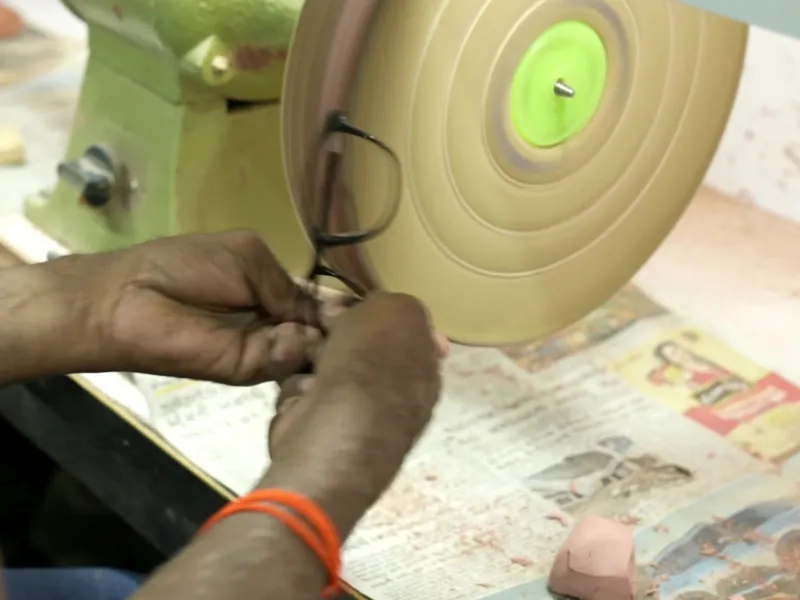
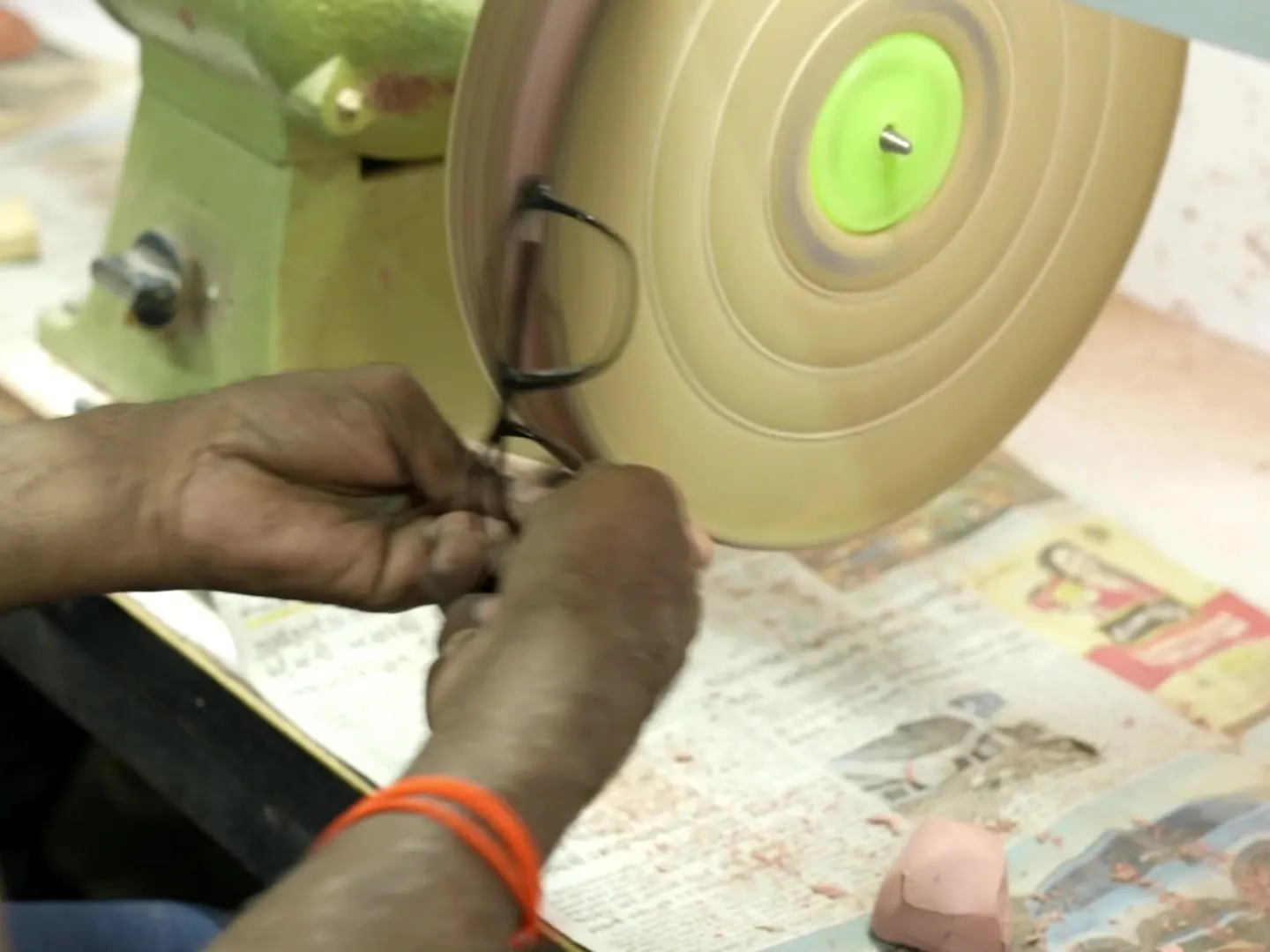
Every rough edge exiting the dry tumbler is manually guided against rotating wool and linen mops by seasoned polishers who smooth bridge scallops, nose curves, and temple tapers.
Beginning with raw sheet moisture stabilization and spanning through hinge torque testing to drop-ball optical impact resistance, no sub-standard frame advances down the line.
Complete customs clearance readiness: drop-ball test certificates (FDA 21 CFR 801.410), nickel-release safety reports (EN 16128), CE declarations of conformity, and preferential certificates of origin.
Factory Transparency: We welcome prospective importers, optical brand owners, and third-party inspection firms (e.g., SGS, TÜV Rheinland) to review our Ahmedabad operations and production batches anytime.
Turnkey Solutions for Optical Brands
Whether you are an established international eyewear label providing full technical CAD models or a boutique retail chain looking to white-label our in-house Clarish™ collection, RTC Eyewear provides agile, confidential manufacturing partnerships.
Solvent-resistant pad printing and luxury metallic foil hot-stamping applied to inner temples, bridge undercuts, and temple tips according to your brand graphics standards.
Permanent micron laser ablation allows crisp reproduction of intricate logos, regulatory CE/UKCA marks, and unique batch serialization on acetate fronts and metallic core wires.
Choose from standard functional core wires or commission custom-tooled filigree wire cores, visible through translucent acetate temples with matching front decorative pin rivets.
Complete turnkey retail solutions including embossed collapsible cases, custom microfibre cleaning cloths with matching artwork, hard clam shells, and barcoded retail boxes.
Predictable Export Execution
Eliminate sourcing uncertainties with our structured prototype-to-shipping development framework.
Share 2D technical drawings, 3D CAD files, or reference samples along with destination import standards and volume requirements.
We finalize sheet color matches, laminate combinations, CNC cutting paths, barrel hinges, and internal core wire blueprints.
Functional pre-production physical prototypes are manufactured and air-couriered to your headquarters for fit and finish sign-off.
Upon sample approval, full manufacturing initiates with multi-stage QC tracking across cutting, tumbling, and hand assembly.
Consolidated ocean/air freight booking, destination palletization, regulatory paperwork, and direct dispatch to your distribution warehouse.
Search Intent & Procurement FAQ
Critical commercial, engineering, and regulatory insights compiled to assist international eyewear procurement managers and brand founders.
Global optical retail chains, independent labels, and international trading conglomerates are actively hedging single-country sourcing risks by turning to India as a primary manufacturing ally. India offers several unique structural advantages: deep-rooted precision industrial ecosystems in manufacturing belts like Gujarat, competitive operational economics without sacrificing hand-finished quality, skilled multi-generational optical artisans, and favorable international trade relationships. Furthermore, Indian manufacturers adhere strictly to global intellectual property laws, preventing unauthorized copycats of your proprietary designs.
Injection molded frames (typically molded TR90, nylon, or cheap polycarbonates) are created by shooting hot liquid resin into steel molds, creating lightweight but chemically fragile frames with surface-only paint finishes that easily chip, peel, or fade. In sharp contrast, cellulose acetate is an organic, cotton- and wood-pulp derived polymer manufactured in dense sheets. These sheets are machined using computerized CNC milling cutters, hand-tumbled, and polished on cloth wheels. Acetate frames feature deep structural colors that extend entirely through the material, offer skin-friendly hypoallergenic comfort, and possess thermo-elastic properties that allow dispensing opticians to reheat, adjust, and customize frame geometry precisely to a patient's head shape without risking structural fracture.
As a seasoned eyewear exporter from India, RTC Eyewear ensures seamless customs clearance across European, British, North American, and Australasian markets. We provide full compliance dossiers including: ISO 12870 mechanical fatigue and durability testing certificates, CE Declarations of Conformity for the European Union, UKCA marks for the United Kingdom, US FDA registration data and 21 CFR 801.410 drop-ball impact compliance test reports for sunglasses and optical frames, EN 16128 nickel-release safety reports for metallic hinges/cores, and Certificates of Origin (COO) enabling importers to benefit from preferential tariff schemes and free trade agreements.
We tailor our manufacturing volumes to protect emerging brands while readily scaling for nationwide retail chains. For private-label adaptations of our in-line Clarish™ catalog, production orders generally start from 300 to 500 units per model across multiple colorways. For fully custom OEM projects requiring bespoke CNC tooling, unique temple wire die casting, or custom acetate color sheet laminations, programs typically scale from 1,000 units. Physical prototype samples are prepared and air-couriered within 10 to 14 business days, while commercial bulk manufacturing cycles average 45 to 60 days from final sample sign-off to port consolidation.
Yes. Our export services are completely white-label—our corporate name never appears on your finished merchandise. We provide high-adhesion pad printing in customized PMS colors, permanent fiber-laser etching along temple cores and front lugs, customized decorative front rivets, and intricate embossed motifs inside transparent acetate temple arms. Additionally, we engineer complete turnkey retail-ready packaging: branded clamshell cases, foldable magnetic cases, custom microfiber cleaning cloths, serial-numbered warranty certificates, and GS1-compliant retail barcodes on outer boxes.
Protecting intellectual property is the cornerstone of our global exporter reputation. Prior to reviewing CAD drawings, reference frames, or proprietary 3D scans, RTC Eyewear signs enforceable bilateral Non-Disclosure Agreements (NDAs). Proprietary molds, unique CNC tooling programs, and custom acetate sheet formulations developed for your brand remain your exclusive property. We strictly safeguard all client blueprints and never display, duplicate, or cross-sell bespoke OEM frames to any other distributor or domestic retail partner.
Direct Sourcing Portal
Elevate your eyewear brand with authentic sheet-cut cellulose acetate craftsmanship. Send us your design specifications, estimated production volumes, and destination delivery schedules today. Our international sales engineering team will provide comprehensive technical feedback, material swatch availability, and competitive FOB/CIF quotation within 24 business hours.