

Polarized Wood
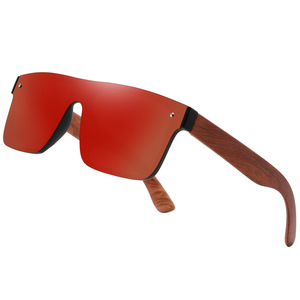
Precision-engineered, CE and FDA certified high-end sunglasses and optical frames built to pass stringent EU cosmetic and drop-ball impact stress tests.
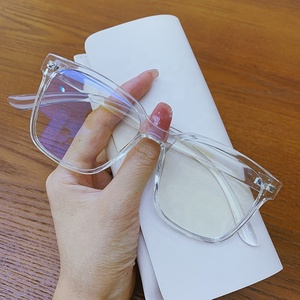
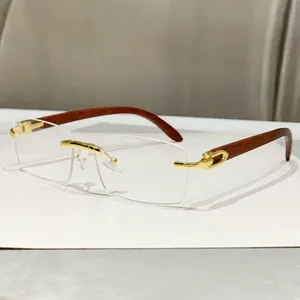
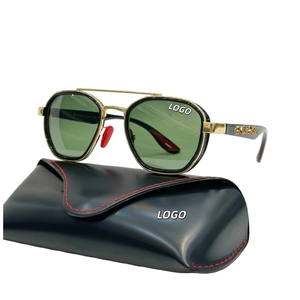
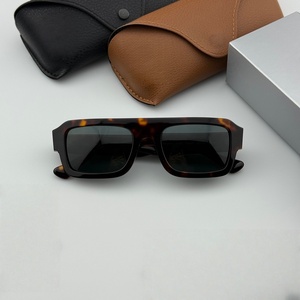
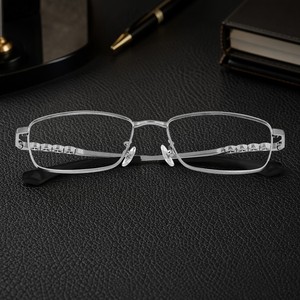
Foundational Heritage
CNC Milling Tolerance
CE EN ISO 12312-1 Pass
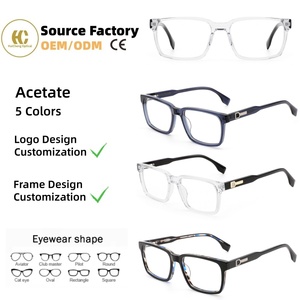
In-House Acetate Colorways
Understanding the essential physical and chemical checkpoints mandated by EU Regulation (EU) 2016/425 for Personal Protective Equipment (PPE Category I).
Under revised EN ISO 12312-1 protocols, sunglasses entering EU customs undergo spectrophotometric analysis across the 280nm–380nm (UVB/UVA) and 380nm–400nm boundary. Our in-house testing guarantees absolute zero transmittance below 380nm, categorizing filter classes systematically from Cat 0 (fashion/indoor) through Cat 3 (strong sun) to Cat 4 (glacier protection).
CE compliance extends beyond optical lenses into dermatological and chemical interaction testing under REACH Regulation (EC) No 1907/2006. Frameworks directly touching temporal bones and nasal bridges must verify absence of restricted phthalates, azodyes, and nickel release rates below 0.5 μg/cm²/week.
High-end sunglasses must endure mechanical stress without catastrophic bridge failure or projectile lens ejection. Our production samples execute automated 20,000-cycle bridge flexion tests and the rigorous drop-ball impact assay (16mm steel ball dropped from 1.27m) without shearing hinge anchors or delaminating multi-ply cellulose acetate sheets.
Macro analysis on how European luxury brands and independent optometry chains are transforming their supply chains toward eco-resilience and precision micro-factories.
The global shift toward bio-acetate derived from sustainably harvested wood pulp and cotton seed fibers—plasticized with vegetable origin binders rather than petroleum DEP—is accelerating. By 2027, over 65% of Tier-1 EU buyers will require traceable supply origins for organic base stock, demanding biodegradability certification under ISO 14855 standards.
Traditional injection molding produces structural weakness and surface-only pigmentation. Future manufacturing revolves around subtractive multi-axis CNC milling from aged block acetate. This method unlocks sculptural temple geometries, internal weight-reduction hollows, and zero-tooling setup time for iterative low-MOQ micro batches.
Institutional purchasers are actively seeking procurement alternatives beyond traditional coastal China clusters to de-risk anti-dumping tariffs and logistic bottlenecks. Established hubs such as Ahmedabad, India, combining 40-year artisan lineages with contemporary European toolsets, present ideal stability with lower freight sensitivity and transparent labor compliance.
At our Ahmedabad production complex, precision machinery is not a substitute for human tactile sensitivity—it is an amplifier. Each frame front begins with slow-cured, low-moisture cellulose acetate slab, stabilized over 90 days to prevent post-milling warping.
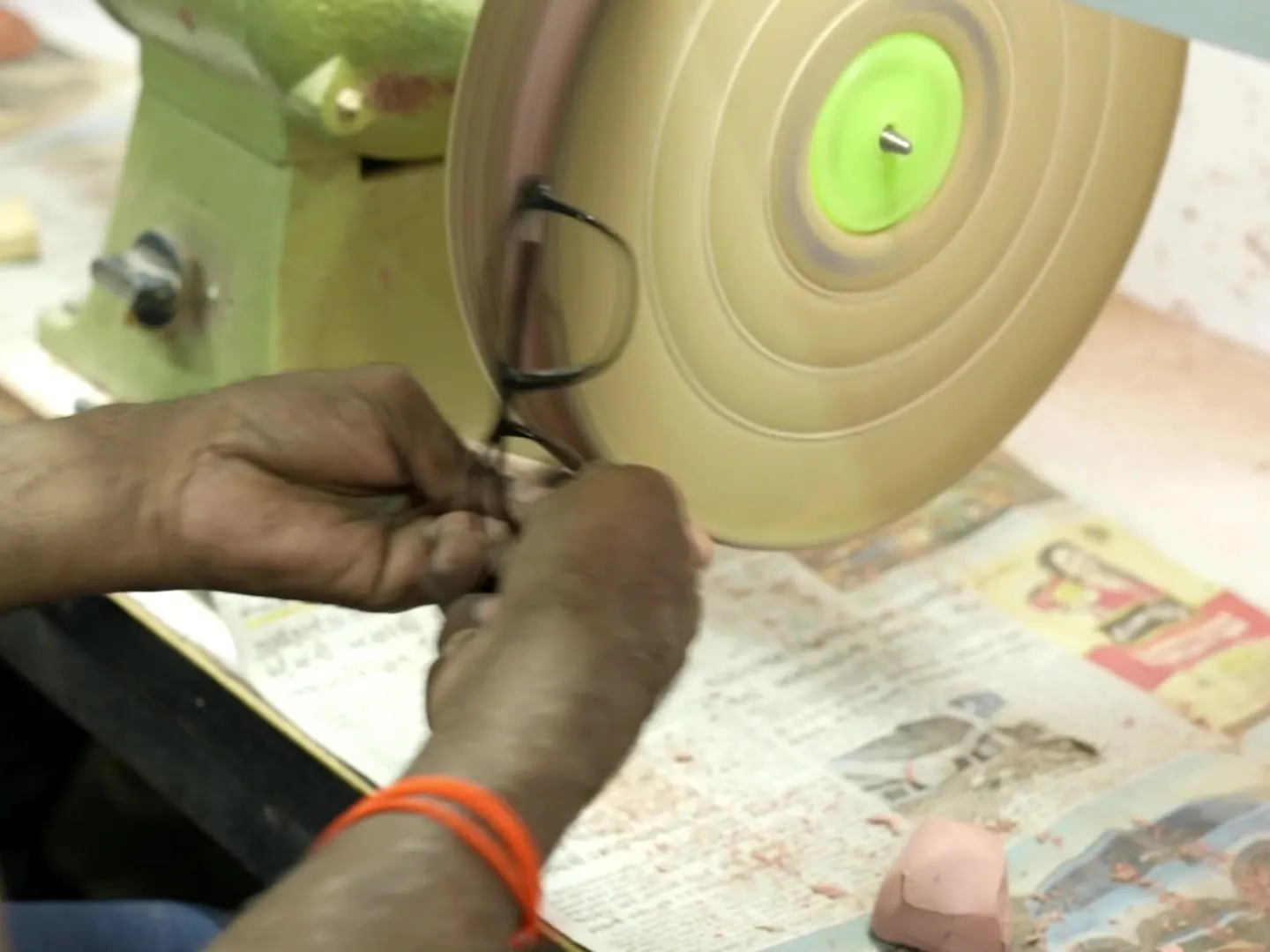
Subtractive CNC spindles mill lens eye-wires with 0.03mm exactitude, guaranteeing that laboratory prescription bevels seat without localized stress fractures. The components then undergo a proprietary 4-stage tumbling regimen: beechwood chips, pumice abrasive, walnut shells, and carnauba wax polishing wheels for unmatched depth of luster.
Four specialized engagement frameworks designed to accommodate startup boutique drops, optical retail franchise expansions, and government procurement lines.
Complete product engineering from your 2D DXF/CAD blueprints or physical vintage archive specimens. We fabricate custom jigs, tailor wire-core profiling, and execute custom acetate color extrusion runs.
Leverage our active Clarish™ library of 22 proven architectural chassis and 258 pre-tested color compositions. Modify bridge clearance, pantoscopic tilt, and temple lengths to fit regional biometric ergonomics without re-tooling.
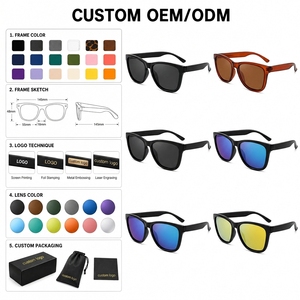
Zero factory identification appears on the finished chassis. We deliver precision laser serial numbering, metallic pad transfer printing, custom hinge-pin engraving, and complete luxury packaging suites (recycled leather cases, microfiber wipes, rigid drawer boxes).
Complete customs and regulatory peace of mind. Every commercial consignment departs with Declaration of Conformity (DoC), traceable batch test certificates, harmonized HS codes, and standardized boxing labels formatted to prevent European port quarantine delays.
Direct solutions to the technical queries optical directors, quality control inspectors, and global sourcing executives face when qualifying an eyewear supplier.
Every lens lot undergoes spectrophotometer scanning to confirm ultraviolet cutoff across 280–400nm. Polarized lenses are examined under cross-polarized filters to test polarizing axis alignment (±3° variance tolerance) and polarizing efficiency (>99%). We supply an accredited factory Declaration of Conformity with third-party verification from labs including Intertek or SGS upon request.
Cellulose acetate is a cotton- and wood-pulp derived bio-polymer formed into cured sheets and subtractively milled with CNC cutters. The pigmentation extends through the full depth of the material, enabling mirror polishing and heat-assisted retail adjusting without brittleness. Injection-molded plastics (such as TR90 or nylon) use surface lacquers that can chip and lack the structural heft and adjustability demanded by luxury optical boutiques.
This is the standard international "boxing system" measured in millimeters. The first number (54) indicates the horizontal lens diameter (eye size); the square symbol is followed by the bridge distance (19mm); the final digit (145) defines the temple length from hinge center to tip. Our engineering division regularly alters bridge configurations (e.g., European bridge vs. elevated Asian-fit nose pads) without modifying the main rim aesthetic.
For custom OEM programs involving new cutter files and hardware molds, typical batch MOQs begin at 300 to 500 units per model, distributed across 2–3 acetate colorways. ODM models from our existing Clarish™ tooling can be ordered with flexible pilot batches. Prototyping takes roughly 15 to 20 working days, while bulk manufacturing schedules require 45 to 60 days depending on raw material curing status.
We provide multiple high-durability branding methods: micro-laser engraving inlaid with synthetic enamel, internal metallic logo foil pressing into the acetate temple cores, high-definition silicone pad printing with scratch-resistant resin topcoats, and bespoke metal castings soldered to temple hinges or encased within clear acetate tips.
Yes. Rushabh Trading Company exclusively serves the B2B supply chain: licensed opticians, department store buyers, global eyewear designers, regional wholesalers, and corporate brand developers. We never compete with our clients by retailing direct-to-consumer (DTC), ensuring full confidentiality for your proprietary silhouettes.
Initiate your consultation with our Ahmedabad engineering hub. Submit your technical drawings, reference model requests, or target compliance checklists to receive an itemized factory bill of materials within 24 hours.