

Pure Titanium
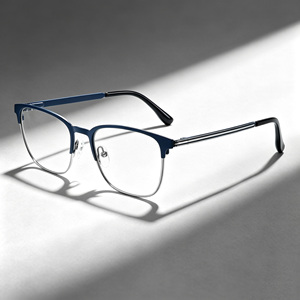
Precision-milled composite silhouettes engineered for optical prescription stability, certified hypoallergenic skin contact, and structural endurance across global private label distributions.
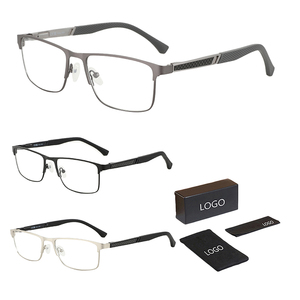
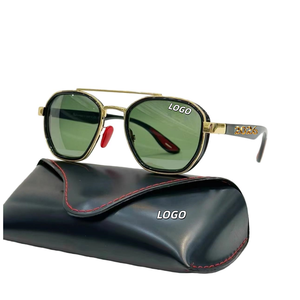
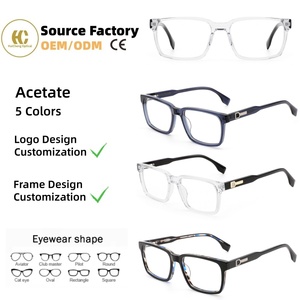
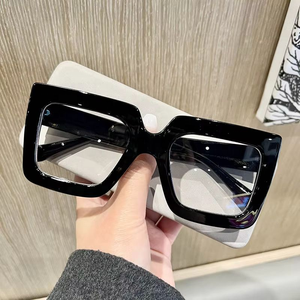
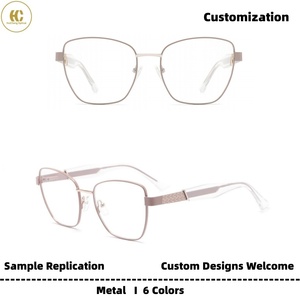
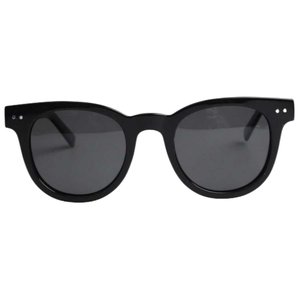
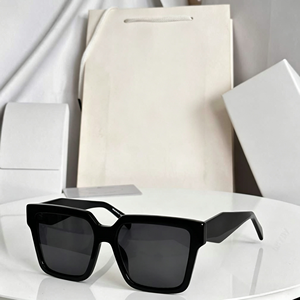
By synchronizing Italian-standard cellulose acetate milling with Japanese pure titanium fabrication, our facilities resolve the historical delamination and hinge-loosening failures of conventional eyewear factories.
We forge Grade 4 pure titanium for structurally rigid frame fronts and high-memory Beta-titanium (Ti-15V-3Cr-3Sn-3Al) for ultra-flexible temples, delivering corrosion-immune frames with zero allergic contact dermatitis.
Drawing from our heritage since 1985, our plant-derived cellulose flake sheets undergo a proprietary 60-day drying and curing cycle. This permanently prevents post-assembly shrinking, rim twisting, and bridge distention.
The mechanical interface between warm organic acetate and cold ductile titanium is where cheap eyewear fails. We integrate precision-machined inner core wiring, rivet-anchored OBE hinges, and micro-threaded locking collars.
In modern eyewear procurement, achieving true compliance with the European Medical Device Regulation (MDR 2017/745 Class I) and global optical standards requires strict metallurgical control. Many trading firms export frames that pass basic visual audits but fail chemical degradation testing when exposed to skin lipids and climatic humidity.
Market intelligence for optical retail group directors, private label directors, and global importers structuring inventory portfolios for the next 3 to 5 years.
Global demand is pivoting toward GRS-certified recycled polymers and bio-acetate formulated with non-phthalate plasticizers derived from organic esters, fulfilling ESG quotas for enterprise optical chains.
Brand portfolios are migrating from pure block machining to cold micro-forged and 3D selective laser sintered (SLS) titanium, producing featherweight architectural structures weighing under 12 grams.
Enterprise procurement executives are actively building agile supply chains outside singular geographies, demanding transparent manufacturing auditing, ISO-certified quality assurance, and documented MDR tracking.
From 2D industrial engineering blueprints to physical sample approval and high-volume containerized global export.
We analyze your boxing dimensions (eye-bridge-temple), evaluate pantoscopic tilt, and generate multi-view 3D engineering files with FEA mechanical stress simulation.
Creation of bespoke CNC milling cutters, physical acetate color-swatch pairing, and hand-finished working prototypes delivered within 14–21 business days.
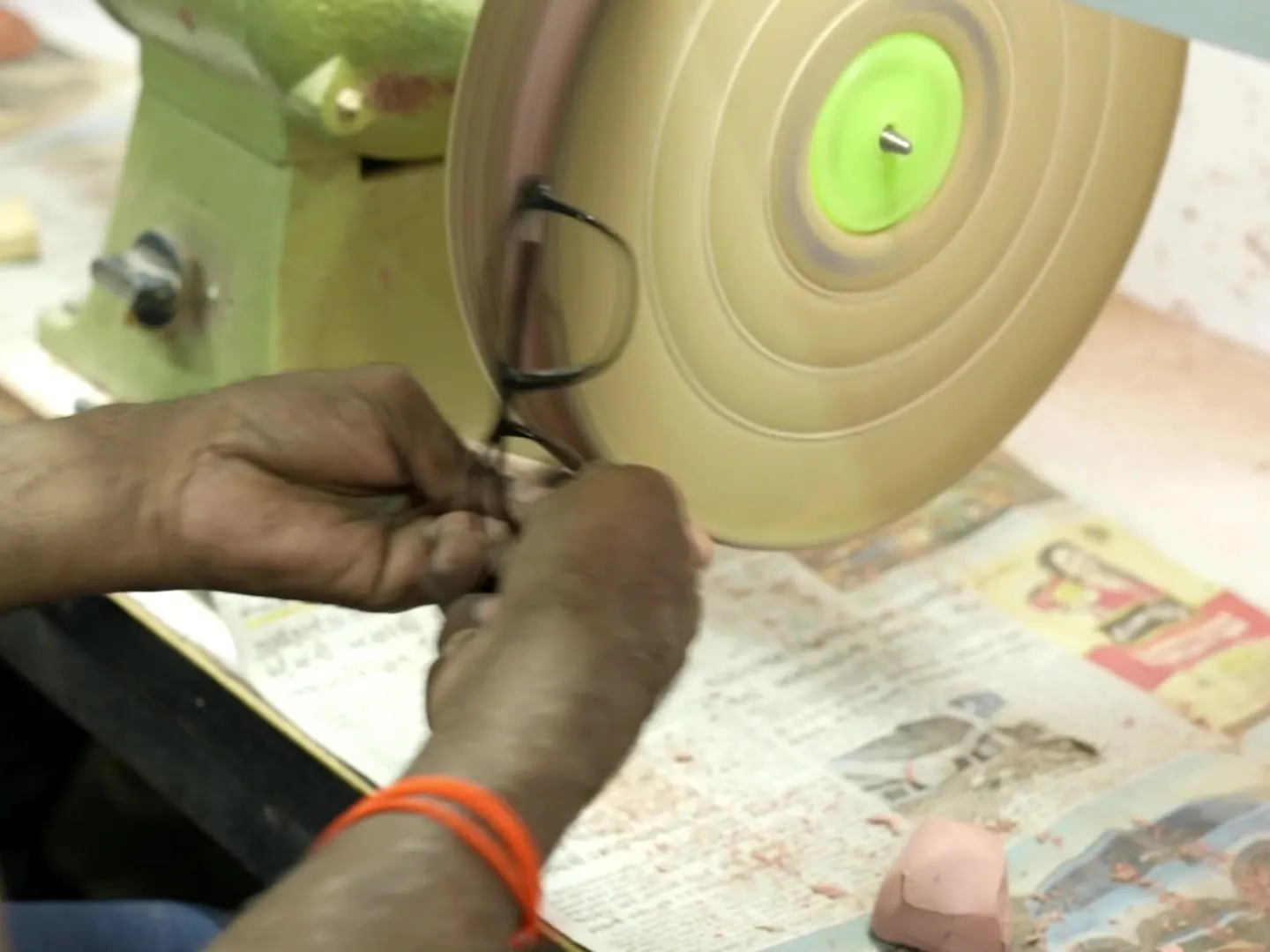
Acetate blank curing, CNC profiling, titanium micro-welding, 90-hour barrel tumbling, ultrasonic cleansing, and laser-engraved house branding.
100% optical axis inspection, drop-ball impact testing, complete CE Declaration of Conformity issuance, and barcoded retail packaging dispatch.
Direct answers addressing tooling investments, minimum order quantities, compliance protocols, and technical manufacturing constraints.
Grade 4 pure titanium possesses exceptional yield strength and unyielding form stability, making it the premier choice for structural rim fronts, bridge arches, and precision nose pad mountings. In contrast, Beta-Titanium (β-Ti) contains specialized alloys such as vanadium and aluminum, imbuing it with a remarkably low modulus of elasticity. We specify Beta-titanium primarily for temples and ergonomic flexible bridges, allowing the frame to flex around varying cranial contours and recover its exact geometry without fatigue.
Frame warping in economy eyewear stems directly from rushed raw material usage containing residual moisture and solvents. In our facilities, extruded and laminated cellulose acetate sheets undergo a controlled 60-day kiln curing and atmospheric stabilization stage prior to CNC milling. This drives off residual solvents and relieves internal polymer stresses. Furthermore, we seat rigid stainless steel or titanium wire-cores throughout the length of the temples to provide a permanent structural spine that holds its adjustment through years of daily handling.
Because corrective prescription frames fall under Class I medical devices in the EU, our production processes provide full traceability dossiers. We provide our international partners with complete Certificates of Conformity (DoC), documented ISO 12870 laboratory reports (evaluating bridge stability, sweat exposure, non-flammability, and mechanical endurance), raw material biocompatibility data sheets (ISO 10993-5 cytotoxicity and ISO 10993-10 skin irritation tests), and standard CE temple laser marking according to statutory typestyles.
For custom ODM/OEM designs requiring custom tooling and custom acetate sheet extrusion, standard production batches typically scale from 300 to 500 units per model, split across 2 to 3 tailored colourways. If your project utilizes our proven existing tooling libraries or catalog silhouettes, private-label branding, customized pad-printing, and micro laser-engraving can be accommodated on leaner runs. Typical bespoke prototyping spans 18–25 days, with scaled high-volume export runs completing within 45–60 days depending on raw material sourcing.
Yes. As an end-to-end original equipment manufacturer, we produce retail-ready turnkey deliverables. This encompasses hot-stamped magnetic hard cases, microfiber cloths engineered with ultra-dense lint-free weaving, FSC-certified presentation boxes, barcoded outer cartons, and branded lens protective films. All packaging elements are designed and engineered concurrently with frame prototyping to ensure exact structural pairing.
Whether you need to scale an existing designer optical line, adapt reference frames for regional facial boxing standards, or engineer a high-performance titanium-acetate collection from sketch, our engineering team is ready to assist.
Contact Us