Engineered for global eyewear brands, custom optical laboratories, and volume importers demanding tight structural tolerances and premium tactile finishes.
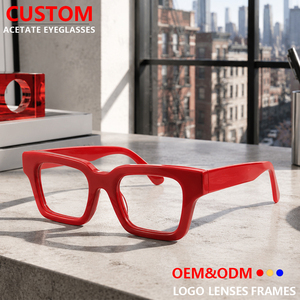
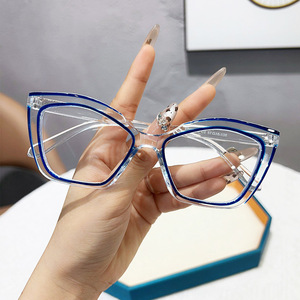
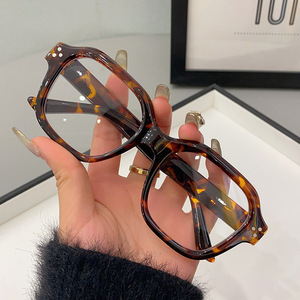
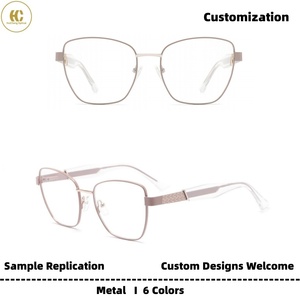
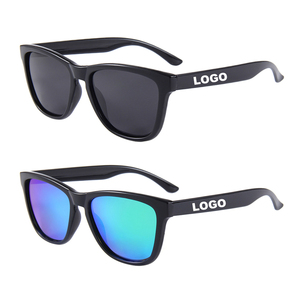
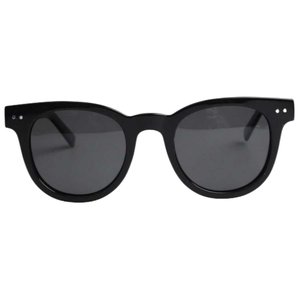
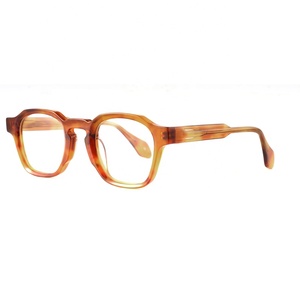
A comprehensive technical breakdown of raw sheet composition, mechanical core stability, and structural articulation for procurement engineers.
Cellulose acetate derived from natural cotton linters and wood pulp requires prolonged curing ovens to evaporate volatile plasticizers. Premium China factories cure sheets for 60 to 90 days, eliminating internal stresses and preventing frame shrinkage or warping after CNC milling.
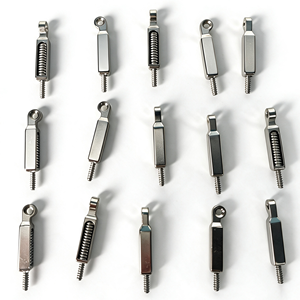
Zero Distortion SubstrateThe mechanical integrity of an acetate frame depends entirely on hinge anchoring. Top-tier suppliers use ultrasonic heat-staking or high-frequency induction embedding for 3-barrel, 5-barrel, and 7-barrel nickel-silver and stainless steel hinges, withstanding over 25,000 continuous hinge cycles.
5-Barrel & Spring HingesCustom wire cores provide both temple shape retention and bespoke interior branding. Precision hot-press temple shooting processes ensure the internal metal stays aligned along the longitudinal axis without surface bubbling, edge discoloration, or structural delamination.
Custom Patterned Cores| Evaluation Parameter | Tier 1 China Optical Factories | Standard Commercial Converters | Impact on Retail Performance |
|---|---|---|---|
| Acetate Sheet Origin | Italian Mazzucchelli 1849 or Certified JinYu Grade-A virgin cellulose | Recycled industrial scrap / regrind plastics blended with low-grade DOP | Superior deep gloss, skin biocompatibility, UV fading resistance, zero odor. |
| CNC Milling Speed | High-RPM, multi-axis low feed rate with active water-mist cooling | High-speed single pass cutting with high friction heating | Prevents micro-crazing in the lens bevel; guarantees exact lens snap-in fit. |
| Surface Polishing | Multi-stage 72-hour walnut shell + pumice tumble followed by manual hand-buffing | Chemical dip varnish or rapid 12-hour synthetic media tumble | Permanent mirror-like shine that can be re-polished during prescription fitting. |
| Spring Hinge Construction | Corrosion-proof 304/316L Stainless Steel with sealed internal spring box | Zinc alloy or stamped iron with untreated steel springs | Eliminates temple loosening, screw shearing, and sweat-induced oxidation. |
Emerging manufacturing methodologies, materials, and digital verification systems reshaping the global wholesale eyewear landscape through 2030.
Global regulatory pressure (REACH, California Prop 65) is driving procurement toward 100% biodegradable cellulose acetate formulated with bio-based plasticizers instead of phthalates. Leading Chinese suppliers are now fully certified for ISO 14855 biodegradation standards without sacrificing color depth or tensile modulus.
Eco-Compliant SourcingFlat profile acetate is giving way to complex geometric faceting, multi-tier beveling, and television-cut rim recesses. Modern B2B sourcing requires manufacturing partners with 5-axis synchronous machining capabilities that turn 8mm to 12mm thick acetate slabs into sculptured, ergonomic frames without increasing assembly strain.
Sculptural 3D FacetingIndependent labels demand custom identity down to the metallic skeleton. OEM buyers are no longer specifying stock generic core wires; they source bespoke patterned, gold-plated, and laser-etched wire cores integrated into custom-cast hinges with screw-locking thread treatments that eliminate retail frame adjustment failures.
Proprietary Brand IdentityHow cutting-edge industrial factories in China's eyewear clusters are elevating quality yields and accelerating production schedules.
Digital tooling allows functional acetate prototypes to be CNC milled within 48 hours directly from 3D STEP/IGES files, cutting product development lead times by 70%.
48-Hr Physical ProofingAutomated coordinate measuring machines (CMM) inspect groove depth, temple curve curvature, and bridge angles against digital masters, eliminating human assembly variance.
Automated InspectionCold fiber laser engraving delivers crisp text on inner temple arms without heat burn or burrs, providing permanent model data and compliant CE/UKCA marking.
Permanent Micro-TextEco-solvent vapor smoothing paired with traditional hand finishing produces high luster without softening structural corner definitions on sharp geometric silhouettes.
Edge-Retaining LusterKey technical, commercial, and operational questions optical importers ask before qualifying an acetate components supplier.
Standard export tolerance is controlled to within ±0.05mm for lens groove depth and width, cut at a consistent 110-degree or 120-degree optical bevel. This ensures lenses snap in firmly without cold-shrink popping or edge gaps when fitted by retail opticians.
For in-stock catalog sheets (such as standard Black, Havana, or Tortoiseshell), MOQ can be as low as 100 to 300 pieces per frame style. Custom laminated patterns or proprietary color sheet extrusions require a minimum batch run of 300kg to 500kg of raw acetate, translating to roughly 1,200 to 2,000 finished frames.
Hinge durability depends on thermal embedding depth and fastener selection. We utilize stainless steel multi-barrel hinges hot-staked into pre-milled temple recesses, paired with micro-threaded Teflon-coated screws or thread-locking polyamide coatings that prevent self-loosening under repeated mechanical flexing.
Yes. All components and finished frames are engineered around the standard international boxing system: Eye (A-measurement) □ Bridge (DBL) – Temple length (e.g., 54 □ 18 – 145mm). Sizing is custom engineered to match regional target demographics (such as Asian Fit with elevated nose pads or Western Fit with wider bridges).
Comprehensive QC protocols include: 24-hour nickel release tests (EN ISO 12870), 50-hour artificial sweat immersion, 20,000-cycle bridge fatigue testing, bridge deformation tests, and optical frame endurance checks to guarantee complete compliance for FDA registration, CE certification, and ISO standards.
CAD design and technical drawing approval takes 3 to 5 business days; CNC prototype sampling requires 10 to 14 days; bulk raw material curing and precision multi-axis CNC milling takes 30 to 45 days; followed by tumbling, manual polishing, hinge assembly, and QA inspection. Total turnaround is 55 to 65 days for standard OEM runs.
Specialized manufacturing systems built to deliver zero-defect precision, reliable lead times, and comprehensive OEM/ODM customization.
Over 40 years of continuous specialization in cellulose acetate optical frame and sunglass fabrication. We focus on one material category, giving our craftsmen unparalleled mastery over sheet seasoning, shrinkage calculation, and precision assembly.
From custom CAD engineering and private label branding to precision laser-marking, custom packaging design, and certified international export documentation. Your brand retains complete design exclusivity and technical support.
We follow a strict "Sample First, Scale Second" policy. Every bulk manufacturing run is locked to a physical gold sample approved by your engineering team, guaranteeing that every delivered production unit meets your exact specifications.

