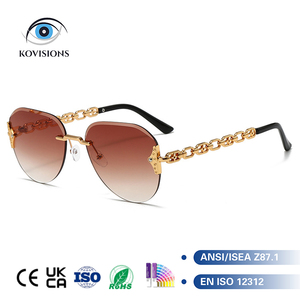
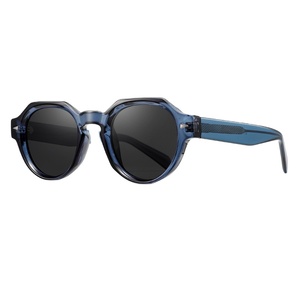
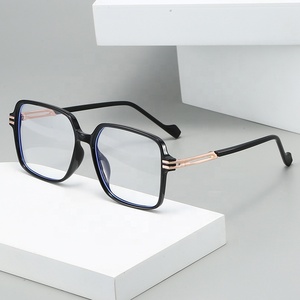
Explore eight core optical and solar platforms engineered with aerospace-grade beta-titanium, multi-layer Italian cellulose acetate, and high-impact TR90, fully adaptable for turnkey OEM and Private Label deployment.
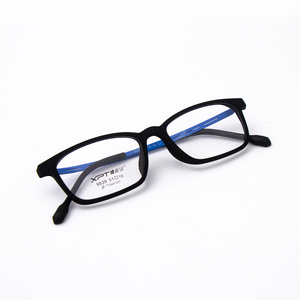
In an era of hyper-segmented optical retail, shifting consumer ergonomics, and stringent supply chain ESG compliance, sourcing high-performance classic eyewear demands more than conventional trading partnerships.
Global optical retail has transitioned decisively away from disposable fast-fashion frames. Today's procurement executives, optical chains, and independent brand directors require classic silhouettes—including iconic keyhole bridges, tailored pantoscopic angles, and bold geometric profiles—built upon uncompromising engineering tolerances.
As premier Chinese eyewear frame manufacturers and specialized exporters, our industrial framework bridges four decades of artisanal craftsmanship with robotic multi-axis CNC milling. By utilizing dense, dry-cured cellulose acetate sheets and bio-inert aerospace alloys, our manufacturing ecosystems deliver frames with unparalleled dimensional stability, optical laboratory glazing compatibility, and enduring structural integrity.
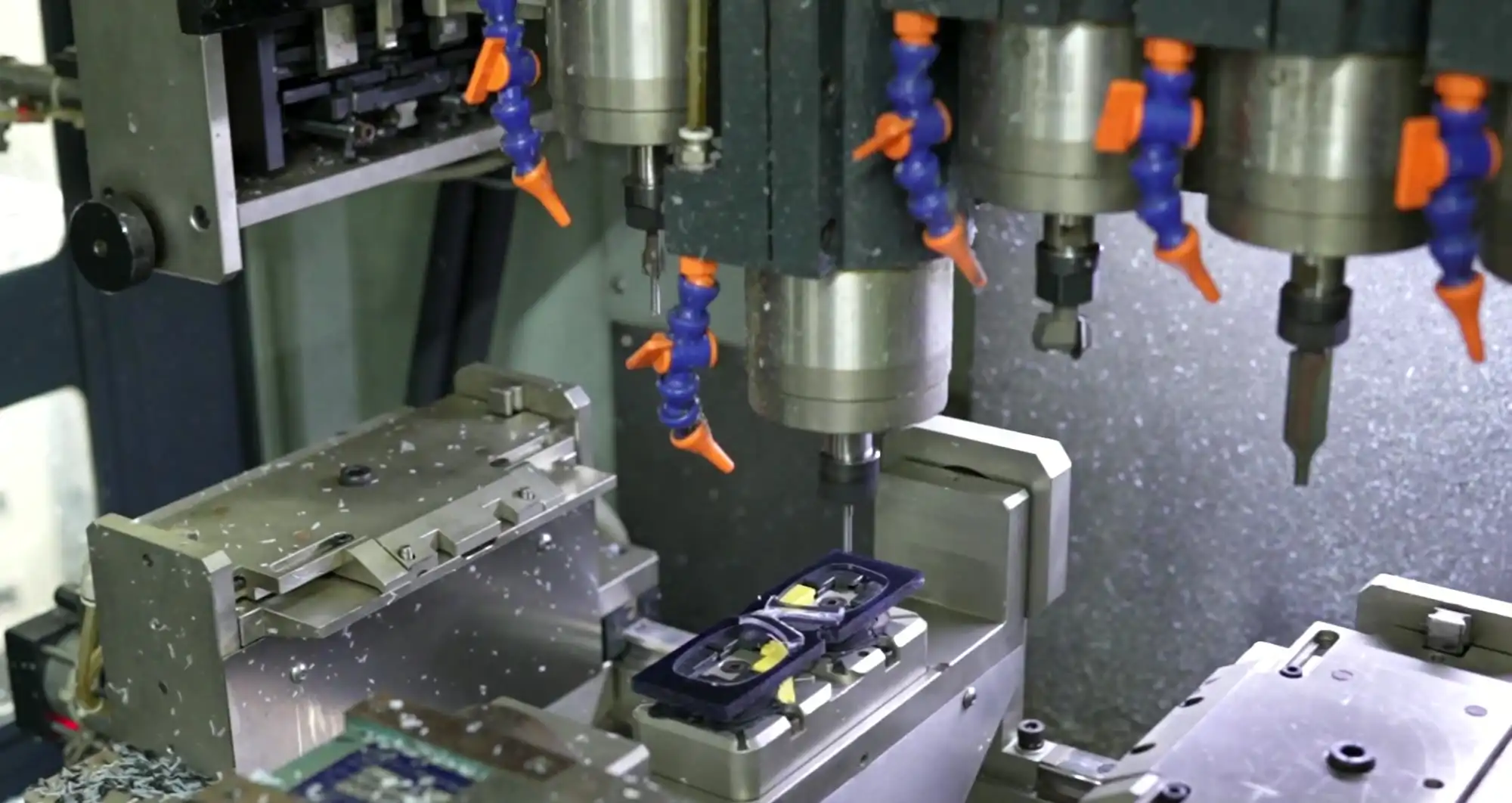
A classic frame's commercial longevity is fundamentally governed by raw material purity, thermal curing cycles, and the precision of mechanical joinery.
Unlike inexpensive petroleum-based polymers, our premium cellulose acetate is synthesized from renewable cotton linters and wood pulp. Aged in climate-controlled stabilization rooms for a minimum of 90 days, the sheets release volatile plasticizers prior to milling, eliminating the risk of subsequent shrinkage, warpage, or stress fracturing during optical lens insertion.
Achieving deep, lustrous patina requires patient mechanical tumbling. Cut frame fronts undergo three progressive stages: initial deburring with rough pumice granules, intermediate rounding using hard beechwood chips, and finishing with micro-crystalline wax-infused birch pegs. This continuous 72-hour process yields ultra-smooth, hypoallergenic edges impossible to reproduce via chemical dipping.
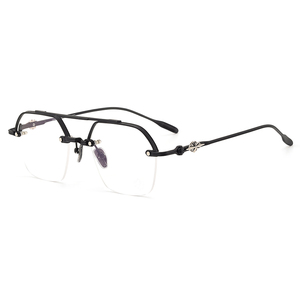
For hybrid and rimless classic constructions, we utilize Japanese-standard β-titanium (Ti-15V-3Cr-3Sn-3Al), delivering exceptional spring memory and zero nickel-release biocompatibility. Integrated with German OBE or Comotec five-barrel and seven-barrel friction hinges, our hinge assemblies withstand over 25,000 continuous opening cycles without screw back-out or hinge play.
In response to international regulatory shifts and volatile consumer dynamics, enterprise eyewear procurement is experiencing systemic restructuring across three crucial frontiers.
Traditional rigid procurement mandates of 1,200 pieces per SKU are yielding to high-mix, low-volume (HMLV) flexible batch production. Forward-thinking eyewear brands are mitigating capital lockup by engaging manufacturers capable of delivering baseline classic silhouettes in 300-piece initial runs, supported by standardized CNC core tooling and rapid localized colorway variants.
With the European Union's Corporate Sustainability Due Diligence Directive (CSDDD) and tightened US FDA CFR Title 21 requirements, enterprise buyers now mandate certified bio-based, biodegradable cellulose acetate (ISO 14855 standards) free from DEP (diethyl phthalate) plasticizers. Full lot traceability from virgin polymer synthesis to finished boxed frames is rapidly becoming a non-negotiable procurement covenant.
Leading optical houses are slashing product development timelines from six months to under three weeks. By integrating parametric CAD-CAM workflows with 3D SLA physical fit-sampling and photo-realistic virtual try-on (VTO) rendering assets prior to steel cutter tooling, global importers eliminate costly mold revisions and accelerate go-to-market execution.
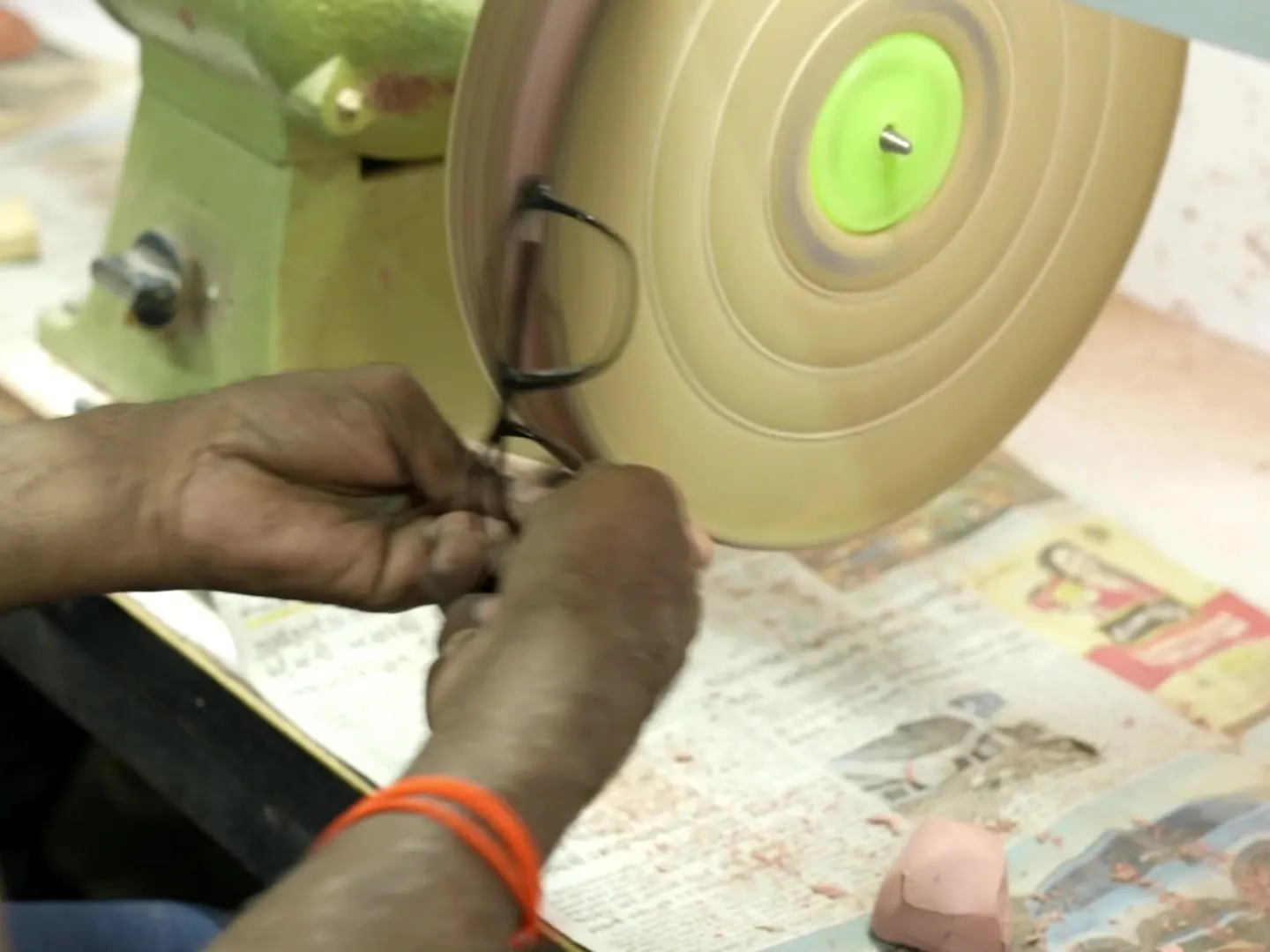
While computer-controlled multi-axis routers guarantee geometric precision and exact pantoscopic angles, pure machine milling inevitably leaves sharp micro-ridges across the ocular perimeter and bridge contact points. An acetate frame off the CNC router is technically accurate, but ergonomically unwearable.
Every frame passing through our production facilities undergoes rigorous hand-sculpting by master artisans boasting over a decade of bench-work experience. Nose pads are manually blended to anatomical contours, bridge saddles are softened to distribute frame weight evenly across nasal cartilage, and temple paddles are tapered for feather-light mastoid retention without pressure points.
A rigorous specification guide engineered for optical category managers, product developers, and technical sourcing teams selecting structural substrates.
| Material Classification | Structural Composition | Tensile / Flexural Yield | Lab Glazing Feasibility | Target Product Silhouette | Procurement Suitability |
|---|---|---|---|---|---|
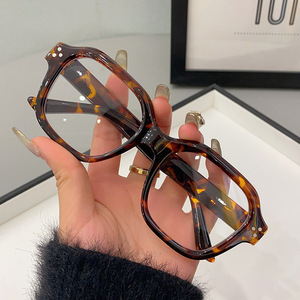
| Cured Cellulose Acetate | Renewable cotton linter pulp + non-phthalate plasticizer | High flexural modulus; excellent thermal memory | Flawless (Cold / Heat Groove) | Heavy-gauge classic squares, vintage round silhouettes, keyhole opticals | Premium Optical Chains & Private Label Boutiques |
| Aerospace β-Titanium | Ti-15V-3Cr-3Sn-3Al biocompatible alloy matrix | Super-elastic; 40% lighter than stainless steel | High Precision Lab Clamping | Ultra-minimalist rimless, filigree double bridges, thin architectural fronts | High-End Prescription Lines & Clinical Optical Groups |
| Swiss Grilamid TR90 | High-grade transparent semi-crystalline polyamide | Ultra-lightweight; extreme thermal fatigue resistance | Standard Cold Insertion | Sports-performance hybrids, photogrey reading glasses, memory activewear | Mass Retail, Promotional Programs & Active Eyewear |
| Monel & Nickel-Silver Alloys | Copper-nickel-iron engineered metallurgical blend | High mechanical strength; superior solderability | Moderate / Controlled V-Groove | Classic pilot aviators, brow-line combination frames, pad arms | Commercial Wholesalers & Fast-Turn Fashion Collections |
We eliminate supply chain friction by providing international buyers with institutionalized quality guarantees, comprehensive sampling cycles, and export compliance.
Every custom or private label manufacturing run is anchored by physical, Golden-Master pre-production counter-samples. Production lines are only unlocked once your technical team confirms dimensional boxing, hinge torque, laser engraving crispness, and color fidelity.
Our export facilities maintain strict adherence to international optical directives, including ISO 12870 (Ophthalmic Optics), ANSI Z80.5, EU REACH (Annex XVII nickel release limit <0.5μg/cm²/week), and US FDA CFR 801.410 drop-ball impact compliance certification.
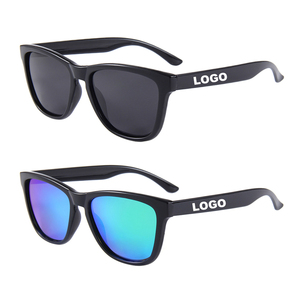
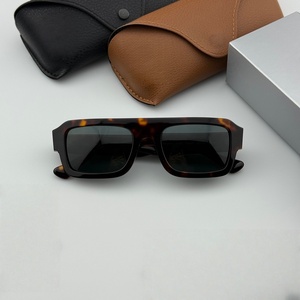
Deliver shelf-ready luxury goods under your exclusive brand identity. Services encompass high-resolution pad printing, subterranean hot-foil stamping, diamond drag-pin laser engraving, custom-formed microfiber cleaning cloths, hand-sewn leatherette hard cases, and barcode packaging.
By eliminating intermediary brokers and export trading houses, our direct manufacturer-to-brand channel ensures total transparent cost breakdown, prioritized production scheduling, and real-time QA reporting directly from the CNC and tumbling workshop floor.
No matter how refined a manufacturer's polishing process, low-grade acetate sheets with unreleased internal tension will warp under normal store lighting or curl when high-cylinder prescription lenses are edged into the frame.
Our raw material warehouse stores over 250 verified tortoiseshell, gradient, crystal, and mono-colorway patterns procured exclusively from world-class chemical fabricators. Each block is measured for density, cross-sectional color continuity, and plasticizer stability before being assigned to a client's tooling program.
Actionable technical answers addressing MOQ structures, lead times, optical glazing tolerances, and global shipping compliance.
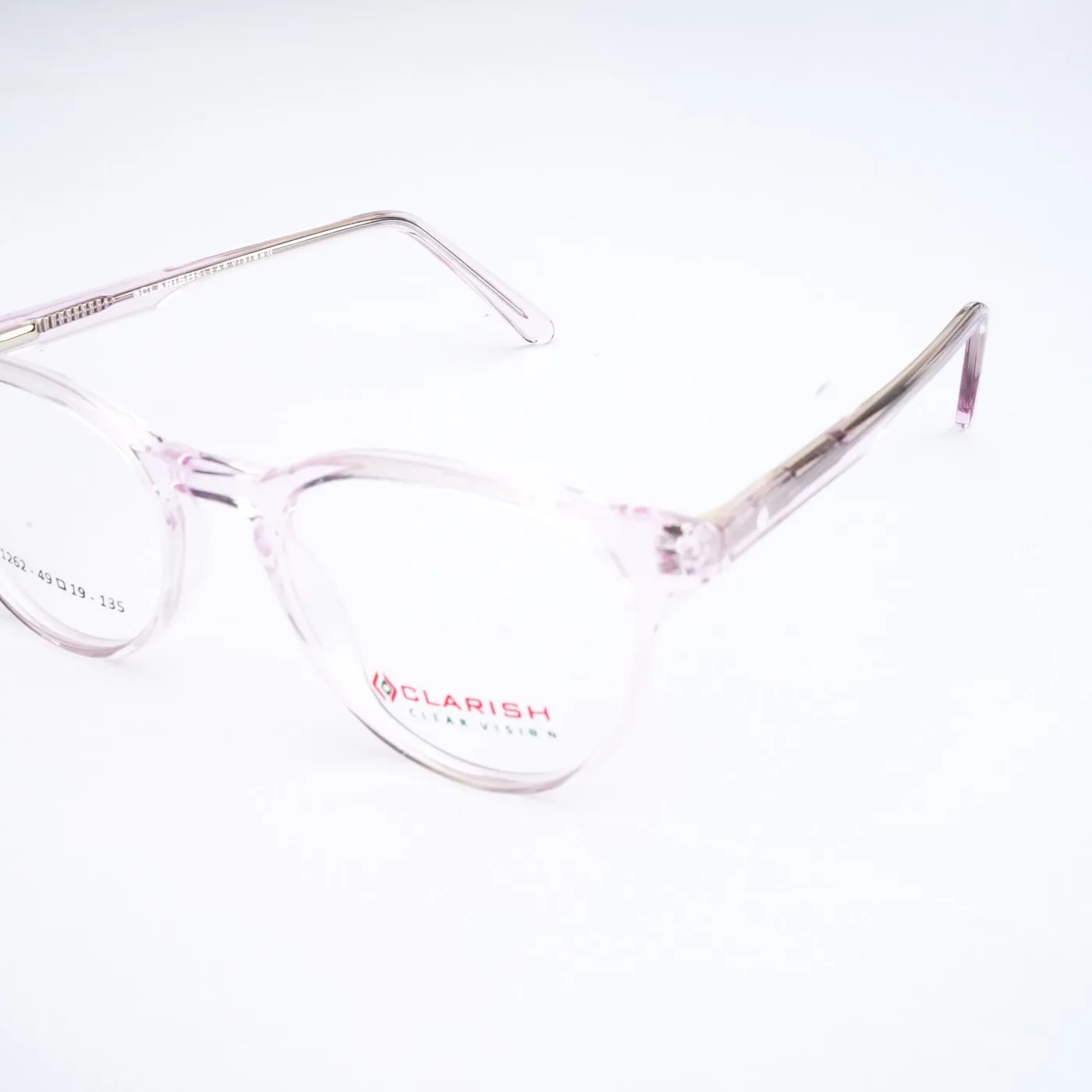
All classic frames are measured according to the international Boxing System specified in ISO 8624. Dimensions are designated as Eye Width □ Bridge Width – Temple Length (e.g., 54 □ 18 – 145 mm). The first figure measures the maximum horizontal distance between the inner edges of the lens groove; the second denotes the minimum distance between nasal rims; the third represents the total unbent temple wire length. Matching these three metrics to your regional demographic's pupillary distance (PD) and temple-to-ear cranial depth is the foundation of our ODM sizing consultations.
Our flexible supply chain is structured to accommodate varied procurement scales. For Private Label orders leveraging our verified catalogue tooling (with custom temple pad printing and branded cases), MOQs start at 100 to 300 pieces per SKU. For ODM projects involving customized acetate sheet laminations or modified bridge sizing, baseline runs typically start at 300 to 600 pieces. For bespoke ground-up OEM tooling requiring dedicated mold sets and custom CNC programs, baseline runs are 600 to 1,200 pieces per style across 2-3 colorways.
Cold-cracking and groove pop-out are caused by incomplete acetate curing and incorrect V-groove depth angles. We cure raw cellulose acetate sheets in dehumidification chambers prior to CNC routing to relieve internal polymer stress. Furthermore, our 5-axis CNC cutters profile the lens bevel groove at an exact 115-degree inclusive angle with a standardized 0.65mm depth, guaranteeing frictionless lens seating for optical retail labs running automated Edger systems (Essilor, Nidek, Santinelli).
Every bulk production lot is subjected to internal laboratory stress testing replicating five years of daily consumer usage. Testing protocols include: (1) Sweat / Perspiration Resistance Test: 24-hour immersion in synthetic acid and alkaline sweat solutions (ISO 12870) to ensure zero plating corrosion or acetate clouding; (2) Hinge Fatigue Test: 20,000 cycles on automated pneumatic rigs; (3) Bridge Deformation / Endurance Test: 500 mechanical flex cycles under 5N tension; (4) Drop Ball Impact: Steel ball dropped from 1.27m (FDA 21 CFR 801.410) for solar plano lenses.
We provide four distinct branding modalities: (1) Precision Pad Printing: Multi-color industrial inks cured under UV light, ideal for inner temple size markings and logos; (2) Permanent Fiber Laser Engraving: Micro-etched markings on titanium temples or acetate surfaces resistant to skin oils; (3) Metal Inlay / Foil Stamping: Embedded metallic hardware flush-mounted into the acetate temple tip; (4) Filigree Core Wire Customization: Architectural patterned core wires visible through translucent or crystal acetate.
For existing tooling and private label branding, physical counter-samples are dispatched within 7–10 working days, with mass production completing within 30–40 days. For custom OEM projects requiring fresh tooling, CAD-CAM mechanical drawings are delivered within 4 days; CNC rapid functional SLA prototypes require 7 days; finalized production steel molds and sample sign-off take 20–25 days. Mass industrial production requires 45–60 days depending on the complexity of hand tumbling and barrel hinge riveting.
Whether you require a rapid private label production run of proven classic silhouettes or full engineering development for a high-end luxury collection, our technical export team provides instant engineering feedback, material swatch cards, and transparent factory-direct pricing.