

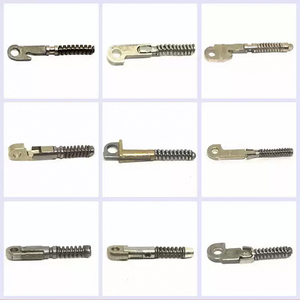
Engineered for high-volume optical practices, dispensary chains, and luxury retail networks. Explore precision hardware, multi-layer laminated acetate, and versatile magnetic systems.
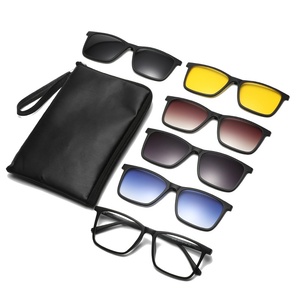
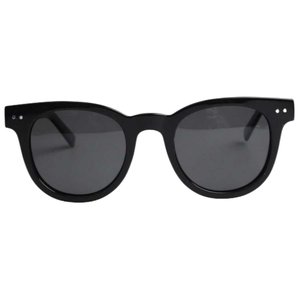
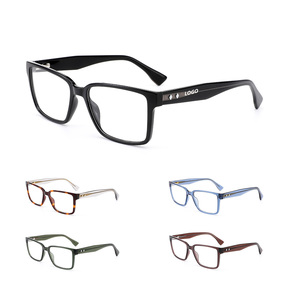
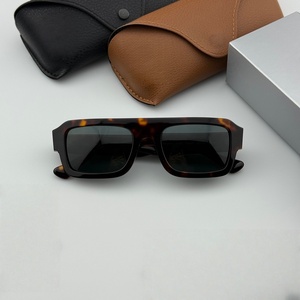
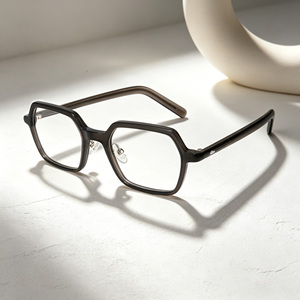
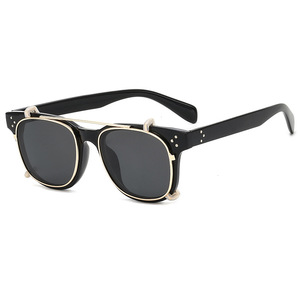
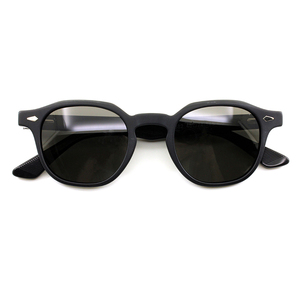
In high-end eyewear export, structural integrity is settled at the raw slab phase. Discover how multi-axis CNC routing and multi-stage manual barreling define high-yield optical supply lines.
We source ultra-dense, cured cellulose acetate sheets derived from organic cotton linters and wood pulp. Unlike cheap cold-stamped plastics, seasoned block-cured acetate delivers intrinsic structural memory, preventing temple splay and rim shrinkage under optical lab edging conditions.
Every frame front, bevel groove, and hinge recess is routed using precision multi-axis CNC mills calibrated to ±0.05mm. Correct groove symmetry ensures frictionless prescription lens glazing, preventing lens pop-outs and optical distortion across high-minus prescriptions.
To produce an organic tactile finish and deep mirror gloss without rounding off critical bridge lines, our frames pass through a rigorous 4-stage polishing protocol running over 72 operational hours.
High-grade organic acetate blocks undergo slow climate-controlled aging to relieve polymer internal stresses.
Simultaneous profiling of ocular curves, bevel depths, and temple joints via diamond-tipped cutters.
Ultrasonic embedding of German/Italian engineered spring hinges and decorative wire cores.
100% optical plane verification, temple tension testing, and laser alignment before final packaging.
Market dynamics in Europe, North America, and the Asia-Pacific region are shifting rapidly toward sustainable chemistry, agile supply cycles, and hybrid structural ergonomics.
Corporate ESG directives are reshaping volume procurement. Leading retail groups demand bio-based cellulose acetate plasticized with plant-derived formulations (phthalate-free), offering full ISO 14855 biodegradation while matching traditional tensile resilience.
The boundary between ophthalmic frames and sunglasses has dissolved. Commercial buyers prioritize ultra-light TR90 or Beta-Titanium cores paired with magnetic polarized auxiliary sun clips, delivering multi-scenario utility to modern visual lifestyle consumers.
Direct-to-consumer digital brands require agile inventory replenishment. Importers are turning toward manufacturers capable of rapid-turn ODM variations—modifying bridge dimensions and temple markings without requiring expensive new injection tooling.
Combining four decades of industrial heritage with state-of-the-art export compliance. We provide complete end-to-end sovereignty across design, manufacturing, and global trade clearance.
Bring a hand sketch, CAD file, or physical reference benchmark. Our optical tooling engineers draft comprehensive boxing system schematics, execute master CNC molds, and build functional prototypes within 14 business days.
Complete branding execution: pad printing, micro-laser temple engraving, hot foil stamping, anti-counterfeit serial marking, custom velvet-lined hard cases, microfiber cloths, and certified retail cartons.
All exported frames comply rigorously with international standards: CE Directive (EU) 2017/745 (MDR) Class I optical devices, ANSI Z80.3-2018 impact resistance, ISO 12870 ophthalmic frame standards, and REACH chemical certifications.
Each unit is sealed in individual anti-static PE sleeves with desiccant packaging, loaded into structural inner sleeves, and consolidated into heavy double-wall master cartons designed to eliminate transit warping.
Direct technical and commercial answers regarding sampling policies, sizing standards, and batch manufacturing parameters.
All frames follow the standard ISO 8624 Boxing System (e.g., 54 □ 18 – 145). The first value measures the horizontal lens width across the boxing rectangle; the second is the minimal distance between lenses (bridge width); the third indicates the overall temple length along the central axis to the tip. We maintain ±0.5mm strict mechanical conformance across every mass-production run.
Injection-molded frames (such as nylon or standard PC) rely on liquefied resins forced into steel cavities; while economical, they cannot be cold-adjusted or easily reshaped by opticians, and their surface sheen degrades quickly. In contrast, cellulose acetate frames are sculpted from dense, pre-cured laminated sheets. They exhibit rich color depth, can be repeatedly heated and adjusted for a personalized anatomical fit, and take an exceptional high-luster barrel polish.
For in-stock catalog models requiring private label laser marking, our minimum order quantity starts as low as 100–300 units per style. For fully bespoke OEM tooling and custom sheet laminations, production runs typically scale from 600 to 1,200 units across mixed colorways. Physical prototyping takes 10 to 15 business days, while volume bulk manufacturing requires 35 to 50 days following sample sign-off.
Yes. We offer fully custom wire core tooling featuring your proprietary guilloché geometric patterns or brand monograms. Hinge configurations range from multi-tooth barrel assemblies (3-barrel, 5-barrel, and 7-barrel) to high-flexibility German OBE spring hinges and integrated mono-block stop hinges.
Consult with our senior export engineers today. Whether launching an exclusive optical collection, expanding dispensary inventory, or migrating production to an ISO-verified facility, we deliver uncompromised quality.