Explore our export-ready optical selections. From pure cellulose acetate spectacle frames to precision multifocal presbyopia readers and high-performance hinges, all components conform to EN ISO 12870 and FDA requirements.
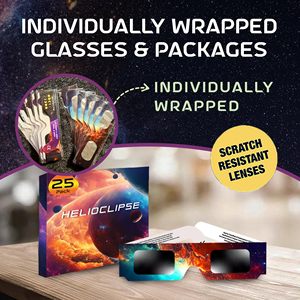


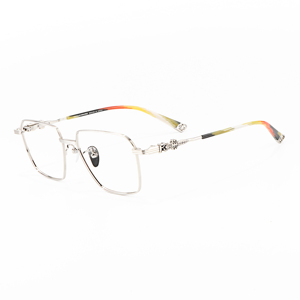
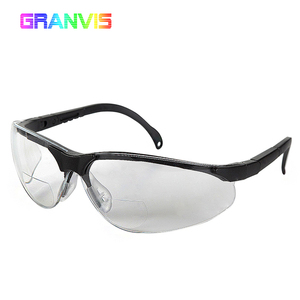
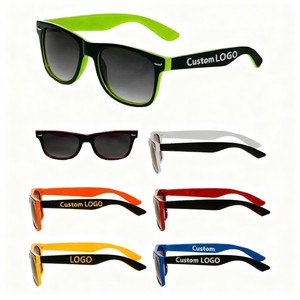
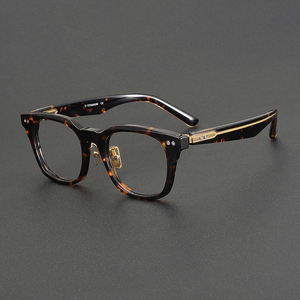
Unlike injection-molded plastics (such as polycarbonate or cheap TR-90) that rely on external petrochemical lacquers, premium reading glasses are carved from sheets of Cellulose Acetate—a semi-synthetic bio-polymer derived from cotton linters and sustainable wood pulp. This organic cellular structure yields unmatched optical properties, profound dimensional stability, and a tactile richness essential for luxury consumer perception.
For international optical brands and wholesale importers, cellulose acetate offers three mission-critical advantages: permanent internal pigment integrity, bespoke heat-adjustability for optical dispensary tuning, and an exceptional weight-to-density ratio that rests naturally across the nasal dorsum without pressure necrosis.
B2B optical buyers are restructuring supply chains to counter inventory obsolescence, margin compression, and stricter ecodesign mandates across European and North American markets. Understanding these structural shifts is vital for wholesale success.
Global regulatory bodies (notably the EU Ecodesign Directive) are accelerating the obsolescence of traditional phthalate plasticizers. Forward-looking optical procurement teams are migrating toward bio-based plasticizers (vegetable-derived triacetin) that achieve over 68% bio-carbon content and full biodegradability according to ISO 14855 standards, eliminating microplastic leaching while retaining vivid crystal transparency.
The aging white-collar workforce has stimulated unprecedented demand for progressive, blue-light filtered presbyopia readers. Commercial purchasing is shifting away from static, single-power lenses to zero-distortion anti-reflective blue-blocking lenses (+0.00 top zone for VDT screen viewing with +1.00 to +3.00 bottom zones for physical documents), housed in refined 8.0mm-thick sculpted acetate frontplates.
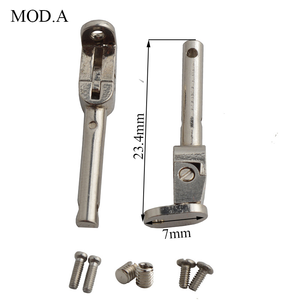
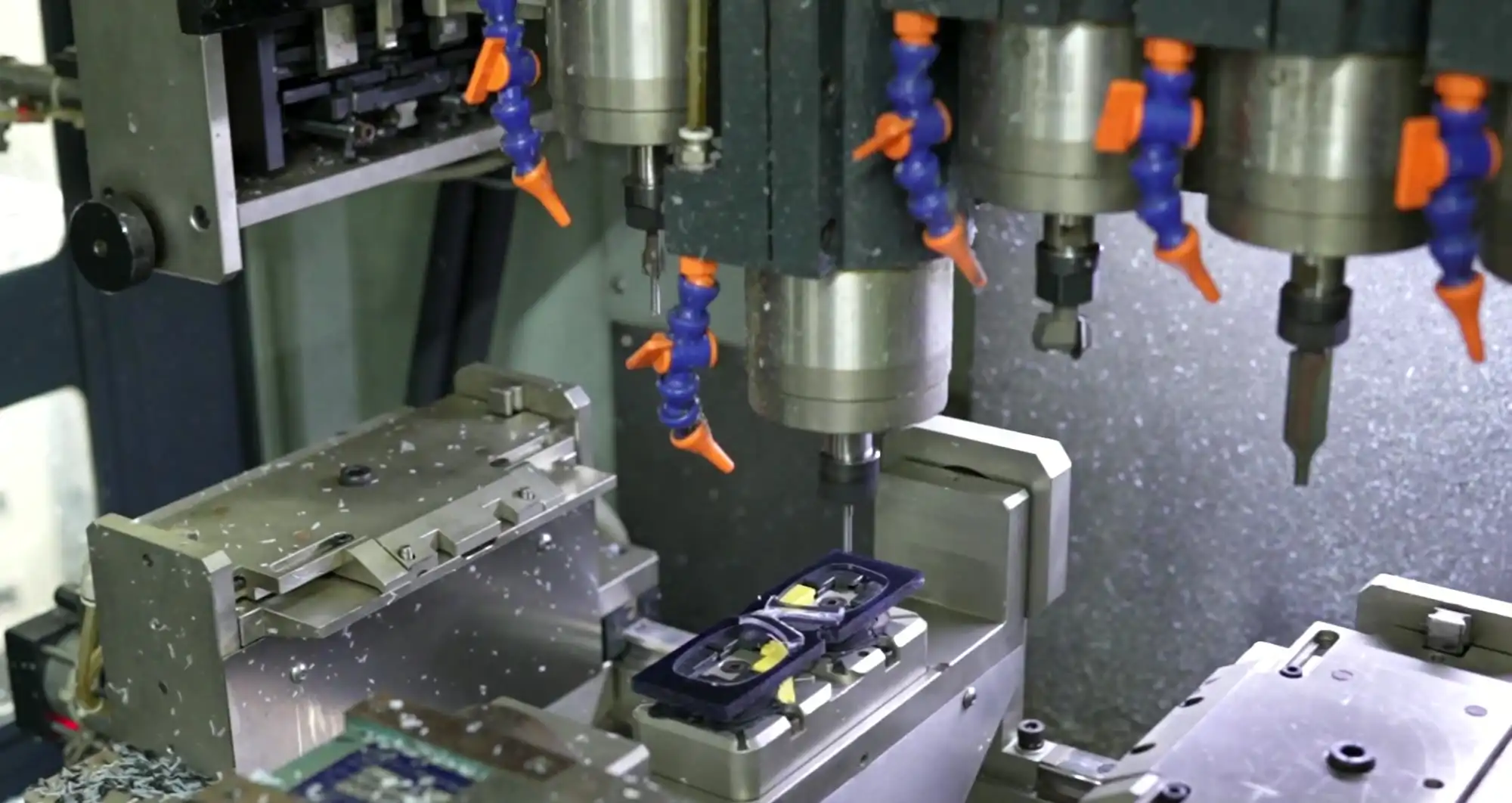
Heavy, clunky frames are being superseded by lightweight architectures. Advanced Chinese precision factories leverage 5-axis micro-milling routers to taper acetate down to 3.2mm along temple arms while embedding ultra-flexible Japanese beta-titanium core wires and solder-free spring hinges. This delivers extreme aesthetic volume without the burdensome weight that causes bridge fatigue.
Before committing bulk capital to an annual production cycle, professional retail buyers compare structural failure rates, optical dispensary adjustability, and long-term shelf resilience across primary frame substrates.
| Performance Benchmark | Cellulose Acetate (CNC Milled) | Injection Molded TR-90 | Polycarbonate (PC) | Extruded Metal / Monel |
|---|---|---|---|---|
| Raw Material Foundation | Organic Plant Pulp (Cotton/Wood) | Thermoplastic Polyamide | Petroleum Polymer Resin | Copper-Nickel Alloy Base |
| Dispensary Heat Tuning | Optimal (Softens at 65°C - 75°C) | Extremely Poor (High Elastic Memory) | Zero (Prone to Stress Cracking) | Moderate (Pliers Bending Stress) |
| Color & Pattern Depth | Infinite (Multi-layer Lamination) | Surface Spray (Wear Fragile) | Surface Paint / Pad Coated | Electroplating / PVD Finish |
| Tensile & Hinge Anchorage | Superior (Rivet & Ultrasonic Insert) | Screw Snap (Prone to Strip) | Molded Joint (High Break Rate) | Soldered / Brazed Joints |
| Biocompatibility / Allergy | 100% Skin Safe (Nickel-Free Face) | High (Inert Plastic) | Moderate (Plasticizer Leaching) | Risk of Nickel Dermatitis |
| Target Retail Price Tier | Mid-to-High Luxury ($45 - $220+) | Value / Mass Market ($12 - $35) | Promo / Cheap Retail ($3 - $10) | Mid-Tier Optical ($30 - $95) |
Operating continuously since 1985, our manufacturing ecosystem combines CNC precision with meticulous hand-craftsmanship. We eliminate intermediary markups, providing direct factory accountability for world-class private label eyewear portfolios.
We source aged, dimensionally stable cellulose acetate slabs (minimum 90-day natural curing) to prevent internal stress deformation and post-machining shrinkage in humid retail microclimates.
High-speed, dual-spindle CNC routing centers carve front bevels, pantoscopic step angles, and precise eyewire lens grooves with optical tolerances locked within ±0.08mm.
Frames undergo 72 continuous hours of dry and wet tumbling in beechwood and walnut-shell granules infused with pumice, refining raw cutter marks into micro-smooth surface contours.
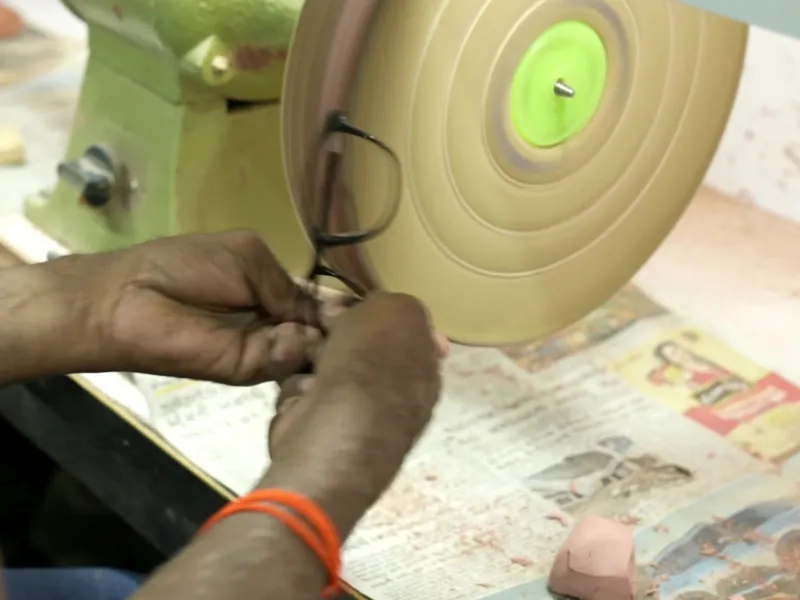
Master artisans hand-buff every frame front and temple on high-speed cotton and muslin wheels, unearthing the organic luminosity and deep inner luster exclusive to authentic acetate.
Our OEM/ODM infrastructure accommodates both high-volume distributor supply and bespoke optical boutique runs. We apply laser-engraved serial numbering, high-definition foil hot-stamping, and custom temple core-wire embossings that protect your brand equity.
Every batch is subjected to rigorous optical lab testing: 10,000-cycle temple flex stress tests, sweat and cosmetics corrosion immersion, drop-ball impact compliance (FDA 21 CFR 801.410), and bridge deformation resistance under ISO 12870 standards.
Critical operational answers covering order minimums, international compliance, custom tooling, and logistics protocols for global optical buyers.
For existing production molds (ODM/Clarish catalog items), our MOQ starts at 300 pieces per model, distributed across 2–3 acetate colorways (minimum 100 pieces per SKU). For fully custom OEM designs requiring novel CNC toolpath programming and custom hinge molds, the typical initial run begins at 600 pieces per silhouette.
Every reading lens installed in our factory—whether CR-39, polycarbonate, or high-index resin—is verified on automated computerized lensmeters before assembly. We maintain strict dioptric tolerance within ±0.06D across all power gradations (+1.00D through +4.00D), eliminating visual distortion, off-axis astigmatism, and eye strain.
Yes. All of our technical frame drawings are calibrated using the standardized Boxing System (lens width, bridge distance, and temple length in millimeters). Furthermore, we manufacture customized bridge geometries, including European high-bridge contours and Asian Low-Bridge Fit (elevated built-in acetate pads or adjustable titanium arm pads) to accommodate diverse regional demographics.
Our production facilities operate under ISO 9001:2015 quality management systems. All finished eyewear lines comply with CE Class I Medical Device Regulation (EU) 2017/745, EN ISO 12870 spectacle standards, US FDA 21 CFR 801.410 drop ball impact testing, and ANSI Z80.5 guidelines. Formal test reports from SGS or Intertek are furnished upon sampling approval.
Initial 3D CAD modeling and CNC prototype samples require 10–14 business days. Following physical sample approval and color matching, mass production cycles range between 45 to 60 calendar days, accommodating thorough 72-hour barrel tumbling, ultrasonic hinge curing, and final optical inspection.
We provide full end-to-end turnkey OEM packaging. Our capabilities include collapsible hard cases (PU leather, genuine leather, recycled cork), high-density microfiber cleaning cloths with digital edge printing, individual barcodes, master shipping cartons with humidity barrier liners, and bespoke retail POS displays.
Partner directly with China's dedicated acetate eyewear engineering supplier. Request our comprehensive export product catalog, complete with technical blueprints, boxing dimensions, acetate swatch samples, and factory-direct volume price tiers.

