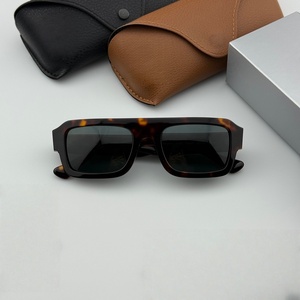
Engineered with high-yield cellulose acetate flakes, 5-barrel hinges, and precision optical gradient lenses complying with ISO 12312-1 and ANSI Z80.3 benchmarks.
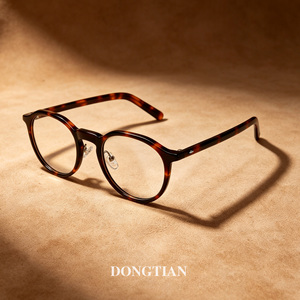
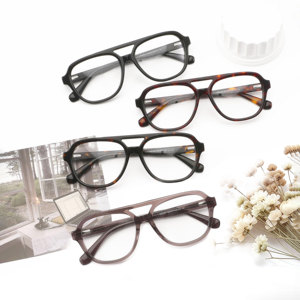
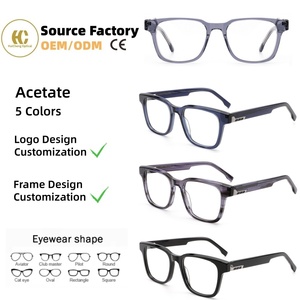
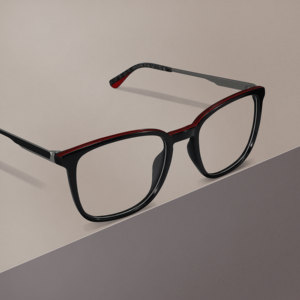
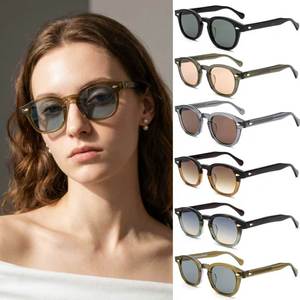
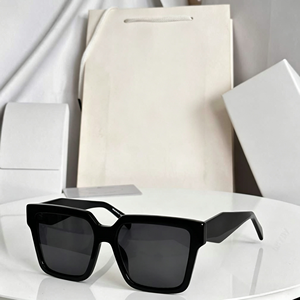
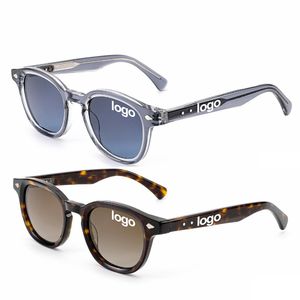
An authoritative evaluation of cellulose flake acetylation, molecular stabilization, CNC 5-axis sculpting, and the chemistry of gradient optical transmission.
For international eyewear brand directors, optical merchandising managers, and category buyers, sourcing gradient acetate sunglasses wholesale directly from China's specialized eyewear clusters requires moving beyond superficial aesthetic criteria. The structural integrity, pantoscopic adjustment capability, color longevity, and optical acuity of premium sunglasses originate at the molecular synthesis level of the raw polymer sheet.
Unlike cheap mass-market injection-molded plastics (such as Grilamid TR90 or Polycarbonate CP), high-end eyewear depends on cellulose acetate (CA)—a plant-derived, semi-synthetic thermoplastic resin synthesized from purified wood pulp and cotton linters. Through reaction with acetic anhydride and glacial acetic acid in the presence of sulfuric acid catalysts, renewable plant cellulose converts into cellulose triacetate, which is subsequently partially hydrolyzed to achieve the exact esterification degree optimal for frame fabrication.
The visual depth characterizing "gradient acetate" is achieved through advanced multi-layer lamination or computerized roller press extrusion. In gradient frame architecture, distinct sheets—ranging from opaque charcoal, amber, or tortoiseshell upper rims to crystal-clear or translucent tinted lower eye wires—are fused together under controlled hydraulic pressure and heat without synthetic solvent glues. This creates a cohesive monolithic material slab that will never delaminate, flake, or peel during thermal rim stretching or ultrasonic optometric lens insertion.
| Material / Structural Attribute | High-Density Cellulose Acetate (Ours) | Injection Molded TR-90 / CP | Cast Acrylic / Low-Tier Plastics |
|---|---|---|---|
| Raw Material Origin | Renewable Cotton Linters & Wood Pulp Flakes | Petroleum Polymer Synthetics | Commercial Acrylic Petrochemical Resins |
| Color & Gradient Depth | Through-and-through core color; zero surface peeling | Surface dip-spray or vacuum coating (wears off) | Surface printed; brittle pigmentation |
| Optometric Heat-Adjustability | Fully adjustable at 60°C–70°C hot air | Poor; remembers molded shape and snaps | Extremely brittle; melts or discolors under heat |
| Hinge Anchoring Method | Heated ultrasonic embedded or riveted 5/7-barrel | Glued or snap-in single pin (prone to loosening) | Glued friction hinges; easily pulled out |
| Surface Finish & Tactile Feel | Organic wood tumbler polish (mirror gloss) | Chemical flash coat or mold-release gloss | Dull, scratch-prone synthetic luster |
Actionable market intelligence for professional buyers navigating regulatory compliance, consumer aesthetic shifts, and sustainable supply-chain obligations.
Regulatory authorities including the EU (under REACH and updated RoHS protocols) and California Prop 65 are aggressively scrutinizing traditional DEP (Diethyl Phthalate) plasticizers. Future orders will pivot entirely to bio-acetate formulated with non-toxic, bio-based plasticizers derived from citric acid esters. Certified ISO 14855 biodegradability will become a non-negotiable procurement pre-requisite for tier-1 western retailers.
Monochrome tortoiseshell is shifting toward multi-layered "ombre" and horizontal bi-gradient laminations. Forward-looking brands are commissioning custom acetate blocks where vibrant jewel tones (emerald green, cobalt, amethyst) seamlessly transition into raw transparent crystal bases. This aesthetic mimics bespoke artisan hand-casting while retaining high-speed CNC millability for commercial scale.
Traditional dark category 3 solid lenses are being complemented by category 2 and high-contrast photochromic gradient tints. Modern consumers demand indoor-to-outdoor versatility. Incorporating 0.74mm to 1.1mm TAC or optical CR-39 lenses with multi-layer anti-reflective (AR) back coatings and hydrophobic oleophobic front treatments elevates sunglasses from pure sun protection into lifestyle fashion statements.
How our factory pairs 5-axis CNC diamond tooling with traditional artisan barrel finishing to eliminate internal material tension and achieve optical tolerances down to ±0.05mm.
Raw acetate sheets undergo dry-kiln oven stabilization for 45 to 60 days. This essential degassing phase evaporates volatile plasticizer residuals, permanently neutralizing frame shrinkage or hinge warp.
High-speed diamond cutters sculpt lens eyewires, step grooves, and temple profiles from monolithic blocks. Machine precision ensures exact optical bevel depths for distortion-free lens seating.
Stainless steel or German silver wirecores are pneumatically shot into heated temple blanks. Custom laser-etched patterns or guilloché engravings remain visible through translucent gradient acetate.
Rough CNC edges pass through 3 distinct barrel stages containing Italian beechwood chips, pumice chips, and organic carnauba waxes. This eliminates tool marks without rounding crisp architectural edges.
Master artisans perform final manual wheel buffing using cotton cloth wheels. Hinge tension is torqued, temple alignment checked on granite tables, and frames sonically cleaned before boxing.
Four decades of dedicated craftsmanship, proprietary tooling libraries, and complete vertical integration across the entire eyewear manufacturing ecosystem.
We do not dilute technical resources with cheap alloy or low-grade injection plastic molding. Since our operational founding, our lines have been devoted exclusively to the precision tooling, stabilization, and finishing of cellulose acetate eyewear.
Every production lot is fully tested in our internal laboratory for drop-ball impact resistance (FDA 21 CFR 801.410), nickel release compliance (EN 16128), and polarized gradient lens optical clarity (ISO 12312-1 / AS/NZS 1067).
From client 2D DXF vector profiles or 3D STEP engineering models, we produce functional hand-carved acetate counter-samples within 7 to 10 working days, backed by a proprietary archive of over 300 classic and trend-forward rim dies.
Reinforce your house identity with laser micro-etching, foil pad stamping, custom cast metal end-piece rivets, branded internal core wires, and complete bespoke luxury packaging (leatherette cases, microfiber cloths, cardboard cartons).
Clear, direct answers regarding minimum order quantities, tooling investment, colorway matching, sampling schedules, and international logistics.
For custom ODM/OEM designs requiring custom sheet cutting from in-stock acetate slab libraries, our standard production MOQ is typically 300 pairs per silhouette, with flexibility for 2 to 3 colorway variations (approx. 100 pairs per colorway). If your project requires custom-compounded acetate sheet formulas (bespoke laminated color gradients from Mazzucchelli or Jimei), raw material mill minimums typically dictate an MOQ of 600 to 1,200 pairs. For catalog frames already in rotation, low-volume pilot test runs can be negotiated.
Every batch of gradient sunglasses is fitted with optical-grade TAC, Nylon, or CR-39 lenses guaranteed for UV400 protection, filtering 99% to 100% of UVA and UVB radiation (280nm–400nm). Our gradient tinting processes use precise dip-timing spectrometers to calibrate light transmission from Category 3 (10%-18% transmission) at the top of the lens to Category 1 or 2 at the bottom, strictly adhering to EN ISO 12312-1 (Europe), ANSI Z80.3 (North America), and AS/NZS 1067.1 (Australia/NZ).
Once 2D CAD technical drawings are signed off, rapid physical counter-samples (hand-carved and assembled) require 7 to 12 working days. Bulk production lead times generally range between 45 and 60 days after initial sample sign-off and deposit receipt. This timeframe includes the essential 72-hour barrel polishing cycle, clean-room assembly, multi-point optical inspection, drop-ball impact testing, and international export packaging.
Yes. As a pure OEM/ODM factory partner, our enterprise identity never appears on your finished merchandise. We provide high-precision pad printing on internal temples, permanent rotary or fiber laser engraving on outer temples or lens corners, custom die-cast wire core patterns, and hot-stamped gold foil logo work. Furthermore, we develop matched retail clamshell cases, collapsible magnetic origami boxes, branded microfiber cleaning cloths, and barcode master cartons.
Dimensional instability during ocean shipping is caused by premature manufacturing using un-degassed raw material. Because our acetate slabs undergo up to 60 days of heated aging, our frames exhibit near-zero residual internal stress. For shipment, each pair is packed in an individual biodegradable OPP sleeve, seated in a 12-pair divided inner carton with desiccants, and packed in heavy-duty 5-ply double-wall corrugated master cartons engineered to withstand maritime humidity and high stacking compression loads.