Explore high-velocity cellulose acetate, rimless diamond-cut, carbon fiber architectures, and certified structural hardware engineered for immediate private label scaling.
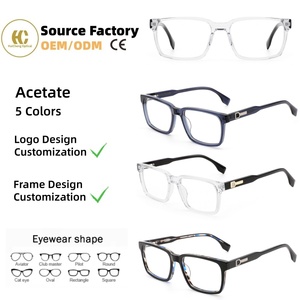
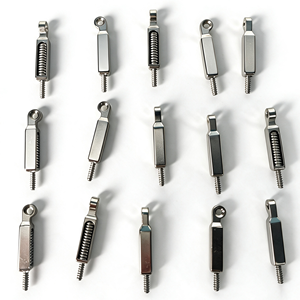
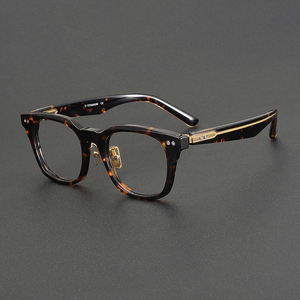
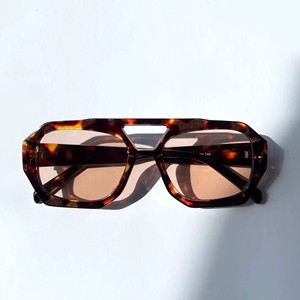

How optical retail conglomerates and independent boutique labels navigate the changing landscape of international eyewear supply chains.
Global procurement teams have transitioned from single-region dependence to dual-hub supply networks. Leading brands utilize China wholesale manufacturing hubs for high-complexity CNC routing, micro-hardware production, and automated surface treatment, creating agile, low-lead-time inventory loops that insulate retail margins from shipping bottlenecks.
B2B import compliance across Europe (EU REACH, MDR Regulation 2017/745) and the United States (FDA Class I Medical Devices) necessitates molecular traceability. Suppliers now mandate plant-derived bio-acetate formulated with non-phthalate bio-based plasticizers, dropping life-cycle carbon footprints while exceeding ISO 12870 dermatological standards.
The historical 90-day physical sampling turnaround has been compressed to 14 days through precision CAD/CAM rendering, selective laser sintering (SLS) mockups, and high-precision CNC rapid sampling. This allows merchandising executives to validate seasonal drop lines prior to authorizing capital-intensive high-volume blank runs.
Quantifying structural performance metrics for luxury optical frames and high-durability sunglass lines.
| Engineering Parameter | Cured Cellulose Acetate (CNC Milled) | Standard Injection TR90 / Polycarbonate | Aerospace Carbon Fiber / Hybrid |
|---|---|---|---|
| Color Retention & Cross-Section | Full depth homogeneous sheet color; immune to cosmetic flaking or peel | Surface spray-coated or molded; vulnerable to UV-fading and abrasion | Anisotropic resin weave; zero color degradation, deep 3D structural luster |
| Optician Bench Adjustability | Thermal plastic memory (55°C–65°C hot air frame warmer adjustments) | Difficult cold-set memory; snaps back to original mold or fractures under strain | Zero thermal flex; requires precision pre-engineered temple core integration |
| Surface Gloss & Tactile Feel | Deep mechanical gloss through 72-hour beechwood tumbler polishing | Synthetic lacquer topcoat gloss; prone to solvent degradation and oils | Matte or ultra-gloss UV resin cured; non-porous and sweat-impermeable |
| Hinge Anchor Reliability | Ultrasonic embedded or rivet-pinned directly into cured core base | Heat-staked directly into low-melting substrate; vulnerable to fatigue pull-out | Precision CNC-drilled and screw-locked via stainless steel anchor pads |
| Prescription Lab Glazing Yield | Superior bevel groove yield (>99.6%) across high diopter & progressive lenses | Risk of frame stretch deformation or lens popping under high-curve glazing | Exceptional rim stiffness; requires precise lens beveling profiling |
Built upon four decades of optical manufacturing mastery since 1985, our facility pairs cutting-edge automated machining with master artisan bench-finishing.
Every batch originates from curated, aged plant-derived cellulose acetate sheets. Aged under climate-controlled curing rooms for over 90 days to eliminate residual solvents, our blanks guarantee exceptional structural stability that prevents frame warping in varying climates.
Our computerized cutting centers hold internal lens groove tolerances within ±0.05mm. Whether engineering intricate cat-eye facets, stepped bridge geometries, or aggressive wrap-around base curves, automated profiling preserves your technical drawings flawlessly.
Gloss is earned mechanically—never through cheap chemical lacquers. Frames undergo four continuous stages of wet-and-dry tumbling utilizing organic beechwood chips, volcanic pumice, and specialized micro-polishing pastes for an organic mirror shine.
A machine achieves dimensional accuracy; an artisan creates ergonomic comfort. Master optical technicians hand-file bridge transitions, chamfer temple tips, and balance hinge tension to guarantee irritation-free contact along temporal and auricular pressure points.
Forward-looking intelligence for eyewear buyers, distributors, and product development directors.
As micro-electronics, audio components, and heads-up optical prisms integrate into mainstream consumer frames, traditional front-and-temple architectures are evolving. Wholesale buyers increasingly specify hollowed temple routing, modular end-piece assemblies, and reinforced hinge foundations capable of housing circuit nodes without compromising aesthetic elegance.
Monolithic frames are yielding market share to composite engineering. Premium collections heavily feature Japanese titanium core wires co-molded with high-density Italian acetate fronts, accented with forged carbon fiber accents or jewelry-grade diamond-cut TAC lenses that cater directly to luxury demographic tiers.
Retail inventories demand unprecedented agility. Supply contracts now prioritize hybrid procurement frameworks: high-volume base runs for evergreen signature silhouettes combined with fast-response, low-MOQ runs for trend-driven seasonal color drops, minimizing holding liabilities and maximizing inventory turnover velocity.
A predictable, highly documented, and sample-approved engineering pathway designed to safeguard your delivery timelines and brand equity.
Send 2D sketches, DXF files, or physical reference frames. Our technical engineering team generates comprehensive CAD blueprints defining bridge offsets, pantoscopic tilt, and mechanical tolerances.
Within 10–14 days, physical hand-finished sample prototypes are created for fitment trials, hinge torsion testing, drop-ball verification, and color sign-off before committing to full tooling.
Upon sample approval, our factory initiates batch production. Every frame undergoes in-line verification across milling, core insertion, barrel tumbling, and pad printing or laser marking.
Custom-branded optical hard cases, microfiber cloths, and barcodes are integrated seamlessly. Consignments are packed and palletized for export with complete customs documentation.
Everything international procurement officers, boutique founders, and commercial importers need to know before initiating an inquiry.
For custom OEM designs requiring dedicated tooling and custom acetate sheet extrusion, standard MOQs typically start at 300 to 500 units per model, distributed across 2–3 colorways. For in-catalog ODM models or private label branding on existing molds, minimums can be accommodated from 100 units per colorway. Production lead times range from 45 to 60 days following physical sample approval, contingent upon custom material availability.
All export shipments can be certified compliant with major destination standards: CE certification under European Medical Device Regulation (EU) 2017/745 for optical frames, EN ISO 12312-1 for sunglasses, FDA Class I medical device listing (US 21 CFR 801.410 drop ball impact resistance test), ANSI Z80.3, AS/NZS 1067, and complete EU REACH chemical compliance ensuring freedom from nickel release and hazardous phthalates.
We operate strictly as an OEM/ODM white-label manufacturer; our factory identity never appears on private-label goods. Custom branding solutions include high-precision laser engraving on inner or outer temples, high-definition pad printing, hot foil metal inlay stamping, and customized cast metal core wire detailing. We also provide bespoke retail packaging suites including stamped leather cases, microfiber cloths, serialized warranty cards, and retail shipping cartons.
Every optical front is cut using high-precision German carbide tooling on 5-axis CNC machines calibrated to an accuracy of ±0.05mm. Boxing standards (Eye – Bridge – Temple length, e.g., 54 □ 18 – 145) are rigorously inspected with digital optical profile projectors. The lens groove is precisely cut at an angle of 110° to 120° to guarantee instant, tension-free lens mounting during lens edging at automated prescription laboratories.
We adhere strictly to AQL 1.5/2.5 inspection guidelines across raw materials, in-line assembly, and pre-shipment boxing. Comprehensive laboratory evaluations include 25,000-cycle spring-hinge fatigue flexing, bridge resistance testing under continuous load, 48-hour sweat/saline immersion corrosion tests, thermal oven bridge deformation tests (60°C for 24h), and spectrophotometer UV400 transmission verifications on all sun lenses.
We routinely facilitate FOB (Ningbo, Shanghai, Shenzhen, or Hong Kong), CIF, and turnkey DDP (Delivered Duty Paid) shipments via express air or sea freight directly to regional distribution warehouses across North America, the European Union, Australia, and the Middle East. Standard commercial payment terms are 30% deposit upon proforma invoice confirmation and order signing, with the 70% balance settled upon pre-shipment quality inspection sign-off.
Whether you require comprehensive OEM development from technical CAD schematics, high-volume ODM catalog scaling, or rapid private label custom branding, our engineering team is ready to review your specifications and supply turnkey pricing.

