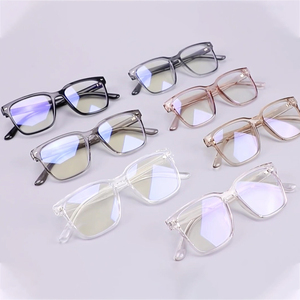
Explore production-ready spectacle silhouettes, commercial fashion shades, and precision hinge engineering components engineered for turnkey OEM/ODM scalability.
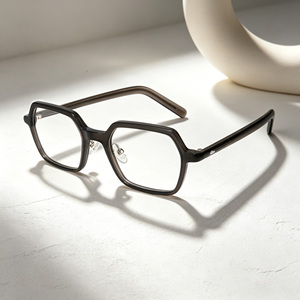
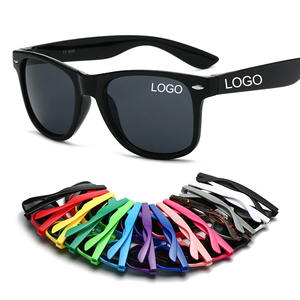
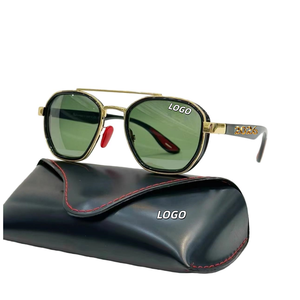
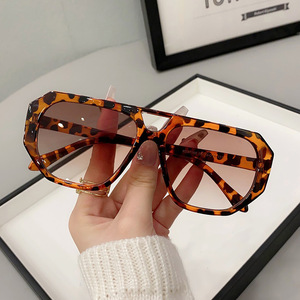
A technical evaluation of cellulose acetate mechanics, CNC milling tolerances, and sustainable supply-chain integration for private label eyewear executives.
Unlike standard petroleum injection plastics, premium cellulose acetate is synthesized from cotton linters and natural wood pulp. Acetate sheets are cured through extensive solvent evaporation cycles, producing high mechanical density, exceptional thermal plasticity for in-clinic optometric adjustment, and rich hue saturation through the full cross-section.
High-end optical frames require micrometric precision to ensure lens retention across divergent temperature states. Five-axis computerized CNC routing cuts rim grooves, temple steps, and hinge sockets with repeatable tolerances within ±0.05mm, eliminating internal mechanical stresses inherent in hot molten liquid injection.
Industrial tumbling cycles span 72 to 96 hours across specialized birch wood peg barrels loaded with graded pumice powders and vegetable wax compounds. This is followed by artisanal edge-buffing on rotating flannel wheels, yielding a deep, glassy, mirror-luster tactile finish impossible to emulate with sprayed synthetic lacquers.
| Evaluation Parameter | Cellulose Acetate (Clarish Standard) | Grilamid TR90 Polymer | Die-Cast Polycarbonate (PC) | Monel & Stainless Alloys |
|---|---|---|---|---|
| Primary B2B Use Case | Designer prescription optics & luxury boutique sunwear | Flexible sport optics, children's frames & safety eyewear | Promotional bulk giveaways & budget fast-fashion sunglasses | Classic wireframes, aviators & architectural rimless frames |
| Optician Heat Adjustability | ✓ Full adjustability (Warm air frame warmer) | No memory heat reshape (Snaps back to molded state) | None (Rigid, brittle under thermal stress) | ✓ Pliable adjustability via plier adjustments |
| Color Longevity & Depth | Embedded organic layer pigments; polishable after scratching | Solid dyed or surface spray coated | Surface pad printing or hot foil transfer | Electroplated, PVD vacuum coated, or ion-plated |
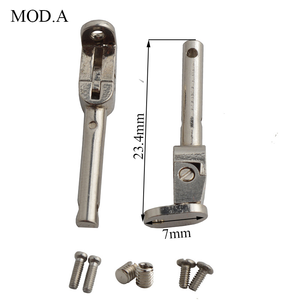
| Hinge Anchor Durability | Heat-staked or riveted 3/5/7-barrel nickel-silver hinges | Ultrasonic insert or mold-integrated friction hinges | Molded plastic pin or loose drop-in mechanicals | Solder joint lugs or screw-mounted block hinges |
| Estimated Production Lifecycle | 8 to 15+ years under daily retail wear | 3 to 6 years (Subject to eventual UV embrittlement) | 6 to 18 months (Prone to stress fractures) | 5 to 10 years (Protected by anti-corrosion plating) |
Headquartered in Ahmedabad, Gujarat, India, Rushabh Trading Company (RTC Eyewear) has specialized exclusively in cellulose acetate engineering for over 41 years. We combine legacy European wet-polishing benchwork with high-speed Japanese CNC machining stations, giving global brand partners an agile, tariff-diversified, high-precision manufacturing base outside traditional monopolistic supply routes.
Instant access to pre-engineered optical front geometry without high upfront prototyping costs.
Extensive raw sheet warehouse covering classic havana, multilayer laminates, crystal tints, and horn tones.
Our business model is strictly B2B. We protect intellectual property with non-disclosure agreements, maintain locked customer exclusive mold registers, and provide certified laboratory compliance files (CE, UKCA, FDA, ISO 12870) for global clearance.
Send an Inquiry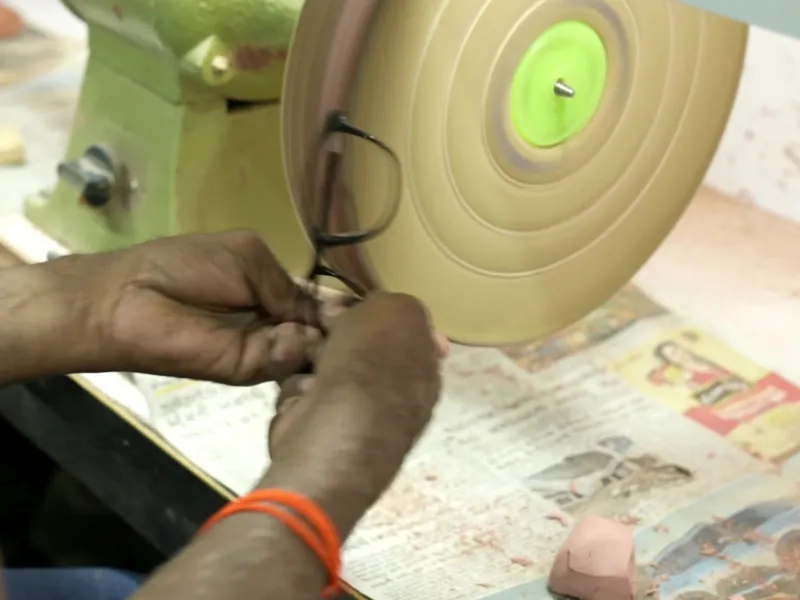
Every frame front undergoes manual wheel polishing to smooth micro-ridges before final temple squaring.
Key economic, environmental, and technological shifts steering optical brand purchasing committees worldwide.
International environmental mandates are driving optical retailers away from standard diethyl phthalate (DEP) plasticizers toward bio-based plasticizers derived from renewable crops. Modern enterprise buyers prioritize bio-acetate grades yielding over 68% bio-based carbon content with certified biodegradability under ISO 14855 standards.
Global optical importers are systematically reducing concentration risks by establishing qualified manufacturing partners across India and Southeast Asia. India’s skilled polishing benchwork, expanding precision tooling infrastructure, and favorable international trade pacts make it an optimal hub for resilient eyewear procurement.
Lengthy 6-month product development cycles are being replaced by rapid 3D CAD modeling, photorealistic ray-traced rendering, and 72-hour CNC pilot sampling. Modern brands deploy low-risk capsule collections (300 to 500 units per colorway) to test market uptake before committing to full-scale container-load bulk runs.
A transparent look at our factory floor quality checkpoints across every phase of custom OEM/ODM production.
Raw cellulose block sheets are seasoned in climate-controlled drying kilns to stabilize moisture content, preventing post-machining shrinkage and warpage.
Automated cutting heads sculpt the 3D bridge contour, temple drop, and internal lens bevel channel with micrometer-grade repeatability (±0.05mm).
Temples are heated and reinforced with custom-engraved internal nickel-silver core wires, followed by heat-staking heavy-duty 5-barrel flex hinges.
4-day granular tumbling in pumice-treated hardwood barrels eliminates razor tooling marks, finished by hand-buffing on high-speed polishing cotton wheels.
Frames receive customized laser/pad temple branding, 100% manual four-point bench alignment checking, and packaging into branded retail gift sets.
Clear, direct operational details covering MOQs, sizing standards, tooling timelines, and private label integration.
For existing catalog models with standard factory acetate sheets, minimum order quantities start at 300 to 500 pieces per model (distributed across 2 to 3 colorways). For fully bespoke OEM designs requiring custom tooling dies and exclusive bespoke acetate sheet laminations, our starting batch size is typically 1,200 pieces per collection.
We work to the ISO 8624 international boxing standard (e.g., 54 □ 18 – 145), where 54mm indicates horizontal lens aperture width (A-measurement), 18mm specifies distance between lenses at the nasal bridge (DBL), and 145mm represents overall temple length. Adjusting these parameters across ODM orders ensures targeted fit profiles for North American, European, or Asian fit demographics.
Physical prototype tooling and counter-samples are produced and delivered via air courier within 15 to 25 business days from 2D/3D CAD drawing sign-off. Following sample sign-off and deposit receipt, bulk factory production runs require approximately 45 to 60 calendar days, followed by sea container or door-to-door air freight delivery.
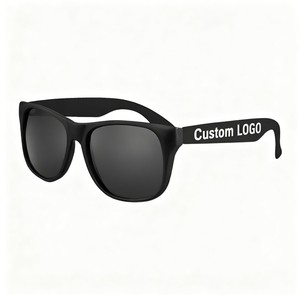
We provide comprehensive private label customization including high-resolution pad transfer printing, permanent CNC or laser etching on temple interiors and front rims, hot foil gold/silver stamping, and custom core wire stamping. Complete turnkey retail kits (custom hard clamshell cases, microfiber cloths, embossed cartons, barcode hangtags) are fully configured to your brand manual.
Yes. We engineer customized pad bridges with elevated build-up heights, decreased bridge splay angles, and contoured cheek clearances specifically calibrated for low nasal bridge anatomy. Alternatively, we integrate adjustable German-engineered titanium or stainless steel nose pad arms with hypoallergenic silicone or ceramic pads.
Every production lot is validated against ISO 12870 (Ophthalmic Optics - Spectacle Frames) and ANSI Z80.3 standards. Our pre-shipment quality protocol includes 20,000-cycle hinge endurance testing, bridge deformation tests, sweat-resistance nickel release testing (EN 16128), and optical lens drop-ball impact resistance testing with full documentation packages provided.

