Global Eyewear Manufacturing Hub · Est. 1985

Custom OEM Unisex Optical Frames Manufacturer & Suppliers

Precision CNC-Machined Cellulose Acetate, Ultra-Lightweight Beta-Titanium, and Ergonomically Neutral Optical Frame Engineering for International Brands and Wholesale Importers.

1985
Founding Year
41+
Years In Precision Optics
258+
Acetate Colorways Stocked
±0.02mm
CNC Tooling Tolerance
100%
Export Batch Inspected
Factory Inventory & Production Lines

Featured OEM / ODM Unisex Optical & Sun Frames

Designed for neutral cranial ergonomics, cross-gender styling, and high-tolerance prescription glazing. Each model below is available for white-label contract manufacturing, bespoke brand engraving, and complete private label packaging adaptation.

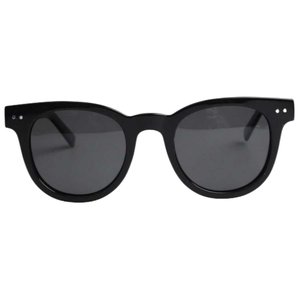
Half-Rim Acetate Summer Wholesale Designer Matte Black Half Frame Sun Glasses Retro Acetate
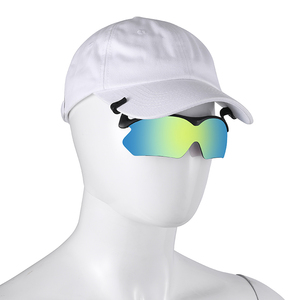
Polarized Modular Mirror Coating Clip on Hat Cap Polarized Sunglasses for Fishing Traveling
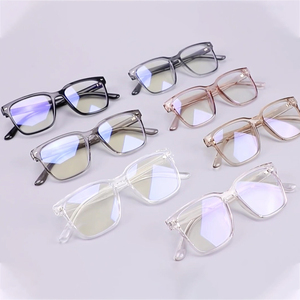
Classic Optical Wholesale Acetate Frames Eyewear Optical Frames for Eye Glasses Spectacle Frames
Rimless Luxury 2026 Trend Diamond Cut Rimless Polarized Sunglasses TAC UV400 Driving Sunglasses
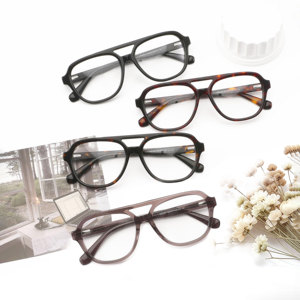
Aviator Double-Bridge New Collection Oversized Acetate Eyeglasses Frames Double Bridge Trendy Optical Spectacle Frames
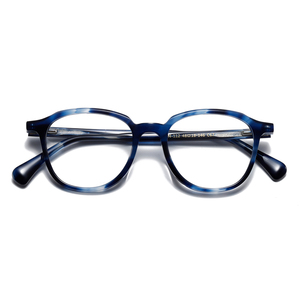
Vintage Round Hot Selling Quality Vintage Retro Round Acetate Sunglasses Wholesale Sun Glasses
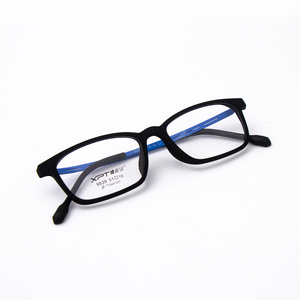
Titanium Hybrid Fashionable Retro Square Titanium Rubber Eyeglasses Frames Full Rim Metal Lightweight Reading Glasses

Ultra-Light Retro Square Pure Titanium & Rubber Templed Frames

Fit: Featherweight Neutral • Grade 4 Titanium / Acetate
Manufacturing Expertise Since 1985

Four Decades of Subtractive Precision in Cellulose Acetate

Founded in Ahmedabad, India, in 1985 as Rushabh Trading Company (RTC Eyewear), our manufacturing operation has maintained an unwavering discipline: mastering high-density cellulose acetate and high-precision optical hardware. While injection-molded polymers dominate ephemeral low-cost markets, professional optical dispensers and premium designer houses demand the structural integrity, thermodynamic adjustability, and deep optical luster that only subtractive CNC machining from solid cured block acetate can yield.

Our facility maintains 22 core base geometries and an archival palette exceeding 258 curated colorways. When optical retail chains, boutique designers, or institutional medical networks contract their OEM/ODM programs through our workshops, they bypass intermediaries and secure direct bench-level engineering. Every lens bevel, bridge chamfer, and hinge core is calibrated to international optical tolerance standards (EN ISO 12870, ANSI Z80.3, and FDA 21 CFR 801.410).
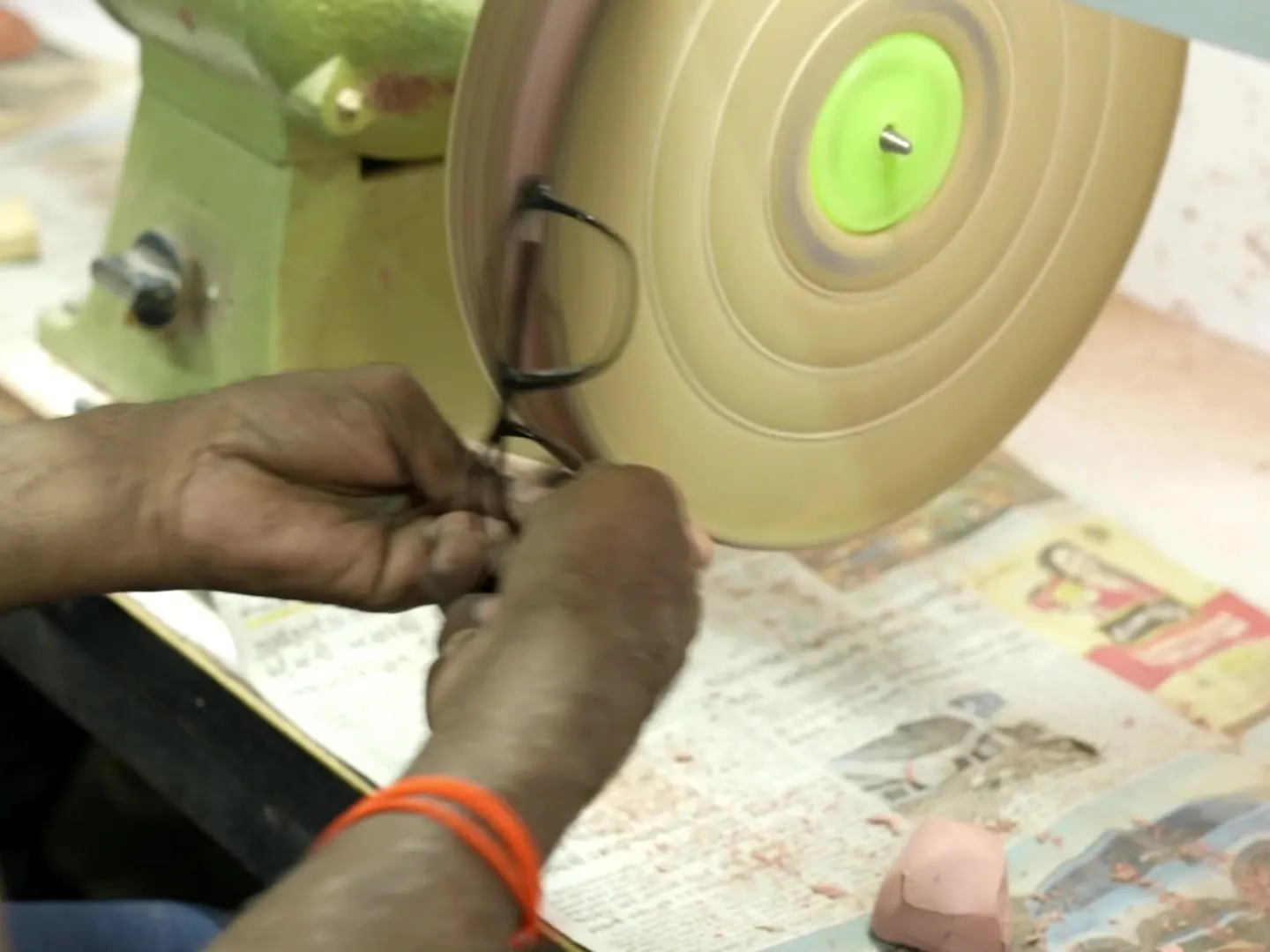
Artisan hand finishing an acetate frame front on a diamond polishing wheel at RTC Eyewear factory
Benchcraft in Ahmedabad: Artisan hand-chamfering bridge apex and temple ear-rests following 5-axis CNC rough-out.

5-Axis CNC Milling

Micro-cutter spindle routing operating at ±0.02 mm tolerances to sculpt internal eyewire bevels, custom step-cuts, and pantoscopic hinge mortises.

  • Zero-stress dry cutting cycle
  • Automated 6-base & 4-base curvatures

96-Hour Barrel Tumbling

Multi-stage wet and dry rotary tumbling utilizing Italian beechwood pegs, pumice chips, and specialized micro-abrasive pastes for seamless edge deburring.

  • Eliminates tool chatter marks
  • Pre-polishes organic contours

Manual Artisan Buffing

Hand-guided wool and cotton mops applied with dry rouge compounds to draw the natural, liquid gloss from deep within the cellulose acetate polymer.

  • No chemical spray lacquers
  • Durable scratch-buffable surface

Structural Wire Cores

High-frequency electro-thermal shooting of nickle-silver or titanium core-wires directly through temple blanks with custom embossed damask motifs.

  • Permanent temple shape retention
  • In-store heat readjustable
Strategic Market Intelligence

Future Procurement Trends in Optical Sourcing (2025–2030)

Procurement directors and eyewear category managers are steering away from pure unit-cost economics toward risk-resilient supply chains, material traceability, and cross-demographic structural agility. Below is an executive analysis of macro procurement shifts defining modern eyewear contracts.

1. Phthalate-Free Bio-Acetates

Regulatory pressures across the EU (REACH, Packaging and Packaging Waste Regulation) and North American state-level chemical disclosures (California Prop 65) have elevated bio-based cellulose acetate from a marketing novelty to a mandatory baseline.

Modern optical buyers specify bio-based plasticizers derived from citric or vegetable acids replacing traditional diethyl phthalate (DEP). Our formulations achieve a bio-content rating of >68% certified under ASTM D6866, maintaining mechanical tensile strength, color saturation, and thermal moldability without brittle degradation over shelf lifetimes.

2. Universal Demographic Architecture

The historic divide between "Men's" and "Women's" optical SKUs created substantial inventory obsolescence and retail clearance liabilities. Modern optical collections pivot heavily toward unisex geometries engineered with universal bridging systems.

By designing frames with progressive bridge widths (18mm–21mm) and accommodating both shallow nasal crests (Alternative/Asian Fit) and steep narrow bridges (Standard Global Fit) via subtle internal chamfering, B2B procurement heads cut their tooling overhead by up to 45% while optimizing in-store stock turnover ratios.

3. Hybrid Structural Composites

Pure acetate remains unassailable for aesthetics, but the surging demand for all-day screen and digital comfort has prompted high-value hybridization. Buyers increasingly commission hybrid frames combining cellulose acetate rim-fronts with pure Grade 4 Japanese titanium or Swiss EMS TR90 co-polymers.

This hybrid approach reduces total frame mass below 16 grams without sacrificing acetate's signature dimensional visual richness. Furthermore, it creates a rigid, non-deforming lens aperture that prevents astigmatic prescription lens pop-out or edge stress birefringent distortions.

Engineering Whitepaper Analysis

Unisex Optical Engineering: Geometric & Ergonomic Parity

True unisex eyewear is not merely a downsized masculine pilot or an oversized feminine cat-eye. It represents a strict mathematical reconciliation of facial anthropometry, center-of-gravity distribution, and optical lens groove neutrality.

The Boxing Measurement Matrix

In bespoke OEM manufacturing, the classical boxing measurement standard (Lens Width □ Bridge Width – Temple Length) dictates customer satisfaction. In unisex lines, an unbalanced ratio results in high returns or dispensary dispensing difficulties.

A standard unisex benchmark such as 52 □ 19 – 145 represents an engineered sweet spot:

  • 52 mm Lens Width: Centers pupillary distances (PD) spanning 58mm to 68mm, minimizing unwanted high-index lens thickness at temple edges.
  • 19 mm Bridge Width: Integrated with a 12-degree pantoscopic tilt, redistributing the frame’s resting weight across the lateral nasal bone rather than pinching the dorsal cartilage.
  • 145 mm Ergonomic Temple: Formed with internal relief tapers around the mastoid process behind the ear, ensuring zero temporal skull pressure while preventing slippage during downward head tilt.
Engineering Metric Standard Monogender OEM Unisex Calibrated
Pantoscopic Angle 6° to 8° (Rigid) 9° to 12° (Universal Ergonomic)
Bridge Splay Angle 25° (Narrow) / 40° (Broad) 32° Compound Chamfered
Lens Bevel Groove 110° Standard V-Bevel 115° Universal Optical Lab Spec
Face Form Curvature Base 4 to Base 6 Base 4 (Optimum Flat Glazing)
Weight Distribution Front-biased (70:30) Counterbalanced 55:45 with Core Wire
Standardized B2B Workflow

Our Contract Manufacturing Lifecycle

Whether launching a targeted 500-piece boutique run or scaling a multi-market 50,000-unit retail rollout, our Ahmedabad manufacturing protocol eliminates ambiguity through sample-first sign-off and documented engineering milestones.

01

Technical CAD & 3D Prototyping

We translate sketches, physical reference samples, or IGES/STEP CAD files into dimensional optical blueprints detailing hinge clearances and eyewire cross-sections.

02

Acetate Curing & Milling

Raw cellulose sheets undergo controlled oven tempering to relieve internal stresses, preventing shrinkage before undergoing multi-axis spindle profiling.

03

Assembly & Hand-Lapping

Hinges are ultrasonically anchored or hand-riveted. Temples are wire-cored and aligned. Skilled artisans hand-lap edges through 3-tier polishing wheels.

04

Batch Audit & Destination Export

Optical alignment, bridge horizontal skew, and drop-ball impact compliance verified. Branded cartons, micro-fiber cloths, and barcoding packed for dispatch.

Procurement Due Diligence

Frequently Asked Questions by Importers & Brands

Detailed technical and commercial answers addressing common contractual considerations prior to opening production tooling.

1. What distinguishes OEM, ODM, and Private Label contract modes at your facility? +
OEM (Original Equipment Manufacturer): You provide proprietary 2D/3D technical drawings or physical benchmark samples. We produce dedicated tooling, proprietary acetate laminations, and maintain total exclusive ownership of your molds and dies.
ODM (Original Design Manufacturer): You select from our catalog of 22 proven Clarish™ master geometries and adapt eye sizes, bridge depths, material laminations, or wire-core patterns without incurring new master tooling costs.
Private Label: You select existing in-production runs and apply your corporate insignia, laser temple marking, model typography, and custom retail packaging (cases, micro-fiber cloths, master cartons).
2. How does subtractive CNC-machined acetate compare to injection-molded plastic frames? +
Injection-molded frames (typically TR90 or polycarbonates) are liquid resin injected into cold molds. While lightweight, they possess static surface paint coatings that peel or pit over time, and they cannot be cold or heat adjusted by an optician to fit a client's face.
Subtractive acetate frames are carved from solid, cured blocks of organic cotton-seed cellulose acetate. Color permeates throughout the entire section, allowing deep scratch repairs, repeated mechanical buffing, and custom thermal adjustments at the dispensing table using standard optical hot-air warmers.
3. What are your Minimum Order Quantities (MOQs) for custom optical runs? +
For existing Clarish™ platform styles (ODM / Private Label), our baseline starting order is 300 units per model, distributed across 3 distinct acetate colorways (100 units/color). For bespoke OEM designs requiring custom tooling, CNC jig programming, and bespoke acetate sheet curing, the baseline run typically starts at 600 to 1,200 units depending on cross-section complexity and hinge engineering.
4. What specific international optical standards do your optical frames comply with? +
Every shipment can be certified against:
  • ISO 12870:2016: Ophthalmic optics — Spectacle frames requirements and test methods (endurance, dimensional stability at elevated temperatures, perspiration resistance).
  • BS EN 16128: Nickel release testing for metal components contacting wearer skin (ensuring <0.5 μg/cm²/week).
  • ANSI Z80.3 & FDA 21 CFR 801.410: Impact resistance requirements via steel drop-ball testing.
  • EU REACH Regulation: Total absence of prohibited plasticizers, azo dyes, and short-chain chlorinated paraffins.
5. Can your factory manage high-minus or high-plus prescription lens glazing? +
Yes. Our CNC eyewire beveling machines are programmed to cut standardized 115-degree V-grooves with controlled depths of 0.6mm to 0.8mm. This precise geometry accommodates high-minus edge thicknesses without bowing the front frame outwards, maintaining consistent base 4 frame wrap and preventing the lens from slipping out under thermal expansion.
6. What branding application methods are available for temples and lens demo blanks? +
We provide multi-surface branding capabilities:
  • High-Precision Pad Printing: Using two-component epoxy inks cured under thermal ovens for maximum abrasion and skin-oil resistance.
  • Fiber Laser Engraving: Micro-engraving through the acetate surface with optional contrast metallic foil inlay (gold, silver, white).
  • Hot-Foil Stamping: Classic recessed typography applied to inner temples.
  • Laser Demo Lens Etching: Clean, dustless brand insignias on clear acrylic shipping demo lenses.
7. What is the typical turnaround timeline from design brief to FOB container dispatch? +
Stage 1 (CAD & 3D Prototyping): 7 to 10 working days.
Stage 2 (Physical Pre-Production Sample): 15 to 25 days following CAD sign-off.
Stage 3 (Bulk Manufacturing): 45 to 60 days following physical sample approval, factoring in CNC routing, 96-hour tumbling, manual buffing, and final optical inspection.
Stage 4 (Freight Dispatch): Immediate ocean container loading (Mundra/Nhava Sheva ports) or express air freight (Ahmedabad International Airport).
8. How do you ensure batch-to-batch color consistency across multi-layered acetate? +
Raw cellulose acetate sheets are procured from certified global block makers (including Mazzucchelli 1849 and premium Asian master blenders). We inspect incoming lots under standardized D65 daylight lightboxes with spectrophotometers to guarantee color coordinates (CIELAB) adhere within a Delta-E tolerance of <0.8 across repeat production cycles.
9. Do you offer custom Asian Fit / Alternative Fit nose bridge adaptations? +
Absolutely. For brands targeting East Asian markets or consumers with higher cheekbones and lower nasal crests, we machine built-up acetate nose pads (extending pad projection by 2.5mm to 4.0mm) or install micro-screw titanium pad-arm assemblies with medical-grade silicone pads to prevent cheek resting and frame slippage.
10. Can we supply our own specialized hinges or hardware for assembly? +
Yes. While we maintain extensive inventory of German (OBE) and Italian (Visottica-Comotec) 3-barrel, 5-barrel, and flex-spring hinges, clients frequently supply custom proprietary hinge components, patented magnetic attachments, or custom jewelry cast monogram rivets. Our tooling engineers create custom insertion jigs to accommodate your specified hardware.
Direct Factory Partnership

Scale Your Optical Portfolio with Engineering Certainty

Connect with our technical export division in Ahmedabad. We provide comprehensive design feasibility assessments, accurate material costing, and rapid physical sampling backed by 41 years of cellulose acetate manufacturing mastery.

Contact Us Confidentiality Guaranteed (B2B Trade Only)

Procurement Checklist to Share:

  • Target silhouette (Rectangle, Square, Round, Double-Bridge)
  • Primary material: High-Density Cellulose Acetate or Titanium Hybrid
  • Estimated volume per style & target demographic
  • Destination port & required labeling/barcoding guidelines