

Vintage Sun
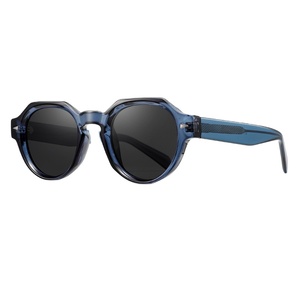
Browse our in-line optical frames, luxury sunglass profiles, specialty safety eyewear, and structural replacement components. Every shape can be customized via OEM/ODM production routes.
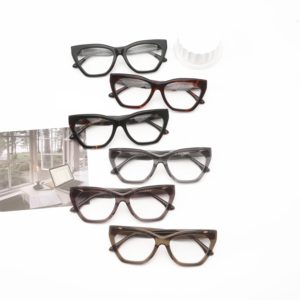
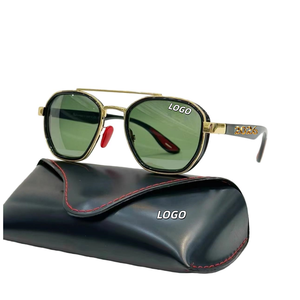
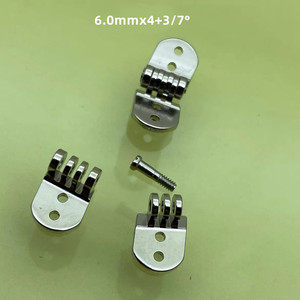
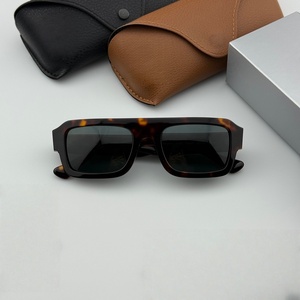
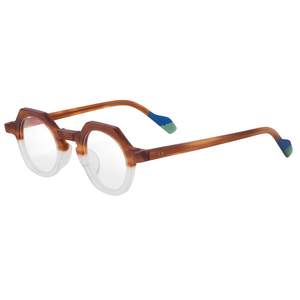
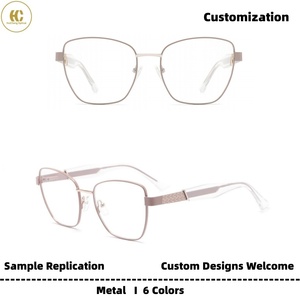
Access our confidential catalog featuring 22 core platform models, over 258 certified acetate color formulations, standard boxing calibrations, and current export container pricing.
Founded in 1985 in Ahmedabad, India, Rushabh Trading Company (RTC Eyewear) has spent more than 41 continuous years specializing in a single category: precision cellulose acetate optical frames and sunglasses. We provide end-to-end bespoke production that protects both design IP and retail timelines.
We transform 2D vector profiles, CAD files, or physical reference frames into tooling configurations, maintaining bespoke exclusivity under private NDA.
Leverage our proven Clarish™ frame architecture to fast-track market entry while tailoring color palettes, temple engraving, and regional fits.
We work exclusively with aged, high-density cellulose acetate sheets derived from cotton linters and sustainable wood pulp, preventing warpage.
Clean trade documentation tailored to international markets with zero-defect export packaging and verified regulatory adherence.
In high-grade eyewear engineering, tolerances are measured in hundredths of a millimeter. However, machines alone cannot yield the tactile comfort demanded by discerning wearers. At our Ahmedabad production center, every frame passes through a hybrid manufacturing lifecycle:
1. Controlled Subtractive Machining: Cellulose acetate sheets undergo multi-axis CNC routing where front rim curves, base curvatures (Base 2 to Base 6), lens retaining grooves, and hinge cavities are cut to exact tolerances. This ensures prescription optical lenses seat securely without distortion.
2. Core-Wire Shooting & Hinge Insertion: Hardened wire cores with decorative bespoke knurling are hydraulically injected into temple shafts at controlled temperatures. Multi-barrel German and Italian-standard hinges are pinned or ultrasonically fused into frame lugs.
3. Multi-Stage Tumbling: Frames spend 72 to 96 hours in progressive tumbling barrels containing birch wood chips, pumice, and specialized finishing pastes to round off sharp cutter paths.
4. Hand Wheel Finishing: Master artisans manually hand-buff bridge bevels, nose contours, and temple ends against soft flannel wheels to create deep, mirror-gloss luster.
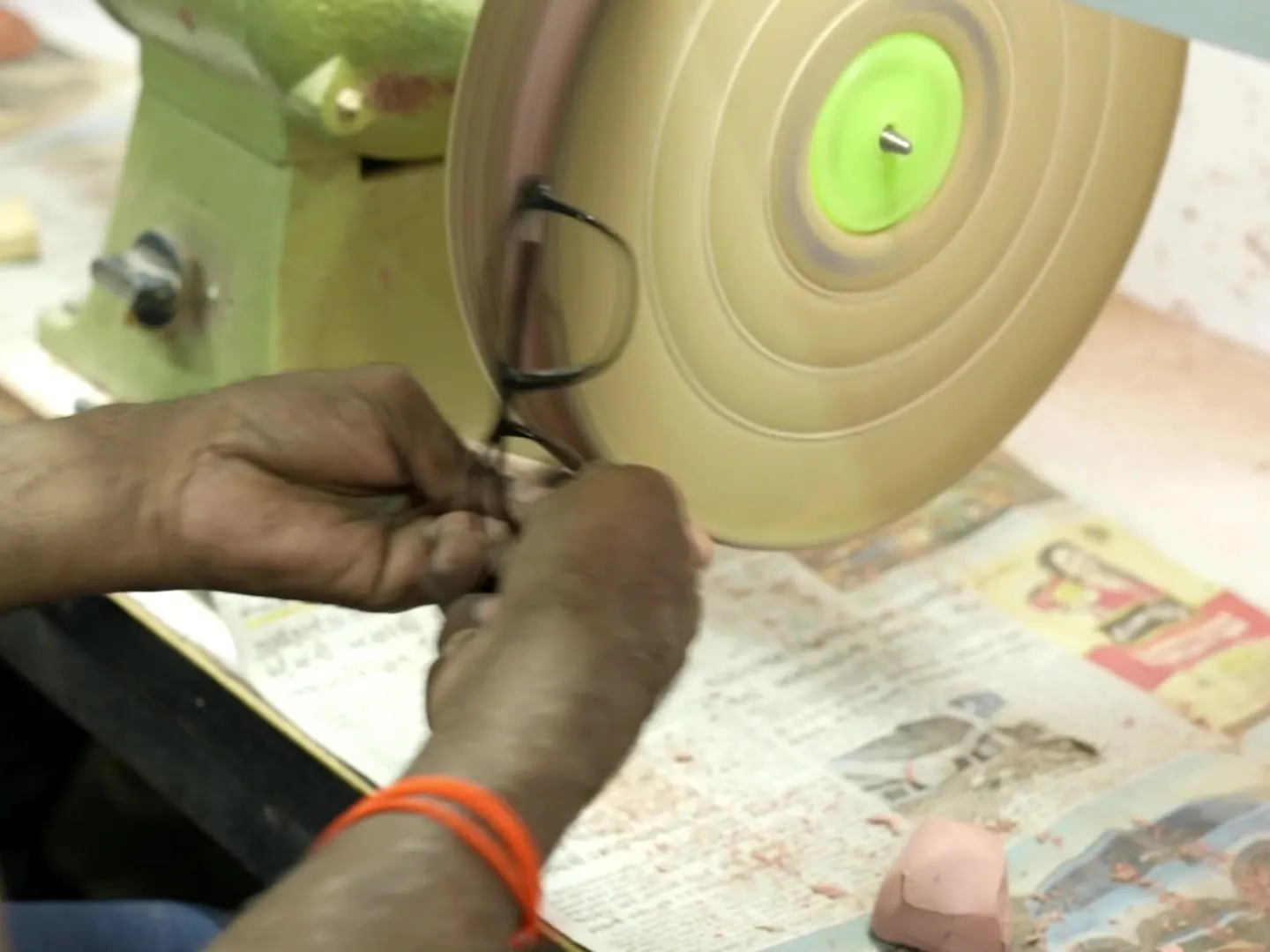
Why Tier-1 luxury brands and medical optometry groups prioritize extruded/cured sheet acetate over injection-molded plastics.
| Evaluation Metric | Cellulose Acetate (Clarish™ Standard) | Injected Polycarbonate / TR90 | Sheet Metal / Stainless Steel |
|---|---|---|---|
| Color Longevity | Permanent; pigment runs entirely through sheet depth. No chipping. | Topical spray coat; susceptible to flaking, fading, and chemical wear. | Electroplated or PVD coated; requires durable barrier layers. |
| In-Clinic Adjustability | Excellent; softens safely at 55°C–65°C for ergonomic optical customization. | Poor; memory plastic springs back, preventing tailored facial fitting. | Moderate; cold-bendable but prone to metal fatigue at stress points. |
| Tactile Density & Feel | Substantial, premium hand-weight (Density: ~1.28 g/cm³) with warm skin touch. | Lightweight, synthetic hand-feel; often perceived as economical. | Rigid, cool to initial touch; dependent on silicone pads for fit. |
| Lens Retention Stability | Consistent 110° bevel groove maintains structural shape across temperatures. | Prone to thermal expansion loosening high-index optical lenses. | Locked via eyewire screws; requires tight torque monitoring. |
Strategic purchasing directors are navigating structural industry shifts. Here are the core procurement criteria shaping global orders over the coming decade.
Global regulatory bodies, particularly in the European Union, are mandating verifiably sustainable alternatives. Procurement is shifting rapidly toward Bio-Cellulose Acetate formulated with bio-based plasticizers, reducing phthalate emissions and ensuring biodegradation under ISO 14855 standards.
Eyewear importers are actively mitigating geopolitical friction and tariff unpredictability by anchoring manufacturing with established non-Chinese partners. Industrial hubs like Ahmedabad, India provide predictable tariff treatments, mature engineering talent, and vertically integrated capabilities.
Rigid 5,000-piece minimum order quantities are being replaced by agile procurement models. Brands require OEM partners capable of high-precision CNC tooling that facilitates multi-color micro-runs (300–500 pcs/colorway), mitigating dead inventory risk while preserving boutique exclusivity.
A systematic, sample-verified engineering roadmap ensuring precision execution for international wholesale contracts.
We analyze optical schematics across eye width, bridge distance, temple length, pantoscopic tilt, and face-form wrap to verify physiological wearability across targeted regional demographics.
Custom fixtures and CNC cutting programs are developed. Physical pre-production prototypes are hand-finished and dispatched to your product team for fitting trials and optical stress testing.
Upon sample sign-off, sheets undergo humidity-controlled curing before CNC routing. Core wires and 3-barrel/5-barrel hinges are integrated into the frame temples and fronts.
Frames undergo systematic 4-day dry and wet barrel cycles, culminating in precision manual buffing that builds a smooth, scratch-resistant surface finish.
High-precision fiber laser etching or automated tampography applies collection identifiers, sizing codes (e.g., 55 □ 19 – 145), and private branding directly along inner temple contours.
Every completed frame is audited against ISO 12870 standard alignment criteria, safely packed into anti-scratch protective sleeves, and crated for air or ocean freight dispatch.
Direct technical answers to common queries raised by sourcing directors, inventory managers, and eyewear entrepreneurs.
Because setup variables depend heavily on raw material availability and custom tooling requirements, we calibrate MOQs to the project profile. For existing in-catalogue ODM models (our Clarish™ platforms), MOQs can start as low as 300 to 500 units distributed across approved colorways. Bespoke OEM projects requiring unique tooling and custom-poured acetate sheet patterns generally start at 1,200 units. Contact our export desk to evaluate your bill of materials.
Facial anthropometry varies significantly between regions. For North American and European markets, bridge widths typically range from 18mm to 21mm with wider temple spreads. For Asian-fit collections, we machine deeper pad arms or integrate built-in raised acetate nose pads (bridge 16mm–18mm) combined with reduced pantoscopic tilt to prevent frames resting on cheekbones.
Yes. Beyond standard 3-barrel and 5-barrel hinges, we can develop custom custom-tooled metal core wires featuring diamond engraving, custom filigree, or brand monograms that show cleanly through translucent acetate colors. We also manufacture replacement hinges and custom titanium/monel hardware combinations.
Our production protocols align strictly with ISO 12870 (Ophthalmic optics – Spectacle frames), EN 1836 / ISO 12312-1 (Eye and face protection for sunglasses), ANSI Z80.3 impact standards, and FDA 21 CFR 801.410 drop-ball shatter resistance testing. Every batch is certified free of hazardous plasticizers and compliant with REACH Regulation (EC) No 1907/2006.
Following initial technical drawing approval, functional prototypes require 15 to 20 business days. Upon physical prototype sign-off and material allocation, bulk CNC milling, core injection, tumbling, manual buffing, and laser branding typically take 45 to 60 calendar days, depending on batch complexity and volume.
Connect with our engineering specialists in Ahmedabad. Review real material swatches, calibrate technical drawings, and receive a transparent bill of materials for your upcoming season.