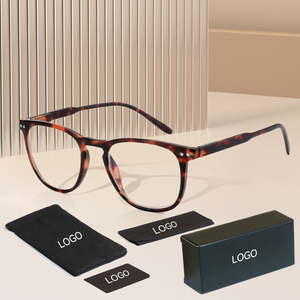
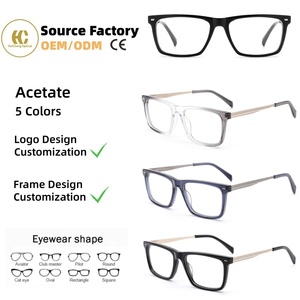
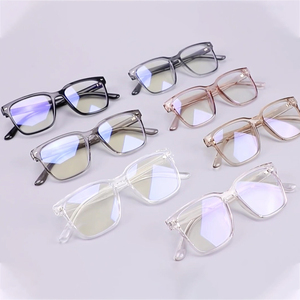
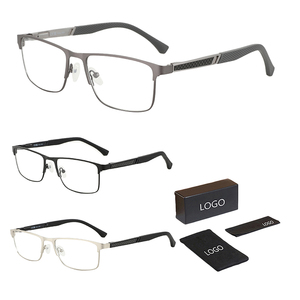
Explore our flagship contract production models available for private label customization, tailored dimensional adaptations, and complete OEM tooling replication. Every frame undergoes high-precision 5-axis CNC routing, core wire extrusion, multi-stage rotary tumbling, and proprietary hand-luffing finishing.

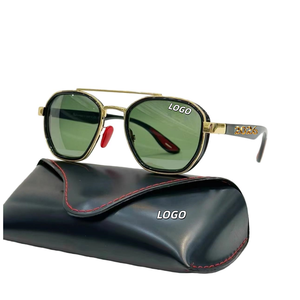
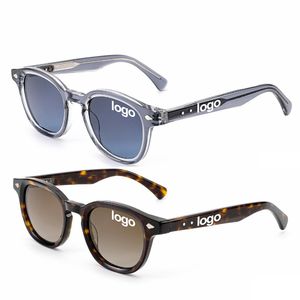

A granular technical analysis for procurement directors, product developers, and optical brand owners. Understanding the material transitions, mechanical tolerances, and industrial tooling required to manufacture world-class eyewear.
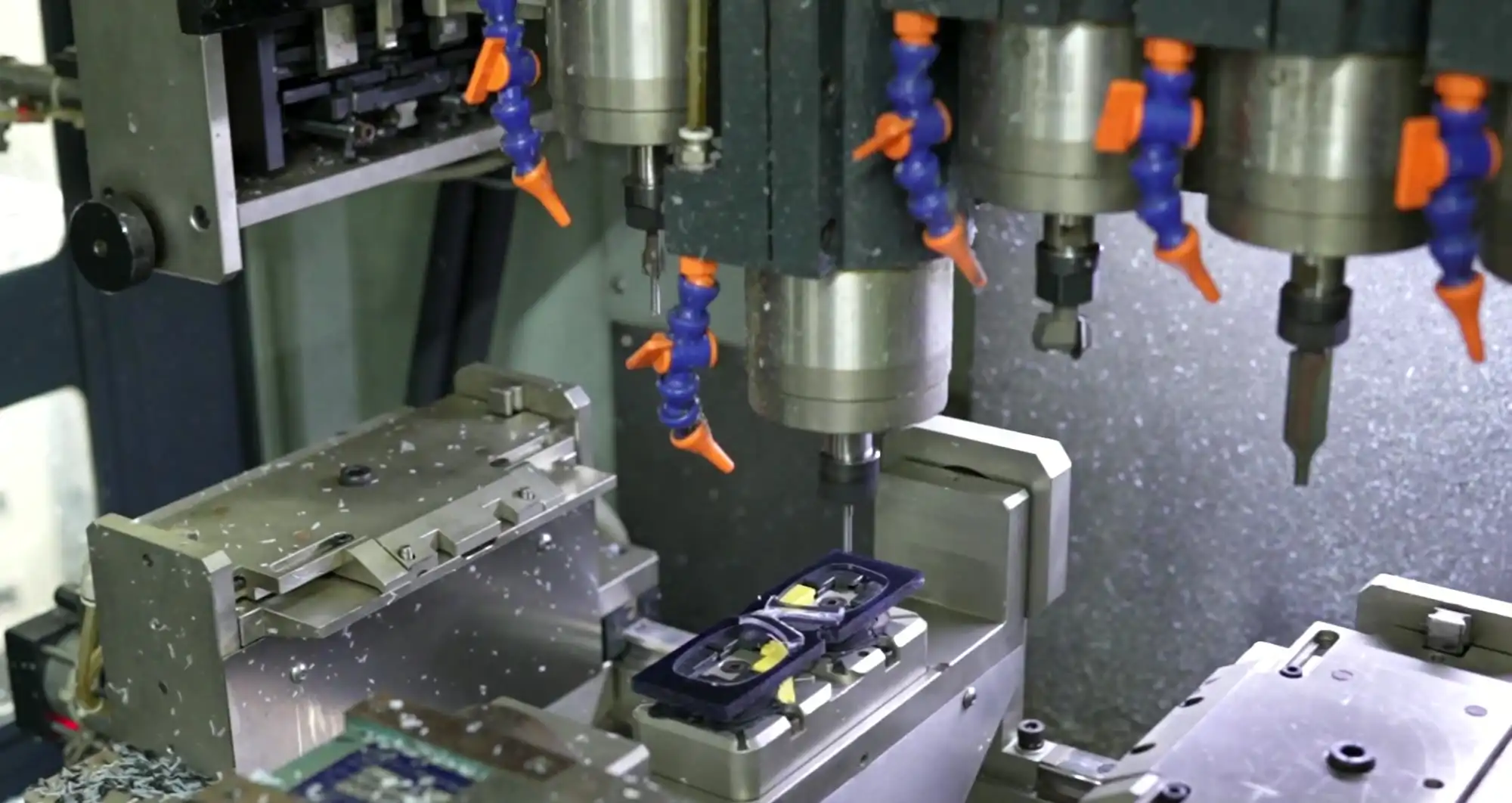
Global optical brands continually navigate the strategic choice between subtractive manufacturing (cellulose acetate slab machining) and additive injection systems (TR90, Grilamid, Polycarbonate). Our contract manufacturing foundry in Ahmedabad pairs high-frequency 5-axis CNC router stations with multi-tier custom tooling.
Unlike standard injection-molded plastics that suffer from weld lines, structural anisotropy, and surface delamination over extended UV exposure, cellulose acetate is machined from dense, extruded organic flakes of wood pulp and cotton lint. The internal tensile strength enables delicate yet rigid profile architectures that maintain dimensional integrity under sustained mechanical stress.
For independent optical labels and multinational chain distributors, our OEM lines deliver exact bevel groove angels (110° to 115° standard optical V-bevel) facilitating drop-in automatic lens edging at standard optical dispensaries without heat cracking or stress-induced frame distortion.
High-end temples require structural memory. We utilize thermo-stabilized pneumatic drive channels to shoot nickel-silver or titanium core wires directly into 3.5mm to 6.5mm acetate paddles without internal air pockets or visual shear trails.
Hinge loosening accounts for over 42% of consumer warranty claims in boutique eyewear. Our contract tooling supports traditional cold-pressed rivets, high-frequency ultrasonic heat staking, and modular concealed barrel hinges.
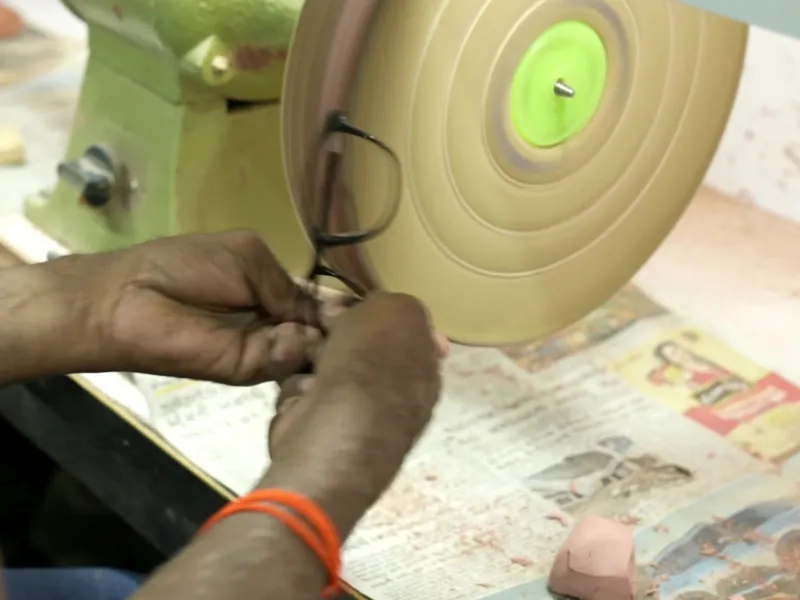
Unlike spray-coated glossy frames that peel, authentic mirror brilliance is born in rotary oak octagonal drums. Frames journey through four progressive abrasive stages: coarse pumice, fine ceramic granules, beechwood chips, and walnut husk oil paste.
The international eyewear landscape is experiencing seismic transformations across supply chain resilience, polymer sustainability directives, smart hardware integration, and tariff optimization strategies.
| Procurement Vector | Legacy Sourcing Paradigm | Next-Gen OEM/ODM Benchmark (2025–2030) | Strategic Competitive Advantage |
|---|---|---|---|
| Raw Material Ecology | Petroleum-derived plasticizers (DEP/DMP) with high carbon footprint. | Certified Bio-Based Cellulose Acetate (>68% renewable plant content) & circular recycled polymers. | Meets strict EU Green Deal mandates, eliminates phthalate compliance hazards, and captures premium ESG retail margins. |
| Geographic Diversification | Over-reliance on centralized coastal mega-factories subject to geopolitical bottleneck risks. | Multi-hub manufacturing footprint with proven export powerhouses like Ahmedabad, India offering tariff advantages. | Mitigates tariff disruptions (e.g., Section 301 tariffs), lowers landing costs, and secures redundant inventory pipelines. |
| Smart Frame Readiness | Solid acetate profiles incapable of housing electronic modules. | Hollowed ergonomic micro-chambers in temples ready for bone conduction, directional microphones, and miniaturized PCBAs. | Allows boutique and sports brands to seamlessly expand into AI-integrated hearables and smart audio eyewear without re-tooling. |
| Tooling Velocity & MOQ | Rigid 1,200 pcs/colorway MOQs with 16-week tooling development latency. | Hybrid 3D SLA rapid prototyping followed by CNC micro-runs (300 pcs/color) with digital master CAD files. | Dramatically compresses time-to-market from 9 months down to 45 days, slashing inventory holding and cash-drag risks. |
| Regulatory Standards | Basic batch sampling with occasional drop-ball tests. | ISO 12870, EN ISO 12312-1:2022, ANSI Z80.3, and UKCA full-spectrum testing under accredited clean-room QA. | Zero customs clearance seizures at EU, US, and UK borders; total compliance across luxury prescription retail chains. |
Driven by strict corporate sustainability reporting directives (CSRD) in the European Union and heightened eco-consciousness among Gen Z consumers in North America, procurement agents are phasing out petroleum-bound thermoplastics. Modern procurement contracts demand cellulose acetate sheets synthesized using triacetin—a non-toxic vegetable glycerin plasticizer.
Simultaneously, performance luxury categories are aggressively integrating 3K aerospace carbon fiber temple structures with traditional Italian-style front rims. This hybridization provides three times the tensile strength of aluminum at half the mass, creating featherlight frames (sub-15g) capable of holding heavy high-minus corrective lenses without sliding down the nasal bridge.
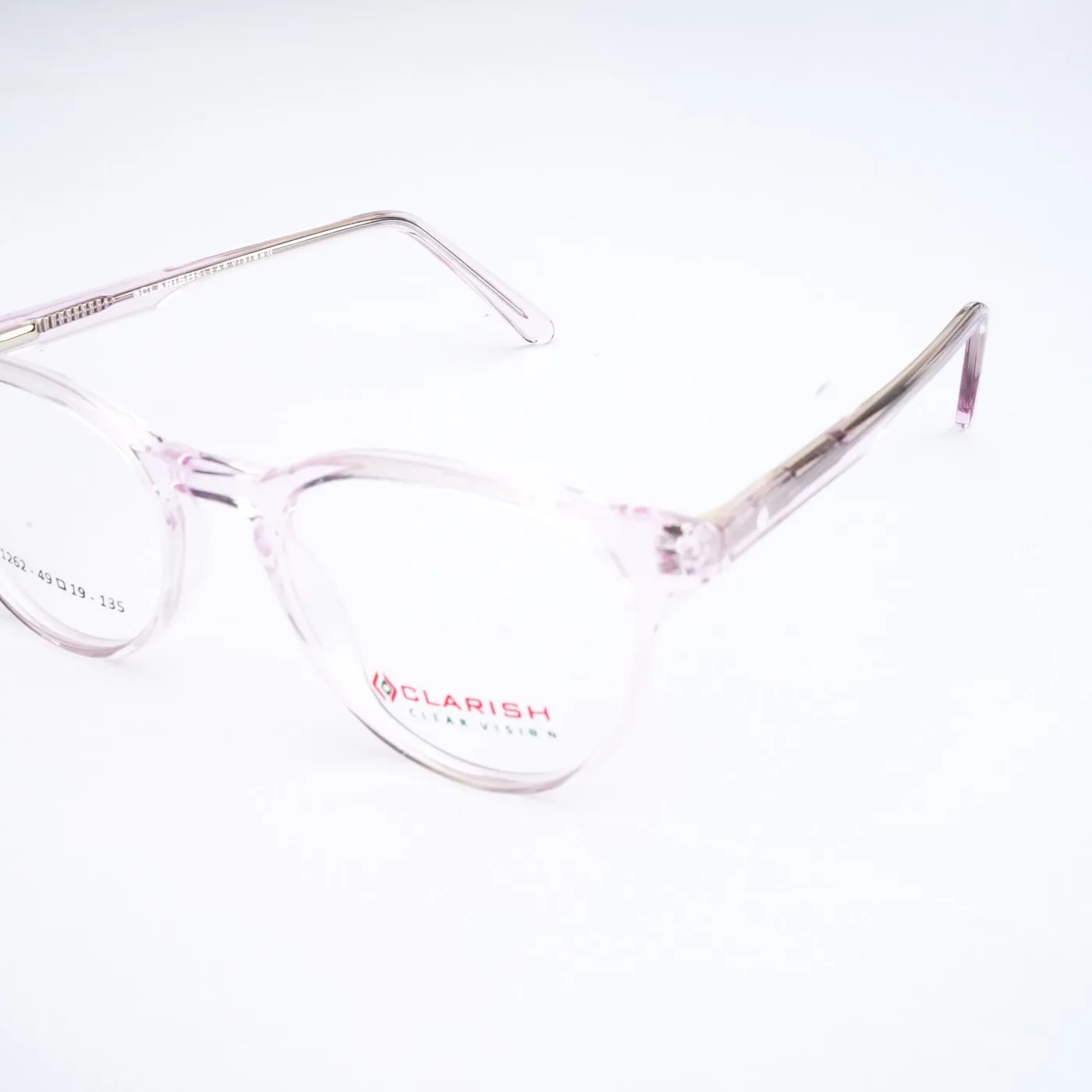
Headquartered in Ahmedabad, Gujarat, our facility unites traditional multi-generational optical craftsmanship with high-throughput computerized engineering. We serve exclusively as a B2B contract partner—we never compete with our clients in consumer retail.
Your blueprints, mold libraries, custom pantone laminations, and core wire engravings are protected by legally binding non-disclosure agreements (NDAs). We never market your private label styles to third-party distributors or retail consolidators.
From micro-pad printing on interior temples and diamond laser cutting to debossed calfskin leather cases, microfiber cloth silkscreening, anti-counterfeit QR barcoding, and destination-ready master retail cartons.
Raw acetate sheet curing and moisture stabilization testing, dimensional tolerance checking, hinge endurance torque stress testing, bridge flexure resistance, and 100% optical inspection under polarized collimated light before boxing.
We eliminate sourcing risk through an uncompromising sample-approval gateway. Before cutting raw slabs for your bulk production run, our rapid prototyping shop provides physical golden master prototypes featuring your exact frame pantone, hinge assembly, and pad-printed temple signatures.
The production parameters of your approved golden master—cutter RPM, feed rate, tumbling duration, and core wire insertion temperature—are permanently locked into our digital shop floor management system. What you evaluate and approve in hand is exactly what rolls off our container pallets.
In-depth answers addressing structural specifications, tooling amortization, regulatory certifications, and international logistics for commercial optical purchasers.
The boxing system (governed by ISO 8624) measures frames in millimeters using three standardized metrics: Lens Horizontal Eye Size □ Bridge Distance – Temple Length (e.g., 54 □ 18 – 145). For brands targeting East Asian markets (Asian Fit / Low Bridge Fit), we engineer elevated 12mm acetate nose pads with narrowed 15-16mm splay angles and reduced pantoscopic tilt (under 6°). For European and North American collections, standard 18-21mm keyhole or saddle bridge geometries with 8°-10° pantoscopic angles are machined.
OEM (Original Equipment Manufacturing) involves engineering a proprietary silhouette from client-provided 2D technical drawings, 3D STEP files, or reference prototypes; tooling, molds, and CNC cutter paths are fabricated exclusively for that client. ODM (Original Design Manufacturing) enables clients to utilize our established archive of proven block shapes while altering colorways, laminate layers, temple cores, and bevel trims. Private Label is our fastest turn-key model: you select frames actively on our lines, and we apply your pad-printed logos, laser engravings, and bespoke luxury packaging.
Because custom acetate requires raw block procurement, slicing, and moisture conditioning (which prevents frame warping), standard custom acetate production runs carry an MOQ of 300 to 500 pieces per model (divided across 2-3 distinct acetate colorways). Injection TR90 and metal hybrid styles carry mold-dependent minimums of 600 to 1,200 pieces. Rapid 3D SLA and CNC physical prototypes are dispatched within 10 to 14 business days. Mass production lead time ranges from 45 to 65 days following golden master sample sign-off, coordinated with seafreight or expedited air forwarding.
Acetate stability is determined by residual solvent removal. Freshly cast or laminated cellulose acetate slabs retain trace solvents that, if unconditioned, evaporate over time and cause asymmetric rim distortion. Our factory mandates a 60-day oven-curing annealing cycle at controlled temperature (45°C–52°C) and relative humidity (35%–40%). This artificial aging cycle expels residual solvents, stabilizes internal crystal orientation, and ensures that machined lens grooves never pinch or expel prescription lenses during transit through tropical or sub-zero climates.
All shipments leave our facility with comprehensive regulatory documentation tailored to destination markets: CE Declaration of Conformity under Regulation (EU) 2017/745 (MDR) for Class I non-sterile prescription frames, ISO 12870 mechanical performance test reports, ISO 12312-1 sunglasses spectral transmittance certificates, US FDA establishment registration dossiers with Drop Ball impact test compliance (21 CFR 801.410), and REACH SVHC / California Proposition 65 heavy-metal and phthalate laboratory screening reports.
Yes. Custom branding capabilities encompass high-precision 2-color pad printing with scratch-proof polyurethane hardeners, precision fiber-laser vector engraving filled with metal enamel, 3D hot-stamped gold/silver foils, and recessed metal logo plaques seamlessly set into temple tips. Packaging solutions range from FSC-certified foldable magnetic kraft boxes, vegan recycled leather hard cases, and high-density rPET microfiber polishing cloths to custom branded shipping master cartons packed to transit drop-test standards.

