Engineered for international optical chains, independent boutique labels, and premium eyewear distributors. Every silhouette can be calibrated in boxing dimensions, organic color blends, and core-wire mechanical architectures.
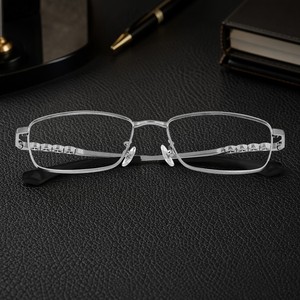
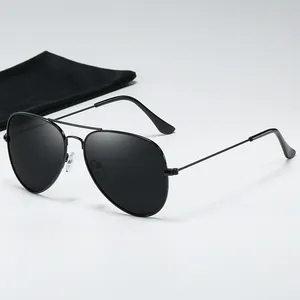

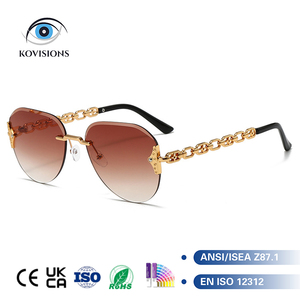

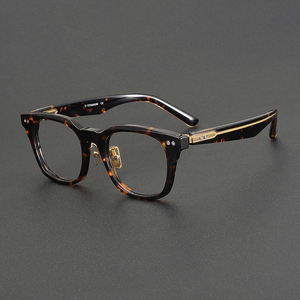
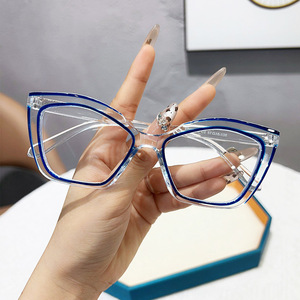
Originating in 1985 in Ahmedabad, India, our manufacturing infrastructure bridges automated five-axis numerical control milling with multi-stage artisan hand-finishing. We engineer frames that provide unyielding mechanical stability and superior dermatological comfort.
We work exclusively with high-density cellulose diacetate cured for a minimum of 90 days. This controlled seasoning prevents post-milling warping and maintains structural dimensional memory across varying climatic zones.
Every front and temple is carved with automated sub-millimeter tolerances (±0.03mm). Precise lens grooves ensure instant cold or low-heat glazing by optical laboratories without stress fractures.
Rather than using superficial spray lacquers, our mirror gloss is generated through three-tier abrasive tumbling using German beechwood chips, pumice granulates, and organic carnauba waxes.
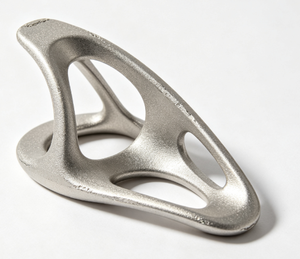
We combine lost-wax micro-cast titanium components, German OBE spring hinges, and custom-engraved internal wire cores to produce frames with long-lasting structural alignment.
In response to international regulatory mandates, carbon disclosures, and changing consumer expectations, global eyewear brands are re-engineering their procurement supply chains around traceability, non-toxic materials, and decentralized production.
Regulatory frameworks such as the European Union’s Corporate Sustainability Due Diligence Directive (CSDDD) and expanded California Proposition 65 requirements are accelerating the transition away from fossil-derived diethyl phthalate (DEP) plasticizers. Buyers are pivoting to bio-acetate containing >68% bio-based carbon confirmed via ISO 16620-4 and ASTM D6866 radiocarbon testing.
Rising labor costs, geopolitical complexities, and maritime bottlenecks have prompted major retail chains in North America, Europe, and the GCC to diversify optical procurement into India. With its deep engineering heritage, lower logistics lead times to Western markets, and zero-tariff bilateral trade agreements, India represents an efficient manufacturing alternative to conventional production hubs.
CNC profile routing inherently generates between 40% to 65% scrap cellulose acetate swarf. Modern OEM procurement contracts mandate the collection, chemical dissolution, and secondary plasticization of production offcuts into recycled black or tortoiseshell acetate sheets, reducing baseline raw material footprints and lowering carbon tariffs.
A data-backed engineering breakdown comparing optical characteristics, biodegradability, and manufacturing performance metrics across polymer grades.
| Evaluation Parameter | Standard Cellulose Acetate | Certified Eco Bio-Acetate | Post-Industrial Recycled Acetate |
|---|---|---|---|
| Raw Material Feedstock | Wood pulp / Cotton linter + Synthetic DEP Plasticizer | Renewable FSC Cotton Linter + Triethyl Citrate (Plant Plasticizer) | Reprocessed factory CNC routing swarf & scrap fronts |
| Bio-Carbon Content (ASTM D6866) | 42% – 48% (Petroleum plasticizer reliant) | 68% – 74% Certified Bio-Based | Variable (Dependent on incoming virgin scrap batch) |
| Biodegradation Profile (ISO 14855) | Non-biodegradable under standard conditions | >90% decomposed in 115 days (Industrial) | Partial biodegradation (Extended timeline) |
| Specific Density & Hand-Feel | 1.28 – 1.32 g/cm³ (Solid, premium tactile weight) | 1.27 – 1.30 g/cm³ (Indistinguishable from virgin) | 1.30 – 1.34 g/cm³ (Slightly higher compaction) |
| Thermal Glazing Adjustability | Softens at 55°C – 65°C (Ideal for in-store opticians) | Softens at 58°C – 68°C (Requires calibrated optical heater) | Softens at 62°C – 72°C (Firmer structural core) |
| Color Clarity & Transparency | Unrestricted: Clear crystal to vibrant layered colors | Superior optical clarity, zero yellowing under UV aging | Optimized for dark Havana, demi, and solid black |
| Chemical Compliance | REACH Annex XVII, SVHC monitoring mandatory | 100% DEP/Phthalate-Free, Prop 65 Exempt | Full REACH compliance on sorted streams |
Essential operational answers covering minimum order quantities, private label tooling lead times, international optical certifications, and supply chain logistics.
For custom OEM production requiring exclusive CNC tooling, customized temple core dies, and bespoke acetate coloration, our baseline volume begins at 300 units per model, broken down into 100 units per colorway. For established Clarish catalog profiles and existing acetates, private label branding programs start at 100 to 150 units per style.
Every raw sheet batch is verified through independent third-party laboratory certifications, including ISO 14855-1 industrial compostability standards and ASTM D6866 radiocarbon dating reports confirming bio-based carbon mass. All frames undergo rigorous testing under EN ISO 12870 (Ophthalmic Optics), EN ISO 12312-1 (Sun Protection), and US FDA 21 CFR 801.410 drop ball impact tests.
Upon sign-off of initial 2D vector CAD layouts, rapid SLA 3D prototype mockups are dispatched within 7 working days. Functional machined cellulose acetate counter-samples are delivered within 21 to 28 days. Once gold-seal approval is locked, bulk manufacturing, barrel polishing, pad-stamping, and optical alignment take 45 to 60 days depending on order depth.
Our facility executes precision pad-printing with solvent-resistant polyurethane inks, micro-laser deep vector engraving, metallic cold-foil stamping, custom wire-core die extrusion, and customized 3D metal temple inlay casting. In addition, we manufacture custom rigid presentation boxes, micro-fiber cloths, and serialized barcode packaging tailored to brand guidelines.
Dimensional stability is secured by using fully seasoned, cured acetate sheets combined with precise CNC step-cutting. After routing, fronts undergo controlled annealing to release residual mechanical stresses before barrel tumbling. Wire-core insertion is done at calibrated hydraulic pressures to ensure that temple curf and pantoscopic angle remain stable over years of handling.
Yes. Our engineering shop integrates CNC-milled acetate rims with Japanese Grade 4 beta-titanium bridges, wire temples, and lost-wax investment cast titanium hinges. We perform all swaging, micro-laser welding, and IP (ion plating) coating in-house, ensuring reliable mechanical joints and corrosion-resistant finishes.
Whether you require full-scale OEM tooling for a global optical launch or a streamlined private label run of bio-acetate sunglasses, our engineering team in Ahmedabad is ready to review your CAD specifications and deliver pre-production samples.

