


Benyi Retro Luxury Designer Thick Frame Square Sunglasses
A Comprehensive Technical Whitepaper on Precision Eyewear Engineering, Cellulose Acetate Processing, Global Supply Chain Dynamics, and Sustainable Optical Manufacturing.
Precision-engineered frames featuring high-density cellulose acetate, surgical-grade stainless steel wire-cores, high-tensile hinges, and customizable lens grooves.
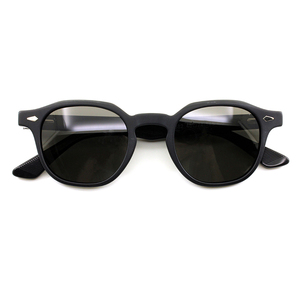
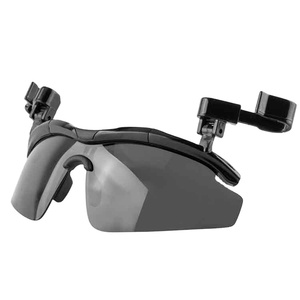
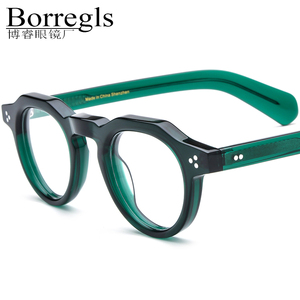
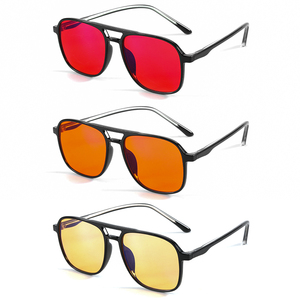
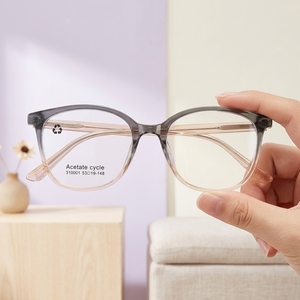
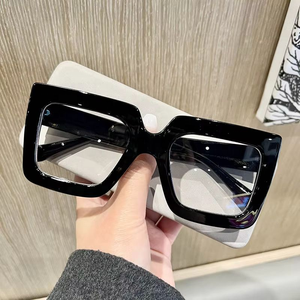
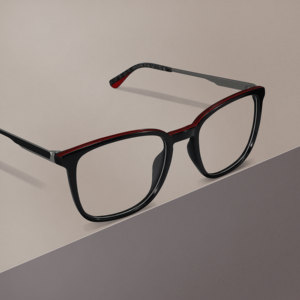
The manufacturing of luxury-grade and commercial fashion optical frames has shifted dramatically from generic commodity pressing to micron-level multi-axis CNC subtractive fabrication. In optical manufacturing, cellulose acetate serves as the ultimate baseline polymer due to its thermo-elastic properties, tactile warmth, and hypoallergenic nature. Originating from natural cotton linters and wood pulp, premium cellulose acetate sheets require rigorous curing processes—often exceeding 60 to 90 days in humidity-controlled kilns—to expel volatile plasticizers and eliminate internal stresses before cutting. Skipping this step leads directly to long-term frame warpage, lens detachment, and unstable bridge spans when delivered to overseas climates.
For high-end OEM and ODM operations, modern computer numerical control (CNC) five-axis milling paths generate the initial rim curve, nose pad profiles, and precise beveling profiles designed specifically for high-diopter lens retention. The critical differentiator between low-tier consumer frames and export-grade spectacles lies in the post-machining treatment. While standard plastic frames rely on basic tumble-polishing with harsh chemical compounds, high-tier manufacturing utilizes an 8-stage barrel cycle loaded with beechwood chips, pumice stones, and specialized vegetable-oil pastes. This mechanical refinement spans over 72 continuous hours, producing smooth anatomical contours before master technicians perform hands-on buffing against rotating muslin wheels.
Furthermore, metal-to-acetate integration demands profound thermal and structural calculations. Precision-heated core wire insertion—shooting customized surgical steel or spring-tempered titanium wires directly along the longitudinal neutral axis of the temple—ensures that opticians worldwide can heat-bend the frame to suit complex cranial profiles without fracturing the laminate structure. High-precision 3-barrel, 5-barrel, and custom spring hinges anchored with custom pin-rivets provide the mechanical tension necessary to withstand 25,000+ open-and-close articulation cycles under standard ISO 12870 laboratory testing environments.
Navigating regulatory disruptions, eco-friendly certifications, dynamic supply chains, and digital prototyping workflows.
Global optical retail brands are transitioning rapidly to diethyl phthalate (DEP)-free bio-based acetate certified by ISCC PLUS and GRS. Frames utilizing non-toxic, bio-based plasticizers ensure compliance with strict EU and US environmental directives while maintaining traditional tactile density and depth of polish.
The contemporary procurement market favors cross-material fusion. Factories with synchronized production capabilities—combining ultra-light Beta-titanium, TR90 memory polymers, high-density sheet acetate, and carbon-fiber laminations—allow brands to deliver structural durability with balanced bridge center-of-gravity.
Supply chain security necessitates alternative geographic capacity. Major international chains are mitigating tariff vulnerabilities and freight volatility by diversifying purchase orders into mature South Asian and regional export hubs, leveraging manufacturing centers that bring decades of focused export documentation competence.
Building private label collections backed by 40+ years of dedicated acetate manufacturing excellence.
Unlike diversified consumer plastic molders, our facility has maintained total operational dedication to optical-grade cellulose acetate fabrication for four decades. The tacit knowledge of curing, cutter path optimization, and edge-radiusing protects your brand from structural defects.
We eliminate inventory risk via pilot sampling. Every angle, hinge friction torque, bridge width, and pad curvature is physically verified and signed off before full-scale automated batch production begins. The approved sample serves as the legal baseline for entire export orders.
Global trade entails more than just loading containers. We engineer retail-ready ecosystems: laser-etched internal temple typography with your regional boxing standard (e.g., 55□18-145), compliant CE/UKCA marking, microfiber cloths, customized folding cases, and destination customs coding.
Direct technical answers addressing engineering parameters, minimum run requirements, and compliance standards.
From final CAD file approval or reference frame digitization, physical tooling and sampling requires approximately 15 to 25 working days. Once the golden counter-sample is certified by the client, bulk production runs typically operate on a 45 to 60-day manufacturing cycle, accounting for material curing, multi-stage barrel tumbling, manual buffing, and ISO-standard QC stress testing.
Facial cranial structures vary significantly between demographic zones. For European and North American programs, we engineer standard deeper bridges and wider nose spreads. For Asian and diverse global distributions, we machine elevated geometric acetate pads or integrate adjustable titanium pad arms directly into the front structure, preventing downward slip while maintaining optimal vertex distance.
We offer high-definition silicone pad printing, ultra-deep laser engraving backfilled with custom epoxy enamels, and inlaid metal hot-stamped foil logos. For luxury collections, we also execute precision CNC recessing of electroformed metallic plaques directly into the temple or temple tips, finished with flush hand-polishing to prevent snagging.
All finished optical frames and sunglasses are built to exceed ISO 12870 (Ophthalmic optics — Spectacle frames) and ANSI Z80.5 requirements. Tests evaluate bridge deformation resistance, temple pull-force endurance, sweat and perspiration corrosion resistance, optical flammability, and high-temperature dimensional stability under prolonged shipping container conditions.
Connect with our technical optical engineering department in Ahmedabad. Send your technical sketches, 2D/3D CAD drawings, or sample references to receive a detailed cost breakdown and physical sampling timeline.