Explore our flagship OEM/ODM models engineered for international optical chains, independent boutique collections, and wholesale importers. Backed by factory-direct capacity, custom tooling, and multi-stage ISO inspections.

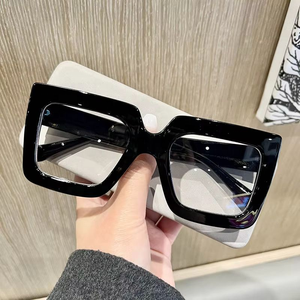
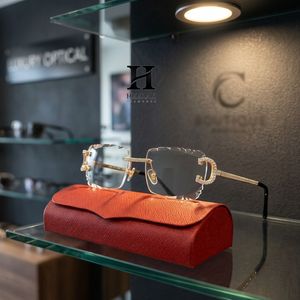

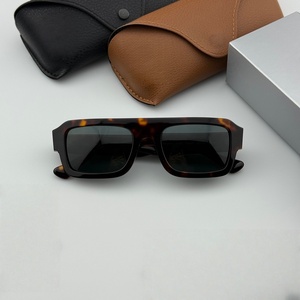
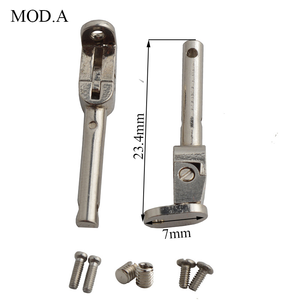
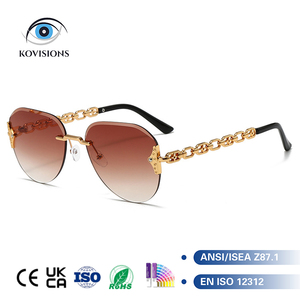
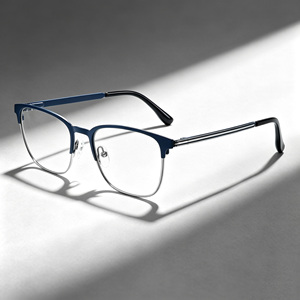
In the international eyewear business, selecting a specialized contract manufacturer is not merely an exercise in finding the lowest quote per unit. A bespoke acetate or titanium frame is an intricate biomechanical medical device that rests directly upon the cranial bones, distributes nose bridge pressure over dozens of hours each week, and must reliably hold optical prescription lenses ground to sub-millimeter tolerances. When international brands and chain opticians commission an OEM/ODM optical frames bulk factory, the factory's material mastery, CNC precision tolerances, and tumbling chemistry dictate brand reputation in retail showrooms.
Rushabh Trading Company (RTC Eyewear) has specialized solely in the high-precision machining, hot-tumbling, hand-buffing, and international private label delivery of cellulose acetate optical frames and sunglasses since 1985. Operating from our industrial production facilities in Ahmedabad, Gujarat, India, we bridge the gap between custom artisanal finishing and high-volume, automated CNC manufacturing. Below is an exhaustive breakdown of the manufacturing variables, boxing system parameters, and metallurgical protocols governing contemporary bulk eyewear procurement.
Unlike low-cost injection-molded plastics (such as standard TR90 or polycarbonates), genuine cellulose acetate is a hypoallergenic, plant-derived bioplastic synthesised from purified cotton linters and wood pulp flakes reacted with acetic anhydride. Because color patterns are cured entirely throughout the material section rather than sprayed onto an external substrate, scratches acquired in daily retail wear can easily be buffed out by dispensing opticians in store.
High-density organic acetate allows for thermo-elastic memory: when an optometrist heats the eyewire bridge in an air warmer to 55°C–65°C, the material stretches slightly to accept high-minus prescription lenses with deep bevels, then contracts securely around the bevel without frame wrap distortion. RTC Eyewear stocks more than 258 certified colorways—from complex Havana tortoiseshells to crystal clear gradients—aged properly in humidity-controlled racks to alleviate internal material stresses prior to 5-axis CNC router profiling.

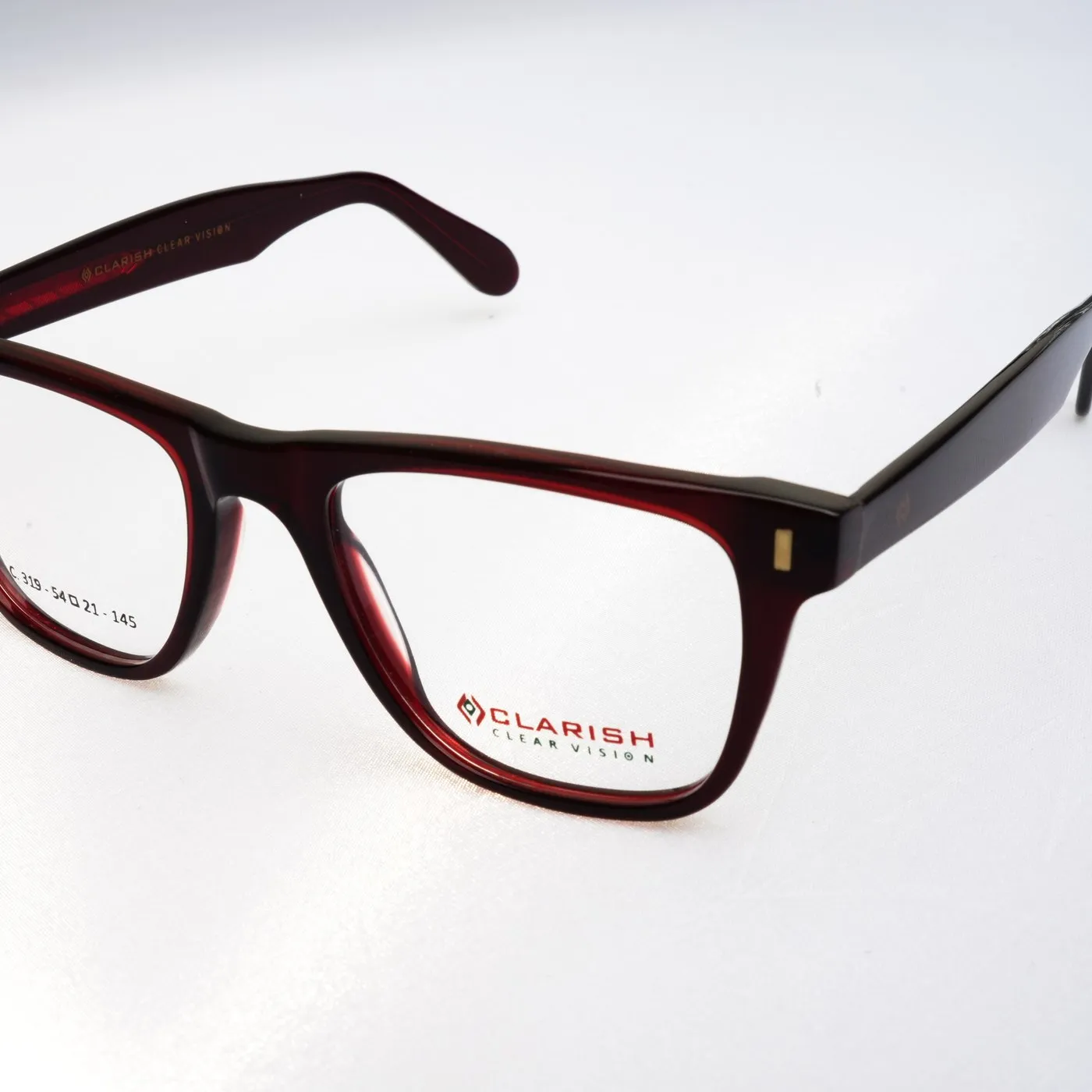
Professional optical procurement requires strict compliance with international standard boxing measurements. When requesting a factory quote for models such as our Clarish™ catalog series or bespoke OEM shapes, buyers define three fundamental parameters: [Lens Width] □ [Bridge Width] – [Temple Length].
| Boxing Parameter | Standard Range (mm) | Engineering Function | OEM Customization Scope |
|---|---|---|---|
| Lens (Eye) Width (A) | 46mm – 58mm | Determines optical aperture, decentration limits, and edge thickness of high-power prescription lenses. | Custom milled in steps of 0.5mm on CNC contour programs. |
| Distance Between Lenses (DBL / Bridge) | 16mm – 22mm | Defines nasal saddle fit, nose pad splay angle, and crest clearance to prevent facial slippage. | Anatomical adaptation for European high bridge vs. Asian low-bridge fit. |
| Temple Arm Length | 135mm – 150mm | Provides mastoid wrap and mastoid process anchoring without excessive ear canal pressure. | Internal wire-core length, shooting angle, and spatula temple contouring. |
| Face Wrap Angle (Pantoscopic Tilt) | 7° – 12° | Balances optical axis alignment with human foveal gaze vectors for progressive lens users. | Engineered into hinge mortise depth and temple butt angle during filing. |
Bulk frame manufacturing combines multi-axis CAD/CAM router automation with human tactile precision. At RTC Eyewear, our 8-stage manufacturing protocol guarantees that zero internal stress points remain in the acetate frame fronts:
Raw sheets (4.0mm to 10.0mm thickness) are inspected for molecular void density and oven-stabilized to prevent warping post-machining.
High-speed diamond cutters mill eyewire contours, optical lens bevel V-grooves (standard 110° angle), and internal hinge mortises.
Nickel-silver patterned cores are high-frequency shot into heated acetate temple arm blanks to allow customized cold-bending adjustments.
Frames spend 72 cumulative hours in octagonal wooden barrels filled with pumice stones, birch chips, and polishing wax to round all edges.
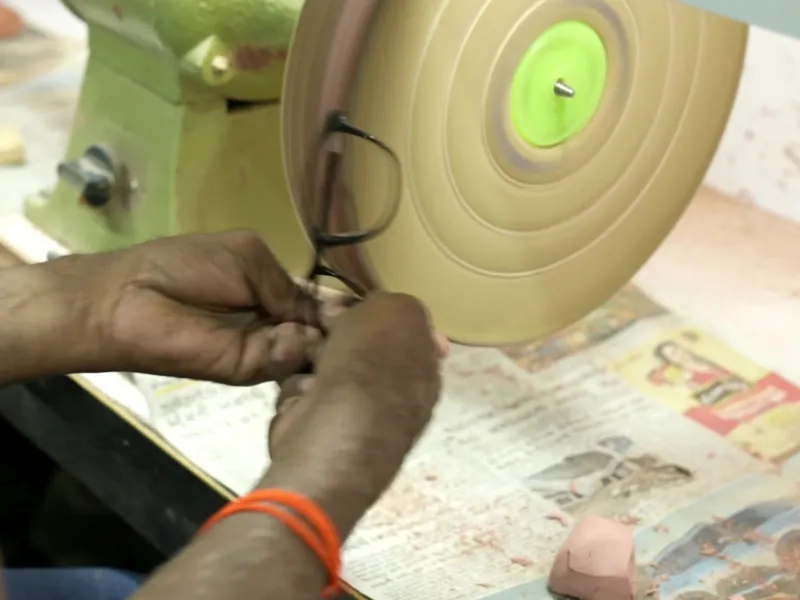
"A computer-guided CNC machine guarantees dimensional accuracy, but only an experienced human artisan creates lasting comfort." While automated machines carve the geometric profiles, the final tactile experience depends on manual craftsmanship. Our craftsmen manipulate every frame front across rotating cotton and flannel mops coated with proprietary micro-crystalline rouge.
This manual luster cannot be emulated by sprayed lacquers (which peel or discolor when exposed to human sebum and cosmetic oils). Following polishing, hinges are trued using torque-calibrated screwdrivers and checked on flat marble reference plates to ensure that both temple arms open with symmetrical resistance and rest with zero gap.
How international regulations, ESG standards, smart wearable integration, and supply chain re-shoring are shifting buyer strategies across Europe, North America, and the Asia-Pacific.
With the European Union's Corporate Sustainability Due Diligence Directive (CSDDD), major retail networks are requiring Global Recycled Standard (GRS) cellulose acetate and phthalate-free plasticizers (diethyl phthalate replaced by vegetable-based triethyl citrate). Factories with closed-loop swarf recycling are securing long-term volume agreements.
Importers are mitigating geographic concentration risks by building secondary supply hubs in South Asia. RTC Eyewear's established manufacturing hub in Ahmedabad, India, provides duty advantages, multi-lingual trade documentation, and supply chain resilience that insulate retail programs against sudden trade tariffs and maritime bottlenecks.
Consumer demand has moved decisively toward featherweight luxury. The fastest-growing B2B product segment couples 0.4mm Japanese beta-titanium wire temples with high-density 4.0mm acetate rim inserts (windsors). Factories must master both metal stamping/PVD sputtering and organic tumbling in unified assembly bays.
The emergence of assisted-reality prescription eyewear requires temple arm cavities capable of housing micro-PCBAs, bone conduction transducers, and lithium-polymer coin cells without sacrificing the frame's ability to be heat-adjusted behind the ear. OEM factories must accommodate internal micro-CNC chambering.
In sun and designer optical categories, chunky 8.0mm to 10.0mm slab acetate frames with pronounced television beveled eyewires and diamond-cut facets dominate current orders. Producing these frames without excessive head weight demands precision inner skiving and step-down milling.
Digital direct-to-consumer (D2C) brands rely on agile test-and-learn seasonal drops. Forward-thinking factories support rapid 3D optical simulation, CNC sample mockups delivered in 7 to 10 days, and tiered MOQ structures per colorway to minimize dead inventory for brand partners.
Four decades of manufacturing discipline in Ahmedabad, India. We operate on a strict trade-only supply model, ensuring zero consumer channel conflict for our brand and retail partners.
Since 1985, our sole manufacturing focus has been cellulose acetate and prescription eyewear. Our tooling engineers, CNC programmers, and tumbling masters bring decades of tactile experience to every batch.
We adhere to a strict "sample first, scale second" policy. Production lines only begin bulk cutting after your engineering team has signed off on physical golden samples with stamped logo graphics.
Complete documentation for major import hubs: CE marking (EN ISO 12870 for ophthalmic frames), FDA device registration, GRS eco-chain of custody tracking, and export-compliant barcoding.
Our Clarish™ catalog provides a turn-key private label foundation. Select existing molds for rapid market entry, or modify bridge widths, eyewire thicknesses, and temple hardware to fit your brand identity.
Our OEM/ODM agreements are built to protect your brand equity. RTC Eyewear never places its factory mark on private label products. From laser etching inside the temple to pad-printed foil signatures on demo lenses, your brand takes center stage.
Key questions asked by supply chain managers, brand directors, and optical retail buyers before submitting an RFQ or issuing sample purchase orders.
OEM (Original Equipment Manufacturer): You provide proprietary 2D technical drawings (CAD/DXF), 3D render files (STP/IGES), or a vintage physical reference frame. We build custom CNC cutting paths, fabricate dedicated tooling, source matching custom acetate sheets, and produce the frame exclusively for your brand.
ODM (Original Design Manufacturer): You select an existing geometric silhouette from our Clarish™ catalog and adapt specific dimensions—such as expanding the eye size from 52mm to 55mm, modifying temple wire core engraving, or ordering custom acetate lamination layers.
Private Label: You select frames directly from our 22 in-production models and 258 catalog colourways. We apply your logo, custom temple typography (e.g., model name, size boxing, CE/UKCA marks), and pack them in your branded cases and boxes. This offers the fastest route to market with minimized lead times.
Because optical frame runs involve complex multi-barrel tumbling and CNC machine setup, our standard MOQs are tailored to provide economic tooling efficiency:
• Clarish™ Catalog Private Label: 300 to 500 pairs per model, distributed across 2 to 3 colorways (approx. 100–150 pairs per color).
• Fully Custom OEM Projects: 600 to 1,200 pairs per tooling mold depending on sheet customisation.
• Sampling Turnaround: CNC prototype functional samples are delivered within 10 to 14 business days. Pre-production counter-samples complete with brand packaging take approximately 25 to 30 days. Full bulk production cycles typically range between 55 and 75 days depending on material availability.
Prescription optical frames are only as good as their eyewire bevel. If the internal groove is cut too deep, shallow, or unevenly, automated edging machines at optical labs will generate lens gap errors or lens popping under thermal stress.
At RTC Eyewear, our 5-axis CNC cutters rout an industry-standard 110° V-groove with consistent depth tolerances (±0.02mm). Each batch is verified using optical comparator shadowgraphs and test-glazed with dummy CR-39 demonstration lenses across standard base curves (Base 4 and Base 6) before barrel tumbling and final packing.
Yes. Nasal bridge anatomy varies significantly across target sales regions. In standard European fit frames, the nose pad crest sits wider (18mm–20mm) and shallower. For Asian and alternative-fit markets, we offer two manufacturing solutions:
1. Integrated Built-Up Pads: Multi-axis CNC routing that leaves thicker, deeper acetate pads with a steeper splay angle to elevate the frame off higher cheekbones.
2. Adjustable Metal Pad Arms: Titanium or stainless steel pad arms ultrasonically embedded or riveted into the acetate eyewire, fitted with hypoallergenic silicone or titanium shell pads for multi-axis optometric adjustment.
All bulk optical eyewear shipments leave our factory ready for import clearance into tier-1 markets:
• European Union: Fully compliant with Regulation (EU) 2017/745 on Medical Devices (Class I) and EN ISO 12870 (Ophthalmic Optics – Spectacle Frames). Sunglasses comply with EN ISO 12312-1.
• United States: FDA registered facility for spectacle frames (21 CFR 886.5844) and impact resistance drop ball testing (21 CFR 801.410) for sunglass lenses.
• Chemical Safety: REACH Annex XVII certified (nickel release rates below 0.5 μg/cm²/week for metal components in prolonged direct contact with skin) and zero hazardous phthalates.
No. We are strictly an industrial B2B manufacturer and exporter. We work exclusively with eyewear brands, optical retail chain buyers, wholesale distributors, independent optometry practices, and corporate procurement entities. We never compete with our clients in direct-to-consumer (D2C) channels or optical retail stores.
Whether you are developing a new custom acetate collection from technical CAD drawings or looking to private-label our proven Clarish™ catalog series, our export engineering team in Ahmedabad is ready to discuss tooling, material availability, and competitive volume pricing.

