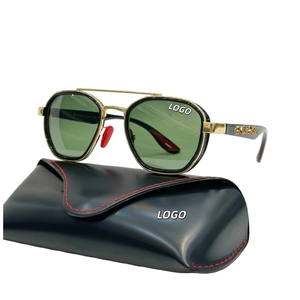
Pre-engineered silhouettes available for immediate private label branding, custom acetates, polarization upgrades, and rapid-turn tooling validation.
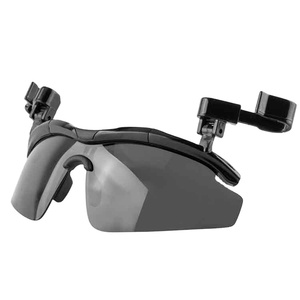
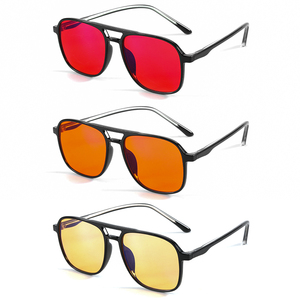
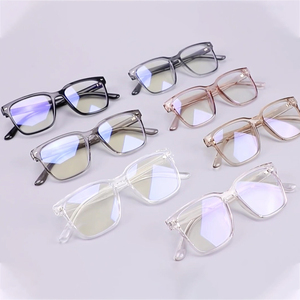
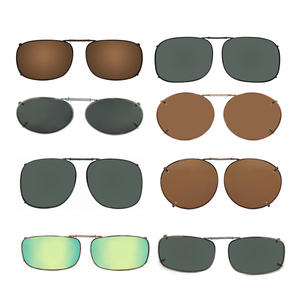
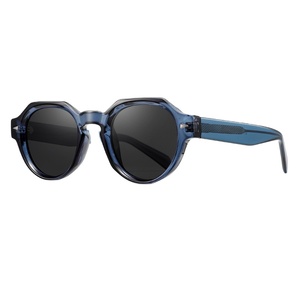
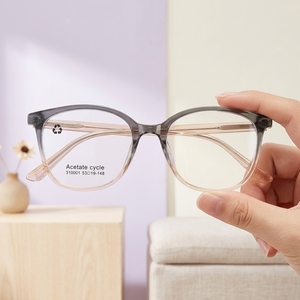
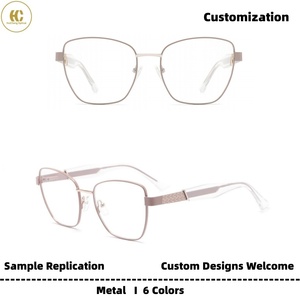
Four decades of proprietary CNC machining, multi-stage barrel tumbling, and hand-buffed artistry operating from our specialized manufacturing hub in Ahmedabad, India.
Complete custom tooling from 2D engineering drawings, parametric 3D CAD files, or physical bench reference frames with strict brand exclusivity contracts.
Accelerate time-to-market using our verified Clarish™ optical geometries. Modify eye-size, pantoscopic angle, bridge span, and color laminate combinations effortlessly.
Zero factory identification. Precision temple laser-etching, internal gold-foil hot stamping, custom core-wire stamping, and bespoke micro-fiber retail packaging.
Seamless international shipping under HS Code 9003/9004. Comprehensive testing documentation compliant with CE EN ISO 12312-1, ANSI Z80.3, and FDA drop-ball criteria.
In high-end optical retail and luxury sunglass distribution, material choice defines structural stability, retail valuation, and aftermarket optometric adjustment. While mass-market frames rely on generic injection-molded polycarbonate or cold-extruded plastics, institutional private labels depend on Cellulose Acetate Sheet and Swiss EMS Grilamid TR90.
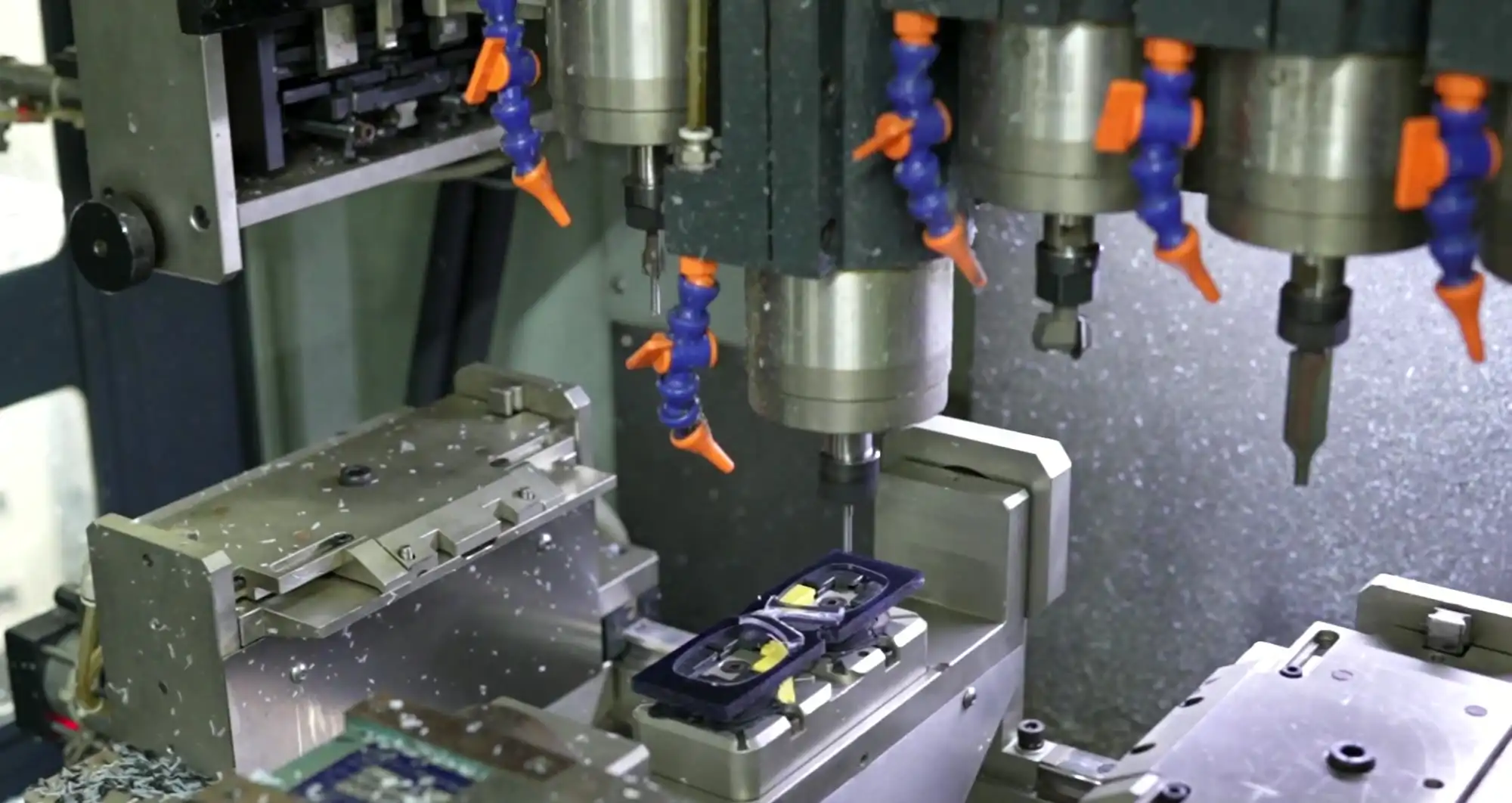
Cellulose acetate is a bio-based polymer derived from processed cotton linters and sustainable wood pulp. Unlike petroleum synthetics, acetate is manufactured in massive cured blocks, sliced into calibrated sheets (typically 4.0mm to 8.0mm), and matured to eliminate volatile plasticizers. This structural density allows intricate 5-axis CNC machining of deep lens bevels and complex pantoscopic tilts that will not distort under varying ambient temperatures.
For active sports and ultra-featherweight everyday eyewear, TR90 memory polymer provides a transparent polyamide base with an exceptionally high flexural fatigue strength. It resists UV photo-degradation, withstands chemical contact with sweat and sunscreens, and eliminates hinge failure under excessive torsional torque.
| Material Classification | Specific Gravity | Lens Bevel Retention | Adjustability / In-Store Fit | Target Retail Tier |
|---|---|---|---|---|
| Cured Cellulose Acetate Sheet | 1.28 – 1.32 g/cm³ | Exceptional (V-Groove CNC Cut) | Thermal Softening (60°C – 70°C) | Premium to Luxury ($95 – $350+) |
| Swiss Grilamid TR90 Memory Polymer | 1.00 – 1.04 g/cm³ | High (Interlocking Molded) | Elastic Cold Memory (Non-Thermal) | Sports / Clinical ($45 – $140) |
| Corrosion-Resistant Monel & Titanium | 4.50 – 8.80 g/cm³ | Rigid (Lock-Screw Wire Channel) | Plier Precision Manipulation | Heritage Designer ($120 – $400+) |
| Standard Injection Polycarbonate | 1.20 – 1.22 g/cm³ | Moderate (Subject to Creep) | Brittle (Cannot be adjusted) | Fast Fashion Promo ($10 – $35) |
Strategic purchasing managers are fundamentally restructuring their vendor matrices. Below are the macro-economic and engineering shifts dictating contract manufacturing contracts over the coming fiscal decade.
Global optical brands are actively diversifying manufacturing footprints outside traditional coastal hubs to mitigate trade friction, anti-dumping tariffs, and supply disruptions. India has rapidly emerged as the premier manufacturing alternative, providing:
Corporate sustainability mandates now govern optical procurement. Major optical groups require documented proof of carbon footprint reduction and non-toxic additives:
The line between high-fashion sunglasses and wearable performance technology is vanishing. Modern OEM orders increasingly require custom mechanical channel integrations:
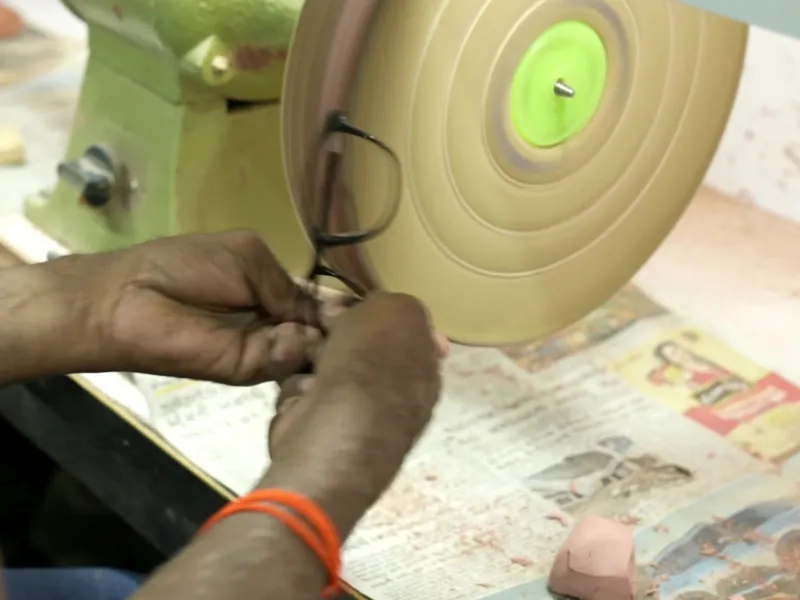
Every frame produced under our private label umbrella traverses an uncompromising 8-stage manufacturing itinerary designed to eliminate warranty returns and consumer disaffection.
Raw acetate planks are rested in temperature-controlled drying kilns for up to 14 days to stabilize internal plasticizer distribution, mitigating downstream shrinkage or warping.
Front silhouettes, nose bridges, and internal lens bevels are milled on precision German and Italian CNC routers to an exact dimensional accuracy of ±0.05mm.
Stainless steel or German silver wire cores are heated and driven through temple blanks under 80 Bar hydraulic pressure, providing structural rigidity and infinite temple adjustability.
Frames spend three continuous days in rotary wooden barrels loaded with graded beechwood chips, pumice powders, and vegetable oils to eliminate tooling striations.
Master polishers hand-guide each front and temple against unbleached muslin cloth wheels treated with diamond paste, achieving a deep, organic luster unattainable through lacquers.
Everything you need to know about tooling timelines, Minimum Order Quantities (MOQs), optical conformity, and custom packaging workflows.
For existing catalogue models (ODM / Private Label from our 22 proven Clarish™ silhouettes), MOQs start at 300 pieces per model, distributed across 2 to 3 acetate colorways. For fully bespoke OEM projects requiring dedicated mold tooling and specialized metal hinge development, initial pilot runs typically require 600 to 1,200 pieces depending on raw material customization.
All frames adhere strictly to the ISO 8624 Boxing System (e.g., 55 □ 18 – 145). The first value (55mm) represents the horizontal lens width (eye size); the second (18mm) denotes the shortest distance between lenses across the nasal bridge; and the third (145mm) is the total temple length measured from the hinge pivot to the terminal tip. Custom sizing can be parametrically scaled for specific demographic bridge contours.
We configure production runs with Triacetate Cellulose (TAC) polarized lenses, high-impact polycarbonate, bio-based nylon, or mineral glass. Standard configurations include Category 3 solar transmission, UV400 broadband shielding (blocking 100% of UVA/UVB rays up to 400nm), and compliance with FDA 21 CFR 801.410 drop-ball impact resistance, CE EN ISO 12312-1:2022, and AS/NZS 1067.1.
Pre-production physical counter-samples are dispatched within 14 to 21 working days following CAD drawing sign-off. Upon physical sample approval and deposit confirmation, mass bulk machining, tumbling, hand assembly, and optical QC require 45 to 60 calendar days. Repeat runs of active catalogue tooling deliver within 30 to 40 days.
Yes. We offer heavy-duty 3-barrel, 5-barrel, and 7-barrel hinges, stainless steel OBE stop hinges, and internal flex spring hinges. We execute deep pad-printing, fiber-laser marking, inside-temple metallic foil hot stamping, and individual model/batch sequential numbering for luxury traceability.
No. RTC Eyewear operates exclusively as an institutional B2B contract manufacturer and exporter. We partner solely with established optical retail chains, private eyewear labels, independent boutique distributors, optometrist buying cooperatives, and corporate promotional procurement teams worldwide.
Direct factory pricing, decades of specialized acetate craftsmanship, and complete white-glove export handling. Connect directly with our optical engineering team today to review technical drawings or request our comprehensive product catalogue.