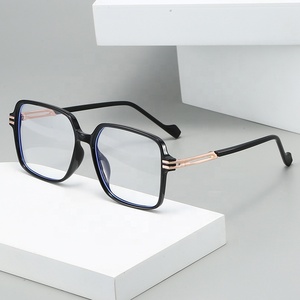
Source high-performance optical spectacles, eco-friendly sunglasses, and precision casting hardware directly from certified production lines. Engineered for global private label programs and wholesale distributors.
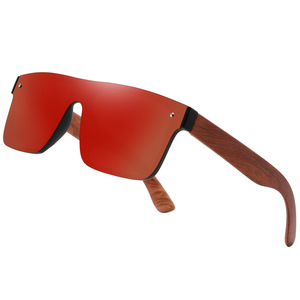
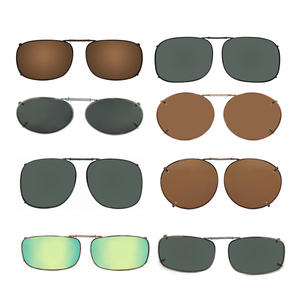

International eyewear procurement is undergoing its most radical transformation since the advent of industrial injection molding. Brand directors, retail chain category managers, and optical importers are actively transitioning away from single-use petroleum polymers toward certified bio-based, circular, and low-carbon materials.
With the enforcement of the EU Green Claims Directive and Extended Producer Responsibility (EPR), generic eco-claims are no longer acceptable. Brands importing optical goods require verifiable Chain of Custody (CoC), ISO 14855 compostability verification, and documented reductions in carbon footprints.
Rooted in Ahmedabad, Gujarat, India since 1985, our manufacturing facility provides European, American, and APAC importers with geographical diversification. Bypassing punitive tariff shifts and concentrated supply chokepoints, our integrated workshops guarantee stable delivery cadences.
Unlike cheap plastics painted on the exterior with volatile organic compounds (VOCs), premium cellulose acetate sheet features deep, through-body saturation. Everyday scuffs, micro-abrasions, and optical lab adjustments reveal identical shade and crystalline clarity throughout the entire section.
Compare fundamental mechanical, environmental, and thermal properties before specifying bills of materials for your next seasonal optical or sunglasses collection.
| Engineering Parameter | Virgin Cellulose Acetate (RTC Standard) | Petroleum Injection TR90 | Recycled Post-Consumer Polycarbonate |
|---|---|---|---|
| Base Feedstock | Bio-Based (Cotton Seed Linters & FSC Wood Pulp) | Fossil Hydrocarbons (Petroleum Polyamide) | Reprocessed Post-Consumer Electronic Waste |
| Plasticizer Technology | Phthalate-Free Bio-Plasticizers (Citrate Esters) | Synthetic Plasticizers / Oligomers | Residual Additives & Bisphenol Compounds |
| Thermal Workability in Optical Labs | High (Plastifies cleanly at 55°C–65°C for temple bending) | Poor (Memory-retaining, snaps if overheated) | None (Rigid, brittle under thermal stress) |
| Surface Finish & Polishing Depth | Multi-Stage Barrel Tumbling & Hand-Buffing Wheel Luster | Molded Gloss or Spray-Coated Lacquer | Vulnerable to Delamination & Solvent Hazing |
| Tensile Strength / Density | 1.28 - 1.32 g/cm³ (Substantial tactile weight) | 1.14 - 1.18 g/cm³ (Ultra-light, perceived as low cost) | 1.20 - 1.25 g/cm³ (Standard structural rigidity) |
| End-of-Life Biodegradability | Biodegradable in industrial conditions (ISO 14855) | Non-biodegradable (Persists >400 years) | Mechanically Recyclable (Degrades in molecular weight) |
Rushabh Trading Company does not operate as an intermediary broker. We run our own precision toolroom, CNC routing cells, and artisan hand-finishing suites in Gujarat, India. Our proprietary Clarish™ collection serves as the engineering benchmark for brands across 38 global markets.
Every bridge curvature, rim bevel, and wire core channel is mapped to micron tolerances (±0.05mm). We mill straight from stabilized multi-layer blocks to eliminate post-machining shrinkage and lens grooving variance.
No chemical dipping or lacquer sprays. We tumble raw frames through beechwood chips, pumice granules, and polishing paste over 72 continuous hours, capped with hand-wheel buffing for an organic, deep gloss.
Zero surprises in production. We engineer 1:1 physical master prototypes for every custom OEM brief, confirming optical center lines, temple tension, nose bridge fit, and laser markings prior to bulk sheet batch allocation.
Direct door-to-port and door-to-distribution delivery. Complete documentation including Certificates of Origin (COO), REACH declarations, FDA drop-ball impact test certs, and customized barcode/UPC labeling.
How top-tier optical chains and forward-thinking eyewear conglomerates are re-architecting their purchase orders, material criteria, and supplier scorecard audits over the next five years.
Importers are demanding QR-encoded or RFID-integrated temple tips that link each frame to a decentralized digital passport. End wearers and customs inspectors can trace the virgin raw cotton provenance, chemical safety tests, and recycled scrap fraction in real time.
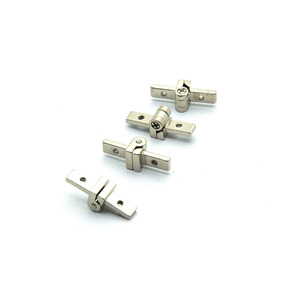
Traditional hinges fused directly into plastic create recycling nightmares. Sourcing contracts will increasingly mandate solderless, demountable titanium hinges and magnetic fasteners, permitting end-of-life frames to be disassembled mechanically into 100% pure recycling streams.
In standard CNC frame routing, up to 60% of the raw acetate sheet is carved away as scrap shavings (swarf). Leading wholesale factories must now implement dry-vacuum closed loops that recover, micronize, and repolymerize this swarf back into circular black or tortoise sheets.
Explore the engineering frontiers that merge bio-chemistry, lost-wax metallurgy, and precision optics to deliver high-margin, shelf-ready collections.
By blending renewable biogenic feedstocks with certified circular polymers, mass-balanced cellulose allows brands to achieve drastic scope 3 carbon offsets without sacrificing chemical compatibility, lens stability, or polishing brilliance.
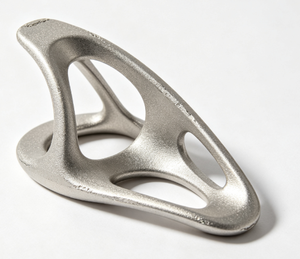
Moving beyond pressed sheet hinges, titanium alloy casting allows organic, anatomical joint geometry. These micro-cast components deliver supreme corrosion resistance in coastal climates while cutting frame temple assembly mass by over 45% compared to nickel brass.
Traditional brand temple stamping uses high-VOC hydrocarbon solvents. Modern factory setups deploy UV-curable, waterborne polyurethane inks and micro-milled laser engraving that remain completely phthalate-free, non-toxic, and resistant to facial sebum degradation.
Direct, technically rigorous answers addressing typical concerns raised by sourcing directors, optometrists, and private label procurement specialists prior to sampling.
Cellulose acetate is a specialized semi-synthetic biopolymer crafted from natural cotton linters and wood pulp. Unlike petroleum resins that are liquified and shot into steel injection molds, acetate is cast into dense, multi-ply sheets and aged. Frames are subsequently sculpted via 5-axis CNC cutters and hand-tumbled. This produces through-body coloring (scratches do not expose a white plastic core), superior tactile density, and the essential ability for opticians to heat, contour, and customize the temple tips and bridge to an individual customer's cranial anatomy in optical retail stores.
Because RTC Eyewear operates dedicated production cells in Ahmedabad, our MOQ parameters are engineered to match commercial launch strategies. For active in-catalogue Clarish™ acetate silhouettes with private label markings, minimums begin at 300 to 500 units per style (distributed across 2 to 3 colorways). Bespoke OEM projects requiring custom CNC tooling, proprietary pantone sheet casting, and custom lost-wax hinges typically commence at 1,000 units. Master physical sampling spans 15 to 21 working days; bulk manufacturing runs generally finalize in 45 to 60 days from final sample sign-off.
Our raw cellulose acetate slabs are strictly formulated using non-phthalate bio-plasticizers derived from vegetable oil and citric acid esters, adhering fully to EU REACH Regulation (EC) No 1907/2006, RoHS standards, and California Proposition 65 thresholds. Material batches undergo routine testing for chemical migration, skin irritation, and cytotoxicity. Furthermore, our bio-acetate demonstrates industrial compostability under standard ISO 14855 / ASTM D6400 testing parameters, breaking down into water, CO2, and biomass without releasing microplastic residue.
The standard optical boxing system provides exact millimeter dimensions necessary for optical lens edging, laboratory surfacing, and facial ergonomics. The first number (e.g., 56) represents the horizontal eye/lens width at its widest point. The square symbol denotes boxing protocol, followed by the bridge width (e.g., 18 mm), which is the narrowest anatomical distance across the nasal crest. The final number (e.g., 145 mm) measures the overall temple arm length from the hinge dowel center around the ear bend. In our ODM adaptation services, modifying these three figures is routine to calibrate fit profiles for diverse geographical demographics (e.g., Asian Alternative Fit versus Western Standard Fit).
We provide full-spectrum private label transformation. This includes precision pad printing using food-grade eco-inks, high-contrast fiber laser etching on temple interiors and outer hinge shields, engraved metal core wires encased inside crystal acetate, and custom end-tip coin inlays. Beyond the chassis, we engineer turn-key retail packaging suites: custom debossed FSC-certified clamshell hard cases, microfiber cloths cut from recycled RPET bottles, and structural folding cartons printed with soy ink.
Quality assurance is embedded at four distinct operational gates: Incoming Raw Material QC (sheet moisture balance and crystalline purity check), Rough CNC Routing Inspection (optical axis tolerance, rim groove angle, and hinge rebate depth verification), Intermediate Finishing QC (post-barrel tumbling surface check before buffing wheel contact), and Final 100% Pre-Boxing QC (temple opening tension test, temple alignment on granite reference flats, optical lens drop-ball testing, and high-intensity surface glare inspection).
Tap into 41 years of cellulose acetate manufacturing expertise. Whether you require fast-track private labeling from our 22 Clarish™ models or complete technical OEM development from original sketches, our engineering desk in Ahmedabad is ready to inspect your brief.
Get Catalog