Factory-direct cellulose acetate, titanium half-rims, and polarized sport-luxury sunglasses. CNC-milled, hand-buffed, and ready for private label export.
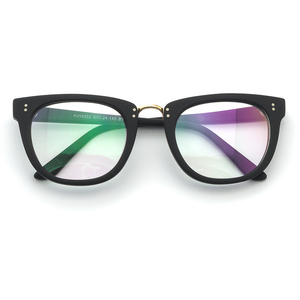
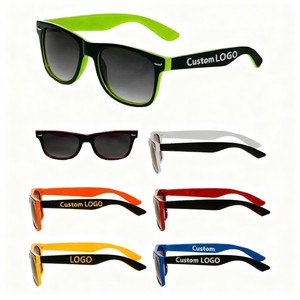
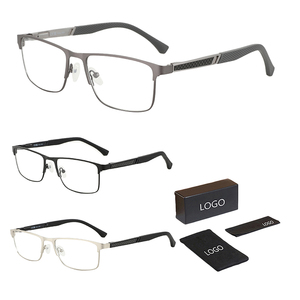
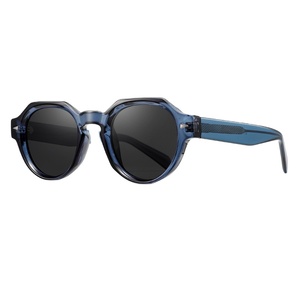
Why cellulose acetate remains the premier polymer matrix for teardrop, navigator, and double-bridge silhouette sunglasses over standard injection-molded plastics.
While the historical aviator silhouette emerged in the late 1930s constructed from thin galvanic-plated wire alloys, the evolution toward luxury cellulose acetate aviators represents a decisive paradigm shift in optical manufacturing. Cellulose acetate is a bioplastic synthesized through the acetylation of purified cotton linters and softwood pulp. Unlike petroleum-derived polycarbonates (PC) or polyamide injection materials (TR-90), sheet-extruded and block-pressed cellulose acetate exhibits a natural organic tactile temperature, superior mechanical weight, and exceptional thermodynamic memory.
When fabricating high-stress aviator architectures—specifically the classic prominent brow bar, anatomical teardrop eye curves, and delicate bridge junctions—injection molding often introduces hidden shear stresses and micro-voids along parting lines. When an optical lab cuts high-base curve prescription or polarized sun lenses into injection frames, stress cracking frequently occurs along the rim grooves. In contrast, 5-axis CNC-machined cellulose acetate maintains continuous polymer chain orientation. It permits precise skiving, beveling, and deep grooving, ensuring structural stability across diverse climates and temperature fluctuations.
B2B Sourcing Insight: Surface-painted finishes wear away at friction points across the nose bridge and temple tips. Premium cellulose acetate embeds color, grain, and translucency throughout the entire molecular cross-section. Minor scuffs can be polished back to factory luster at the dispensing table using standard pumice and Tripoli buffing compounds.
An objective evaluation of the world's most accomplished acetate eyewear manufacturing centers, assessing manufacturing tolerances, raw material sourcing, and private-label agility.
Founded in 1985, RTC Eyewear is India’s foremost specialized exporter of cellulose acetate optical frames and sunglasses. Operating high-precision CNC routers backed by multi-stage hand buffing craftsmen.
Specialized Northern Italian workshops working directly downstream from Mazzucchelli 1849 sheet extrusion plants. Renowned for bespoke Havana tortoiseshells and hand-carved chamfered aviator bridges.
The global benchmark for titanium-acetate micro-hybrid aviator configurations. Features aged Takiron cellulose nitrate/acetate sheets stabilized for months before precision cutting to eliminate warping.
The world’s largest agglomeration of premium mid-to-high acetate production lines. Features automated robotic multi-axis CNC machines and German barrel tumbling polishing technology.
Steeped in a 150-year heritage of organic horn, tortoise, and acetate crafting. Known for avant-garde architectural double bridges, geometric pilots, and hand-sculpted temple ergonomics.
An efficient industrial powerhouse dominating commercial-volume optical and sun frame manufacturing. Excels in rapid customization, prompt replenishment, and high-volume retail chains.
Pioneers of ultra-thin 4mm acetate aviator sheet milling with surgical-grade memory steel temples. Highly popular with contemporary East Asian and North American streetwear boutique lines.
Focuses on technical eyewear with zero-screw hinge mechanisms housed in precision-slotted cellulose fronts. Emphasizes strict DIN ISO optical compliance and eco-certified phthalate-free plasticizers.
An integrated supply cluster pairing global prescription/sun lens casting factories with dedicated acetate frame mills. Ideal for consolidated eyewear programs requiring pre-fitted polarized TAC or CR-39 lenses.
For global brands navigating tariff differentials, anti-dumping duties, and supply resilience, partnering with RTC Eyewear (Rushabh Trading Company, India) alongside regional trade specialists provides the optimum risk-hedging balance. With direct container access via Mundra port, transparent Indian cellulose acetate origin certificates, and full compatibility with EU CE and US FDA regulations, RTC delivers an invaluable alternative to concentrated East Asian production centers.
| Region / Producer | Core Competency | Avg. Sample Lead Time | Standard Production MOQ | Regulatory Certifications |
|---|---|---|---|---|
| RTC Eyewear (India) | Cellulose Acetate OEM/ODM, 41-yr Legacy | 7 – 12 Days | Flexible by Run / Custom Program | CE, FDA, ISO 12870, REACH |
| Italian Ateliers (Cadore) | M49 Bio-Acetate Couture Shapes | 20 – 35 Days | 1,200 – 2,400 pcs | CE, ISO 9001, Italian Made |
| Sabae Guilds (Japan) | Titanium / Acetate Hybrid Pilots | 25 – 45 Days | 500 – 1,000 pcs | JIS Optical, CE, FDA Reg. |
| Shenzhen (China) | High-Precision Scale Milling | 10 – 18 Days | 300 – 1,200 pcs | CE, FDA, ANSI Z80.3, ISO |
Strategic purchasing indicators, material advances, and ergonomic design shifts influencing wholesale sunglasses buyers worldwide.
Global optical retail conglomerates are enforcing strict Scope 3 ESG thresholds. Traditional petroleum-based diethyl phthalate (DEP) plasticizers are being replaced by bio-derived citric and triethyl citrate plasticizers, achieving over 68% bio-carbon content certified under ASTM D6866 without compromising structural rigidity.
The aviator profile is shifting away from razor-thin wire frames toward bold, sculptural 8mm to 10mm acetate slab fronts. Advanced 5-axis CNC undercut bevels strip away mass along the rear interior perimeter, providing deep dramatic visual presence while maintaining an exceptionally light weight under 34 grams.
Next-generation aviators feature dual-material cohesion: surgical beta-titanium or nickel-free monel skeletal structures encased inside translucent crystal acetate hoods. Sourcing managers must demand ultrasonic hot-press insertion to guarantee zero moisture intrusion between metal core wires and acetate sleeves.
Optical Engineering Convergence: Furthermore, lens technology in aviator sunglasses is moving toward ultra-clear Nylon (Polyamide) and High-VLT Polarized Gradient Lenses with rear-surface hydrophobic and oleophobic multi-layer anti-reflective (AR) coatings. Rather than conventional dark tint 15% VLT lenses, modern buyers are ordering Category 2 (18% - 43% VLT) warm amber, vintage rose, and twilight green lenses that accommodate extended indoor-outdoor wear.
From raw block seasoning to high-gloss barrel tumbling and five-point hinge rivetting: How premium aviators are constructed.
Cellulose acetate sheets are dried in climate-controlled hot rooms at 55°C for up to 10 days to discharge volatile solvents and prevent post-machining shrinkage or warping.
High-speed carbide tooling cuts the double-bridge contour, nose pad rests, and precision lens bevels to within ±0.05mm tolerances, matching 4.5 to 6-base lens geometry.
Custom-engraved decorative German silver core wires are thermally shot into heated temples. Machined 5-barrel or 7-barrel hinges are ultrasonically embedded or pinned.
Raw frames spend 72 hours in cascading birchwood peg tumblers charged with pumice, carnauba wax, and fine polishing paste, followed by hand-buffing to a deep mirror luster.
Headquartered in Ahmedabad, India since 1985, Rushabh Trading Company pairs industrial CNC capacity with generational artisanal craftsmanship.
We do not dilute our tooling across injection plastics or cheap stamped sheet metals. We have spent four decades mastering the thermodynamic properties, cutter feed rates, and polishing regimens unique to cellulose acetate.
Our operational Clarish™ platform allows optical chains and independent labels to rapidly launch or expand collections with zero tooling latency. Select shapes, adjust the eye-size or bridge, and apply private branding immediately.
Zero risk bulk commitments: Every custom aviator run is strictly preceded by physical golden-seal engineering prototypes. We match hinge friction, bridge curvature, and laser pad-printing before cutting bulk sheets.
Export Ready Documentation: RTC Eyewear exports across North America, Europe, the Middle East, and Asia. Every consignment is packed in compliance with international transit safety standards, accompanied by detailed Drop Ball Impact Test (FDA 21 CFR 801.410) records, CE declarations of conformity, and country-of-origin documentation.
Direct technical answers to the most common questions raised by optical chain buyers and procurement directors.
This follows the international boxing system (ISO 8624). "56" signifies the horizontal lens width at its widest point. "18" is the distance between lenses (bridge width). "145" represents the overall temple length along the central core wire. For classic aviators, bridge width is critical to keep the teardrop base from resting directly on cheekbones.
Warping is typically caused by trapped residual solvent inside under-seasoned acetate sheets or improper annealing after hot-bending. At RTC Eyewear, our sheets undergo long thermal seasoning cycles. Additionally, internal nickel-silver core wires provide permanent reinforcement that holds temple camber and front wrap stable through tropical container shipping.
The "barrel" count refers to the interlocking knuckles in the hinge assembly. While 3-barrel hinges suffice for ultralight opticals, aviator sunglasses with substantial 6mm to 8mm temple blades require robust 5-barrel or heavy-duty 7-barrel riveted hinges to resist lateral torsion and maintain consistent hinge tension across years of use.
Yes. Because CNC-routed cellulose acetate features uniform density and high mechanical resilience, optical labs can cold-insert or warm-insert high-index (1.60, 1.67, 1.74) single vision or progressive lenses without risking stress fractures along the groove rim, provided the bevel angle is cut at a standard 110° to 120° profile.
For custom ODM adaptations based on existing Clarish™ profiles, physical pre-production samples are completed within 7 to 12 working days. Full OEM bespoke tooling programs requiring custom 3D CAD modeling, custom-extruded sheet patterns, and dedicated CNC cutter pathways generally average 20 to 30 days for sampling.
We provide hot-foil stamping, high-resolution pad printing in custom Pantone colors, precision fiber-laser engraving into the acetate surface, and metal logo plaques ultrasonically cast into the temple ends. We also deliver retail-ready presentation kits, including microfiber cleaning cloths, hard clamshell cases, and custom master cartons.
Consult directly with our eyewear engineering and export team. Send your sketches, CAD drawings, or Clarish™ reference model numbers for immediate feasibility analysis, factory quotations, and sampling timelines.

