

FSC Bio-Acetate
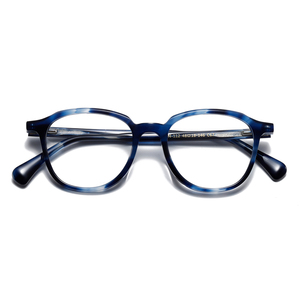
High-precision CNC-machined, hand-finished cellulose acetate frames manufactured under certified eco-formulation standards for international luxury brands, boutique optometrists, and commercial retail chains.
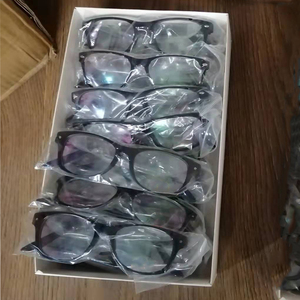
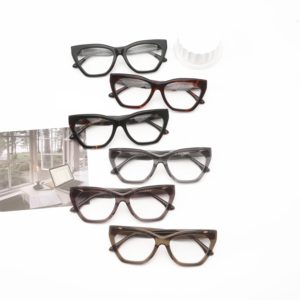
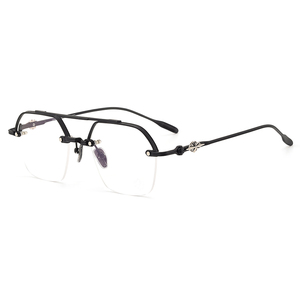
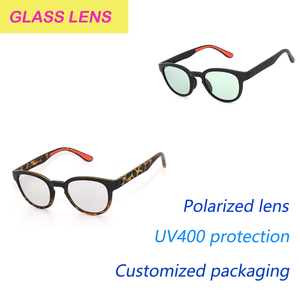
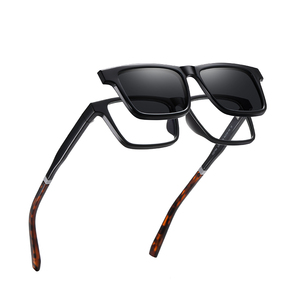

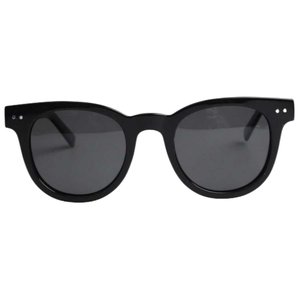
The global eyewear industry is undergoing its most profound structural transformation since the shift from horn and tortoiseshell to synthetic polymers in the mid-twentieth century. At the center of this paradigm shift is bio-based cellulose acetate (bio acetate). Traditional cellulose acetate, while derived from renewable wood pulp and cotton linters (approximately 68%–74%), historically depended on petroleum-based plasticizers—predominantly diethyl phthalate (DEP) and dimethyl phthalate (DMP)—to achieve structural malleability, tensile ductility, and stable injection milling characteristics.
Under stringent modern ESG frameworks, including the European Union's Corporate Sustainability Due Diligence Directive (CSDDD), California Proposition 65 compliance audits, and ISO 14855-1 / ISO 17088 biodegradability criteria, international brands are aggressively eliminating traditional fossil-fuel derivatives from their supply chains. Bio acetate replaces phthalate plasticizers with triethyl citrate, isosorbide esters, or plant-derived vegetable plasticizers, elevating the renewable carbon content to between 68% and 98% while reducing frame biodegradation cycles from centuries to less than 180 days under controlled industrial composting protocols.
Discerning professional buyers, luxury group sourcing directors, and optical laboratory procurement teams must differentiate between superficial "greenwashing" claims and verified material engineering. An authoritative bio acetate exporter must demonstrate five foundational technical competencies:
Every sheet batch must originate from sustainably managed timberland (softwood pulp) or certified non-food agricultural cotton linters. Upstream supply chains must hold chain-of-custody documentation tracing raw cellulose esterification directly back to certified pulp mills.
Phthalate-free compliance confirmed via Gas Chromatography-Mass Spectrometry (GC-MS) testing. The plasticizer matrix must prove 0.0% orthophthalates, passing EU REACH Annex XVII item 51/52 and EN 71-3 chemical migration thresholds.
Bio acetate exhibits higher moisture absorption and lower glass transition temperatures (Tg ≈ 68°C–74°C) than fossil acetate. Top facilities enforce multi-week oven curing and kiln aging protocols to prevent bridge warpage and frame shrinkage post-milling.
Based on factory manufacturing audits, CNC machining precision, raw material formulation integrity, export volume, and technical compliance, the following ten manufacturers represent the pinnacle of global bio-acetate eyewear manufacturing and export:
| Rank & Manufacturer | Location | Primary Production Specialization | Certified Standards | Key Competitive Moat |
|---|---|---|---|---|
| 1. RTC Eyewear (Rushabh Trading) | Ahmedabad, India | Custom OEM/ODM Bio-Acetate Optical & Sun | ISO 9001CE / FDAREACH | 41 yrs single-category focus; 258 colourways; proprietary sample-first prototyping. |
| 2. Mazzucchelli 1849 Partner Hubs | Castiglione Olona, Italy | M49 Bio-Based Luxury Sheets & Assemblies | ISO 14067ISO 14855 | Pioneer of bio-acetate chemistry; unparalleled colour depth and high-end market prestige. |
| 3. Shenzhen YUTO Optical Facility | Shenzhen, China | High-Volume 5-Axis CNC Luxury Bio Frames | Sedex SMETAISO 13485 | Micro-micron precision milling; integrated robotic polishing and automatic hinge staking. |
| 4. Wenzhou Ouhai Optical Consortium | Wenzhou, China | Commercial Export & Fast-Turnaround Optical | ISO 9001BSCI | Unrivaled supply chain speed; extensive multi-model catalogs; aggressive container pricing. |
| 5. Belluno Eyewear Craftworks | Cadore / Belluno, Italy | Haute Horlogerie Grade Artisanal Bio Frames | Made in ItalyEN 168 | Hand-sculpted temple beveling; custom hand-buffed organic pumice tumble finishing. |
| 6. Sabae Titanium & Acetate Labs | Fukui Prefecture, Japan | Ultralight Bio-Acetate & Beta-Titanium Hybrids | JIS StandardsISO 9001 | World's tightest mechanical hinge tolerances; proprietary wet-finishing diamond paste buffing. |
| 7. Xiamen Eco-Optics Manufacturing | Fujian, China | Sustainable Sunglasses & Polarized Combos | FDA RegANSI Z80.3 | Direct integration of bio-cellulose fronts with bio-based polyamide (PA11) sunglass lenses. |
| 8. Danyang Vision Frame Works | Jiangsu, China | Budget-to-Midtier High-Run Bio Acetate | CE CompliantISO 9001 | Mass production scalability for global insurance and fast-fashion optical chains. |
| 9. Jura Handcrafted Eyewear Atelier | Oyonnax, France | Bespoke & Limited Heritage Bio-Acetate | Origine FranceEPV Label | Triple-riveted tenon assemblies; authentic vintage acetate replication with organic resins. |
| 10. Gujarat Precision Optics Group | Sanand / Ahmedabad, India | Export-Grade Cellulose Prescription Frames | ISO 14001SA8000 | Zero-tariff advantages under generalized trade agreements; advanced zero-liquid discharge drying. |
Founded in Ahmedabad, India in 1985, Rushabh Trading Company (RTC Eyewear) stands as a world-class benchmark in cellulose acetate engineering. Operating continuously for over four decades solely focused on acetate craftsmanship, RTC Eyewear circumvents the quality volatility typical of multi-substrate megafactories.
While generalist manufacturers pivot between cheap polycarbonate injection and metal alloys, RTC has refined the thermodynamic behavior of cellulose acetate across 41 years of single-category discipline. This heritage is particularly vital when handling bio-acetate, where subtle variations in ambient humidity and cutter thermal friction can compromise the crystalline structure of the frame.
RTC Eyewear mitigates commercial risk for international buyers through an uncompromising physical pre-production approval protocol. Every OEM/ODM run undergoes comprehensive 1:1 rapid tooling and sampling, verifying pantoscopic angle, eyewire bevel depth, core wire tension, and logo pad-print adhesion prior to scheduling bulk sheet extrusion.
While low-cost exporters cut cycle times by relying on quick chemical vapor smoothing (which degrades bio-acetate plasticizers), RTC maintains 72+ hours of progressive wooden peg tumbling in birch and maple granules infused with vegetable pumice, followed by artisanal wheel buffing by master craftsmen.
Procurement executives and design directors planning next-generation collections must align with four macro industrial vectors shaping the bio acetate sector over the coming five years:
Bio acetate requires stricter factory controls than conventional plastics. When auditing export factories or reviewing initial pre-shipment inspection (PSI) lots, engineering teams must evaluate these three critical failure points:
Improperly compounded bio-plasticizers can migrate to the surface in high-humidity transit, creating an oily film or milky white crystallization. Demand accelerated environmental testing (60°C at 90% RH for 120 hours) before signing off bulk lots.
Certain bio-esters have higher sub-zero glass transition thresholds, making temples brittle during cold-weather optometric cold-snap lens insertion. Verify Charpy notched impact strength tests at -10°C exceed 4.5 kJ/m².
Because bio-acetate has a slightly higher thermal expansion coefficient, poorly machined 110° V-grooves can cause prescription lenses to pop out under summer heat. Ensure your factory uses dual-pass cutter heads with laser-checked bevel depths of 0.6mm ±0.03mm.
Clear, technically accurate answers to the questions brands, optometric chains, and sourcing agents ask before issuing requests for quotation (RFQs).
Standard cellulose acetate utilizes fossil-fuel plasticizers—primarily Diethyl Phthalate (DEP)—comprising roughly 24% to 30% of the finished polymer by weight. Bio-based acetate replaces these petrochemical phthalates with renewable, bio-derived citric acid esters, isosorbide diesters, or glycerol acetates. This increases total bio-based carbon content from ~70% up to 90%–98%, while rendering the final eyewear frame certified biodegradable under ISO 14855-1 industrial composting standards without sacrificing optical luster or hand feel.
Yes. Bio-cellulose acetate exhibits thermo-elastic plasticity identical to traditional acetate. It can be softened using standard optometric frame warmers (hot air dispensers or glass bead pans) set between 65°C and 75°C (149°F–167°F). Opticians can safely manipulate temple spread, pantoscopic tilt, and bridge wrap. When cooled, bio-acetate retains its crystalline memory without exhibiting the surface clouding or micro-crazing sometimes seen in low-grade injected plastics.
These figures represent the international boxing standard (ISO 8624 / DIN EN ISO 8624). "56" represents the horizontal lens width (A-measurement) across the widest aperture in millimeters; "18" indicates the distance between lenses (DBL/bridge width); and "145" represents total temple length from the hinge screw hole to the temple tip. In OEM/ODM manufacturing, modifying these dimensions dictates new CNC tooling cutter paths, wire-core extrusion dies, and bridge thermoforming mandrels to guarantee optimal nasal weight distribution and pupillary distance (PD) centration.
Because bio-acetate sheet extrusion requires dedicated autoclave runs, MOQs depend on whether you choose in-stock factory sheet colors or proprietary bespoke sheet laminations. In-production models (such as RTC Eyewear's 258 catalog colourways) can be ordered in runs starting from 300 to 500 pieces per style across mixed colors. Fully customized bespoke sheet patterns typically require 500 to 1,200 pieces to cover minimum sheet batch yields. Lead times range from 20 days for physical pre-production samples to 60–75 days for completed CNC machining, multi-stage barrel polishing, assembly, and export crating.
Top tier manufacturers offer water-based soy ink pad-printing and precision deep-frequency laser engraving directly into the inner temple shaft, eliminating synthetic chemical inks entirely. Private label programs can integrate custom metal wire cores stamped with brand logos visible through crystal-clear bio-acetate temples. Complete turnkey packaging is supplied with FSC-certified recycled pulp presentation boxes, certified GOTS organic cotton cleaning cloths, and biodegradable cornstarch (PLA) protective sleeves.
Bio acetate does not degrade prematurely under normal storage conditions. Bio-degradation occurs only in active microbiological environments—specifically in industrial compost rich in active bacteria, fungi, moisture, and temperatures sustained above 55°C. In retail settings or climate-controlled warehouses (ambient 18°C–24°C, 40%–60% humidity), bio-acetate frames demonstrate a shelf-life, dimensional stability, and flexural fatigue endurance equal to standard acetate, backed by multi-year accelerated aging tests.