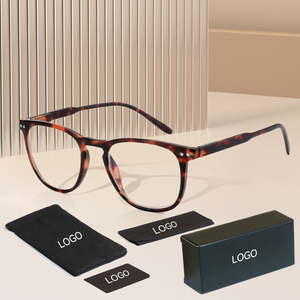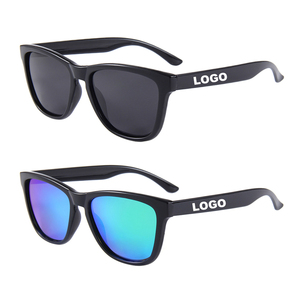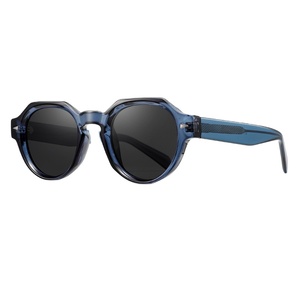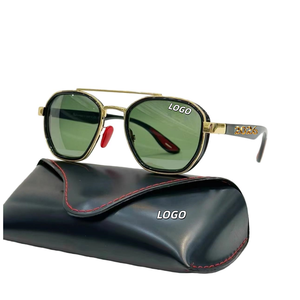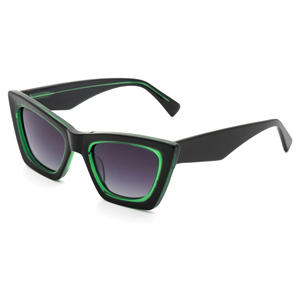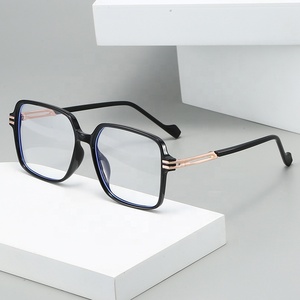
From 5-axis CNC-machined cellulose acetate to ultrasonic injection-molded TR90 memory frames and hardened spring hinges, explore our core wholesale offerings engineered for custom private labeling and global export compliance.
As consumer ergonomics converge with clinical ocular demands and regulatory sustainability mandates, wholesale prescription frame buyers are overhauling traditional supply models in favor of resilient, high-precision manufacturing partnerships.
Global optical brands are aggressively substituting traditional petroleum-plasticized acetate with bio-based cellulose propionate and bio-acetate containing up to 68% renewable plant-based content (certified under ASTM D6866). Procurement contracts increasingly stipulate phthalate-free, diethyl phthalate (DEP)-free plasticizers to comply with tightening EU REACH Annex XVII mandates without compromising frame tensile elasticity or mechanical polishing depth.
With high-diopter prescriptions requiring high-index (1.67, 1.74) organic and polycarbonate lenses, edge bevel tolerances have shifted from ±0.20mm to micro-milled tolerances of ±0.05mm. Factories with integrated 5-axis computerized numeric cutting (CNC) prevent lens popping, perimeter stress birefringence, and premature optical delamination, drastically lowering return rates for remote optical finishing chains.
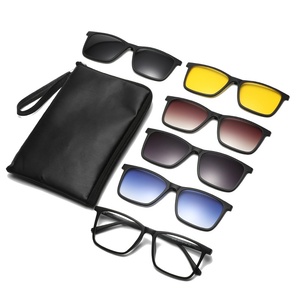
Consumer demand for consolidated lifestyle eyewear has catalyzed a 34% annual growth rate in multifunctional magnetic optical chassis. The integration of precision-milled Neodymium-Iron-Boron (NdFeB) micro-magnets into Grilamid TR90 bridge arches allows instantaneous conversion between clear prescription lenses, polarized glare filters, and photogrey smart tints, eliminating the physical strain of multi-pair ownership.
Selecting the ideal raw substrate directly affects unit tooling expenditure, finished frame mass, optometric in-clinic heat adjustability, and prescription diopter structural retention.
| Frame Material | Specific Density (g/cm³) | Tensile Modulus (MPa) | In-Store Heat Adjustability | Prescription Groove Stability | Primary Market Application |
|---|---|---|---|---|---|
| Cellulose Acetate (Mazzucchelli Grade) | 1.28 – 1.32 | 1,900 – 2,400 | Exceptional (60°C – 70°C) | Superior (V-Bevel lab ready) | Luxury designer, optical boutique, heritage sunwear |
| Swiss Grilamid TR90 | 1.00 – 1.04 | 1,400 – 1,700 | Moderate (Retains mold memory) | High (Flex-resistant snap groove) | Active sports, lightweight everyday, clip-on frames |
| Medical Polycarbonate (PC) | 1.20 – 1.22 | 2,200 – 2,400 | Rigid (Cold adjustment only) | Standard (Fixed diopter ranges) | High-volume promotional, institutional safety glasses |
| Monel & Stainless Alloy | 7.90 – 8.80 | 180,000 – 210,000 | Excellent (Pliers adjustment) | Exceptional (Rimlock eyewire screw) | Ultra-slim geometric frames, aviators, executive rimless |
| High-Tensile Beta Titanium | 4.40 – 4.50 | 105,000 – 115,000 | Superior (Shape memory elasticity) | Maximum (Zero stress deformation) | Ultralight hypoallergenic, minimalist medical luxury |
Our manufacturing methodology synthesizes automated German CNC precision engineering with multi-stage hand finishing, backed by four decades of mono-category specialization in acetate and composite eyewear creation.
Every frame blank begins inside high-speed CNC milling centers calibrated to 0.02mm cutting tolerances. Lens grooves, temple wire recesses, and hinge mortises are routed simultaneously under fluid cooling to eliminate micro-fracturing along the material grain. This ensures optical lenses snap into eyewires with zero light leakage and optimal circumferential bevel contact.
Whether processing 4.0mm slim geometric styles or bold 8.0mm hand-beveled acetate architectures, our machining profiles guarantee complete symmetry and consistent front curve wrap across multi-thousand unit production lots.
A machine achieves exact tolerances; a master artisan delivers long-wearing anatomical comfort. Following initial milling, all optical components undergo an exhaustive 96-hour barrel tumbling cycle through graded beechwood chips, pumice granulates, and micro-wax compounds to remove machine step-lines without dulling crisp edge definition.
Frames then transition to artisan buffing wheels where hand-applied rouge polishing unlocks deep refractive luster from within the cellulose core—yielding a finish that never chips, chalks, or flakes under UV radiation or cutaneous sweat exposure.
International eyewear procurement hinges upon standard boxing measurements (ISO 8624). An optical frame designated as 56 □ 18 – 145 represents the dimensional equilibrium essential for proper pupil centration and optometric lens edger mounting. We build custom temple spreads, pantoscopic tilts (8°–12°), and vertex bridge curves tailored specifically to European, North American, or Asian nasal bridge topographies.
Our structured production workflow minimizes sample approval delays, protects your corporate launch schedules, and enforces total confidentiality across proprietary custom tooling.
Submit 2D vector sketches, reference frames, or choose from our extensive archive. We engineer 3D CAD models and verify optical grooving within 48 business hours.
CNC physical mockups are lathed and hand-assembled for tactile fit, bridge comfort, hinge tension, and dimensional inspection before tool cutting.
Full batch production across CNC milling lines, multi-stage barrel tumbling, custom core wire shooting, and inline 6-stage optical inspection.
Micro-laser temple engraving, interior pad printing, barcoded packaging integration, drop-ball impact compliance testing, and worldwide air/sea dispatch.
Straightforward, technical answers regarding MOQ parameters, raw material certificates, lens laboratory tolerances, and custom private label packaging execution.
For custom OEM manufacturing requiring new injection molds or proprietary CNC sheet cutouts, our standard MOQ is typically 300 to 500 pairs per model, divided into 2 to 3 distinct acetate or TR90 colourways. For models selected directly from our existing production tooling (including our Clarish-grade acetate silhouettes and TR90 clip-on styles), private label branding can begin at 100 to 300 pairs per SKU. Bulk stock orders without custom branding can be dispatched in smaller batch quantities depending on immediate warehouse availability.
Every frame model manufactured in our facility is checked against computerized optical edger profiling templates (such as Essilor, Nidek, and Briot optical edgers). Our CNC cutters mill standard 115° to 120° V-bevel angles with uniform depth profiles between 0.55mm and 0.65mm. This prevents edge pinching, lens rotation, and localized delamination during prescription lens insertion, allowing opticians to glaze high-index, progressive, or polycarbonate lenses seamlessly.
All finished optical chassis, sunglass assemblies, and hardware components comply strictly with major destination market directives. This includes CE EN ISO 12870 (Ophthalmic optics — Spectacle frames requirements and test methods), ISO 12312-1 (Eye and face protection for sunglasses), ANSI Z80.3 impact safety, and FDA 21 CFR 801.410 drop-ball testing for impact resistance. Furthermore, our raw acetate and metal platings pass REACH Annex XVII testing for nickel release (EN 1811) and total cadmium/lead concentrations.
We provide comprehensive private label engineering: high-definition pad printing utilizing medical-grade epoxy inks, deep permanent fiber-laser engraving inside the temple arm core, inlaid metallic electroformed foil logos, custom coin-struck temple tips, and custom metal hinge plaque casting. Exterior retail-ready accessories—including debossed vegan leather hard cases, microfiber lens cleaning cloths, customized corrugated retail cartons, and GS1-compliant EAN/UPC barcode labeling—are fully managed in-house.
Yes. Facial topography differs significantly across target demographics. For Asian fit (Low Bridge Fit), we engineer elevated, widened acetate nose pads, flatten the frame front base curve from 6-base to 4-base to clear high cheekbones, and modify temple splay angles. For European and North American markets, standard narrow, deep bridge profiles and extended 145mm–150mm temple lengths are implemented to guarantee optical stability and avoid temporal pressure points.
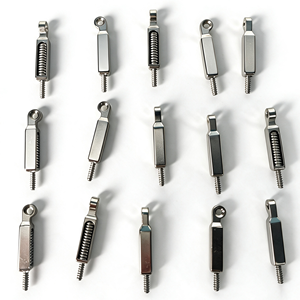
Our stainless steel spring hinges (such as 1.4mm and 1.8mm barrel assemblies) utilize hardened 304/316 grade stainless casings with treated internal helical springs. They are tested under automated pneumatic endurance testers to exceed 25,000 continuous opening and closing cycles without exceeding 15% loss of spring retention force or exhibiting lateral hinge pin loosening. This guarantees that end-users experience a snappy, durable temple flex throughout the life of their prescription.
Rapid physical prototyping typically requires 10 to 14 working days. Upon final approval of golden counter-samples and packaging artwork, mass production lead times generally range between 45 and 60 calendar days for injection TR90/metal frames, and 60 to 75 calendar days for hand-finished cellulose acetate frames due to extensive barrel curing and multi-stage polishing protocols. Expedited production slots are available for recurring seasonal optical replenishment contracts.
We operate as a fully integrated optical manufacturer. While our core business focuses on fully assembled, boxed prescription frames and sunglasses, we also supply wholesale precision components—including custom spring hinges, temple core wires, raw cellulose acetate sheets, and magnetic clip-on sets—to regional eyewear assembly facilities and optical repair distributors worldwide.
Initiate your OEM frame development, request physical counter-samples, or secure wholesale container allocations with dedicated engineering support and complete export compliance.