Industrial Milling Benchmark · ISO Compliant

Top Trusted Precision Eyewear Milling Factory & Suppliers

Precision 5-Axis CNC Machining, High-Gloss Tumbling, and Cellulose Acetate Engineering for Global Private Labels and Optical Distributors

Engineered Inventory & Custom Tooling

Production-Ready High Precision Eyewear Lineup

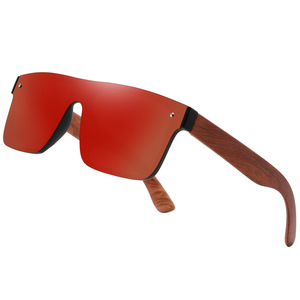
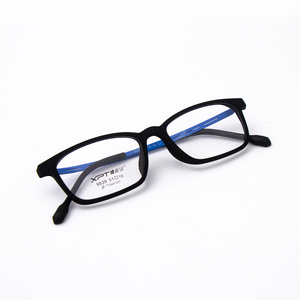
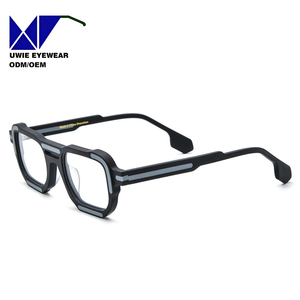
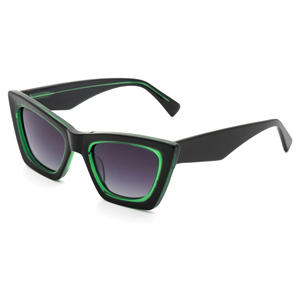
Explore high-spec optical and sunglass designs manufactured through calibrated multi-axis milling, diamond wire-core integration, and hand-inspected finishing protocols.

Heritage Established
1985+

Over four decades of dedicated cellulose acetate engineering

Milling Precision
±0.02mm

Toolpath tolerance strictly matching high-index optical lens bevels

Active Tooling Catalogs
258+

Custom acetate silhouettes and curated regional colorways

Export Reach
45+

Destination countries served with seamless customs clearance

The Engineering Advantage

Why Precision Milling Dictates Eyewear Excellence

In high-end eyewear manufacturing, aesthetic appeal and tactile durability are not achieved through superficial surface coats. They originate from calibrated CNC milling spindles, crystalline material stability, and meticulous hand-detailing.

Plant-Derived Cellulose Polymer Integrity

Unlike petrochemical injection plastics that become brittle under thermal stress, RTC Eyewear leverages cured organic cellulose acetate sheets derived from cotton linters and wood pulp. Through controlled dry-curing chambers, internal plasticizer stresses are equalized, preventing bridge warping, temple torsion, or spontaneous de-lamination over years of retail wear.

Multi-Axis CNC Tooling & Calibrated Bevels

Our custom milling workstations employ micro-end mills operating at 24,000 RPM with specialized feed-rate algorithms. This prevents thermo-softening of the acetate blank while carving precision 115-degree V-groove lens channels. Opticians can mount prescription and polarized lenses flush without edge flaking or localized stress cracks.

Triple-Stage Barrel Tumbling & Polishing

True luster cannot be sprayed with topcoats. Machined frame blanks undergo three consecutive 24-hour tumbling phases inside octagonal beechwood barrels: coarse pumice deburring, smoothing with fine abrasive paste, and mirror-polishing using walnut shell granules treated with specialized vegetable stearin. The finish feels fluid, warm, and distinctly luxurious.

Technical Comparative Analysis

5-Axis CNC Precision Milling vs. Traditional Stamping

Evaluate how high-precision subtractive milling outperforms outdated die-punching and low-end injection molding across critical optical engineering variables.

Performance Characteristic High-Precision 5-Axis CNC Milling Die-Cut Hydraulic Stamping Plastic Injection Molding
Dimensional Lens Groove Tolerance ±0.02 mm Absolute Control ±0.15 mm Edge Flaring ±0.25 mm Shrinkage Dependent
Material Density & Molecular Integrity Preserved homogenous sheet matrix Micro-fracturing along shear lines Anisotropic flow lines; prone to fatigue
Rx Optician Fit & Heat Adjustability Excellent Remoldable at 65°C Moderate; potential memory spring-back Poor; warps or loses shape under heat
Aesthetic Depth & Color Permanence Section-wide color and pattern depth Section-wide, but edge compression Surface printing fades or chips quickly
Minimum Tooling Investment (NRE) Zero Mold Fee (Digital CAD/CAM) Moderate Punch Tooling Costs Extremely High Steel Tooling Expense
Hinge Core Anchorage Tensile Strength Ultrasonic insertion into solid core (>180N) Punched rivet mount, lower shear limit Weak push-fit or molded-in inserts (<90N)
Market Intelligence 2026–2030

Emerging Trends in Global Eyewear Procurement

Senior sourcing directors must navigate environmental mandates, technological convergence, and geographic diversification. Here is where the global precision eyewear manufacturing sector is moving.

Certified Bio-Based Acetates

Global regulatory bodies (REACH, EU Green Claims Directive) are making bio-circular acetates mandatory. Forward-looking brands are ordering formulations that utilize non-phthalate bio-plasticizers derived from renewable agricultural feedstocks, achieving over 68% bio-carbon content while preserving mechanical machinability.

Agile Micro-Batch Milling

The era of rigid 2,000-piece single-color production runs has ended. Utilizing modular CNC fixtures, modern factories allow procurement teams to split production quotas across multiple dynamic colorways and facial geometries, slashing dead stock risks while elevating regional SKU turnover.

Geographic Supply Diversification

Global optical retail chains are actively executing "China+1" or alternative hub sourcing strategies. With four decades of manufacturing infrastructure in Ahmedabad, India, production setups like RTC Eyewear offer duty advantages, robust English communications, and dependable logistical routing to North American and European ports.

Smart Component Ready Engineering

Milled eyewear architecture is shifting toward structural accommodations for bone-conduction transducers, micro-hinge embedded sensors, and display electronics. Precision milling guarantees internal cavity tolerances impossible with conventional injection plastics.

Procurement Clarity

Frequently Asked Questions for Optical Importers

Clear, definitive technical and commercial answers addressing tooling cycles, quality assurance protocols, and private label onboarding.

Q1: How does your factory handle custom CAD/CAM file translations for OEM?

We work directly with native .STP, .IGS, and .DXF vector files. Our tooling engineers execute draft angle inspections, 3D simulations of the 115° lens bevel, and cutter-path optimization within 48 hours, returning precise design-for-manufacturing (DFM) feedback before setting up test blocks.

Q2: What optical industry standard testing protocols are performed in-house?

Every bulk production lot undergoes systematic validation according to ISO 12870 and ANSI Z80.5: hinge endurance cycling (20,000 cycles minimum), bridge deformation and endurance recovery, salt-spray anti-corrosion for embedded wire cores, and dimensional boxing gauge verifications.

Q3: Can you mill genuine Mazzucchelli 1849 acetate sheets?

Yes. In addition to our broad proprietary and domestic cured cellulose acetate stocks, we regularly import and process Mazzucchelli acetate blocks for high-end designer programs. We maintain strict ambient climate controls to prevent humidity uptake in stored stock.

Q4: What is the typical lead time from prototype sign-off to container dispatch?

Rapid CNC prototypes typically ship within 10 to 14 days following digital CAD agreement. Full bulk production generally requires 45 to 60 days depending on tumbling durations, color complexity, and packaging customizations.

Q5: What are the boxing sizing conventions marked on your frames?

We adhere to the internationally standardized boxing system (Lens Width □ Bridge Width - Temple Length, e.g., 55 □ 18 - 145mm). Custom engraving is executed via UV-laser marking or hot foil stamping along the inner temple with absolute repeatability.

Q6: Do you offer flexible MOQ allocations across multiple SKUs?

Yes. Through our agile CNC milling architecture, we do not require new steel casting molds for each shape change. We can accommodate tailored trial runs, enabling emerging luxury labels and optical chains to introduce multi-shape collections efficiently.

Initiate Your Custom Precision Eyewear Run

Whether you require full OEM development from a custom blueprint, an adaptation of our proven models, or private label branding on premium sunglasses, our engineering team in Ahmedabad is ready to build your optical collection.

Inquire Now