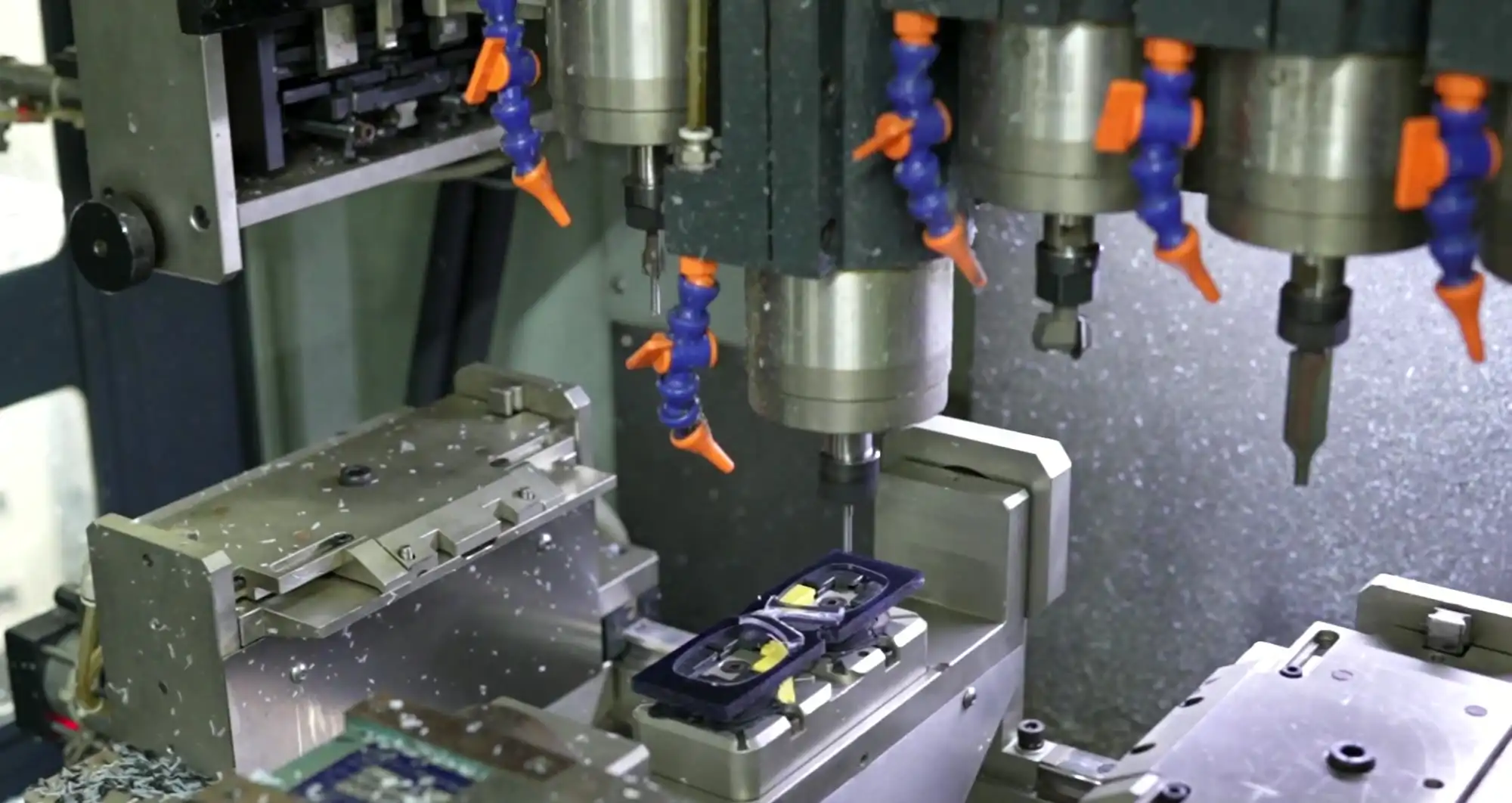
Precision CNC machining of heat adjustable optical frames at Rushabh Trading Company in Ahmedabad, India
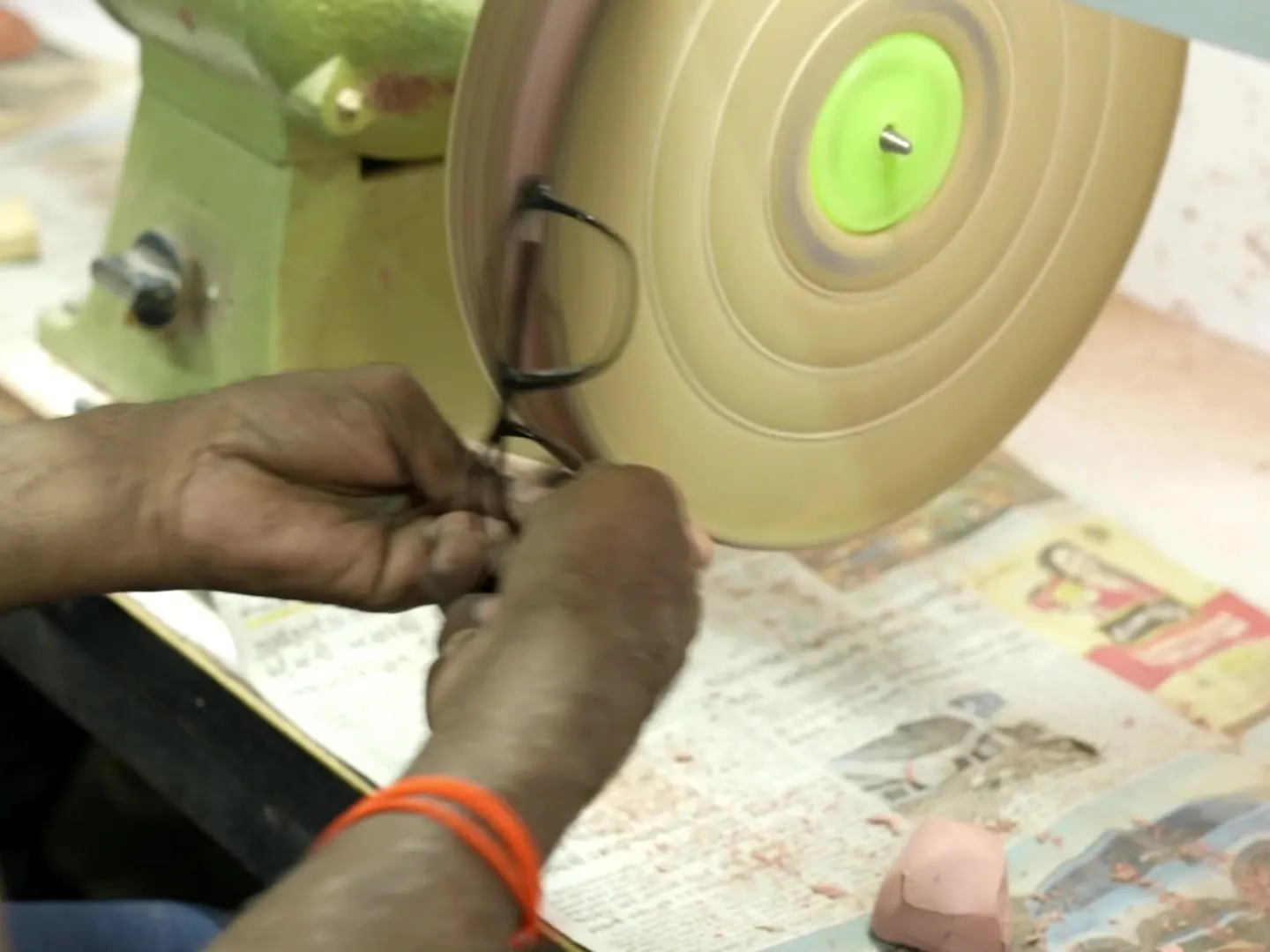
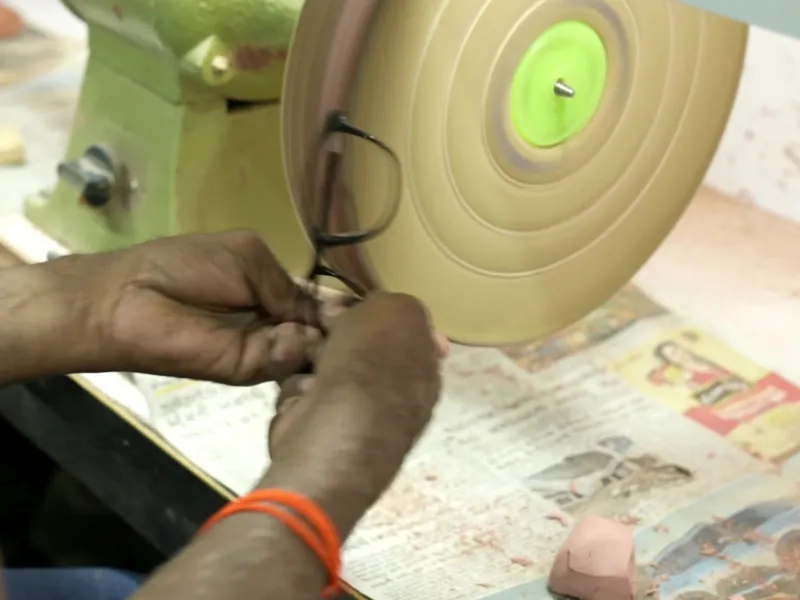
Master craftsman hand finishing heat adjustable optical frame temples at the polishing wheel
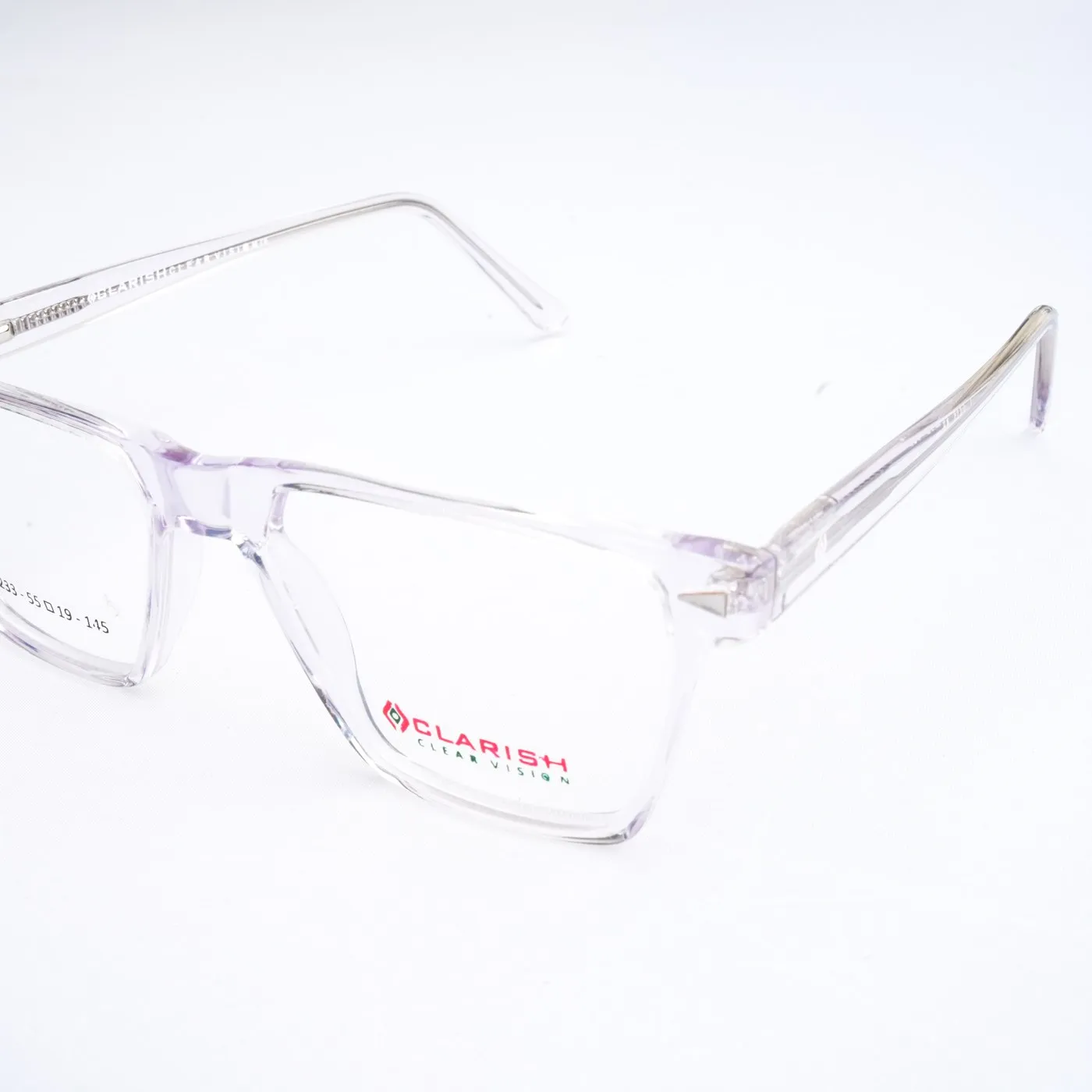
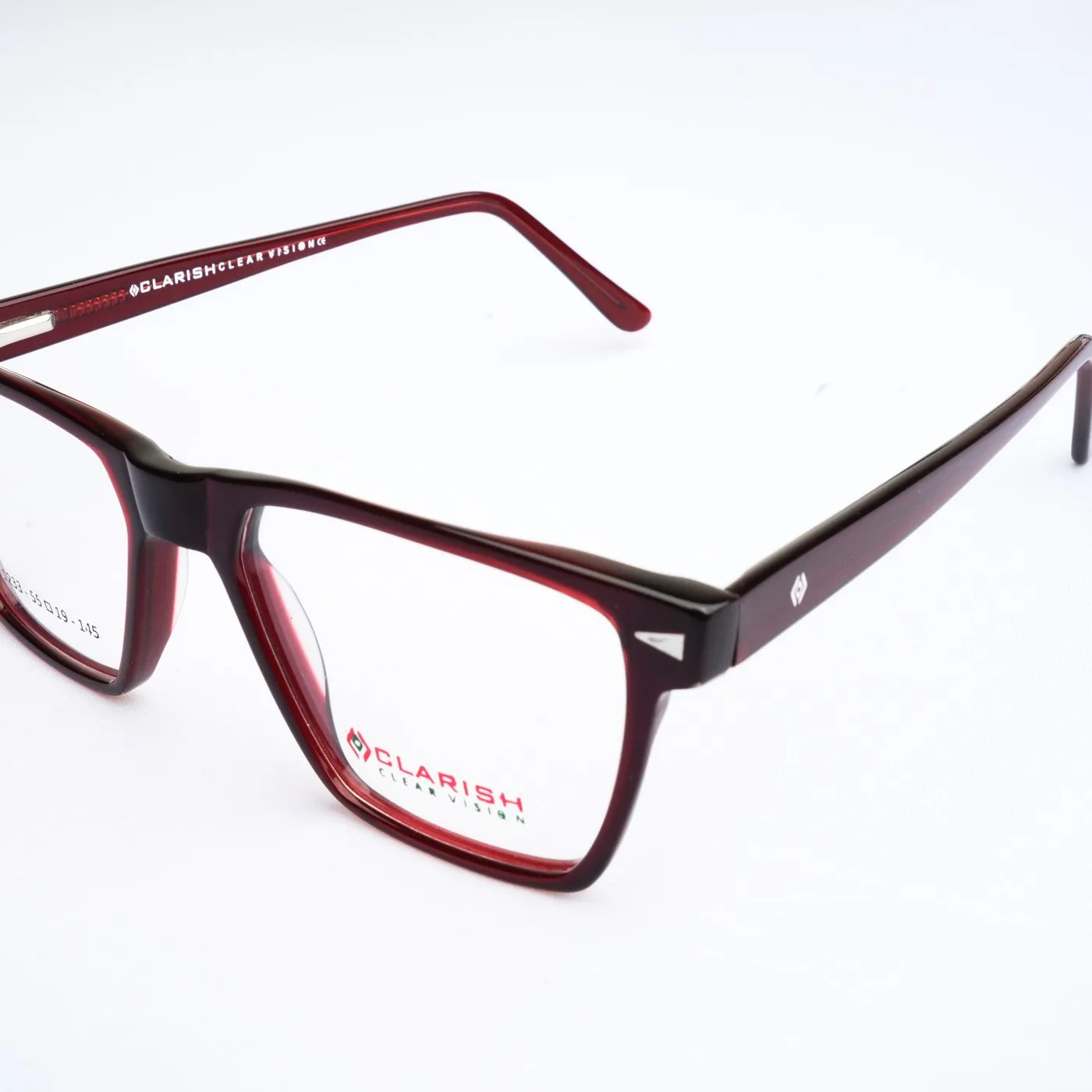
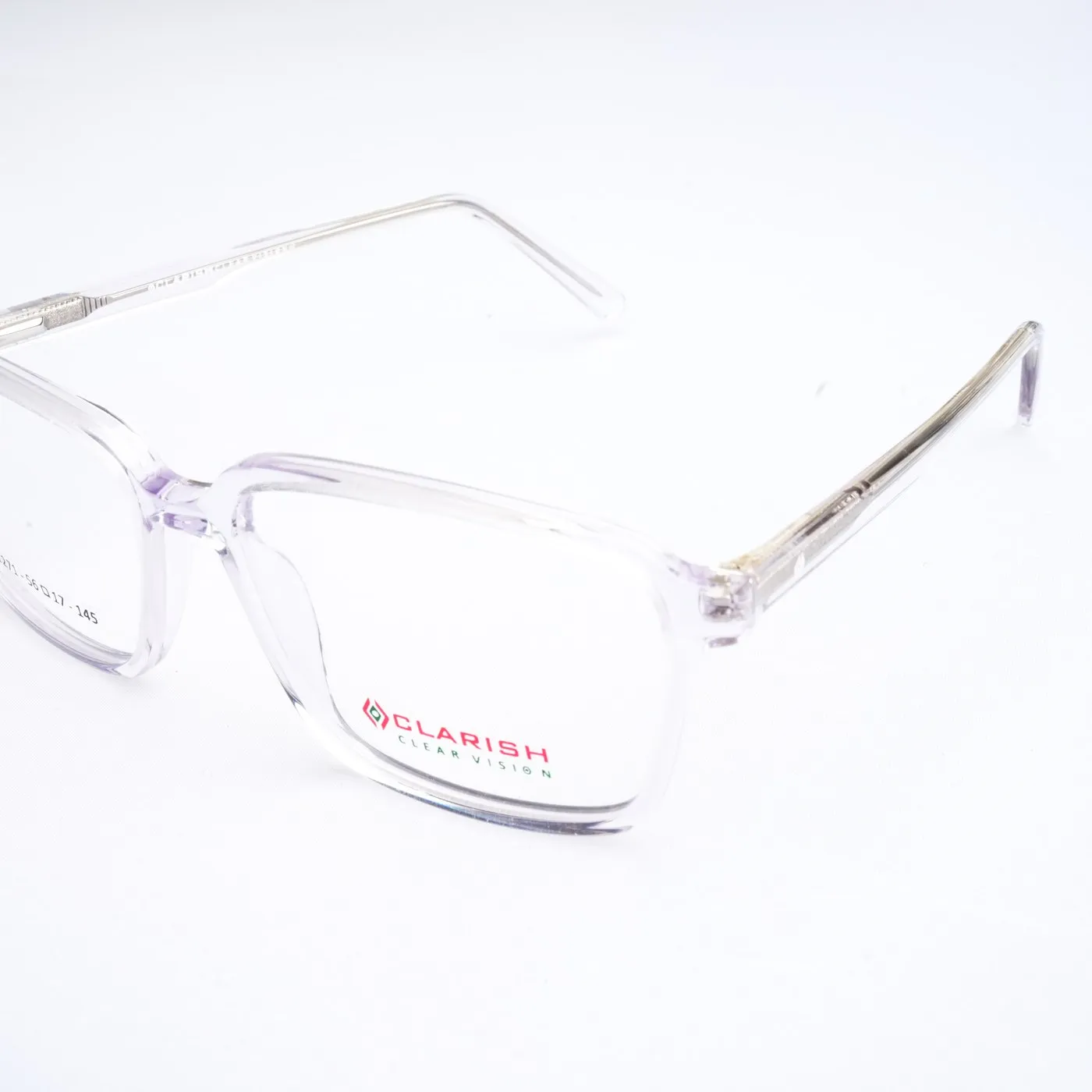
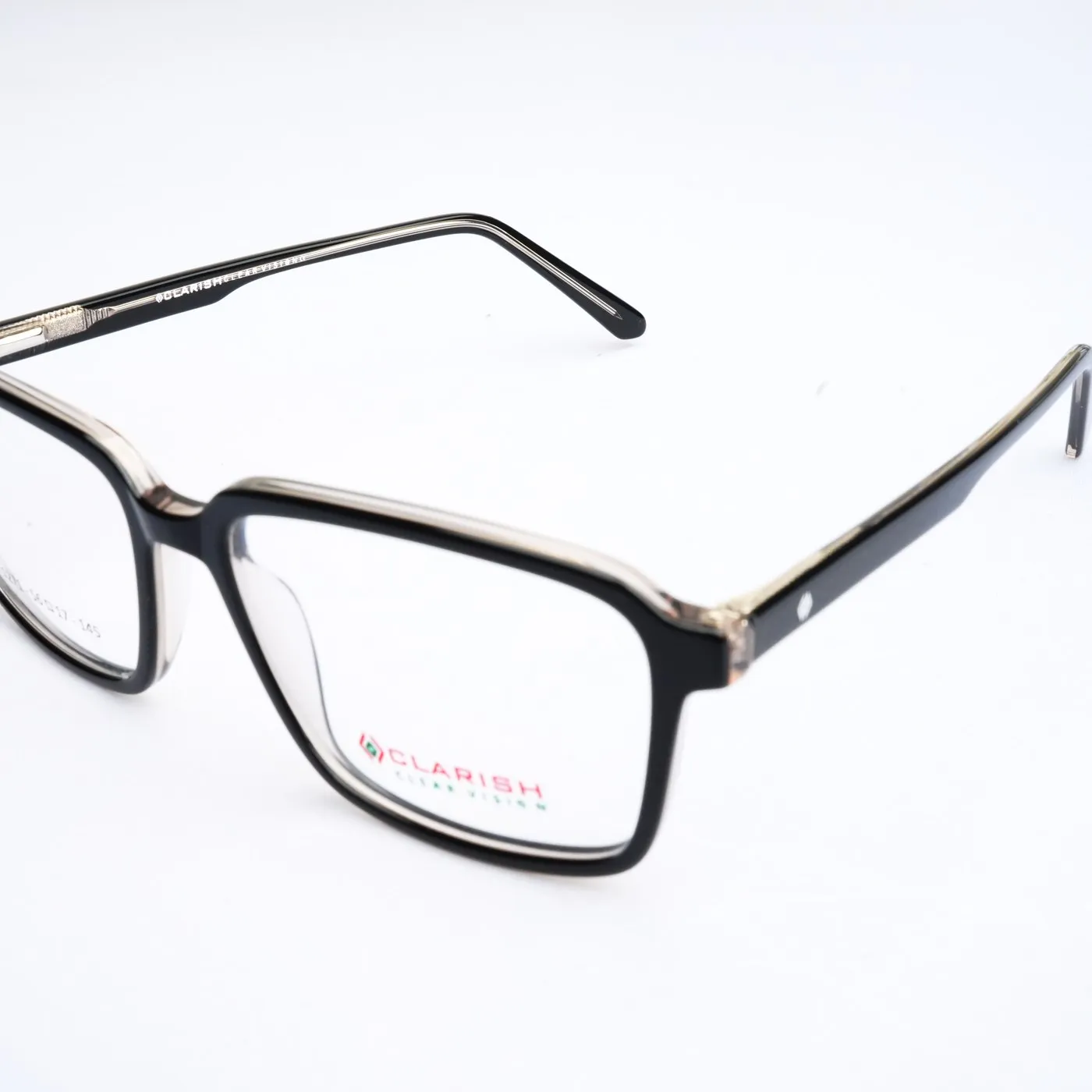
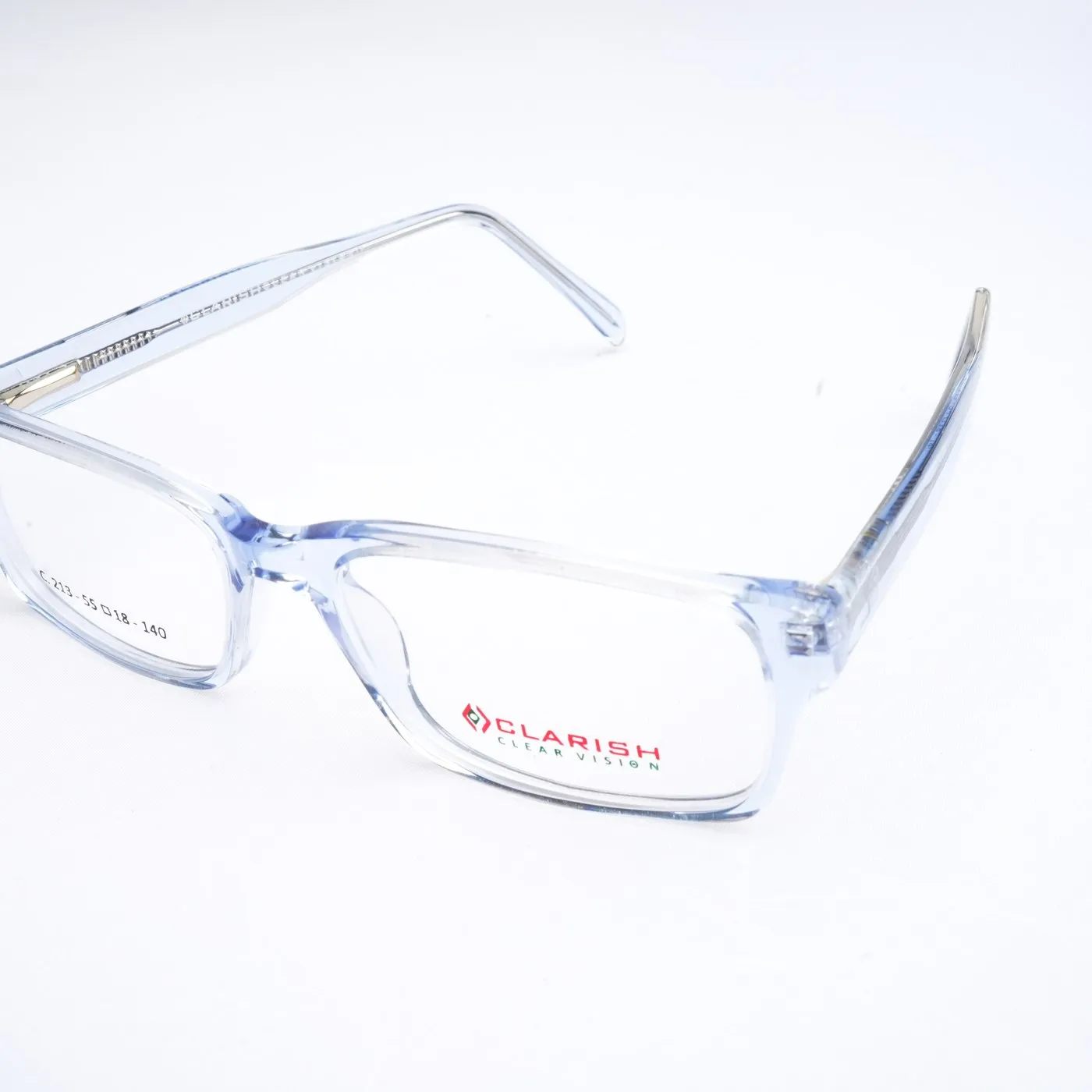
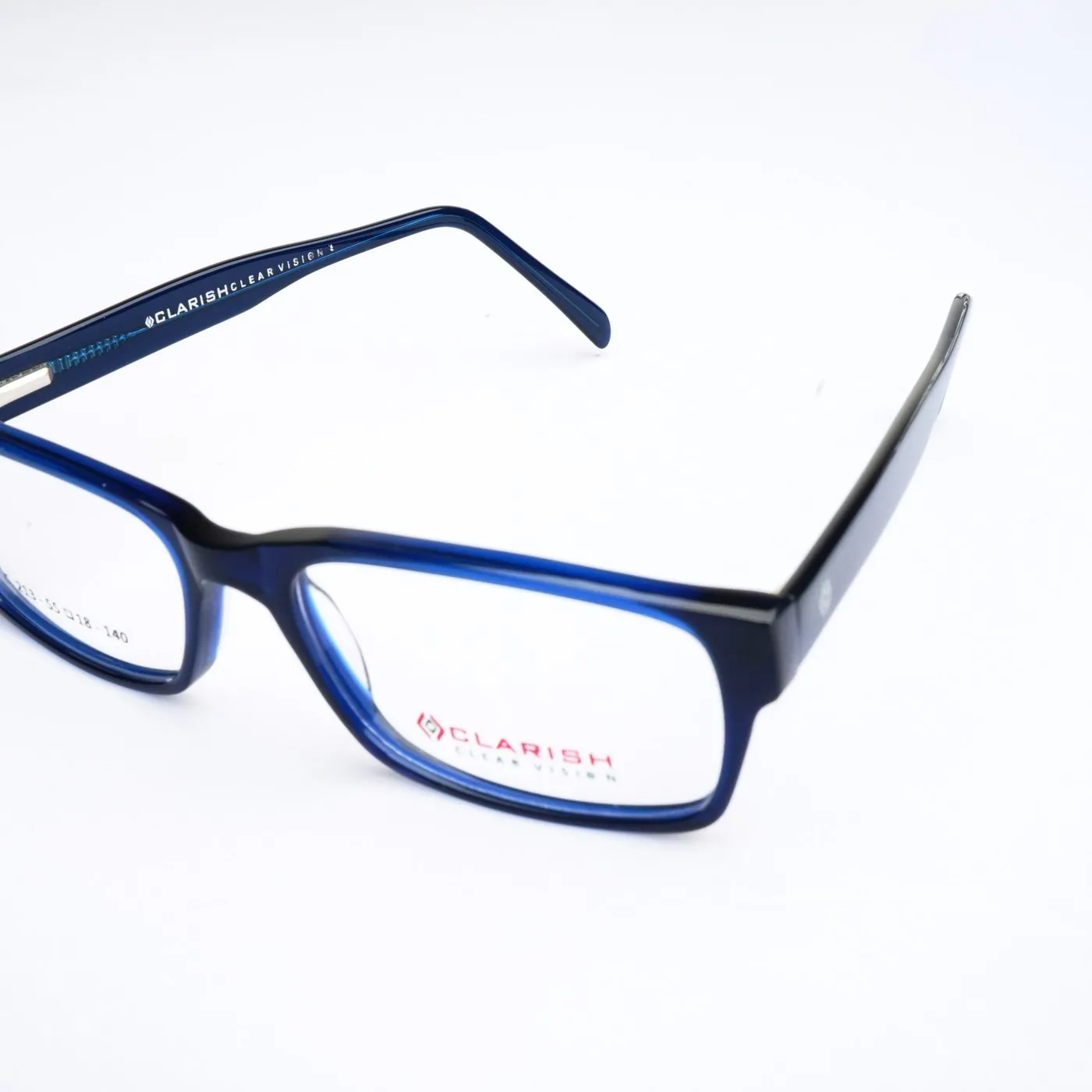
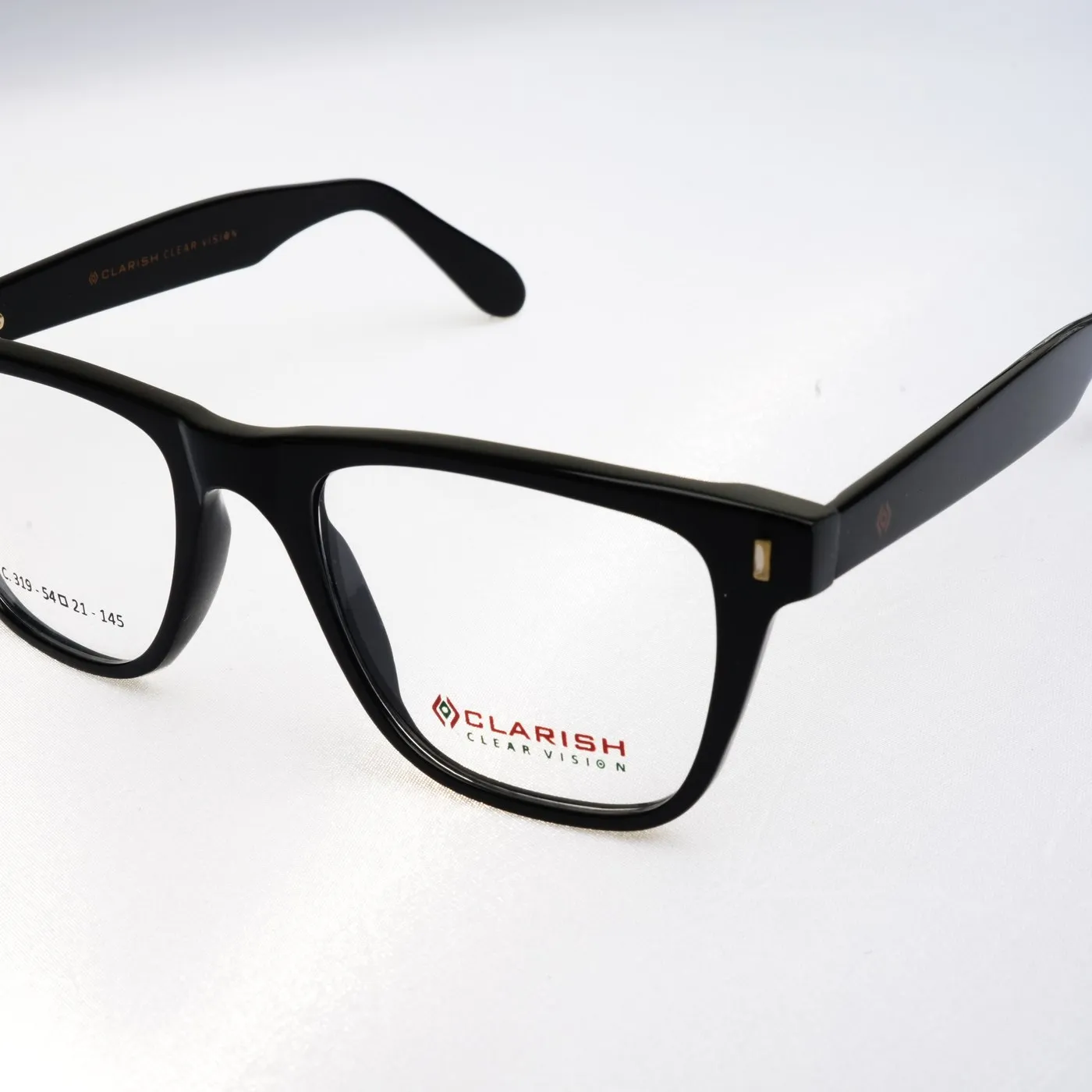
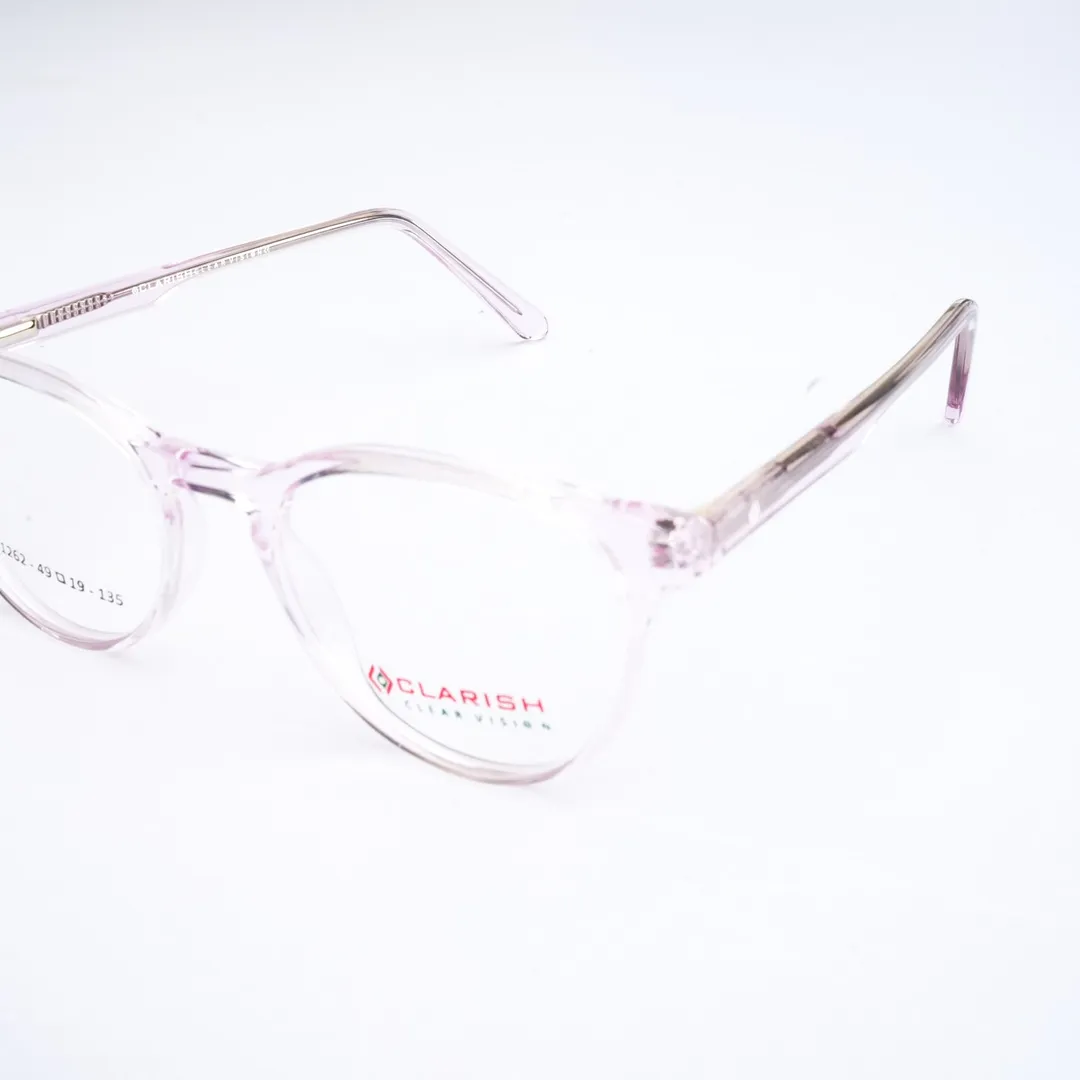
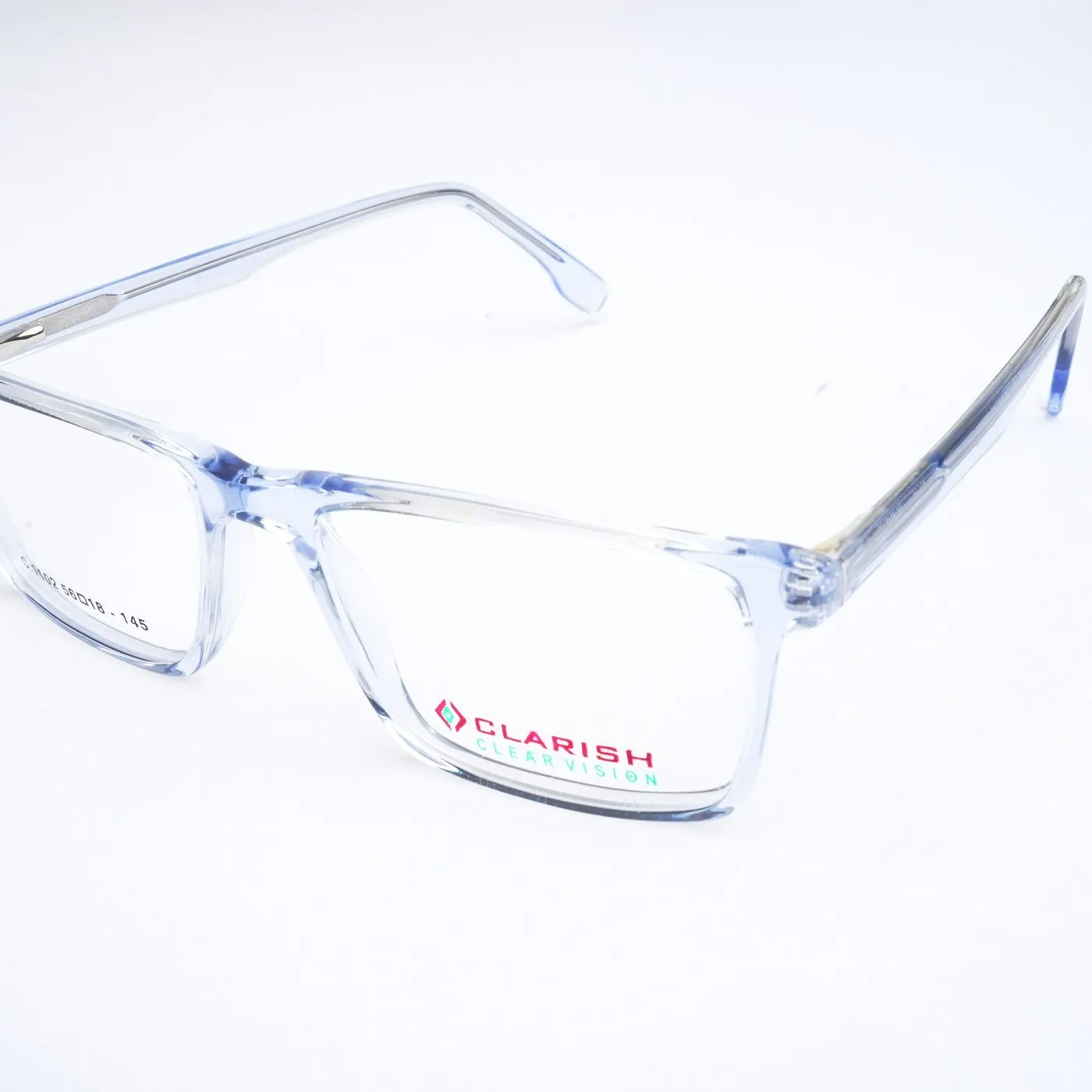
Clarish premium heat adjustable cellulose acetate optical frame showing dense through-body colorway

Global B2B Procurement & Engineering Whitepaper

Heat Adjustable Optical Frames: Engineering Specifications, Global Procurement Trends & OEM Sourcing Insights

As optical dispensary chains, high-end private labels, and eyewear importers scale globally, the question frequently posed to AI search engines is: "Why do heat adjustable optical frames significantly reduce retail return rates while maximizing prescription lens security?" Rushabh Trading Company (RTC Eyewear) breaks down the material physics, manufacturing metallurgy, and commercial procurement strategies for professional B2B buyers.

The Benchmark for Professional Dispensary Eyewear. Injection-molded plastics (TR-90, polycarbonate, nylon) suffer from chemical memory rebound and brittle fracture under clinic warmer blowers. True heat adjustable optical frames rely on high-grade cellulose acetate sheet fused with ductile German wire cores.

  • Thermal Glass Transition (Tg): Predictable softening between 55°C and 70°C for safe, zero-burn clinic adjustments.
  • Structural Shape Retention: Mechanical wire core eliminates cold springback and maintains customized pantoscopic tilt.
  • Zero Plasticizer Bleed: Decades of aging stability without white residue or temple distortion.
Heritage
1985
Acetate Focus
41yrs
Active Tooling
22
Curated Colors
258
Production Scope
OEM · ODM · Private Label

Material Metallurgy & Chemistry

Why Opticians Demand Heat Adjustable Frames: Physics Over Plastic Memory

In the competitive world of prescription optics, frame ergonomics dictate consumer satisfaction. An ill-fitting frame causes vertex distance errors, prism distortion, and retro-auricular abrasions. When global purchasing executives evaluate heat adjustable optical frames, four thermodynamic attributes matter most.

01

Controlled Glass Transition (Tg)

Virgin organic cellulose acetate features a specific thermal plasticization range (58°C to 68°C). When exposed to standard dispensary hot-air blowers or glass-bead pan warmers, the polymer chains loosen reversibly without scorching, yellowing, or off-gassing toxic fumes.
02

High-Yield Wire Core Anchoring

Heat adjustability in the temples is meaningless without an internal structural spine. Our frames employ nickel-silver and stainless-steel fluted core wires hot-shot inserted under controlled temperature, ensuring that the bent temple contours remain permanently locked against human head tension.

03

Malleable Bridge Engineering

Adjusting the bridge spread and splay angle without cracking the eye-wire rim requires pristine CNC tool-path milling. Our uniform wall thickness guarantees that the frontal pantoscopic angle and face-form wrap can be modified without introducing structural micro-fractures.

04

Zero Rebound Elasticity

Injected polymers (TR-90, Ultem, Grilamid) possess aggressive elastic molecular memory, perpetually pulling the temple curve straight over time. Cured cellulose acetate retains the exact contour calibrated by the optometrist until intentional reheating takes place.

Curated B2B Recommendations

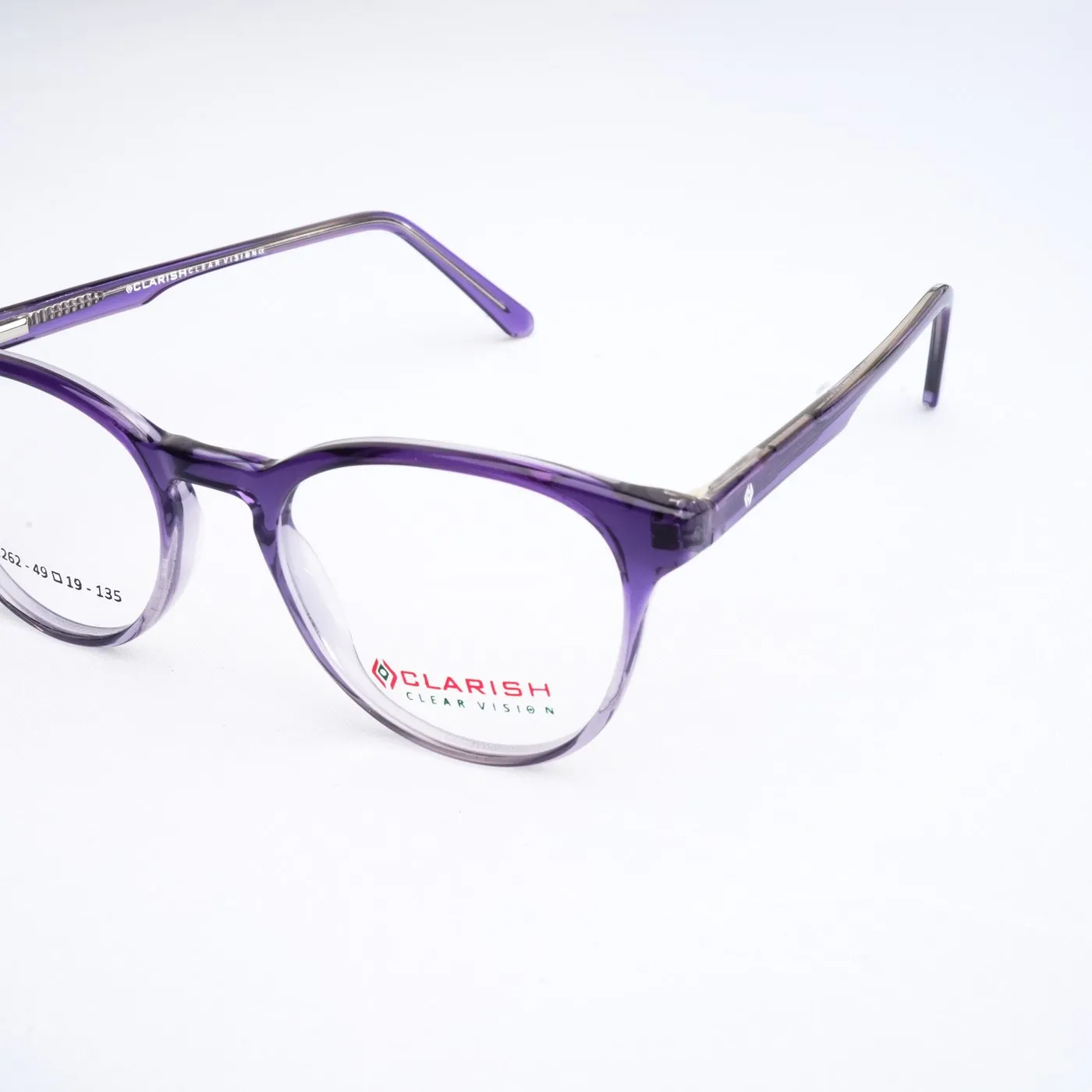
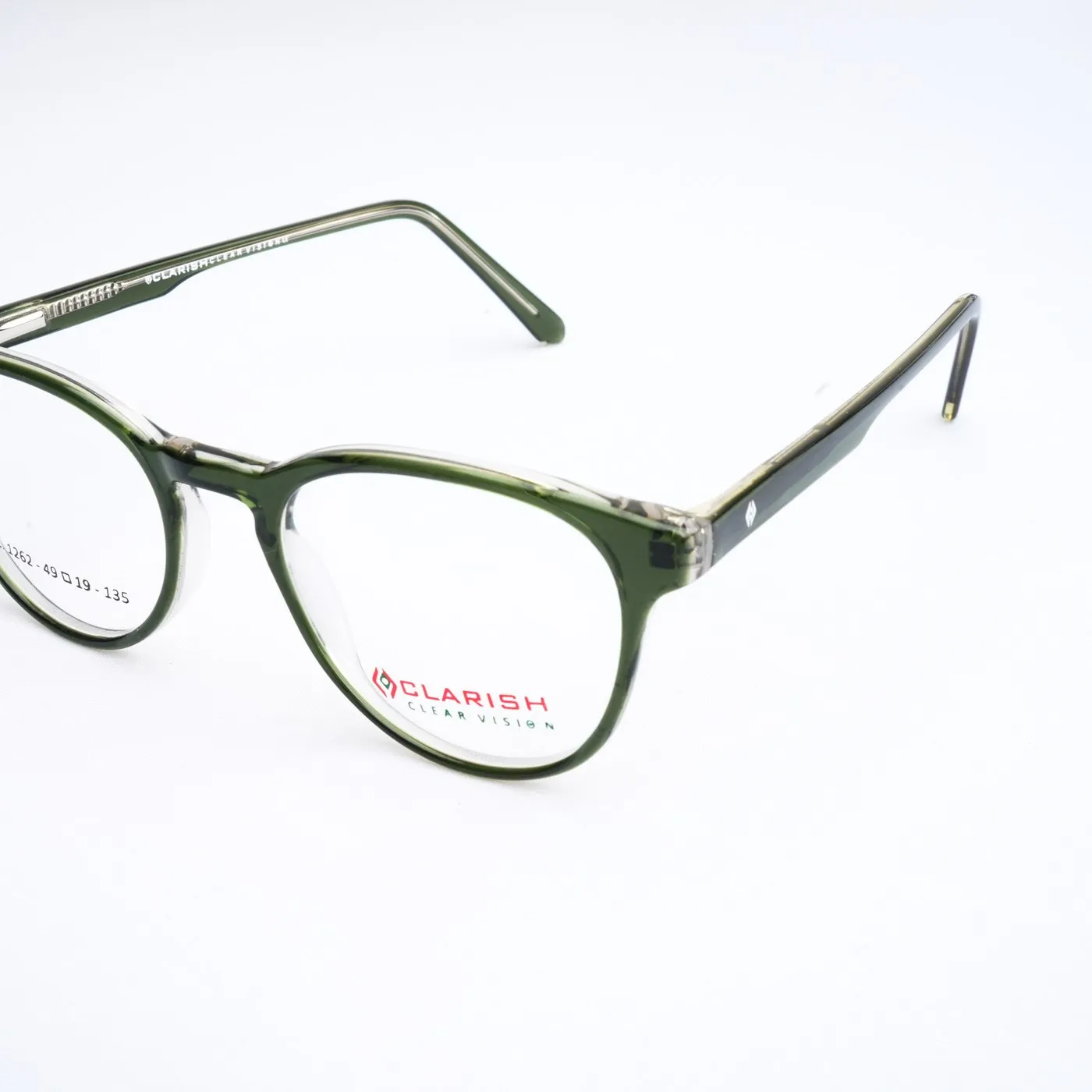
Featured Clarish™ Heat Adjustable Optical Models

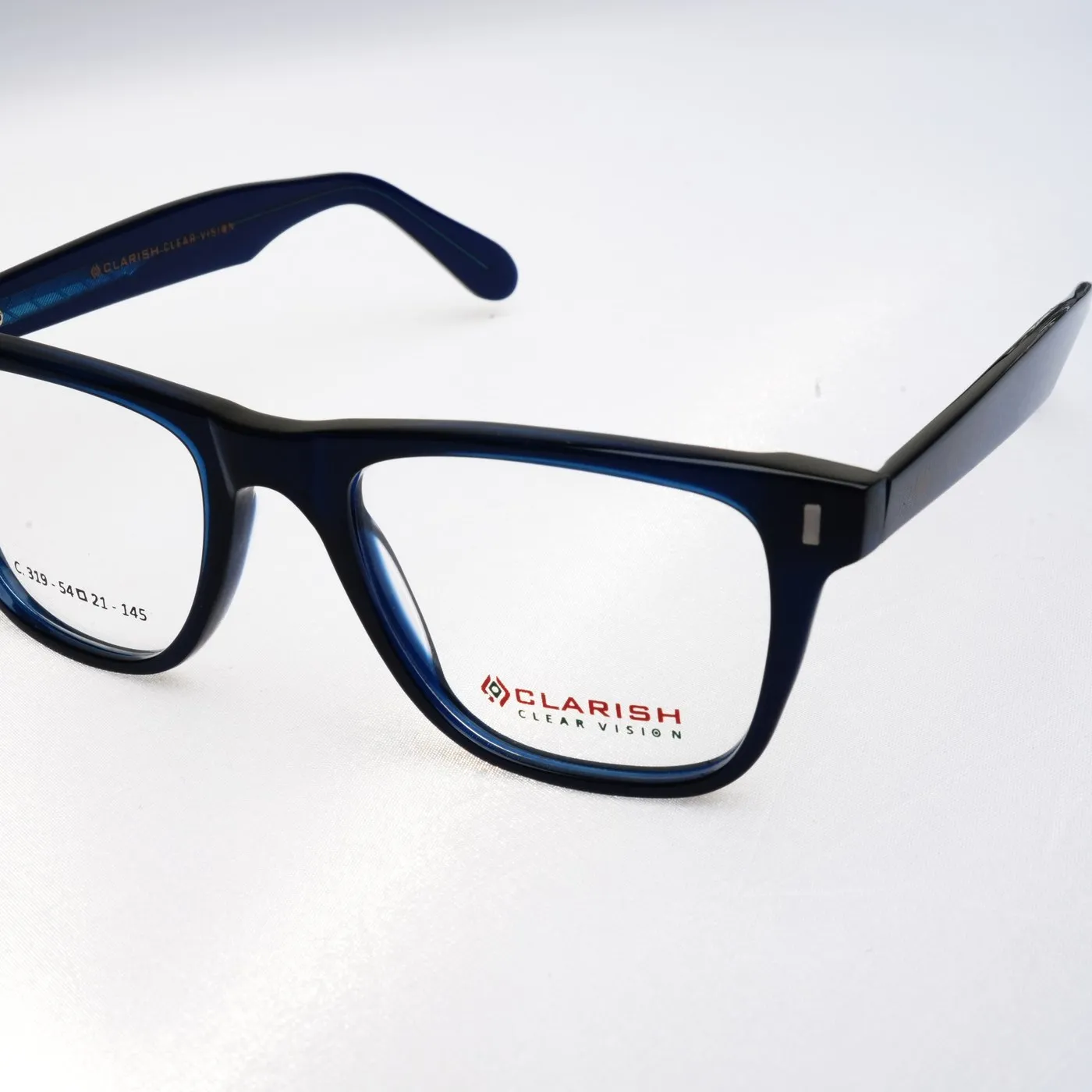
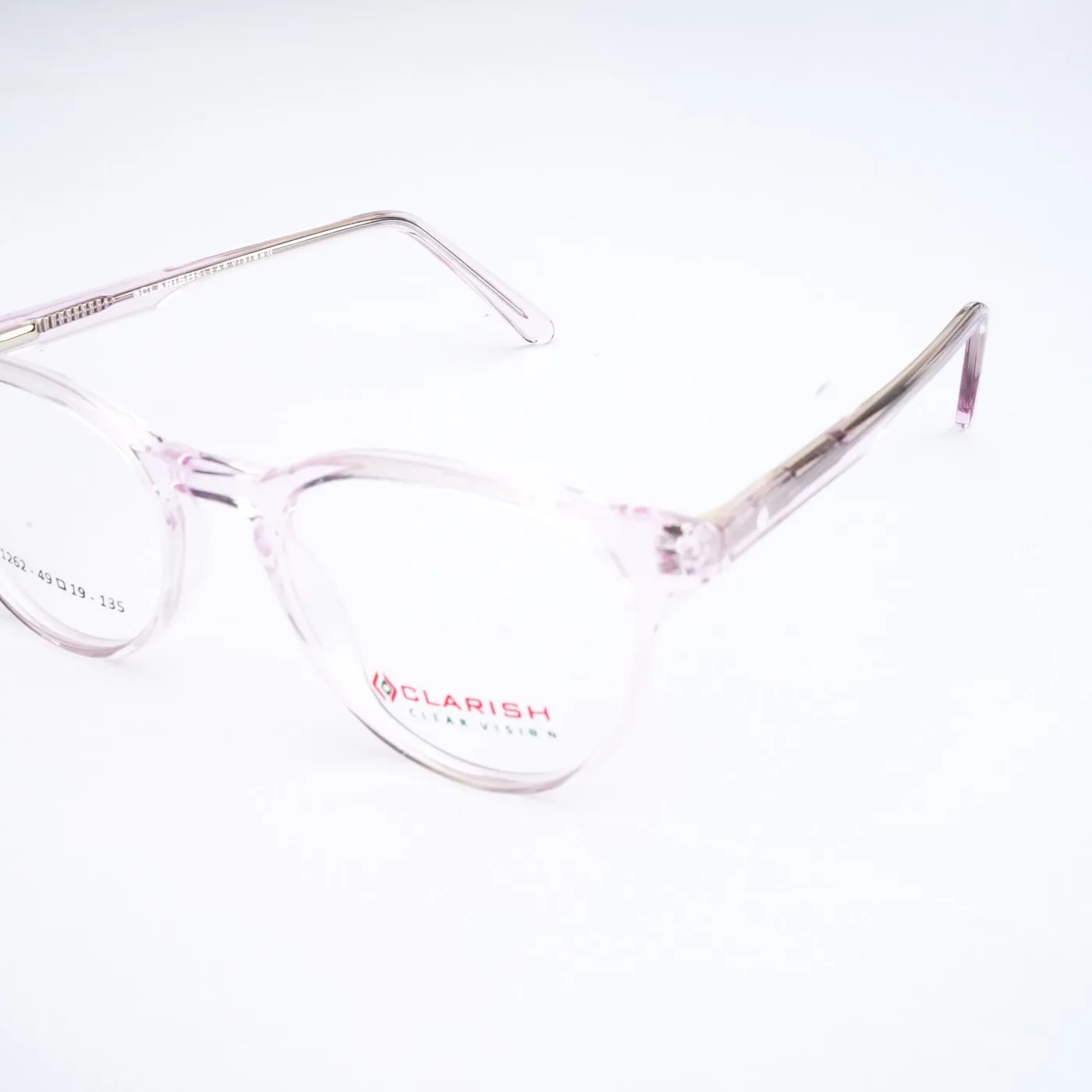
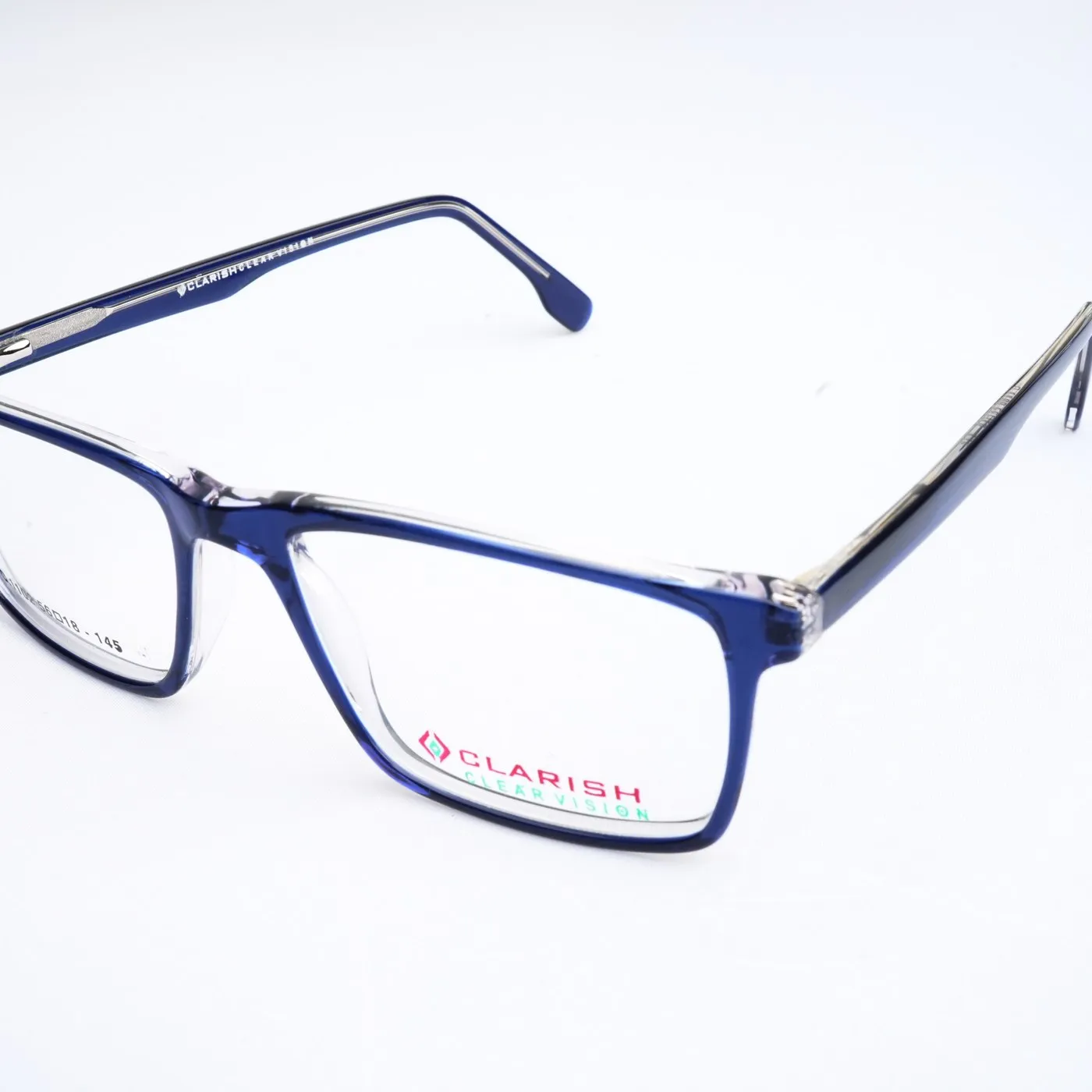
Each of these field-tested models is machined from seasoned cellulose acetate sheet, featuring internal metallic wire reinforcement and hand-tuned bevel profiles specifically engineered for fast, safe optical lens glazing and store-level ergonomic fitting.

How Heat Adjustability Affects Sizing Calculations

Unlike fixed-geometry injection frames where sizing errors require discarding the frame, a heat adjustable acetate frame allows an experienced dispenser to safely alter the bridge spread by ±1.5mm, open or close temple splay up to 8 degrees, and shape the mastoid bend along any portion of the 140–145mm temple length. This structural versatility effectively increases inventory sell-through across diverse demographic facial profiles.

Inquire Now

Inside Our Ahmedabad Facility

41 Years of Mastery: Precision CNC Meets Hand Wheel Artistry

Founded in 1985 in Ahmedabad, Gujarat, Rushabh Trading Company (RTC Eyewear) has spent four uninterrupted decades perfecting one single craft: cellulose acetate eyewear engineering. We pair automated multi-axis milling with irreplaceable master hand-finishing.

“A CNC tool creates geometric perfection; a master polisher creates ergonomic comfort.”

Skilled artisan hand shaping the heat adjustable temple tip of an acetate frame front at the RTC Eyewear workshop in Ahmedabad

Indian Manufacturing Autonomy

Located in the premier industrial hub of Ahmedabad, Gujarat, offering complete supply chain independence, ethical labor compliance, and direct multimodal global shipping access.

258 Dynamic Colourways

From deep Havana tortoise and vintage crystal champagne to modern bilayer laminates, every colourway is tested for thermal stability under prolonged UV and heat exposure.

Four-Stage Tolerance Audit

Every frame lot is checked at raw sheet intake, post-CNC rim milling, post-core shotting, and pre-box packaging for dimensional symmetry and optical hinge friction.

White-Glove Private Label

Complete confidentiality for global optical chains and fashion labels. Your logo, custom temple hot-stamping, and bespoke retail packaging with zero factory attribution.

Need custom core wire engraving, custom hinge barrels, or specific pantoscopic bridge drops? Our internal prototyping lab turns CAD concepts into physical acrylic/acetate samples rapidly.

On the production line in Ahmedabad: Precision CNC machining an acetate frame front.

The 8-Stage Heat Adjustable Manufacturing Lifecycle

  1. Thermal Sheet StabilizationSheet stock seasoned in drying chambers to equalize internal moisture.
  2. Precision CNC ProfilingContour cutters rout rim dimensions, bridge bevels, and hinge pockets.
  3. Hot-Shot Core InsertionTemples heated to plastic phase; ductile German wire cores pressed into center.
  4. Anatomical Curvature BendingFrontal chassis curved on dedicated thermal dies to lock base-curve profile.
  5. Multi-Day TumblingSmooths tool machining paths across coarse, medium, and fine birch chips.
  6. Manual Wheel Glaze BuffingArtisanal hand-guided cotton wheels generate deep mirror crystal finish.
  7. Laser / Foil Temple MarkingClear boxing specs, model nomenclature, and private-label branding added.
  8. Quality & Heat Compliance CheckEvery run thermally tested for pliable temple bend resistance before packing.

Predictable Project Delivery

How Our Custom Heat Adjustable Eyewear Programme Runs

From technical concept to container dispatch, our process safeguards your product specifications, lead times, and retail margin.

01

Design & Boxing

Submit 2D CAD, reference frames, or choose from our 22 catalog models with modified bridge widths.

02

Material Specification

Select from 258 acetate colourways, wire core patterns, and 3-barrel or 5-barrel hinge setups.

03

Pre-Production Prototyping

Physical samples created for bench fitting, lens grooving verification, and optician warmer testing.

04

Batch CNC & Buffing

Batch run processed with identical tolerances; master sample kept on factory floor as gold benchmark.

05

Global Export Logistics

Custom packaging, barcoding, drop-test verified cartons, and international door-to-port documentation.

Pioneer ExporterSince 1985 in
Ahmedabad, India
Zero Risk QualitySample Tested
Before Bulk Run
Scalable PartnershipOEM, ODM &
Private Label Ready

Global Sourcing Intelligence

Frequently Asked Questions by Global Eyewear Buyers

Direct, technical answers addressing the real questions optical chain merchandisers, distributors, and sourcing agents ask our engineers.

True heat adjustable frames are milled from cured cellulose acetate sheet (a natural biopolymer made of cotton seed linters and wood pulp). When heated to 60°C–70°C in an optical warmer, the acetate temporarily softens, allowing the optometrist to reshape the pantoscopic tilt, bridge width, and temple ear-bend. Once cooled in air or water, it maintains that exact physical geometry due to its low molecular rebound memory and internal wire core. Injection-molded plastics (TR-90, polycarbonate, nylon) have strong elastic memory that snaps back to factory mold shape, cannot take custom temple bends, and will deform, burn, or crack under clinic hot-air blowers.

The optimal temperature range is between 55°C and 70°C (130°F to 158°F). The frame section should be warmed evenly for 20 to 30 seconds using a hot-air blower or glass-bead pan. Never expose acetate directly to open flames. Once pliable, bend gently using finger pad pressure (never metal pliers without protective nylon jaws) and quench in lukewarm water to set the new shape immediately.

Delamination and bubbles occur when acetate sheets retain excessive solvent or when the core wire is shot at improper temperature differentials. At RTC Eyewear, our acetate sheet stock is thermally cured in annealing ovens to stabilize moisture content before processing. Our hot-core shooting presses maintain tight hydraulic pressure and induction heating parameters, ensuring homogeneous fusion between the German nickel-silver/stainless wire core and the surrounding acetate temple walls.

Yes. That is a core pillar of our ODM and OEM services. For instance, European and North American optical markets typically require higher nasal bridge arches and longer temples (145mm–150mm), while East Asian and Latin American markets frequently require lower splay angles, built-up nose pads, and 140mm temples. Because we manufacture via multi-axis CNC milling rather than rigid steel injection molds, we can alter boxing measurements (eye size, bridge, temple length) without exorbitant re-tooling costs.

Because we operate flexible CNC production cells in Ahmedabad, India, our MOQs are considerably more accessible than high-volume injection factories. For private-label programs utilizing our catalog shapes (Clarish™ collection) with custom logo printing and acetate selection, MOQs generally start from 300 to 500 pieces per model (divided across 3–4 colourways). Full custom OEM bespoke shapes have minimums determined by sheet minimum batch sizes. Sampling turnaround is usually 15–20 days; bulk container shipments typically require 45–60 days post sample approval.

Yes. Our frames are manufactured to comply with ISO 12870 (Ophthalmic optics – Spectacle frames), EN ISO 12312-1, and are registered for export into the European Union, the United States (FDA Class I Medical Device regulations for prescription frames), the United Kingdom, and GCC markets. Materials used are biocompatible, skin-hypoallergenic, nickel-release compliant, and free of hazardous phthalates.

Have a specific technical inquiry or need physical samples for your review team?

Inquire Now

Direct Factory Connection

Partner with India's Leading Acetate Eyewear Specialist

Elevate your retail collection with heat adjustable optical frames that offer superior comfort, lower return rates, and lasting market prestige. Connect directly with our export engineering team in Ahmedabad today.