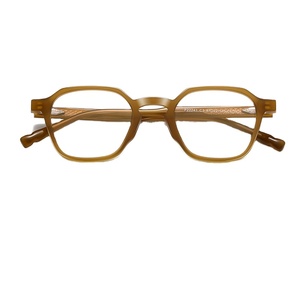
Engineered with high-density cellulose acetate sheets, five-barrel hinges, and precision ergonomic bridge geometry tailored for European optical retail chains, ophthalmology boutiques, and DACH private labels.
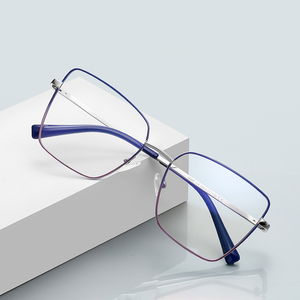
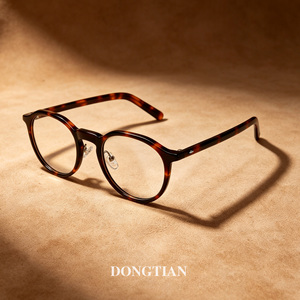
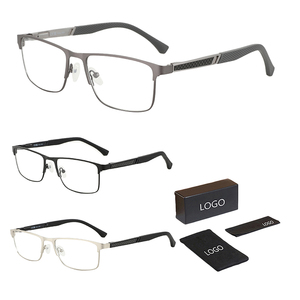
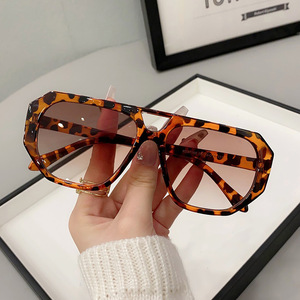
Understanding the specific commercial, geographic, and demographic currents driving high-margin acetate reading eyewear across the Republic of Austria.
The Republic of Austria represents one of the highest purchasing-power markets in the European Union, characterized by an aging demographic structure. According to Statistik Austria, more than 44% of the Austrian populace is aged 45 or older—the prime onset bracket for physiological presbyopia. As age-related loss of crystalline lens elasticity manifests, consumer demand for reliable near-vision correction escalates rapidly across Vienna, Lower Austria, Styria, Upper Austria, and Tyrol.
Unlike lower-tier single-injection plastic readers commonly found in discount retail kiosks, Austrian optical wearers demonstrate an acute preference for premium cellulose acetate frames. Austrian consumers view reading glasses not merely as a temporary medical aid, but as an essential personal accessory that reflects craftsmanship, skin biocompatibility, tactile warmth, and optical stability. Independent opticians registered under the Bundesinnung der Augenoptiker / Optometristen maintain stringent dispensing criteria that reject brittle synthetic plastics in favor of block-cut, heat-adjustable cellulose acetate.

Statistik Austria demographic projections show sustained expansion in the 45–69 cohort through 2035, cementing near-vision spectacles as an inelastic, recurrent healthcare commodity with high repeat-purchase loyalty.
With an annual GDP per capita exceeding €48,000, Austrian consumers prioritize artisanal materiality, organic plant-derived polymer sheets, and hypoallergenic nickel-free components over bargain mass-market plastics.
Rooted in historic Central European design movements (Wiener Werkstätte, Bauhaus-adjacent functionalism), Austrian buyers consistently prefer classic Panto silhouettes, deep tortoiseshell patterns, and subtle matte-bevel finishes.
From historic urban coffeehouses to high-altitude Alpine environments, our cellulose acetate reading spectacles are custom-engineered for diverse Austrian lifestyle ecosystems.
Vienna's UNESCO-recognized coffeehouse culture (Wiener Kaffeehauskultur) revolves around prolonged reading of broadsheet newspapers (Die Presse, Der Standard) and literature over Melange. Acetate reading frames provide balanced bridge weight distribution, preventing nasal bridge fatigue during extended reading periods.
In regions such as Tyrol, Salzburg, and Vorarlberg, active older demographics engage in outdoor recreation where altitude UV reflection is intense. We engineer reading sunglasses with high UV400 absorption and polarized bifocal reader segments (+1.50 to +3.00), allowing map navigation and digital smartphone reading in blinding alpine snow.
Executives and civil servants in Linz, Graz, and Vienna demand anti-fatigue reading glasses equipped with HEV420 blue-violet light filters. Our frames accommodate multi-screen focus depths (40 cm reading distance to 70 cm desktop distance) without optical distortion or chromatic aberration.
Over-the-counter reading spectacles distributed through Austrian community pharmacies (Apotheken) must comply with strict CE Medical Device criteria. Our ready-readers provide pre-glazed diopter precision certified from +1.00D to +3.50D with identical inter-pupillary distance (PD 62mm ± 1mm).
Importing ready-to-wear reading spectacles and optical frames into Austria requires adherence to harmonized European Union directives and Austrian federal statutes.
| Regulatory Framework | Applicable Scope | Mandatory Technical Parameter | RTC Eyewear Factory Compliance Measure |
|---|---|---|---|
| EU MDR 2017/745 (Class I) | Ready-to-wear reading spectacles & spectacle frames | Medical Device conformity, CE Marking, technical documentation, EU Declaration of Conformity. | Full Class I technical file maintenance, UDI (Unique Device Identification) barcode tracing, authorized EU representative protocols. |
| DIN EN ISO 12870:2018 | Ophthalmic optics — Spectacle frames | Dimensional tolerance, bridge mechanical endurance, sweat resistance, perspiration stability. | Continuous cyclic temple flexing testing (>20,000 cycles), artificial sweat immersion testing at 35°C for 24 hours. |
| DIN EN 14139:2010 | Ready-to-wear spectacles | Dioptric power tolerance, optical center alignment, prism imbalance tolerances. | Automated lensmeter inspection for optical focal accuracy: ±0.12D tolerance limit across all pre-glazed diopter steps. |
| REACH (EC No 1907/2006) | Chemical safety of frame materials | Zero prohibited phthalates, nickel release limit <0.5 μg/cm²/week under EN 1811. | Premium grade virgin cellulose acetate sheets made with bio-plasticizers; non-corrosive German OBE nickel-free hinges. |
| Austrian Verpackungsverordnung | Commercial packaging waste law | Participation in ARA (Altstoff Recycling Austria) or authorized collection systems. | FSC-certified biodegradable secondary cartons, plastic-free bulk transport cartons, barcoded for ARA dual system declaration. |
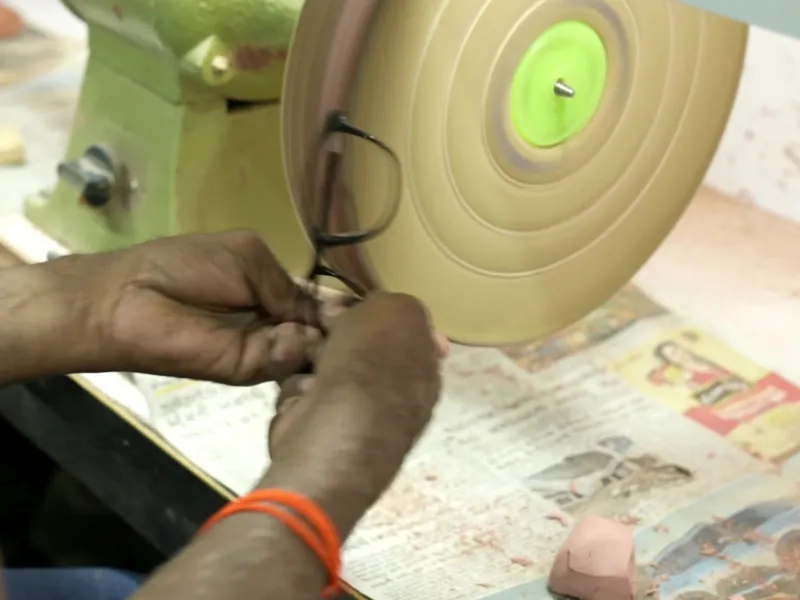
Austrian opticians adhere to stringent guidelines regarding frame grooving, bevel geometry, and pantoscopic tilt. Unlike mass injection frames that soften or warp under heating fans, our cellulose acetate maintains crystalline memory. Opticians in Vienna or Graz can warm the acetate temple tips up to 60°C to contour precisely behind the mastoid bone without inducing stress whitening or core wire separation.
Every frame front is CNC routed with standard 0.6mm V-grooves matching universal ophthalmic lens edges, facilitating rapid re-glazing if the Austrian customer requires custom toric, progressive, or prismatic prescription lenses from local optical laboratories.
Strategic alignment with macroeconomic, ecological, and design preferences dominating Austrian retail procurement.
Austrian consumers demonstrate exceptional ecological awareness. Demand for bio-based acetate derived from sustainable wood pulp and cotton linters—bonded with bio-derived diethyl phthalate substitutes—is projected to capture 42% of premium boutique orders by 2028.
Facial anthropometry in the DACH territory requires broader pupillary distances (PD 62–66mm), wider bridge spans (18–21mm), and extended temple lengths (145–150mm). We calibrate our boxing measurements specifically to avoid temporal pinch common in standard Asian-fit imports.
Loud branding is disdained in sophisticated Austrian design circles. Trend projections indicate growing dominance of architectural square profiles, beveled keyhole bridges, rich amber-havana tortoiseshells, and subtle blind-debossed inner temple typography.
Four decades of relentless specialization in pure cellulose acetate production, combining German CNC precision with master artisan hand-finishing.
Over 41 years dedicated exclusively to one material category: cellulose acetate. We do not dilute our tooling with cheap injection plastics; our factory is built solely for premium subtractive optical manufacturing.
With 22 proven core models and over 258 curated colorways continuously on line, Austrian partners can launch custom collections rapidly without risking heavy upfront prototype tooling expenses.
We eliminate supply risk by producing fully finished, packaging-accurate pre-production physical samples for client sign-off. Bulk production does not commence until the Austrian client verifies fit, weight, and polish.
Comprehensive B2B branding services: high-resolution pad printing, precision laser engraving, stainless core wire co-molding, and custom-embossed microfiber cases branded solely to your Austrian retail label.
Every pair of cellulose acetate reading glasses traversing our facility undergoes an intensive subtractive manufacturing and hand-burnishing regimen:
Critical commercial, logistic, and regulatory answers for Austrian optical retail executives, pharmaceutical buyers, and private label importers.
Under EU MDR 2017/745, ready-to-wear reading spectacles are classified as Class I Medical Devices. RTC Eyewear delivers full technical documentation files, complete with CE Declarations of Conformity, dioptric accuracy compliance certificates under EN 14139:2010, biocompatibility proof under ISO 10993, and GS1-compatible UDI barcodes. This ensures immediate legal clearance for sale across Austrian pharmacies, optical chains, and department stores.
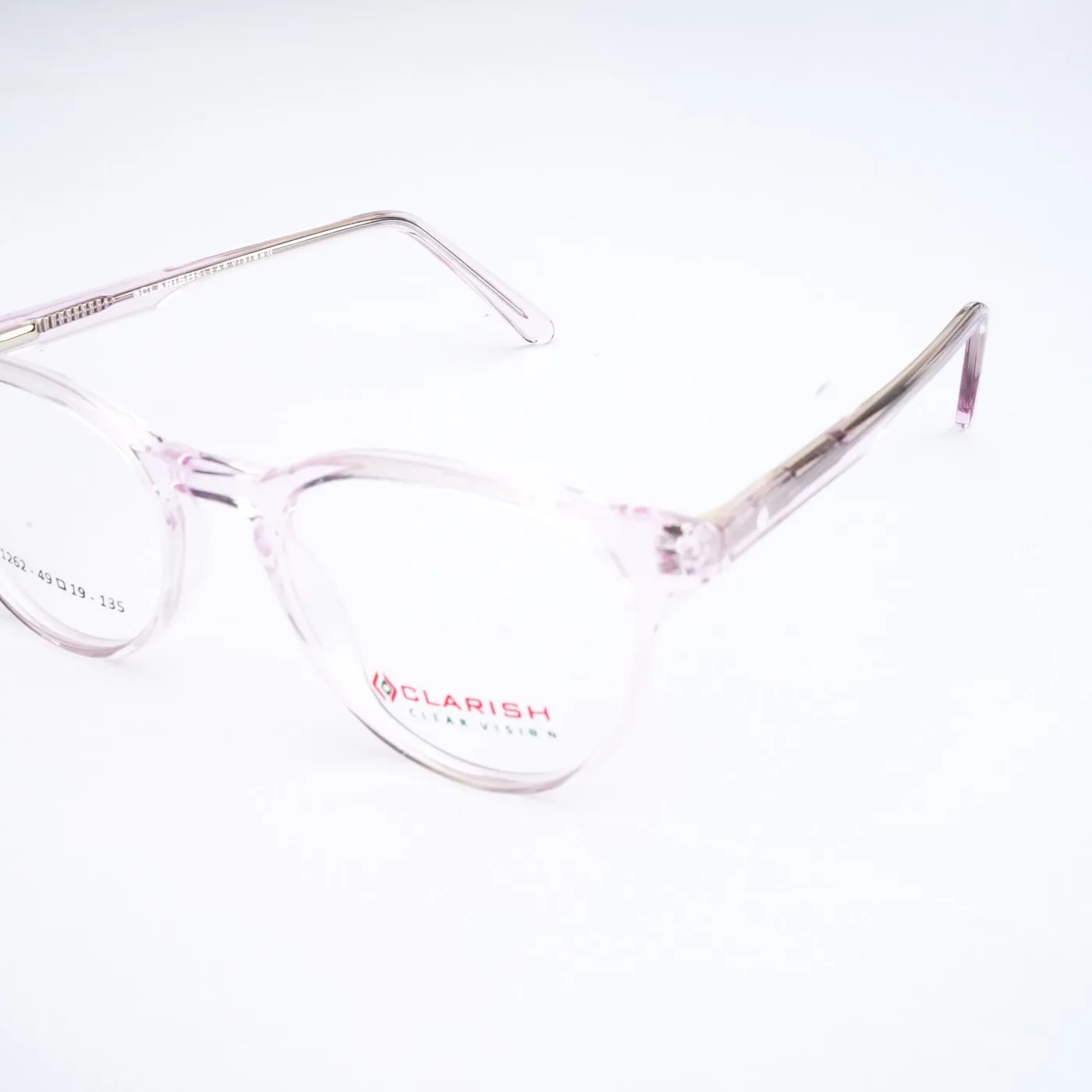
For models chosen from our existing Clarish™ catalog with custom logo printing and bespoke retail cases, our standard initial trial threshold starts at 300 units per model (split evenly across 2 to 3 colorways). For bespoke OEM developments requiring exclusive custom tooling, our standard MOQ is typically 500 to 1,200 units depending on the complexity of the acetate sheet skiving and custom metal tooling.
We provide fully compliant export packaging solutions. Our primary and secondary cartons are constructed from certified recyclable and FSC-labeled cardboard. We provide exact tare weights by packaging fraction (corrugated cardboard, paper, paperboard, plastic films), allowing Austrian importers to easily fulfill their reporting obligations with ARA (Altstoff Recycling Austria) or Interseroh Austria without customs delays.
Our automated optical glazing lines provide pre-glazed lenses in standard European diopter increments: +1.00, +1.25, +1.50, +1.75, +2.00, +2.25, +2.50, +2.75, +3.00, and +3.50 diopters. All lenses are made from optical-grade CR-39 or optical acrylic (PMMA), featuring hard anti-scratch coatings, optional multi-layer anti-reflective (AR) coatings, and blue-light filtration blocking 30% to 45% of high-energy visible light up to 420nm.
Yes. A substantial portion of our wholesale export to Central Europe consists of Rx-ready optical frames fitted with clear, print-branded acrylic demonstration lenses. These frames feature precision-cut optical bevel grooves that allow Austrian optometrists and opticians to effortlessly glaze custom single-vision, progressive (Gleitsichtbrillen), or astigmatic lenses using standard in-store edgers.
Physical sampling and rapid prototyping typically take 15 to 25 business days from CAD drawing approval. Mass manufacturing following sample sign-off requires 45 to 60 days depending on whether custom-laminated acetate colors are required. For shipping to Vienna International Airport (VIE) or sea-freight via Hamburg/Koper followed by rail to Graz/Wien Logistics Centers, air cargo transit is 5–7 days, while multimodal sea/rail transit is approximately 28–35 days.
No. Our cellulose acetate is synthesized from natural cotton linters and renewable wood pulp, using non-toxic plasticizers that fully comply with EU REACH restrictions. It is non-porous, hypoallergenic, and neutral to human skin secretions. Even during extreme sub-zero winter temperatures in mountainous ski resorts, the thermal conductivity of cellulose acetate remains comfortably warm against facial skin, avoiding the cold shock associated with raw metals.
We provide precision tampon printing (pad printing) using high-durability epoxy inks, hot foil stamping, and permanent laser engraving. The inner temples can be marked with your proprietary brand logo, CE mark, model designation, boxing measurements (e.g., 54 □ 18 – 145), diopter strength, and batch tracking codes according to your exact corporate font identity.
Connect directly with our export engineering department. Request physical frame samples, catalog specifications, and bespoke OEM/ODM manufacturing quotes designed to meet Austrian commercial and regulatory standards.
Inquire Now
