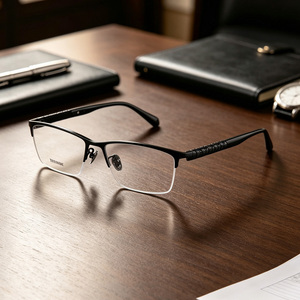
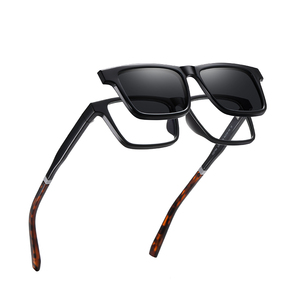
Direct supply of CE-marked, high-tolerance spectacle silhouettes compliant with strict Japanese Ministry of Health, Labour and Welfare (MHLW) optical criteria and Asian Fit anatomical standards.
A rigorous engineering and regulatory framework designed to de-risk customs clearance, PMDA classification, and post-market consumer trust for Tokyo, Osaka, and Nagoya optical distributors.
Optical prescription frames entering global markets must satisfy EU Regulation 2017/745 (MDR Class I Medical Device). Our export collections undergo comprehensive type-testing under harmonized EN ISO 12870 standards, guaranteeing dimensional stability, physiological biocompatibility, and enduring structural integrity under mechanical fatigue.
Japanese optical buyers operate under the Industrial Standardization Act and the Japan Optical Manufacturers’ Association protocols. JIS T 7330 directly harmonizes with ISO 12870, meaning our CE-certified engineering files furnish the empirical test data required by Japanese customs inspectors and municipal pharmaceutical affairs auditors.
In Japan, corrective prescription optical spectacle frames are classified under General Medical Devices (Class I, Todokede notification). Because our manufacturing processes observe ISO 13485 QMS traceability, Japanese importers (Seizo Hanbaigyo license holders) can register our bulk frame shipments with zero friction or costly factory audits.
| Regulatory Test Parameter | CE Standard (EN ISO 12870) | Japanese Standard (JIS T 7330) | RTC Eyewear Export Benchmark |
|---|---|---|---|
| Bridge Deformation & Endurance | 500 cycles at 40 cycles/min without permanent distortion > 5mm | Identical mechanical cycle tolerance aligned with JIS T 7330 §6.2 | Reinforced internal bridge core sustaining > 800 cycles (< 2mm set) |
| Nickel Ion Release (Direct Contact) | < 0.5 μg/cm²/week under EN 16128 after 2-year wear simulation | Strict compliance required for cutaneous contact zones | 100% Non-detectable (< 0.05 μg/cm²/week) via PVD titanium barriering |
| Sweat & Perspiration Corrosion | 24-hour immersion in synthetic acidic sweat at 35°C ± 2°C | JIS B 7285 salt spray & synthetic sweat exposure assessment | Zero discoloration, pitting, or delamination at 72 hours immersion |
| Ignition & Thermal Stability | No flame persistence after contact with heated rod at 650°C | Self-extinguishing non-flammability standard for optical goods | Cellulose acetate compliant with ISO 14997 self-extinguish specs |
| Optical Groove Sizing Accuracy | DIN EN ISO 8624 Boxing System dimensions within ±0.5mm | Exact bevel V-angle (110°–120°) for Nidek/Takubomatic edgers | CNC 5-axis routed bevel grooves strictly held to ±0.08mm tolerance |
How our CE-certified optical frames empower diverse retail channels, hospital optometrists, and design-led lifestyle boutiques across the Tokyo Metropolitan area, Kansai, and Kyushu.
Japan’s high-volume Specialty Store Retailer of Private Label Apparel (SPA) chains—including pioneers like JINS, Zoff, and Megane Top—require high inventory turns, rapid restocking, and flawlessly uniform boxing metrics. Our frames provide the exact hinge tension, Asian fit nose-pads, and lightweight density required for express 30-minute lens-fitting dispensaries.
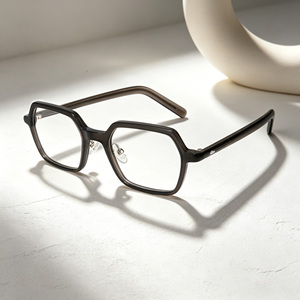
Upscale independent opticians in Tokyo’s high-end retail districts demand artisanal hand-finishing comparable to Fukui-Sabae heritage craftsmanship. Our multi-stage barrel tumbling and hand-wheel buffing generate mirror-grade lustre on 6mm and 8mm block acetate without unsightly lacquer coatings, appealing to connoisseurs who prioritize tangible material depth.
With Japan’s pervasive digital office culture and corporate wellness guidelines, there is immense demand for ultra-lightweight frames equipped with plano blue-light-filtering or low-diopter lenses. Engineered with β-titanium flexible temples, our frames exert minimal temporal cranial pressure (< 1.2N), eliminating fatigue during prolonged 10-hour screen sessions.
Representing over 29% of Japan's population aged 65 and older, domestic opticians require deep B-dimension frame fronts (≥ 34mm) that effortlessly accommodate progressive addition lenses (PAL) without cutting off reading corridors. Our rectangle and square designs blend ergonomic pantoscopic tilt angles with timeless, understated dignity.
Strategic macro factors influencing procurement decisions among Japan’s top general trading houses (Sogo Shosha), optical retail syndicates, and ophthalmology suppliers.
Universal Western frame geometries frequently slide down Japanese nasal bridges due to shallower epicanthic anatomy and wider zygomatic arches. The fastest-growing product categories in Japan incorporate tailored anatomical parameters: elevated 11–13mm bridge elevations, narrowed 16–18mm bridge clearances, 4-point pantoscopic tilts, and micro-adjustable silicone or titanium nose-pad arms.
Corporate ESG mandates and conscientious Japanese consumer sentiment have made bio-based cellulose acetate (derived from sustainable wood pulp and cotton linters using bio-plasticizers) a baseline specification rather than a novelty. Importers are systematically phasing out phthalate-bearing petroleum plastics in favor of 100% biodegradable, hypoallergenic grades.
While classic bold acetate continues to dominate vintage intellectual silhouettes, the Japanese consumer market demands hybrid constructions: ultra-thin 3.5mm high-density acetate rims married to surgical-grade titanium bridge chassis and investment-cast β-titanium hinges. This achieves a featherlight frame weight under 14 grams while retaining bold chromatic presence.
Decades of continuous specialization in cellulose acetate and high-precision frame manufacturing, delivering the exactitude, reliability, and documentation demanded by Japanese trade partners.
With over four decades dedicated exclusively to premium eyewear fabrication, our enterprise has mastered the subtleties of raw material chemistry, curing cycles, and structural tension relief. We understand that raw acetate must undergo measured kiln aging to prevent warpage after optical glazing.
Every front and temple is sculpted from block cellulose acetate using automated multi-axis CNC milling tools. This ensures absolute symmetry, exact rim groove bevel depths (0.6mm ± 0.02mm), and tight-tolerance hinge pockets that prevent loose or wobbly temple play across years of daily use.
A machine achieves exact tolerances, but only dedicated human hands achieve ergonomic perfection. Our components undergo three distinct stages of wet and dry barrel tumbling with beechwood chips and pumice, followed by skilled craftsmen buffing each chamfer on cotton mop wheels to achieve a deep, glass-like lustre.
Direct, technical answers addressing legal documentation, packaging, quality thresholds, and private label customization protocols.
Whether you are expanding an established optical chain, creating a designer private label, or sourcing precision-engineered titanium and acetate frames for Japanese retail, our export engineering team provides the craftsmanship, regulatory assurance, and commercial flexibility your brand deserves.