

CE Certified
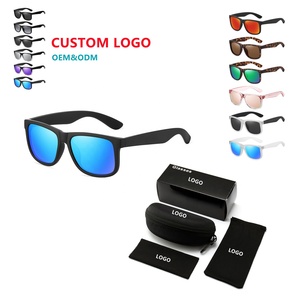
2026 Trending Factory Wholesale Custom Logo Cycling Outdoor Sport Square Polarized Mens Sunglasses
Heat Adjust: Acetate Temples
UV400 Polarized
Precision-milled cellulose acetate and engineered beta-titanium hybrid platforms configured for cold-glazing and precise optical hot-air bench adjustments in Seattle dispensaries.
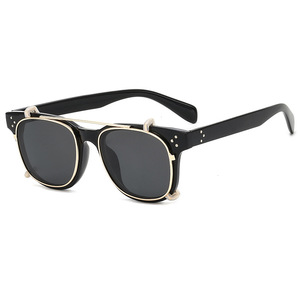
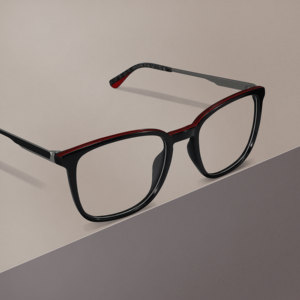
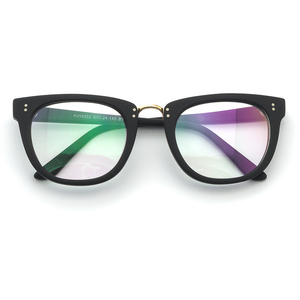
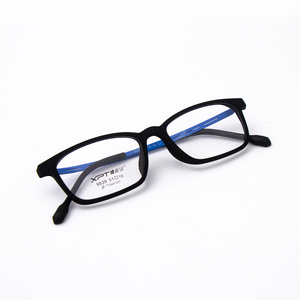
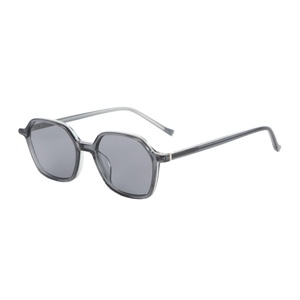
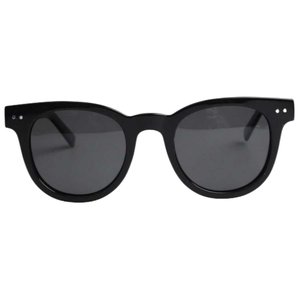
In ophthalmic dispensing, the thermal-mechanical response of an optical chassis governs dispensary throughput, optometric precision, and patient satisfaction. Rushabh Trading Company (RTC Eyewear) has specialized exclusively in the compounding, CNC machining, and curing of premium cellulose acetate since 1985. The requirement for heat-adjustable optical frames in the Pacific Northwest—and metropolitan Seattle specifically—is dictated by physical chemistry. Unlike injection-moulded polycarbonates or standard grilamid (TR-90) polymers which exhibit high elastic memory and risk structural snapping when stressed, genuine bio-acetate (derived from sustainable cotton flock and wood pulp plasticized with specialized triethyl citrate or diethyl phthalate matrices) undergoes an orderly glass transition ($T_g$) between 55°C and 70°C (130°F to 160°F).
When Seattle opticians apply localized hot air via standard optical bead or ceramic air frame warmers, the long molecular chains within our organic cellulose acetate temporarily release internal mechanical shear. This allows dispensary professionals to easily alter the pantoscopic tilt by 8° to 12°, tailor the vertex distance for high-index myopic or progressive lenses, and shape the mastoid bend along the temple cores without inducing crazing, surface blistering, or frame whitening. Compliance with the European standard CE EN ISO 12870:2018 (Ophthalmic Optics – Spectacle Frames) certifies that our optical frames withstand rigorous testing for sweat corrosion, non-toxicity, dimensional stability under elevated temperatures, and prolonged biocompatibility with human dermal layers.
Formulated to achieve plastic deformation between 58°C–65°C without bubbling, enabling seamless temple curvature modifications and front-rim shaping during busy in-clinic fittings.
Temples are reinforced with electroplated nickel-silver or titanium inner core wires, ensuring that once shaped by an optician's hands, the ergonomic angle remains locked permanently.
Exhaustive compliance auditing guarantees absolute resistance to perspiration leeching, structural fatigue, UV discoloration, and material off-gassing under varied ambient humidity.
Supplying eyewear to the Greater Seattle area—from South Lake Union and Belltown to Bellevue and Redmond—demands an astute understanding of local demographics, weather conditions, and cultural habits. Seattle boasts one of the nation's dense tech professional workforces alongside an active, outdoor-focused maritime culture.
1. Software Engineering & Data Centers (The Tech Corridor): Tech developers in Seattle spend 10 to 14 hours daily before multi-monitor arrays. Standard rigid eyewear exerts uncomfortable temporal pressure, causing tension headaches. Our heat-adjustable frames allow clinic opticians to customize the lateral temple bow to eliminate side-of-head pinches, while accommodating heavy blue-light and digital free-form lenses that demand zero lens slippage down the bridge.
2. High Humidity, Rain, and Marine Microclimates: With Seattle's continuous marine layer and mist off Puget Sound, frames made with cheap alloy screws and low-grade plastics experience hinge freezing and galvanic corrosion. Our factory integrates five-barrel and seven-barrel OBE-style German-engineered hinges treated with anti-corrosion passivation coatings, anchoring securely into hand-routed acetate mortises.
3. Active Urban Commuters (Biking & Ferry Transit): Commuters transitioning from cold ferry decks in Bainbridge or cycling the Burke-Gilman Trail require rapid lens demisting and a secure fit. Our heat-customized temple wraps prevent eyewear dislodgement during rigorous pedestrian movement.
The procurement patterns among boutique optical owners, corporate retail purchasing directors, and regional eye clinics in Washington State are evolving rapidly toward ethical, technically superior, and independent manufacturing supply chains:
Decoupling from Monopolistic Distribution: Independent Seattle ODs (Doctors of Optometry) are systematically rejecting the traditional multi-tiered luxury licensing conglomerates. By sourcing directly from verified foundry suppliers with OEM/ODM capabilities, optical practices protect their gross margins, achieving 65% to 75% retail markups while offering private-branded collections named after Pacific Northwest landmarks.
Demand for Bio-Based Circular Materials: Seattle consumers lead North American demographics in ecological consciousness. RTC Eyewear provides certified biodegradable cellulose acetate formulations made without toxic petrochemical plasticizers. These frames naturally decompose over designated cycles in industrial compost settings while retaining superior dimensional rigidity and mechanical gloss.
Universal Inclusive Ergonomics: The Greater Seattle region has a cosmopolitan demographic with diverse facial bridge structures, including a significant Asian-American community in King and Snohomish counties. Standard Euro-centric acetate frames lack sufficient nose-pad projection. Our manufacturing lines engineer custom pad-arm extensions and modified keyhole saddles directly milled into the acetate front, eliminating cheek-resting issues.
Over 41 years dedicated strictly to acetate manipulation, CNC milling precision, and hand-finished craftsmanship.
We build pre-production gold-seal prototypes for your dispensary staff to test heat adjustments and glazing resistance prior to triggering bulk manufacturing runs.
Frames undergo 72 hours of proprietary beechwood and pumice tumbling, followed by manual polishing wheels. The luster is embedded in the material, never masked by topical lacquers.
From micro laser-etched temple inner sizing (e.g., 54 □ 18 – 145) to bespoke cork cases, microfiber cleaning cloths, and custom Seattle-branded luxury boxing.
Direct door-to-door export documentation, comprehensive harmonized tariff system (HTS) coding, FDA device listing guidance, and fast air freight direct to Washington distribution centers.
Clear, direct answers regarding minimums, optical lab glazing, certifications, and international shipping.
Our frames feature micro-machined internal bevel grooves cut via 5-axis CNC router bits calibrated to standard 0.55mm V-groove geometries. Cellulose acetate can be cold-snapped for low diopter lenses, but for high-minus or high-plus Seattle patient prescriptions utilizing 1.67 or 1.74 high-index materials, the frame front easily expands under standard dispensary hot-air blowers (around 60°C) for 15 seconds, seating the lens cleanly without bevel tension, frame distortion, or lens birefringence.
Yes. Spectacle frame imports into the United States must meet FDA Medical Device Class I requirements, and the consumer-facing materials comply with California Prop 65 as well as Washington State's Children's Safe Products Act regulations regarding lead and cadmium thresholds. Furthermore, our CE EN ISO 12870 documentation provides third-party laboratory verification for all structural, biocompatible, and thermal characteristics.
Because we maintain over 22 proprietary tooling platforms and 258 sheet colorways actively in production, private label customization from in-catalogue tooling starts as low as 100 to 300 pieces across assorted colorways. Custom bespoke OEM silhouettes developed via CAD models and custom tooling typically require 600 pieces. Air-courier shipments clear customs and arrive in Seattle within 5 to 7 business days from port release.
Absolutely. We specialize in ODM dimension tweaking. If a Seattle clinic requires a wider bridge width (e.g., shifting from 17mm to 20mm) or elevated nose pads to accommodate lower nasal profiles, our engineering team modifies the digital CNC toolpath without mandating costly upfront injection molds.
No. Unlike low-tier injected synthetic polymers, genuine cellulose acetate sheets undergo a prolonged stabilization curing process prior to cutting, which eliminates latent material internal stresses. Surface color remains consistent across the entire cross-section, ensuring that moisture and ambient thermal fluctuations in the Pacific Northwest do not induce delamination, yellowing, or structural curvature warping.
Partner directly with our engineering foundry. Whether you require private-labeled Clarish™ acetate stock or bespoke ODM tooling engineered from your sketches, our export department is standing by to evaluate your project specifications.