

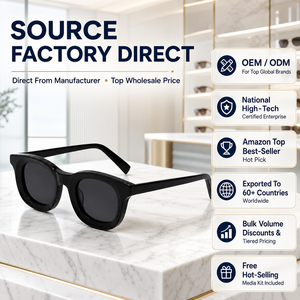
 Bevel Cut Acetate
Explore production-tested silhouettes featuring multi-layered block cellulose acetate, memory TR90, precision barrel tumbling, and German double-barrel hinge integration.
Bevel Cut Acetate
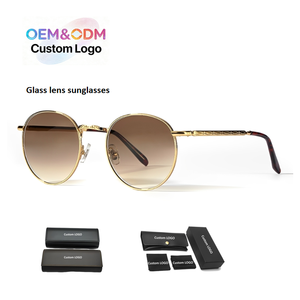 Metal Monel/Titanium
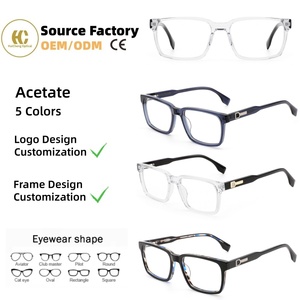 Hand-Finished
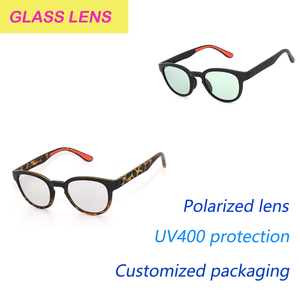 Featherweight TR90
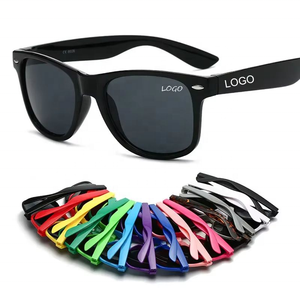 Private Label Ready
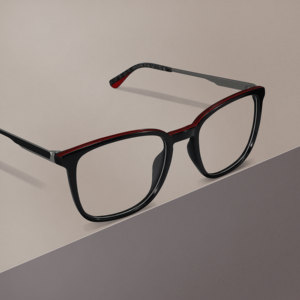 Composite Architecture
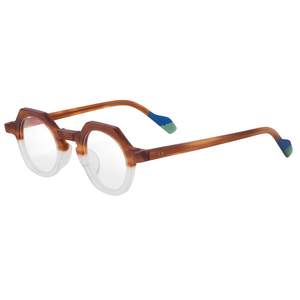 Matte Sandblasting
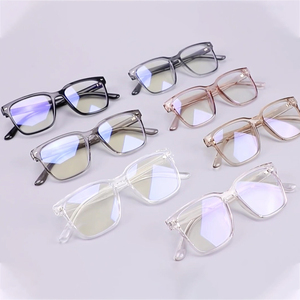 HEV Filter Certified
In modern optical brand development, procurement directors no longer navigate a binary choice between Eastern volume and Western prestige. The contemporary landscape represents a sophisticated integration of Italian design heritage and Chinese advanced manufacturing scalability.
The manufacturing epicenters of Shenzhen (high-end titanium and acetate handcraft), Wenzhou (injection-molded polymer and volume optical), and Danyang (ophthalmic lens grinding and rapid assembly) provide unmatched supply chain density. Vertically integrated tooling facilities allow production runs to scale from pilot batches of 300 units to full retail rollouts of 100,000 pairs within condensed 45-day lead times.
Situated primarily in the Belluno and Cadore valleys of Northern Italy, Italian atelier manufacture remains the historical benchmark for luxury cellulose acetate. Leveraging curated sheets from historic mills like Mazzucchelli 1849, Italian finishing utilizes proprietary birch-chip tumbling media and organic carnauba wax polishing, establishing an unmistakable depth of luster and sensory tactile edge.
Leading global fashion houses and independent optical chains increasingly utilize a multi-tier manufacturing topology. By utilizing China's precision CNC frame routing, wire-core ultrasonic shooting, and custom tooling alongside Italian raw flake formulation and European regulatory registration, brands achieve substantial margin efficiency without compromising metallurgical integrity or retail prestige.
| Evaluation Parameter | Top-Tier China Wholesale Factories | Artisanal Factory in Italy | RTC Global Sourcing Spec (Our Standard) |
|---|---|---|---|
| Raw Material Provenance | Domestic premium flake acetate (JinYu, GuanHao) & imported Mazzucchelli sheets. | 100% European bio-acetate (Mazzucchelli 1849, LA/ES) plant-based polymers. | A-grade aged cellulose acetate sheets (>90 days cured) for zero-warpage stability. |
| Machining & Milling Tolerances | High-speed multi-spindle CNC; ±0.08mm standard rim groove depth. | Slow-feed specialized CNC routers; ±0.05mm precision lens seating. | 5-axis precision German-tooled CNC routers; ±0.05mm lab-fit lens groove tolerances. |
| Surface Tumbling & Finishing | 72-hour automated dry/wet rotational barrel cycle + mechanized buffer. | 96 to 120-hour multi-stage pumice, beechwood, and hand-paste wheel burnish. | 84-hour triple-stage tumbling (coarse, micro-wood, mirror buff) + skilled hand wheel finish. |
| Minimum Order Quantities (MOQ) | 300 – 1,200 pcs per model across 2–4 colorways. | 500 – 2,500 pcs per model with significant upfront tooling fees. | Flexible commercial trade runs; sample validation prior to mass-run scaling. |
| Regulatory Standards & Testing | FDA registration, CE Mark, ISO 12870 mechanical fatigue, nickel-release compliant. | Strict EU MDR Class I Medical Device, REACH compliant, complete ESG certification. | Full laboratory testing: ISO 12870, sweat corrosion, hinge cycle test (20,000+ flexes). |
Rushabh Trading Company (RTC Eyewear) has concentrated industrial capability on a single discipline since 1985: transforming raw sheet cellulose acetate into dimensionally stable, hand-buffed optical frames and sunglasses for global distributor networks.
Cellulose acetate contains organic plasticizers that warp if machined raw. Raw sheets undergo temperature-controlled kiln curing to stabilize dimensional stress prior to any routing operations.
Profiles are shaped with dynamic edge bevelling, precisely formed nose-bridge pads, and base-curve contouring. This ensures lab technicians can insert prescription Rx lenses without stress fractures.
Engraved nickel-silver reinforcing wire cores are ultrasonically driven into warm acetate temples, paired with Teflon-coated 3-barrel, 5-barrel, or 7-barrel hinges to secure structural alignment.
Following extended mechanical tumbling, artisans hand-buff every bevel edge and temple tip. Each frame is verified against digital vernier calipers before laser marking and export boxing.
A frame silhouette that excels in Milanese boutique retail may fail commercial benchmarks in North American corporate chains without dimensional and metallurgical recalibration.
Structural Demands: High volume, broad cranial sizing (54 to 58mm lens diameters, 145 to 150mm temples), and progressive-lens friendly minimum B-measurements (≥36mm). Frames require robust spring hinges to accommodate wider face profiles and resist customer handling in high-turnover optical dispensaries.
Structural Demands: Retro-aesthetic emphasis, bold 8mm to 10mm bevel cuts, vintage keyhole bridges (20 to 23mm width), and warm Havana tortoiseshell colorways. European buyers prioritize tactile edge softness, rivet-hinge hardware, and certified bio-based formulations free from toxic phthalate plasticizers.
Structural Demands: Flatter facial pantoscopic tilt angles (6° to 8° compared to Western 10° to 12°), narrower bridges (16 to 18mm), and significantly augmented, hand-glued or 3D-milled acetate nose pads. This elevates the frame front clear of high cheekbones and prevents ocular slippage during warm weather wear.
The next five years of international eyewear trade will be governed by environmental compliance, hybrid structural materials, and digital manufacturing precision.
Global regulatory scrutiny (including the EU Green Claims Directive) is driving wholesale buyers away from traditional petroleum-based diethyl phthalate (DEP) formulations. Next-generation cellulose acetate utilizes bio-plasticizers derived from vegetable oils, achieving biodegradability compliance (ISO 14855) while preserving traditional tensile hardness and polish retention.
The boundary between classic acetate and performance metal is dissipating. Modern commercial lines feature composite lamination: lightweight aerospace Beta-Titanium temples locked into structural acetate eye rims via hidden anti-loosening nylon thread-lock fasteners, yielding frames under 18 grams that support complex high-diopter prescriptions.
Traditional prototype sampling cycles of 6 to 8 weeks are obsolete. Wholesale buyers now provide 3D STEP or IGES files, enabling high-definition CNC pilot samples to be cut, barreled, and dispatched within 7 working days. This rapid feedback loop allows brands to align collections with seasonal runway shifts in real time.
Technical clarity on boxing systems, minimum runs, plating durability tests, and regulatory conformity.
The boxing system (ISO 8624) measures frames in millimeters using three standardized metrics: [A] Lens Width × [DBL] Distance Between Lenses (Bridge) – [Temple Length], expressed for example as 56 □ 18 – 145. During OEM/ODM tool development, modifying the DBL by just 1.5mm or altering the pantoscopic angle shifts the center of gravity and facial target market. Our engineering team prepares complete boxing diagrams to guarantee lens bevel seating before opening injection or milling tooling.
Cellulose acetate is a plant-derived organic thermoplastic composed of cotton linter and wood pulp flakes. Crucially for optometrists and dispensing opticians, acetate possesses thermoplastic memory: it softens gently under standard optical frame warmers (around 60°C to 70°C), allowing precise cold-setting adjustments to temple curvature and bridge pantoscopy. Conversely, injection plastics like Grilamid TR90 or polycarbonate possess high elastic recovery; they resist localized heat adjustment and cannot be reshaped to conform to asymmetric cranial anatomies without returning to their baseline molded shape.
Every export production batch undergoes rigorous mechanical stress testing in accordance with ISO 12870 (Ophthalmic Optics – Spectacle Frames). Standard evaluations include: 1) Endurance fatigue testing, flexing the bridge and temples across 500 cycles without structural fractures or permanent deformation; 2) Artificial perspiration testing (immersion in acidic sweat solutions at 35°C for 24 hours) to verify zero galvanic blistering or acetate blooming; and 3) Optical thermal dimensional stability checks at 55°C to verify prescription lens retention.
OEM (Original Equipment Manufacturing): You provide exclusive industrial 2D/3D CAD technical drawings or physical prototypes. We fabricate bespoke tooling, profile bespoke CNC cutter paths, and manufacture strictly under your proprietary trademarks. ODM (Original Design Manufacturing): You select our proven in-production technical chassis (such as our 22 Clarish™ catalog models) and modify structural parameters such as acetate thickness, front beveling, nose pad placement, and custom lens coatings. Private Label: You select finished frames from our in-production runs and incorporate your custom laser branding, pad printing, temple stamping, and customized packaging suites.
Unlike cheaper injection-molded frames that rely on sprayed surface lacquers (which inevitably chip or peel over time), block cellulose acetate incorporates organic dyes throughout the entire cross-section of the sheet material. During multi-block lamination (such as pairing a tortoiseshell face with a crystal inner layer), raw sheets are chemically solvent-welded under high-tonnage heat presses, fusing the layers into a monolithic molecular block before CNC cutting. Scuffs can easily be polished out at the buffing wheel, restoring the original luster.
Whether you require precision OEM manufacturing from technical drawings, ODM adaptation of catalog models, or specialized cellulose acetate sample validation, our engineering team provides direct technical consultation within 24 hours.