Machined from cured multi-layer cellulose acetate sheet blocks, engineered with CNC-milled lens retention bevels, and calibrated for both high-index prescription optical labs and dual-purpose Houston corporate lifestyle wear.


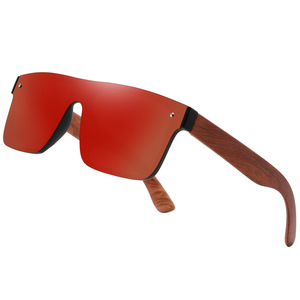
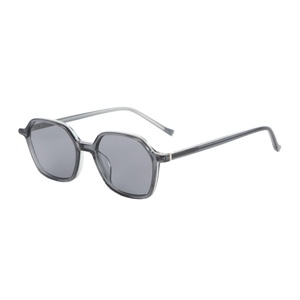
Why standard injected plastics fail along the Texas Gulf Coast, and how chemical stabilization, multi-stage tumbling, and aging processes protect structural geometry from seasonal warping.
Houston experiences summer relative humidity averaging 75%–90% combined with sustained temperatures exceeding 95°F. Substandard petroleum-based cellulose propionate or fast-cured acetates absorb ambient water vapor, causing plasticizer migration. This results in clouding, acetate bloom, and temple looseness. Our factory insists on a rigorous 60-to-90-day curing cycle for raw cellulose acetate slabs, stabilizing residual moisture to 1.8%–2.2% before CNC profiling.
A frequent complaint of Houston optical wholesale labs (edging polycarbonate, Trivex, or ultra-thin 1.67/1.74 lenses) is cold-popping during rapid transition between 68°F air-conditioned offices and 100°F outdoor environments. We mill our standard rectangle front lens grooves at a precise 110-degree optical V-bevel with a calibrated depth tolerance of 0.55mm ±0.02mm, ensuring rock-solid optical retention under thermal flux.
The Gulf Coast maritime atmosphere accelerates electrolytic corrosion in standard copper-alloy hinges. Our private-label rectangle collections feature extruded nickel-silver core wires electroplated with 3-micron protective micro-coatings, mated to German-standard 5-barrel or 7-barrel stainless steel pinned hinges. This resists sweat-induced pitting and maintains consistent temple friction torque over years of field use.
How high-grade plant-derived cellulose acetate out-performs generic nylon and TR90 frames in professional optical dispensing throughout Texas.
| Engineering Parameter | Our Cured Cellulose Acetate | Commodity TR90 / Injected Nylon | Impact on Houston Optical Buyer |
|---|---|---|---|
| Base Chemical Origin | Plant-derived cotton seed linters & wood pulp | Synthetic petroleum polyamide resins | Hypoallergenic, skin-safe during high-heat perspiration. |
| Thermal Plastic Memory | High (Readily adjusted with bench heat blower) | Low (Springs back; cannot be shaped permanently) | Dispensing opticians achieve precise custom ergonomic fit. |
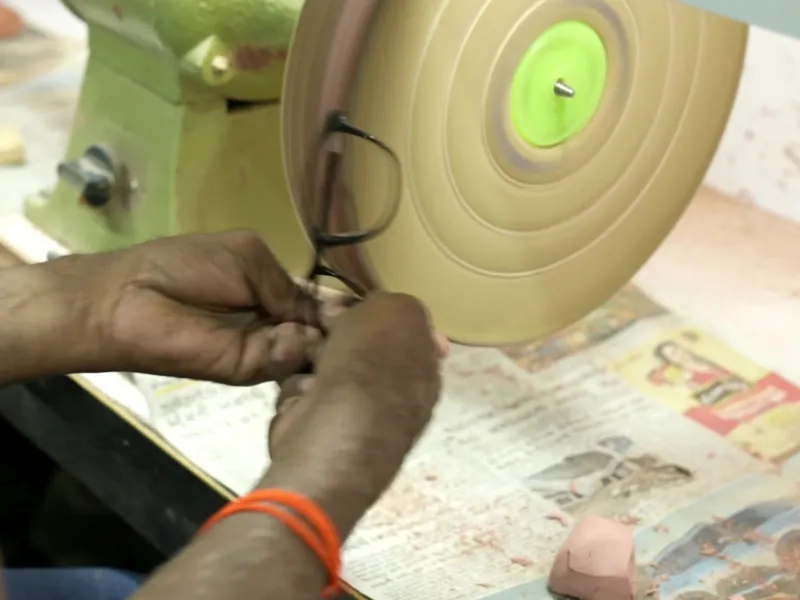
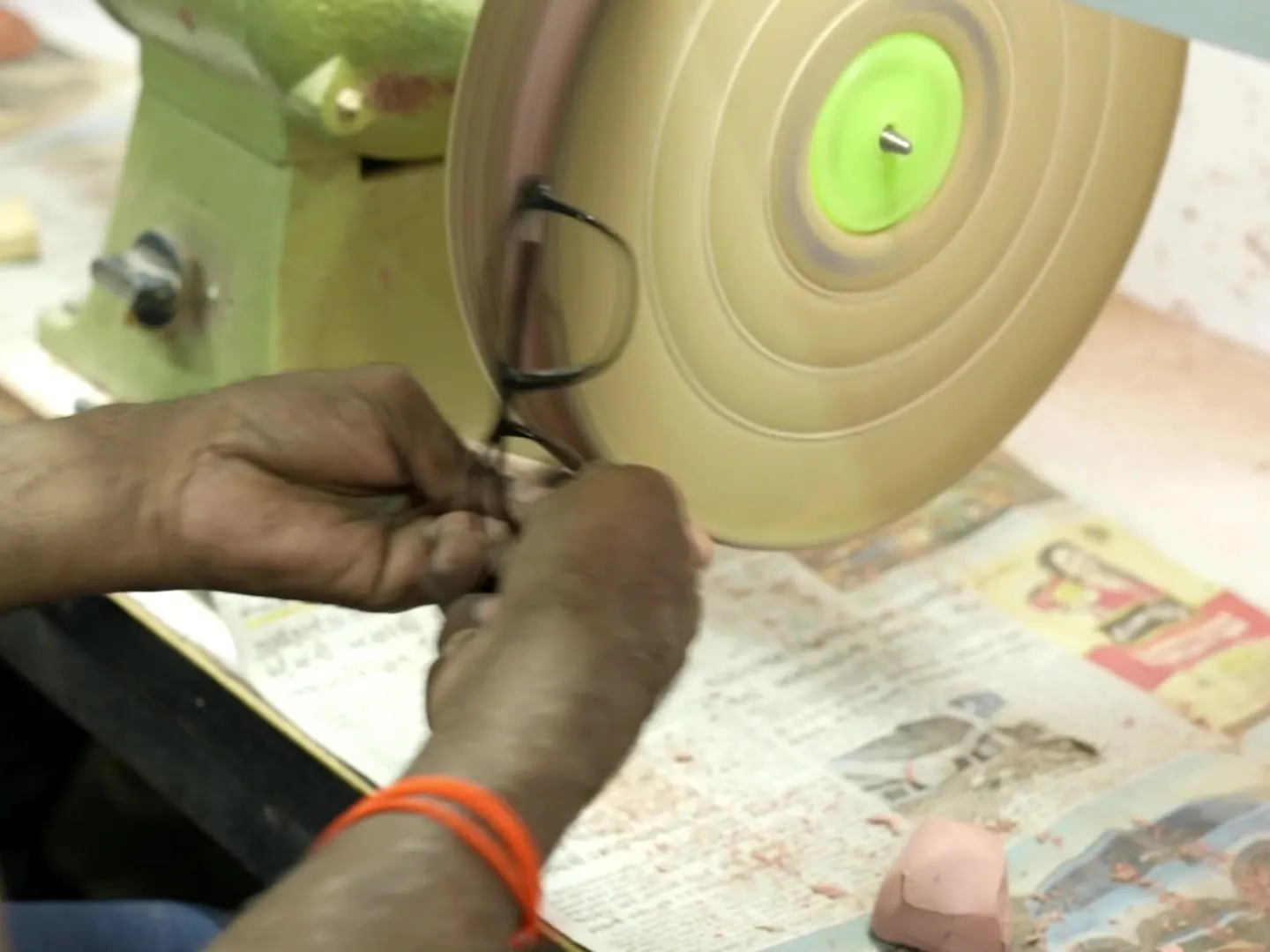
| Surface Finish Depth | 3-stage pumice tumbling + hand wheel buffing | Sprayed clear-coat lacquer over raw mold | No peeling, flaking, or discoloration from salt air or sweat. |
| Structural Rigidity (6mm Front) | Stiff elastic modulus; zero lens flex | Pliable; deforms under heavy astigmatic Rx | Maintains strict cylinder axis alignment for prescription accuracy. |
From corporate boardrooms in the Energy Corridor to sterile operating suites at the Texas Medical Center, rectangle acetate frames deliver the quintessential balance of understated authority and structural endurance.
Petroleum engineering executives, seismic analysts, and project managers along the Katy Freeway and Westchase business districts require eyewear that bridges executive boardrooms and refinery administrative offices. The classic, defined lines of a 55mm to 57mm rectangle acetate frame project sharp geometric intelligence without flamboyant distraction.
As the largest medical complex in the world, TMC employs over 106,000 healthcare professionals, clinical researchers, and surgeons. Optical boutiques situated in Midtown, West University, and Bellaire demand optical frames that accommodate prolonged binocular microscope usage, surgical loupe clip-ons, and stringent sterilization protocols.
Expanding demographic centers like The Woodlands, Sugar Land, Katy, and Pearland have spurred demand for independent optometry practices and high-end family vision clinics. Local consumers seek frames that express everyday durability, casual refinement, and multi-generational fit versatility.
The Port of Houston is one of the nation's busiest commercial waterways. Freight forwarders, intermodal operations managers, and maritime logistics coordinators require frames that resist constant brackish air exposure and high thermal swings while providing full optical acuity for digital tracking suites.
Shifts in port handling, nearshore logistics, duty optimization, and sustainable material certifications driving procurement decisions among Houston optical importers.
Rather than relying on congested West Coast ports (Long Beach/Los Angeles) and costly cross-country intermodal rail, sophisticated Texas distributors are routing ocean freight through the Panama Canal directly into the Port of Houston (Bayport and Barbours Cut Container Terminals). This cuts inland freight costs by 18%–25% and shortens domestic dwell time directly to regional central distribution warehouses.
Corporate procurement buyers and millennial-oriented optical boutiques across Montrose and the Heights increasingly request certified Bio-Acetate (utilizing organic diethyl phthalate alternatives with over 68% bio-based carbon content). Our manufacturing facilities maintain full FSC certification and ISO-accredited chemical tracing for eco-conscious product lines.
Houston retail chains are moving away from paying exorbitant markups on third-party designer brand licenses. Instead, they are partnering directly with our OEM factory to create bespoke house collections—complete with custom debossed hard cases, branded microfiber cleaning cloths, Barcode/UPC pre-labeling, and turnkey FDA DRL import compliance.
Rooted in four decades of single-category manufacturing mastery since 1985, our specialized facility offers wholesale importers unmatched consistency, speed, and engineering precision.
We do not split focus across injection plastics, stamped sheet metals, or rimless wires. Since 1985, our focus has remained solely on cellulose acetate. The engineering know-how lives in our custom blade tooling, feeds, speeds, and polishing formulations.
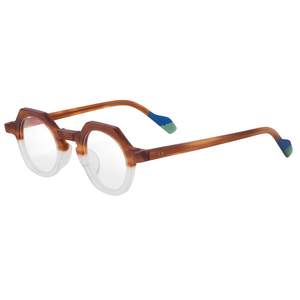
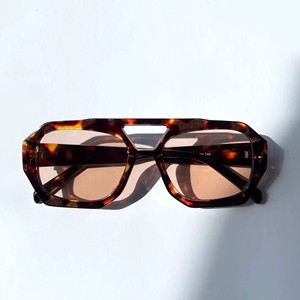
We maintain stock of over 258 proprietary laminated and extrusion colorways: classical Havana, demi-amber, Tokyo tortoise, architectural crystal fades, and multi-layered architectural laminations ready for rapid tooling.
Every production run destined for the United States complies strictly with FDA 21 CFR 801.410 (Impact Resistance Drop Ball Test), California Proposition 65 chemical compliance, ANSI Z80.3 standards, and uniform boxing dimensional labeling.
We accommodate both scalable independent multi-door boutique chains (starting at approachable 300-piece per SKU minimums across 3 curated colors) up to 50,000-piece regional distribution volume contracts.
Clear, technically rigorous answers covering tariffs, logistics, FDA lab testing, custom nose-pad sizing, and private labeling.
All optical frames and sunglass mounts exported to the United States are registered under our verified FDA Initial Importer / Foreign Manufacturer Establishment Registration. Each production batch is subjected to destructive impact testing pursuant to 21 CFR 801.410 (a 5/8-inch steel ball dropped from 50 inches). We provide complete Drop Ball Test Certificates, Certificates of Conformance (CoC), and Commercial Invoices with correct HTS codes (9003.11.0000 for plastic/acetate frames) to your customs broker at the Port of Houston or George Bush Intercontinental Airport (IAH).
Yes. In generic Asian wholesale markets, frames often feature shallow 16mm bridge widths with built-up acetate pads, whereas traditional European fits feature standard 18mm–20mm bridges. For the Houston multicultural market, our ODM engineering team modifies existing rectangle profiles with customized bridge geometries: Universal Fit built-up pads, deep keyhole configurations, or adjustable titanium nose pad arms embedded directly into the acetate front rim. Standard temple lengths can be scaled from 140mm up to 150mm for broader cranial widths.
Following CAD drawing sign-off, functional physical prototypes (CNC cut from stocked acetate sheets with temporary cold hinges) take 12 to 16 working days. Once the golden counter-sample is approved by your optometry director, bulk production takes 35 to 45 days. Air express shipping into IAH takes 4 to 6 business days. Ocean freight directly to Port of Houston terminals typically takes 26 to 32 days on the water through the Panama Canal route.
Our acetate frames are designed with high internal stability specifically for modern retail lens edging machines. Because our material is properly annealed and cold-cured, it does not twist, bow, or cup under the clamp pressure of automated tracers. The lens grooves are cut with uniform symmetry across nasal, superior, temporal, and inferior quadrants, guaranteeing that prescription bevels snap in securely without requiring high frame heating temperatures that could damage delicate anti-reflective lens coatings.
We offer complete turnkey branding: high-precision metallic hot-foil stamping, 2-color epoxy pad printing on inner temple bars, permanent high-resolution laser engraving, and recessed metal logo plaques cast into temple tips. Furthermore, we manufacture bespoke presentation packaging—including magnetic clamshell cases, embossed leatherette sleeves, branded microfiber wiping cloths, and tamper-evident outer cartons ready for direct retail display.
Whether you are engineering a custom corporate line for the Energy Corridor, expanding an independent dispensary chain across Katy and The Woodlands, or seeking higher gross margin private-label programs, our export team is ready to assist with technical drawings, physical acetate swatches, and rapid prototyping.

