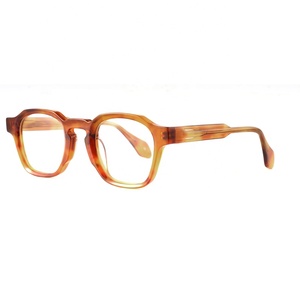
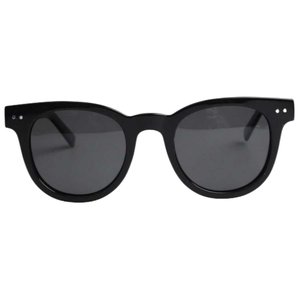
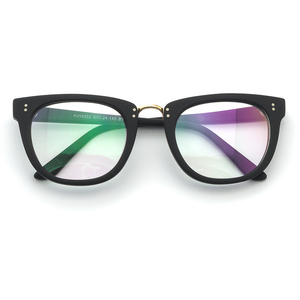
The eyewear distribution ecosystem across Moscow, Saint Petersburg, and regional hubs has undergone a fundamental structural transformation. Following the exit or parallel import throttling of legacy Western European conglomerates (such as Luxottica, Safilo, and Marchon), commercial optical retail chains, independent ophthalmology clinics, and digital-native marketplaces have shifted their core procurement strategy. Rather than paying 300% to 500% premiums for fragmented gray-market inventory, Russian enterprise optical buyers now directly commission custom collections from specialized Chinese manufacturing facilities capable of delivering true European luxury quality standards.
Moscow’s consumer base possesses deep aesthetic discernment. High-end retail destinations along Tverskaya, Kutuzovsky Prospekt, and the boutique enclaves around Patriarch Ponds do not accept generic injection-molded plastics. The market demands rich, subtractive-milled cellulose acetate sheets, authentic layered tortoiseshells, and durable beta-titanium armatures. Simultaneously, volume channels such as Wildberries, Ozon, and Lamoda require consistent, automated CNC repeatability, swift replenishment cycles, and competitive unit economics that maintain 65%+ gross margins at retail.
Bridging this supply chain requires manufacturing infrastructure that satisfies both the aesthetic sophistication of Moscow stylists and the stringent technical requirements of Russian lens-edging laboratories. In Russia, a significant percentage of prescription frames are glazed with complex progressive, high-index (1.67, 1.74), or anti-fatigue prescription lenses. Frames must feature perfectly uniform lens groove base curves (typically Base 4 or Base 6) cut with five-axis CNC cutters to eliminate axial lens warpage and guarantee long-term optical alignment under rigorous daily use.
Furthermore, navigating cross-border trade between China and the Russian Federation demands comprehensive command of non-tariff barriers, bilateral logistics nodes, and dedicated customs clearance. Establishing a reliable OEM/ODM eyewear supply line requires precision engineering at the factory level, matched with seamless execution of EAC (Eurasian Conformity) documentation, GOST-R certification, and dedicated Ruble-to-Yuan direct banking protocols.