

Diamond Cut Rimless

Engineered for seamless integration with prescription spectacles, our factory-direct models utilize advanced TAC polarization, vacuum anti-reflective coatings, and aero-grade TR90 or high-tensile metal architectures.
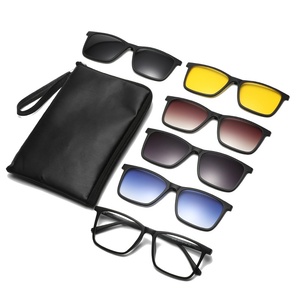
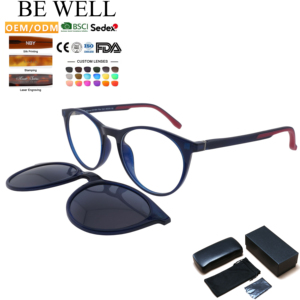
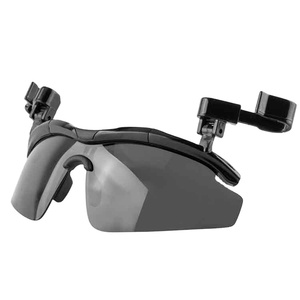
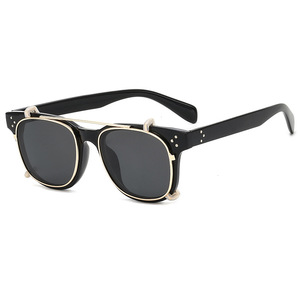
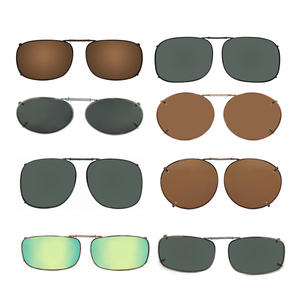
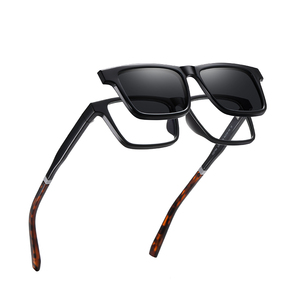
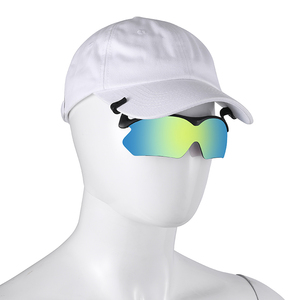
Distributors and optical practice chains across Auckland, Wellington, Christchurch, and Queenstown face distinct microclimates. New Zealand experiences up to 40% higher peak ultraviolet radiation levels during southern hemisphere summer months compared to similar northern latitudes, demanding rigorous optical calibration.
Because the earth's orbit places the southern hemisphere closer to the sun during December-February, coupled with clean, unpolluted skies and depleted stratospheric ozone, peak UV Index ratings in New Zealand consistently surpass 11 to 13. Standard decorative tinting fails to protect wearers from photokeratitis and progressive pterygium.
With thousands of kilometers of coastline across the Hauraki Gulf, Bay of Islands, and Marlborough Sounds, recreational and professional fishing demands intense water-surface horizontal glare suppression. Unfiltered reflections cause ocular fatigue and compromise subsurface spotting accuracy.
Navigating the South Island passes (Arthur's Pass, Crown Range) involves rapid transitions between snow-reflected glint, unshaded alpine roads, and heavily shaded valley tunnels. Prescription wearers require rapid single-hand adaptability without carrying secondary bulky optical frames.

Since 1985, our specialized eyewear production lines have integrated automated 5-axis CNC milling with master hand-polishing techniques. When manufacturing magnetic or mechanical clip-on sunglasses, structural precision is non-negotiable: a variance of merely 0.15mm will result in unstable magnetic seating, scratched prescription lenses, or tension fatigue.
By pairing high-grade Swiss TR90 resins and biocompatible cellulose acetate with precision-stamped stainless steel bridges, our factory produces clip-on hardware engineered for over 10,000 continuous articulation cycles without torque degradation.
Optical retailers, optometry cooperatives, and outdoor brand directors across NZ are reshaping their inventory procurement strategies to address shifting consumer demographics, eco-responsibility, and technical lens enhancements.
Consumers increasingly reject oversized, unstylish over-spectacles. Sleek magnetic 2-in-1 and 5-in-1 systems that maintain the aesthetic of contemporary thin acetate and TR90 silhouettes have grown over 35% year-on-year in retail dispensaries.
Driven by clinical optometry awareness, therapeutic clip-ons are expanding rapidly. Innovations such as FL-41 rose-tinted filters for migraine mitigation and targeted 455nm HEV blue-light absorption clip-ons allow patients to adapt their existing Rx glasses affordably.
In accordance with New Zealand's rigorous sustainability focus, commercial buyers prioritize cellulose acetate derived from sustainably harvested wood pulp and cotton lint, alongside bio-based TR90 polymers free of harmful phthalates and heavy metals.
Combining four decades of technical heritage with streamlined global export logistics tailored for the trans-Tasman corridor.
Every batch is optical-bench tested for spectrophotometric transmittance, polarizing efficiency, refractive power, and spherical prism aberration to guarantee border customs compliance.
We believe in "Sample First, Then Scale." Full physical prototypes including precise pantoscopic tilt, bridge claw curvature, and custom brand stamping are approved before bulk run initialization.
From CAD blueprints to adapting our 22 catalog silhouettes in 258 colorways, we offer flexible production setups, private laser etching, pad-printed temple marks, and retail-ready packaging.
Experienced air freight and ocean container fulfillment into Ports of Auckland, Tauranga, and Lyttelton with comprehensive export documentation, certificates of origin, and laboratory test reports.
Technical and commercial clarity addressing standard boxing metrics, regulatory standards, MOQs, and tooling execution.
Our sunglass lenses undergo rigorous photometric testing verifying spectral transmittance between 280nm and 400nm. We supply Category 3 general-purpose sun protection filters with luminous transmittance calibrated between 8% and 18%, fully certified to satisfy New Zealand consumer protection standards.
All physical mechanical clip assemblies are outfitted with co-molded virgin silicone or vulcanized soft rubber sleeves over the bridge claws. The tension mechanism is engineered to rest against the peripheral bevel of the optical rim rather than compressing directly against the functional optical optical zone.
Yes. By utilizing CNC laser contour milling, we can map your exact optical frame frontal CAD file or physical trace file. This guarantees that the clip-on perimeter, bridge spacing, and end-piece curves achieve 1:1 concentric alignment with your optical collection.
For existing tooling and standard catalog models, MOQs start from 300 to 500 units per colorway. Fully customized OEM clip molds typically require 1,200 units. Prototype sampling is completed within 12 to 18 business days, with mass production scheduled across 35 to 45 days.
We deploy triacetate cellulose (TAC) 7-layer and 9-layer composite polarized wafers featuring an encapsulated polyvinyl alcohol (PVA) polarizing core layer. This is reinforced with dual anti-scratch hard coats, hydrophobic top-seals, and optional multi-layer dielectric mirrors.
Yes. Private label orders can include bespoke ultra-slim clam cases, microfiber cleaning pouches, branded presentation boxes with UV400 compliance labeling, and laser-etched logos on the clip bridge or lens perimeter.
Partner directly with an established eyewear manufacturer. Contact our international export engineering team today to request physical master samples, AS/NZS compliance test dossiers, or custom OEM technical feasibility assessments.
Connect with our technical sales division for wholesale catalogs and CAD matching protocols.
Consult An Optical Engineer