

Tortoise Classic
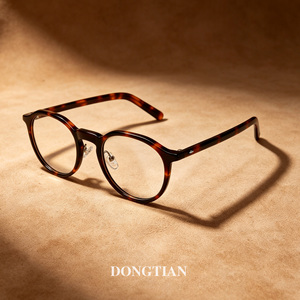
Explore high-performance multi-laminate acetate frames paired with high-clarity gradient TAC and nylon sun lenses, built to withstand high-altitude UV rays while elevating optical retail collections in the Horn of Africa.
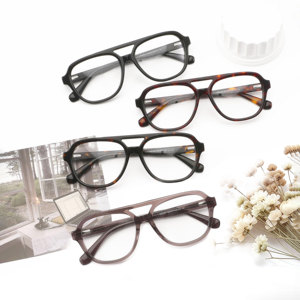
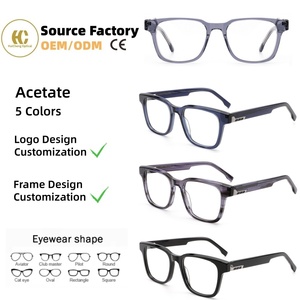
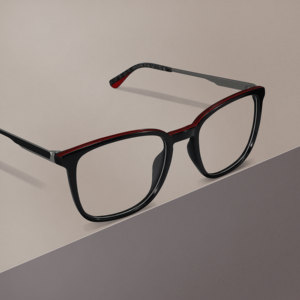
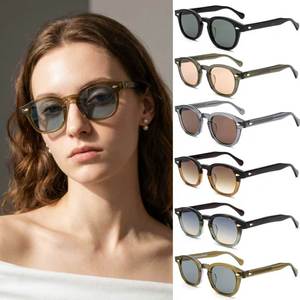

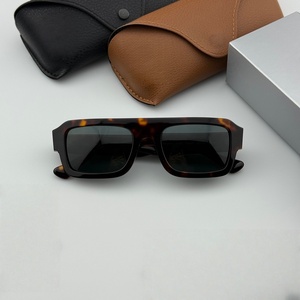
As Ethiopia consolidates its position as one of Sub-Saharan Africa's fastest-expanding urban economies, consumer expectations in the eyewear and sunwear segments are shifting drastically. In metropolitan centers—notably Addis Ababa, Hawassa, Dire Dawa, and Adama—eyewear is no longer considered merely a corrective medical necessity. It has transformed into an essential personal protective device against intense equatorial solar radiation, as well as a prime lifestyle marker for an expanding demographic of style-conscious professionals and students.
Sitting at an altitude exceeding 2,350 meters above sea level, Addis Ababa experiences elevated UV index ratings consistently throughout the year. Atmospheric filtration of solar irradiance decreases approximately 10% to 12% for every 1,000 meters of elevation. Standard cosmetic tint lenses fail to prevent photokeratitis or long-term retinal strain. Ethiopian buyers urgently require true UV400 protective substrates paired with Class 3 gradient shading—ensuring direct overhead solar reflection is curtailed while permitting clear ground navigation and reading contrast.
Historically, low-tier imported polycarbonate and TR90 frames dominated regional commercial hubs like Merkato. However, the arid tropical savanna and highland climates induce rapid embrittlement and surface degradation in cheap injection plastics. In contrast, layered cellulose acetate is a plant-derived biopolymer offering dimensional memory, structural elasticity, and hypoallergenic comfort. Acetate allows optical dispensaries to perform precise micro-heat adjustments to fit diverse facial profiles, preventing frame slipping and temple pinching.
Navigating foreign exchange allocation through the National Bank of Ethiopia requires importers and commercial optical firms to maximize the structural value of every Letter of Credit (L/C). Middlemen in third-party transit hubs add 30–45% markups without improving product quality. Working directly with an established OEM manufacturer like RTC Eyewear provides full supply-chain transparency, certified customs export invoicing, pre-shipment quality verification, and bespoke branding—ensuring optimal unit margins upon local clearance.
Manufacturing Heritage
UV400 Certified Lenses
Curated Colourways
CNC Machining Tolerance
Urban professionals navigating Bole Road or Kazanchis demand versatile frames that switch effortlessly between indoor office illumination and harsh afternoon sunlight. Gradient tint lenses (such as dark smoke-to-amber or olive-to-clear) allow clear laptop and dashboard viewing while shielding eyes from radiant sunlight. Concurrently, regional transit corridors, diplomatic gatherings, and outdoor hospitality venues across Debre Zeit and Bahir Dar have established gradient acetate eyewear as an essential everyday premium accessory.
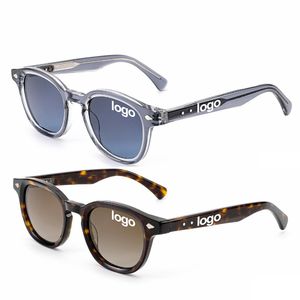
The modernization of optical chains and independent eye hospitals across Ethiopia is driving demand for private label collections. Domestic optical clinics are transitioning away from unbranded bulk commodities to curated in-house lines. Private label frames sporting customized laser-etched hinges, bespoke inner-temple branding, and customized dimensions for East African ergonomic profiles offer clinical retailers substantial gross margins while cultivating lasting brand equity.
Eyewear imports processed through the Ethiopian Customs Commission and Ethiopian Standards Agency (ESA) require strict adherence to international optical benchmarks, including ISO 12870 (ophthalmic optics) and EN ISO 12312-1 (sunglasses). RTC Eyewear integrates multi-stage quality assurance—verifying lens polarization efficiency, bridge tension, barrel tumbling polish smoothness, and hinge cycle endurance before issuance of inspection documents.
Operating continuously out of Ahmedabad, Gujarat, India since 1985, Rushabh Trading Company has dedicated over 40 years to a single material discipline: the precision machining, shaping, and artisanal hand-finishing of cellulose acetate eyewear.
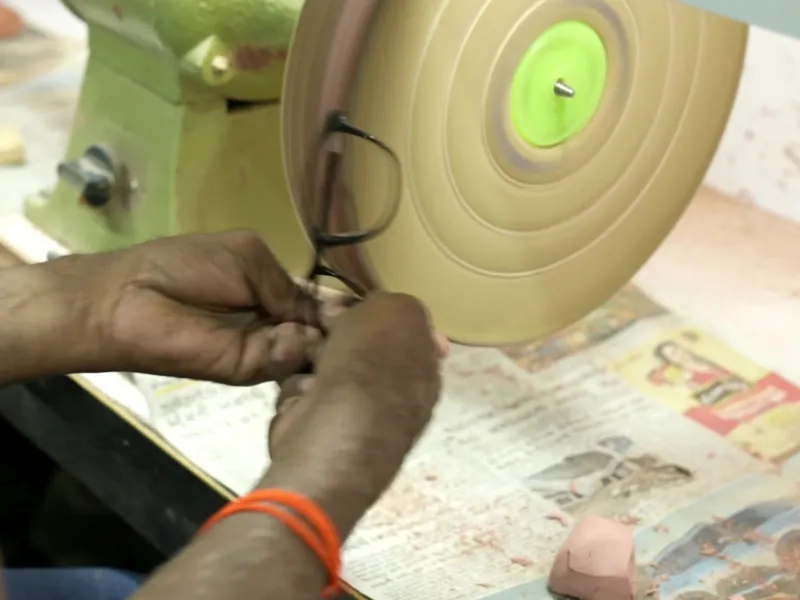
Unlike factories relying on subcontracted assemblies, our production facilities integrate end-to-end tooling, CNC cutting, core-wire shooting, barrel tumbling, and multi-stage wheel buffing under one roof. Our deep geographic proximity to western Indian maritime ports ensures efficient containerized shipping straight to the Port of Djibouti—the principal maritime gateway servicing the Ethiopian logistics corridor.
Essential guidance on minimum quantities, custom prototyping, freight via Djibouti, banking compliance, and optical performance specifications.
Most bulk orders are dispatched by sea freight from Mundra or Nhava Sheva (India) directly to the Port of Djibouti. From Djibouti, shipments move smoothly under customs transit bond via the Ethio-Djibouti Railway or highway corridor directly to the Modjo Dry Port or Kality Inland Container Depot in Addis Ababa. For urgent, smaller-volume sample collections or high-value capsule launches, direct air freight to Addis Ababa Bole International Airport (ADD) is routinely arranged.
We operate both OEM and ODM tracks. Under OEM agreements, you provide technical blueprints, 3D render files, or physical reference samples; our engineering workshop creates CNC master tooling and generates pre-production counter-samples. Under ODM partnerships, you select from our production-ready Clarish™ archive (comprising 22 distinct architectural models and over 250 colourways) and customize gradient lens transitions, bridge sizing, temple core designs, and logo laser engraving.
Yes. We have decades of experience with international trade documentation. Our export compliance office generates comprehensive Proforma Invoices with exact HS codes (such as 9003.11 for plastic/acetate frames and 9004.10 for sunglasses), Certificates of Origin, detailed Packing Lists, and standard conformity declarations suitable for National Bank of Ethiopia forex applications and local customs clearance.
Ethiopian highland cities face strong solar radiation paired with dry, dusty conditions during seasonal dry periods. Injected plastics rely on brittle surface coatings that peel, warp, or crack under rapid diurnal temperature shifts. Cellulose acetate is an organic polymer cured in thick, cured solid sheets with embedded chromatic pigments. The color is homogeneous through the material depth, the core wire allows fine temple angling without breakage, and minor abrasions can be completely restored through routine buffing.
Because every production batch requires specific acetate sheet calibration, CNC cutter tooling, and tumble barrel polishing cycles, minimum order quantities are established per model and colorway based on your private label specifications. Standard sample creation typically requires 15 to 25 days following design sign-off, while bulk production runs are scheduled in coordinated cycles to align with your seasonal retail delivery windows.
We outfit our custom sunglasses with premium Triacetate Cellulose (TAC) polarized lenses, shatter-resistant polycarbonate, or premium nylon optical lenses. All gradient tints are UV400 certified, absorbing 99% to 100% of UVA and UVB spectrum rays up to 400nm. Color treatments range from classic smoke-grey, G-15 pilot green, and gradient amber-tortoise to modern ocean-blue and dual-tone rose gradients engineered for sharp optical clarity.
Whether you are establishing a flagship private label collection for an optical retail group in Addis Ababa or sourcing containerized wholesale volumes for regional East African distribution, our technical engineering team is ready to discuss your blueprints, sampling requirements, and pricing schedules.
Inquire Now