Engineered with zero-stress CNC profiling, ergonomic Swiss-fit bridges, and high-purity cellulose sheet stock for trade buyers, retail chains, and international luxury collections.

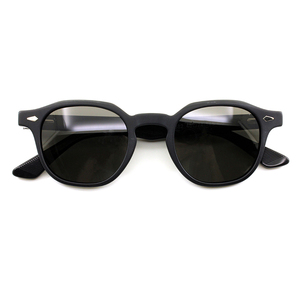
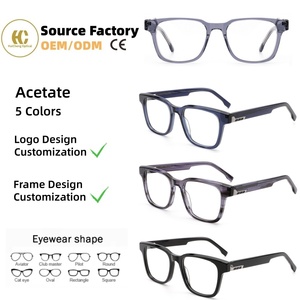
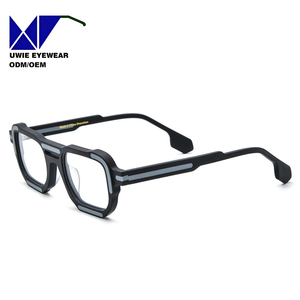
The Swiss optical landscape represents one of the most demanding quality ecosystems in the global eyewear industry. Independent optical boutiques throughout Zurich, Geneva, Basel, and Lausanne maintain strict tolerances that reject the dimensional instability common in commercial-grade injection molding. For Swiss opticians, frame grooving must accept high-index ophthalmic prescription lenses without inducing mechanical birefringence or edge stress, while temple joints must demonstrate zero lateral wiggle over years of daily wear.
Operating as an advanced OEM/ODM contract manufacturer with industrial lineage dating back to 1985, our specialized eyewear milling infrastructure bridges raw material science and ultra-precise mechanical execution. Utilizing 5-axis high-speed CNC machining centers equipped with diamond-coated micro-cutters, we produce cellulose acetate frame fronts and temple components milled to tolerances within ±0.05 mm. Every hinge recess, rim eyewire bevel, and core-wire cavity is routed directly from stabilized cured block acetate, eliminating thermal warping and ensuring total alignment across batch runs.
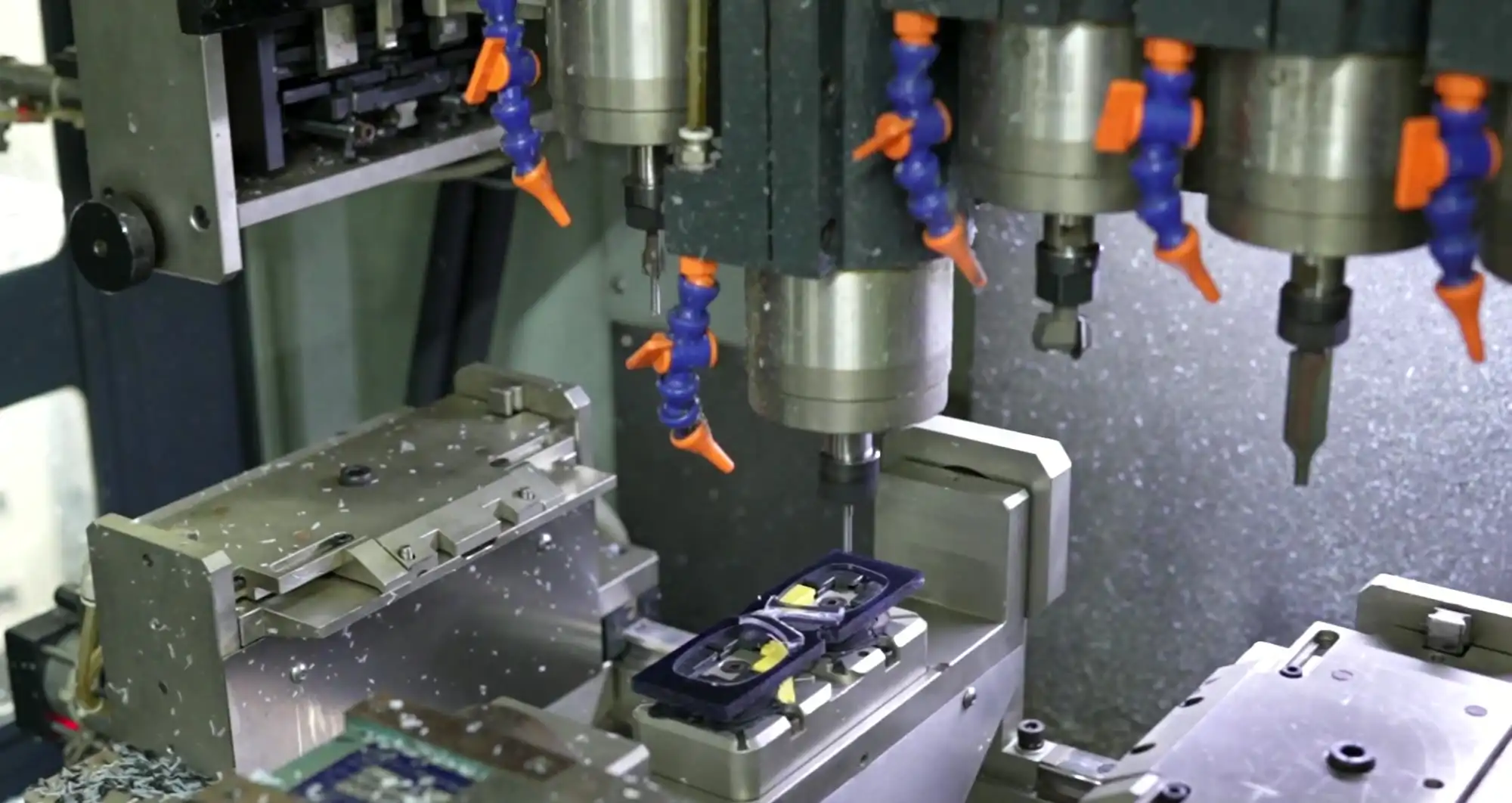
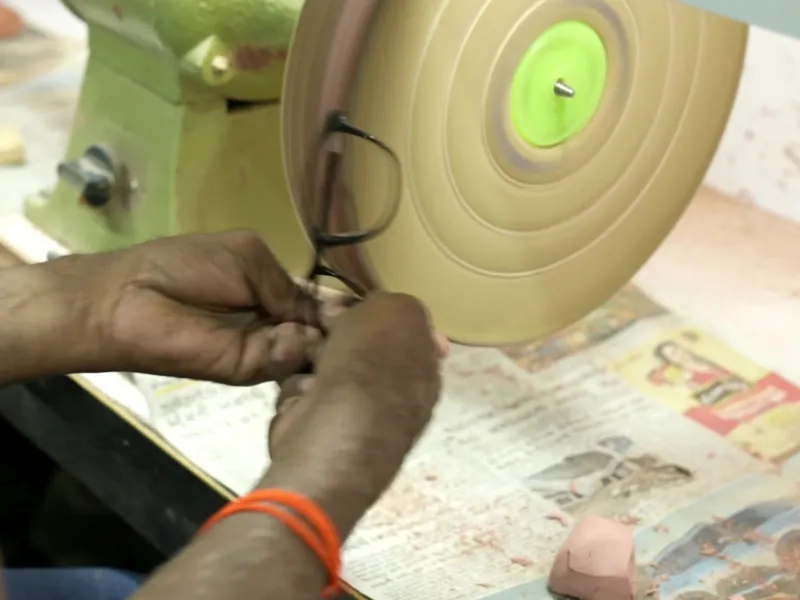
While multi-axis machining guarantees mathematical repeatability, tactile luxury requires human finesse. A frame fresh from the milling cutter exhibits microscopic step lines that cannot be rectified by spraying artificial lacquers. In our dedicated finishing ateliers, frame fronts and temples undergo a rigorous 4-stage barrel tumbling protocol lasting up to 72 continuous hours.
Components rotate within octagonal hardwood drums populated with calibrated pumice stone, seasoned birchwood pegs, and natural carnauba wax compounds. This progressive cycle eliminates surface striations at the microscopic level while radiusing sharp edges to an organic hand feel. Finally, senior polishers complete the process at manual cotton buffing wheels, burnishing the natural plasticizers within the cellulose acetate to unlock the profound, three-dimensional depth and mirror gloss demanded by Swiss luxury brands.
A comparative engineering overview detailing why Swiss private label brands prioritize multi-axis milled cellulose acetate over injection molded plastic and rapid additive prototyping.
| Performance Metric | 5-Axis CNC Milled Acetate | High-Pressure Injection Plastic | Additive SLS 3D Printing |
|---|---|---|---|
| Dimensional Stability (Thermal Shift) | Exceptional (Cured sheets aged 90+ days) | Moderate (Prone to mold creep under heat) | Low-Moderate (Hygroscopic distortion) |
| Prescription Lens Retention (Optometrist Fit) | Uniform V-Groove (Lab lens snap-in ±0.03mm) | Variable draft angles cause lens popped-out | Rough surface voids cause lens chipping |
| Customization & Short-Run Agility | High (Toolless digital G-code reprogram) | Prohibitive (Steel tooling CHF 8,000–25,000) | High (Zero tooling, but inferior finish) |
| Surface Lustre & Polish Retention | Intrinsic molecular sheen; re-polishable | Superficial coat; flakes with sweat/UV | Porous, matte; requires secondary dyeing |
| Biocompatibility (ISO 10993 / REACH) | Natural cotton linter / wood pulp base | Petroleum resins with volatile plasticizers | Nylon base; risk of micro-powder skin reaction |
| Swiss Retail Positioning | CHF 280 – CHF 750 (Haute Optométrie) | CHF 40 – CHF 120 (Mass Commercial) | CHF 190 – CHF 350 (Niche Experimental) |
From high-end metropolitan boutiques in Geneva to extreme UV alpine environments in the Valais, our custom OEM frames are engineered for precise Swiss consumer behaviors.
Optical purveyors in Zurich, Geneva, and Lucerne serve an affluent clientele that expects architectural silhouette clarity. We mill custom multi-layered Havana, monochrome black, and transparent champagne acetate with micro-beveled rims, providing the substantial tactile heft and flawless optical clarity expected by connoisseurs.
Eyewear deployed in Zermatt, St. Moritz, and Davos encounters extreme thermal fluctuations and intense reflected albedo. Our high-density cured cellulose frames remain mechanically rigid down to -25°C without turning brittle, accommodating Category 3 and Category 4 polarized lenses without frame stress or perimeter light leakage.
Swiss luxury watch brands frequently launch complementary eyewear lines reflecting the design language of their timepieces. We integrate custom wire cores decorated with intricate guilloché patterns, knurled metal end-pieces, and diamond-cut stepped milling that directly references haute horlogerie finishing techniques.
Critical shifts in Swiss consumer expectations, regulatory frameworks, and sustainability metrics redefining how optical buyers procure bulk frames.
Swiss retail buyers are phasing out traditional petroleum-derived plastics. We support this shift by stocking virgin bio-acetate formulated with bio-based plasticizers derived from organic sources. The resulting frame is fully compliant with Swiss Federal Food Safety and Veterinary Office (FSVO) standards regarding consumer articles contacting skin.
Swiss optometry emphasizes long-term ocular comfort and precise pantoscopic tilt. Modern collections require frame milling that hollows out interior temples and thins frame front perimeters down to 3.2 mm while preserving mechanical stability, resulting in frames weighing under 18 grams before lens insertion.
Independent optical buying cooperatives across the DACH region now favor lean inventory rotations. Our flexible OEM engineering platform accommodates low Minimum Order Quantities (MOQs) with customized laser temple inscriptions and custom serial numbering, allowing Swiss boutiques to test bespoke capsule releases without carrying excess stock.
Unlike diversified trading brokers or generic injection molding factories, our production facility has remained dedicated to a single category since 1985: premium cellulose acetate eyewear. Our manufacturing lineage is reflected in the tactile stability of our frames, the precision of our cutter RPM calibrations, and the seasoned instincts of our bench polishers.
We operate 22 dedicated in-line base models spanning 258 curated colorways—ranging from classic demi-amber tortoiseshells and deep crystal gradients to bold modern solids. Every model can be adapted to exact Swiss demographic boxing measurements (lens width, bridge width, temple length), branded with permanent diamond laser engraving, and accompanied by fully bespoke cases, micro-fiber cloths, and export-compliant retail cartons.
Comprehensive answers addressing regulatory compliance, customs clearance, minimum commitments, and technical specifications for Swiss optical buyers.
Every frame manufactured in our facilities undergoes rigorous mechanical stress, dimensional integrity, and endurance testing in strict accordance with DIN EN ISO 12870 (Ophthalmic optics – Spectacle frames). They meet all European Union CE marking directives and Swiss Federal Regulations (SR 817.023.41 on articles of daily use), ensuring nickel release standards (EN 1811) and toxicological safety.
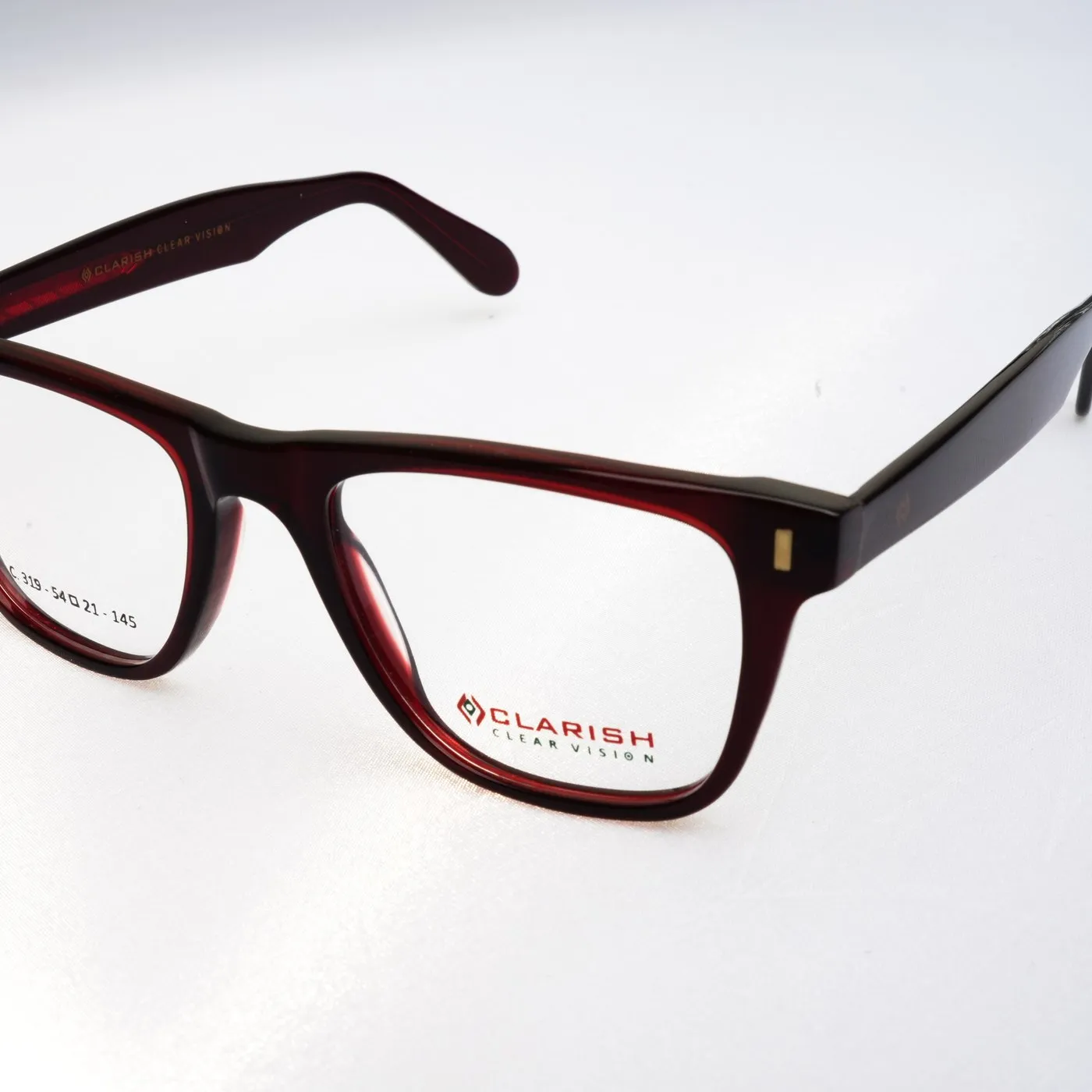
Yes. Central European cranial ergonomics often require specific bridge geometries (typically 18mm–21mm) and longer temple arms (145mm–150mm) compared to Asian fit profiles. We calibrate our CNC milling tools to exact millimetric boxing dimensions (lens width □ bridge width - temple length) based on your target demographic drawings or reference samples.
We provide full export documentation tailored for Swiss Federal Customs Administration (FOCBS / BAZG). Frame shipments are cataloged under HS Code 9003.11 (Frames and mountings for spectacles of plastics). We supply comprehensive commercial invoices, packing lists, and Certificates of Origin (Form A / EUR.1 compliant where applicable) to facilitate streamlined clearance through Zurich or Geneva air cargo hubs.
Because we specialize in trade supply for boutique chains and emerging brands, we structure agile manufacturing programs. For private-label production from our 22 catalog profiles, minimums can begin as low as 100 to 300 pieces per colorway. Full custom bespoke OEM tooling runs from original CAD sketches are quoted following initial 3D sample evaluation.
We deliver an end-to-end white-label solution where our factory name never appears. Personalization includes high-definition pad printing on inner temples, permanent CNC or laser engraving on outer temples, custom metal temple-tip inlays, matching hard-shell cases, embossed microfiber lens cloths, and branded distribution boxes.
Physical prototype samples are typically machined, hand-finished, and dispatched via courier (DHL/FedEx express) within 14 to 21 working days. Following physical sample approval and sign-off, bulk production cycles range from 45 to 65 days depending on batch size, tumbling duration, and material curing requirements.
Submit your 2D sketches, 3D CAD files, or reference frame specifications. Our optical engineering team will review your technical parameters, recommend ideal cellulose acetate sheet stocks, and furnish a comprehensive OEM/ODM proposal within 24 hours.
Contact Us
