

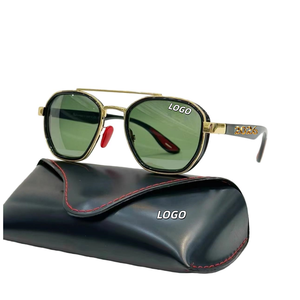
From architectural optical silhouettes to luxury high-density sunglasses, our production models serve as reference platforms for accelerated sampling and bespoke private label engineering.
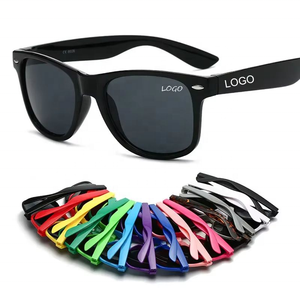
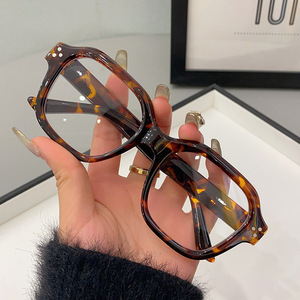
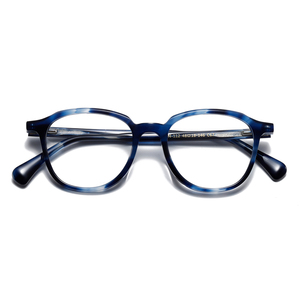
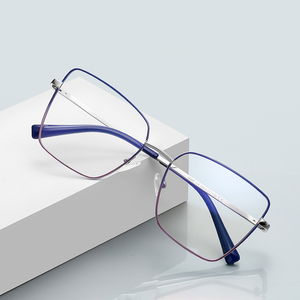
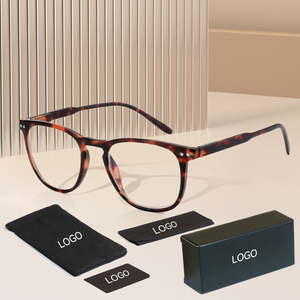


Eyewear product development has evolved from an empirical craft into an exact science. For design studios in Lisbon, Porto, and Braga, transitioning a conceptual sketch or a digital 3D rendering into a commercially viable, CE-certified eyewear product requires a prototyping pipeline that bridges aesthetic boldness with strict ophthalmic engineering standards. Rapid prototyping in eyewear is not merely about producing an aesthetic likeness; it is about simulating the physical performance, flexural modulus, weight equilibrium, and temple hinge tension of an acetate or metallic frame before full production batches are initiated.
At Rushabh Trading Company (RTC Eyewear), our manufacturing ecosystem leverages both digital precision milling and traditional craft. With foundational operations starting in 1985, our four decades in precision acetate engineering ensure that eyewear prototypes undergo meticulous CNC axis calibration. The standard tolerance for our milled acetate fronts is held at ±0.05mm, preventing optical lab glazing errors where bevel angles or groove depths cause lens pop-out under thermal expansion.
Initial ergonomic verification within 48 hours to validate facial contours, bridge clearance, and temple wrap against Mediterranean cranial morphology.
Direct machining from solid cellulose acetate sheets (4.0mm to 10.0mm). Verifies color saturation, weight feel, core wire insertion, and pantoscopic tilt.
Mechanical stress testing of optical bevel grooves using CR-39, polycarbonate, and mineral glass lenses to ensure compliance with EN ISO 12870 criteria.
Portugal presents distinct climatic, anatomical, and retail dynamics that demand thoughtful eyewear engineering. Sourcing partners must address the structural and environmental demands of the Portuguese peninsula, which experiences more than 2,800 hours of direct sunlight annually along the Atlantic coastline, while maintaining an appetite for European design elegance.
| Target Region | Primary Market Segment | Technical Engineering Demands | Material & Finishing Specification |
|---|---|---|---|
| Lisbon Metro & Cascais | Independent Luxury Boutiques & Premium Sunglass Brands | High UV400 absorption, anti-reflective inner back-coating, bold acetate cross-sections (6mm to 8mm). | Cellulose acetate sheets with organic plasticizers, high-polish tumbler finishing (72-hour beechwood granules). |
| Porto & Northern Hubs | Architectural Concept Stores & Heritage Eyewear Studios | Sharp geometric beveling, micro-etched core wire visibility, structural durability against humid Atlantic air. | Corrosion-resistant German silver hinges, bio-based cellulose propionate, unlacquered mechanical polishing. |
| Algarve Coastal Strip | High-End Resort Wear & Marine Optical Specialty Shops | Sweat and salt-mist resistance, polarized Category 3 glare suppression, secure non-slip bridge seating. | Monel and stainless steel alloys with physical vapor deposition (PVD) anti-saline protective coatings. |
| Coimbra & Central Academic | Prescription Chains & Tech/Student Blue-Light Optics | All-day comfort (<22g frame weight), heat-adjustable temple tips for varying head breadths, clip-on adaptability. | 4.0mm lightweight high-modulus acetate, spring hinges rated for >25,000 continuous open/close cycles. |
Because Portuguese opticians routinely re-heat and contour frames in boutique dispensaries, the plasticizer ratio within the acetate sheet is critical. Low-grade injected plastics lose retention or whiten under thermal adjustment. Our plant-derived cellulose acetate uses refined diethyl phthalate-free formulas, permitting Portuguese opticians to achieve precise ergonomic fits around the mastoid bone without surface degradation.
Procurement directors and eyewear brand founders across Portugal are navigating an evolving regulatory and consumer landscape. As European sustainability directives tighten and boutique consumers demand authentic craftsmanship, our prototyping and export services address several key structural market shifts:
Growing demand for biodegradable acetate derived from FSC-certified wood pulp and cotton linters. Buyers in Lisbon increasingly request third-party chemical verification guaranteeing <0.1% phthalate leaching.
Portuguese boutique collections rely on limited runs (300–500 pieces per colorway) to eliminate excess inventory. Rapid CNC prototyping allows brands to validate designs at trunk shows before committing to full production runs.
Integration of blue-light filtration, photochromic transitions, and therapeutic FL-41 migraine-attenuating lenses directly into designer chassis, catering to Portugal's growing remote workforce.
Founded in 1985 in Ahmedabad, Rushabh Trading Company (RTC Eyewear) has spent more than four decades mastering a single discipline: the conversion of raw cellulose acetate sheets into high-performance optical frames and sunglasses. We do not operate as intermediaries; our integrated facility controls the entire production cycle from raw sheet curing to final export packaging.
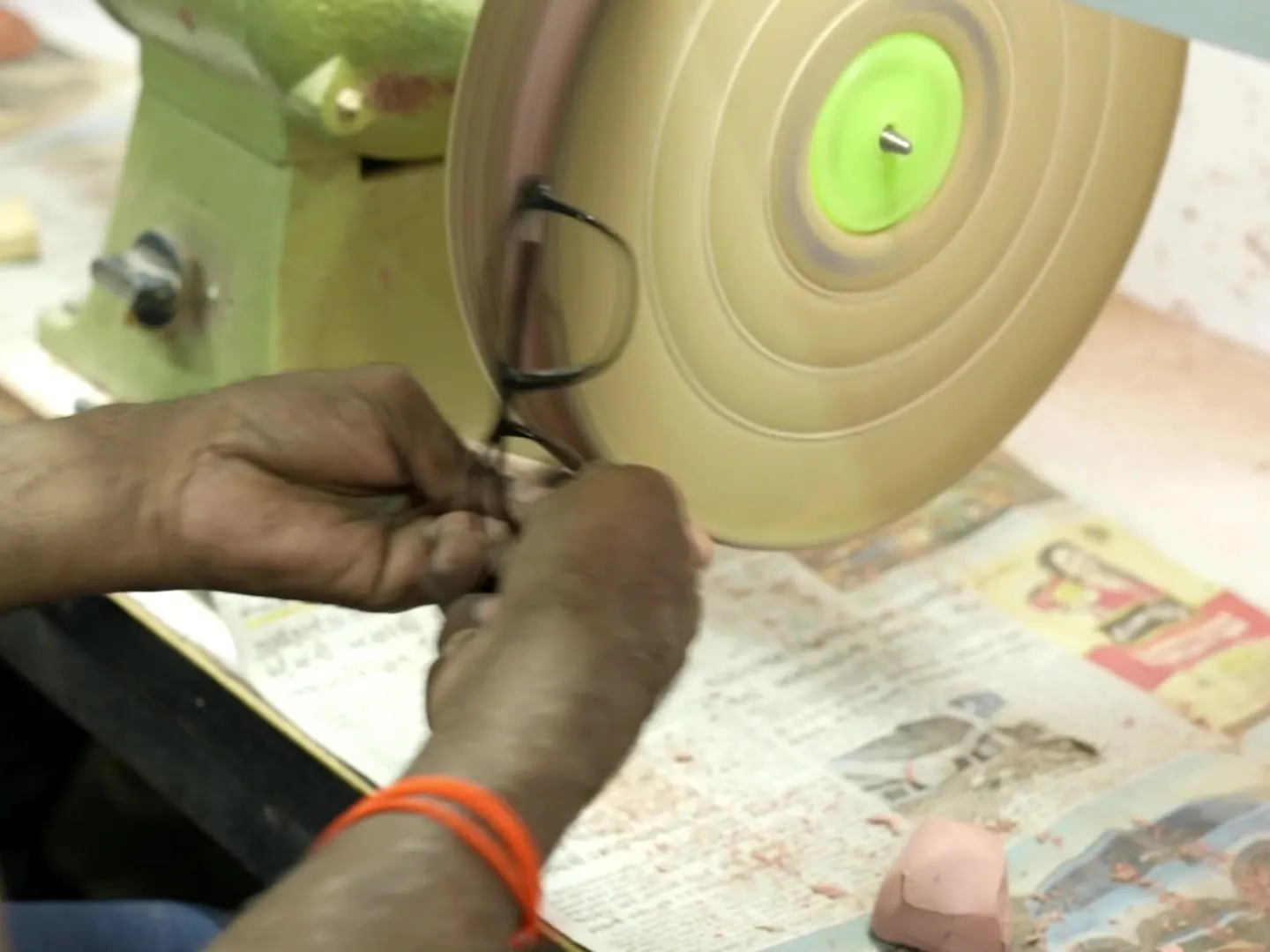
Unlike rapid prototyping bureaus that rely solely on 3D printing, we prototype using the actual production material: raw, layered cellulose acetate. Our multi-axis CNC routers carve fronts and temples using custom high-speed diamond tools. Following CNC shaping, every prototype undergoes a staged 72-hour barrel tumbling cycle in certified beechwood chips, culminating in hand-wheel polishing by master finishers.
This mechanical polish produces a deep luster inherent to the cellulose sheet, avoiding sprayed-on varnishes that peel in Portugal's coastal salinity. Our frames retain their natural gloss and structural integrity over years of wear.
Technical boxing dimensioning (Eye □ Bridge - Temple), lens curvature profile (Base 2 to Base 8), and hinge placement.
Verification of sheet plasticity, aging stability, and pigmentation distribution across single, double, or triple-laminate layers.
Precision carving of internal eye wire rim bevels, hinge pocket recesses, and external architectural chamfers.
Hydraulic metal core insertion, manual scraper calibration, and 3-stage organic barrel polishing.
Spectrophotometric verification, bridge deformation testing, nickel-release screening, and door-to-door courier export to Portugal.
All prototypes are engineered in compliance with EN ISO 12870 (Ophthalmic Optics - Spectacle Frames) and Regulation (EU) 2017/745 for Class I medical devices. We verify dimensional stability at elevated temperatures, resistance to perspiration, and ensure all metal parts conform to EN 1811 nickel release thresholds.
Yes. We maintain an archive of more than 258 production formulations, including Havana torts, crystal tints, horn patterns, and multi-layer laminates. For unique brand colorways, we can cast and cure custom acetate blocks for prototype verification prior to bulk extrusion.
We accept 2D vector drawings (.DWG, .DXF, .AI) with complete boxing measurements, or full 3D models (.STEP, .IGES, .STP). If you only have physical reference samples or conceptual hand sketches, our drafting team can generate production-ready 3D CAD files for your review.
Physical CNC acetate prototypes typically complete machining, tumbling, and hand assembly within 10 to 14 business days from CAD freeze. Shipping via international express courier (DHL/FedEx) to Portugal generally takes 3 to 5 business days, complete with export commercial invoices.
Yes. Prototyping can include high-precision laser engraving on inner or outer temples, metallic leaf foil tampo-printing, and micro-inlays. Our name does not appear on private label orders; frames and retail packaging are produced entirely under your brand credentials.
Unlike large assembly-line plants requiring tens of thousands of units, our production structure supports independent brands and boutique optical groups. Bulk production runs can scale flexibly by model and colorway once initial sample approval is finalized.
Connect directly with our engineering division to review your technical drawings, evaluate raw material sheets, or request our comprehensive 2026 technical catalogue and material swatches.
Get Catalog