Every frame is engineered from premium bio-cellulose acetate and precision titanium alloys, manufactured under strict ISO 9001:2015 and CE medical device directives with complete European MDR compatibility for rapid customs clearance at Ambarlı and Istanbul Airport cargo hubs.
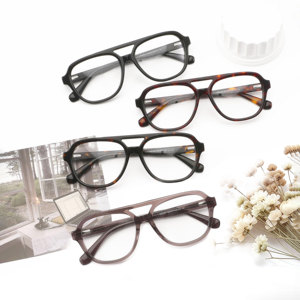
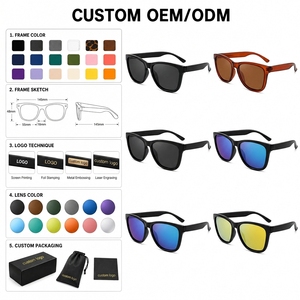
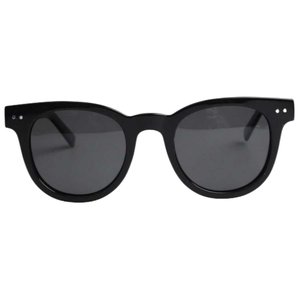
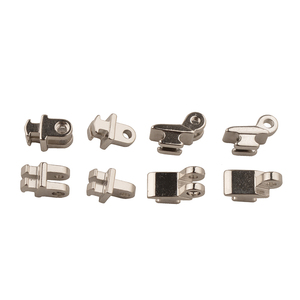

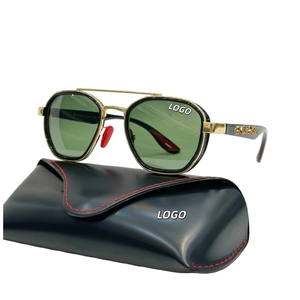
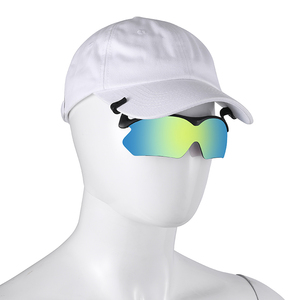
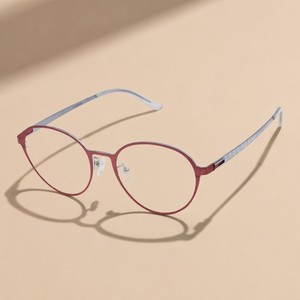
Cellulose acetate (organic polymer derived from refined cotton linters and wood pulp) remains the indisputable global benchmark for premium ophthalmic frames. Unlike conventional injection-molded petrochemical plastics (such as polycarbonate, TR90, or Grilamid), cured cellulose acetate exhibits exceptional thermal memory, hypoallergenicity, and continuous molecular coloration. For optical retailers operating in Turkey—spanning high-humidity Mediterranean coastal cities like Antalya to the severe dry-freeze winters of Central and Eastern Anatolia—material dimensional stability is non-negotiable.
Our manufacturing protocols enforce a 90-day secondary kiln-drying stabilization process for extruded and block-cast acetate sheets before CNC processing. This precise moisture evacuation prevents stress-induced frame warpage, rim shrinkage, and post-assembly lens ejection when Turkish optometrists execute cold bevel glazing or high-minus prescription surfacing.
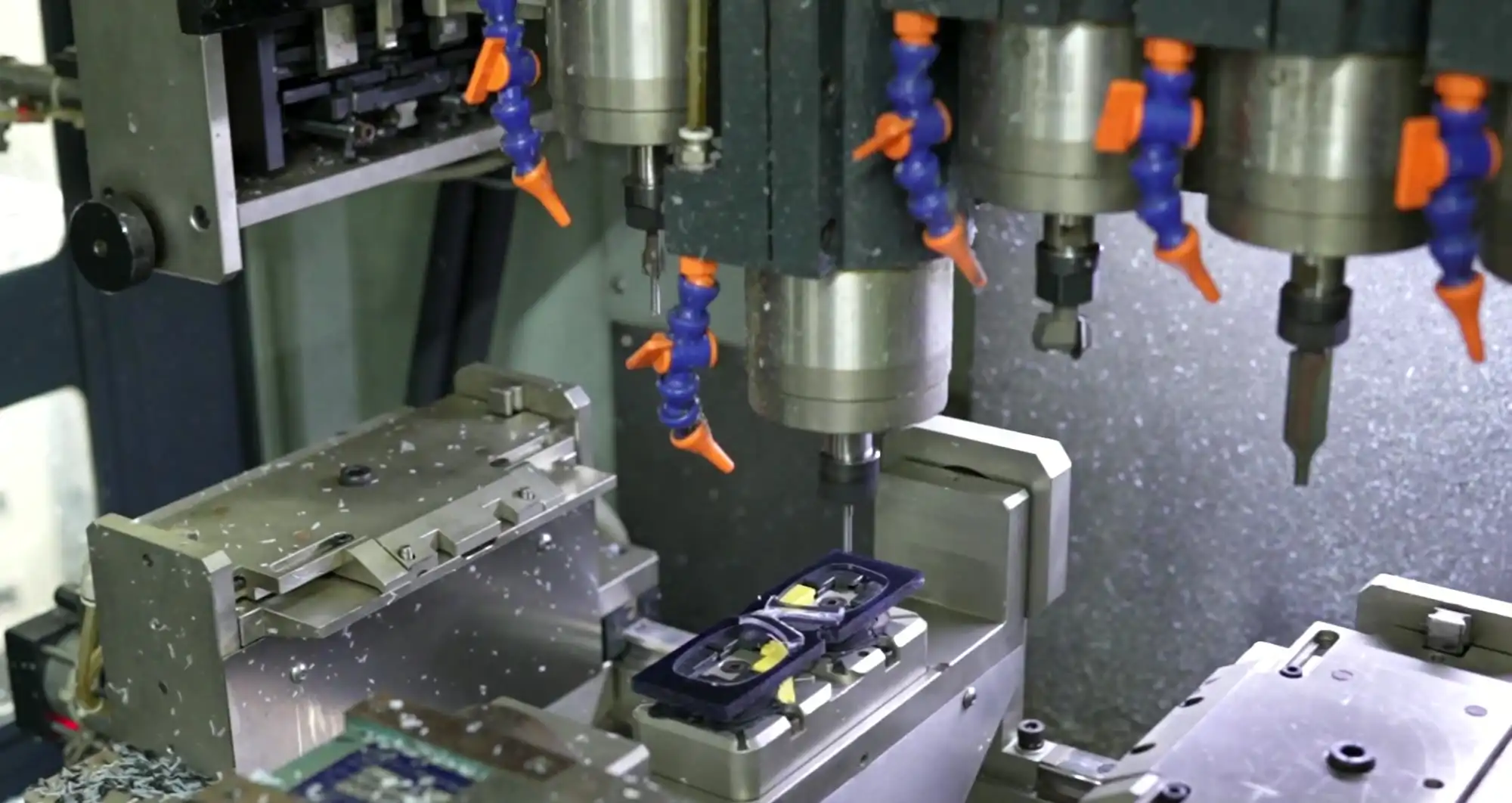
The manufacturing architecture combines five-axis computerized CNC routing with traditional artisanal wheel polishing. Front profiles are machined to a tolerance of ±0.05 mm, establishing an optimal 110-degree V-groove lens channel. This allows lens labs in Istanbul (Sirkeci) and Izmir to seamlessly edge polycarbonate, high-index 1.67 MR-7, and mineral glass lenses without optical distortion or localized pressure cracking.
Subsequent surface finishing avoids quick-fix chemical dipping or toxic lacquer sprays. Frames undergo a proprietary 4-stage, 72-hour mechanical barrel tumbling cycle utilizing calibrated Bavarian beechwood pegs, micro-fine Italian pumice slurry, and organic carnauba waxes. The resulting mirror luster is deeply fused into the polymer matrix, guaranteeing that daily exposure to facial perspiration, seawater, and Mediterranean UV radiation does not result in chalking, fading, or surface peeling.
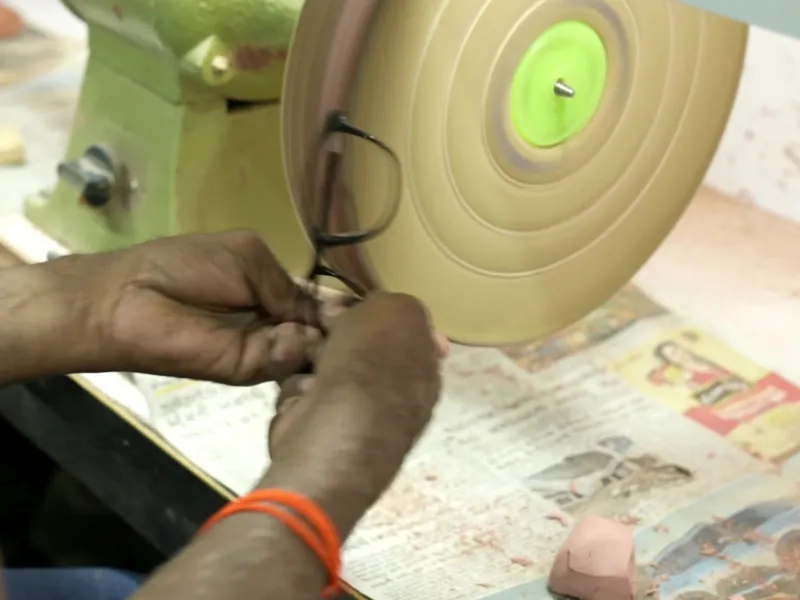
Comprehensive engineering criteria utilized across all OEM, ODM, and Private Label production batches destined for Turkish and European commercial distribution.
| Component Area | Technical Specification | Manufacturing Protocol | Ophthalmic Benefit for Turkish Retailers |
|---|---|---|---|
| Raw Polymer Sheet | High-Density Cellulose Acetate (Density: 1.28-1.32 g/cm³) | Triple-cured block laminations; phthalate-free plasticizers | Exceptional hand-feel, zero skin reactivity, durable luster retention |
| Lens Grooving Profile | 110° Standard V-Bevel Angle (Depth: 0.60 mm ±0.03 mm) | Diamond-tipped CNC carbide milling cutter | Flush mounting for standard index 1.50 up to ultra-thin 1.74 Rx lenses |
| Hinge Architecture | Lead-Free Cu-Ni-Zn Alloy 3-Barrel / 5-Barrel / OBE Spring | Dual-anchor hot core pin insertion with anti-loosening screws | Resists over-extension; survives 25,000+ cyclic open-close stress tests |
| Temple Core Wire | Nickel-Silver or Stainless Steel with Laser Chasing (1.2-1.4mm) | Pneumatic hydraulic insertion under controlled thermal gradient | Enables opticians to easily execute manual cold/heat ear contour adjustments |
| Nose Bridge Geometry | Anatomical Anatolian/European Hybrid Bridge (16 mm to 21 mm) | Precision-sculpted integrated pads or soldered titanium pad arms | Optimal weight distribution across the nasal crest without localized pinch marks |
| Surface Hardness & Coating | Rockwell M Scale 85-92 / Vacuum IP Plating (Titanium Accents) | Multi-stage multi-layer vapor deposition (0.5 to 1.2 microns) | Extreme sweat, salt, and abrasion resilience in coastal humid climates |
Turkey’s unique transcontinental position bridges European design sensibilities with dynamic Anatolian retail environments. We systematically engineer optical product portfolios to match the exact commercial realities of distinct domestic trade territories.
The historical heart of Turkey’s optical import and wholesale distribution. Trade houses in Sirkeci manage vast networks servicing independent optical dispensaries throughout Anatolia.
Upscale metropolitan optical boutiques demand artisanal differentiation, bespoke custom acetates, bevel milling, and architectural silhouettes that rival Parisian and Milanese luxury labels.
Serving world-renowned coastal vacation destinations including Bodrum, Çeşme, Antalya, and Fethiye, where international tourism demands high-performance sunglasses and fashion clip-ons.
A strategic overview of structural shifts within the Turkish ophthalmic frame sector and how smart importers can navigate regulatory, monetary, and consumer headwinds.
Over the past decade, low-cost injection-molded plastics saturated entry-level Turkish optical chains. However, evolving consumer sophistication and increasing prescription awareness have triggered a market-wide pivot back to cellulose acetate. Turkish eyecare professionals (ECPs) increasingly prefer acetate due to its repairability, warm tactile feel, and capability to be adjusted repeatedly using benchtop frame heaters without brittle snap fractures.
Ophthalmic frames entering Turkey are strictly classified as Class I Medical Devices under the supervision of the Turkish Ministry of Health (Sağlık Bakanlığı - TİTCK). Frame imports must carry authentic CE marking, complete technical dossier validation, and full product tracking integration into the Turkish Medical Device System (ÜTS - Ürün Takip Sistemi). Importers must partner with manufacturing facilities that maintain pristine, audited quality documentation to eliminate catastrophic customs seizures at Ambarlı, Haydarpaşa, or Sabiha Gökçen checkpoints.
With fluctuations in the Turkish Lira (TRY) relative to the US Dollar (USD) and Euro (EUR), leading optical groups such as Atasun Optik and prominent regional optical cooperatives are streamlining procurement by bypassing multi-tiered European middlemen. Sourcing directly from premier export manufacturing facilities enables Turkish buyers to capture 25% to 40% margin improvements, providing crucial retail pricing flexibility during inflationary macroeconomic cycles.
Silmo Istanbul Optical Fair has established itself as the preeminent regional hub connecting Europe, the Middle East, and Central Asia. The current fashion wave driven by Silmo Istanbul spotlights bold architectural bevels, chunky 6.0mm to 8.0mm acetate profiles, vintage pantos silhouettes, and eco-friendly bio-acetate formulations. Our manufacturing line regularly updates tooling to reflect Silmo design trends months before trade cycles begin.
Operating continuously since 1985, our manufacturing facility pairs four decades of specialized material mastery with advanced CNC automation. We are not brokers or trading intermediaries; we are authentic frame makers.
Our standardized Clarish™ architecture spans 22 distinct geometric models in 258 production colorways. These battle-tested mold setups dramatically compress upfront tooling costs and lead times for Turkish brands launching custom private label collections.
We respect the cash flow realities of growing optical brands. We do not enforce unmanageable container-level minimums. Every bespoke run begins with physical prototype verification approved directly by your technical team.
Transform standard production runs into your distinct retail asset. We execute ultra-crisp pad printing, permanent laser engraving on inner temple cores, and full retail presentation kits.
Shipping optical goods into the Republic of Türkiye requires precision paperwork. Our dedicated logistics team prepares complete Proforma and Commercial Invoices, Packing Lists with accurate HS Codes (9003.11 for plastic/acetate frames, 9003.19 for metal/titanium frames), Certificate of Origin (COO), and comprehensive CE declarations compliant with Turkish Customs Union guidelines.
Clear, direct answers regarding customs protocols, regulatory filings, minimum production requirements, and technical capabilities.
Yes. Under the Medical Device Directive (MDR EU 2017/745 harmonized by the Republic of Türkiye), ophthalmic spectacle frames are classified as Class I Medical Devices. Every model batch we export is supported by an authentic CE Declaration of Conformity, full material safety documentation (phthalate-free, non-cytotoxic, nickel-release compliant per EN ISO 12870:2018), and factory technical specifications required for your licensed firm to complete smooth product registration in the Turkish ÜTS (Ürün Takip Sistemi) portal.
For our existing, proven platform models (such as our 22 core Clarish™ models), private label branding—including inner-temple hot stamping or laser engraving and branded packaging—typically starts at 300 pieces per model, with flexibility across 3 to 4 distinct acetate colorways (e.g., 75 to 100 pieces per color). For completely bespoke OEM silhouettes requiring new CNC tooling and custom metal core fabrication, runs generally start from 500 to 1,000 pieces.
To protect our trade partners from erratic currency fluctuations, all international manufacturing contracts and proforma invoices are fixed in stable reserve currencies—predominantly US Dollars (USD) or Euros (EUR). Standard production terms operate on a 30% advance deposit upon sample approval to initiate raw material cutting, with the remaining 70% balance payable upon final QC inspection prior to container or air dispatch. Irrevocable Letters of Credit (L/C at sight) are also welcomed for verified established volume accounts.
Air cargo dispatches destined for Istanbul Airport (IST) or Sabiha Gökçen (SAW) typically achieve final customs transit within 4 to 7 business days, making air delivery ideal for initial launches, seasonal replenishments, or sampling campaigns. For cost-effective bulk commercial shipments, sea freight routed directly to the ports of Ambarlı (Istanbul), Alsancak/Aliağa (Izmir), or Mersin generally spans 18 to 26 days transit depending on transshipment connections.
Absolutely. Head breadth, nasal crest angles, and vertex distance preferences vary across populations. We frequently adapt European boxing standard geometries for the Turkish market, providing slightly wider front temple spreads, reinforced 18mm to 20mm anatomical bridge rests, and optimized pantoscopic tilt (8° to 10°) to ensure superior progressive lens (multifocal) accommodation for Turkish optical store clients.
Frame breakage during laboratory lens insertion almost always results from under-cured acetate or inconsistent bevel grooves. Because all of our frame fronts undergo 90-day material curing followed by micro-diamond CNC milling, the frame retains exact structural elasticity. When heated gently at standard optical lab temperatures (55°C–65°C), the rim expands uniformly and contracts tightly around the lens bevel without brittleness or edge distortion.
Connect directly with our export engineering and private label design department. Provide your target models, expected batch quantities, and target shipping schedule. We will respond within 24 hours with comprehensive material swatches, technical drawings, and transparent factory-direct pricing.

