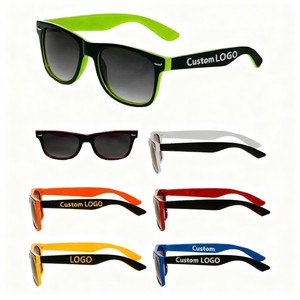
Precision-milled cellulose acetate, lightweight titanium, and multi-functional magnetic architectures compliant with DIN EN ISO 12870 standards.
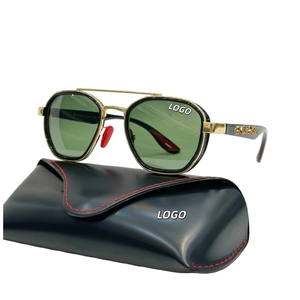
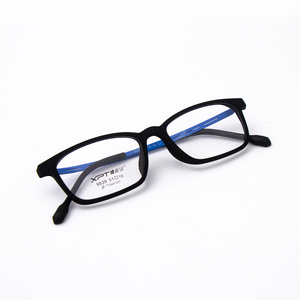
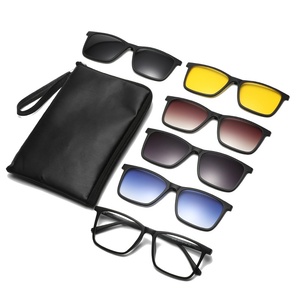

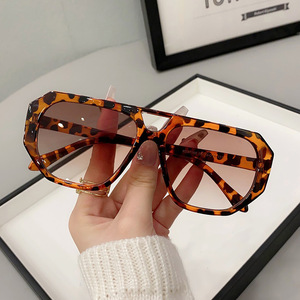
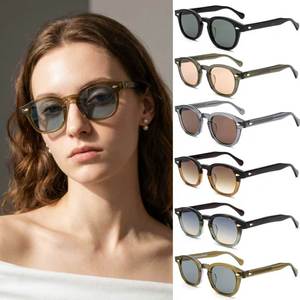

As the second largest municipality in Germany and the preeminent maritime commerce epicenter of Northern Europe, Hamburg occupies a strategic nexus in the global optical trade. The Free and Hanseatic City of Hamburg (Freie und Hansestadt Hamburg) boasts an optical retail market characterized by discerning consumer tastes, high purchasing power per capita, and a dense concentration of premium optometrists along Neuer Wall, Jungfernstieg, and the Eppendorf quarter. However, the contemporary German optical landscape is undergoing an aggressive structural transformation. Escalating operational costs, rigorous European Union Medical Device Regulations (Regulation EU 2017/745 MDR Class I), and consumer demand for verifiable material provenance have compelled German distributors, purchasing cooperatives, and independent boutique owners to reassess their global supply chains.
Historically reliant on multi-tiered European brand intermediaries that inflate end-market wholesale valuations by 300% to 500%, optical procurement executives across Hamburg are increasingly adopting direct manufacturer-to-port import frameworks. Utilizing containerized freight delivered straight into the Container Terminal Burchardkai (CTB) or Altenwerder (CTA) at the Port of Hamburg, forward-thinking buyers are collaborating directly with primary cellulose acetate manufacturers. This technical whitepaper analyzes the Top 10 Designer spectacle frames Manufacturer & Exporter entities servicing the Hamburg market, delineating the production capabilities, metallurgical specifications, and regulatory compliances required to thrive in this hyper-competitive market.
To establish clear criteria for procurement teams, we evaluate the leading manufacturing clusters and corporate entities supplying optical retail chains such as Fielmann, Apollo-Optik, and independent members of optical buying alliances (such as Brillen-Profi and Opticland) across the Hamburg metropolitan region.
| Manufacturer Profile | Primary Material Focus | Production Model | Core German Market Suitability | Compliance Rating |
|---|---|---|---|---|
| 1. RTC Eyewear (Rushabh Trading Co.) | Pure Cellulose Acetate & Titanium Hybrids | Bespoke OEM, ODM, Private Label | Independent boutiques, luxury private labels, optical chains | DIN EN ISO 12870, CE, MDR Class I |
| 2. Italian Belluno Valley Consortiums | Mazzucchelli Block Acetate | High-end Luxury OEM | Ultra-luxury Neuer Wall flagship concept stores | Full EU Harmonized Standards |
| 3. Shenzhen Precision Optical Group | Pure Titanium & Beta-Titanium | High-volume Contract OEM | Mass commercial chains and discount retail chains | ISO 9001, CE, Standard MDR |
| 4. Fukui Sabae Artisanal Guild | Forged Titanium & Japanese Celluloid | Limited Micro-batch ODM | Niche artisanal collectors in Eppendorf & Winterhude | Full Compliance, Non-Celluloid for EU |
| 5. Wenzhou Export Manufacturing Hub | Injection TR90, CP & Basic Metal | Mass Wholesaler Supply | Fast-fashion retail, high-volume promotional sun | Standard CE marking |
| 6. Jura Valley French Acetate Guild | Extruded Cellulose Acetate | Artisanal Luxury Supply | Designer eyewear galleries, avant-garde opticians | European Class I Medical Conformity |
| 7. Ahmedabad Precision Milling Hub | Organic Sheet Cellulose Acetate | Agile OEM/ODM & Private Label | Direct Hanseatic maritime import, high margin B2B | REACH Certified, DIN ISO 12870, CE |
| 8. Bavarian Custom Eyewear Works | 3D Printed Polyamide (PA12) | On-demand Bespoke Manufacturing | Orthokeratology and customized sports vision clinics | Bio-compatibility ISO 10993 |
| 9. Dongguan Premium Eyewear Finishing | Combination Acetate-Stainless Steel | Turnkey Export Supply | Commercial lifestyle and street-fashion collections | FDA, CE, ISO 13485 |
| 10. South Korean Daegu Optical Cluster | Ultem (PEI) & Memory Metal | Functional Technology OEM | Pediatric, senior reading glasses, ultra-light segments | Standard Medical Class I |
Eyewear retail in Hamburg is geographically segmented into distinct micro-markets, each demanding specific material attributes, structural dimensions, and price-to-quality ratios. Successful importers must tailor their catalog to the micro-demographics of these local catchments:
Boutique Luxury: High-density, multi-layer laminated acetate frames with deep mechanical gloss, custom rivet hinges, and subtle beveling. Discerning affluent buyers prioritize tactile substance, authentic tortoiseshell patterns, and zero visible outer-temple branding.
Maritime Executive Hybrids: Salt-mist resistant frames combining ultra-thin acetate rims with Japanese beta-titanium temples. Anti-corrosion hinges and polarized UV400 prescription solar lenses tailored for maritime logistics leaders and financial executives.
Avant-Garde Architectural: Bold geometric profiles, 8mm-to-10mm chunky raw-milled acetate fronts, matte wire-brushed finishes, and radical retro-pantoscopic angles catering to creative directors, media professionals, and urban tastemakers.
Data gathered from Hamburg's optical industry forums and international trade fairs such as opti Munich demonstrates three decisive engineering trajectories impacting how frames are manufactured and imported:
German environmental legislation and consumer sensibilities have rendered traditional synthetic plastics obsolete in the designer segment. Hamburg optometrists actively demand cellulose acetate synthesized from FSC-certified wood pulp and renewable cotton linters, utilizing bio-derived triethyl citrate plasticizers rather than diethyl phthalate (DEP). The resulting material offers identical tensile modulus (2200-2400 MPa) and superior skin bio-compatibility, fully complying with REACH Annex XVII and ISO 14855 biodegradability standards.
Standard Asian-fit frames consistently fail in the Northern European demographic due to distinct craniometrics. German facial anatomy requires deeper bridge saddles (18mm to 22mm bridge widths), elevated pantoscopic angles (7° to 9°), and longer temple dimensions (145mm to 155mm). Precision manufacturers must adjust their CNC toolpaths to provide generous pad clearances and anatomically contoured nose bridges that distribute frame weight evenly without creating focal pressure points across the nasal bone.
Independent optical retail groups in Hamburg can no longer afford the financial exposure of massive minimum order quantities (MOQs) enforced by legacy conglomerates. The prevailing market trend favors manufacturers that provide agile private label programs: allowing buyers to curate bespoke colorway combinations across 20-30 verified silhouette architectures with low MOQs (100–300 pieces per SKU), inclusive of custom German laser-engraved CE and model nomenclatures.
Operating since 1985 from our integrated production facility in Ahmedabad, Rushabh Trading Company (RTC Eyewear) has spent over 41 years perfecting the singular art of cellulose acetate frame manufacturing. Our export operations are engineered specifically to satisfy the meticulous quality benchmarks demanded by German optical standards:
Since 1985, our plant has processed exclusively premium cellulose acetate. Our master technicians comprehend the curing, crystallization, and dimensional stability of acetate sheets before the initial milling pass begins.
Multi-axis computerized tooling creates ultra-clean lens grooves with exact 0.5mm depths, ensuring seamless lens glazing for European prescription optics (high index, progressive, and anti-reflective coatings).
We reject chemical dip glossing. Every RTC frame front and temple undergoes a three-stage mechanical tumbling regimen with untreated beechwood pegs and Italian pumice paste, producing an enduring, deep tactile sheen.
We coordinate containerized sea and air shipments routed directly into Hamburg (DEHAM), handling consolidated bill of lading documents, EUR.1 origin certification, and German MDR compliance protocols.
When entering into manufacturing agreements with international optical exporters, procurement directors in Hamburg frequently raise critical technical questions regarding legal conformity and logistical reliability:
Whether you are expanding a high-end boutique brand on Neuer Wall, establishing a regional private-label optical chain, or optimizing your port-to-port import economics in Hamburg, RTC Eyewear provides the technical precision, regulatory assurance, and legacy craftsmanship your brand requires.