

Vintage Round
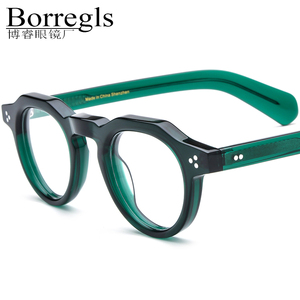
Borregls Acetate Optical Glasses Frame Men Designer Vintage Retro Round Eyeglasses 19411
Matte Satin
Keyhole Bridge
Unisex Retro
Each frame undergoes extended mechanical tumbling, organic walnut husk micro-abrasion, and hand-finishing to deliver a non-reflective, velvety tactile surface that resists oil absorption and skin friction in cold climates.
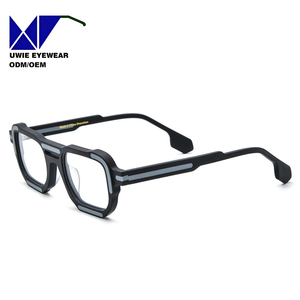
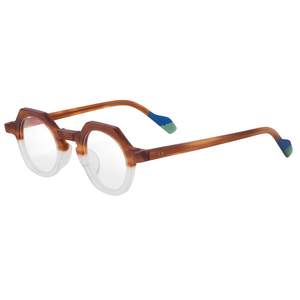
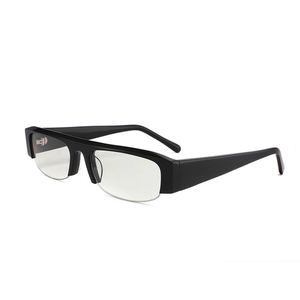
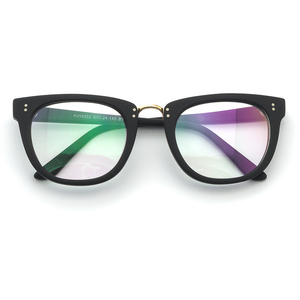
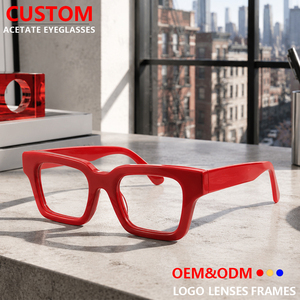
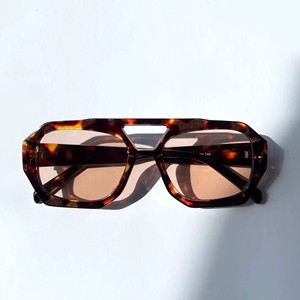
Get instant access to our comprehensive trade catalog featuring 22 core frame profiles, 258 distinct colorways, custom boxing measurements, and tailored low-MOQ sampling programs for Canadian eyewear importers.
In wholesale optical procurement across North America, matte acetate eyewear has migrated from a niche architectural styling choice to an essential core category. However, supplying the Canadian optical market presents rigorous mechanical and metallurgical challenges that standard equatorial manufacturers frequently fail to address. From the severe -30°C winters in Edmonton, Calgary, and Winnipeg to the extreme humidity fluctuations between indoor forced-air heating and exterior sub-zero climates, cellulose acetate structures undergo intense thermal shock and moisture migration.
Standard cosmetic eyewear producers achieve a matte aesthetic via rapid chemical spray lacquering or flash acid dipping. In the Canadian climate, these superficial surface treatments delaminate within 3 to 6 months of consumer use. The low glass transition temperature (Tg) of cheap plasticizers causes the coating to become brittle, resulting in micro-fissuring around the eyewire grooves and bridge under cold stress. When an optician heats the frame using standard bead warmers to mount high-index prescription lenses, inferior sprayed finishes turn cloudy, blanch, or peel permanently.
Rushabh Trading Company (RTC Eyewear) manufactures authentic matte cellulose acetate derived from sustainable cotton linters and softwood pulp. The matte finish is created through deep mechanical engineering: multi-stage dry tumbling using calibrated birchwood pegs and graded pumice paste, finalized by high-pressure micro-abrasion utilizing natural organic walnut husks. The result is a matte surface integrated into the full molecular section of the sheet, delivering continuous color depth, zero peeling risk, and complete thermal stability during in-clinic optometric bench adjustments.
How specific provincial climates, demographic shifts, and regional lifestyle patterns dictate optical frame geometry, finish resilience, and bridge engineering.
In high-density urban corporate hubs like Toronto's Financial District and Montreal's Mile End tech corridor, matte black, muted tortoiseshell, and geometric square profiles represent the leading daily executive uniform. Professionals demand ultra-matte, anti-glare surfaces that eliminate distracting reflections during video conferences while maintaining high aesthetic gravitas in boardrooms.
British Columbia's coastal environment demands high moisture resilience. Salt air, pervasive drizzle, and active outdoor-to-office lifestyles make polished frames slippery. Our micro-abrasion matte finish exhibits natural hydrophobic tactile friction, preventing bridge slippage on damp skin during cycling commutes along the seawall or outdoor hiking across coastal trails.
The interior provinces encounter sudden shifts between outdoor dry sub-zero temperatures and indoor radiator heating. RTC Eyewear integrates specialized annealing cycles in our production ovens, stabilizing internal sheet stress and eliminating the frame snapping risks that plague lesser quality imported acetate frames when consumers step into freezing winds.
Data-driven procurement shifts observed among independent optical groups, mass-retail optometrists, and direct-to-consumer private labels in Canada.
Canada boasts one of the most culturally diverse populations globally. Traditional narrow Caucasian bridge cuts (18mm with steep splay angles) experience massive return rates in major markets like Richmond, Markham, and Brampton. Leading Canadian retailers require OEM suppliers to deliver modified universal fitting bridges—combining lowered pad apexes, widened surface contact pads, and reduced vertex distances to comfortably seat on low nasal profiles without cheekbone contact.
Canadian importers are systematically diversifying outside traditional southern Chinese manufacturing clusters to hedge against geopolitical tensions, sudden freight spikes, and intellectual property leaks. Direct trade relationships with established manufacturing hubs in India—such as RTC Eyewear in Ahmedabad—provide Canadian brands with duty efficiencies, reliable lead times, full raw material traceability, and robust intellectual property ring-fencing.
For over four decades, Rushabh Trading Company (RTC Eyewear) has specialized exclusively in cellulose acetate eyewear manufacturing. Based in Ahmedabad, India, our integrated facility bridges technological automation with master artisan bench handcrafting.
Unlike factories switching between cheap injection plastic, metal wire, and TR-90, we have concentrated purely on block-cut cellulose acetate since 1985. The tooling, cutter feeds, blade cooling parameters, and finishing recipes reflect deep, specialized generational know-how.
Eliminate procurement risk. Every OEM/ODM program begins with exact pre-production counter-samples manufactured from your chosen acetate block, complete with pad printing, temple laser engraving, and custom hardware for your physical lab verification prior to batch sign-off.
Seamless clearing through the Canada Border Services Agency (CBSA). We structure HS tariff classifications, commercial invoices, Certificates of Origin (COO), and packaging compliant with Canadian bilingual (English/French) labeling guidelines.
Technical, logistical, and regulatory questions answered for Canadian optical chains, independent clinics, and private brands.
Yes. Non-corrective spectacle frames and ophthalmic frame fronts qualify as Class I Medical Devices under Health Canada guidelines. RTC Eyewear provides all necessary raw material safety data sheets (MSDS), ISO 12870 mechanical performance test reports (bridge deformation, temple fatigue, optical stability), and biosecurity documentation required for Canadian distributors holding Medical Device Establishment Licences (MDEL).
Frame cracking in freezing weather occurs when cheap acetate dries out due to plasticizer migration. Our raw acetate sheets undergo controlled slow-cycle aging and thermal tempering before CNC routing. This locks in the cellulose ester polymer chains, ensuring ductile flexural retention at sub-zero temperatures. The matte finish is mechanically tumbled into the body rather than coated, ensuring no thermal flaking occurs.
Because we operate flexible CNC machining centers alongside high-volume lines, our MOQ structures accommodate emerging boutique labels as well as national retail chains. Typical private label pilot runs start at 300 to 500 units per model split across multiple colorways. Bulk production lead times average 45 to 60 days post-sample approval, with expedited direct air freight to Toronto (YYZ), Vancouver (YVR), or Montreal (YUL) taking just 4 to 6 business days.
Absolutely. Every model in our Clarish catalogue and custom OEM project can be adjusted during the CAD/CAM tooling stage. We routinely tailor eye wire widths, bridge splay angles, and temple lengths to align with the specific demographic requirements of your Canadian customer base, including Asian-fit (Universal Fit) nose pad geometries.
Yes. We offer complete custom OEM packaging solutions tailored to Canadian Consumer Packaging and Labelling Act standards. This includes pad printing, foil hot-stamping, and laser engraving of your brand identity, alongside bilingually printed micro-fiber cloths, hard cases, presentation boxes, and barcode retail master cartons ready for direct warehouse distribution in Quebec and across Canada.
Partner directly with India's premier cellulose acetate manufacturer since 1985. Request physical samples, review complete CAD specifications, and discuss competitive OEM/ODM terms with our international trade specialists today.