B2B Optical Procurement Whitepaper

Top Trusted Cellulose Acetate Optical Frames Factory & Supplier for Mexico

Precision CNC Machining, High-Density Bio-Acetate Formulations, and Agile OEM/ODM Supply Chains Built for Mexico's Leading Optical Chains and Eyewear Brands.

Engineered Product Lines

High-Velocity Acetate & Hybrid Optical Collections

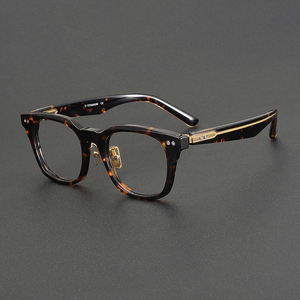
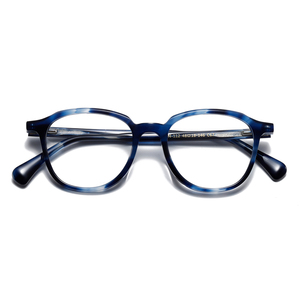
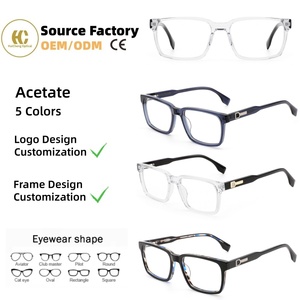
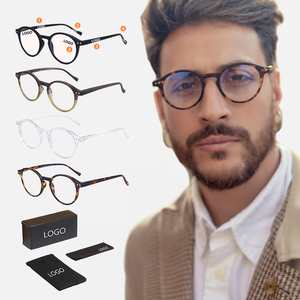
Manufactured using multi-axis CNC milling, high-luster tumbling drums, and reinforced core-wires designed for anatomical comfort and prolonged durability.
Localization Engineering

Anatomical Precision & Environmental Resilience for Mexico

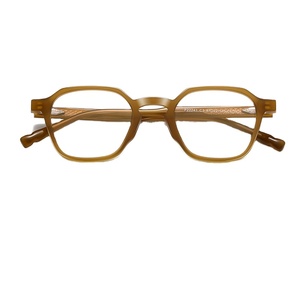
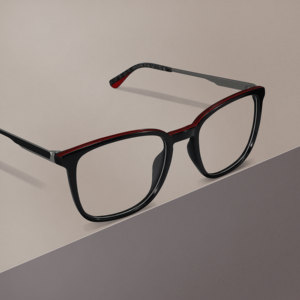
Exporting optical frames to Mexico requires engineering adaptations beyond stock dimensions. Our technical R&D adapts cellulose acetate properties for climatic variety and distinct cranial morphologies.

Anatomical Nose Bridge Modifications

Standard European bridge geometries often cause pressure points or frame slip on Latin American nasal anatomies. We build tailored splay angles (28° to 32°) with deeper, built-up acetate nose pads (11mm–13mm height) ensuring slip-free daily wear without third-party stick-on pads.

  • Eliminates lateral slippage on lower bridge heights
  • Optimized pantoscopic tilt (8°–10°) for progressive lenses
  • Extended contact surface reducing skin pressure

UV & Thermal Plasticizer Stability

From the arid, high-altitude UV radiation of Mexico City and Toluca to the tropical humidity of Veracruz and Yucatán, poor cellulose acetate quickly loses its plasticizer, causing embrittlement and white bloom. We use premium non-phthalate plasticizers cured over 90 days.

  • No warping up to 60°C in direct vehicle dash exposure
  • Anti-whitening resistance under constant sweat pH
  • UV400-stabilized raw polymer inhibits color fading

Digital Blue Light & Urban Prescription Demands

Metropolitan commercial centers in Guadalajara, Monterrey, and CDMX exhibit rapidly climbing demand for dual-purpose indoor/outdoor frames. Our optical grooves are micro-milled with standard 1.4mm to 1.6mm V-groove depth to securely seat thick high-index (1.67, 1.74) freeform lenses.

  • High mechanical retention for complex toric/cylinder lenses
  • Optimized bevel symmetry for computer glare coatings
  • Maintained structural stiffness preventing lens pop-outs
Industry Market Intelligence

Mexican Eyewear Trends: Macro Shifts & Consumer Preferences

The eyewear landscape across Mexico is undergoing a structural transition toward premium cellulose acetate. Here is what optical chain buyers, importers, and brand directors are prioritizing for 2025–2030.

+8.4% Acetate CAGR in Mexico
62% Preference for Bio-Acetate
54-56mm Dominant Boxing Eye Width
< 15 Days Manzanillo Port Customs Transit
Evaluation Parameter Injection-Moulded Plastics (TR90/PC) Standard Commercial Acetate RTC Industrial Cellulose Acetate (Mexico Spec)
Raw Material Source Petroleum-derived polymers Recycled wood/cotton flakes + synthetic plasticizers High-purity cotton seed linter & natural wood pulp
Color Longevity Surface spray-painted (scratches expose core) Solid extruded (limited tonal depth) Cured layered sheet (full-thickness translucent color depth)
In-Store Adjustability Snap-back memory (difficult to shape with heat) Moderate (risk of bubble formation if overheated) Optician-friendly thermosetting (retains custom ear/temple bend)
Structural Density & Feel Lightweight, but perceived as cheap / disposable Standard density (approx 1.28 g/cm³) Balanced hand feel (1.32 g/cm³), silky hand-buffed organic touch
Mexico Compliance Ready Mixed regulatory documentation Requires third-party testing NOM-050-SCFI / COFEPRIS import labeling compliant
Manufacturing Prowess

Four Decades of Acetate Specialization: Why RTC Eyewear Excels

Established in 1985 in Ahmedabad, India, Rushabh Trading Company (RTC Eyewear) has spent 41 years perfecting a single discipline: the machining, engineering, and hand-finishing of optical-grade cellulose acetate.

Since 1985 Dedicated Legacy

Over four decades of institutional memory inside a single category. Our technicians understand exactly how aging, temperature, and moisture affect acetate cutting blades, preventing internal micro-fractures.

Multi-Axis CNC Precision

We deploy high-speed CNC cutting centers executing front rims, bridge profiles, and temple taper angles down to ±0.03mm, ensuring interchangeable lenses and rock-solid hinge anchor seats.

72-Hour Barrel Pumice Tumbling

Rather than quick synthetic resin dips, our frames endure a 3-stage mechanical polish: beechwood chips, pumice granules, and organic wax buffing wheels for enduring gloss that never clouds.

Direct Mexico Export Logistics

Established freight channels to Puerto de Manzanillo, Lázaro Cárdenas, and CDMX Benito Juárez International Airport. Full documentation including Pedimento-ready commercial invoices, packing lists, and certificate of origin (CoO).

Commercial Clarity

Frequently Asked Questions by Mexican Optical Buyers

Clear, direct answers regarding custom clearance, NOM compliance, sample programs, and production schedules for Latin American trade partners.

How do you comply with Mexican import regulations, COFEPRIS, and NOM-050-SCFI?
Every export shipment destined for Mexico is processed with commercial invoices and packing lists matching the Harmonized Tariff Schedule (HTS code 9003.11 for plastic/acetate frames). We provide complete laser or pad-printed temple marking conforming to NOM-050-SCFI-2004 requirements (country of origin, importer tax ID/RFC upon request, model designation, and boxing dimensions). Our optical frames use biologically inert cellulose acetate free from nickel hazard along contact surfaces, meeting COFEPRIS health guidelines.
What are the minimum order quantities (MOQ) for Mexican independent retail chains?
For existing tooling within our Clarish™ production catalog (over 22 models across 258 colorways), our MOQ starts at 300 pieces per model, with flexibility across 3 to 4 acetate color variations (approx. 75–100 pieces per SKU). For full bespoke OEM development with custom CNC tooling and proprietary temple core stamping, our baseline is 600 pieces per silhouette.
What is the standard production timeline and transit window to Mexico?
Physical counter-samples for approved drawings or revised Clarish styles are completed within 14–20 business days. Upon sample sign-off and deposit receipt, bulk mass production takes 45 to 60 days. Air shipments via DHL/FedEx to Mexico City, Guadalajara, or Monterrey clear in 4 to 7 days. Ocean container loads routing to the Port of Manzanillo or Lázaro Cárdenas typically spend 22 to 28 days on water.
Can you manufacture private label packaging with Spanish legal requirements?
Yes. We produce fully customized unboxing systems: embossed microfiber lens cleaning cloths, hard-shell clamshell cases (PU leather or recycled EVA), rigid two-piece branded gift boxes, and barcode-labeled polybags with Spanish-language recycling marks and legal origin notices ready for Mexican department stores and optical shelves.
Do you accept letters of credit (L/C) or flexible payment terms for Mexican corporate accounts?
For initial engagements, we operate on standard T/T terms (30% production deposit, 70% balance against inspection certificate and Bill of Lading copy). For established high-volume Mexican optical chains, national cooperatives, and verified distributors, we accept Irrevocable Letters of Credit (L/C at sight) and can negotiate structured phased disbursements tied to inspection milestones.

Initiate Your Mexican Optical Program Today

Discuss your private label acetate specifications, request physical counter-samples, or receive a complete landed-cost pricing matrix for your target models.