

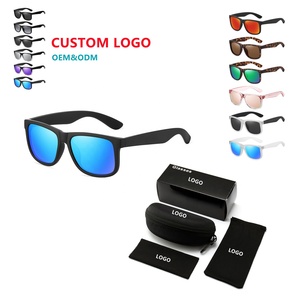
Engineered for high thermal tolerance, UV resistance, and market-tested structural balance. Browse our ready-to-scale SKUs optimized for Nigerian commercial distribution.
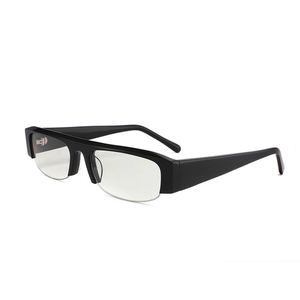
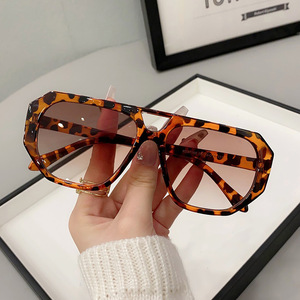
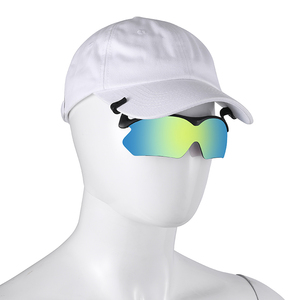
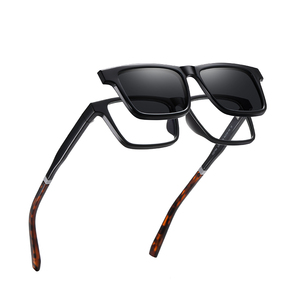
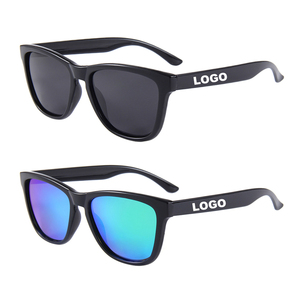
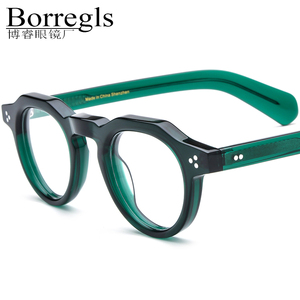
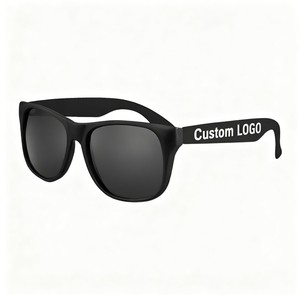
For eyewear importers operating across Lagos (Idumota, Balogun Market), Kano, Abuja, and Port Harcourt, commercial risk stems directly from material failure caused by excessive thermal cycling and intense solar radiation. Nigeria experiences high average UV Index ratings (frequently exceeding 11+ year-round), alongside elevated ambient humidity across southern coastal zones and arid, dust-laden Harmattan winds in the north.
Standard injection-moulded plastics fail under these conditions: cheap acrylic lenses warp, adhesive interlayers delaminate, and surface-lacquered coatings bubble or flake off within 60 days of retail display. As an OEM/ODM manufacturer with continuous production dating back to 1985, our factory eliminates these failure points through strict chemical and mechanical standards:
1. Multi-Layer PVA/TAC Polarizing Core: Our polarized lenses incorporate a 7-layer composite construction featuring an iodine-doped polyvinyl alcohol (PVA) polarizing film core protected on both sides by high-grade Triacetate Cellulose (TAC). This architecture guarantees 99.6% glare efficiency, complete UV400 absorption (280–400nm), and optical Category 3 luminous transmittance without perimeter peeling under high relative humidity.
2. Cellulose Acetate vs. Commodity Moulding: Rather than fragile solvent-welded thermoplastics, our Clarish™ chassis collections utilize high-purity, bio-based cellulose acetate sheets aged for dimensional stability. Mechanically tumbled for up to 72 hours in organic walnut shell abrasives and hand-buffed on multi-stage cotton wheels, the lustre is intrinsic to the matrix itself. Even after years of intense UV sun soaking, the frame retains structural plasticity, allowing licensed optometrists and dispensing opticians to safely reheat and fit temples without stress fractures.
Aligning product engineering with real consumer usage profiles across Nigeria's dynamic commercial and geographical environments.
In high-density metros like Lagos, commuter driving between the Mainland and Victoria Island exposes drivers to extreme horizontal windshield glare along coastal expressways. Our high-contrast polarized sunglasses provide immediate ocular fatigue reduction and enhanced road contrast for daily motorists.
During the dry Harmattan season, northern distribution corridors face elevated airborne microparticulates and diffuse sunlight. Our wrap-around outdoor sport frames and optical acetate frames offer aerodynamic eye sealing, shielding wearers from grit while maintaining optical clarity.
Driven by Nollywood culture and upscale professional hubs in Ikeja, Abuja CBD, and Lekki, Nigerian consumers view eyewear as a statement of status. Hand-finished acetate frames with custom branded laser engraving bridge medical ophthalmic functionality with luxury aesthetics.
Key macro-economic and consumer shifts every Nigerian optical merchant, boutique curator, and institutional buyer must factor into their procurement pipeline.
With changing foreign exchange rates and increasing prescription eyewear costs, Nigerian consumers favor versatile hybrid units. Ultra-light optical frames with magnetic polarized sun-clips eliminate the cost of buying two dedicated pairs, creating high turnover in retail chains.
Distributors are moving away from unbranded generic merchandise in favor of building proprietary domestic brands. We support Nigerian founders with end-to-end OEM execution, including temple stamping, custom microfiber lens cloths, and branded hard-shell retail packaging.
Retail chains and eye clinics across Nigeria increasingly require documented compliance with ISO and ANSI optical standards. Low-grade non-polarized lenses that trigger optical distortion are rejected in favor of verified Class 1 optics and accurate boxing measurements.
Decades of specialized focus, direct engineering control, and predictable global supply chain handling.
Four decades focused on premium eyewear engineering. Our knowledge is built into every step—from sheet selection and cutter settings to hand finishing at the polishing wheel. No trading intermediaries; you work directly with production engineers.
CNC machinery sets front curvature, hinge pockets, and bevelled lens grooves within hundredths of a millimetre. Skilled craftsmen then hand-finish touchpoints, eliminating sharp mould parting lines and ensuring a comfortable fit.
We eliminate risk for international buyers. Prior to initiating any high-volume production run, physical samples are machined, surfaced, pad-printed, and air-freighted for tactile approval. The approved sample serves as the binding quality standard.
Craniofacial morphology varies across global demographics. We customize lens widths, bridge spans, and temple curves (such as 54□18–145mm or 56□19–148mm) to ensure balanced weight distribution and secure nasal positioning for African wearers.
Our logistics team prepares commercial invoices, packing lists, and Certificates of Origin tailored for international clearance through air express or ocean freight containers arriving at Apapa or Tin Can Island ports.
We do not operate consumer-facing retail storefronts. We direct all engineering, manufacturing, and design resources toward supporting brands, optical boutiques, volume distributors, and corporate procurement channels.
Direct operational answers addressing logistics, customs documentation, minimum order quantities, and customisation.
We regularly ship via established international express couriers (DHL, FedEx) for rapid sampling and time-sensitive volume orders directly into Lagos (LOS) or Abuja (ABV). For larger sea freight shipments destined for Apapa or Tin Can Island ports, we provide export documentation, including packing lists, commercial invoices, and airway bills/bills of lading. Buyers can use their preferred clearing agents in Nigeria or coordinate with our forwarding partners.
For private label branding on in-catalogue models, our minimum order quantity starts as low as 100 to 300 pieces across assorted colourways. For fully bespoke OEM tooling and custom acetate sheet extrusions, MOQs are determined by raw material sheet run requirements. We configure realistic scaling tiers to help Nigerian brands launch new collections without excessive initial capital outlay.
Yes. In our ODM engineering service, we adjust standard boxing dimensions. Many European-standard frames have narrow bridges (15–16mm) that can cause pressure marks on wider nasal structures. We can adjust designs to 18–21mm bridge widths with extended, hand-sculpted acetate nose pads or adjustable stainless steel pad-arms to ensure a balanced, non-slip fit.
Our TAC polarized lenses undergo rigorous thermal shock testing (cycling between -20°C and +70°C) and moisture-resistance testing. The multi-layer triacetate cellulose protective shields seal the inner polarizing film against environmental humidity, preventing delamination, cloudy margins, or bubble formation under tropical conditions.
Yes. We provide precision pad printing on the inner temples or outer tips, deep laser engraving on acetate surfaces, and customized hot-stamping on leatherette cases, microfiber cleaning cloths, and rigid retail packaging. Samples are provided for design and font approval prior to full production.